
Confined Space Monitors: Key Mistakes That Raise Safety Risk


Confined space monitors protect workers in tanks, pits, sewers, vessels, tunnels, and enclosed process areas. They detect oxygen imbalance, toxic gas buildup, and combustible atmospheres before exposure becomes critical.
Yet many incidents are linked to avoidable errors. Confined space monitors can fail in practice when selection, bump testing, calibration, sensor placement, or response procedures are weak.
In the broader instrumentation industry, reliable monitoring depends on correct measurement principles, disciplined maintenance, and informed field use. This guide explains the key mistakes that raise safety risk.
What are confined space monitors expected to detect, and where do users misunderstand them?
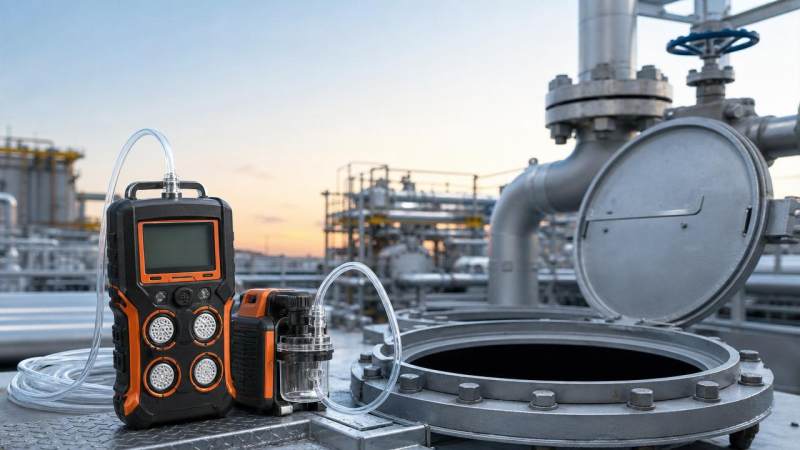
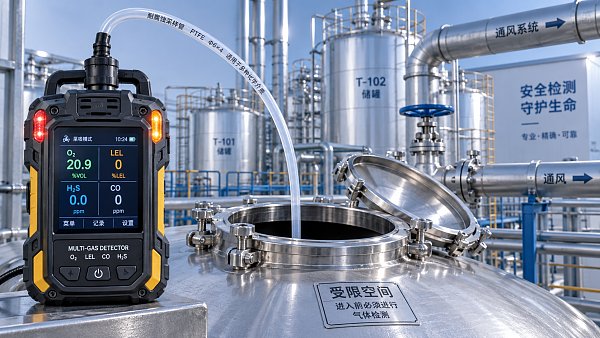
Confined space monitors are portable gas detection instruments used before and during entry. Most units measure oxygen, combustible gases, and selected toxic gases such as hydrogen sulfide or carbon monoxide.
A common mistake is assuming one instrument detects every hazard. It does not. Some confined space monitors cannot identify vapors outside their sensor configuration.
Another misunderstanding involves reading limits. A normal display does not prove the entire space is safe. Conditions often vary by height, temperature, airflow, and process residue.
Stratification is a major issue. Oxygen deficiency may develop low in the space, while lighter flammable gases collect high. Spot checking one level can miss the real danger.
Users also confuse alarm silence with safety. If the monitor is not sampling the right location, has drifted, or is cross-sensitive, no alarm can still mean high risk.
The first rule is simple: define the atmospheric hazards before entry. Then match confined space monitors to the chemicals, process history, and ventilation behavior of that space.
Which selection mistakes make confined space monitors unreliable in real operations?
Choosing confined space monitors by price alone is risky. Low initial cost can lead to poor sensor fit, limited environmental tolerance, and shorter service life in demanding field conditions.
One frequent error is using the wrong sensor type. Electrochemical, catalytic bead, infrared, and PID technologies respond differently to target gases and environmental interference.
Catalytic sensors, for example, may underperform in oxygen-poor atmospheres. Infrared sensors may be better for some hydrocarbons, but they are not a universal replacement.
Another mistake is ignoring expected gas concentration ranges. If the range is too narrow, readings may saturate. If too broad, low-level toxic exposure may be overlooked.
Ingress protection matters too. Moisture, dust, spray, and chemical splash can degrade performance. Confined space monitors used in wastewater, energy, and construction settings need suitable durability.
Battery planning is often underestimated. Long entries, cold weather, and pump use shorten runtime. A monitor that powers down early creates a hidden safety gap.
Selection should also consider data logging, alarm strength, pump capability, tubing compatibility, and calibration support. In instrumentation practice, usability directly affects measurement reliability.
Quick selection checks for confined space monitors
- Match sensors to known and possible gases.
- Confirm performance in temperature and humidity extremes.
- Verify diffusion or pumped sampling fits the space geometry.
- Check alarm audibility and vibration in noisy areas.
- Review calibration gas availability and service intervals.
Why are calibration and bump test mistakes among the biggest safety risks?
Many failures begin with skipped verification. Confined space monitors may power on and display numbers, yet still respond slowly, drift high or low, or miss gas entirely.
A bump test checks whether sensors and alarms react to known gas. Calibration adjusts the instrument to restore measurement accuracy. These are related, but not interchangeable.
A common mistake is calibrating on schedule but skipping daily bump tests. Sensor blockage, poison exposure, or mechanical shock can occur between calibration dates.
Another problem is using expired or incorrect calibration gas. Wrong concentration, poor regulator flow, or leaking tubing can create false confidence in confined space monitors.
Storage conditions matter. Sensors can drift after heat exposure, freezing, or long idle periods. Instruments kept in vehicles or damp cabinets often need closer attention.
Documentation is not paperwork for its own sake. Test records help confirm readiness, identify repeat failures, and support continuous improvement across industrial monitoring programs.
Essential pre-entry routine
- Inspect case, sensor inlets, tubing, pump, and battery level.
- Run a bump test with appropriate certified gas.
- Calibrate if required by policy or failed response.
- Verify alarm setpoints and date-time settings.
- Confirm the instrument is assigned to the planned hazard profile.
How do poor sampling and placement practices cause false safe readings?
Even high-quality confined space monitors cannot protect workers if they sample the wrong air. Poor placement is one of the most damaging operational mistakes.
Testing only at the opening is not enough. Air inside the space may differ sharply from air near the hatch, manway, or access ladder.
Remote sampling should cover top, middle, and bottom levels. Adequate wait time is necessary, especially with long tubing, dead zones, or low pump flow.
Another mistake is clipping a diffusion monitor where it breathes cleaner air than the worker. Position should reflect the breathing zone whenever feasible.
Ventilation can also mislead readings. Fresh air near the inlet may dilute gas locally while dangerous pockets remain behind baffles, sludge, or internal structures.
Movement inside the space changes conditions. Welding, cleaning solvents, rust removal, or line opening may create new hazards after entry, requiring continuous monitoring.
Confined space monitors should support the permit process, not replace it. Sampling strategy must align with entry route, work activity, and emergency escape planning.
What daily use habits reduce the effectiveness of confined space monitors over time?
Small handling habits have cumulative effects. Dirty sensor ports, blocked filters, kinked tubing, and careless storage slowly reduce the reliability of confined space monitors.
Ignoring alarm events is another serious error. Repeated nuisance alarms may signal contamination, ventilation instability, or an unsuitable sensor choice, not merely inconvenience.
Some users silence alarms too quickly or continue working while “watching the numbers.” This delays evacuation and increases exposure during rapidly changing atmospheric conditions.
Shared instruments can create confusion when ownership is unclear. Without assigned responsibility, bump tests, charging, cleaning, and fault reporting are often missed.
Training gaps matter as much as hardware quality. Personnel should understand sensor limitations, cross-sensitivity, response time, alarm hierarchy, and when readings require immediate exit.
The instrumentation industry has long shown that process discipline protects measurement integrity. Confined space monitors perform best when routine habits are standardized and audited.
How can teams compare risks, correct errors, and improve confined space monitor use?
The table below summarizes common mistakes, likely effects, and practical fixes. It can support toolbox talks, permit reviews, and internal safety improvement planning.
Practical improvement checklist
- Review confined space monitors against current gas hazards.
- Standardize bump test and calibration intervals.
- Train for sampling technique, not just instrument startup.
- Audit alarm response and recordkeeping monthly.
- Retire damaged or unstable instruments promptly.
Confined space monitors are powerful safety tools, but they are not self-managing devices. Most failures come from predictable mistakes in selection, verification, placement, and everyday handling.
Stronger results come from combining suitable instrumentation, clear procedures, and disciplined execution. Start by checking current confined space monitors against actual hazards and field routines.
A short review today can prevent false readings tomorrow. Update testing habits, sampling methods, and alarm response steps so confined space monitors deliver dependable protection when conditions turn dangerous.
Recommended for You
 How to select a hazardous gas analyzer for confined spacesHazardous gas analyzer selection for confined spaces: compare sensors, sampling, certifications, alarms, and maintenance to protect workers and choose with confidence.
 When is a single gas analyzer sufficient for workplace safety monitoring?Discover when a single gas analyzer delivers reliable workplace safety monitoring, and learn the key limits, calibration needs, and risks that require broader detection.
 How to choose an ambient gas analyzer for low-level leak detectionAmbient gas analyzer selection for low-level leak detection: compare sensitivity, cross-sensitivity, sampling design, alarms, and calibration for reliable site performance.
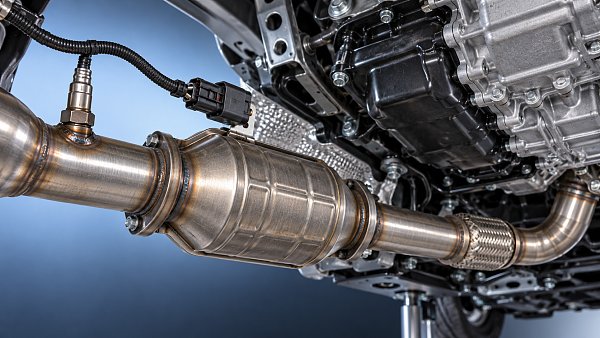
 How to tell when an oxygen sensor needs replacementOxygen sensor replacement signs explained: learn how live data, fault codes, wiring checks, and exhaust inspections pinpoint the real issue before you buy.
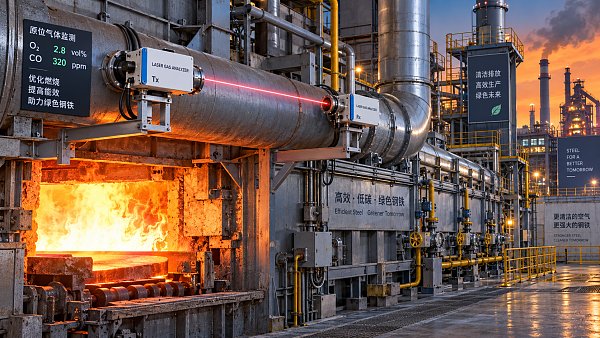
 How laser gas analyzers improve combustion control in steel furnacesLaser gas analyzer for steel industry applications delivers fast in-situ O₂ and CO data to optimize furnace combustion, cut fuel waste, and improve steel heating stability.
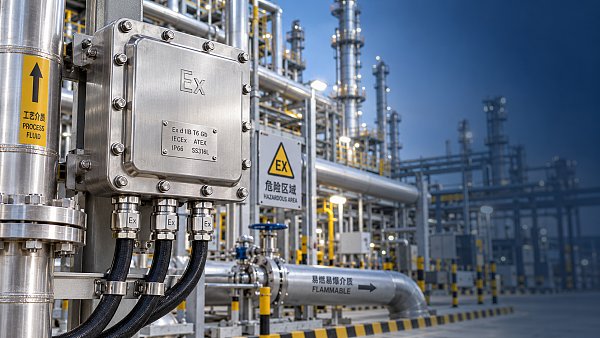
 How to verify whether explosion proof equipment meets site requirementsExplosion proof equipment verification made practical: match zones, gas or dust groups, temperature classes, certificates, and installation conditions for confident compliance.
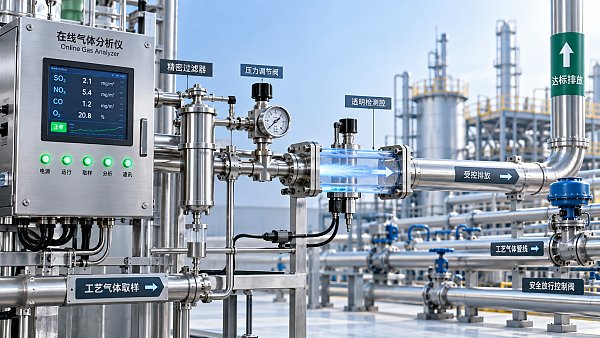
 How industrial gas analysis helps detect contamination before releaseIndustrial Gas Analysis helps detect moisture, oil, oxygen, and toxic contaminants before release—protecting processes, ensuring compliance, and reducing costly risks.
 When is electrochemistry detection the right choice for water analysis?Electrochemistry detection for water analysis: learn when fast, reliable monitoring of ions, chlorine, pH, and more delivers actionable results.
 How industrial standards reduce quality risks in supplier selectionIndustrial Standard guidance helps quality and safety managers reduce supplier risks, verify compliance, strengthen traceability, and build resilient instrumentation supply chains.
 When does a multi-component system reduce installation complexity?Multi component systems reduce installation complexity when they eliminate field interfaces, streamline commissioning, and provide proven compatibility. Learn how to assess total cost and supplier accountability.
 How to size an industrial control shelter for outdoor equipmentIndustrial control shelter sizing guide: optimize layout, HVAC, access, safety, and expansion space for reliable outdoor equipment operations.
 How flue analysis helps verify combustion efficiencyFlue analysis verifies combustion efficiency by assessing O2, CO, CO2, and stack temperature to identify excess air, incomplete combustion, and heat losses.
 How to select industrial gas detectors for confined spacesIndustrial gas detectors for confined spaces: learn how to match sensors, sampling methods, alarms, and certifications to real atmospheric hazards.
 When does a laser oxygen analyzer outperform zirconia sensors?Laser oxygen analyzer vs. zirconia sensors: compare speed, selectivity, maintenance, gas chemistry, and installation needs to choose the right oxygen measurement solution.
 How to select a percent range analyzer for process measurementsPercent range analyzer selection made practical: compare accuracy, sample systems, calibration, gas matrix, integration, and lifecycle cost for reliable process measurements.
 How explosion proof analysis verifies safe equipment for hazardous areasExplosion proof analysis verifies hazardous-area equipment by matching certifications, temperature ratings, installation details, and inspection controls for safer compliance.
 When does fixed gas detection need point sensors instead of open-path monitoring?Fixed gas detection: discover when point sensors outperform open-path monitoring for predictable leaks, enclosed zones, local alarms, and safer design decisions.
 How to choose industrial metrology systems for tight-tolerance partsIndustrial metrology guide for tight-tolerance parts: compare CMMs, optical scanners, gauges, uncertainty, workflow, and traceable inspection strategies.
 How process metrology reduces measurement variation in productionProcess metrology reduces production measurement variation by improving traceability, uncertainty control, calibration, and reliable quality decisions.
 How to select an industrial monitoring analyzer for harsh environmentsIndustrial monitoring analyzer selection for harsh environments: evaluate sampling, durability, hazardous-area compliance, accuracy, maintenance, and data reliability.
 How calibration intervals affect test and measurement equipment accuracyTest and measurement equipment calibration intervals directly affect accuracy, risk, compliance, and uptime. Learn how to set evidence-based schedules that protect critical decisions.
 When does process gas monitoring need continuous measurement?Process gas monitoring needs continuous measurement when rapid changes threaten safety, quality, compliance, or uptime. Learn how to specify reliable, actionable monitoring systems.
 How to prevent false alarms in power plant instrumentationPower plant instrumentation guide: prevent false alarms with reliable signal checks, smarter alarm settings, mode-based control, and actionable operator responses.
 How fixed gas detectors help prevent leaks in enclosed workspacesFixed gas detectors provide continuous leak monitoring in enclosed workspaces, enabling faster alarms, safer responses, and stronger protection for people and processes.
 How industrial gas analysis helps detect process contamination earlyIndustrial Gas Analysis helps detect oxygen, moisture, and hydrocarbon contamination early, enabling faster fault isolation, safer operations, and stronger process control.
 What drives environmental compliance continuous monitoring setup cost?Environmental compliance continuous monitoring setup cost: uncover hidden expenses, compare bids accurately, and build a reliable, audit-ready system.
 How to select gas analysis equipment for continuous emissions monitoringGas analysis equipment selection guide for reliable continuous emissions monitoring—compare technologies, sampling, calibration, compliance, and maintenance needs.
 What detection limit is needed for NH3 environmental monitoring?High accuracy NH3 analyzer for environmental monitoring: learn how to set the right detection limit, improve sampling reliability, and make defensible decisions.
 How to select a NOX analyzer for power plant emissions complianceNOX analyzer for power plant emissions: learn how to select a compliant, reliable CEMS solution with the right range, sample handling, calibration, and data integrity.
 How to evaluate a laser gas analyzer manufacturer in GermanyLaser gas analyzer manufacturer in Germany: compare accuracy, sample handling, interference control, calibration, and service to select a reliable solution.
 How does a flue gas analyzer maintain accuracy in wet stack gas?Flue gas analyzer accuracy in wet stack gas depends on heated sampling, moisture correction, reliable sensors, and calibration. Explore key selection tips.
 What makes equipment suitable for a hazardous environment?Hazardous Environment equipment selection explained: certification, ignition control, materials, installation, and maintenance for safer operations.


Search Categories
Search Categories
- Smart Meters & Power Quality
- Transformer Gas Analyzers
- BESS Thermal Runaway Detectors
- Energy, Power & Smart Grid Monitoring
- Optical Profilers & CMM
- Ultrasonic & X-Ray NDT
- Calibration Standards
- Precision Metrology & NDT
- Water Quality Analyzers
- CEMS & VOCs Monitors
- Price Trends
- Import & Export Updates
- Market Trends
- Industry News
- Industry Insights
Latest Article
- How to select a hazardous gas analyzer for confined spacesHazardous gas analyzer selection for confined spaces: compare sensors, sampling, certifications, alarms, and maintenance to protect workers and choose with confidence.Posted by:
- When is a single gas analyzer sufficient for workplace safety monitoring?Discover when a single gas analyzer delivers reliable workplace safety monitoring, and learn the key limits, calibration needs, and risks that require broader detection.Posted by:
- How to choose an ambient gas analyzer for low-level leak detectionAmbient gas analyzer selection for low-level leak detection: compare sensitivity, cross-sensitivity, sampling design, alarms, and calibration for reliable site performance.Posted by:
Please give us a message
