
2026 Market Trends for Predictive Analytics Instruments


As industries accelerate digital transformation, predictive analytics instruments are moving from optional tools to operational necessities. They combine sensing, monitoring, analytics, and decision support to improve forecasting accuracy, reduce downtime, and strengthen asset performance. In 2026, the market for predictive analytics instruments is expected to expand across manufacturing, energy, laboratories, environmental monitoring, and infrastructure, driven by higher data volumes, stricter compliance demands, and stronger pressure to convert measurements into timely action.
For the broader instrumentation industry, this shift matters because value is no longer created by measurement alone. It is created by measurement linked with interpretation, anomaly detection, and forward-looking recommendations. That makes understanding 2026 market trends for predictive analytics instruments essential when evaluating technology priorities, integration plans, and investment timing.
Why a Checklist Matters for 2026 Market Evaluation
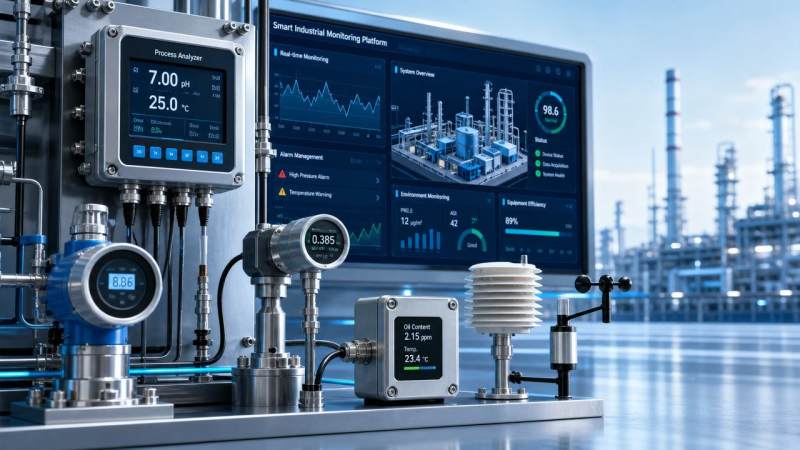
The market is evolving quickly, but adoption success still depends on disciplined evaluation. Many organizations focus on software features while underestimating sensor quality, connectivity limits, calibration integrity, and workflow fit. A checklist approach helps compare predictive analytics instruments beyond surface-level claims.
It also improves cross-industry relevance. Whether instruments support industrial automation, laboratory analysis, or environmental monitoring, the same core questions apply: data trustworthiness, model usefulness, deployment cost, cybersecurity readiness, and measurable business impact.
Core Checklist for Predictive Analytics Instruments
- Verify data quality at the source by checking sensor stability, calibration frequency, signal drift tolerance, and synchronization across devices, because weak inputs undermine every predictive analytics instrument outcome.
- Assess edge and cloud balance to determine whether predictive analytics instruments can process urgent events locally while still supporting centralized learning, reporting, historical comparison, and fleet-level optimization.
- Map integration paths into SCADA, DCS, MES, LIMS, ERP, and CMMS platforms so predictive analytics instruments can trigger usable actions instead of isolated dashboards and passive alerts.
- Compare model transparency by reviewing how the system explains anomalies, forecasts failure probability, ranks variables, and documents confidence levels for maintenance, quality, and compliance decisions.
- Examine cybersecurity architecture, including device authentication, encrypted transmission, patch management, and user access control, since predictive analytics instruments often operate inside critical operational environments.
- Measure lifecycle economics through installation cost, subscription structure, retraining effort, spare part availability, and expected reduction in downtime, scrap, energy loss, or manual inspection hours.
- Confirm scalability by testing whether predictive analytics instruments can expand from one line or station to multisite operations without reengineering data models or replacing installed hardware.
- Review regulatory fit for sectors with validated processes, emissions reporting, or traceability requirements, ensuring predictive analytics instruments support audits, data retention, and controlled change management.
Key 2026 Market Trends Shaping Predictive Analytics Instruments
Embedded intelligence becomes standard
A major 2026 trend is the move from stand-alone analytics platforms to embedded intelligence inside instruments. Flow meters, vibration monitors, analyzers, and power quality devices increasingly include onboard diagnostic logic and self-learning functions.
This reduces latency and supports faster responses to process instability, equipment wear, and abnormal energy consumption. As a result, predictive analytics instruments are being evaluated less as accessories and more as core operational assets.
Industrial interoperability gains commercial weight
Open communication and easier integration are now strong buying criteria. In 2026, predictive analytics instruments that support standard industrial protocols and structured data models gain an advantage because they shorten deployment cycles.
Interoperability also improves return on existing automation investments. Instead of replacing stable infrastructure, organizations can layer predictive analytics instruments onto current systems and unlock more value from installed assets.
Sustainability metrics become decision drivers
Energy intensity, water efficiency, emissions control, and waste reduction are shaping specification decisions. Predictive analytics instruments are increasingly selected for their ability to forecast deviations that affect environmental performance.
This creates demand in utilities, process plants, buildings, and environmental monitoring networks, where prediction supports both operational savings and reporting accuracy.
Hybrid service models continue to expand
The market is also shifting toward bundled offerings that combine hardware, analytics software, remote diagnostics, calibration support, and performance review services. This makes predictive analytics instruments easier to adopt where in-house data science resources are limited.
Application Notes Across Major Industry Scenarios
Industrial manufacturing
In manufacturing, predictive analytics instruments are used to detect machine degradation, process drift, and quality instability before output loss becomes visible. Vibration, temperature, pressure, torque, and power signatures often provide the earliest warning signals.
The 2026 opportunity lies in combining line-level data with maintenance systems and production scheduling. That enables intervention windows to be chosen with lower disruption and stronger asset utilization.
Energy and power
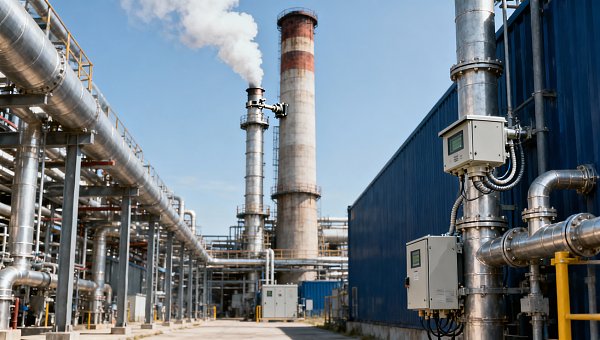
In energy systems, predictive analytics instruments support transformer health tracking, load forecasting, combustion optimization, and rotating equipment reliability. Their value increases when they connect operational measurements with weather, fuel, and demand data.
For 2026, resilience remains central. Instruments that detect early anomalies and reduce unplanned outages are likely to see sustained demand across generation, grid support, and distributed energy assets.
Laboratories and medical testing
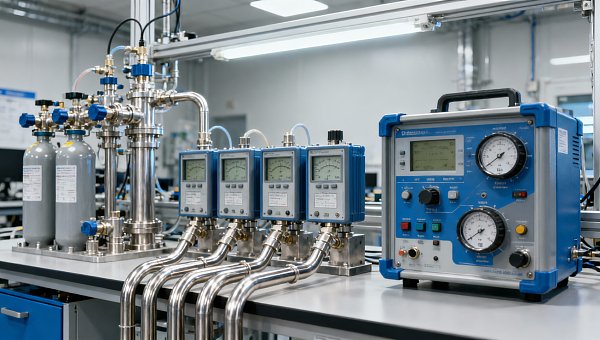
Laboratory environments use predictive analytics instruments to monitor analyzer status, environmental conditions, calibration drift, and consumable performance. The focus is less on heavy equipment failure and more on result stability and throughput continuity.
Adoption grows when predictive functions fit validated workflows and preserve audit trails. In 2026, systems that improve reliability without creating compliance friction are positioned well.
Environmental monitoring and infrastructure
Air, water, and structural monitoring networks increasingly rely on predictive analytics instruments to identify abnormal patterns, sensor fouling, contamination risks, and maintenance needs across distributed sites.
The market trend here favors remote serviceability, low-power operation, and strong data continuity. Forecasting value depends on stable readings over long periods, not only on advanced algorithms.
Commonly Overlooked Risks
One common mistake is trusting predictive outputs without validating measurement conditions. Poor sensor placement, inconsistent sampling, or weak calibration control can make predictive analytics instruments appear inaccurate when the real issue is instrumentation discipline.
Another risk is deploying dashboards without workflow triggers. If alerts do not connect to maintenance orders, operating limits, or laboratory actions, predictive analytics instruments create visibility but not practical improvement.
A third issue is underestimating retraining needs. Process changes, raw material shifts, seasonal demand, and equipment upgrades can reduce model reliability unless predictive analytics instruments are maintained as living systems.
Cybersecurity is also frequently treated as an IT-only topic. In operational settings, unsecured predictive analytics instruments can expose critical production and monitoring networks to avoidable disruption.
Practical Execution Steps for 2026 Planning
- Start with one high-impact asset group or monitoring process where downtime, energy loss, or compliance risk is already measurable.
- Define success metrics before procurement, including forecast accuracy, avoided failures, response time, and integration performance.
- Run a data-readiness audit covering sensor health, tag structure, historical depth, and communication reliability.
- Pilot predictive analytics instruments under real operating conditions, not only with curated sample data.
- Document governance rules for model updates, alarm ownership, calibration review, and cybersecurity maintenance.
Conclusion and Next Action
The 2026 market trends for predictive analytics instruments point to a clear direction: smarter instruments, stronger interoperability, broader sustainability use cases, and more service-based deployment models. Yet market growth alone does not guarantee results.
The most effective next step is to evaluate predictive analytics instruments with a structured checklist, beginning at the measurement layer and ending with operational action. When data integrity, integration, security, and workflow fit are treated as one system, predictive capability becomes a practical advantage rather than a promising experiment.
Recommended for You
 How does production line speed affect in-line measurement accuracy?Discover how production line speed affects in-line measurement accuracy. Explore sensor response, sampling, and timing to boost throughput without compromising quality.
 How condensation affects HCl concentration analyzer accuracyHCl concentration analyzer accuracy can suffer when condensation traps HCl. Learn how to spot sampling losses, prevent low readings, and improve measurement reliability.
 How does cross-interference affect multi-component gas analyzers?How does cross-interference affect multi component gas analyzers? Explore measurement errors, compensation limits, and validation tips to choose the right system for your process.
 How does temperature affect high-accuracy sensor performance?Explore how temperature affects high accuracy sensor performance. Learn to reduce thermal drift, evaluate compensation, and select the right sensor for reliable measurements.
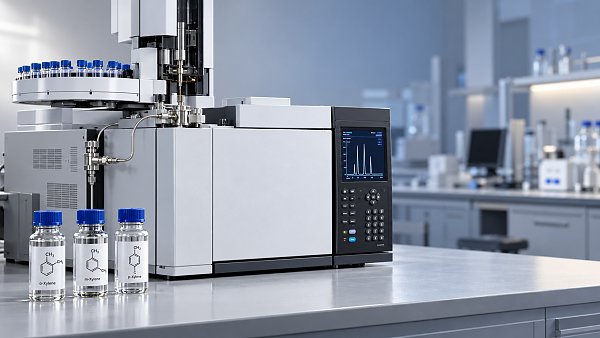
 Can a C4H8O concentration analyzer distinguish between isomers?Can a C4H8O concentration analyzer distinguish isomers? Compare GC, FTIR and MS methods, uncover selectivity limits, and learn what to validate before choosing your instrument.
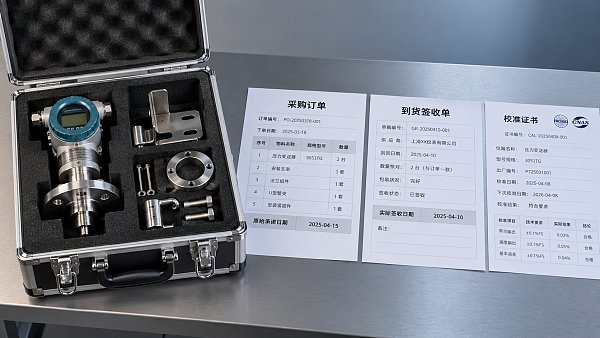
 How to identify a reliable supplier using on-time delivery recordsIdentify a Reliable Supplier by verifying on-time delivery records, original commitments, and complete shipments. Learn practical checks to reduce purchasing risk and protect your project schedule.
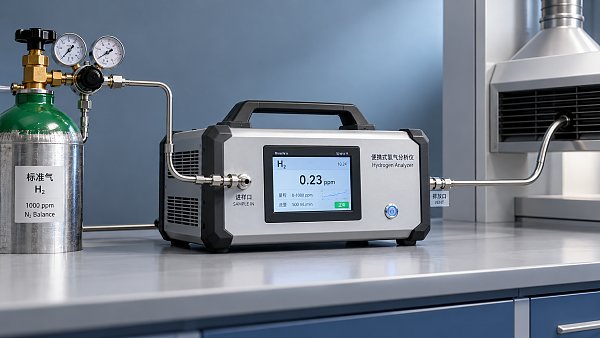
 How sensitive should a portable hydrogen analyzer be for lab use?Choose a portable hydrogen analyzer for laboratory use with the right quantification limit, accuracy, and range. Learn how to verify performance and avoid costly buying mistakes.
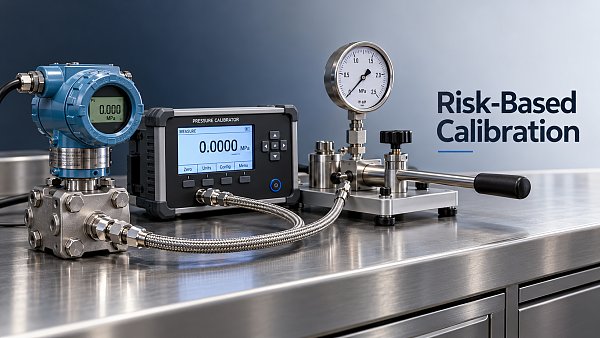
 How to set industrial calibration intervals based on equipment riskSet industrial calibration intervals based on equipment risk, drift, and as-found data. Learn when to shorten or extend schedules to improve reliability and avoid unnecessary costs.
 How to choose electrochemical analyzers for low-current measurementsCompare electrochemical analyzers for precise low-current measurements. Learn how noise, leakage, bandwidth, and real-cell testing help you choose the right instrument.
 What tolerance does a custom gas mixture need for calibration?Choose the right custom gas tolerance for calibration. Learn how blending tolerance, certified uncertainty, and stability affect accuracy—and avoid paying for precision you don’t need.
 How condensation affects stack detector readings in wet flue gasStack detector readings can drift when wet flue gas condenses. Learn how to identify moisture interference, prevent sample losses, and improve emissions monitoring reliability.
 How to prevent condensation in a CO2 analyzer sampling systemPrevent condensation in your CO2 analyzer sampling system. Learn how to control dew point, eliminate cold spots, and manage moisture for reliable readings and fewer costly disruptions.
 How to verify accuracy claims for industrial quality analyzersVerify accuracy claims for industrial quality analyzers with calibration checks, independent testing, and clear acceptance criteria. Learn how to reduce risk and buy with confidence.
 How to calculate cooling loads for an industrial analyzer shelterSize industrial analyzer shelter cooling with confidence. Learn to calculate equipment heat, solar gains, and ventilation loads, then select HVAC capacity for reliable analyzer performance.
 Hydrogen Analyzers for Energy Storage: Purity Monitoring vs. Leak DetectionChoosing a hydrogen analyzer for energy storage systems? Compare purity monitoring and leak detection to select the right sensors, improve safety, and protect fuel cell performance.
 NH3 Monitoring in Fertilizer Plants: Where Should Leak Analyzers Be Installed?NH3 analyzer for fertilizer production: discover where to place leak detectors around storage, compressors, and loading areas to reduce blind spots and improve early warning.
 Diesel Engine NOx Analyzers: Response Time and NO2 Conversion ExplainedChoosing a NOX analyzer for diesel engines? Learn how response time, NO2 conversion, and sampling design affect accuracy—and make a smarter, evidence-based purchase.
 SO2 Analyzers for Smelter Emissions: Sampling Hot, Dust-Laden Flue GasSelect an SO2 analyzer for smelting industry applications. Discover how to handle hot, dust-laden flue gas, prevent sample losses, and achieve reliable emissions monitoring.
 Unstable CH4 Readings in Biogas Monitoring? Check Moisture and Sample FlowCH4 analyzer for biogas monitoring giving unstable readings? Discover how moisture, sample flow, and pressure checks help pinpoint faults and restore reliable methane measurements.
 Buying a CO2 Analyzer for Brewery Gas Recovery: Costs Beyond the Purchase PriceBuying a CO2 analyzer for brewery applications? Compare sampling, installation, calibration, and downtime costs to uncover hidden expenses and make a smarter gas recovery investment.
 Where to Place CO Analyzers for Effective Parking Garage VentilationOptimize your CO analyzer for parking garage ventilation with practical placement tips. Learn how sensor height, airflow, and zone coverage support timely detection and effective fan control.
 NDIR vs. FTIR Gas Analyzers: Which Fits Your Environmental Research?Find the right infrared gas analyzer for environmental research. Compare NDIR vs. FTIR on sensitivity, gas coverage, sampling needs, and cost to choose confidently for your study.
 Oxygen Analyzers for Diving: Calibration Checks Before Nitrox BlendingUsing an oxygen analyzer for diving applications? Discover essential calibration, sensor, and sampling checks before nitrox blending to support reliable readings.
 How Paramagnetic Oxygen Analyzers Work and Why Sample Pressure MattersLearn how a paramagnetic oxygen analyzer works, why sample pressure affects accuracy, and what to check in compensation and calibration before choosing your system.
 How Much Does a Complete CEMS Integration Project Typically Cost?How much does a complete CEMS integration project typically cost? Explore budget ranges, hidden installation costs, and compliance needs to compare quotes and plan confidently.
 What Is the Typical Response Time for Industrial Air Monitors?What is the typical response time for industrial air monitors? Explore T90, sampling delays, and alarm settings to compare performance and choose the right monitor with confidence.
 Do Regulatory Monitoring Systems Need Third-Party Certification?Do regulatory monitoring systems need third-party certification? Learn when it is required, what certificates prove, and how to verify compliance before buying.
 How Do You Choose Wired or Wireless for Stack Monitoring?Learn how to choose between wired and wireless for stack monitoring. Compare reliability, lifecycle costs, and data recovery to find the right CEMS setup for your site.
 What Happens When Combustible Gas Sensor Calibration Is Overdue?What happens if combustible gas sensor is not recalibrated on time? Discover the risks of inaccurate readings and missed alarms, plus steps to restore reliable protection.
 Can One Multi-Gas Detector Replace Four Separate Analyzers?Find out: can a single multi-gas detector replace four separate analyzers? Compare accuracy, safety, compliance, and lifetime costs to make a confident buying decision.
 Industrial Safety vs. Emission Monitoring: What Are the Differences?What are the main differences between industrial safety and emission monitoring? Compare goals, sensors, response times, and compliance needs to choose the right systems for your facility.
 Is Remote Monitoring Worth the Cost for Small Emission Sources?Is it worth investing in remote monitoring for small emission sources? Compare costs, compliance needs, and potential savings to choose the right solution for your operation.


Search Categories
Search Categories
- Smart Meters & Power Quality
- Transformer Gas Analyzers
- BESS Thermal Runaway Detectors
- Energy, Power & Smart Grid Monitoring
- Optical Profilers & CMM
- Ultrasonic & X-Ray NDT
- Calibration Standards
- Precision Metrology & NDT
- Water Quality Analyzers
- CEMS & VOCs Monitors
- Price Trends
- Import & Export Updates
- Market Trends
- Industry News
- Industry Insights
Latest Article
- How does production line speed affect in-line measurement accuracy?Discover how production line speed affects in-line measurement accuracy. Explore sensor response, sampling, and timing to boost throughput without compromising quality.Posted by:
- How condensation affects HCl concentration analyzer accuracyHCl concentration analyzer accuracy can suffer when condensation traps HCl. Learn how to spot sampling losses, prevent low readings, and improve measurement reliability.Posted by:
- How does cross-interference affect multi-component gas analyzers?How does cross-interference affect multi component gas analyzers? Explore measurement errors, compensation limits, and validation tips to choose the right system for your process.Posted by:
Please give us a message
