
Wireless Measurement Systems: What Impacts Data Stability Most?


Wireless measurement systems improve installation flexibility, shorten commissioning time, and reduce cable-related cost across industrial, energy, environmental, laboratory, and automation settings.
Yet performance is not defined by wireless convenience alone. Data stability determines whether measured values remain trustworthy during transmission, storage, alarm triggering, and control decisions.
In the instrumentation industry, unstable data can distort trend analysis, weaken compliance records, and disrupt automated response logic. That is why stability evaluation matters more than headline range claims.
This article explains what affects wireless measurement systems most, how instability appears in practice, and which evaluation points help compare system robustness with greater confidence.
Core Definition of Data Stability in Wireless Measurement Systems

Data stability in wireless measurement systems means more than a signal being present. It reflects continuous, accurate, repeatable, and timely data delivery under changing operating conditions.
A stable system keeps measurement drift low, packet loss controlled, latency predictable, and synchronization consistent. It also recovers smoothly after interference, power fluctuation, or temporary disconnection.
For instrumentation applications, data stability sits at the intersection of sensing quality, wireless communication quality, power management, and system architecture.
If one layer is weak, overall system confidence drops. A highly accurate sensor cannot compensate for poor transmission integrity. Likewise, strong connectivity cannot fix unstable sensing hardware.
Key indicators used to judge stability
- Packet loss rate during normal and peak interference periods
- Latency variation, not only average latency
- Measurement repeatability over time
- Time synchronization consistency across nodes
- Recovery speed after communication interruption
- Battery-related performance degradation
The Main Factors That Influence Stability Most
Among all variables, radio environment usually has the strongest immediate effect on wireless measurement systems. However, the real outcome is shaped by several factors working together.
1. Electromagnetic interference
Motors, inverters, switchgear, high-voltage assets, and dense automation equipment can disturb wireless channels. Interference increases retries, delays updates, and raises the chance of missing data windows.
In heavy industrial plants, interference patterns also change by shift, load state, and equipment startup sequence. Stable testing must therefore include dynamic operating conditions.
2. Physical barriers and site layout
Steel structures, concrete walls, tanks, pipelines, underground chambers, and moving equipment weaken or reflect radio signals. Multipath effects can look acceptable during surveys but unstable during real operation.
Wireless measurement systems installed in compact facilities often suffer from dead zones created by later construction changes, temporary storage, or process equipment relocation.
3. Sensor quality and front-end design
Not all instability comes from communication. Sensor noise, poor shielding, inadequate temperature compensation, and weak analog conditioning can generate inconsistent values before transmission even starts.
This is especially important in pressure, temperature, flow, vibration, and environmental monitoring where small fluctuations may trigger alarms or trend deviations.
4. Power supply behavior
Battery voltage decline, poor energy harvesting stability, and aggressive sleep strategies can reduce transmission strength or sampling consistency. Power-saving logic often trades stability for lifespan.
When evaluating wireless measurement systems, battery chemistry, replacement cycle, low-power communication scheduling, and temperature impact should be reviewed together.
5. Network protocol and architecture
Protocol choice affects channel access, retry behavior, security overhead, routing efficiency, and coexistence with nearby networks. Mesh designs may improve coverage but add latency complexity.
Star networks can be simpler, yet single gateway dependence may weaken resilience. Robust wireless measurement systems balance simplicity, redundancy, and determinism based on application demand.
6. Environmental conditions
Humidity, dust, vibration, corrosion, temperature extremes, and water ingress affect both electronics and signal behavior. Outdoor energy and environmental sites face wider seasonal variation than indoor laboratories.
Long-term stability depends on enclosure design, connector sealing, antenna protection, and calibration retention under real environmental stress.
Current Industry Attention Points Across Instrumentation Applications
The instrumentation industry uses wireless measurement systems in many sectors, but concern areas differ by operating risk, data frequency, and response expectations.
Across these sectors, the market is shifting from asking whether wireless works to asking under what conditions wireless measurement systems remain dependable over years.
Why Stability Has Direct Business Value
Stable wireless measurement systems support more than data collection. They strengthen decision quality, maintenance timing, process transparency, and digital continuity across dispersed assets.
When data remains consistent, alarm thresholds become more meaningful. Historical analysis becomes cleaner. Predictive models gain stronger input quality. Manual verification workload can also decline.
By contrast, unstable values create hidden cost. Teams spend time checking whether a problem is real, communication-related, or sensor-related. This delays response and weakens confidence in automation.
Practical value areas
- More reliable condition monitoring for rotating equipment and utilities
- Lower installation disruption compared with wired retrofits
- Faster expansion of monitoring points in remote or temporary sites
- Improved continuity for digital transformation and industrial analytics
- Better support for compliance records in environmental and testing workflows
Typical Stability Patterns by Scenario
Different scenarios expose different weaknesses. Evaluating wireless measurement systems without matching the site profile can produce misleading results.
High-density factory floors
These environments stress coexistence, interference tolerance, and update timing. Machine motion and metallic surfaces often make static signal maps insufficient.
Remote energy assets
Substations, solar sites, pipelines, and field stations demand long-term power discipline, weather resistance, and robust backhaul integration.
Environmental and water monitoring
Here, continuous logging matters as much as instant transmission. Store-and-forward capability and timestamp integrity are often critical.
Laboratory and validation setups
These applications prioritize precision, repeatability, and synchronization. Even small timing offsets can reduce the value of parallel measurements.
Practical Evaluation and Improvement Measures
A robust review of wireless measurement systems should combine site testing, device verification, and lifecycle planning. Single-point demonstrations rarely reveal long-term stability behavior.
- Test under real operating loads, not quiet periods only.
- Measure packet loss, jitter, and recovery time over several days.
- Check sensor accuracy separately from communication performance.
- Review antenna placement, enclosure materials, and mounting height.
- Assess battery strategy against sampling interval and temperature range.
- Confirm calibration maintenance and firmware update reliability.
- Verify data buffering during temporary gateway or network outages.
- Plan for expansion to avoid later channel congestion.
It is also useful to compare normal-state stability with degraded-state stability. The best wireless measurement systems do not avoid all disruption; they handle disruption transparently and recover predictably.
A Clear Path for Next-Step Assessment
When reviewing wireless measurement systems, focus first on the site’s dominant instability source. In many cases, interference, layout, power behavior, and front-end sensor quality matter more than headline bandwidth.
Build an evaluation checklist around real measurement risk, not generic wireless claims. Match update frequency, data criticality, environmental stress, and recovery expectations to the actual application.
A short field pilot with documented stability metrics usually provides better guidance than a purely theoretical comparison. That approach helps identify which wireless measurement systems can support reliable long-term operation.
For instrumentation projects across industry, energy, environment, testing, and automation, stable data is the foundation. Once stability is verified, wireless value becomes practical, scalable, and far easier to trust.
Recommended for You
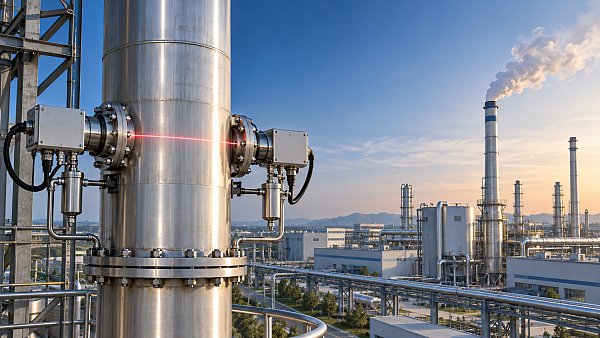
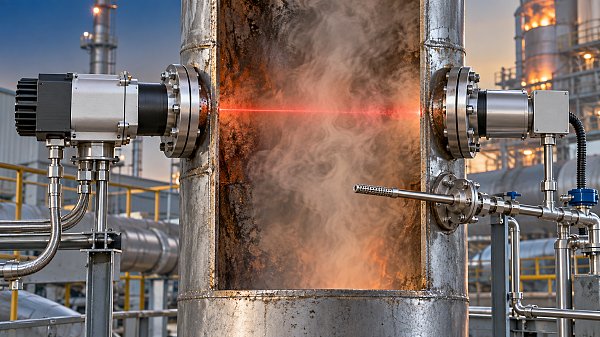
 When does a laser gas analyzer meet stack emissions monitoring needs?Laser gas analyzer for stack emissions: learn when it delivers fast, reliable data, how to assess installation risks, and what to verify for CEMS compliance.
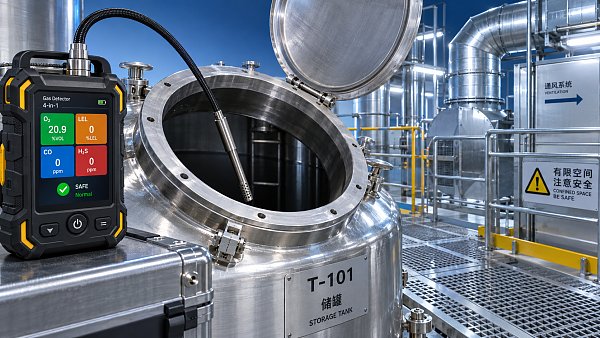
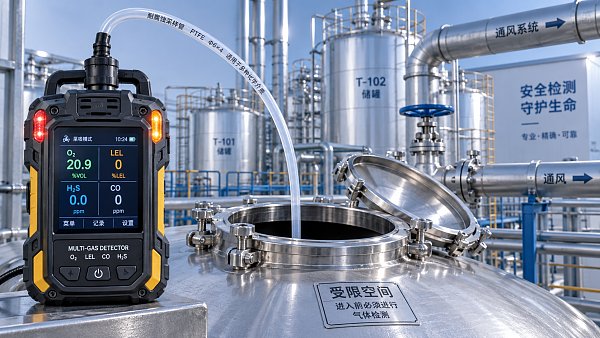
 How to select a hazardous gas analyzer for confined spacesHazardous gas analyzer selection for confined spaces: compare sensors, sampling, certifications, alarms, and maintenance to protect workers and choose with confidence.
 When is a single gas analyzer sufficient for workplace safety monitoring?Discover when a single gas analyzer delivers reliable workplace safety monitoring, and learn the key limits, calibration needs, and risks that require broader detection.
 How to choose an ambient gas analyzer for low-level leak detectionAmbient gas analyzer selection for low-level leak detection: compare sensitivity, cross-sensitivity, sampling design, alarms, and calibration for reliable site performance.
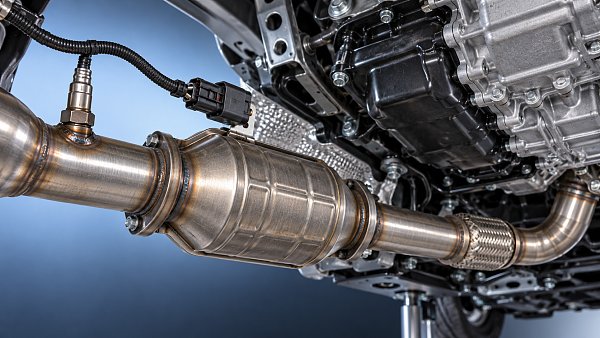
 How to tell when an oxygen sensor needs replacementOxygen sensor replacement signs explained: learn how live data, fault codes, wiring checks, and exhaust inspections pinpoint the real issue before you buy.
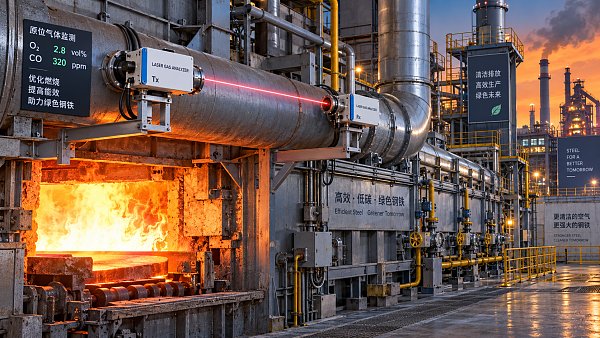
 How laser gas analyzers improve combustion control in steel furnacesLaser gas analyzer for steel industry applications delivers fast in-situ O₂ and CO data to optimize furnace combustion, cut fuel waste, and improve steel heating stability.
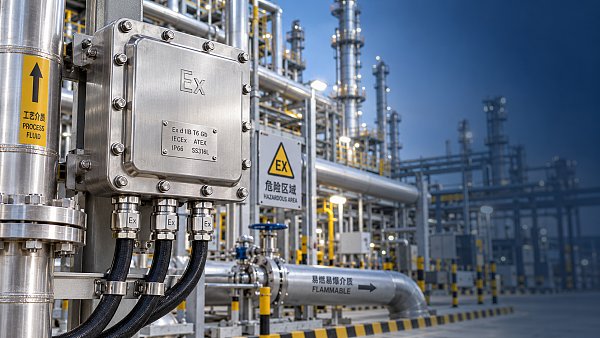
 How to verify whether explosion proof equipment meets site requirementsExplosion proof equipment verification made practical: match zones, gas or dust groups, temperature classes, certificates, and installation conditions for confident compliance.
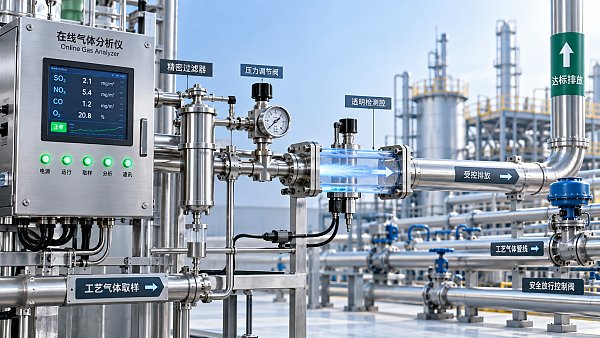
 How industrial gas analysis helps detect contamination before releaseIndustrial Gas Analysis helps detect moisture, oil, oxygen, and toxic contaminants before release—protecting processes, ensuring compliance, and reducing costly risks.
 When is electrochemistry detection the right choice for water analysis?Electrochemistry detection for water analysis: learn when fast, reliable monitoring of ions, chlorine, pH, and more delivers actionable results.
 How industrial standards reduce quality risks in supplier selectionIndustrial Standard guidance helps quality and safety managers reduce supplier risks, verify compliance, strengthen traceability, and build resilient instrumentation supply chains.
 When does a multi-component system reduce installation complexity?Multi component systems reduce installation complexity when they eliminate field interfaces, streamline commissioning, and provide proven compatibility. Learn how to assess total cost and supplier accountability.
 How to size an industrial control shelter for outdoor equipmentIndustrial control shelter sizing guide: optimize layout, HVAC, access, safety, and expansion space for reliable outdoor equipment operations.
 How flue analysis helps verify combustion efficiencyFlue analysis verifies combustion efficiency by assessing O2, CO, CO2, and stack temperature to identify excess air, incomplete combustion, and heat losses.
 How to select industrial gas detectors for confined spacesIndustrial gas detectors for confined spaces: learn how to match sensors, sampling methods, alarms, and certifications to real atmospheric hazards.
 When does a laser oxygen analyzer outperform zirconia sensors?Laser oxygen analyzer vs. zirconia sensors: compare speed, selectivity, maintenance, gas chemistry, and installation needs to choose the right oxygen measurement solution.
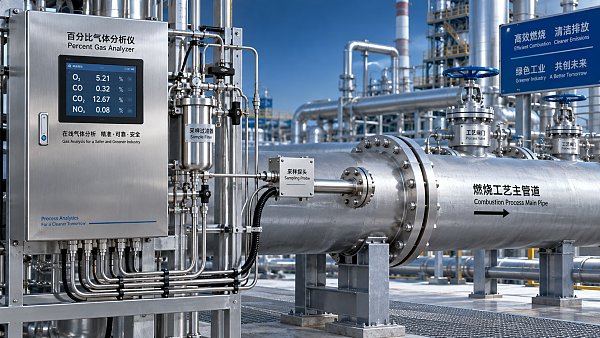
 How to select a percent range analyzer for process measurementsPercent range analyzer selection made practical: compare accuracy, sample systems, calibration, gas matrix, integration, and lifecycle cost for reliable process measurements.
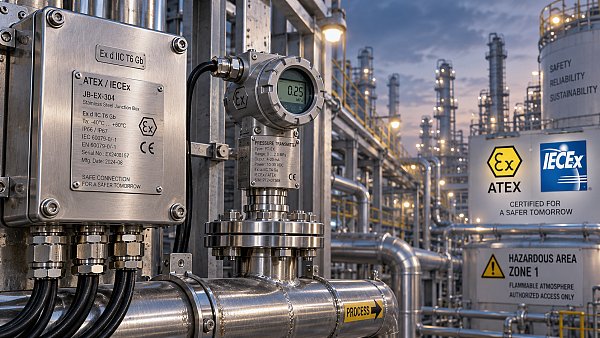
 How explosion proof analysis verifies safe equipment for hazardous areasExplosion proof analysis verifies hazardous-area equipment by matching certifications, temperature ratings, installation details, and inspection controls for safer compliance.
 When does fixed gas detection need point sensors instead of open-path monitoring?Fixed gas detection: discover when point sensors outperform open-path monitoring for predictable leaks, enclosed zones, local alarms, and safer design decisions.
 How to choose industrial metrology systems for tight-tolerance partsIndustrial metrology guide for tight-tolerance parts: compare CMMs, optical scanners, gauges, uncertainty, workflow, and traceable inspection strategies.
 How process metrology reduces measurement variation in productionProcess metrology reduces production measurement variation by improving traceability, uncertainty control, calibration, and reliable quality decisions.
 How to select an industrial monitoring analyzer for harsh environmentsIndustrial monitoring analyzer selection for harsh environments: evaluate sampling, durability, hazardous-area compliance, accuracy, maintenance, and data reliability.
 How calibration intervals affect test and measurement equipment accuracyTest and measurement equipment calibration intervals directly affect accuracy, risk, compliance, and uptime. Learn how to set evidence-based schedules that protect critical decisions.
 When does process gas monitoring need continuous measurement?Process gas monitoring needs continuous measurement when rapid changes threaten safety, quality, compliance, or uptime. Learn how to specify reliable, actionable monitoring systems.
 How to prevent false alarms in power plant instrumentationPower plant instrumentation guide: prevent false alarms with reliable signal checks, smarter alarm settings, mode-based control, and actionable operator responses.
 How fixed gas detectors help prevent leaks in enclosed workspacesFixed gas detectors provide continuous leak monitoring in enclosed workspaces, enabling faster alarms, safer responses, and stronger protection for people and processes.
 How industrial gas analysis helps detect process contamination earlyIndustrial Gas Analysis helps detect oxygen, moisture, and hydrocarbon contamination early, enabling faster fault isolation, safer operations, and stronger process control.
 What drives environmental compliance continuous monitoring setup cost?Environmental compliance continuous monitoring setup cost: uncover hidden expenses, compare bids accurately, and build a reliable, audit-ready system.
 How to select gas analysis equipment for continuous emissions monitoringGas analysis equipment selection guide for reliable continuous emissions monitoring—compare technologies, sampling, calibration, compliance, and maintenance needs.
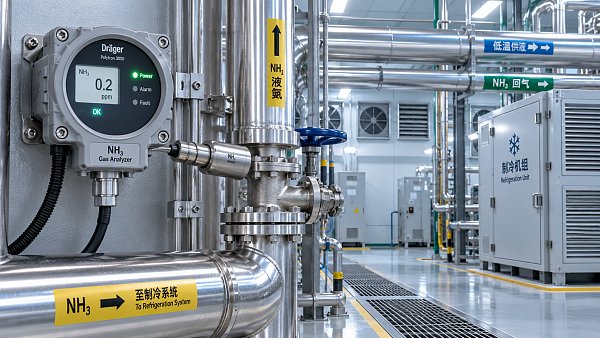
 What detection limit is needed for NH3 environmental monitoring?High accuracy NH3 analyzer for environmental monitoring: learn how to set the right detection limit, improve sampling reliability, and make defensible decisions.
 How to select a NOX analyzer for power plant emissions complianceNOX analyzer for power plant emissions: learn how to select a compliant, reliable CEMS solution with the right range, sample handling, calibration, and data integrity.
 How to evaluate a laser gas analyzer manufacturer in GermanyLaser gas analyzer manufacturer in Germany: compare accuracy, sample handling, interference control, calibration, and service to select a reliable solution.
 How does a flue gas analyzer maintain accuracy in wet stack gas?Flue gas analyzer accuracy in wet stack gas depends on heated sampling, moisture correction, reliable sensors, and calibration. Explore key selection tips.




Search Categories
Search Categories
- Smart Meters & Power Quality
- Transformer Gas Analyzers
- BESS Thermal Runaway Detectors
- Energy, Power & Smart Grid Monitoring
- Optical Profilers & CMM
- Ultrasonic & X-Ray NDT
- Calibration Standards
- Precision Metrology & NDT
- Water Quality Analyzers
- CEMS & VOCs Monitors
- Price Trends
- Import & Export Updates
- Market Trends
- Industry News
- Industry Insights
Latest Article
- When does a laser gas analyzer meet stack emissions monitoring needs?Laser gas analyzer for stack emissions: learn when it delivers fast, reliable data, how to assess installation risks, and what to verify for CEMS compliance.Posted by:
- How to select a hazardous gas analyzer for confined spacesHazardous gas analyzer selection for confined spaces: compare sensors, sampling, certifications, alarms, and maintenance to protect workers and choose with confidence.Posted by:
- When is a single gas analyzer sufficient for workplace safety monitoring?Discover when a single gas analyzer delivers reliable workplace safety monitoring, and learn the key limits, calibration needs, and risks that require broader detection.Posted by:
Please give us a message
