
SR-S2000 Shelter: Common Setup Mistakes to Avoid


Setting up the SR-S2000 shelter may seem straightforward, but small mistakes can lead to safety risks, unstable performance, and costly delays. For operators and users in demanding instrumentation environments, understanding the most common setup errors is essential to ensuring reliable protection, accurate equipment operation, and long-term efficiency. This guide highlights what to avoid so you can get the best results from your SR-S2000 shelter.
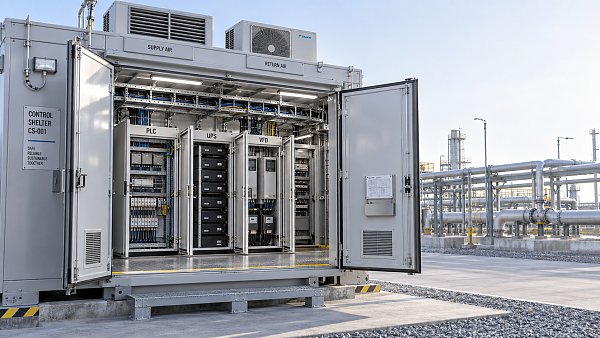
In instrumentation applications, a shelter is not just a cover. It is a controlled operating space that protects analyzers, transmitters, cabinets, and sampling systems from heat, dust, rain, vibration, and unauthorized access. A poor SR-S2000 shelter setup can affect measurement accuracy, shorten equipment life, and increase maintenance frequency within the first 3 to 6 months.
For operators working in industrial plants, power sites, environmental monitoring stations, laboratories, and automation control areas, the goal is simple: keep the shelter stable, safe, and serviceable. The most common mistakes usually happen during site selection, foundation preparation, ventilation planning, cable routing, and commissioning. Avoiding these errors early can save many hours of rework later.
Why Proper SR-S2000 Shelter Setup Matters in Instrumentation Environments
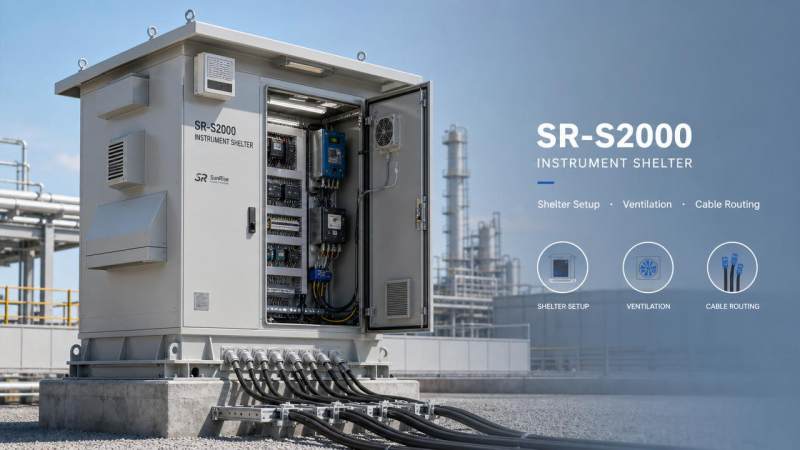
The SR-S2000 shelter often supports instrumentation systems that depend on consistent temperature, clean internal layout, and stable power distribution. In many field installations, even a 2°C to 5°C temperature drift inside the shelter can affect sensitive analyzers, panel electronics, or calibration stability. That is why setup quality directly influences operational reliability.
Unlike general utility enclosures, a shelter used for measurement and control must support routine inspection, emergency access, and organized wiring. Operators typically need enough clearance for at least 2 service tasks at once, such as filter replacement and transmitter verification. If the initial installation ignores human access, maintenance becomes slower and less safe.
The Real Cost of Setup Errors
A setup mistake does not always fail immediately. In many cases, the problem develops over 30 to 90 days. Moisture starts accumulating, cable entries loosen, door seals wear unevenly, or airflow becomes blocked by added devices. Small issues then turn into unstable readings, corrosion, nuisance alarms, and unplanned shutdowns.
- Higher inspection frequency, often increasing from monthly to weekly checks
- Reduced service life of sensors, control panels, or sample conditioning components
- Longer troubleshooting time due to poor internal arrangement
- Safety exposure during emergency access or weather-related failures
Typical Operating Conditions to Consider
Before installing an SR-S2000 shelter, users should evaluate 4 basic site conditions: ambient temperature range, wind and rain exposure, dust level, and proximity to vibration sources. In industrial settings, these variables often change by shift, season, or process load. Ignoring them leads to shelters that look complete but perform poorly.
The table below shows common environmental factors and the setup consequences operators should review before final placement of the SR-S2000 shelter.
The key takeaway is that environmental compatibility should be reviewed before delivery or installation, not after commissioning. A shelter may be structurally sound, yet still be the wrong fit for the immediate operating zone if airflow, drainage, or vibration control are underestimated.
Common SR-S2000 Shelter Setup Mistakes to Avoid
Most SR-S2000 shelter problems come from a limited number of repeat mistakes. These errors are common across instrumentation projects because teams focus on delivery and placement, while details such as access space, heat load, and long-term servicing are handled too late. The following issues deserve special attention during installation and handover.
Mistake 1: Choosing the Wrong Installation Location
Placing the shelter too close to process heat sources, vehicle routes, or low-lying drainage areas can create constant operating problems. In many plants, moving the shelter even 5 to 10 meters can reduce dust exposure, improve operator access, and lower heat stress on internal components. Location should support both protection and maintenance efficiency.
What operators should check
- Clear walking and door opening space on at least one primary service side
- Distance from direct spray, steam vents, or hot exhaust outlets
- Ground condition during rain events and routine washdown activity
- Safe cable and tubing approach without sharp bends or exposed crossings
Mistake 2: Weak Foundation or Poor Leveling
An uneven base causes more than cosmetic misalignment. Doors may not seal correctly, panel frames can twist, and internal equipment mounting can shift over time. A base tolerance problem as small as a few millimeters across the shelter footprint can affect drainage, vibration behavior, and the reliability of door latches or gasket compression.
Operators should confirm that the base is level, adequately cured if concrete is used, and ready for anchor points before the SR-S2000 shelter is positioned. Rushing installation before the foundation stabilizes often creates rework during the first inspection cycle.
Mistake 3: Ignoring Ventilation and Internal Heat Load
Instrumentation shelters often contain analyzers, power supplies, PLC panels, communication devices, and lighting. Each item adds heat. If the total internal load is underestimated, the shelter may become 8°C to 12°C warmer than the surrounding air during peak operation. That can lead to drift, nuisance trips, or premature component aging.
Ventilation planning should include actual device count, expected duty cycle, and seasonal weather extremes. Operators should also leave airflow paths open. A common field mistake is using spare floor or wall space for storage, then blocking vents or service clearances.
Mistake 4: Poor Cable Entry Sealing and Routing
Cable routing is often treated as a finishing task, but it has a major effect on shelter performance. If cable glands are mismatched, entries are left partially open, or signal and power cables are bundled carelessly, the result can include moisture ingress, electromagnetic interference, and difficult troubleshooting. In analyzer and control systems, layout discipline matters.
As a basic practice, users should separate low-level signal cables from higher-power lines where practical, support cable weight properly, and inspect every entry point after the first 7 to 14 days of operation. Thermal expansion, vibration, and weather can loosen connections faster than expected.
Mistake 5: Overlooking Access for Inspection and Repair
An SR-S2000 shelter may be technically installed, yet still be difficult to operate. If analyzers, cabinets, or tubing manifolds are packed too tightly, operators lose the ability to perform calibration, filter changes, or electrical checks safely. Setup should support the full maintenance cycle, not only the first startup.
A practical rule is to plan for 3 service zones: entry and movement, equipment access, and cable or tubing inspection. If one zone is sacrificed during setup, routine work becomes slower and accidental damage becomes more likely.
Mistake 6: Skipping a Structured Pre-Startup Checklist
Many avoidable failures happen because the shelter is energized before a full inspection is complete. A proper checklist should include structural fastening, door seal condition, power distribution verification, ventilation function, grounding continuity, and cable entry inspection. Even a 20 to 30 minute final check can prevent days of corrective work.
The table below summarizes common setup mistakes, likely effects, and practical corrective actions for the SR-S2000 shelter.
These issues are preventable when installation teams follow a sequence instead of improvising around site pressure. For most users, a disciplined setup process offers more value than adding unnecessary accessories later.
Best Practices for a Stable and Serviceable SR-S2000 Shelter Installation
A reliable SR-S2000 shelter setup depends on planning, verification, and operator-focused layout. The best results usually come from a 5-step process that begins before the shelter arrives on site and continues through early operation. This approach reduces installation risk and makes daily use easier for field personnel.
Step 1: Confirm Site and Utility Readiness
Before delivery, check that the base, drainage path, cable approach, and utility connections are ready. If power supply, grounding point, or cable trenching is delayed, shelter installation may be forced into temporary arrangements that become permanent problems. A pre-install review 3 to 7 days before placement is often enough to catch gaps.
Step 2: Validate Internal Layout Against Actual Equipment
Operators should compare the intended equipment list with the installed arrangement. Verify cabinet swing, analyzer access, filter replacement room, and sampling line reach. If the SR-S2000 shelter will support future expansion, reserve space for at least 1 additional cable route or maintenance access path instead of filling all available volume on day one.
Step 3: Test Environmental Control Functions
Do not assume ventilation, heaters, or cooling devices are working correctly after mechanical installation. Run a functional check under load when possible. Monitor temperature stability over a practical period, such as 2 to 4 hours, especially if the shelter contains heat-sensitive instrumentation or communication hardware.
Step 4: Perform a Structured Safety and Quality Inspection
A quality inspection should cover physical condition, electrical readiness, and maintenance usability. This is also the best time to verify labeling, grounding, lock function, and emergency access. When multiple contractors are involved, a signed checklist helps prevent responsibility gaps after handover.
Minimum 6-point inspection list
- Base level and anchor tightness confirmed
- Door alignment, gasket contact, and lock operation checked
- Vent openings, fan function, or thermal devices tested
- Grounding continuity and power isolation verified
- Cable and tubing entries sealed and labeled
- Service clearance available for routine maintenance tasks
Step 5: Review Early Operation After Startup
The first 2 weeks of operation are critical. Operators should recheck door seals, internal temperature trend, abnormal vibration, and any sign of moisture or dust entry. This early review period often reveals setup weaknesses that were not visible during installation day. Quick correction at this stage is usually low-cost and low-disruption.
Operator FAQs and Practical Decision Points
Users often ask similar questions when deploying an SR-S2000 shelter in mixed industrial conditions. The answers usually depend on operating environment, instrument sensitivity, and maintenance routine rather than shelter placement alone. The points below can help operators make better day-to-day decisions.
How often should the shelter be inspected after installation?
A practical schedule is a first inspection within 7 to 14 days, a second review after 30 days, and then routine checks monthly or according to site criticality. High-dust, high-vibration, or coastal environments may require more frequent seal, filter, and cable entry checks.
When is relocation worth considering?
If the shelter repeatedly suffers from standing water, extreme heat exposure, or unsafe access conditions, relocation may be more cost-effective than repeated repairs. When operators spend excessive time on corrective cleaning, temporary shading, or emergency sealing, the root problem is often site suitability rather than component quality.
What should be documented during handover?
At minimum, handover should include layout drawings, cable and tubing identification, power and grounding records, ventilation or thermal control checks, and a maintenance checklist. Clear documentation reduces troubleshooting time and supports faster operator training, especially when shifts change or teams rotate.
Avoiding common SR-S2000 shelter setup mistakes is not only about preventing faults. It is about protecting instrumentation performance, improving operator safety, and reducing service interruptions across the full equipment lifecycle. The right location, stable foundation, proper airflow, disciplined cable management, and a structured startup review create a shelter that supports reliable measurement and control in real industrial conditions.
If you are planning a new installation or reviewing an existing SR-S2000 shelter, now is the right time to assess your setup against practical field requirements. Contact us to discuss your application, get a tailored shelter configuration review, or learn more solutions for instrumentation protection and efficient site operation.
Recommended for You
 When does a laser gas analyzer meet stack emissions monitoring needs?Laser gas analyzer for stack emissions: learn when it delivers fast, reliable data, how to assess installation risks, and what to verify for CEMS compliance.
 How to select a hazardous gas analyzer for confined spacesHazardous gas analyzer selection for confined spaces: compare sensors, sampling, certifications, alarms, and maintenance to protect workers and choose with confidence.
 When is a single gas analyzer sufficient for workplace safety monitoring?Discover when a single gas analyzer delivers reliable workplace safety monitoring, and learn the key limits, calibration needs, and risks that require broader detection.
 How to choose an ambient gas analyzer for low-level leak detectionAmbient gas analyzer selection for low-level leak detection: compare sensitivity, cross-sensitivity, sampling design, alarms, and calibration for reliable site performance.
 How to tell when an oxygen sensor needs replacementOxygen sensor replacement signs explained: learn how live data, fault codes, wiring checks, and exhaust inspections pinpoint the real issue before you buy.
 How laser gas analyzers improve combustion control in steel furnacesLaser gas analyzer for steel industry applications delivers fast in-situ O₂ and CO data to optimize furnace combustion, cut fuel waste, and improve steel heating stability.
 How to verify whether explosion proof equipment meets site requirementsExplosion proof equipment verification made practical: match zones, gas or dust groups, temperature classes, certificates, and installation conditions for confident compliance.
 How industrial gas analysis helps detect contamination before releaseIndustrial Gas Analysis helps detect moisture, oil, oxygen, and toxic contaminants before release—protecting processes, ensuring compliance, and reducing costly risks.
 When is electrochemistry detection the right choice for water analysis?Electrochemistry detection for water analysis: learn when fast, reliable monitoring of ions, chlorine, pH, and more delivers actionable results.
 How industrial standards reduce quality risks in supplier selectionIndustrial Standard guidance helps quality and safety managers reduce supplier risks, verify compliance, strengthen traceability, and build resilient instrumentation supply chains.
 When does a multi-component system reduce installation complexity?Multi component systems reduce installation complexity when they eliminate field interfaces, streamline commissioning, and provide proven compatibility. Learn how to assess total cost and supplier accountability.
 How to size an industrial control shelter for outdoor equipmentIndustrial control shelter sizing guide: optimize layout, HVAC, access, safety, and expansion space for reliable outdoor equipment operations.
 How flue analysis helps verify combustion efficiencyFlue analysis verifies combustion efficiency by assessing O2, CO, CO2, and stack temperature to identify excess air, incomplete combustion, and heat losses.
 How to select industrial gas detectors for confined spacesIndustrial gas detectors for confined spaces: learn how to match sensors, sampling methods, alarms, and certifications to real atmospheric hazards.
 When does a laser oxygen analyzer outperform zirconia sensors?Laser oxygen analyzer vs. zirconia sensors: compare speed, selectivity, maintenance, gas chemistry, and installation needs to choose the right oxygen measurement solution.
 How to select a percent range analyzer for process measurementsPercent range analyzer selection made practical: compare accuracy, sample systems, calibration, gas matrix, integration, and lifecycle cost for reliable process measurements.
 How explosion proof analysis verifies safe equipment for hazardous areasExplosion proof analysis verifies hazardous-area equipment by matching certifications, temperature ratings, installation details, and inspection controls for safer compliance.
 When does fixed gas detection need point sensors instead of open-path monitoring?Fixed gas detection: discover when point sensors outperform open-path monitoring for predictable leaks, enclosed zones, local alarms, and safer design decisions.
 How to choose industrial metrology systems for tight-tolerance partsIndustrial metrology guide for tight-tolerance parts: compare CMMs, optical scanners, gauges, uncertainty, workflow, and traceable inspection strategies.
 How process metrology reduces measurement variation in productionProcess metrology reduces production measurement variation by improving traceability, uncertainty control, calibration, and reliable quality decisions.
 How to select an industrial monitoring analyzer for harsh environmentsIndustrial monitoring analyzer selection for harsh environments: evaluate sampling, durability, hazardous-area compliance, accuracy, maintenance, and data reliability.
 How calibration intervals affect test and measurement equipment accuracyTest and measurement equipment calibration intervals directly affect accuracy, risk, compliance, and uptime. Learn how to set evidence-based schedules that protect critical decisions.
 When does process gas monitoring need continuous measurement?Process gas monitoring needs continuous measurement when rapid changes threaten safety, quality, compliance, or uptime. Learn how to specify reliable, actionable monitoring systems.
 How to prevent false alarms in power plant instrumentationPower plant instrumentation guide: prevent false alarms with reliable signal checks, smarter alarm settings, mode-based control, and actionable operator responses.
 How fixed gas detectors help prevent leaks in enclosed workspacesFixed gas detectors provide continuous leak monitoring in enclosed workspaces, enabling faster alarms, safer responses, and stronger protection for people and processes.
 How industrial gas analysis helps detect process contamination earlyIndustrial Gas Analysis helps detect oxygen, moisture, and hydrocarbon contamination early, enabling faster fault isolation, safer operations, and stronger process control.
 What drives environmental compliance continuous monitoring setup cost?Environmental compliance continuous monitoring setup cost: uncover hidden expenses, compare bids accurately, and build a reliable, audit-ready system.
 How to select gas analysis equipment for continuous emissions monitoringGas analysis equipment selection guide for reliable continuous emissions monitoring—compare technologies, sampling, calibration, compliance, and maintenance needs.
 What detection limit is needed for NH3 environmental monitoring?High accuracy NH3 analyzer for environmental monitoring: learn how to set the right detection limit, improve sampling reliability, and make defensible decisions.
 How to select a NOX analyzer for power plant emissions complianceNOX analyzer for power plant emissions: learn how to select a compliant, reliable CEMS solution with the right range, sample handling, calibration, and data integrity.
 How to evaluate a laser gas analyzer manufacturer in GermanyLaser gas analyzer manufacturer in Germany: compare accuracy, sample handling, interference control, calibration, and service to select a reliable solution.
 How does a flue gas analyzer maintain accuracy in wet stack gas?Flue gas analyzer accuracy in wet stack gas depends on heated sampling, moisture correction, reliable sensors, and calibration. Explore key selection tips.







Search Categories
Search Categories
- Smart Meters & Power Quality
- Transformer Gas Analyzers
- BESS Thermal Runaway Detectors
- Energy, Power & Smart Grid Monitoring
- Optical Profilers & CMM
- Ultrasonic & X-Ray NDT
- Calibration Standards
- Precision Metrology & NDT
- Water Quality Analyzers
- CEMS & VOCs Monitors
- Price Trends
- Import & Export Updates
- Market Trends
- Industry News
- Industry Insights
Latest Article
- When does a laser gas analyzer meet stack emissions monitoring needs?Laser gas analyzer for stack emissions: learn when it delivers fast, reliable data, how to assess installation risks, and what to verify for CEMS compliance.Posted by:
- How to select a hazardous gas analyzer for confined spacesHazardous gas analyzer selection for confined spaces: compare sensors, sampling, certifications, alarms, and maintenance to protect workers and choose with confidence.Posted by:
- When is a single gas analyzer sufficient for workplace safety monitoring?Discover when a single gas analyzer delivers reliable workplace safety monitoring, and learn the key limits, calibration needs, and risks that require broader detection.Posted by:
Please give us a message
