
Multi Component Analyzer Cost Trends for 2026 Expansion Plans


As 2026 expansion plans take shape, understanding multi component analyzer cost trends is essential for business evaluators balancing capital efficiency, compliance, and long-term performance. From industrial automation to environmental and laboratory applications, the right investment depends on more than upfront pricing. This overview highlights the market forces, cost drivers, and procurement considerations shaping smarter analyzer decisions.
For most business evaluators, the core question is not simply whether analyzer prices will rise or fall. It is whether a planned purchase in 2026 will improve operational economics, reduce risk, and support future production, compliance, and digitalization goals.
The short answer is that multi component analyzer costs are likely to remain structurally firm in 2026, with selective downward pressure in standardized configurations. Custom systems, compliance-driven projects, and advanced integration requirements will continue to command premium pricing.
That means evaluation teams should focus less on list price alone and more on total installed cost, lifecycle service burden, data integration value, and how analyzer selection affects project timelines and operating exposure.
What business evaluators should understand first about 2026 analyzer cost trends
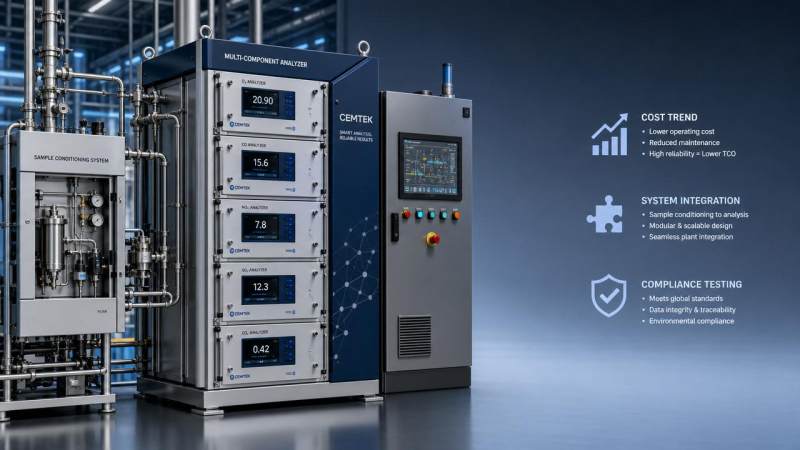
Search intent around “Multi Component Analyzer Cost Trends for 2026 Expansion Plans” is highly commercial and decision-oriented. Readers typically want budgeting guidance, price drivers, sourcing strategy, and a practical way to compare analyzer investments across expansion scenarios.
For this audience, the biggest concern is budget certainty. They need to know what will influence capital requirements, where hidden costs appear, and how to judge whether a lower quote actually produces better long-term value.
In that context, the most useful content is not generic instrumentation theory. What matters is understanding cost structure, application fit, deployment complexity, maintenance implications, and supplier evaluation criteria that affect investment outcomes.
As a result, the priority should be procurement logic, commercial risk, and lifecycle performance. Broad technical descriptions, historical background, and overly abstract market commentary should remain secondary unless they directly support budget and planning decisions.
Why multi component analyzer pricing is not a simple equipment cost issue
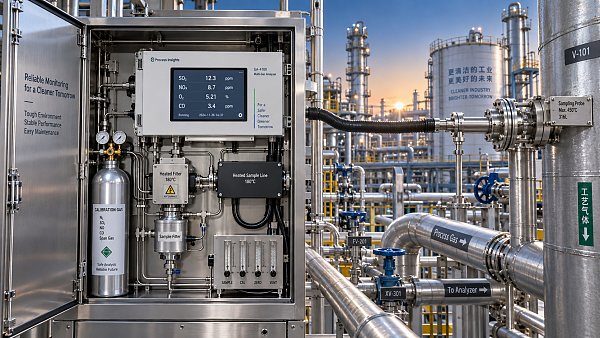
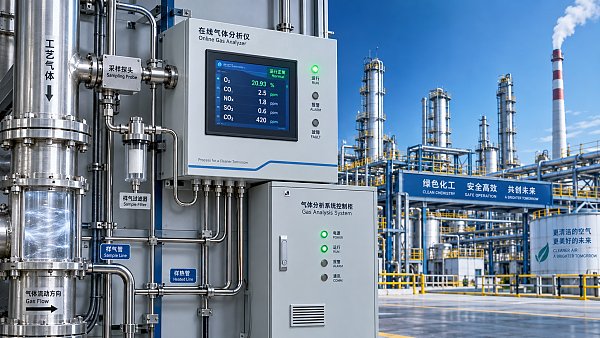
A multi component analyzer is rarely purchased as a standalone box. In most industrial, laboratory, or environmental settings, it becomes part of a broader measurement, compliance, or automation architecture with related engineering and support costs.
That is why price comparisons often become misleading. Two analyzers with similar detection functions can produce very different project economics once sampling systems, installation conditions, calibration needs, and software integration are included.
For expansion planning, business evaluators should separate at least five cost layers: analyzer hardware, sample handling components, system integration, commissioning and training, and post-installation service or consumables over the useful life.
When these layers are ignored, procurement teams tend to underestimate budgets and overestimate savings from lower initial quotes. In many cases, the cheapest unit price leads to higher downtime, more recalibration, and slower operational return.
The main cost drivers shaping 2026 multi component analyzer budgets
Several forces are expected to shape multi component analyzer pricing in 2026. The first is component complexity. Systems requiring higher sensitivity, faster response time, broader composition coverage, or hazardous-area suitability naturally carry higher engineering and manufacturing costs.
A second major factor is industry-specific compliance. Applications in emissions monitoring, energy processing, pharmaceuticals, and safety-critical production often require certifications, validation support, and documented performance standards that increase both product and service pricing.
Third, customization remains a major cost escalator. A standard analyzer package for stable operating conditions is fundamentally different from a tailored solution designed for harsh environments, variable process streams, or highly specific component combinations.
Fourth, supply chain normalization may reduce pricing pressure for some electronic and mechanical subcomponents. However, premium sensors, specialized optical modules, and high-reliability materials are still vulnerable to cost volatility and longer lead-time risk.
Fifth, software and connectivity are becoming more valuable cost elements. Buyers increasingly expect industrial communication compatibility, remote diagnostics, cybersecurity features, and data integration with plant control or enterprise monitoring systems.
These digital requirements may not always raise the equipment price dramatically, but they often increase project scope. For business evaluators, the implication is clear: cost forecasting should include digital deployment readiness, not just analyzer hardware assumptions.
How application scenario changes the real investment profile
Not all multi component analyzer projects should be judged by the same financial logic. A unit used in continuous process control has a different value model from one used for laboratory verification or environmental compliance reporting.
In process industries, analyzers often affect yield stability, energy efficiency, and process optimization. Here, the business case may justify a higher upfront cost if the analyzer helps reduce raw material losses, improve throughput, or prevent off-spec production.
In environmental applications, value is usually tied to compliance assurance, permit performance, and lower regulatory risk. The analyzer may not generate direct revenue, but it can prevent penalties, shutdowns, reporting failures, and reputational damage.
In laboratories, business evaluators should look more closely at throughput, reproducibility, operator dependence, and calibration workload. A lower-cost analyzer that requires frequent manual intervention can become more expensive over time in labor-intensive settings.
For utilities, energy, and power projects, analyzer selection may also influence reliability planning. If the instrument supports remote sites or critical infrastructure, availability and service response can outweigh modest differences in initial purchase price.
Where hidden costs usually appear in analyzer procurement
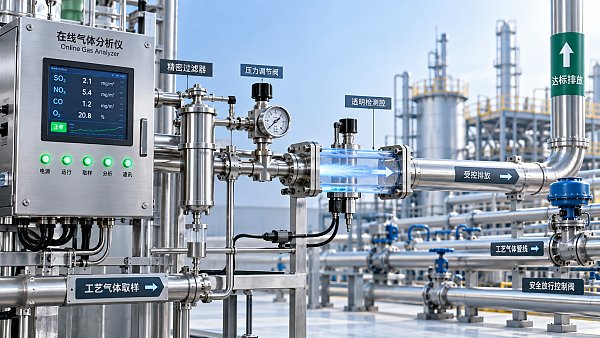
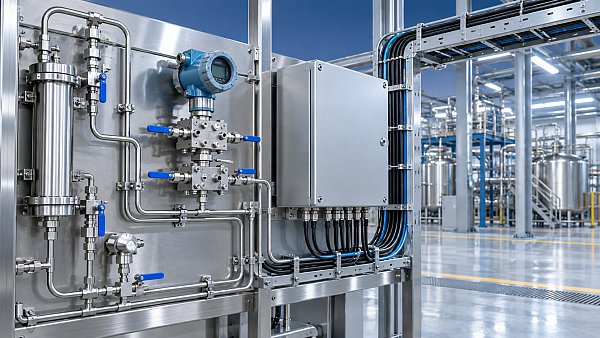
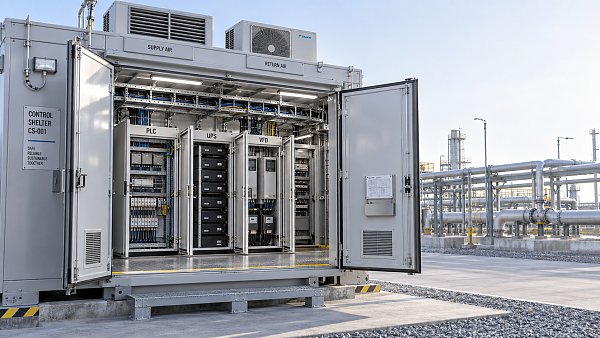
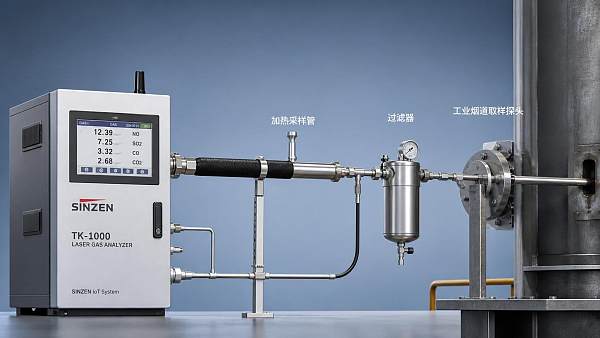
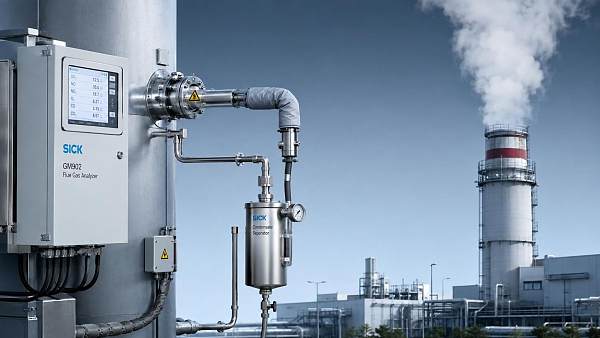
One of the most common mistakes in analyzer budgeting is underestimating peripheral costs. Sample conditioning systems, shelters, enclosures, valves, tubing, filtration, and environmental protection measures can materially increase total capital requirements.
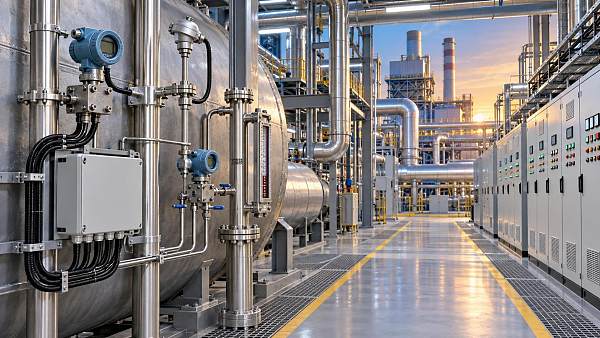
Installation conditions also matter. Hazardous locations, high-temperature processes, corrosive environments, and remote deployment points usually raise labor, engineering, and safety-related expenses compared with controlled indoor installations.
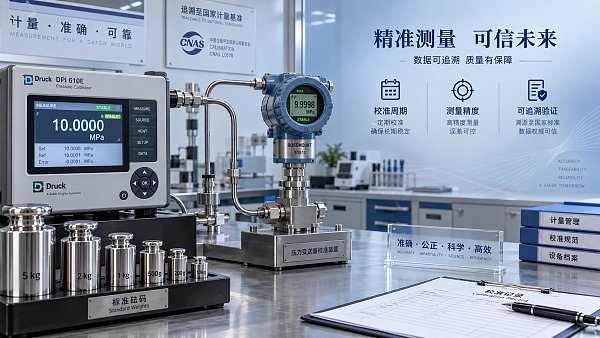
Commissioning is another underestimated line item. Analyzer performance depends heavily on setup quality, calibration validation, and application-specific tuning. If supplier support is limited, internal teams may face longer startup periods and greater operational uncertainty.
Service contracts deserve close review as well. Some suppliers provide attractive base pricing but recover margin through proprietary consumables, mandatory service intervals, expensive spare parts, or restricted software support after the warranty period.
Business evaluators should also check whether future expansion or process modifications will require reconfiguration. If scaling or reprogramming is difficult, the apparent savings from a narrow initial specification can disappear quickly.
Should buyers expect prices to increase, stabilize, or decline in 2026?
The most realistic expectation for 2026 is a mixed pricing environment. Standardized multi component analyzer packages may see moderate price stabilization due to improved supply availability and stronger competition among established suppliers.
However, this does not mean total project cost will fall broadly. Engineering services, compliance documentation, digital integration, and skilled field support are likely to remain relatively expensive, especially in regulated and technically demanding sectors.
Custom analyzer systems are the least likely category to experience meaningful price reduction. Projects involving unusual gas or liquid matrices, fast-changing process conditions, or strict safety requirements will continue to face premium design and support costs.
There is also a regional dimension. Local service infrastructure, import duties, certification requirements, and logistics can change effective acquisition cost significantly, even when nominal equipment prices appear similar between vendors.
For budgeting purposes, evaluators should avoid assuming that market normalization automatically creates savings. In many projects, any hardware price improvement may be offset by installation complexity, compliance needs, or integration work.
How to compare suppliers beyond the initial quotation
Effective supplier comparison starts with quote transparency. A useful quotation should clearly identify analyzer scope, included accessories, performance assumptions, calibration arrangements, software capabilities, lead times, warranty terms, and exclusions.
If a quote looks unusually low, evaluators should test whether it excludes key items such as sample systems, field commissioning, operator training, communication interfaces, or local after-sales support. These omissions often surface only after purchase approval.
Supplier credibility also matters because analyzer performance depends on application expertise. Vendors with strong domain knowledge can sometimes propose simpler, more stable, and easier-to-maintain solutions that outperform lower-cost but poorly matched alternatives.
Ask practical questions: How often does this configuration require maintenance? What consumables are proprietary? How long is the expected calibration interval? What are typical spare parts costs? How quickly can field service respond?
From a business perspective, the best supplier is not always the one with the lowest capital quote. It is the one that reduces uncertainty across delivery, startup, regulatory acceptance, and operational continuity.
A practical evaluation framework for 2026 expansion decisions
For capital planning, a structured framework helps convert technical variation into financial judgment. Start by defining the business purpose of the analyzer: process optimization, compliance assurance, product quality, safety monitoring, or research throughput.
Next, estimate total installed cost rather than equipment price only. Include auxiliary hardware, engineering, controls integration, construction, commissioning, training, and first-year maintenance or consumables where relevant.
Then assess expected value creation. This can include reduced downtime, lower waste, faster analysis cycles, improved quality consistency, lower environmental exposure, or stronger audit readiness. The key is to tie analyzer performance to measurable business outcomes.
Risk scoring should follow. Evaluate supplier reliability, application fit, service availability, obsolescence risk, and the possibility of scope creep during installation. A slightly higher-capex option may be financially superior if it reduces these uncertainties.
Finally, compare alternatives using a lifecycle lens. For many organizations, the most decision-useful metric is not purchase cost but cost per year of reliable operation under the intended application conditions.
How multi component analyzers fit broader expansion and automation strategy
In 2026, analyzer investment decisions will increasingly connect with larger automation and digital transformation programs. Companies are not only buying measurement capability; they are investing in data quality that supports control, traceability, and better decision-making.
This wider strategic role can justify stronger investment in analyzers that are easier to integrate, maintain remotely, and scale across sites. For business evaluators, this means the cheapest compliant instrument may not be the most strategic choice.
Where expansion plans involve smart manufacturing, tighter emissions accountability, or more advanced process analytics, analyzer selection should align with future system architecture rather than only immediate measurement needs.
That said, over-specification is a real risk. Buying advanced features without a credible use case creates unnecessary capital burden. The goal is fit-for-purpose capability with room for realistic operational development, not feature accumulation.
Conclusion: what matters most when budgeting for 2026
For business evaluators, the key takeaway is that multi component analyzer cost trends for 2026 should be interpreted through a lifecycle and project-value lens, not through hardware pricing alone.
Standard configurations may become more price-stable, but custom applications, compliance obligations, and integration demands will continue to keep many projects expensive. Hidden costs remain one of the biggest threats to budget accuracy.
The strongest decisions will come from comparing total installed cost, expected operating value, supplier capability, and future scalability together. That approach provides a more reliable basis for expansion planning than focusing only on the initial quotation.
In practical terms, organizations preparing 2026 investments should build procurement models around transparency, application fit, and long-term operating confidence. That is where real value is created, and where analyzer decisions become strategic rather than merely transactional.
Recommended for You
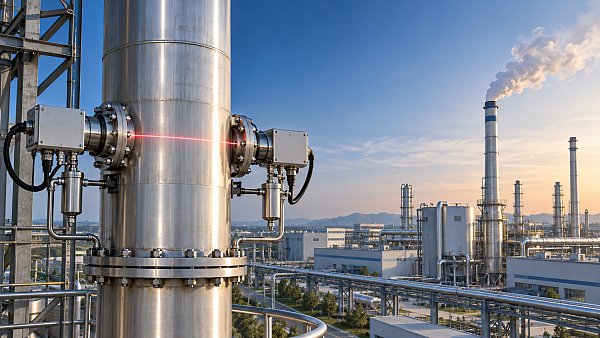
 When does a laser gas analyzer meet stack emissions monitoring needs?Laser gas analyzer for stack emissions: learn when it delivers fast, reliable data, how to assess installation risks, and what to verify for CEMS compliance.
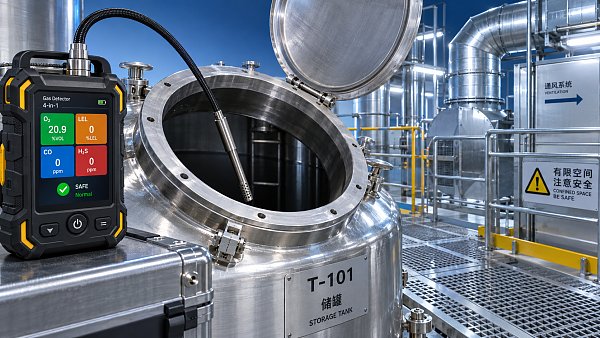
 How to select a hazardous gas analyzer for confined spacesHazardous gas analyzer selection for confined spaces: compare sensors, sampling, certifications, alarms, and maintenance to protect workers and choose with confidence.
 When is a single gas analyzer sufficient for workplace safety monitoring?Discover when a single gas analyzer delivers reliable workplace safety monitoring, and learn the key limits, calibration needs, and risks that require broader detection.
 How to choose an ambient gas analyzer for low-level leak detectionAmbient gas analyzer selection for low-level leak detection: compare sensitivity, cross-sensitivity, sampling design, alarms, and calibration for reliable site performance.
 How to tell when an oxygen sensor needs replacementOxygen sensor replacement signs explained: learn how live data, fault codes, wiring checks, and exhaust inspections pinpoint the real issue before you buy.
 How laser gas analyzers improve combustion control in steel furnacesLaser gas analyzer for steel industry applications delivers fast in-situ O₂ and CO data to optimize furnace combustion, cut fuel waste, and improve steel heating stability.
 How to verify whether explosion proof equipment meets site requirementsExplosion proof equipment verification made practical: match zones, gas or dust groups, temperature classes, certificates, and installation conditions for confident compliance.
 How industrial gas analysis helps detect contamination before releaseIndustrial Gas Analysis helps detect moisture, oil, oxygen, and toxic contaminants before release—protecting processes, ensuring compliance, and reducing costly risks.
 When is electrochemistry detection the right choice for water analysis?Electrochemistry detection for water analysis: learn when fast, reliable monitoring of ions, chlorine, pH, and more delivers actionable results.
 How industrial standards reduce quality risks in supplier selectionIndustrial Standard guidance helps quality and safety managers reduce supplier risks, verify compliance, strengthen traceability, and build resilient instrumentation supply chains.
 When does a multi-component system reduce installation complexity?Multi component systems reduce installation complexity when they eliminate field interfaces, streamline commissioning, and provide proven compatibility. Learn how to assess total cost and supplier accountability.
 How to size an industrial control shelter for outdoor equipmentIndustrial control shelter sizing guide: optimize layout, HVAC, access, safety, and expansion space for reliable outdoor equipment operations.
 How flue analysis helps verify combustion efficiencyFlue analysis verifies combustion efficiency by assessing O2, CO, CO2, and stack temperature to identify excess air, incomplete combustion, and heat losses.
 How to select industrial gas detectors for confined spacesIndustrial gas detectors for confined spaces: learn how to match sensors, sampling methods, alarms, and certifications to real atmospheric hazards.
 When does a laser oxygen analyzer outperform zirconia sensors?Laser oxygen analyzer vs. zirconia sensors: compare speed, selectivity, maintenance, gas chemistry, and installation needs to choose the right oxygen measurement solution.
 How to select a percent range analyzer for process measurementsPercent range analyzer selection made practical: compare accuracy, sample systems, calibration, gas matrix, integration, and lifecycle cost for reliable process measurements.
 How explosion proof analysis verifies safe equipment for hazardous areasExplosion proof analysis verifies hazardous-area equipment by matching certifications, temperature ratings, installation details, and inspection controls for safer compliance.
 When does fixed gas detection need point sensors instead of open-path monitoring?Fixed gas detection: discover when point sensors outperform open-path monitoring for predictable leaks, enclosed zones, local alarms, and safer design decisions.
 How to choose industrial metrology systems for tight-tolerance partsIndustrial metrology guide for tight-tolerance parts: compare CMMs, optical scanners, gauges, uncertainty, workflow, and traceable inspection strategies.
 How process metrology reduces measurement variation in productionProcess metrology reduces production measurement variation by improving traceability, uncertainty control, calibration, and reliable quality decisions.
 How to select an industrial monitoring analyzer for harsh environmentsIndustrial monitoring analyzer selection for harsh environments: evaluate sampling, durability, hazardous-area compliance, accuracy, maintenance, and data reliability.
 How calibration intervals affect test and measurement equipment accuracyTest and measurement equipment calibration intervals directly affect accuracy, risk, compliance, and uptime. Learn how to set evidence-based schedules that protect critical decisions.
 When does process gas monitoring need continuous measurement?Process gas monitoring needs continuous measurement when rapid changes threaten safety, quality, compliance, or uptime. Learn how to specify reliable, actionable monitoring systems.
 How to prevent false alarms in power plant instrumentationPower plant instrumentation guide: prevent false alarms with reliable signal checks, smarter alarm settings, mode-based control, and actionable operator responses.
 How fixed gas detectors help prevent leaks in enclosed workspacesFixed gas detectors provide continuous leak monitoring in enclosed workspaces, enabling faster alarms, safer responses, and stronger protection for people and processes.
 How industrial gas analysis helps detect process contamination earlyIndustrial Gas Analysis helps detect oxygen, moisture, and hydrocarbon contamination early, enabling faster fault isolation, safer operations, and stronger process control.
 What drives environmental compliance continuous monitoring setup cost?Environmental compliance continuous monitoring setup cost: uncover hidden expenses, compare bids accurately, and build a reliable, audit-ready system.
 How to select gas analysis equipment for continuous emissions monitoringGas analysis equipment selection guide for reliable continuous emissions monitoring—compare technologies, sampling, calibration, compliance, and maintenance needs.
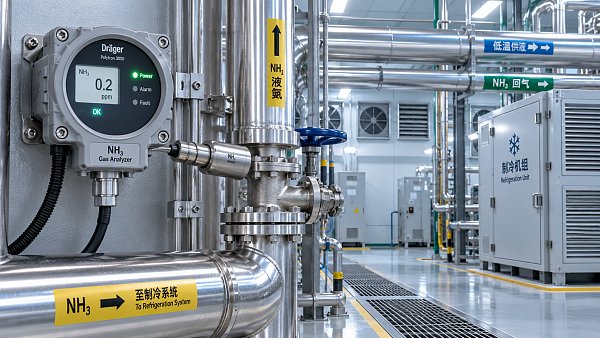
 What detection limit is needed for NH3 environmental monitoring?High accuracy NH3 analyzer for environmental monitoring: learn how to set the right detection limit, improve sampling reliability, and make defensible decisions.
 How to select a NOX analyzer for power plant emissions complianceNOX analyzer for power plant emissions: learn how to select a compliant, reliable CEMS solution with the right range, sample handling, calibration, and data integrity.
 How to evaluate a laser gas analyzer manufacturer in GermanyLaser gas analyzer manufacturer in Germany: compare accuracy, sample handling, interference control, calibration, and service to select a reliable solution.
 How does a flue gas analyzer maintain accuracy in wet stack gas?Flue gas analyzer accuracy in wet stack gas depends on heated sampling, moisture correction, reliable sensors, and calibration. Explore key selection tips.



Search Categories
Search Categories
- Smart Meters & Power Quality
- Transformer Gas Analyzers
- BESS Thermal Runaway Detectors
- Energy, Power & Smart Grid Monitoring
- Optical Profilers & CMM
- Ultrasonic & X-Ray NDT
- Calibration Standards
- Precision Metrology & NDT
- Water Quality Analyzers
- CEMS & VOCs Monitors
- Price Trends
- Import & Export Updates
- Market Trends
- Industry News
- Industry Insights
Latest Article
- When does a laser gas analyzer meet stack emissions monitoring needs?Laser gas analyzer for stack emissions: learn when it delivers fast, reliable data, how to assess installation risks, and what to verify for CEMS compliance.Posted by:
- How to select a hazardous gas analyzer for confined spacesHazardous gas analyzer selection for confined spaces: compare sensors, sampling, certifications, alarms, and maintenance to protect workers and choose with confidence.Posted by:
- When is a single gas analyzer sufficient for workplace safety monitoring?Discover when a single gas analyzer delivers reliable workplace safety monitoring, and learn the key limits, calibration needs, and risks that require broader detection.Posted by:
Please give us a message
