
IEC Approves China-Led Guide for Smart Sensor Semantic Interoperability


On 2026-05-17, the International Electrotechnical Commission (IEC) formally approved IEC TR 63388 — the Guide for Semantic Interoperability of Smart Sensors, led by China. This milestone marks the first IEC technical report on semantic interoperability co-developed under Chinese leadership and signals a structural shift in global standard-setting power within industrial IoT. Its adoption directly affects manufacturers, integrators, and suppliers operating across cross-border smart factory ecosystems — particularly where heterogeneous sensor data must be unified across OPC UA, MQTT, and Time-Sensitive Networking (TSN) infrastructures.
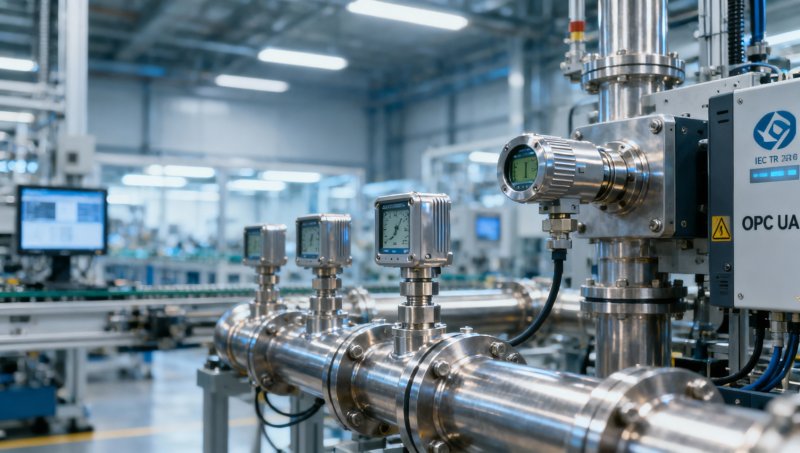
Event Overview
The IEC approved IEC TR 63388 in May 2026. The technical report defines a standardized semantic description framework for common industrial sensors — including temperature, pressure, and vibration sensors — enabling consistent interpretation of measurement data and metadata across protocol boundaries. It does not mandate hardware changes or replace existing communication protocols; rather, it specifies how sensor capabilities, units, calibration contexts, and event semantics should be modeled and exposed in interoperable formats.
Industries Affected
Direct Trade Enterprises
Export-oriented sensor vendors and system integrators face immediate commercial implications. With IEC TR 63388 now recognized as an international reference, compliance becomes a de facto requirement for market access in high-regulation industrial markets — especially in automotive and semiconductor manufacturing hubs. For these firms, impact manifests in three areas: (1) increased pre-sale engineering effort to document semantic conformance, (2) accelerated qualification timelines with Tier-1 OEMs referencing the guide, and (3) improved competitiveness against non-compliant regional peers in bid evaluations.
Raw Material Procurement Enterprises
Suppliers of MEMS dies, ASICs, and precision packaging substrates are indirectly affected through downstream demand signals. As sensor module makers redesign firmware stacks and data models to align with IEC TR 63388’s ontology requirements, procurement teams must verify that upstream components support traceable calibration metadata, timestamping accuracy, and vendor-neutral unit definitions — features not previously emphasized in material-level specifications. This may trigger revised supplier scorecards and new QA checkpoints starting Q3 2026.
Manufacturing Enterprises (OEMs & Tier-1 Suppliers)
Automotive and electronics manufacturers deploying multi-vendor IIoT architectures will experience reduced integration friction. Specifically, German and Korean auto plants — cited in official briefings as early adopters — are expected to prioritize IO-Link sensors certified against IEC TR 63388 from late 2026 onward. From their perspective, the guide lowers total cost of ownership by cutting custom middleware development and reducing field commissioning time for sensor networks. However, internal validation processes for semantic conformance remain the responsibility of each OEM.
Supply Chain Service Providers
Third-party testing labs, certification bodies, and IIoT platform-as-a-service providers must adapt service offerings. Certification schemes now require verification of semantic model completeness (e.g., whether ‘vibration_acceleration_rms’ is declared with SI unit, uncertainty budget, and sampling context). Platform vendors supporting edge-to-cloud analytics will need to extend metadata ingestion pipelines to parse and normalize semantic descriptors per IEC TR 63388. Early-mover service firms are already piloting conformance test suites aligned with Clause 6 of the report.
Key Focus Areas and Recommended Actions
Verify alignment of current sensor firmware and device information models
Manufacturers should audit whether existing device descriptions — especially those published via OPC UA Information Models or MQTT topic hierarchies — include mandatory semantic attributes defined in IEC TR 63388 Annex B. Gaps often appear in calibration provenance, physical quantity qualifiers, and contextual constraints (e.g., ‘ambient_temperature_compensated’ vs. ‘raw_die_temperature’).
Engage with national standardization bodies on implementation guidance
Since IEC TR 63388 is a technical report — not a standard — its application remains voluntary but increasingly influential. Firms should monitor national adoptions (e.g., GB/T conversion in China, DIN SPEC in Germany) and participate in working groups developing conformance test procedures. Early input helps shape practical implementation thresholds, especially around backward compatibility.
Update procurement contracts to include semantic conformance clauses
System integrators and OEMs should revise sensor purchase agreements to require declaration of semantic model version, ontology namespace URI, and third-party validation evidence — not just protocol compliance. This mitigates risk of integration failure during commissioning and supports long-term data governance.
Editorial Perspective / Industry Observation
Analysis shows this is less about ‘China setting a global standard’ and more about institutional recognition of China’s capacity to lead consensus-building on complex, cross-layer interoperability problems. Observably, IEC TR 63388 succeeds where prior efforts stalled — by deliberately avoiding protocol wars and instead anchoring semantics in physics-based definitions and widely adopted modeling conventions (e.g., ISO/IEC 11179, SAREF). From an industry standpoint, its real value lies in decoupling data meaning from transport mechanism — a prerequisite for AI-driven predictive maintenance at scale. Current more critical questions concern enforcement mechanisms: without binding conformity assessment, adoption will remain uneven across regions and sectors.
Conclusion
IEC TR 63388 does not revolutionize sensor hardware or networking — but it removes a persistent bottleneck in industrial data utilization. Its approval reflects growing maturity in global collaboration on semantic infrastructure, and signals that interoperability is now being treated as a layered challenge: physical, syntactic, and semantic. A rational observation is that its influence will grow incrementally — first in automotive and discrete manufacturing, then spilling into process industries — as tooling, training, and conformance frameworks mature over the next 18–24 months.
Source Attribution
Official announcement: IEC Press Release No. 2026-028 (May 2026); IEC TR 63388 Final Draft, circulated April 2026; Working Group 12 of IEC TC 65 (Industrial-process measurement and control).
Noted for ongoing monitoring: National adoption timelines in Germany (DIN), Korea (KATS), and Japan (JISC); evolution of conformance test specifications under IEC SC 65E; updates to OPC Foundation’s companion specification roadmap referencing IEC TR 63388.
Recommended for You
 How does production line speed affect in-line measurement accuracy?Discover how production line speed affects in-line measurement accuracy. Explore sensor response, sampling, and timing to boost throughput without compromising quality.
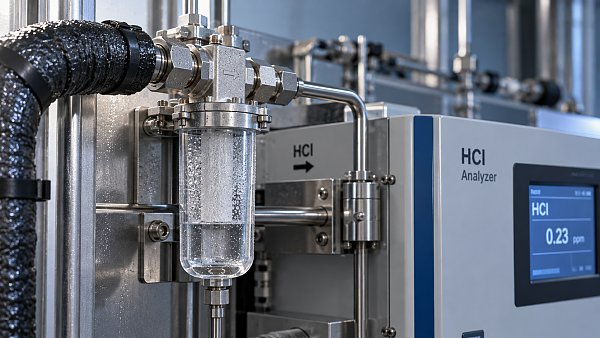
 How condensation affects HCl concentration analyzer accuracyHCl concentration analyzer accuracy can suffer when condensation traps HCl. Learn how to spot sampling losses, prevent low readings, and improve measurement reliability.
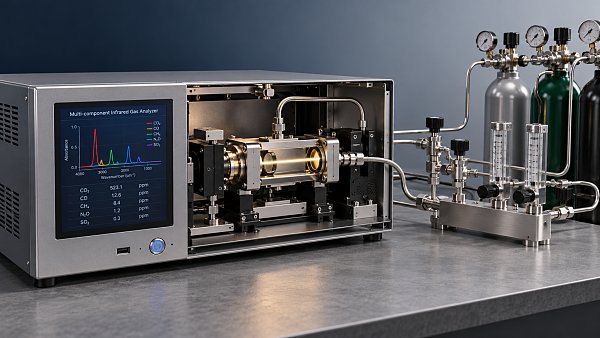
 How does cross-interference affect multi-component gas analyzers?How does cross-interference affect multi component gas analyzers? Explore measurement errors, compensation limits, and validation tips to choose the right system for your process.
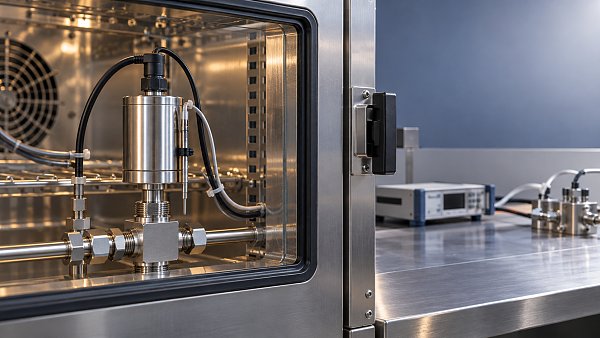
 How does temperature affect high-accuracy sensor performance?Explore how temperature affects high accuracy sensor performance. Learn to reduce thermal drift, evaluate compensation, and select the right sensor for reliable measurements.
 Can a C4H8O concentration analyzer distinguish between isomers?Can a C4H8O concentration analyzer distinguish isomers? Compare GC, FTIR and MS methods, uncover selectivity limits, and learn what to validate before choosing your instrument.
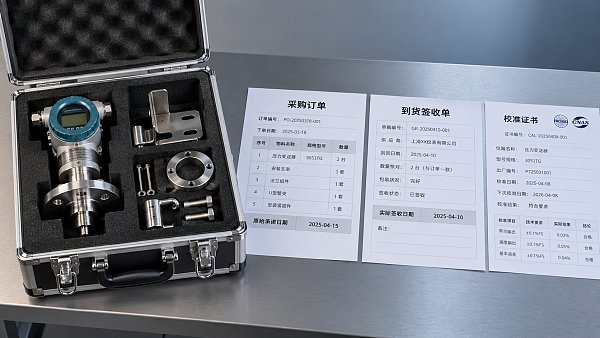
 How to identify a reliable supplier using on-time delivery recordsIdentify a Reliable Supplier by verifying on-time delivery records, original commitments, and complete shipments. Learn practical checks to reduce purchasing risk and protect your project schedule.
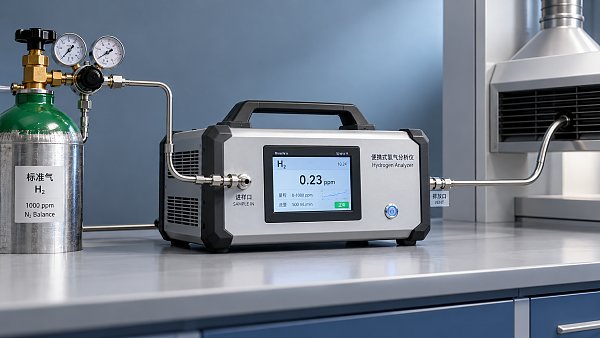
 How sensitive should a portable hydrogen analyzer be for lab use?Choose a portable hydrogen analyzer for laboratory use with the right quantification limit, accuracy, and range. Learn how to verify performance and avoid costly buying mistakes.
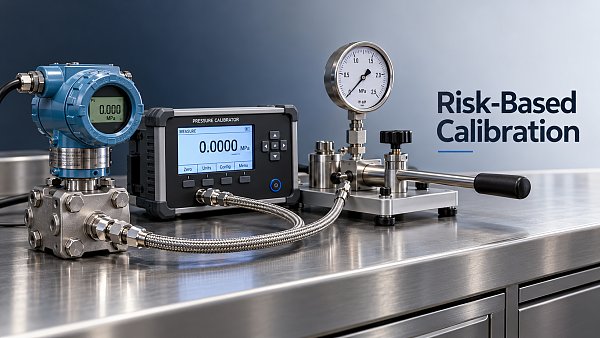
 How to set industrial calibration intervals based on equipment riskSet industrial calibration intervals based on equipment risk, drift, and as-found data. Learn when to shorten or extend schedules to improve reliability and avoid unnecessary costs.
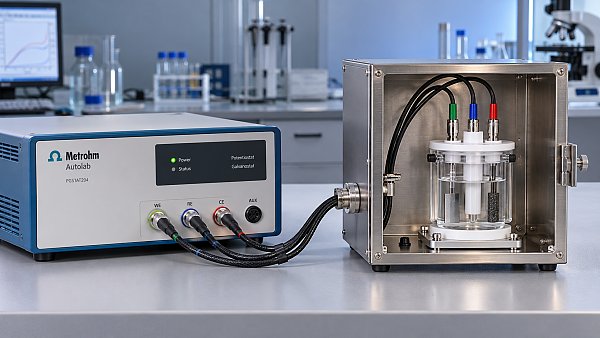
 How to choose electrochemical analyzers for low-current measurementsCompare electrochemical analyzers for precise low-current measurements. Learn how noise, leakage, bandwidth, and real-cell testing help you choose the right instrument.
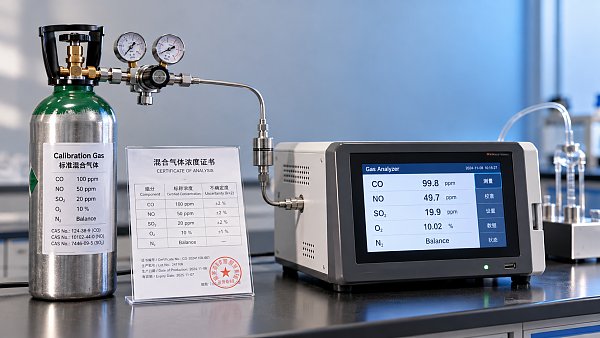
 What tolerance does a custom gas mixture need for calibration?Choose the right custom gas tolerance for calibration. Learn how blending tolerance, certified uncertainty, and stability affect accuracy—and avoid paying for precision you don’t need.
 How condensation affects stack detector readings in wet flue gasStack detector readings can drift when wet flue gas condenses. Learn how to identify moisture interference, prevent sample losses, and improve emissions monitoring reliability.
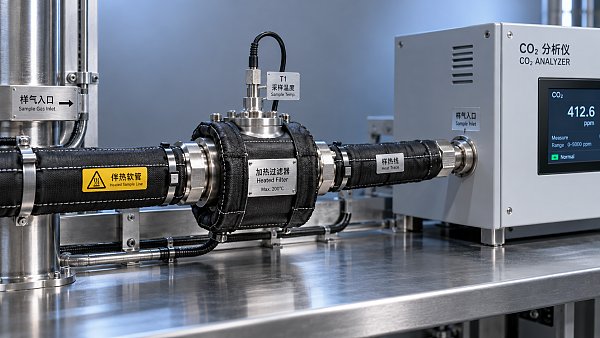
 How to prevent condensation in a CO2 analyzer sampling systemPrevent condensation in your CO2 analyzer sampling system. Learn how to control dew point, eliminate cold spots, and manage moisture for reliable readings and fewer costly disruptions.
 How to verify accuracy claims for industrial quality analyzersVerify accuracy claims for industrial quality analyzers with calibration checks, independent testing, and clear acceptance criteria. Learn how to reduce risk and buy with confidence.
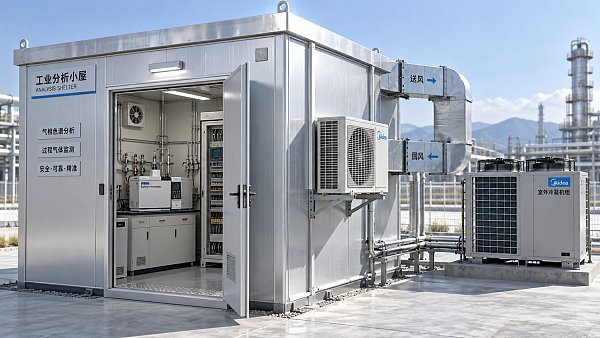
 How to calculate cooling loads for an industrial analyzer shelterSize industrial analyzer shelter cooling with confidence. Learn to calculate equipment heat, solar gains, and ventilation loads, then select HVAC capacity for reliable analyzer performance.
 Hydrogen Analyzers for Energy Storage: Purity Monitoring vs. Leak DetectionChoosing a hydrogen analyzer for energy storage systems? Compare purity monitoring and leak detection to select the right sensors, improve safety, and protect fuel cell performance.
 NH3 Monitoring in Fertilizer Plants: Where Should Leak Analyzers Be Installed?NH3 analyzer for fertilizer production: discover where to place leak detectors around storage, compressors, and loading areas to reduce blind spots and improve early warning.
 Diesel Engine NOx Analyzers: Response Time and NO2 Conversion ExplainedChoosing a NOX analyzer for diesel engines? Learn how response time, NO2 conversion, and sampling design affect accuracy—and make a smarter, evidence-based purchase.
 SO2 Analyzers for Smelter Emissions: Sampling Hot, Dust-Laden Flue GasSelect an SO2 analyzer for smelting industry applications. Discover how to handle hot, dust-laden flue gas, prevent sample losses, and achieve reliable emissions monitoring.
 Unstable CH4 Readings in Biogas Monitoring? Check Moisture and Sample FlowCH4 analyzer for biogas monitoring giving unstable readings? Discover how moisture, sample flow, and pressure checks help pinpoint faults and restore reliable methane measurements.
 Buying a CO2 Analyzer for Brewery Gas Recovery: Costs Beyond the Purchase PriceBuying a CO2 analyzer for brewery applications? Compare sampling, installation, calibration, and downtime costs to uncover hidden expenses and make a smarter gas recovery investment.
 Where to Place CO Analyzers for Effective Parking Garage VentilationOptimize your CO analyzer for parking garage ventilation with practical placement tips. Learn how sensor height, airflow, and zone coverage support timely detection and effective fan control.
 NDIR vs. FTIR Gas Analyzers: Which Fits Your Environmental Research?Find the right infrared gas analyzer for environmental research. Compare NDIR vs. FTIR on sensitivity, gas coverage, sampling needs, and cost to choose confidently for your study.
 Oxygen Analyzers for Diving: Calibration Checks Before Nitrox BlendingUsing an oxygen analyzer for diving applications? Discover essential calibration, sensor, and sampling checks before nitrox blending to support reliable readings.
 How Paramagnetic Oxygen Analyzers Work and Why Sample Pressure MattersLearn how a paramagnetic oxygen analyzer works, why sample pressure affects accuracy, and what to check in compensation and calibration before choosing your system.
 How Much Does a Complete CEMS Integration Project Typically Cost?How much does a complete CEMS integration project typically cost? Explore budget ranges, hidden installation costs, and compliance needs to compare quotes and plan confidently.
 What Is the Typical Response Time for Industrial Air Monitors?What is the typical response time for industrial air monitors? Explore T90, sampling delays, and alarm settings to compare performance and choose the right monitor with confidence.
 Do Regulatory Monitoring Systems Need Third-Party Certification?Do regulatory monitoring systems need third-party certification? Learn when it is required, what certificates prove, and how to verify compliance before buying.
 How Do You Choose Wired or Wireless for Stack Monitoring?Learn how to choose between wired and wireless for stack monitoring. Compare reliability, lifecycle costs, and data recovery to find the right CEMS setup for your site.
 What Happens When Combustible Gas Sensor Calibration Is Overdue?What happens if combustible gas sensor is not recalibrated on time? Discover the risks of inaccurate readings and missed alarms, plus steps to restore reliable protection.
 Can One Multi-Gas Detector Replace Four Separate Analyzers?Find out: can a single multi-gas detector replace four separate analyzers? Compare accuracy, safety, compliance, and lifetime costs to make a confident buying decision.
 Industrial Safety vs. Emission Monitoring: What Are the Differences?What are the main differences between industrial safety and emission monitoring? Compare goals, sensors, response times, and compliance needs to choose the right systems for your facility.
 Is Remote Monitoring Worth the Cost for Small Emission Sources?Is it worth investing in remote monitoring for small emission sources? Compare costs, compliance needs, and potential savings to choose the right solution for your operation.










Search Categories
Search Categories
- Smart Meters & Power Quality
- Transformer Gas Analyzers
- BESS Thermal Runaway Detectors
- Energy, Power & Smart Grid Monitoring
- Optical Profilers & CMM
- Ultrasonic & X-Ray NDT
- Calibration Standards
- Precision Metrology & NDT
- Water Quality Analyzers
- CEMS & VOCs Monitors
- Price Trends
- Import & Export Updates
- Market Trends
- Industry News
- Industry Insights
Latest Article
- How does production line speed affect in-line measurement accuracy?Discover how production line speed affects in-line measurement accuracy. Explore sensor response, sampling, and timing to boost throughput without compromising quality.Posted by:
- How condensation affects HCl concentration analyzer accuracyHCl concentration analyzer accuracy can suffer when condensation traps HCl. Learn how to spot sampling losses, prevent low readings, and improve measurement reliability.Posted by:
- How does cross-interference affect multi-component gas analyzers?How does cross-interference affect multi component gas analyzers? Explore measurement errors, compensation limits, and validation tips to choose the right system for your process.Posted by:
Please give us a message
