
Industrial Air Monitors: Choosing the Right Fit for Plant Zones


Selecting the right industrial air monitors is rarely about finding the most advanced device on the market. For project managers, the real task is choosing equipment that fits each plant zone, meets compliance demands, supports operations, and stays practical to maintain over time.
In most facilities, different areas face very different airborne risks. A loading bay, solvent storage room, clean production line, boiler house, and wastewater treatment section should not be monitored in the same way. Matching monitor type, sensor technology, coverage method, and maintenance plan to each zone is what drives reliable results.
This guide focuses on how to make that choice with fewer mistakes. It explains what project leaders need to evaluate first, which questions matter during specification, and how to balance safety, operational value, and long-term cost.
What Project Managers Are Really Trying to Solve

When people search for industrial air monitors, they are usually not looking for a generic product list. They want to know which monitoring setup is right for a real plant environment, and how to avoid under-specifying or overpaying.
For project managers and engineering leads, the concern is broader than air quality alone. They must protect workers, satisfy regulatory expectations, reduce shutdown risk, support incident response, and justify investment decisions to operations, safety, and procurement teams.
That means the best choice is not simply the monitor with the highest sensitivity or the largest feature set. It is the one that delivers dependable readings in the actual zone, supports a workable alarm strategy, and fits available service resources.
The practical question becomes this: what is being monitored, where is the risk located, how quickly must the system respond, and who will own calibration, inspection, and data review after commissioning?
Why a Zone-Based Approach Works Better Than a One-Size-Fits-All Plan
Plants are made up of zones with different operating conditions, contamination sources, occupancy patterns, and compliance pressure. A zone-based approach helps teams assign the right monitor to the right environment instead of applying one standard across the whole site.
For example, enclosed chemical handling areas may require continuous fixed gas detection with fast alarms. Open process floors may need broader particulate or fume trend monitoring. Laboratories may prioritize accuracy and traceability. Utility areas may focus on combustion gases or oxygen depletion.
This matters because sensor performance changes with temperature, humidity, airflow, vibration, and chemical cross-interference. A monitor that performs well in a stable indoor room may struggle in a washdown area, a dusty transfer point, or a corrosive process section.
Zone-based planning also improves budget allocation. It prevents expensive high-spec instruments from being installed in low-risk areas, while ensuring critical zones receive the reliability, redundancy, and alarm integration they actually need.
Start With Risk, Not With Device Features
The most effective selection process begins with a structured risk review. Before comparing models, project teams should identify the airborne hazards present in each zone and the consequence of delayed detection or inaccurate readings.
Typical risk categories include toxic gases, combustible gases, oxygen deficiency or enrichment, dust and particulates, solvent vapors, acidic or corrosive fumes, process leaks, and emissions that affect product quality or environmental compliance.
It is also important to define whether the monitoring objective is life safety, process protection, environmental reporting, quality assurance, preventive maintenance, or all of these together. The intended purpose affects sensor type, alarm logic, data handling, and response time requirements.
A project manager should ask four basic questions early. What event are we trying to detect? What action must follow detection? How fast must that action happen? What is the cost of a missed alarm, false alarm, or prolonged sensor downtime?
How to Match Monitor Types to Common Plant Zones
Different areas usually call for different monitoring strategies. Thinking in terms of plant zones helps narrow options quickly and creates a more defensible specification during project review and vendor discussions.
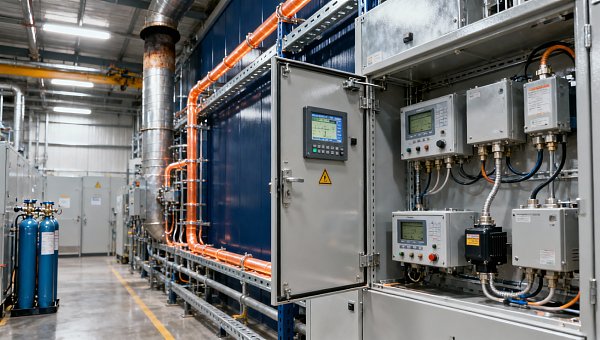
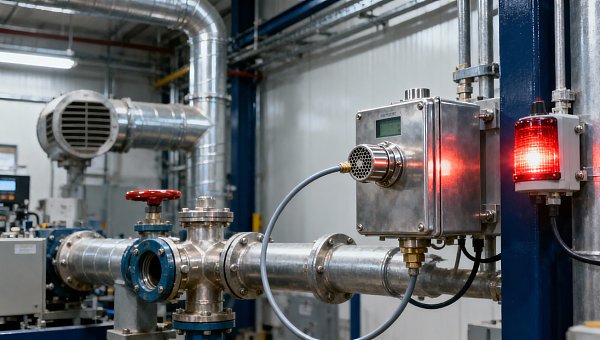
Production and process zones often need continuous fixed industrial air monitors integrated with alarms, ventilation, or control systems. These areas may involve gases, vapors, fumes, or particulate release linked to process upsets or routine operation.
Confined or enclosed spaces usually require rapid detection of oxygen depletion, toxic gas accumulation, or combustible atmospheres. In these zones, response speed, alarm reliability, and proper sensor placement are often more important than advanced analytics.
Storage and chemical handling areas may need targeted monitoring based on stored materials. Solvent rooms, gas cylinder areas, and reagent storage spaces often benefit from specific gas sensors selected around likely leak scenarios and ventilation behavior.
Utilities and combustion areas commonly require monitoring for carbon monoxide, nitrogen oxides, oxygen levels, or other combustion-related gases. Here, equipment durability and stable operation under temperature variation are major considerations.
Dust-generating transfer points such as bulk handling, crushing, or packaging sections may require particulate monitoring for worker exposure, housekeeping control, filter performance, or combustible dust risk management.
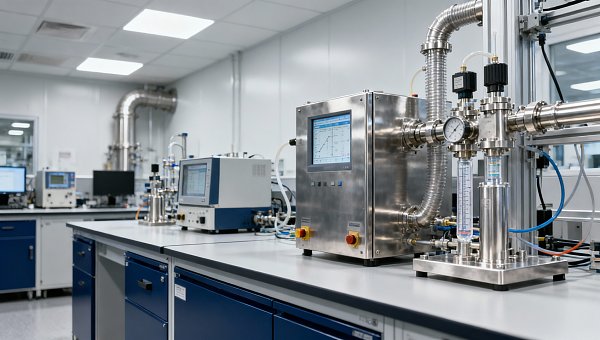
Clean or controlled production areas may focus less on worker hazard and more on product integrity. In those settings, monitor accuracy, contamination trend visibility, and validation support may matter more than ruggedized design.
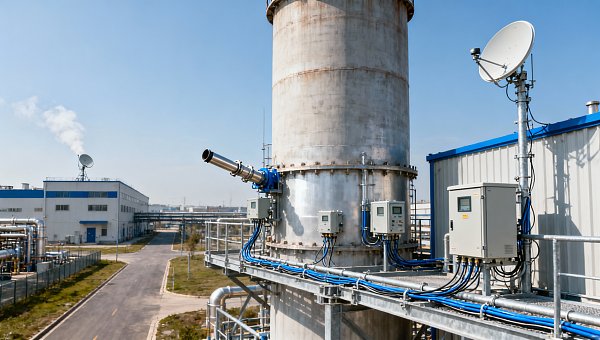
Perimeter, fence line, or environmental discharge zones are often selected for emissions awareness and community risk management. These applications typically require stable long-term data collection, weather consideration, and stronger reporting capability.
Key Selection Criteria That Actually Affect Project Outcomes
Once zones and risks are defined, selection should focus on the criteria that influence performance in real operations. Many buying mistakes happen when teams compare only price, sensor range, or catalog specifications without considering field conditions.
Target analyte and detection range come first. The monitor must detect the right substance at meaningful concentrations. A device that technically senses a gas but only at unsuitable ranges may add cost without delivering usable protection.
Sensor technology matters because electrochemical, infrared, photoionization, laser-based, optical, and metal oxide sensors all behave differently. Each has strengths, limitations, maintenance demands, and sensitivity to interference.
Response time should match the hazard. Fast leak scenarios require rapid detection and alarm delivery. For trend monitoring or ventilation optimization, slightly slower response may be acceptable if stability and lower maintenance are better.
Environmental durability is critical in industry. Consider ingress protection, corrosion resistance, vibration tolerance, washdown compatibility, operating temperature, and performance under humidity swings or airborne contaminants.
Placement flexibility is another practical factor. Heavy gases, light gases, hot plumes, and dusty airflow patterns do not move the same way. The best monitor still fails if it cannot be mounted where it can detect the hazard effectively.
Connectivity and integration influence project value. Many facilities want outputs to SCADA, DCS, BMS, historian platforms, or cloud dashboards. Alarm routing, event logging, and remote diagnostics can significantly reduce response delays.
Calibration and service burden should never be treated as an afterthought. Some monitors are accurate but labor-intensive. If calibration gas, spare sensors, skilled technicians, or shutdown windows are limited, lifecycle performance may suffer.
Fixed, Portable, or Networked: Which Monitoring Architecture Makes Sense?
Project teams often assume fixed systems are always the right answer. In reality, the best architecture depends on whether the risk is continuous, mobile, temporary, task-based, or spread over a large and changing footprint.
Fixed monitors are best for permanent hazards in defined zones. They support continuous coverage, automated alarms, and control integration. They are commonly used around process equipment, storage areas, utility rooms, and enclosed operating spaces.
Portable monitors are valuable for inspections, maintenance tasks, shutdowns, confined space entry, and temporary process changes. They add flexibility but depend heavily on user discipline, charging, bump testing, and procedural compliance.
Networked monitoring systems are increasingly attractive for larger facilities. They allow multiple zones to be viewed centrally, support analytics, and make data easier to review across shifts, incidents, or compliance audits.
In many plants, a hybrid model works best. Fixed industrial air monitors cover critical areas continuously, while portable devices support task-specific exposure control and verification during maintenance or non-routine operations.
Compliance Matters, but Usability Matters Just as Much
Compliance is often the original driver behind monitoring projects, especially in regulated sectors. However, systems that are technically compliant but difficult to operate, maintain, or interpret tend to lose value quickly after installation.
Project managers should confirm which local regulations, occupational exposure limits, industry codes, and internal corporate standards apply to each area. They should also clarify whether the system is intended for personal safety, area monitoring, emissions control, or quality monitoring.
Just as important, users on site must be able to trust and act on the information. Alarm levels should be understandable. Data displays should be clear. Maintenance intervals should be realistic. Responsibility for testing and response should be assigned before handover.
A good monitoring system supports decision-making, not just documentation. If teams cannot quickly tell what happened, where it happened, and what action is needed, the system may satisfy a checklist while still failing the operation.
How to Evaluate Total Cost Instead of Purchase Price Alone
For capital planning, the biggest error is comparing unit price without estimating full lifecycle cost. Two monitoring systems with similar upfront pricing can create very different maintenance labor, spare part usage, downtime exposure, and replacement cycles.
Total cost should include installation, cabling or wireless infrastructure, commissioning, calibration equipment, sensor replacement, software licensing, service contracts, training, and the internal labor needed to keep the program functioning.
It is also worth quantifying the cost of poor fit. False alarms can interrupt production. Missed events can trigger injury, investigations, or environmental penalties. Hard-to-maintain systems often end up bypassed, ignored, or operated outside best practice.
For project managers, the strongest business case often combines risk reduction with operational efficiency. Better monitoring can improve ventilation control, reduce emergency response uncertainty, support predictive maintenance, and provide cleaner incident evidence.
Questions to Ask Vendors Before Finalizing Your Specification
A vendor proposal may look strong on paper but still be wrong for the plant. Asking sharper questions helps reveal whether the recommended solution reflects real field use or simply standard product positioning.
Ask which industries and zone types the monitor is commonly used in. Request evidence of performance in similar temperature, humidity, dust, or corrosive conditions. Ask about cross-sensitivity, calibration drift, expected sensor life, and failure modes.
Clarify how the device handles alarms, communications loss, sensor fault conditions, and maintenance lockout. Ask what spare parts are typically stocked, what lead times apply, and how firmware updates or service diagnostics are managed.
It is also useful to ask what the vendor needs from your side to ensure success. Good suppliers will discuss placement studies, airflow, process behavior, service access, and maintenance planning instead of only promoting product features.
A Practical Decision Framework for Plant Monitoring Projects
If your team needs a clear path forward, use a simple framework. First, divide the plant into zones based on process, occupancy, and hazard type. Second, rank each zone by consequence, frequency, and detection urgency.
Third, define the monitoring purpose for each zone: safety, compliance, quality, operational control, or investigation support. Fourth, identify the environmental conditions that could affect sensor performance and maintenance practicality.
Fifth, compare monitor options by fitness for the zone, not by headline specifications alone. Sixth, confirm integration, alarm response, ownership, and service capability before procurement. Finally, review the plan after startup and adjust based on real operating data.
This approach helps project managers select industrial air monitors that align with risk, budget, and plant reality. It also creates better internal alignment between engineering, EHS, operations, and procurement teams.
Conclusion: Choose for the Zone, Not the Catalog
The right industrial air monitoring strategy starts with understanding how each plant zone behaves. Hazards differ, operating conditions differ, and the consequences of poor monitoring differ as well. That is why blanket specifications often lead to weak outcomes.
For project managers, the best decision is usually the one that combines targeted detection, maintainable design, usable data, and realistic lifecycle support. When monitors are matched to zone risk and operational purpose, they deliver far more than compliance alone.
In short, selecting the right industrial air monitors means choosing for the environment, the hazard, and the action required after detection. That is the path to safer facilities, stronger project returns, and more confident long-term plant management.
Recommended for You
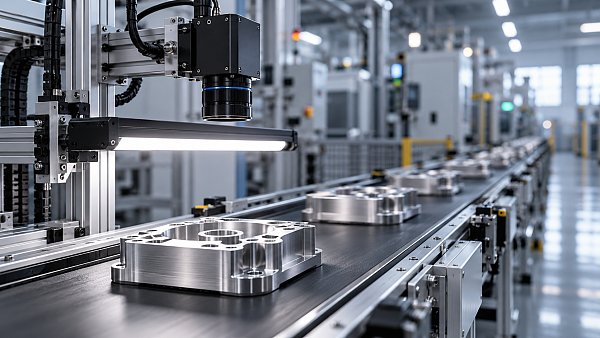
 How does production line speed affect in-line measurement accuracy?Discover how production line speed affects in-line measurement accuracy. Explore sensor response, sampling, and timing to boost throughput without compromising quality.
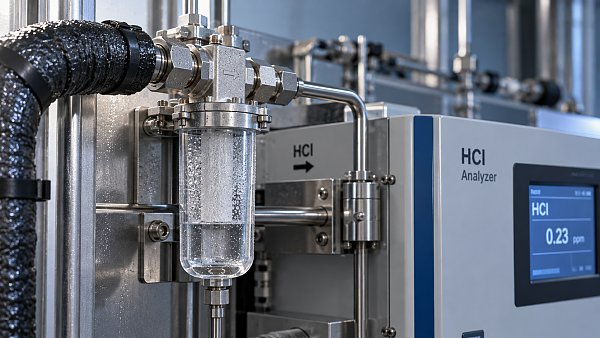
 How condensation affects HCl concentration analyzer accuracyHCl concentration analyzer accuracy can suffer when condensation traps HCl. Learn how to spot sampling losses, prevent low readings, and improve measurement reliability.
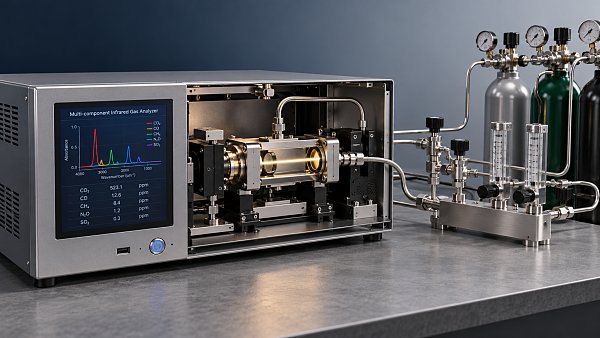
 How does cross-interference affect multi-component gas analyzers?How does cross-interference affect multi component gas analyzers? Explore measurement errors, compensation limits, and validation tips to choose the right system for your process.
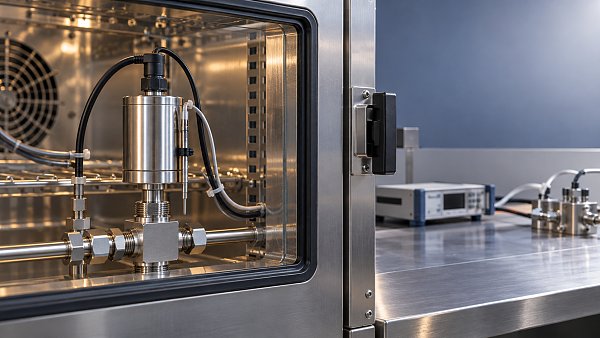
 How does temperature affect high-accuracy sensor performance?Explore how temperature affects high accuracy sensor performance. Learn to reduce thermal drift, evaluate compensation, and select the right sensor for reliable measurements.
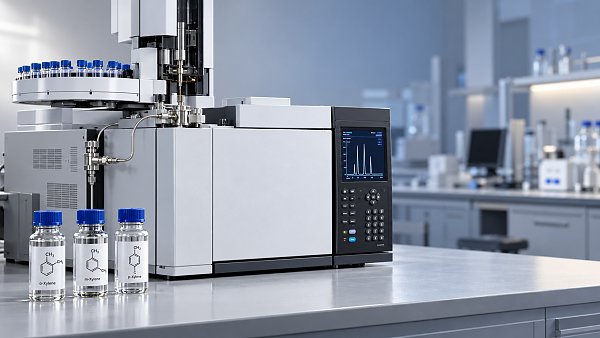
 Can a C4H8O concentration analyzer distinguish between isomers?Can a C4H8O concentration analyzer distinguish isomers? Compare GC, FTIR and MS methods, uncover selectivity limits, and learn what to validate before choosing your instrument.
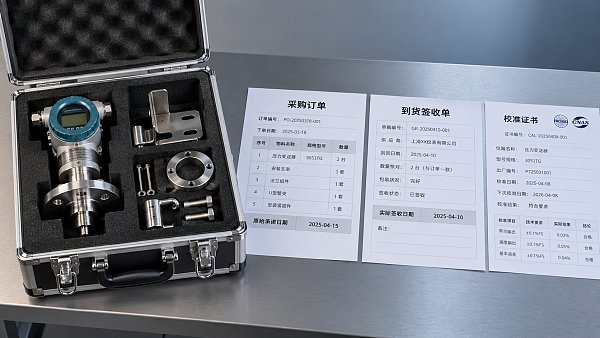
 How to identify a reliable supplier using on-time delivery recordsIdentify a Reliable Supplier by verifying on-time delivery records, original commitments, and complete shipments. Learn practical checks to reduce purchasing risk and protect your project schedule.
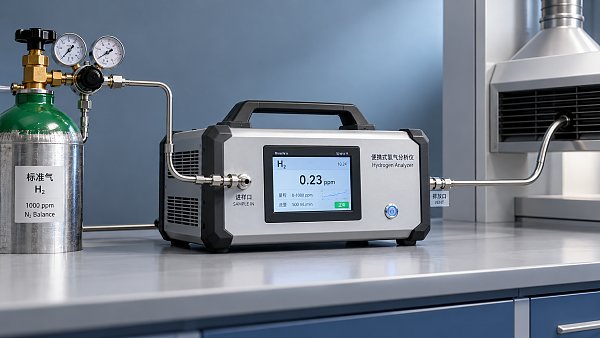
 How sensitive should a portable hydrogen analyzer be for lab use?Choose a portable hydrogen analyzer for laboratory use with the right quantification limit, accuracy, and range. Learn how to verify performance and avoid costly buying mistakes.
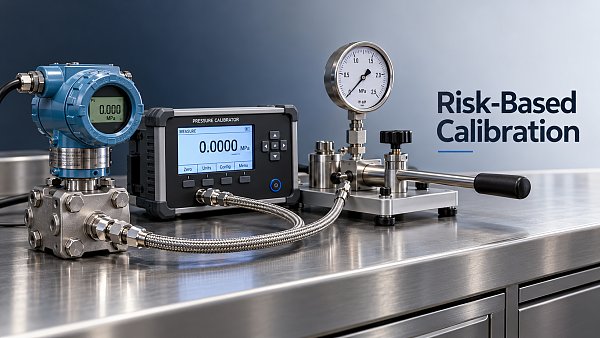
 How to set industrial calibration intervals based on equipment riskSet industrial calibration intervals based on equipment risk, drift, and as-found data. Learn when to shorten or extend schedules to improve reliability and avoid unnecessary costs.
 How to choose electrochemical analyzers for low-current measurementsCompare electrochemical analyzers for precise low-current measurements. Learn how noise, leakage, bandwidth, and real-cell testing help you choose the right instrument.
 What tolerance does a custom gas mixture need for calibration?Choose the right custom gas tolerance for calibration. Learn how blending tolerance, certified uncertainty, and stability affect accuracy—and avoid paying for precision you don’t need.
 How condensation affects stack detector readings in wet flue gasStack detector readings can drift when wet flue gas condenses. Learn how to identify moisture interference, prevent sample losses, and improve emissions monitoring reliability.
 How to prevent condensation in a CO2 analyzer sampling systemPrevent condensation in your CO2 analyzer sampling system. Learn how to control dew point, eliminate cold spots, and manage moisture for reliable readings and fewer costly disruptions.
 How to verify accuracy claims for industrial quality analyzersVerify accuracy claims for industrial quality analyzers with calibration checks, independent testing, and clear acceptance criteria. Learn how to reduce risk and buy with confidence.
 How to calculate cooling loads for an industrial analyzer shelterSize industrial analyzer shelter cooling with confidence. Learn to calculate equipment heat, solar gains, and ventilation loads, then select HVAC capacity for reliable analyzer performance.
 Hydrogen Analyzers for Energy Storage: Purity Monitoring vs. Leak DetectionChoosing a hydrogen analyzer for energy storage systems? Compare purity monitoring and leak detection to select the right sensors, improve safety, and protect fuel cell performance.
 NH3 Monitoring in Fertilizer Plants: Where Should Leak Analyzers Be Installed?NH3 analyzer for fertilizer production: discover where to place leak detectors around storage, compressors, and loading areas to reduce blind spots and improve early warning.
 Diesel Engine NOx Analyzers: Response Time and NO2 Conversion ExplainedChoosing a NOX analyzer for diesel engines? Learn how response time, NO2 conversion, and sampling design affect accuracy—and make a smarter, evidence-based purchase.
 SO2 Analyzers for Smelter Emissions: Sampling Hot, Dust-Laden Flue GasSelect an SO2 analyzer for smelting industry applications. Discover how to handle hot, dust-laden flue gas, prevent sample losses, and achieve reliable emissions monitoring.
 Unstable CH4 Readings in Biogas Monitoring? Check Moisture and Sample FlowCH4 analyzer for biogas monitoring giving unstable readings? Discover how moisture, sample flow, and pressure checks help pinpoint faults and restore reliable methane measurements.
 Buying a CO2 Analyzer for Brewery Gas Recovery: Costs Beyond the Purchase PriceBuying a CO2 analyzer for brewery applications? Compare sampling, installation, calibration, and downtime costs to uncover hidden expenses and make a smarter gas recovery investment.
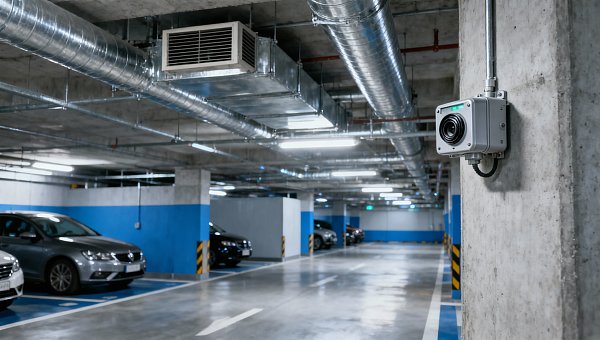
 Where to Place CO Analyzers for Effective Parking Garage VentilationOptimize your CO analyzer for parking garage ventilation with practical placement tips. Learn how sensor height, airflow, and zone coverage support timely detection and effective fan control.
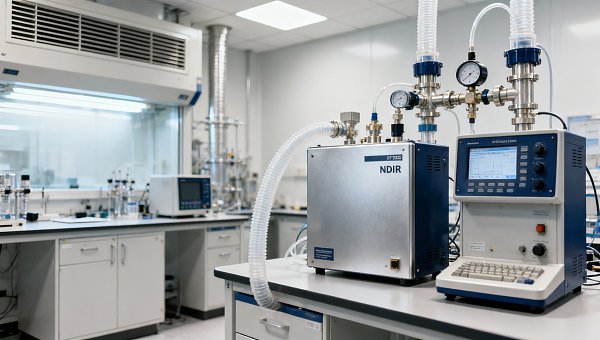
 NDIR vs. FTIR Gas Analyzers: Which Fits Your Environmental Research?Find the right infrared gas analyzer for environmental research. Compare NDIR vs. FTIR on sensitivity, gas coverage, sampling needs, and cost to choose confidently for your study.
 Oxygen Analyzers for Diving: Calibration Checks Before Nitrox BlendingUsing an oxygen analyzer for diving applications? Discover essential calibration, sensor, and sampling checks before nitrox blending to support reliable readings.
 How Paramagnetic Oxygen Analyzers Work and Why Sample Pressure MattersLearn how a paramagnetic oxygen analyzer works, why sample pressure affects accuracy, and what to check in compensation and calibration before choosing your system.
 How Much Does a Complete CEMS Integration Project Typically Cost?How much does a complete CEMS integration project typically cost? Explore budget ranges, hidden installation costs, and compliance needs to compare quotes and plan confidently.
 What Is the Typical Response Time for Industrial Air Monitors?What is the typical response time for industrial air monitors? Explore T90, sampling delays, and alarm settings to compare performance and choose the right monitor with confidence.
 Do Regulatory Monitoring Systems Need Third-Party Certification?Do regulatory monitoring systems need third-party certification? Learn when it is required, what certificates prove, and how to verify compliance before buying.
 How Do You Choose Wired or Wireless for Stack Monitoring?Learn how to choose between wired and wireless for stack monitoring. Compare reliability, lifecycle costs, and data recovery to find the right CEMS setup for your site.
 What Happens When Combustible Gas Sensor Calibration Is Overdue?What happens if combustible gas sensor is not recalibrated on time? Discover the risks of inaccurate readings and missed alarms, plus steps to restore reliable protection.
 Can One Multi-Gas Detector Replace Four Separate Analyzers?Find out: can a single multi-gas detector replace four separate analyzers? Compare accuracy, safety, compliance, and lifetime costs to make a confident buying decision.
 Industrial Safety vs. Emission Monitoring: What Are the Differences?What are the main differences between industrial safety and emission monitoring? Compare goals, sensors, response times, and compliance needs to choose the right systems for your facility.
 Is Remote Monitoring Worth the Cost for Small Emission Sources?Is it worth investing in remote monitoring for small emission sources? Compare costs, compliance needs, and potential savings to choose the right solution for your operation.
Search Categories
Search Categories
- Smart Meters & Power Quality
- Transformer Gas Analyzers
- BESS Thermal Runaway Detectors
- Energy, Power & Smart Grid Monitoring
- Optical Profilers & CMM
- Ultrasonic & X-Ray NDT
- Calibration Standards
- Precision Metrology & NDT
- Water Quality Analyzers
- CEMS & VOCs Monitors
- Price Trends
- Import & Export Updates
- Market Trends
- Industry News
- Industry Insights
Latest Article
- How does production line speed affect in-line measurement accuracy?Discover how production line speed affects in-line measurement accuracy. Explore sensor response, sampling, and timing to boost throughput without compromising quality.Posted by:
- How condensation affects HCl concentration analyzer accuracyHCl concentration analyzer accuracy can suffer when condensation traps HCl. Learn how to spot sampling losses, prevent low readings, and improve measurement reliability.Posted by:
- How does cross-interference affect multi-component gas analyzers?How does cross-interference affect multi component gas analyzers? Explore measurement errors, compensation limits, and validation tips to choose the right system for your process.Posted by:
Please give us a message
