
Analyzer Protection Options: What Matters Most in Corrosive Environments


Analyzer Protection Options: What Matters Most in Corrosive Environments
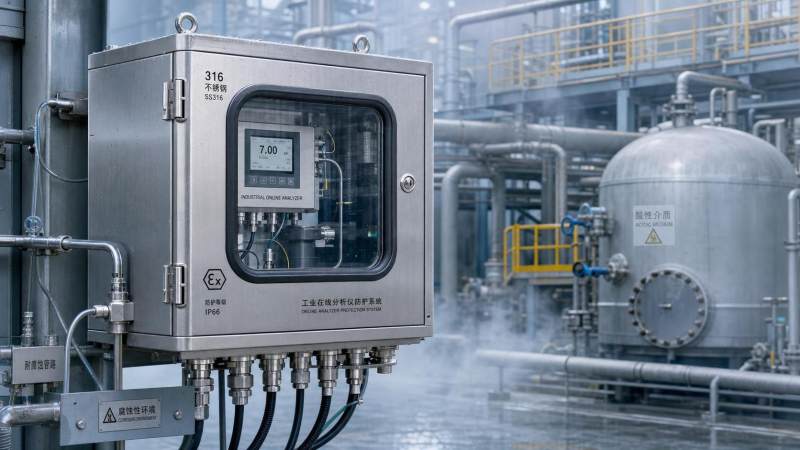
In corrosive environments, analyzer protection quickly becomes a performance issue, not only a maintenance issue.
When protection is underspecified, failures rarely stay isolated. They affect measurement stability, calibration frequency, operator safety, and unplanned downtime.
That is why analyzer protection should be evaluated as part of the full process risk picture.
In practical terms, the best choice depends on chemical exposure, ambient conditions, maintenance access, and analyzer sensitivity.
A stainless enclosure may be enough in one unit, while another requires advanced purge protection, upgraded seals, and coated sampling hardware.
This also means analyzer protection is rarely a single product decision. It is usually a package decision.
The package may include enclosure material, gasketing, tubing, cable entries, ventilation, and corrosion-resistant mounting details.
For operations teams, the real question is simple: which protection options keep the analyzer accurate and serviceable over time?
Start With the Corrosive Exposure Profile
A solid analyzer protection review starts with the chemistry around the analyzer, not with enclosure catalogs.
Some sites deal with acid mist. Others see chlorides, sulfur compounds, solvent vapors, or caustic washdown.
Those differences matter because corrosion rates and failure modes change fast across materials.
Local concentration also matters more than many buyers expect.
Intermittent chemical splashes can be less damaging than continuous low-level vapor exposure trapped around seals and hinges.
Temperature, humidity, UV, and salt further complicate the picture.
In coastal or wastewater facilities, analyzer protection often fails first at fasteners, joints, and cable glands.
That is why exposure mapping should cover more than the analyzer itself.
It should include nearby cleaning routines, vent discharge paths, drainage patterns, and shutdown conditions.
Questions worth answering early
- Which chemicals contact the analyzer protection system directly or indirectly?
- Is exposure constant, batch-based, seasonal, or linked to cleaning cycles?
- Will vapors accumulate in shelters, cabinets, or cable trenches?
- Which components are hardest to inspect once corrosion starts?
Material Selection Often Decides Service Life
Material choice is usually the most visible part of analyzer protection, but it should never be treated as a simple upgrade path.
Moving from painted carbon steel to 304 stainless may help in mild duty.
In chloride-heavy areas, 316 stainless may still show pitting over time.
Fiberglass-reinforced polyester, coated aluminum, engineered polymers, or specialty alloys can be better choices in specific applications.
The key is compatibility across the whole assembly.
Good analyzer protection can still fail if the enclosure survives but the latch, hinges, tubing supports, or gland plates do not.
Mixed metals deserve special attention. Galvanic corrosion can shorten life even when each material looks acceptable on paper.
Coatings also need realistic review. A high-grade coating may work well until field damage exposes the base metal.
From a selection standpoint, bare material resistance is often more forgiving than coating-dependent protection.
Common decision points
Seals, Purge Systems, and Ingress Control Matter Just as Much
Many analyzer protection failures begin at openings, not walls.
Door seals harden, cable entries leak, and poor internal pressure control pulls corrosive air inside the enclosure.
This is where gasketing material and purge strategy become critical.
EPDM, Viton, PTFE, and silicone all behave differently when exposed to solvents, acids, heat, or outdoor aging.
The right seal for water ingress may be the wrong seal for chemical resistance.
Purge and pressurization systems can significantly improve analyzer protection by keeping contaminated ambient air out.
They are especially useful where analyzers need controlled internal conditions for stable readings.
Still, purge systems add operating requirements. Clean instrument air quality, pressure stability, and maintenance discipline all matter.
A badly maintained purge system can create a false sense of protection.
Ingress ratings should also be read carefully.
High IP performance helps against dust and water, but it does not automatically confirm long-term chemical compatibility.
What to verify before approval
- Seal material compatibility with expected vapors and washdown chemicals
- Cable gland and conduit fitting resistance to the same environment
- Purge medium cleanliness, flow stability, and alarm coverage
- Access design that keeps doors from staying open during routine work
Do Not Separate Analyzer Protection From Sampling System Design
This is a common selection mistake. Buyers focus on the analyzer cabinet and overlook the sample path.
Yet the sample conditioning system often carries the highest corrosion risk.
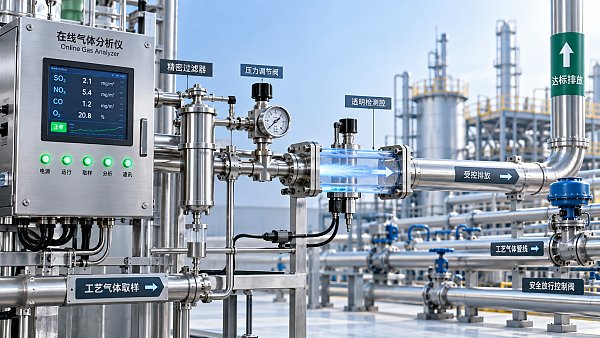
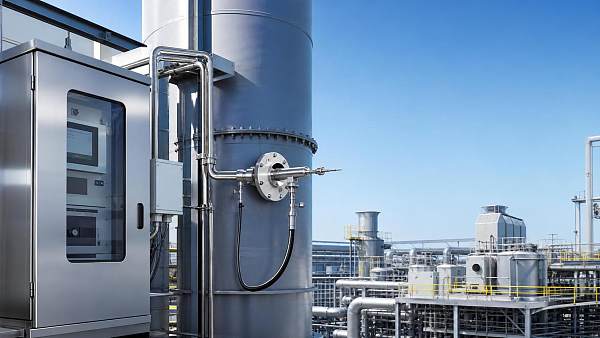
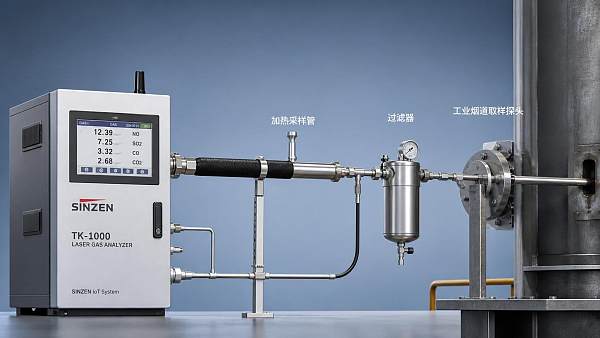
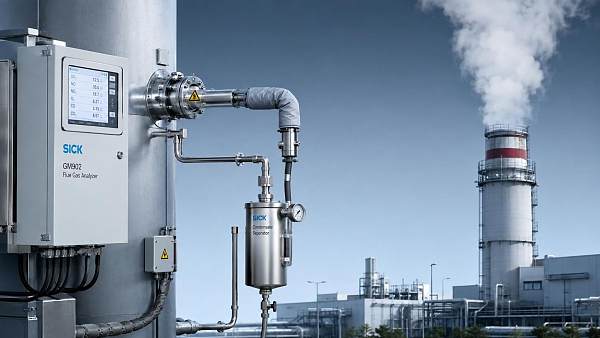
Tubing, regulators, filters, coolers, pumps, and drain components must support the same analyzer protection strategy.
If one weak link fails, measurement quality usually drops before complete shutdown occurs.
That kind of drift is expensive because it may look like a calibration issue, not a hardware issue.
From recent project trends, more end users are asking suppliers to validate analyzer protection at the system level.
That includes material traceability, seal specifications, corrosion allowances, and maintenance interval assumptions.
This wider review reduces the risk of buying a durable enclosure around vulnerable internals.
Selection Criteria That Hold Up in Real Operations
The strongest analyzer protection choice usually balances corrosion resistance, maintainability, compliance, and total lifecycle cost.
Lowest purchase price is rarely the lowest ownership cost in corrosive service.
A practical evaluation framework can keep decisions grounded.
Use these decision filters
- Match analyzer protection to actual chemicals, not general site labels.
- Review every exposed component, including small hardware and accessories.
- Confirm maintenance access does not compromise sealing performance.
- Check whether purge protection adds operational burden the site can support.
- Ask for corrosion references from similar applications, not only datasheets.
- Include downtime risk when comparing analyzer protection options.
- Align with required certifications, including hazardous area expectations where relevant.
In real operations, simple designs often age better because they leave fewer entry points for contamination and fewer parts to degrade.
But simple should not mean minimal. It should mean deliberate.
A Better Analyzer Protection Decision Starts With Better Questions
The right analyzer protection option is the one that keeps performance stable under the chemistry and routines of the actual plant.
That usually requires a closer look at exposure details, material compatibility, sealing integrity, and sampling system design.
When those factors are reviewed together, selection becomes far more predictable.
For sourcing teams and technical reviewers, the most useful next step is a structured comparison sheet.
List the environment, chemicals, protection options, weak components, and expected service intervals side by side.
That process turns analyzer protection from a generic specification line into a sound operating decision.
In corrosive environments, that difference is often what separates reliable data from recurring trouble.
Recommended for You
 When does a laser gas analyzer meet stack emissions monitoring needs?Laser gas analyzer for stack emissions: learn when it delivers fast, reliable data, how to assess installation risks, and what to verify for CEMS compliance.
 How to select a hazardous gas analyzer for confined spacesHazardous gas analyzer selection for confined spaces: compare sensors, sampling, certifications, alarms, and maintenance to protect workers and choose with confidence.
 When is a single gas analyzer sufficient for workplace safety monitoring?Discover when a single gas analyzer delivers reliable workplace safety monitoring, and learn the key limits, calibration needs, and risks that require broader detection.
 How to choose an ambient gas analyzer for low-level leak detectionAmbient gas analyzer selection for low-level leak detection: compare sensitivity, cross-sensitivity, sampling design, alarms, and calibration for reliable site performance.
 How to tell when an oxygen sensor needs replacementOxygen sensor replacement signs explained: learn how live data, fault codes, wiring checks, and exhaust inspections pinpoint the real issue before you buy.
 How laser gas analyzers improve combustion control in steel furnacesLaser gas analyzer for steel industry applications delivers fast in-situ O₂ and CO data to optimize furnace combustion, cut fuel waste, and improve steel heating stability.
 How to verify whether explosion proof equipment meets site requirementsExplosion proof equipment verification made practical: match zones, gas or dust groups, temperature classes, certificates, and installation conditions for confident compliance.
 How industrial gas analysis helps detect contamination before releaseIndustrial Gas Analysis helps detect moisture, oil, oxygen, and toxic contaminants before release—protecting processes, ensuring compliance, and reducing costly risks.
 When is electrochemistry detection the right choice for water analysis?Electrochemistry detection for water analysis: learn when fast, reliable monitoring of ions, chlorine, pH, and more delivers actionable results.
 How industrial standards reduce quality risks in supplier selectionIndustrial Standard guidance helps quality and safety managers reduce supplier risks, verify compliance, strengthen traceability, and build resilient instrumentation supply chains.
 When does a multi-component system reduce installation complexity?Multi component systems reduce installation complexity when they eliminate field interfaces, streamline commissioning, and provide proven compatibility. Learn how to assess total cost and supplier accountability.
 How to size an industrial control shelter for outdoor equipmentIndustrial control shelter sizing guide: optimize layout, HVAC, access, safety, and expansion space for reliable outdoor equipment operations.
 How flue analysis helps verify combustion efficiencyFlue analysis verifies combustion efficiency by assessing O2, CO, CO2, and stack temperature to identify excess air, incomplete combustion, and heat losses.
 How to select industrial gas detectors for confined spacesIndustrial gas detectors for confined spaces: learn how to match sensors, sampling methods, alarms, and certifications to real atmospheric hazards.
 When does a laser oxygen analyzer outperform zirconia sensors?Laser oxygen analyzer vs. zirconia sensors: compare speed, selectivity, maintenance, gas chemistry, and installation needs to choose the right oxygen measurement solution.
 How to select a percent range analyzer for process measurementsPercent range analyzer selection made practical: compare accuracy, sample systems, calibration, gas matrix, integration, and lifecycle cost for reliable process measurements.
 How explosion proof analysis verifies safe equipment for hazardous areasExplosion proof analysis verifies hazardous-area equipment by matching certifications, temperature ratings, installation details, and inspection controls for safer compliance.
 When does fixed gas detection need point sensors instead of open-path monitoring?Fixed gas detection: discover when point sensors outperform open-path monitoring for predictable leaks, enclosed zones, local alarms, and safer design decisions.
 How to choose industrial metrology systems for tight-tolerance partsIndustrial metrology guide for tight-tolerance parts: compare CMMs, optical scanners, gauges, uncertainty, workflow, and traceable inspection strategies.
 How process metrology reduces measurement variation in productionProcess metrology reduces production measurement variation by improving traceability, uncertainty control, calibration, and reliable quality decisions.
 How to select an industrial monitoring analyzer for harsh environmentsIndustrial monitoring analyzer selection for harsh environments: evaluate sampling, durability, hazardous-area compliance, accuracy, maintenance, and data reliability.
 How calibration intervals affect test and measurement equipment accuracyTest and measurement equipment calibration intervals directly affect accuracy, risk, compliance, and uptime. Learn how to set evidence-based schedules that protect critical decisions.
 When does process gas monitoring need continuous measurement?Process gas monitoring needs continuous measurement when rapid changes threaten safety, quality, compliance, or uptime. Learn how to specify reliable, actionable monitoring systems.
 How to prevent false alarms in power plant instrumentationPower plant instrumentation guide: prevent false alarms with reliable signal checks, smarter alarm settings, mode-based control, and actionable operator responses.
 How fixed gas detectors help prevent leaks in enclosed workspacesFixed gas detectors provide continuous leak monitoring in enclosed workspaces, enabling faster alarms, safer responses, and stronger protection for people and processes.
 How industrial gas analysis helps detect process contamination earlyIndustrial Gas Analysis helps detect oxygen, moisture, and hydrocarbon contamination early, enabling faster fault isolation, safer operations, and stronger process control.
 What drives environmental compliance continuous monitoring setup cost?Environmental compliance continuous monitoring setup cost: uncover hidden expenses, compare bids accurately, and build a reliable, audit-ready system.
 How to select gas analysis equipment for continuous emissions monitoringGas analysis equipment selection guide for reliable continuous emissions monitoring—compare technologies, sampling, calibration, compliance, and maintenance needs.
 What detection limit is needed for NH3 environmental monitoring?High accuracy NH3 analyzer for environmental monitoring: learn how to set the right detection limit, improve sampling reliability, and make defensible decisions.
 How to select a NOX analyzer for power plant emissions complianceNOX analyzer for power plant emissions: learn how to select a compliant, reliable CEMS solution with the right range, sample handling, calibration, and data integrity.
 How to evaluate a laser gas analyzer manufacturer in GermanyLaser gas analyzer manufacturer in Germany: compare accuracy, sample handling, interference control, calibration, and service to select a reliable solution.
 How does a flue gas analyzer maintain accuracy in wet stack gas?Flue gas analyzer accuracy in wet stack gas depends on heated sampling, moisture correction, reliable sensors, and calibration. Explore key selection tips.


Search Categories
Search Categories
- Smart Meters & Power Quality
- Transformer Gas Analyzers
- BESS Thermal Runaway Detectors
- Energy, Power & Smart Grid Monitoring
- Optical Profilers & CMM
- Ultrasonic & X-Ray NDT
- Calibration Standards
- Precision Metrology & NDT
- Water Quality Analyzers
- CEMS & VOCs Monitors
- Price Trends
- Import & Export Updates
- Market Trends
- Industry News
- Industry Insights
Latest Article
- When does a laser gas analyzer meet stack emissions monitoring needs?Laser gas analyzer for stack emissions: learn when it delivers fast, reliable data, how to assess installation risks, and what to verify for CEMS compliance.Posted by:
- How to select a hazardous gas analyzer for confined spacesHazardous gas analyzer selection for confined spaces: compare sensors, sampling, certifications, alarms, and maintenance to protect workers and choose with confidence.Posted by:
- When is a single gas analyzer sufficient for workplace safety monitoring?Discover when a single gas analyzer delivers reliable workplace safety monitoring, and learn the key limits, calibration needs, and risks that require broader detection.Posted by:
Please give us a message
