
Custom Analyzer vs Standard Models: When Is Customization Worth It?


Custom Analyzer vs Standard Models: what is really being decided?
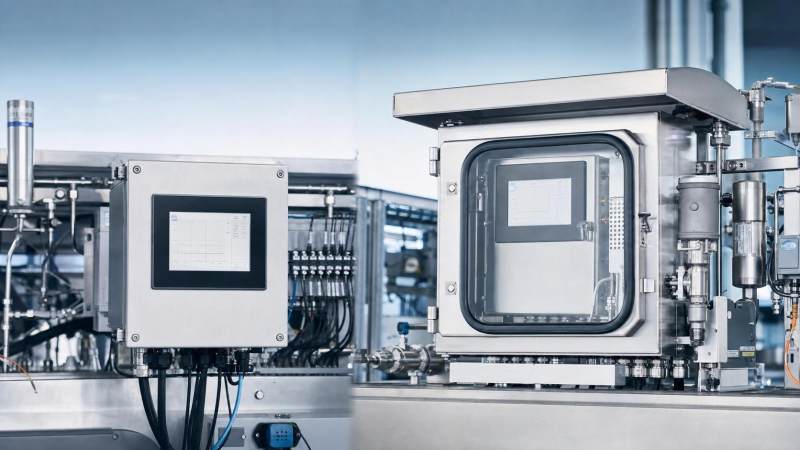
A custom analyzer is rarely chosen for customization alone. The real decision is whether a standard model already fits the process, data target, and compliance burden with acceptable risk.
That is why the custom analyzer debate shows up across manufacturing, energy, laboratories, environmental monitoring, and construction testing. The instrument may differ, but the business question stays similar.
In practice, teams are weighing measurement confidence, operating conditions, validation effort, maintenance exposure, and total lifecycle cost. Price matters, but wrong-fit instrumentation usually costs more later.
GIH often frames this issue through an instrumentation lens: the analyzer is part of the site’s sensing and decision chain. If the signal is weak or mismatched, every downstream control step suffers.
So the useful comparison is not “custom is better” or “standard is cheaper.” It is whether customization produces measurable operational value that a standard platform cannot reach.
When does a standard model usually make more sense?
A standard model is often the stronger choice when the sample matrix is stable, the measurement range is common, and the site already has a clear service routine.
This is especially true when the analyzer supports recognized methods, common interfaces, and established spare parts. Procurement becomes faster, qualification becomes easier, and future replacement risk stays lower.
For many industrial and laboratory applications, standard models already cover the needed performance. That includes routine gas analysis, water quality monitoring, emissions screening, and repeatable composition checks.
The other advantage is comparability. Standard analyzers usually make supplier benchmarking more transparent because specifications, certifications, and field references are easier to verify.
A standard analyzer also reduces hidden engineering work. Less adaptation often means fewer custom drawings, shorter factory acceptance preparation, and less integration uncertainty with PLC or DCS environments.
- Routine applications with known sample characteristics
- Sites that prioritize short lead time and easier replacement
- Projects with tight validation schedules
- Operations that need predictable maintenance planning
What usually justifies a custom analyzer?
Customization becomes worth considering when the application is abnormal in ways that materially affect measurement quality, safety, or compliance. That is the point where standard models start forcing compromise.
A custom analyzer is often justified by one of four triggers: unusual sample chemistry, harsh installation conditions, strict regulatory evidence, or the need to link analysis directly to control decisions.
For example, a standard unit may struggle with corrosive streams, trace-level detection, fast response under unstable temperature, or multi-component interference. In those cases, a custom analyzer may protect data integrity.
The same applies when the analyzer must fit explosion-proof requirements, site-specific enclosures, special sample conditioning, or tightly controlled calibration workflows tied to ISO/IEC 17025 practices.
In environmental and life science settings, customization may also support auditability. If the reporting threshold is narrow, method fit can be more valuable than broad catalog availability.
A useful rule is simple: choose a custom analyzer when the cost of bad measurement, noncompliance, or unstable operation exceeds the premium and lead time of customization.
How can you tell whether the value is real or just specification inflation?
This is where many evaluations go wrong. A custom analyzer can look impressive on paper, yet deliver little extra value if the process does not truly need that performance.
A better approach is to test the request against operating consequences. Ask what business problem the customization solves, what failure it prevents, and whether a standard model can address it with process changes.
The table below helps separate necessary customization from attractive but low-impact upgrades.
If most answers stay on the left, a standard model probably wins. If several answers move right, the custom analyzer case becomes easier to defend.
Where do cost and lead time usually surprise people?
The purchase price is only the visible layer. The larger differences often appear in engineering hours, validation work, commissioning delays, spare holdings, and operator training.
A custom analyzer may reduce process loss over years, yet still create a difficult first year because drawings, sample handling, software mapping, and performance proof take longer than expected.
Standard models have the opposite pattern. They can be faster to source and deploy, but may generate recurring workarounds if the fit is only partial.
This is why lifecycle costing matters. In GIH-style supply chain analysis, the better choice is often the one with fewer uncertainty drivers, not simply the lower quote.
Watch these hidden cost items
- Custom sample conditioning skids and enclosure modifications
- Longer FAT, SAT, and method verification cycles
- Special spare parts with low stocking availability
- Firmware or communication adaptation for plant systems
- Site retraining after personnel turnover
None of these automatically rule out a custom analyzer. They simply need to be priced into the decision early, before technical preference becomes procurement momentum.
What mistakes tend to push teams toward the wrong analyzer?
One common mistake is buying a custom analyzer to compensate for unclear process definition. If the stream, range, or reporting target is still moving, customization can lock in the wrong assumptions.
Another mistake is overvaluing peak specification. A lower detection limit or faster response is only useful when the process, regulation, or business model actually depends on it.
There is also the serviceability trap. Some custom analyzer designs perform well during acceptance, then become hard to maintain because the documentation, consumables, or local support model was never settled.
A more disciplined evaluation usually checks three things together: measurement need, operating environment, and support realism. Skipping any one of them weakens the decision.
For regulated sectors, it also helps to confirm how certificates, calibration traceability, and audit records will be handled after installation, not just before shipment.
What is the smartest next step before making the final call?
Build a short decision file that compares one standard model and one custom analyzer against the same operational criteria. Keep the comparison grounded in evidence, not preference.
Include sample characteristics, target analytes, detection range, compliance needs, installation constraints, service model, expected life, and the cost of failure or drift.
Then ask a practical question: if the analyzer underperforms, what actually happens? The answer often reveals whether customization is strategic, optional, or unnecessary.
This is also where industry intelligence matters. Platforms such as GIH are valuable when the decision crosses technology, regulation, and supplier risk at the same time.
A well-judged custom analyzer can sharpen measurement truth and strengthen control confidence. A well-chosen standard model can deliver faster certainty with less operational burden. The best outcome comes from matching the analyzer to the real consequence of getting the data wrong.
Before moving ahead, document the non-negotiables, compare lifecycle assumptions, and verify support conditions in writing. That usually leads to a cleaner, more defensible analyzer decision.
Recommended for You
 How condensation affects HCl concentration analyzer accuracyHCl concentration analyzer accuracy can suffer when condensation traps HCl. Learn how to spot sampling losses, prevent low readings, and improve measurement reliability.
 How does cross-interference affect multi-component gas analyzers?How does cross-interference affect multi component gas analyzers? Explore measurement errors, compensation limits, and validation tips to choose the right system for your process.
 How does temperature affect high-accuracy sensor performance?Explore how temperature affects high accuracy sensor performance. Learn to reduce thermal drift, evaluate compensation, and select the right sensor for reliable measurements.
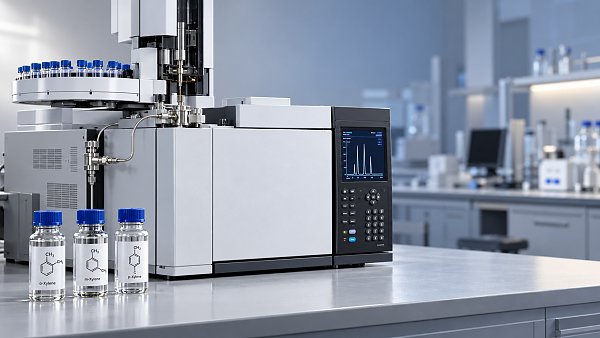
 Can a C4H8O concentration analyzer distinguish between isomers?Can a C4H8O concentration analyzer distinguish isomers? Compare GC, FTIR and MS methods, uncover selectivity limits, and learn what to validate before choosing your instrument.
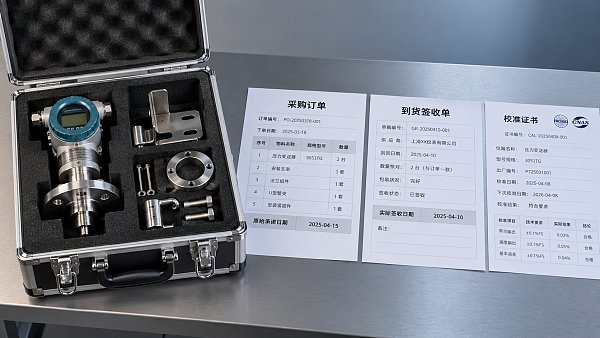
 How to identify a reliable supplier using on-time delivery recordsIdentify a Reliable Supplier by verifying on-time delivery records, original commitments, and complete shipments. Learn practical checks to reduce purchasing risk and protect your project schedule.
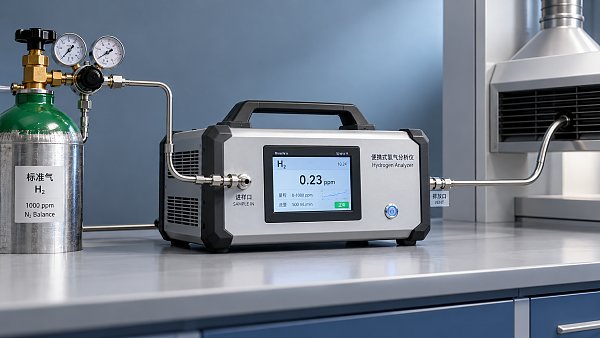
 How sensitive should a portable hydrogen analyzer be for lab use?Choose a portable hydrogen analyzer for laboratory use with the right quantification limit, accuracy, and range. Learn how to verify performance and avoid costly buying mistakes.
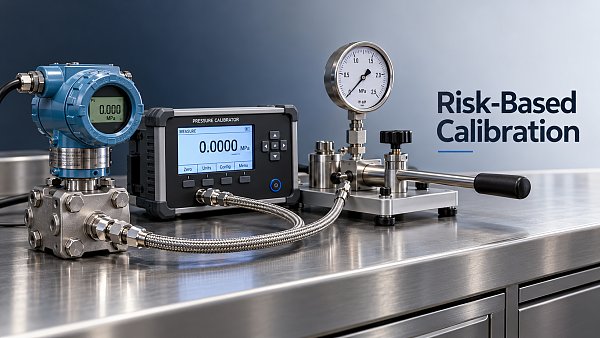
 How to set industrial calibration intervals based on equipment riskSet industrial calibration intervals based on equipment risk, drift, and as-found data. Learn when to shorten or extend schedules to improve reliability and avoid unnecessary costs.
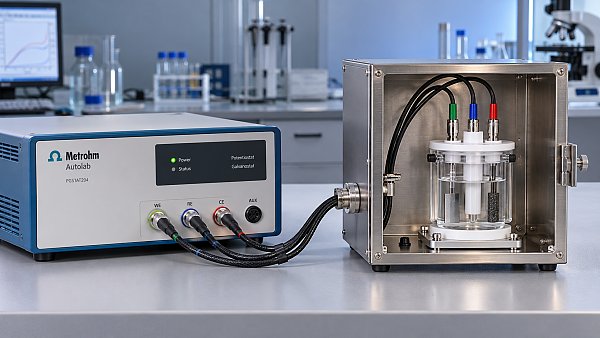
 How to choose electrochemical analyzers for low-current measurementsCompare electrochemical analyzers for precise low-current measurements. Learn how noise, leakage, bandwidth, and real-cell testing help you choose the right instrument.
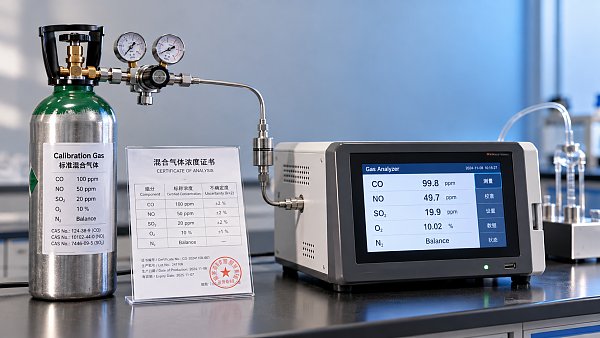
 What tolerance does a custom gas mixture need for calibration?Choose the right custom gas tolerance for calibration. Learn how blending tolerance, certified uncertainty, and stability affect accuracy—and avoid paying for precision you don’t need.
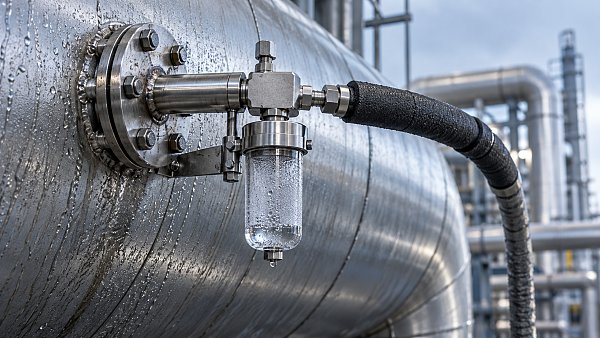
 How condensation affects stack detector readings in wet flue gasStack detector readings can drift when wet flue gas condenses. Learn how to identify moisture interference, prevent sample losses, and improve emissions monitoring reliability.
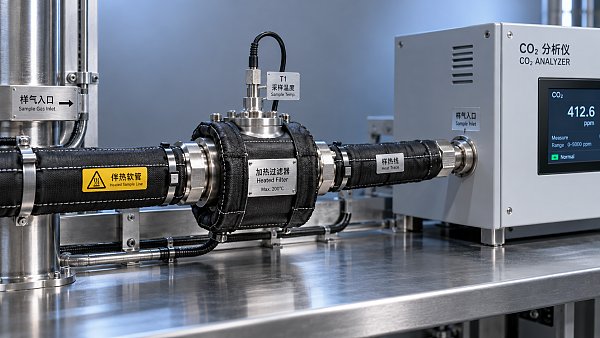
 How to prevent condensation in a CO2 analyzer sampling systemPrevent condensation in your CO2 analyzer sampling system. Learn how to control dew point, eliminate cold spots, and manage moisture for reliable readings and fewer costly disruptions.
 How to verify accuracy claims for industrial quality analyzersVerify accuracy claims for industrial quality analyzers with calibration checks, independent testing, and clear acceptance criteria. Learn how to reduce risk and buy with confidence.
 How to calculate cooling loads for an industrial analyzer shelterSize industrial analyzer shelter cooling with confidence. Learn to calculate equipment heat, solar gains, and ventilation loads, then select HVAC capacity for reliable analyzer performance.
 Hydrogen Analyzers for Energy Storage: Purity Monitoring vs. Leak DetectionChoosing a hydrogen analyzer for energy storage systems? Compare purity monitoring and leak detection to select the right sensors, improve safety, and protect fuel cell performance.
 NH3 Monitoring in Fertilizer Plants: Where Should Leak Analyzers Be Installed?NH3 analyzer for fertilizer production: discover where to place leak detectors around storage, compressors, and loading areas to reduce blind spots and improve early warning.
 Diesel Engine NOx Analyzers: Response Time and NO2 Conversion ExplainedChoosing a NOX analyzer for diesel engines? Learn how response time, NO2 conversion, and sampling design affect accuracy—and make a smarter, evidence-based purchase.
 SO2 Analyzers for Smelter Emissions: Sampling Hot, Dust-Laden Flue GasSelect an SO2 analyzer for smelting industry applications. Discover how to handle hot, dust-laden flue gas, prevent sample losses, and achieve reliable emissions monitoring.
 Unstable CH4 Readings in Biogas Monitoring? Check Moisture and Sample FlowCH4 analyzer for biogas monitoring giving unstable readings? Discover how moisture, sample flow, and pressure checks help pinpoint faults and restore reliable methane measurements.
 Buying a CO2 Analyzer for Brewery Gas Recovery: Costs Beyond the Purchase PriceBuying a CO2 analyzer for brewery applications? Compare sampling, installation, calibration, and downtime costs to uncover hidden expenses and make a smarter gas recovery investment.
 Where to Place CO Analyzers for Effective Parking Garage VentilationOptimize your CO analyzer for parking garage ventilation with practical placement tips. Learn how sensor height, airflow, and zone coverage support timely detection and effective fan control.
 NDIR vs. FTIR Gas Analyzers: Which Fits Your Environmental Research?Find the right infrared gas analyzer for environmental research. Compare NDIR vs. FTIR on sensitivity, gas coverage, sampling needs, and cost to choose confidently for your study.
 Oxygen Analyzers for Diving: Calibration Checks Before Nitrox BlendingUsing an oxygen analyzer for diving applications? Discover essential calibration, sensor, and sampling checks before nitrox blending to support reliable readings.
 How Paramagnetic Oxygen Analyzers Work and Why Sample Pressure MattersLearn how a paramagnetic oxygen analyzer works, why sample pressure affects accuracy, and what to check in compensation and calibration before choosing your system.
 How Much Does a Complete CEMS Integration Project Typically Cost?How much does a complete CEMS integration project typically cost? Explore budget ranges, hidden installation costs, and compliance needs to compare quotes and plan confidently.
 What Is the Typical Response Time for Industrial Air Monitors?What is the typical response time for industrial air monitors? Explore T90, sampling delays, and alarm settings to compare performance and choose the right monitor with confidence.
 Do Regulatory Monitoring Systems Need Third-Party Certification?Do regulatory monitoring systems need third-party certification? Learn when it is required, what certificates prove, and how to verify compliance before buying.
 How Do You Choose Wired or Wireless for Stack Monitoring?Learn how to choose between wired and wireless for stack monitoring. Compare reliability, lifecycle costs, and data recovery to find the right CEMS setup for your site.
 What Happens When Combustible Gas Sensor Calibration Is Overdue?What happens if combustible gas sensor is not recalibrated on time? Discover the risks of inaccurate readings and missed alarms, plus steps to restore reliable protection.
 Can One Multi-Gas Detector Replace Four Separate Analyzers?Find out: can a single multi-gas detector replace four separate analyzers? Compare accuracy, safety, compliance, and lifetime costs to make a confident buying decision.
 Industrial Safety vs. Emission Monitoring: What Are the Differences?What are the main differences between industrial safety and emission monitoring? Compare goals, sensors, response times, and compliance needs to choose the right systems for your facility.
 Is Remote Monitoring Worth the Cost for Small Emission Sources?Is it worth investing in remote monitoring for small emission sources? Compare costs, compliance needs, and potential savings to choose the right solution for your operation.
 How Do You Handle Analyzer Failure During an Environmental Audit?Learn how to handle analyzer failure during environmental compliance audit procedures. Protect evidence, verify data, and restore monitoring with this practical response guide.

Search Categories
Search Categories
- Smart Meters & Power Quality
- Transformer Gas Analyzers
- BESS Thermal Runaway Detectors
- Energy, Power & Smart Grid Monitoring
- Optical Profilers & CMM
- Ultrasonic & X-Ray NDT
- Calibration Standards
- Precision Metrology & NDT
- Water Quality Analyzers
- CEMS & VOCs Monitors
- Price Trends
- Import & Export Updates
- Market Trends
- Industry News
- Industry Insights
Latest Article
- How condensation affects HCl concentration analyzer accuracyHCl concentration analyzer accuracy can suffer when condensation traps HCl. Learn how to spot sampling losses, prevent low readings, and improve measurement reliability.Posted by:
- How does cross-interference affect multi-component gas analyzers?How does cross-interference affect multi component gas analyzers? Explore measurement errors, compensation limits, and validation tips to choose the right system for your process.Posted by:
- How does temperature affect high-accuracy sensor performance?Explore how temperature affects high accuracy sensor performance. Learn to reduce thermal drift, evaluate compensation, and select the right sensor for reliable measurements.Posted by:
Please give us a message
