
Multi-Gas Detectors for Confined Spaces: Key Features to Compare


Confined-space entry leaves little room for delayed decisions. In tanks, tunnels, pits, vessels, and utility vaults, air conditions can change faster than workers can react. That is why comparing multi-gas detectors is not a box-ticking exercise. It is a practical step in preventing oxygen deficiency, toxic exposure, and explosion hazards. Across manufacturing, energy, environmental services, construction, and laboratory support operations, the right detector supports safer entry, clearer readings, and more confident response when conditions shift.
Why confined-space gas detection demands closer comparison
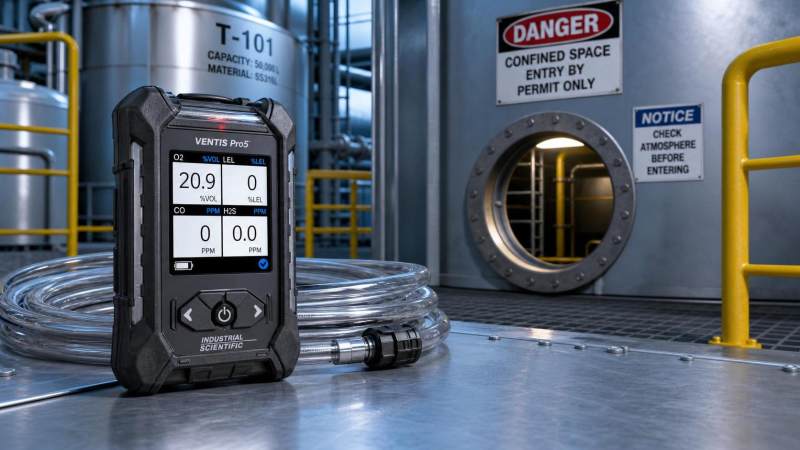
A confined space is not dangerous only because it is enclosed. The real problem is uncertainty. Oxygen can drop. Flammable gases can accumulate. Hydrogen sulfide, carbon monoxide, or volatile vapors may appear without warning.
In many facilities, the atmosphere is influenced by process residues, cleaning chemicals, corrosion, welding, sludge breakdown, fuel systems, or nearby operations. A detector that performs well in one site may be less suitable elsewhere.
This makes multi-gas detectors central to everyday risk control. They are no longer treated as simple handheld accessories. In a more digitized industrial environment, they are part of the measurement layer that supports permits, entry checks, incident prevention, and compliance evidence.
That perspective matters to Global Instrument Hub as well. In instrumentation-heavy sectors, reliable measurement is the basis for control. Gas detection fits that logic exactly: poor data creates poor decisions, especially in high-risk spaces.
What multi-gas detectors are actually comparing
Most multi-gas detectors for confined spaces monitor four core hazards: oxygen, combustible gas, carbon monoxide, and hydrogen sulfide. That standard four-gas setup covers many industrial entries, but it is not always enough.
Some sites need additional channels for sulfur dioxide, chlorine, ammonia, VOCs, or carbon dioxide. In wastewater, petrochemical, marine, mining, and utility environments, gas risk profiles can differ sharply.
So the first comparison point is not brand or screen design. It is gas coverage matched to the actual hazard profile. A detector is valuable only when its sensors align with realistic exposure scenarios.
Fixed assumptions often create weak detector choices
A common mistake is choosing the same multi-gas detectors for every confined-space task. That works only when the process conditions are stable and known. Many sites are more variable than that.
A solvent storage tank, a sewer manhole, and a power utility vault may all require portable gas detection, but the sensor priorities, alarm thresholds, and maintenance demands can be very different.
Sensor performance matters more than headline specifications
When comparing multi-gas detectors, sensor accuracy should be read alongside response time, drift behavior, cross-sensitivity, and calibration stability. A detector that looks strong on paper may still cause trouble in daily use.
Response time is critical in confined spaces. If a sensor reacts too slowly, the reading may lag behind actual exposure. That delay matters during descent, movement between zones, or sudden release events.
Cross-sensitivity is another point that deserves attention. Some electrochemical sensors may react to gases other than the target gas. In mixed industrial atmospheres, this can distort interpretation.
Catalytic bead sensors and infrared sensors also differ in how they detect combustible gases. Catalytic sensors are widely used, but infrared options may perform better in oxygen-deficient conditions or specific hydrocarbon environments.
The practical question is simple: how dependable is the reading when the environment becomes messy, humid, dusty, or chemically complex? That answer is more useful than a broad “high precision” claim.
Bump testing and calibration support daily reliability
Even strong sensors lose value without routine verification. Multi-gas detectors should support efficient bump testing, clear calibration prompts, and stable recordkeeping. If testing is cumbersome, it is more likely to be skipped.
Docking stations, automatic test logs, and cloud-connected maintenance records can improve accountability. In larger operations, these tools also reduce uncertainty during audits and incident reviews.
Alarm design, readability, and usability under pressure
A detector can have good sensors and still fail in practice if alarms are easy to miss. Confined-space work often involves noise, poor visibility, gloves, protective clothing, and stress. Alarm performance has to match that reality.
Strong multi-gas detectors usually combine audible, visual, and vibrating alarms. The alert should be unmistakable, even near pumps, generators, blowers, or traffic noise.
Screen readability matters too. Bright displays, intuitive icons, and fast access to gas values help during pre-entry checks and mid-task reassessment. Overly complex menus tend to slow response.
Data trend visibility can be useful as well. A single number is important, but falling oxygen or rising LEL over time gives earlier warning than a threshold alarm alone.
Battery life, durability, and service burden
Battery runtime affects more than convenience. In remote sites, shutdown windows, utility work, and emergency response, a detector that expires early creates an avoidable operational gap.
Rechargeable units may lower long-term cost, but replaceable battery options can be useful where charging infrastructure is limited. The better choice depends on how devices are issued, stored, and rotated.
Durability should also be reviewed with realism. Multi-gas detectors are often dropped, clipped to belts, exposed to rain, or used in high-humidity spaces. Housing design, ingress protection, and sensor filter protection all matter.
Service burden is the quieter cost driver. If filters, sensors, pumps, or charging contacts need frequent replacement, ownership costs rise. Downtime rises too, especially when spare units are limited.
Compliance, traceability, and data confidence
Confined-space monitoring is part of a broader safety system, so certifications and traceability cannot be treated as secondary. The detector should fit the regulatory environment where it will be deployed.
ATEX and IECEx are often relevant in hazardous locations. Local electrical approvals, event logging, and calibration traceability may also be required by site policy, contractors, or insurers.
This is where market intelligence becomes useful. Global Instrument Hub tracks the instrumentation landscape through a compliance and supply-chain lens, which helps separate a well-documented detector platform from one that only looks competitive on price.
In practice, trusted multi-gas detectors are supported by clear documentation, stable parts availability, and credible after-sales support. A low upfront price is far less attractive when service records and replacement sensors are difficult to obtain.
How application conditions change the right choice
Different confined spaces place different demands on gas detection. The same instrument category covers many industries, but the decision criteria shift with the task.
- Wastewater and sewer work often emphasize hydrogen sulfide exposure, moisture resistance, and durable pump sampling.
- Oil, gas, and petrochemical sites may prioritize LEL performance, hazardous-area certification, and hydrocarbon-specific sensing behavior.
- Food, pharmaceutical, and laboratory support spaces may require attention to cleaning agents, inert gas purge areas, and strict maintenance records.
- Construction and utilities may need rugged multi-gas detectors with long battery life and easy field replacement.
Sampling method is another dividing line. Diffusion models suit many entries, but pumped detectors are often better for remote sampling, vertical shafts, or checking atmosphere before entry.
That choice influences response speed, maintenance, hose management, and training. It should be evaluated with the work pattern, not in isolation.
A practical comparison framework before selection
Before narrowing options, it helps to compare multi-gas detectors against a short operational checklist rather than a generic specification sheet.
- Map the confined spaces by likely gas hazards, not by department name.
- Confirm whether diffusion or pumped sampling fits each entry pattern.
- Review alarm audibility and display clarity in real site conditions.
- Check bump test workflow, calibration intervals, and logging methods.
- Estimate sensor replacement frequency and spare-part access.
- Verify certifications and documentation against site and legal requirements.
- Compare lifecycle burden, not only purchase price.
That process usually reveals which features are truly critical. It also prevents buying a detector that is technically capable but operationally awkward.
Where the next decision should focus
The best multi-gas detectors for confined spaces are the ones that deliver trustworthy readings under the exact conditions where mistakes carry the highest consequence. That means aligning sensor package, alarm design, durability, certification, and support with actual field use.
A sensible next step is to build a comparison matrix around site hazards, shift duration, maintenance capacity, and compliance needs. Once those factors are clear, product shortlists become tighter, and the final decision becomes easier to defend.
For organizations tracking broader instrumentation trends, supplier quality, and certification credibility, that wider context matters as much as the detector itself. Better gas detection starts with better measurement judgment.
Recommended for You
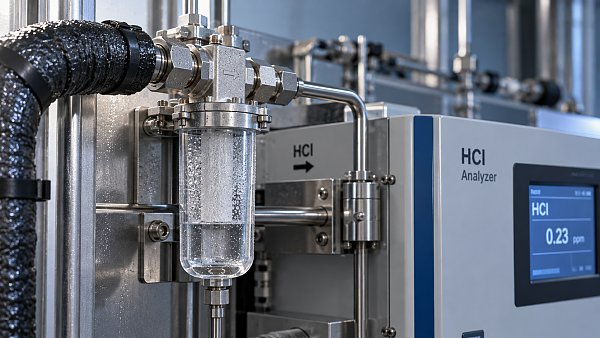
 How condensation affects HCl concentration analyzer accuracyHCl concentration analyzer accuracy can suffer when condensation traps HCl. Learn how to spot sampling losses, prevent low readings, and improve measurement reliability.
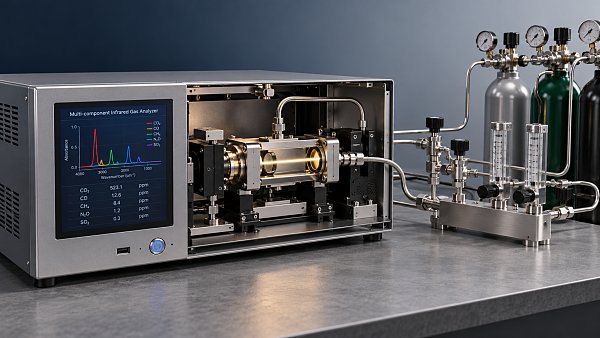
 How does cross-interference affect multi-component gas analyzers?How does cross-interference affect multi component gas analyzers? Explore measurement errors, compensation limits, and validation tips to choose the right system for your process.
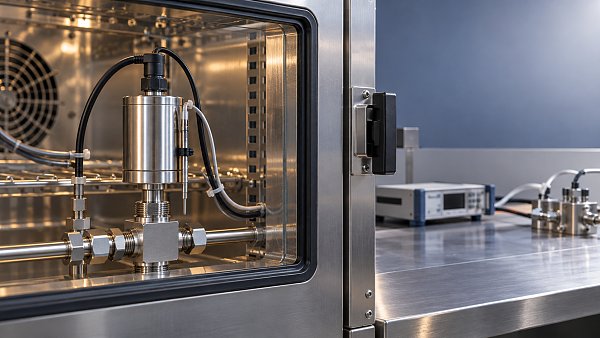
 How does temperature affect high-accuracy sensor performance?Explore how temperature affects high accuracy sensor performance. Learn to reduce thermal drift, evaluate compensation, and select the right sensor for reliable measurements.
 Can a C4H8O concentration analyzer distinguish between isomers?Can a C4H8O concentration analyzer distinguish isomers? Compare GC, FTIR and MS methods, uncover selectivity limits, and learn what to validate before choosing your instrument.
 How to identify a reliable supplier using on-time delivery recordsIdentify a Reliable Supplier by verifying on-time delivery records, original commitments, and complete shipments. Learn practical checks to reduce purchasing risk and protect your project schedule.
 How sensitive should a portable hydrogen analyzer be for lab use?Choose a portable hydrogen analyzer for laboratory use with the right quantification limit, accuracy, and range. Learn how to verify performance and avoid costly buying mistakes.
 How to set industrial calibration intervals based on equipment riskSet industrial calibration intervals based on equipment risk, drift, and as-found data. Learn when to shorten or extend schedules to improve reliability and avoid unnecessary costs.
 How to choose electrochemical analyzers for low-current measurementsCompare electrochemical analyzers for precise low-current measurements. Learn how noise, leakage, bandwidth, and real-cell testing help you choose the right instrument.
 What tolerance does a custom gas mixture need for calibration?Choose the right custom gas tolerance for calibration. Learn how blending tolerance, certified uncertainty, and stability affect accuracy—and avoid paying for precision you don’t need.
 How condensation affects stack detector readings in wet flue gasStack detector readings can drift when wet flue gas condenses. Learn how to identify moisture interference, prevent sample losses, and improve emissions monitoring reliability.
 How to prevent condensation in a CO2 analyzer sampling systemPrevent condensation in your CO2 analyzer sampling system. Learn how to control dew point, eliminate cold spots, and manage moisture for reliable readings and fewer costly disruptions.
 How to verify accuracy claims for industrial quality analyzersVerify accuracy claims for industrial quality analyzers with calibration checks, independent testing, and clear acceptance criteria. Learn how to reduce risk and buy with confidence.
 How to calculate cooling loads for an industrial analyzer shelterSize industrial analyzer shelter cooling with confidence. Learn to calculate equipment heat, solar gains, and ventilation loads, then select HVAC capacity for reliable analyzer performance.
 Hydrogen Analyzers for Energy Storage: Purity Monitoring vs. Leak DetectionChoosing a hydrogen analyzer for energy storage systems? Compare purity monitoring and leak detection to select the right sensors, improve safety, and protect fuel cell performance.
 NH3 Monitoring in Fertilizer Plants: Where Should Leak Analyzers Be Installed?NH3 analyzer for fertilizer production: discover where to place leak detectors around storage, compressors, and loading areas to reduce blind spots and improve early warning.
 Diesel Engine NOx Analyzers: Response Time and NO2 Conversion ExplainedChoosing a NOX analyzer for diesel engines? Learn how response time, NO2 conversion, and sampling design affect accuracy—and make a smarter, evidence-based purchase.
 SO2 Analyzers for Smelter Emissions: Sampling Hot, Dust-Laden Flue GasSelect an SO2 analyzer for smelting industry applications. Discover how to handle hot, dust-laden flue gas, prevent sample losses, and achieve reliable emissions monitoring.
 Unstable CH4 Readings in Biogas Monitoring? Check Moisture and Sample FlowCH4 analyzer for biogas monitoring giving unstable readings? Discover how moisture, sample flow, and pressure checks help pinpoint faults and restore reliable methane measurements.
 Buying a CO2 Analyzer for Brewery Gas Recovery: Costs Beyond the Purchase PriceBuying a CO2 analyzer for brewery applications? Compare sampling, installation, calibration, and downtime costs to uncover hidden expenses and make a smarter gas recovery investment.
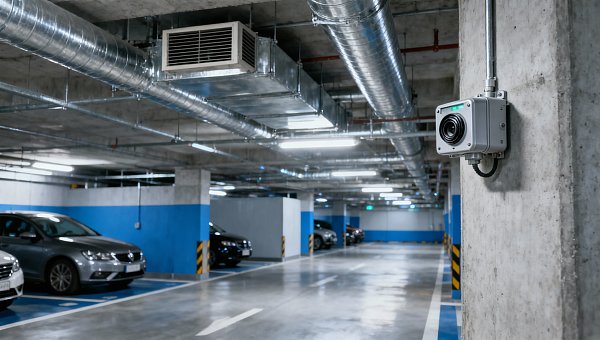
 Where to Place CO Analyzers for Effective Parking Garage VentilationOptimize your CO analyzer for parking garage ventilation with practical placement tips. Learn how sensor height, airflow, and zone coverage support timely detection and effective fan control.
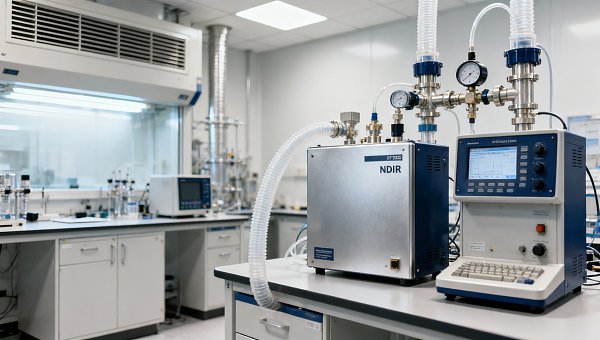
 NDIR vs. FTIR Gas Analyzers: Which Fits Your Environmental Research?Find the right infrared gas analyzer for environmental research. Compare NDIR vs. FTIR on sensitivity, gas coverage, sampling needs, and cost to choose confidently for your study.
 Oxygen Analyzers for Diving: Calibration Checks Before Nitrox BlendingUsing an oxygen analyzer for diving applications? Discover essential calibration, sensor, and sampling checks before nitrox blending to support reliable readings.
 How Paramagnetic Oxygen Analyzers Work and Why Sample Pressure MattersLearn how a paramagnetic oxygen analyzer works, why sample pressure affects accuracy, and what to check in compensation and calibration before choosing your system.
 How Much Does a Complete CEMS Integration Project Typically Cost?How much does a complete CEMS integration project typically cost? Explore budget ranges, hidden installation costs, and compliance needs to compare quotes and plan confidently.
 What Is the Typical Response Time for Industrial Air Monitors?What is the typical response time for industrial air monitors? Explore T90, sampling delays, and alarm settings to compare performance and choose the right monitor with confidence.
 Do Regulatory Monitoring Systems Need Third-Party Certification?Do regulatory monitoring systems need third-party certification? Learn when it is required, what certificates prove, and how to verify compliance before buying.
 How Do You Choose Wired or Wireless for Stack Monitoring?Learn how to choose between wired and wireless for stack monitoring. Compare reliability, lifecycle costs, and data recovery to find the right CEMS setup for your site.
 What Happens When Combustible Gas Sensor Calibration Is Overdue?What happens if combustible gas sensor is not recalibrated on time? Discover the risks of inaccurate readings and missed alarms, plus steps to restore reliable protection.
 Can One Multi-Gas Detector Replace Four Separate Analyzers?Find out: can a single multi-gas detector replace four separate analyzers? Compare accuracy, safety, compliance, and lifetime costs to make a confident buying decision.
 Industrial Safety vs. Emission Monitoring: What Are the Differences?What are the main differences between industrial safety and emission monitoring? Compare goals, sensors, response times, and compliance needs to choose the right systems for your facility.
 Is Remote Monitoring Worth the Cost for Small Emission Sources?Is it worth investing in remote monitoring for small emission sources? Compare costs, compliance needs, and potential savings to choose the right solution for your operation.
 How Do You Handle Analyzer Failure During an Environmental Audit?Learn how to handle analyzer failure during environmental compliance audit procedures. Protect evidence, verify data, and restore monitoring with this practical response guide.
Search Categories
Search Categories
- Smart Meters & Power Quality
- Transformer Gas Analyzers
- BESS Thermal Runaway Detectors
- Energy, Power & Smart Grid Monitoring
- Optical Profilers & CMM
- Ultrasonic & X-Ray NDT
- Calibration Standards
- Precision Metrology & NDT
- Water Quality Analyzers
- CEMS & VOCs Monitors
- Price Trends
- Import & Export Updates
- Market Trends
- Industry News
- Industry Insights
Latest Article
- How condensation affects HCl concentration analyzer accuracyHCl concentration analyzer accuracy can suffer when condensation traps HCl. Learn how to spot sampling losses, prevent low readings, and improve measurement reliability.Posted by:
- How does cross-interference affect multi-component gas analyzers?How does cross-interference affect multi component gas analyzers? Explore measurement errors, compensation limits, and validation tips to choose the right system for your process.Posted by:
- How does temperature affect high-accuracy sensor performance?Explore how temperature affects high accuracy sensor performance. Learn to reduce thermal drift, evaluate compensation, and select the right sensor for reliable measurements.Posted by:
Please give us a message
