
Fixed Monitoring vs Portable Detection: Which Fits Continuous Risk Control?


Choosing between fixed monitoring and portable detection is rarely a simple equipment decision. It shapes how quickly abnormal conditions are seen, how reliably exposure is documented, and how confidently operations stay within control.
That matters across manufacturing, energy, laboratories, environmental systems, and construction sites. In each setting, risk is dynamic, but the control model behind it must stay disciplined.
For many facilities, the real question is not mobility versus permanence. It is whether the chosen detection strategy can support continuous risk control without leaving blind spots between inspections.
Why the decision has become more important
Industry 4.0 has changed expectations around measurement. Plants now need faster alarms, cleaner audit trails, and data that can feed automation, maintenance planning, and compliance review.
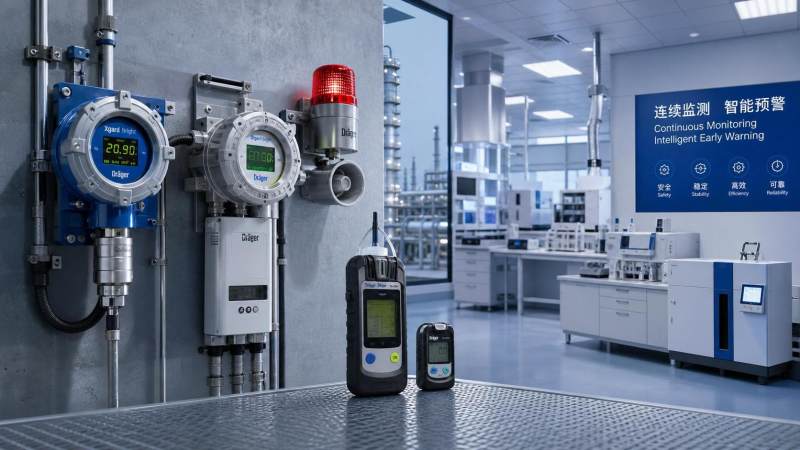
A portable detector can confirm a condition at a moment in time. Fixed monitoring, however, can reveal trends, repeated excursions, and hidden instability that manual rounds may miss.
This is why instrumentation intelligence platforms such as Global Instrument Hub increasingly frame detection as part of a larger control architecture. The device matters, but data continuity matters more.
In high-consequence environments, measurement is the operational nervous system. If detection is too intermittent, the response may be technically correct yet still too late.
What fixed monitoring actually means in practice
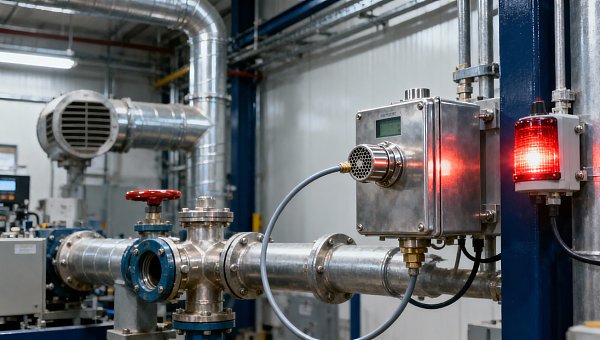
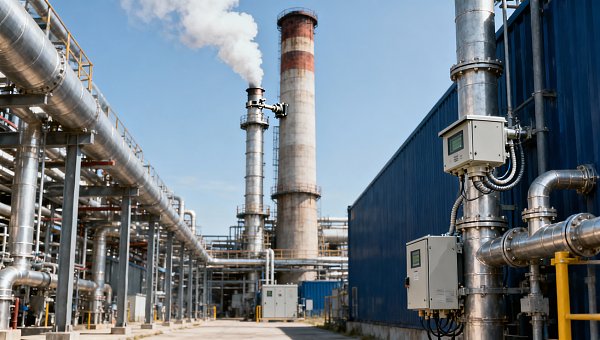
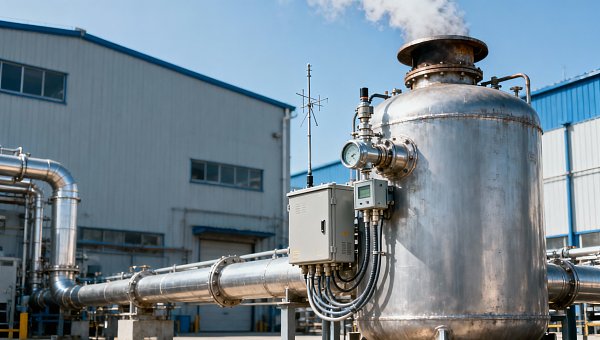
Fixed monitoring refers to permanently or semi-permanently installed detection points. These systems continuously observe defined hazards within a process area, room, line, enclosure, or perimeter.
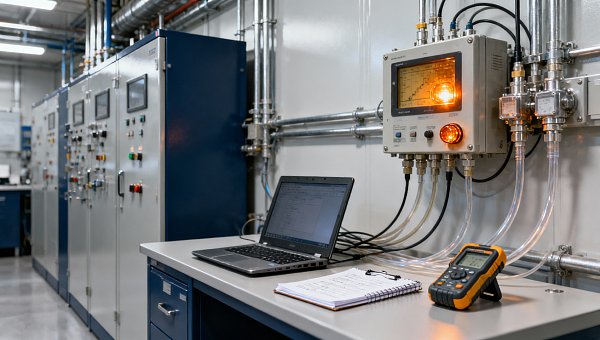
The design usually links sensors with alarms, controllers, logging systems, or SCADA and DCS environments. In advanced installations, alerts can also trigger ventilation, shutdown logic, or containment actions.
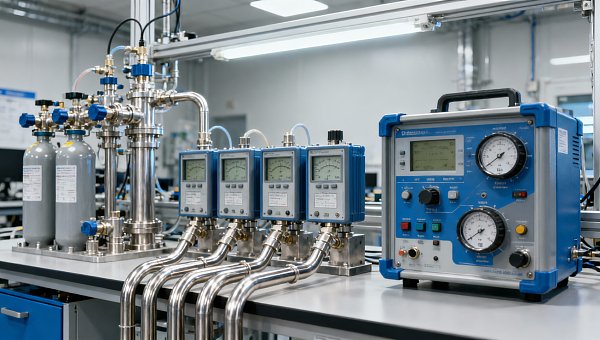
Portable detection works differently. It travels with personnel, supports spot checks, verifies conditions before entry, and helps investigate a suspected leak, release, or process upset.
Both approaches detect hazards. The difference lies in time coverage, event visibility, and how deeply each method supports continuous control rather than occasional confirmation.
Where fixed monitoring is strongest
- Continuous surveillance in areas with persistent or recurring exposure potential.
- Automatic alarm escalation without waiting for manual inspection.
- Historical data for incident analysis, process tuning, and audit readiness.
- Integration with plant controls, remote dashboards, and safety interlocks.
Where portable detection remains essential
- Temporary jobs, confined space entry, and changing work fronts.
- Verification of conditions outside fixed sensor coverage.
- Leak tracing, maintenance troubleshooting, and emergency investigation.
- Flexible deployment where full installation is impractical.
Continuous risk control depends on time, not only sensitivity
A common mistake is comparing devices only by detection range or sensor type. For continuous risk control, timing is often the bigger variable.
If a hazardous concentration appears and clears between inspection rounds, portable detection may never record it. Fixed monitoring can capture that transient event and show whether it is isolated or systemic.
That distinction is critical in gas detection, thermal buildup, emissions tracking, cleanroom stability, and fluid process deviations. Brief departures can still trigger injuries, contamination, off-spec production, or regulatory questions.
In other words, fixed monitoring helps reduce uncertainty. It turns invisible intervals into measurable operating evidence.
Typical use cases across sectors
The right fit depends on hazard behavior, asset criticality, and workflow stability. The table below captures how the balance often looks in real operations.
This comparison shows why fixed monitoring often becomes more valuable as process conditions grow less visible and more continuous.
How to decide without oversimplifying the problem
Portable detection is not a lower-tier choice. Fixed monitoring is not automatically better. The decision should follow risk behavior, not procurement habit.
Key questions that sharpen the decision
- Is the hazard continuous, intermittent, or only task-related?
- How fast can conditions escalate between manual checks?
- Would missing a short event create safety, quality, or compliance exposure?
- Does the area require alarm integration or only local indication?
- Is trend data needed for process improvement or audit defense?
- How stable is the monitored zone over time?
When answers point to recurring, invisible, or high-speed hazards, fixed monitoring usually deserves priority. When exposure moves with the task, portable detection remains indispensable.
The strongest programs usually combine both
In mature risk control systems, the comparison is not either-or for very long. Fixed monitoring provides the baseline shield, while portable devices close operational gaps.
That layered approach is especially effective in complex facilities. A fixed network watches critical nodes, while portable instruments support entry checks, maintenance, calibration confirmation, and incident response.
This is also where better instrumentation strategy supports procurement quality. GIH’s focus on supply chain intelligence, compliance interpretation, and category-level technology analysis is relevant here.
Selection should consider sensor durability, calibration support, certification needs, integration capability, and long-term service confidence. Those details determine whether fixed monitoring stays reliable after installation.
Signals that a hybrid model is justified
- Critical assets operate continuously, but work patterns still move across zones.
- Compliance requires documented records plus field verification.
- Unexpected events occur during maintenance, startups, or shutdowns.
- The site includes both fixed process hazards and temporary exposure points.
What to review before the next equipment decision
A useful next step is to map hazards against time coverage. Mark which risks need constant observation, which need task-based checks, and which need both.
Then review alarm pathways, logging requirements, maintenance workload, and required certifications such as ATEX, IECEx, or ISO-linked quality controls where relevant.
After that, compare whether current instrumentation gives enough evidence to explain near misses, process drift, or unexplained excursions. If not, fixed monitoring may be the missing control layer.
Portable detection will always have a place. But when operations demand visibility between human checks, fixed monitoring is often the tool that turns scattered readings into dependable risk control.
A disciplined evaluation should start with scenario mapping, not product catalogs. Once the risk picture is clear, the right detection mix becomes much easier to justify and sustain.
Recommended for You
 How does cross-interference affect multi-component gas analyzers?How does cross-interference affect multi component gas analyzers? Explore measurement errors, compensation limits, and validation tips to choose the right system for your process.
 How does temperature affect high-accuracy sensor performance?Explore how temperature affects high accuracy sensor performance. Learn to reduce thermal drift, evaluate compensation, and select the right sensor for reliable measurements.
 Can a C4H8O concentration analyzer distinguish between isomers?Can a C4H8O concentration analyzer distinguish isomers? Compare GC, FTIR and MS methods, uncover selectivity limits, and learn what to validate before choosing your instrument.
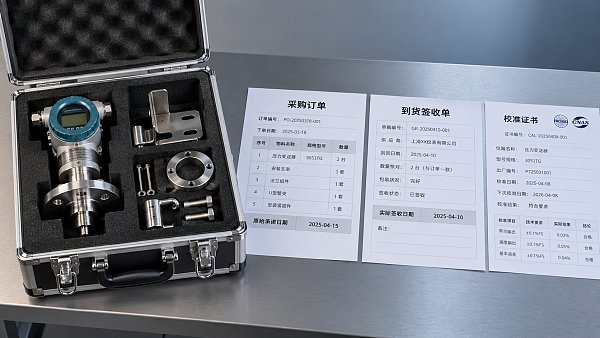
 How to identify a reliable supplier using on-time delivery recordsIdentify a Reliable Supplier by verifying on-time delivery records, original commitments, and complete shipments. Learn practical checks to reduce purchasing risk and protect your project schedule.
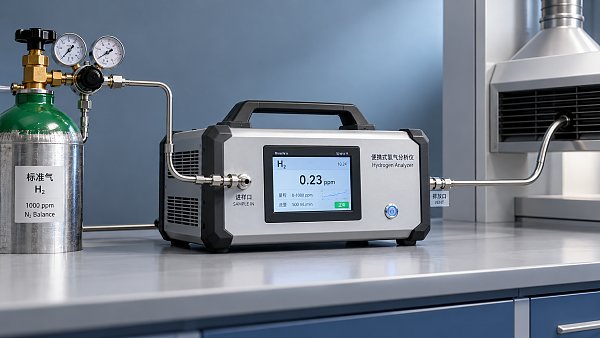
 How sensitive should a portable hydrogen analyzer be for lab use?Choose a portable hydrogen analyzer for laboratory use with the right quantification limit, accuracy, and range. Learn how to verify performance and avoid costly buying mistakes.
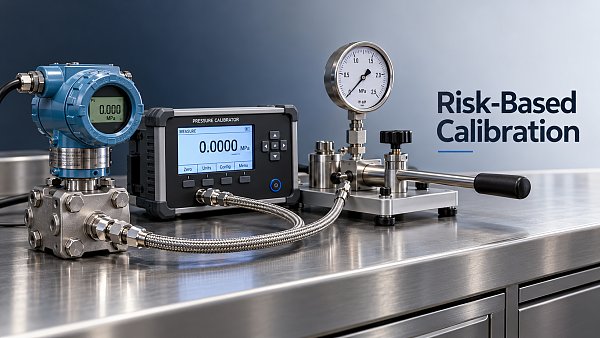
 How to set industrial calibration intervals based on equipment riskSet industrial calibration intervals based on equipment risk, drift, and as-found data. Learn when to shorten or extend schedules to improve reliability and avoid unnecessary costs.
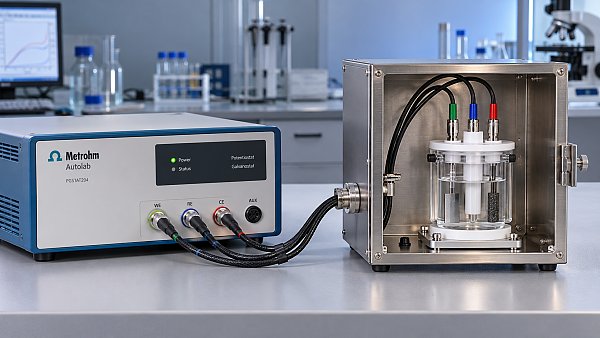
 How to choose electrochemical analyzers for low-current measurementsCompare electrochemical analyzers for precise low-current measurements. Learn how noise, leakage, bandwidth, and real-cell testing help you choose the right instrument.
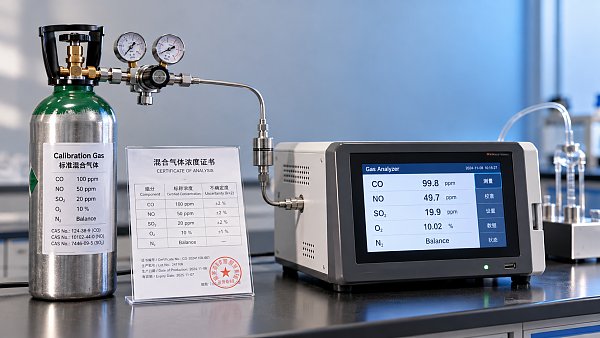
 What tolerance does a custom gas mixture need for calibration?Choose the right custom gas tolerance for calibration. Learn how blending tolerance, certified uncertainty, and stability affect accuracy—and avoid paying for precision you don’t need.
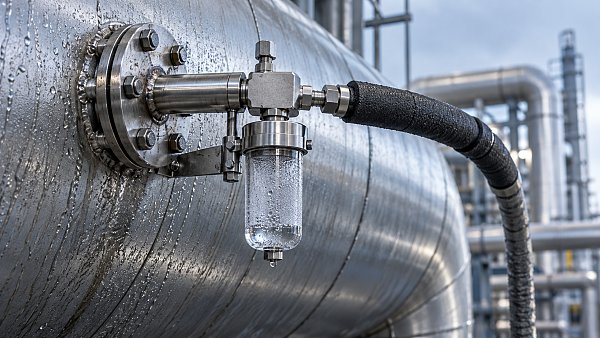
 How condensation affects stack detector readings in wet flue gasStack detector readings can drift when wet flue gas condenses. Learn how to identify moisture interference, prevent sample losses, and improve emissions monitoring reliability.
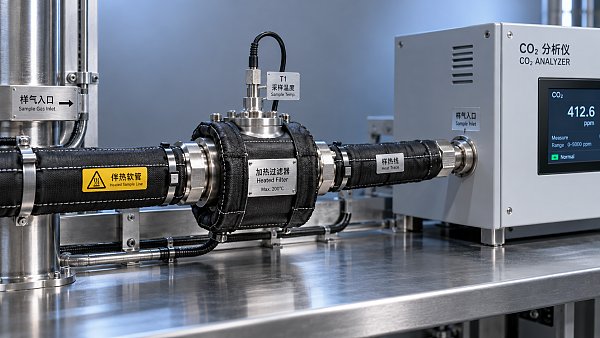
 How to prevent condensation in a CO2 analyzer sampling systemPrevent condensation in your CO2 analyzer sampling system. Learn how to control dew point, eliminate cold spots, and manage moisture for reliable readings and fewer costly disruptions.
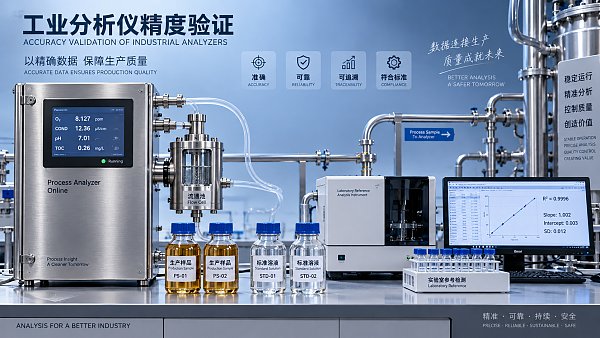
 How to verify accuracy claims for industrial quality analyzersVerify accuracy claims for industrial quality analyzers with calibration checks, independent testing, and clear acceptance criteria. Learn how to reduce risk and buy with confidence.
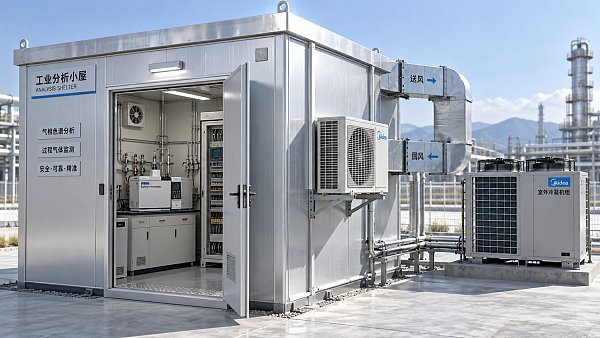
 How to calculate cooling loads for an industrial analyzer shelterSize industrial analyzer shelter cooling with confidence. Learn to calculate equipment heat, solar gains, and ventilation loads, then select HVAC capacity for reliable analyzer performance.
 Hydrogen Analyzers for Energy Storage: Purity Monitoring vs. Leak DetectionChoosing a hydrogen analyzer for energy storage systems? Compare purity monitoring and leak detection to select the right sensors, improve safety, and protect fuel cell performance.
 NH3 Monitoring in Fertilizer Plants: Where Should Leak Analyzers Be Installed?NH3 analyzer for fertilizer production: discover where to place leak detectors around storage, compressors, and loading areas to reduce blind spots and improve early warning.
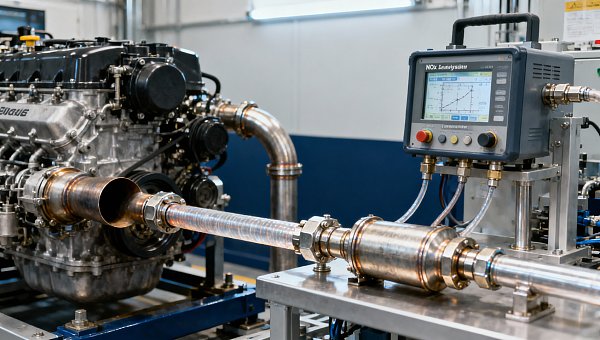
 Diesel Engine NOx Analyzers: Response Time and NO2 Conversion ExplainedChoosing a NOX analyzer for diesel engines? Learn how response time, NO2 conversion, and sampling design affect accuracy—and make a smarter, evidence-based purchase.
 SO2 Analyzers for Smelter Emissions: Sampling Hot, Dust-Laden Flue GasSelect an SO2 analyzer for smelting industry applications. Discover how to handle hot, dust-laden flue gas, prevent sample losses, and achieve reliable emissions monitoring.
 Unstable CH4 Readings in Biogas Monitoring? Check Moisture and Sample FlowCH4 analyzer for biogas monitoring giving unstable readings? Discover how moisture, sample flow, and pressure checks help pinpoint faults and restore reliable methane measurements.
 Buying a CO2 Analyzer for Brewery Gas Recovery: Costs Beyond the Purchase PriceBuying a CO2 analyzer for brewery applications? Compare sampling, installation, calibration, and downtime costs to uncover hidden expenses and make a smarter gas recovery investment.
 Where to Place CO Analyzers for Effective Parking Garage VentilationOptimize your CO analyzer for parking garage ventilation with practical placement tips. Learn how sensor height, airflow, and zone coverage support timely detection and effective fan control.
 NDIR vs. FTIR Gas Analyzers: Which Fits Your Environmental Research?Find the right infrared gas analyzer for environmental research. Compare NDIR vs. FTIR on sensitivity, gas coverage, sampling needs, and cost to choose confidently for your study.
 Oxygen Analyzers for Diving: Calibration Checks Before Nitrox BlendingUsing an oxygen analyzer for diving applications? Discover essential calibration, sensor, and sampling checks before nitrox blending to support reliable readings.
 How Paramagnetic Oxygen Analyzers Work and Why Sample Pressure MattersLearn how a paramagnetic oxygen analyzer works, why sample pressure affects accuracy, and what to check in compensation and calibration before choosing your system.
 How Much Does a Complete CEMS Integration Project Typically Cost?How much does a complete CEMS integration project typically cost? Explore budget ranges, hidden installation costs, and compliance needs to compare quotes and plan confidently.
 What Is the Typical Response Time for Industrial Air Monitors?What is the typical response time for industrial air monitors? Explore T90, sampling delays, and alarm settings to compare performance and choose the right monitor with confidence.
 Do Regulatory Monitoring Systems Need Third-Party Certification?Do regulatory monitoring systems need third-party certification? Learn when it is required, what certificates prove, and how to verify compliance before buying.
 How Do You Choose Wired or Wireless for Stack Monitoring?Learn how to choose between wired and wireless for stack monitoring. Compare reliability, lifecycle costs, and data recovery to find the right CEMS setup for your site.
 What Happens When Combustible Gas Sensor Calibration Is Overdue?What happens if combustible gas sensor is not recalibrated on time? Discover the risks of inaccurate readings and missed alarms, plus steps to restore reliable protection.
 Can One Multi-Gas Detector Replace Four Separate Analyzers?Find out: can a single multi-gas detector replace four separate analyzers? Compare accuracy, safety, compliance, and lifetime costs to make a confident buying decision.
 Industrial Safety vs. Emission Monitoring: What Are the Differences?What are the main differences between industrial safety and emission monitoring? Compare goals, sensors, response times, and compliance needs to choose the right systems for your facility.
 Is Remote Monitoring Worth the Cost for Small Emission Sources?Is it worth investing in remote monitoring for small emission sources? Compare costs, compliance needs, and potential savings to choose the right solution for your operation.
 How Do You Handle Analyzer Failure During an Environmental Audit?Learn how to handle analyzer failure during environmental compliance audit procedures. Protect evidence, verify data, and restore monitoring with this practical response guide.
 Do VOC Monitors Require Explosion-Proof Certification?Does VOC monitoring require explosion-proof certification? Learn when approval is needed, compare ATEX and IECEx, and choose the right monitor for your site.
Search Categories
Search Categories
- Smart Meters & Power Quality
- Transformer Gas Analyzers
- BESS Thermal Runaway Detectors
- Energy, Power & Smart Grid Monitoring
- Optical Profilers & CMM
- Ultrasonic & X-Ray NDT
- Calibration Standards
- Precision Metrology & NDT
- Water Quality Analyzers
- CEMS & VOCs Monitors
- Price Trends
- Import & Export Updates
- Market Trends
- Industry News
- Industry Insights
Latest Article
- How does cross-interference affect multi-component gas analyzers?How does cross-interference affect multi component gas analyzers? Explore measurement errors, compensation limits, and validation tips to choose the right system for your process.Posted by:
- How does temperature affect high-accuracy sensor performance?Explore how temperature affects high accuracy sensor performance. Learn to reduce thermal drift, evaluate compensation, and select the right sensor for reliable measurements.Posted by:
- Can a C4H8O concentration analyzer distinguish between isomers?Can a C4H8O concentration analyzer distinguish isomers? Compare GC, FTIR and MS methods, uncover selectivity limits, and learn what to validate before choosing your instrument.Posted by:
Please give us a message
