
How Industrial Hygiene Instruments Improve Exposure Tracking on Site


Why Exposure Tracking Changes from One Site to Another
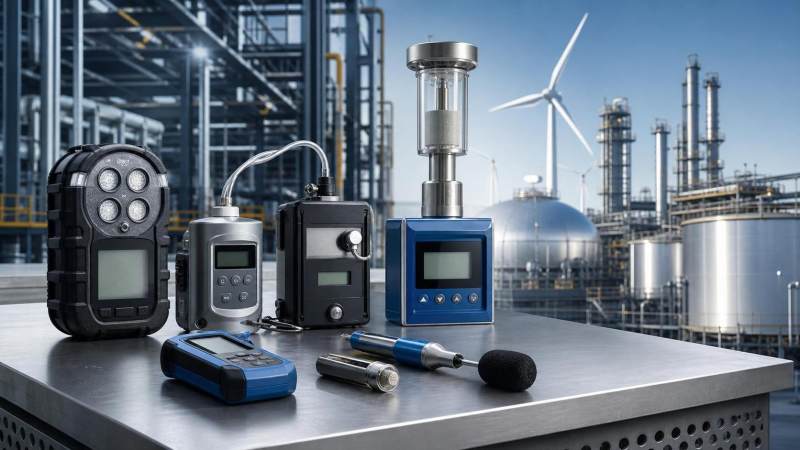
On active worksites, exposure risk rarely comes from one dramatic event. More often, it grows through small misses in sampling, delayed alarms, or incomplete records.
That is where industrial hygiene instruments matter. They turn uncertain conditions into measurable data, helping teams track airborne contaminants, noise, heat stress, and confined-space hazards in real time.
In practice, exposure tracking is not the same across manufacturing floors, energy assets, laboratories, or construction zones. The hazard profile changes, and so does the instrument strategy.
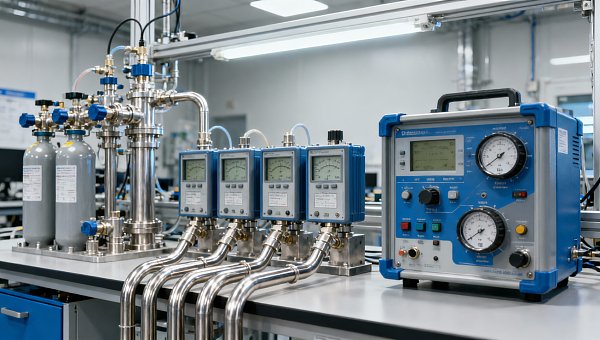
Some sites need continuous gas detection. Others depend on personal sampling pumps, direct-reading particulate monitors, or integrated systems that sync field readings with compliance records.
From the perspective of Global Instrument Hub, measurement quality shapes operational truth. If a site cannot capture exposure accurately, it cannot control risk, verify compliance, or improve routines with confidence.
Actual Site Conditions Usually Decide the Right Instrument Mix
A common mistake is treating industrial hygiene instruments as interchangeable. On paper, two devices may cover the same contaminant range. On site, response time, ruggedness, calibration stability, and logging depth often matter more.
In dusty fabrication areas, visibility of trend data may be the priority. In process plants, alarm reliability in explosive atmospheres becomes more important. In laboratories, low-level precision can outweigh durability.
Exposure tracking also depends on work patterns. A fixed monitor helps in stable zones, but mobile tasks usually need wearable or area-portable industrial hygiene instruments that move with the job.
This is why better decisions begin with conditions, not catalogs. GIH often frames instrumentation around use context, regulatory expectations, maintenance burden, and data integrity across the supply chain.
On Manufacturing Floors, Trends Matter More Than Single Readings
In metalworking, coating, packaging, and assembly environments, exposures usually build through repeated tasks. Welding fumes, solvent vapors, fine particulates, and noise vary by shift, material batch, and ventilation performance.
Here, industrial hygiene instruments improve exposure tracking by showing patterns rather than isolated numbers. Direct-reading aerosol monitors and dosimeters help reveal which tasks create the highest burden over time.
The useful judgment point is whether the site needs task-based snapshots or continuous trend visibility. If changeovers are frequent, static measurements may miss the real peak conditions.
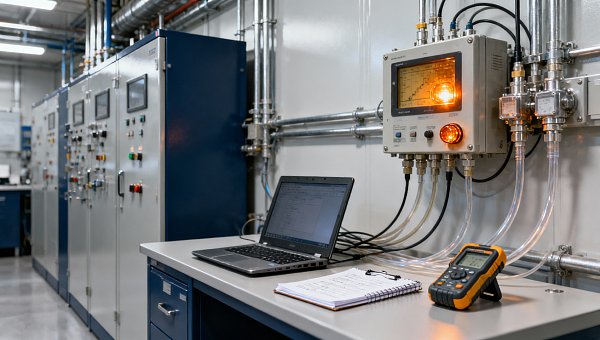
Another practical issue is data transfer. If readings stay locked inside separate handheld devices, exposure tracking becomes slow and fragmented. Sites usually benefit more from industrial hygiene instruments with exportable logs and timestamp alignment.
Energy, Utilities, and Process Sites Need Faster Hazard Recognition
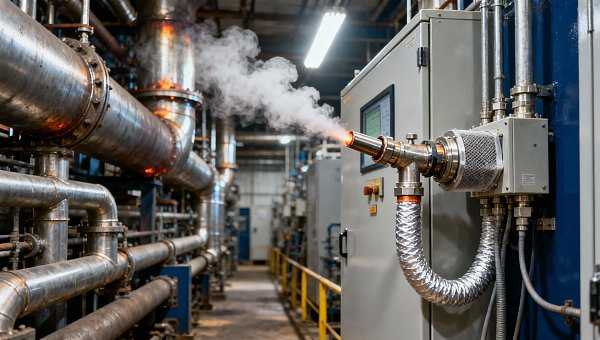
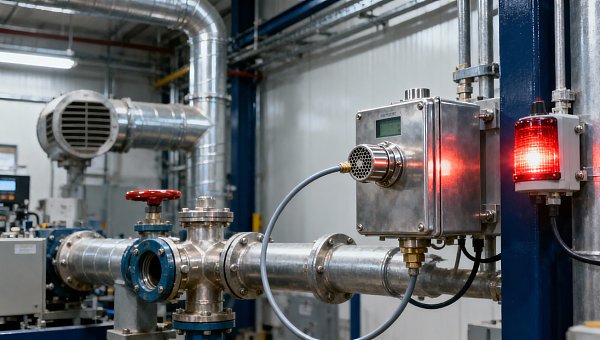
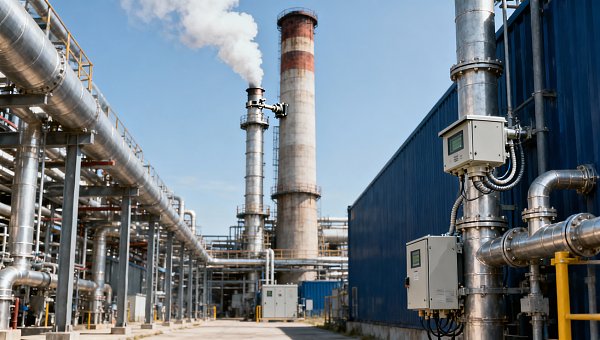
Refineries, tank farms, power plants, and wastewater facilities face a different problem. Exposure risk can shift very quickly during startup, maintenance, leak investigation, or confined-space entry.
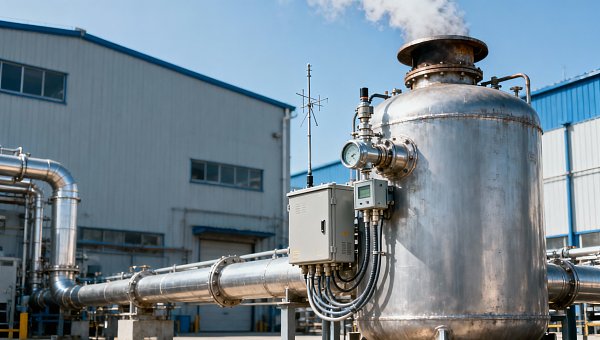
In these settings, industrial hygiene instruments are judged by speed, alarm clarity, and certification suitability. Multi-gas detectors, PID monitors, and heat stress instruments often carry more decision value than periodic manual checks.
The site may already run process instrumentation, but process data is not a substitute for personal exposure data. A stable process variable does not always mean safe breathing-zone conditions.
That distinction matters. GIH’s broader instrumentation lens often highlights how safety monitoring, process control, and environmental measurement must connect without being confused as the same dataset.
Where priorities usually differ
Temporary Work Areas Often Expose the Biggest Tracking Gaps
Construction, shutdown work, and mobile maintenance crews create a more fluid exposure picture. Tasks move, weather changes, and nearby activities can alter conditions within minutes.
This is where industrial hygiene instruments support safer decisions by following work instead of waiting at fixed points. Portable particulate monitoring, personal noise badges, and compact gas units fit this environment better.
The judgment challenge is coverage. One area reading may look acceptable while a cutting or demolition task a few meters away exceeds limits. Similar-looking tasks often create very different exposure profiles.
A useful approach is pairing personal sampling with short-term area checks. That combination reduces blind spots and creates a more defensible exposure record when conditions change quickly.
In Labs and Controlled Environments, Precision Comes Before Ruggedness
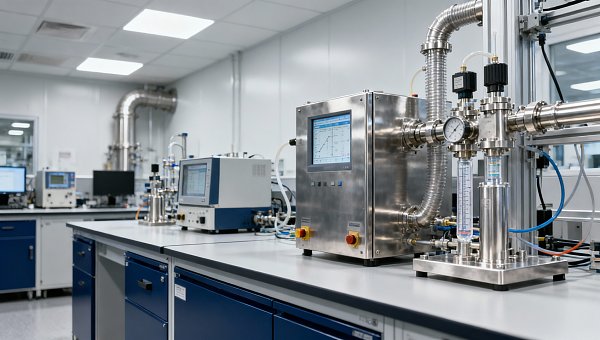
Laboratories, life sciences facilities, and clean production areas usually deal with lower volume but higher sensitivity. The concern may be trace solvent exposure, reagent handling, or cross-contamination from fine aerosols.
Here, industrial hygiene instruments must support precise detection, reliable calibration, and strong documentation. The quality of the record can be as important as the reading itself.
This fits the broader instrumentation reality that GIH follows across life sciences and analytical environments. Measurement is valuable only when traceability, standards alignment, and interpretation stay intact from test to review.
Sites with ISO-linked quality systems often need exposure data that can stand beside calibration files, maintenance logs, and incident reports without manual reconstruction.
Where Many Selections Go Wrong
Several misjudgments appear again and again when industrial hygiene instruments are selected for exposure tracking.
- Choosing by detection range alone, while ignoring humidity, vibration, temperature swings, or interference gases.
- Assuming a fixed monitor can represent mobile work across a shift.
- Focusing on unit price, but overlooking calibration frequency, sensor replacement, and downtime during service.
- Using instruments with weak data export, then struggling to prove exposure history during audits or incident reviews.
- Treating similar sites as identical, even when ventilation design, material inputs, or work duration are different.
These problems rarely appear in brochures. They appear during implementation, when the instrument has to survive actual workflow, not ideal conditions.
How to Match Industrial Hygiene Instruments to the Work
A practical selection path starts with the exposure question, not the device category. What must be detected, how fast can it change, and where does the risk actually sit?
Then check the operating constraints. Battery life, bump test routine, ingress protection, explosion-proof needs, data logging interval, and calibration support all affect long-term performance.
It also helps to separate three layers of use:
- Screening tools for rapid hazard indication.
- Compliance-oriented industrial hygiene instruments for documented exposure tracking.
- Integrated platforms for trending, reporting, and cross-site review.
In many operations, one device cannot cover all three. A layered approach often gives cleaner data and fewer false assumptions.
The Next Step Is Building a Site-Specific Tracking Standard
Industrial hygiene instruments improve exposure tracking when their use matches the site, task rhythm, and data obligations. The strongest results usually come from consistency, not from owning the most advanced model.
A sound next step is to map the main exposure scenarios, compare where current readings come from, and identify which tasks still rely on assumptions.
After that, define instrument fit by hazard type, response speed, mobility, maintenance effort, and reporting needs. That framework makes future upgrades easier and selection errors less likely.
For organizations navigating complex instrumentation choices, GIH’s industry intelligence model is useful precisely because it connects measurement technology with operating reality, compliance demands, and long-term decision quality.
Recommended for You
 How does cross-interference affect multi-component gas analyzers?How does cross-interference affect multi component gas analyzers? Explore measurement errors, compensation limits, and validation tips to choose the right system for your process.
 How does temperature affect high-accuracy sensor performance?Explore how temperature affects high accuracy sensor performance. Learn to reduce thermal drift, evaluate compensation, and select the right sensor for reliable measurements.
 Can a C4H8O concentration analyzer distinguish between isomers?Can a C4H8O concentration analyzer distinguish isomers? Compare GC, FTIR and MS methods, uncover selectivity limits, and learn what to validate before choosing your instrument.
 How to identify a reliable supplier using on-time delivery recordsIdentify a Reliable Supplier by verifying on-time delivery records, original commitments, and complete shipments. Learn practical checks to reduce purchasing risk and protect your project schedule.
 How sensitive should a portable hydrogen analyzer be for lab use?Choose a portable hydrogen analyzer for laboratory use with the right quantification limit, accuracy, and range. Learn how to verify performance and avoid costly buying mistakes.
 How to set industrial calibration intervals based on equipment riskSet industrial calibration intervals based on equipment risk, drift, and as-found data. Learn when to shorten or extend schedules to improve reliability and avoid unnecessary costs.
 How to choose electrochemical analyzers for low-current measurementsCompare electrochemical analyzers for precise low-current measurements. Learn how noise, leakage, bandwidth, and real-cell testing help you choose the right instrument.
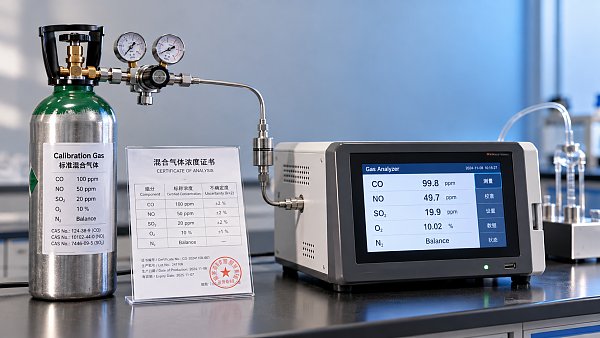
 What tolerance does a custom gas mixture need for calibration?Choose the right custom gas tolerance for calibration. Learn how blending tolerance, certified uncertainty, and stability affect accuracy—and avoid paying for precision you don’t need.
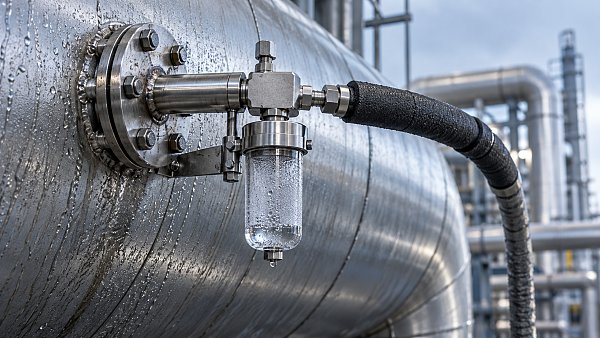
 How condensation affects stack detector readings in wet flue gasStack detector readings can drift when wet flue gas condenses. Learn how to identify moisture interference, prevent sample losses, and improve emissions monitoring reliability.
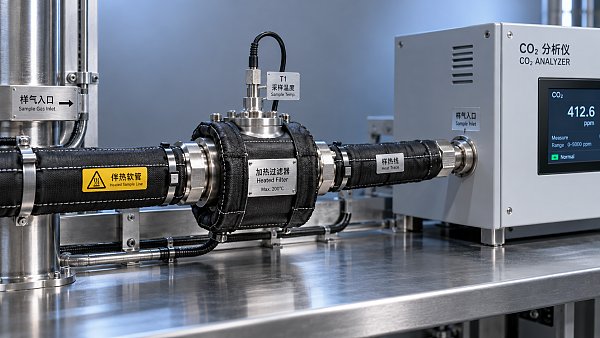
 How to prevent condensation in a CO2 analyzer sampling systemPrevent condensation in your CO2 analyzer sampling system. Learn how to control dew point, eliminate cold spots, and manage moisture for reliable readings and fewer costly disruptions.
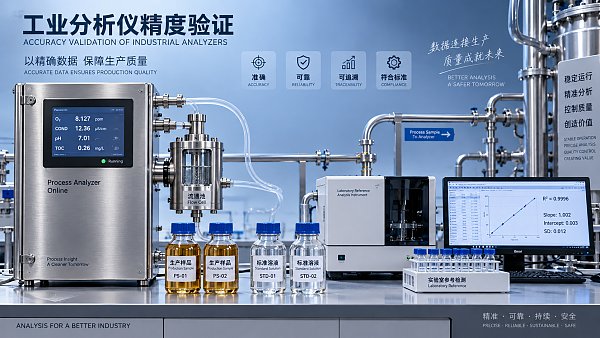
 How to verify accuracy claims for industrial quality analyzersVerify accuracy claims for industrial quality analyzers with calibration checks, independent testing, and clear acceptance criteria. Learn how to reduce risk and buy with confidence.
 How to calculate cooling loads for an industrial analyzer shelterSize industrial analyzer shelter cooling with confidence. Learn to calculate equipment heat, solar gains, and ventilation loads, then select HVAC capacity for reliable analyzer performance.
 Hydrogen Analyzers for Energy Storage: Purity Monitoring vs. Leak DetectionChoosing a hydrogen analyzer for energy storage systems? Compare purity monitoring and leak detection to select the right sensors, improve safety, and protect fuel cell performance.
 NH3 Monitoring in Fertilizer Plants: Where Should Leak Analyzers Be Installed?NH3 analyzer for fertilizer production: discover where to place leak detectors around storage, compressors, and loading areas to reduce blind spots and improve early warning.
 Diesel Engine NOx Analyzers: Response Time and NO2 Conversion ExplainedChoosing a NOX analyzer for diesel engines? Learn how response time, NO2 conversion, and sampling design affect accuracy—and make a smarter, evidence-based purchase.
 SO2 Analyzers for Smelter Emissions: Sampling Hot, Dust-Laden Flue GasSelect an SO2 analyzer for smelting industry applications. Discover how to handle hot, dust-laden flue gas, prevent sample losses, and achieve reliable emissions monitoring.
 Unstable CH4 Readings in Biogas Monitoring? Check Moisture and Sample FlowCH4 analyzer for biogas monitoring giving unstable readings? Discover how moisture, sample flow, and pressure checks help pinpoint faults and restore reliable methane measurements.
 Buying a CO2 Analyzer for Brewery Gas Recovery: Costs Beyond the Purchase PriceBuying a CO2 analyzer for brewery applications? Compare sampling, installation, calibration, and downtime costs to uncover hidden expenses and make a smarter gas recovery investment.
 Where to Place CO Analyzers for Effective Parking Garage VentilationOptimize your CO analyzer for parking garage ventilation with practical placement tips. Learn how sensor height, airflow, and zone coverage support timely detection and effective fan control.
 NDIR vs. FTIR Gas Analyzers: Which Fits Your Environmental Research?Find the right infrared gas analyzer for environmental research. Compare NDIR vs. FTIR on sensitivity, gas coverage, sampling needs, and cost to choose confidently for your study.
 Oxygen Analyzers for Diving: Calibration Checks Before Nitrox BlendingUsing an oxygen analyzer for diving applications? Discover essential calibration, sensor, and sampling checks before nitrox blending to support reliable readings.
 How Paramagnetic Oxygen Analyzers Work and Why Sample Pressure MattersLearn how a paramagnetic oxygen analyzer works, why sample pressure affects accuracy, and what to check in compensation and calibration before choosing your system.
 How Much Does a Complete CEMS Integration Project Typically Cost?How much does a complete CEMS integration project typically cost? Explore budget ranges, hidden installation costs, and compliance needs to compare quotes and plan confidently.
 What Is the Typical Response Time for Industrial Air Monitors?What is the typical response time for industrial air monitors? Explore T90, sampling delays, and alarm settings to compare performance and choose the right monitor with confidence.
 Do Regulatory Monitoring Systems Need Third-Party Certification?Do regulatory monitoring systems need third-party certification? Learn when it is required, what certificates prove, and how to verify compliance before buying.
 How Do You Choose Wired or Wireless for Stack Monitoring?Learn how to choose between wired and wireless for stack monitoring. Compare reliability, lifecycle costs, and data recovery to find the right CEMS setup for your site.
 What Happens When Combustible Gas Sensor Calibration Is Overdue?What happens if combustible gas sensor is not recalibrated on time? Discover the risks of inaccurate readings and missed alarms, plus steps to restore reliable protection.
 Can One Multi-Gas Detector Replace Four Separate Analyzers?Find out: can a single multi-gas detector replace four separate analyzers? Compare accuracy, safety, compliance, and lifetime costs to make a confident buying decision.
 Industrial Safety vs. Emission Monitoring: What Are the Differences?What are the main differences between industrial safety and emission monitoring? Compare goals, sensors, response times, and compliance needs to choose the right systems for your facility.
 Is Remote Monitoring Worth the Cost for Small Emission Sources?Is it worth investing in remote monitoring for small emission sources? Compare costs, compliance needs, and potential savings to choose the right solution for your operation.
 How Do You Handle Analyzer Failure During an Environmental Audit?Learn how to handle analyzer failure during environmental compliance audit procedures. Protect evidence, verify data, and restore monitoring with this practical response guide.
 Do VOC Monitors Require Explosion-Proof Certification?Does VOC monitoring require explosion-proof certification? Learn when approval is needed, compare ATEX and IECEx, and choose the right monitor for your site.
Search Categories
Search Categories
- Smart Meters & Power Quality
- Transformer Gas Analyzers
- BESS Thermal Runaway Detectors
- Energy, Power & Smart Grid Monitoring
- Optical Profilers & CMM
- Ultrasonic & X-Ray NDT
- Calibration Standards
- Precision Metrology & NDT
- Water Quality Analyzers
- CEMS & VOCs Monitors
- Price Trends
- Import & Export Updates
- Market Trends
- Industry News
- Industry Insights
Latest Article
- How does cross-interference affect multi-component gas analyzers?How does cross-interference affect multi component gas analyzers? Explore measurement errors, compensation limits, and validation tips to choose the right system for your process.Posted by:
- How does temperature affect high-accuracy sensor performance?Explore how temperature affects high accuracy sensor performance. Learn to reduce thermal drift, evaluate compensation, and select the right sensor for reliable measurements.Posted by:
- Can a C4H8O concentration analyzer distinguish between isomers?Can a C4H8O concentration analyzer distinguish isomers? Compare GC, FTIR and MS methods, uncover selectivity limits, and learn what to validate before choosing your instrument.Posted by:
Please give us a message
