
How to Choose Industrial Analysis Equipment for Reliable Process Data


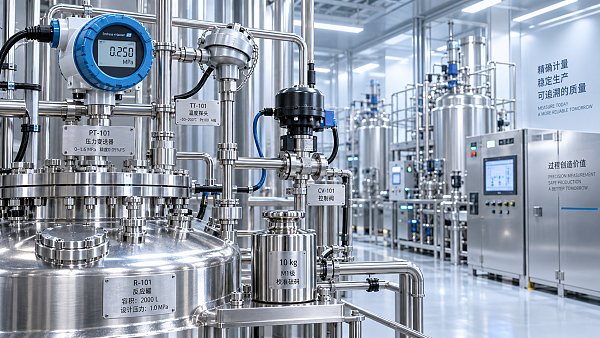
Choosing industrial analysis equipment is rarely a matter of comparing brochure claims. Reliable process data sits behind product quality, environmental compliance, energy efficiency, and plant safety, so the wrong analyzer can distort decisions long before anyone notices a fault. In sectors as varied as chemicals, power, food processing, water treatment, pharmaceuticals, and advanced manufacturing, selection now depends on how well an instrument fits the process reality, not just its headline accuracy.
That is why industrial analysis equipment has become a strategic topic across modern operations. As digitalization expands and more facilities depend on automated control, every measurement point becomes part of a larger intelligence system. Platforms such as Global Instrument Hub (GIH) reflect this shift by treating instrumentation not as isolated hardware, but as the sensing foundation of industrial modernization, supplier evaluation, and high-confidence technical decision-making.
What reliable process data really depends on
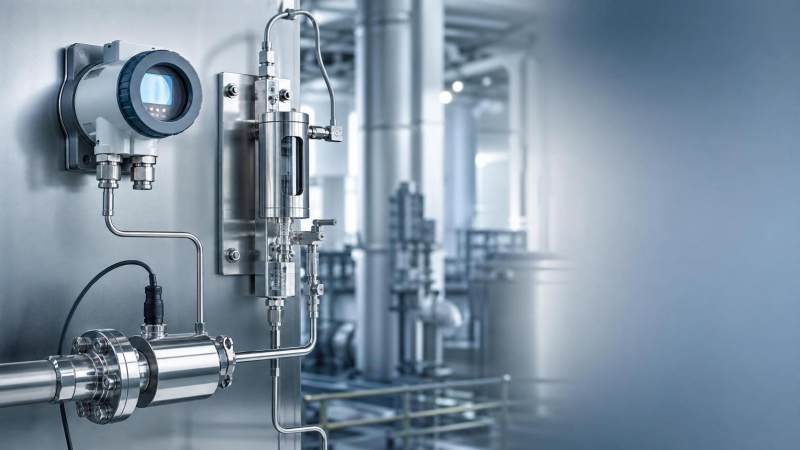
At a basic level, industrial analysis equipment converts physical or chemical conditions into usable information. That sounds simple, yet dependable data depends on far more than sensor sensitivity.
A measurement can be precise in a laboratory and still fail in production. Sample contamination, unstable flow, temperature swings, vibration, coating, corrosive media, and delayed response often matter more than stated resolution.
For that reason, a sound evaluation starts with one question: what decision will this data support? Some measurements drive closed-loop control. Others verify compliance, protect assets, confirm batch quality, or trigger maintenance action.
When the use case is clear, it becomes easier to judge whether an analyzer should prioritize speed, repeatability, selectivity, robustness, or traceable calibration performance.
Why selection standards are rising across industries
Industrial sites now expect analysis systems to do more than produce a reading. They must integrate with PLC or DCS environments, support predictive maintenance, and remain stable in harsher operating conditions.
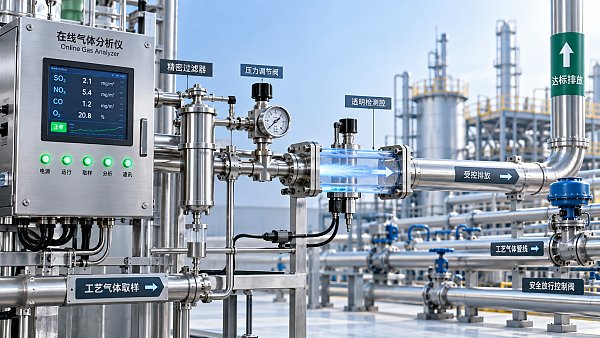
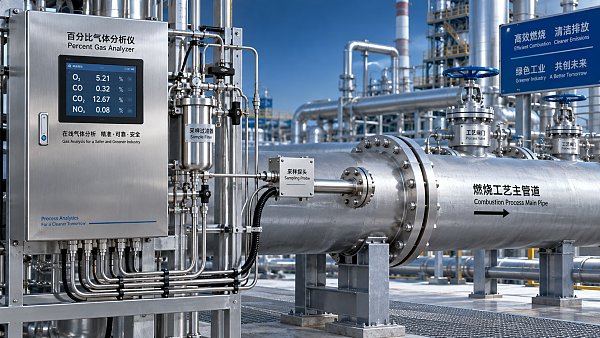
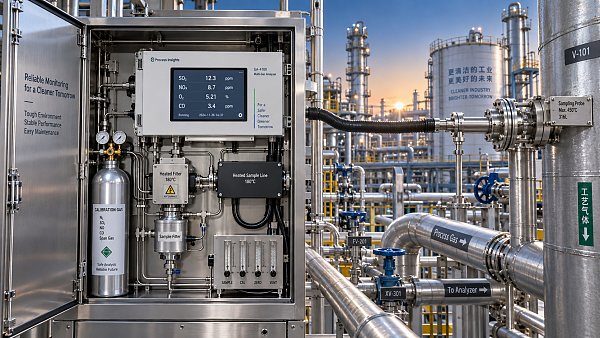
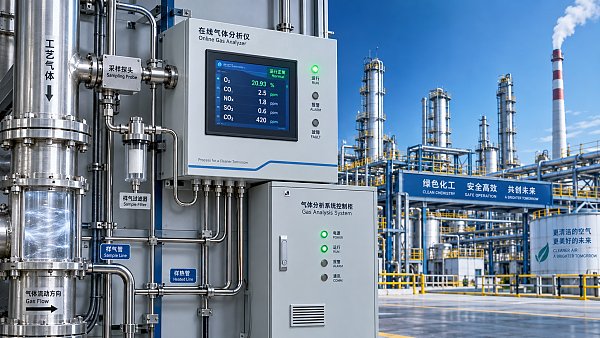
In practice, this affects almost every category of industrial analysis equipment. Online water analyzers face tighter discharge rules. Gas analyzers support emissions reporting and combustion optimization. Process spectrometers help reduce waste in continuous production.
The broader market also raises the bar. Global sourcing has increased access to equipment, but it has also made supplier validation more complex. Technical documents may look similar while service capability, component quality, and compliance evidence differ sharply.
This is where industry intelligence matters. GIH’s emphasis on standards, certification pathways, and supplier research reflects a practical truth: process data is only as trustworthy as the measurement chain behind it.
Start with the application, not the instrument category
Many selection problems begin when teams ask for a device type too early. It is usually better to define the stream, target component, operating envelope, and control objective first.
Key application variables to clarify
- Process medium composition, including likely contaminants and interferences.
- Pressure, temperature, humidity, and required analyzer location.
- Continuous, batch, or intermittent measurement duty.
- Required detection range, response time, and allowable uncertainty.
- Whether the result supports control, reporting, release, or alarm logic.
These inputs often reshape the shortlist. A technique that performs well for trace detection may be too slow for control. A rugged analyzer may survive the environment but lack the selectivity needed for mixed streams.
In other words, industrial analysis equipment should be chosen around process behavior, sample handling, and decision timing. The instrument itself is only one part of the final measurement system.
Core evaluation criteria that separate usable data from risky data
A structured comparison helps avoid overvaluing a single parameter. The table below captures the most useful decision dimensions in real projects.
This approach keeps industrial analysis equipment evaluation grounded in operational outcomes. It also helps explain why a lower purchase price may produce a higher total cost over the analyzer’s working life.
Different scenarios call for different analyzer priorities
Selection logic changes by sector. A single rule set rarely works across all industrial environments.
Continuous manufacturing and process control
Here, response speed and stability often outweigh ultra-low detection limits. Online industrial analysis equipment must work with fluctuating loads, changing raw materials, and tight control windows.
Environmental monitoring
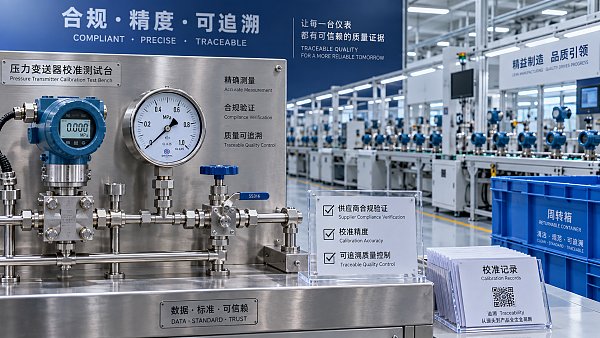
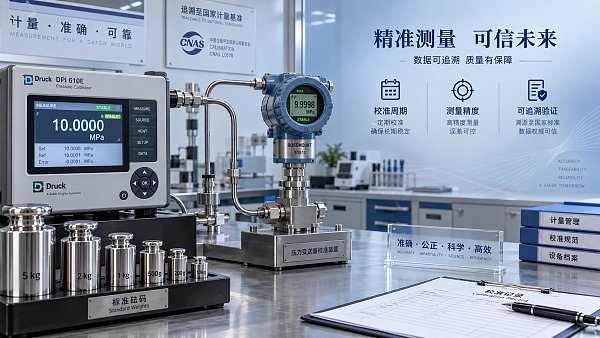
Regulatory acceptance becomes central. Data defensibility, calibration traceability, and long-term consistency are usually more important than convenience alone.
Laboratory-linked production support
In this case, comparability between online and offline results matters. Teams often need industrial analysis equipment that can bridge process speed with laboratory-grade confidence.
Hazardous or remote installations
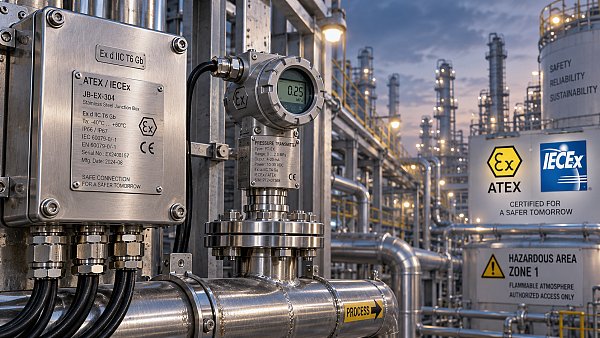
Explosion protection, enclosure integrity, remote diagnostics, and maintenance access become decisive. Even a capable analyzer loses value if safe servicing is difficult.
Supplier quality is part of the measurement decision
Technical assessment should not stop at the device. Supplier maturity influences commissioning success, support speed, parts continuity, and data credibility over time.
A strong vendor can explain sample system design, failure modes, calibration philosophy, and compatibility with local standards. A weaker one may only repeat catalog metrics.
This is one reason intelligence-led sourcing has gained attention. GIH’s focus on deep-tier supply chain visibility and standards analysis fits the reality of industrial analysis equipment procurement, where documentation depth and technical transparency are real trust signals.
- Ask for application references in comparable process conditions.
- Review calibration methods, not just calibration claims.
- Confirm spare part lead times and regional service coverage.
- Check whether compliance documents are current and verifiable.
A practical path to a better selection decision
A disciplined process usually reduces both technical risk and internal debate. It does not need to be complicated, but it should be explicit.
Build the shortlist around evidence
Start with a written measurement objective. Define what must be measured, how fast the answer is needed, and what action depends on it.
Then compare industrial analysis equipment against the real process envelope. Include sample transport, maintenance access, digital integration, and operator workload.
If uncertainty remains, request a pilot, factory acceptance evidence, or side-by-side validation against an existing method. Short trials often reveal issues that data sheets hide.
Use a broader cost lens
The purchase price is only one line item. Cleaning frequency, consumables, calibration gases, shutdown exposure, software support, and service response can easily dominate the lifetime cost.
For industrial analysis equipment, the most economical option is often the one that protects decision quality with the least operational friction.
Where to focus next
The best next step is usually to turn selection criteria into a project-specific checklist. That means ranking process fit, compliance needs, response time, support expectations, and integration requirements before comparing suppliers.
From there, industrial analysis equipment decisions become less subjective. They are tied to measurable plant needs, clearer risk trade-offs, and more defensible sourcing choices.
Reliable process data does not begin in the control room. It begins with choosing analysis equipment that matches the process, survives the environment, and earns trust over time. A careful review of application demands, standards, and supplier capability creates a stronger basis for every downstream decision.
Recommended for You
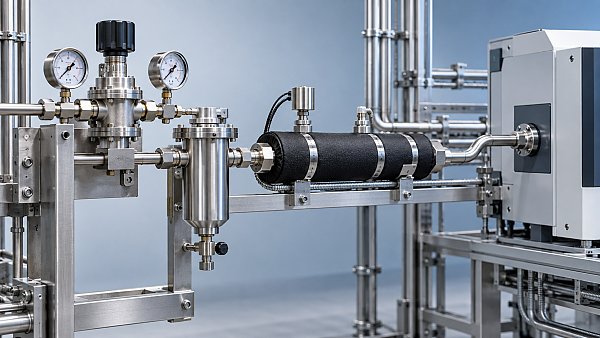
 How sample conditioning affects accuracy in petrochemical analyzersImprove accuracy in petrochemical analyzers with smarter sample conditioning. Discover how phase control, filtration, and transport design prevent bias and deliver reliable process data.
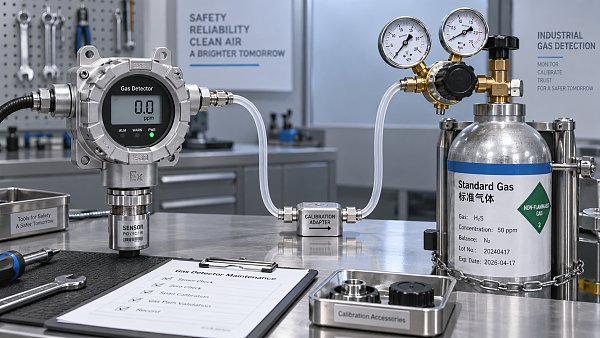
 How to troubleshoot sensor drift in industrial gas detectorsIndustrial gas detectors showing sensor drift? Learn how to verify calibration gas, identify root causes, and determine when sensor replacement is needed for reliable monitoring.
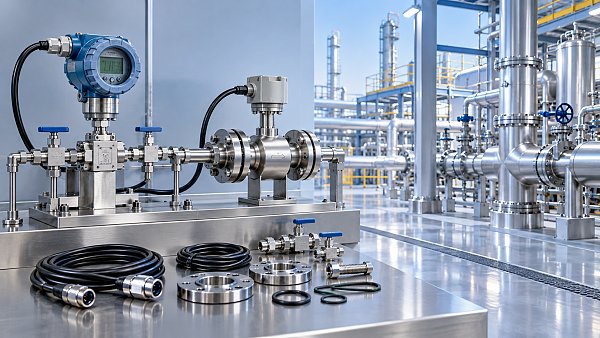
 How to judge whether a competitive price reflects real valueCompetitive Price: learn how to compare scope, compliance, performance, and lifecycle costs to identify real value, reduce risk, and make smarter purchasing decisions.
 When custom gas analysis is the right fit for complex process streamsCustom gas analysis for complex process streams: learn when tailored sampling, interference control, and reliable measurement design deliver confident decisions.
 When does a laser gas analyzer meet stack emissions monitoring needs?Laser gas analyzer for stack emissions: learn when it delivers fast, reliable data, how to assess installation risks, and what to verify for CEMS compliance.
 How to select a hazardous gas analyzer for confined spacesHazardous gas analyzer selection for confined spaces: compare sensors, sampling, certifications, alarms, and maintenance to protect workers and choose with confidence.
 When is a single gas analyzer sufficient for workplace safety monitoring?Discover when a single gas analyzer delivers reliable workplace safety monitoring, and learn the key limits, calibration needs, and risks that require broader detection.
 How to choose an ambient gas analyzer for low-level leak detectionAmbient gas analyzer selection for low-level leak detection: compare sensitivity, cross-sensitivity, sampling design, alarms, and calibration for reliable site performance.
 How to tell when an oxygen sensor needs replacementOxygen sensor replacement signs explained: learn how live data, fault codes, wiring checks, and exhaust inspections pinpoint the real issue before you buy.
 How laser gas analyzers improve combustion control in steel furnacesLaser gas analyzer for steel industry applications delivers fast in-situ O₂ and CO data to optimize furnace combustion, cut fuel waste, and improve steel heating stability.
 How to verify whether explosion proof equipment meets site requirementsExplosion proof equipment verification made practical: match zones, gas or dust groups, temperature classes, certificates, and installation conditions for confident compliance.
 How industrial gas analysis helps detect contamination before releaseIndustrial Gas Analysis helps detect moisture, oil, oxygen, and toxic contaminants before release—protecting processes, ensuring compliance, and reducing costly risks.
 When is electrochemistry detection the right choice for water analysis?Electrochemistry detection for water analysis: learn when fast, reliable monitoring of ions, chlorine, pH, and more delivers actionable results.
 How industrial standards reduce quality risks in supplier selectionIndustrial Standard guidance helps quality and safety managers reduce supplier risks, verify compliance, strengthen traceability, and build resilient instrumentation supply chains.
 When does a multi-component system reduce installation complexity?Multi component systems reduce installation complexity when they eliminate field interfaces, streamline commissioning, and provide proven compatibility. Learn how to assess total cost and supplier accountability.
 How to size an industrial control shelter for outdoor equipmentIndustrial control shelter sizing guide: optimize layout, HVAC, access, safety, and expansion space for reliable outdoor equipment operations.
 How flue analysis helps verify combustion efficiencyFlue analysis verifies combustion efficiency by assessing O2, CO, CO2, and stack temperature to identify excess air, incomplete combustion, and heat losses.
 How to select industrial gas detectors for confined spacesIndustrial gas detectors for confined spaces: learn how to match sensors, sampling methods, alarms, and certifications to real atmospheric hazards.
 When does a laser oxygen analyzer outperform zirconia sensors?Laser oxygen analyzer vs. zirconia sensors: compare speed, selectivity, maintenance, gas chemistry, and installation needs to choose the right oxygen measurement solution.
 How to select a percent range analyzer for process measurementsPercent range analyzer selection made practical: compare accuracy, sample systems, calibration, gas matrix, integration, and lifecycle cost for reliable process measurements.
 How explosion proof analysis verifies safe equipment for hazardous areasExplosion proof analysis verifies hazardous-area equipment by matching certifications, temperature ratings, installation details, and inspection controls for safer compliance.
 When does fixed gas detection need point sensors instead of open-path monitoring?Fixed gas detection: discover when point sensors outperform open-path monitoring for predictable leaks, enclosed zones, local alarms, and safer design decisions.
 How to choose industrial metrology systems for tight-tolerance partsIndustrial metrology guide for tight-tolerance parts: compare CMMs, optical scanners, gauges, uncertainty, workflow, and traceable inspection strategies.
 How process metrology reduces measurement variation in productionProcess metrology reduces production measurement variation by improving traceability, uncertainty control, calibration, and reliable quality decisions.
 How to select an industrial monitoring analyzer for harsh environmentsIndustrial monitoring analyzer selection for harsh environments: evaluate sampling, durability, hazardous-area compliance, accuracy, maintenance, and data reliability.
 How calibration intervals affect test and measurement equipment accuracyTest and measurement equipment calibration intervals directly affect accuracy, risk, compliance, and uptime. Learn how to set evidence-based schedules that protect critical decisions.
 When does process gas monitoring need continuous measurement?Process gas monitoring needs continuous measurement when rapid changes threaten safety, quality, compliance, or uptime. Learn how to specify reliable, actionable monitoring systems.
 How to prevent false alarms in power plant instrumentationPower plant instrumentation guide: prevent false alarms with reliable signal checks, smarter alarm settings, mode-based control, and actionable operator responses.
 How fixed gas detectors help prevent leaks in enclosed workspacesFixed gas detectors provide continuous leak monitoring in enclosed workspaces, enabling faster alarms, safer responses, and stronger protection for people and processes.
 How industrial gas analysis helps detect process contamination earlyIndustrial Gas Analysis helps detect oxygen, moisture, and hydrocarbon contamination early, enabling faster fault isolation, safer operations, and stronger process control.
 What drives environmental compliance continuous monitoring setup cost?Environmental compliance continuous monitoring setup cost: uncover hidden expenses, compare bids accurately, and build a reliable, audit-ready system.
 How to select gas analysis equipment for continuous emissions monitoringGas analysis equipment selection guide for reliable continuous emissions monitoring—compare technologies, sampling, calibration, compliance, and maintenance needs.


Search Categories
Search Categories
- Smart Meters & Power Quality
- Transformer Gas Analyzers
- BESS Thermal Runaway Detectors
- Energy, Power & Smart Grid Monitoring
- Optical Profilers & CMM
- Ultrasonic & X-Ray NDT
- Calibration Standards
- Precision Metrology & NDT
- Water Quality Analyzers
- CEMS & VOCs Monitors
- Price Trends
- Import & Export Updates
- Market Trends
- Industry News
- Industry Insights
Latest Article
- How sample conditioning affects accuracy in petrochemical analyzersImprove accuracy in petrochemical analyzers with smarter sample conditioning. Discover how phase control, filtration, and transport design prevent bias and deliver reliable process data.Posted by:
- How to troubleshoot sensor drift in industrial gas detectorsIndustrial gas detectors showing sensor drift? Learn how to verify calibration gas, identify root causes, and determine when sensor replacement is needed for reliable monitoring.Posted by:
- How to judge whether a competitive price reflects real valueCompetitive Price: learn how to compare scope, compliance, performance, and lifecycle costs to identify real value, reduce risk, and make smarter purchasing decisions.Posted by:
Please give us a message
