
How to Choose Safety Gas Detection for Confined Spaces


Choosing safety gas detection for confined spaces is rarely a routine purchase decision. In industrial plants, utilities, laboratories, tunnels, tanks, and maintenance zones, the wrong detection approach can slow work, create compliance gaps, or miss a fast-changing hazard. Good selection depends on understanding the atmosphere, the work sequence, and the reliability needed over time.
That is why safety gas detection now matters far beyond basic site safety. It sits at the intersection of instrumentation quality, operational continuity, and risk control. In the broader view shaped by Global Instrument Hub, accurate sensing is part of the measurement backbone that supports modern automation, energy systems, environmental control, and high-confidence project execution.
What Safety Gas Detection Must Do in a Confined Space
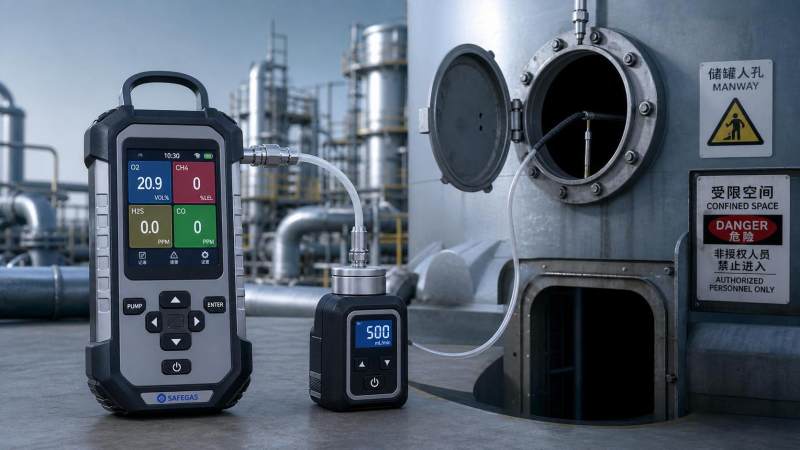
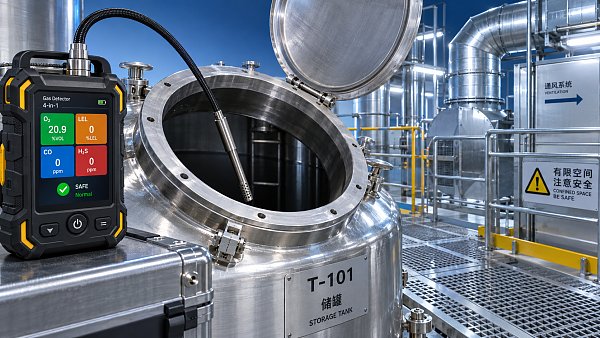
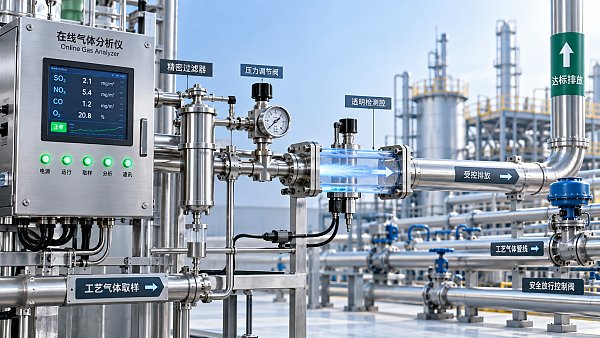
In simple terms, safety gas detection is used to identify atmospheric conditions that could injure people or make entry unsafe. In confined spaces, that usually means checking oxygen levels, toxic gases, and combustible gases before and during work.
The challenge is that confined spaces behave differently from open areas. Gas can stratify. Ventilation may be poor. Residual process materials can react unexpectedly. Cleaning, welding, coating, or inerting can change conditions within minutes.
As a result, a detector is not only an alarm device. It is part of a decision system. It informs entry approval, ventilation strategy, rescue readiness, and work stoppage criteria.
Why the Selection Standard Has Become Higher
Across manufacturing, oil and gas, water treatment, construction, life sciences, and power infrastructure, confined-space work is under closer scrutiny. Regulators expect clearer records. Clients expect stronger contractor controls. Downtime linked to incidents is more expensive than ever.
At the same time, instrument buyers face a crowded market. Many devices appear similar on paper. The real difference often shows up in sensor stability, calibration burden, pump performance, data logging, and certification quality.
This is where an intelligence-led view becomes useful. GIH’s approach to instrumentation emphasizes trust signals such as compliance traceability, technical fit, and supplier confidence. Those factors are especially relevant when safety gas detection supports critical permits and shutdown-sensitive projects.
Start With the Atmospheric Risk, Not the Device Catalog
A common mistake is choosing a detector by brand familiarity alone. A better starting point is the gas profile of the space and the work to be done inside it.
Core questions to answer first
- Is oxygen deficiency or enrichment possible because of inert gas, corrosion, or biological activity?
- Are combustible vapors expected from hydrocarbons, solvents, coatings, or residues?
- Could toxic gases such as H2S, CO, NH3, Cl2, or VOCs be released during entry or maintenance?
- Will hot work, purging, washing, or chemical cleaning alter the atmosphere during the task?
- Does the space have vertical depth, dead legs, sumps, or internal structures that affect gas movement?
Once those questions are clear, the detector specification becomes more defensible. Safety gas detection should reflect the actual hazard pathway, not a generic four-gas assumption applied everywhere.
The Parameters That Matter Most
Several technical points deserve closer attention because they shape field performance more than marketing claims do.
Usually, the best safety gas detection choice is the one that keeps performance stable under the site’s actual operating discipline. A sophisticated instrument with poor field verification can be less useful than a simpler one that is checked consistently.
Different Spaces Need Different Detection Strategies
Confined spaces are often grouped together, but their monitoring priorities vary.
Process vessels and storage tanks
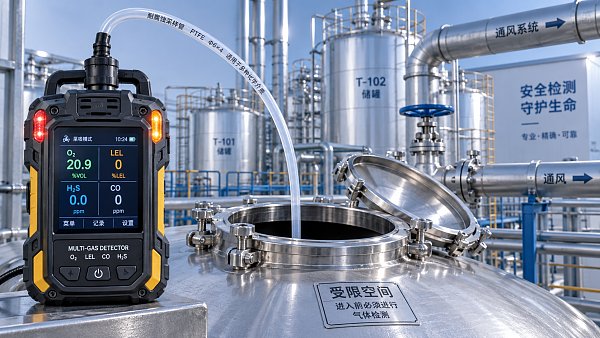
These spaces often contain residual vapors, sludge, or inert atmospheres. Pumped sampling, hose integrity checks, and top-middle-bottom testing are usually essential.
Sewers, pits, and wastewater structures
Biological decomposition can produce H2S, methane, and oxygen depletion. Sensor poisoning risk and moisture resistance deserve more attention here.
Utility tunnels and cable vaults
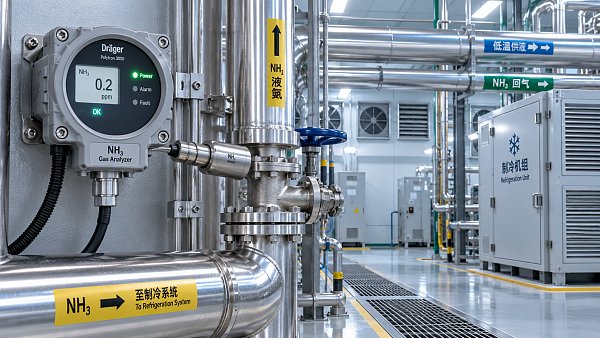
Gas ingress may be less predictable. Carbon monoxide, combustible gases, or refrigerant leaks may be relevant depending on nearby systems.
Laboratory and clean-process spaces
Here the issue may involve specialty chemicals, solvents, or inert gas use. Generic safety gas detection may miss the compounds that matter most.
Compliance Matters, but So Does Evidence Quality
Meeting a standard is only part of the picture. Buyers should also ask how well the manufacturer documents performance, maintenance intervals, alarm logic, and certification scope.
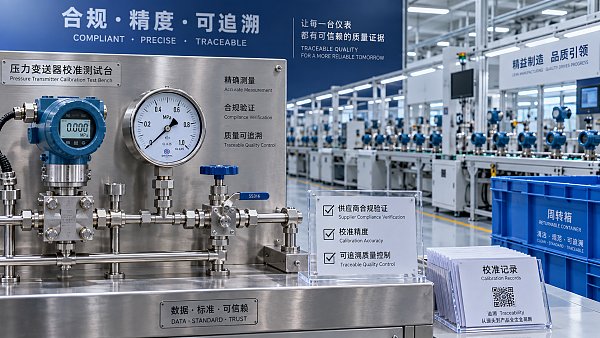
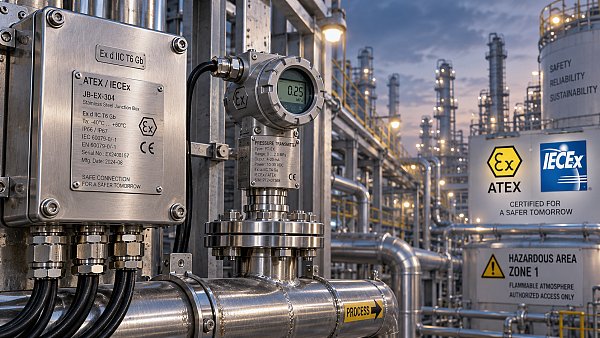
ATEX, IECEx, and relevant local approvals are important when explosive atmospheres are possible. Calibration traceability also matters, especially when readings support permits, contractor management, or post-incident review.
From a GIH-style evaluation perspective, confidence improves when technical data, service support, and compliance claims align. In other words, trust in safety gas detection is built through measurable evidence, not catalog language.
Practical Buying Signals That Often Predict Better Outcomes
When comparing options, a few practical signals are worth weighing early.
- Clear sensor replacement intervals and realistic lifecycle cost estimates.
- Fast availability of calibration gas, pumps, filters, and spare parts.
- Usable event logs for audits, permit records, and incident reconstruction.
- Alarm settings that can be configured to site rules without creating confusion.
- Training materials that support repeatable use across shifts and contractors.
- Supplier responsiveness during commissioning, troubleshooting, and recertification.
These details may seem operational, yet they often decide whether safety gas detection remains dependable after the first deployment cycle.
How to Turn Selection Into a Better Project Decision
A useful way to evaluate options is to build a short decision matrix before procurement. List the gases of concern, space geometry, expected tasks, compliance needs, and maintenance capacity.
Then compare candidate devices against those conditions, not against generic specifications alone. This often reveals whether the site needs diffusion monitors, pumped instruments, fixed-point support, or a combination.
It also helps to review near misses, alarm histories, and entry permit trends from previous projects. Past atmosphere issues usually point to the next selection priority more clearly than a brochure does.
The next step is straightforward: define the confined-space gas profile, map it to the work process, and test supplier claims against field verification needs. That approach gives safety gas detection a stronger technical basis and reduces uncertainty before the next entry begins.
Recommended for You
 How sample conditioning affects accuracy in petrochemical analyzersImprove accuracy in petrochemical analyzers with smarter sample conditioning. Discover how phase control, filtration, and transport design prevent bias and deliver reliable process data.
 How to troubleshoot sensor drift in industrial gas detectorsIndustrial gas detectors showing sensor drift? Learn how to verify calibration gas, identify root causes, and determine when sensor replacement is needed for reliable monitoring.
 How to judge whether a competitive price reflects real valueCompetitive Price: learn how to compare scope, compliance, performance, and lifecycle costs to identify real value, reduce risk, and make smarter purchasing decisions.
 When custom gas analysis is the right fit for complex process streamsCustom gas analysis for complex process streams: learn when tailored sampling, interference control, and reliable measurement design deliver confident decisions.
 When does a laser gas analyzer meet stack emissions monitoring needs?Laser gas analyzer for stack emissions: learn when it delivers fast, reliable data, how to assess installation risks, and what to verify for CEMS compliance.
 How to select a hazardous gas analyzer for confined spacesHazardous gas analyzer selection for confined spaces: compare sensors, sampling, certifications, alarms, and maintenance to protect workers and choose with confidence.
 When is a single gas analyzer sufficient for workplace safety monitoring?Discover when a single gas analyzer delivers reliable workplace safety monitoring, and learn the key limits, calibration needs, and risks that require broader detection.
 How to choose an ambient gas analyzer for low-level leak detectionAmbient gas analyzer selection for low-level leak detection: compare sensitivity, cross-sensitivity, sampling design, alarms, and calibration for reliable site performance.
 How to tell when an oxygen sensor needs replacementOxygen sensor replacement signs explained: learn how live data, fault codes, wiring checks, and exhaust inspections pinpoint the real issue before you buy.
 How laser gas analyzers improve combustion control in steel furnacesLaser gas analyzer for steel industry applications delivers fast in-situ O₂ and CO data to optimize furnace combustion, cut fuel waste, and improve steel heating stability.
 How to verify whether explosion proof equipment meets site requirementsExplosion proof equipment verification made practical: match zones, gas or dust groups, temperature classes, certificates, and installation conditions for confident compliance.
 How industrial gas analysis helps detect contamination before releaseIndustrial Gas Analysis helps detect moisture, oil, oxygen, and toxic contaminants before release—protecting processes, ensuring compliance, and reducing costly risks.
 When is electrochemistry detection the right choice for water analysis?Electrochemistry detection for water analysis: learn when fast, reliable monitoring of ions, chlorine, pH, and more delivers actionable results.
 How industrial standards reduce quality risks in supplier selectionIndustrial Standard guidance helps quality and safety managers reduce supplier risks, verify compliance, strengthen traceability, and build resilient instrumentation supply chains.
 When does a multi-component system reduce installation complexity?Multi component systems reduce installation complexity when they eliminate field interfaces, streamline commissioning, and provide proven compatibility. Learn how to assess total cost and supplier accountability.
 How to size an industrial control shelter for outdoor equipmentIndustrial control shelter sizing guide: optimize layout, HVAC, access, safety, and expansion space for reliable outdoor equipment operations.
 How flue analysis helps verify combustion efficiencyFlue analysis verifies combustion efficiency by assessing O2, CO, CO2, and stack temperature to identify excess air, incomplete combustion, and heat losses.
 How to select industrial gas detectors for confined spacesIndustrial gas detectors for confined spaces: learn how to match sensors, sampling methods, alarms, and certifications to real atmospheric hazards.
 When does a laser oxygen analyzer outperform zirconia sensors?Laser oxygen analyzer vs. zirconia sensors: compare speed, selectivity, maintenance, gas chemistry, and installation needs to choose the right oxygen measurement solution.
 How to select a percent range analyzer for process measurementsPercent range analyzer selection made practical: compare accuracy, sample systems, calibration, gas matrix, integration, and lifecycle cost for reliable process measurements.
 How explosion proof analysis verifies safe equipment for hazardous areasExplosion proof analysis verifies hazardous-area equipment by matching certifications, temperature ratings, installation details, and inspection controls for safer compliance.
 When does fixed gas detection need point sensors instead of open-path monitoring?Fixed gas detection: discover when point sensors outperform open-path monitoring for predictable leaks, enclosed zones, local alarms, and safer design decisions.
 How to choose industrial metrology systems for tight-tolerance partsIndustrial metrology guide for tight-tolerance parts: compare CMMs, optical scanners, gauges, uncertainty, workflow, and traceable inspection strategies.
 How process metrology reduces measurement variation in productionProcess metrology reduces production measurement variation by improving traceability, uncertainty control, calibration, and reliable quality decisions.
 How to select an industrial monitoring analyzer for harsh environmentsIndustrial monitoring analyzer selection for harsh environments: evaluate sampling, durability, hazardous-area compliance, accuracy, maintenance, and data reliability.
 How calibration intervals affect test and measurement equipment accuracyTest and measurement equipment calibration intervals directly affect accuracy, risk, compliance, and uptime. Learn how to set evidence-based schedules that protect critical decisions.
 When does process gas monitoring need continuous measurement?Process gas monitoring needs continuous measurement when rapid changes threaten safety, quality, compliance, or uptime. Learn how to specify reliable, actionable monitoring systems.
 How to prevent false alarms in power plant instrumentationPower plant instrumentation guide: prevent false alarms with reliable signal checks, smarter alarm settings, mode-based control, and actionable operator responses.
 How fixed gas detectors help prevent leaks in enclosed workspacesFixed gas detectors provide continuous leak monitoring in enclosed workspaces, enabling faster alarms, safer responses, and stronger protection for people and processes.
 How industrial gas analysis helps detect process contamination earlyIndustrial Gas Analysis helps detect oxygen, moisture, and hydrocarbon contamination early, enabling faster fault isolation, safer operations, and stronger process control.
 What drives environmental compliance continuous monitoring setup cost?Environmental compliance continuous monitoring setup cost: uncover hidden expenses, compare bids accurately, and build a reliable, audit-ready system.
 How to select gas analysis equipment for continuous emissions monitoringGas analysis equipment selection guide for reliable continuous emissions monitoring—compare technologies, sampling, calibration, compliance, and maintenance needs.


Search Categories
Search Categories
- Smart Meters & Power Quality
- Transformer Gas Analyzers
- BESS Thermal Runaway Detectors
- Energy, Power & Smart Grid Monitoring
- Optical Profilers & CMM
- Ultrasonic & X-Ray NDT
- Calibration Standards
- Precision Metrology & NDT
- Water Quality Analyzers
- CEMS & VOCs Monitors
- Price Trends
- Import & Export Updates
- Market Trends
- Industry News
- Industry Insights
Latest Article
- How sample conditioning affects accuracy in petrochemical analyzersImprove accuracy in petrochemical analyzers with smarter sample conditioning. Discover how phase control, filtration, and transport design prevent bias and deliver reliable process data.Posted by:
- How to troubleshoot sensor drift in industrial gas detectorsIndustrial gas detectors showing sensor drift? Learn how to verify calibration gas, identify root causes, and determine when sensor replacement is needed for reliable monitoring.Posted by:
- How to judge whether a competitive price reflects real valueCompetitive Price: learn how to compare scope, compliance, performance, and lifecycle costs to identify real value, reduce risk, and make smarter purchasing decisions.Posted by:
Please give us a message
