
How to Choose a Custom Solution Without Overengineering


Choosing a Custom Solution should reduce friction, not create a new layer of complexity. In sectors shaped by automation, compliance, and fast-changing supply chains, the real question is not whether customization is attractive, but whether it is proportionate. A well-chosen approach supports growth, integration, and data visibility. An overengineered one absorbs budget, delays implementation, and leaves teams managing features they never truly needed.
That distinction matters even more in instrumentation-heavy environments. Across manufacturing, energy, laboratories, environmental monitoring, and construction, systems are increasingly expected to connect operational data with procurement, maintenance, quality control, and risk management. In that context, a Custom Solution is often justified, but only when the business case is grounded in actual workflow demands and measurable outcomes.
Why the decision has become more complex
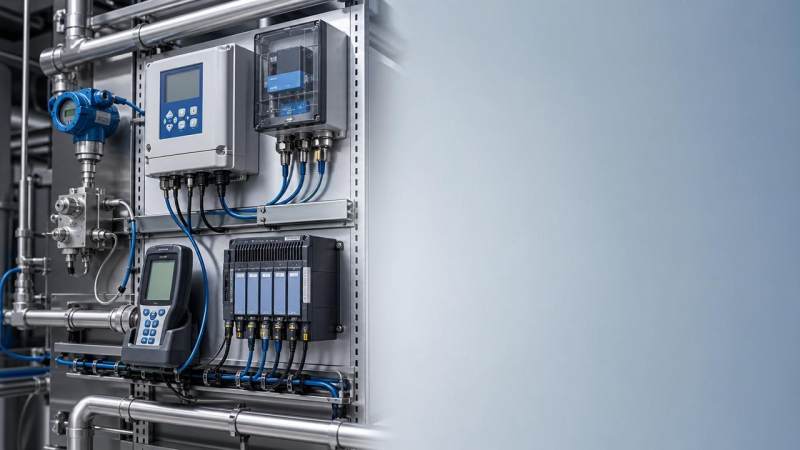
Digital transformation has changed what buyers expect from software, platforms, and integrated service models. Standard tools still solve many routine problems. Yet many organizations now operate across mixed environments, legacy equipment, regional regulations, and fragmented supplier networks.
That is especially visible in the instrumentation industry, where decision quality depends on precision, traceability, and trustworthy technical context. Global Instrument Hub (GIH) reflects this reality by treating instrumentation not as isolated hardware, but as the sensing backbone of modern industry. When data from transmitters, analyzers, calibration systems, or power monitoring assets must feed broader operational decisions, one-size-fits-all tools often start showing limits.
Still, limitations in standard tools do not automatically mean a business needs a deeply engineered platform. Many costly mistakes begin when organizations jump from “our current system is awkward” to “we need something built from scratch.” Those are not the same conclusion.
What a Custom Solution should really mean
A Custom Solution is best understood as a tailored response to a defined operational gap. That gap may involve data structure, compliance reporting, system integration, user permissions, analytics, or procurement workflow. The purpose is fit, not novelty.
In practice, there are several levels of customization. Some involve lightweight configuration of an existing platform. Others require modular extensions, middleware, or custom dashboards. A smaller number justify full bespoke development.
The problem with overengineering appears when the chosen model is far more complex than the need. Businesses may pay for advanced architecture, broad feature sets, and long implementation cycles when a narrower intervention would have delivered similar value.
A practical way to frame the choice
Where overengineering usually starts
Overengineering rarely begins with bad intentions. It usually starts with reasonable concerns: future scalability, board-level expectations, cybersecurity, or a desire to avoid another system change in two years. The issue is that these concerns can expand scope faster than evidence supports.
Several warning signs appear early:
- Requirements are written around hypothetical future cases, not current bottlenecks.
- Stakeholders ask for every possible feature “just in case.”
- The project assumes full process redesign before proving value in one workflow.
- Integration targets multiply without clear priority.
- No one defines which business decision improves after deployment.
In industrial and instrumentation settings, this can be particularly expensive. A platform may be expected to unify calibration records, supplier qualification, maintenance histories, emissions reporting, and lab results in a single phase. That ambition sounds efficient, but it often increases data mapping effort, validation risk, and user resistance.
How to evaluate need before choosing a Custom Solution
The strongest decisions begin with operational clarity. Before comparing vendors or architectures, it helps to identify the exact failure points in the current process. A vague goal such as “better visibility” is not enough. The more useful question is which visibility gap is delaying action, increasing cost, or creating compliance exposure.
Focus on the workflow, not the wish list
A sound Custom Solution often starts with one high-value workflow. In instrumentation-related operations, that might be supplier qualification for critical analyzers, traceability for calibrated assets, or cross-site monitoring of pressure, flow, and temperature records.
The aim is to map where delays, manual work, or data inconsistency create measurable risk. Once that is visible, it becomes easier to judge whether customization is necessary and how much is justified.
Separate must-have from nice-to-have
- Must-have items affect compliance, uptime, safety, or decision speed.
- Important items improve usability or reporting quality.
- Deferred items may be useful later, but do not justify immediate scope.
This distinction is valuable when dealing with standards and certifications. If a system must support ISO/IEC 17025 documentation logic, ATEX-related equipment records, or regulated test traceability, those are design drivers. Cosmetic preferences are not.
Industry scenarios where tailored design adds value
The need for a Custom Solution becomes more credible when business complexity is structural rather than temporary. Several scenarios stand out across the sectors covered by GIH.
Industrial process control
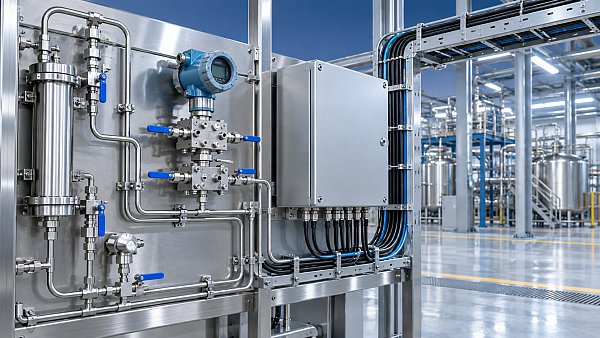
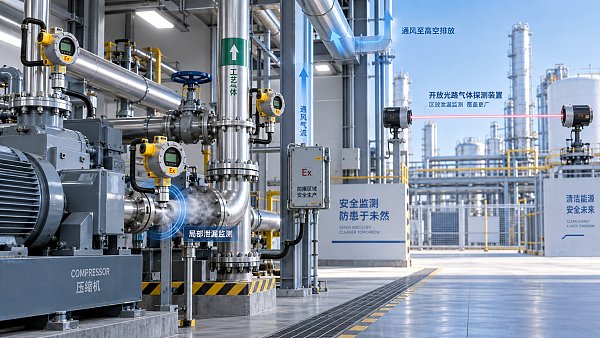
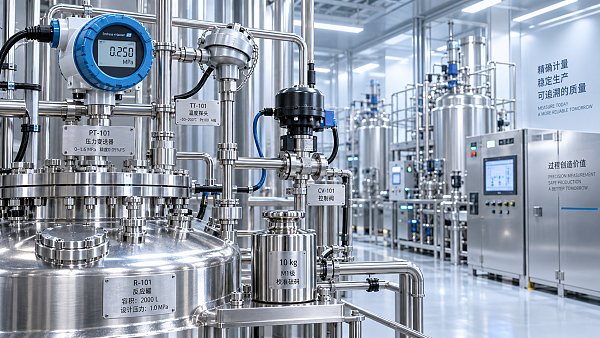
Facilities using mixed PLC and DCS environments often need data normalization across vendors. A targeted solution may unify alarm history, device health, and maintenance priorities without replacing core control infrastructure.
Laboratory and life sciences
Chromatography, mass spectrometry, and biochemical testing workflows generate highly sensitive records. Customization may be justified when sample traceability, method control, and audit readiness must align across instruments and quality systems.
Environmental monitoring
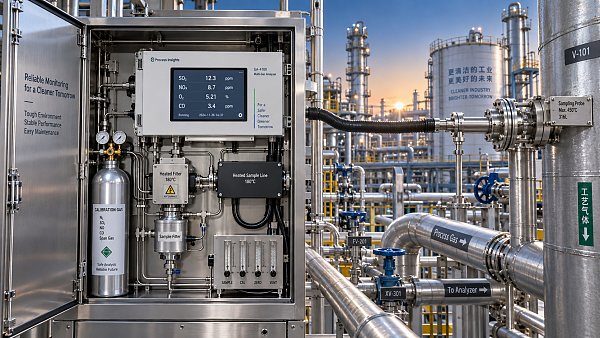
CEMS and water quality monitoring involve reporting obligations, data validation, and field-device dependencies. Here, a Custom Solution can support automated exception handling and more reliable compliance reporting.
Metrology and calibration
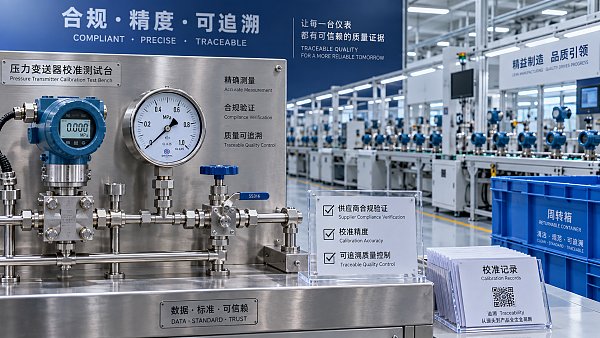
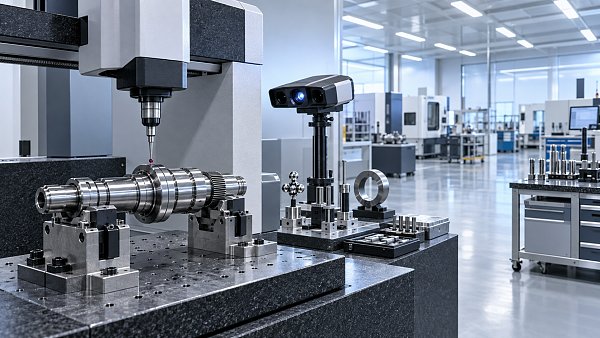
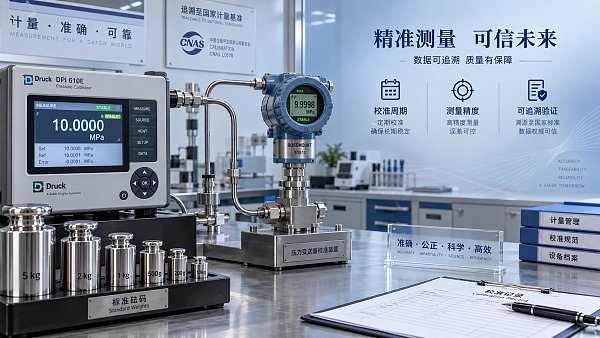
Calibration programs often struggle with asset hierarchy, tolerance logic, and certificate traceability. Tailored workflow design may improve audit confidence more effectively than a broad enterprise replacement project.
Smart grid and energy monitoring
Power quality analysis and thermal event monitoring may require specialized alerting, retention rules, and site-level comparisons. These needs justify customization only when they directly improve risk detection or operational response.
How to keep a Custom Solution proportionate
The goal is not to avoid customization altogether. It is to keep the solution proportionate to the problem. That usually means choosing a phased model, defining measurable success, and protecting maintainability from the beginning.
- Start with one operational priority and one decision metric.
- Use modular architecture where possible.
- Limit custom code to areas that create clear business differentiation.
- Test data quality and integration logic early.
- Plan ownership, support, and change control before launch.
This is where high-quality industry intelligence becomes useful. GIH’s value is not simply in listing suppliers or technologies. Its deeper contribution is helping organizations see where technical complexity is real, where compliance risk is non-negotiable, and where the market may be overselling sophistication that operations do not need.
A smarter next step
Before approving any major build, define the narrowest version of the problem that still matters commercially. Then compare three paths: configurable standard software, a modular Custom Solution, and a fully bespoke model. The right answer is often the one that solves the critical workflow with the least structural burden.
For organizations operating in data-sensitive, regulation-heavy, or instrument-dependent environments, the next step is not simply requesting more features. It is establishing decision criteria: which processes require customization, which standards shape design, which integrations are essential, and which outcomes must improve within the first implementation cycle.
A well-chosen Custom Solution should make the business easier to run, easier to trust, and easier to scale. If that standard guides the evaluation, customization becomes a disciplined investment rather than a costly engineering exercise.
Recommended for You
 How to judge whether a competitive price reflects real valueCompetitive Price: learn how to compare scope, compliance, performance, and lifecycle costs to identify real value, reduce risk, and make smarter purchasing decisions.
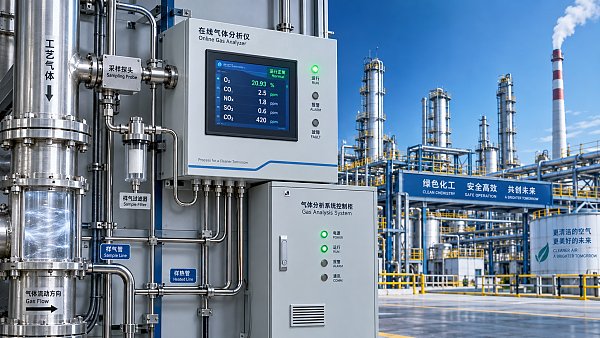
 When custom gas analysis is the right fit for complex process streamsCustom gas analysis for complex process streams: learn when tailored sampling, interference control, and reliable measurement design deliver confident decisions.
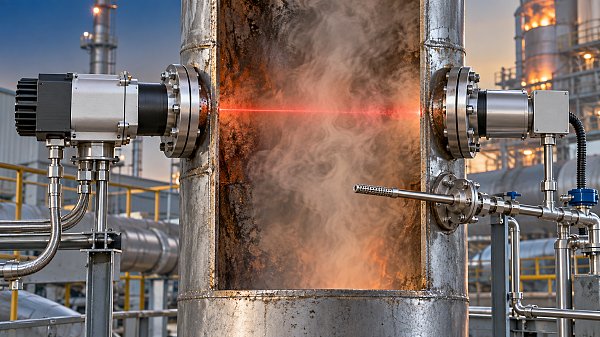
 When does a laser gas analyzer meet stack emissions monitoring needs?Laser gas analyzer for stack emissions: learn when it delivers fast, reliable data, how to assess installation risks, and what to verify for CEMS compliance.
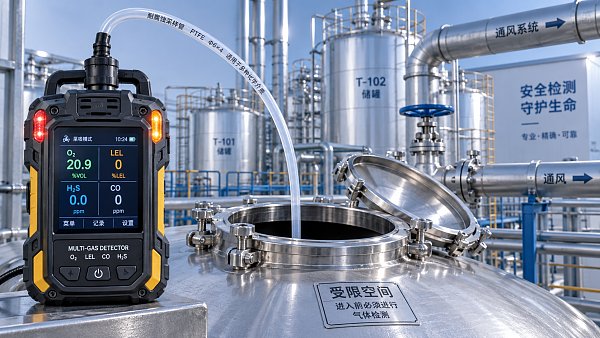
 How to select a hazardous gas analyzer for confined spacesHazardous gas analyzer selection for confined spaces: compare sensors, sampling, certifications, alarms, and maintenance to protect workers and choose with confidence.
 When is a single gas analyzer sufficient for workplace safety monitoring?Discover when a single gas analyzer delivers reliable workplace safety monitoring, and learn the key limits, calibration needs, and risks that require broader detection.
 How to choose an ambient gas analyzer for low-level leak detectionAmbient gas analyzer selection for low-level leak detection: compare sensitivity, cross-sensitivity, sampling design, alarms, and calibration for reliable site performance.
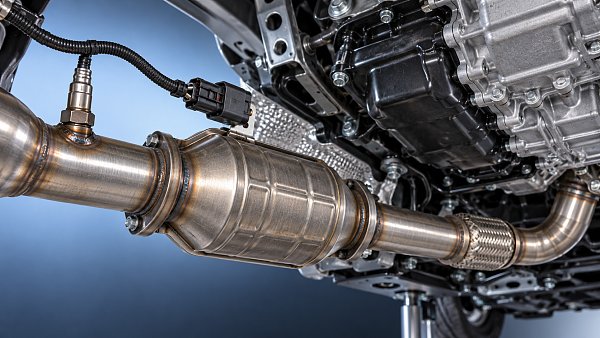
 How to tell when an oxygen sensor needs replacementOxygen sensor replacement signs explained: learn how live data, fault codes, wiring checks, and exhaust inspections pinpoint the real issue before you buy.
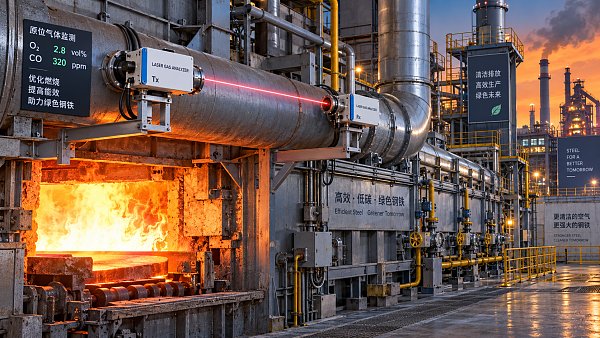
 How laser gas analyzers improve combustion control in steel furnacesLaser gas analyzer for steel industry applications delivers fast in-situ O₂ and CO data to optimize furnace combustion, cut fuel waste, and improve steel heating stability.
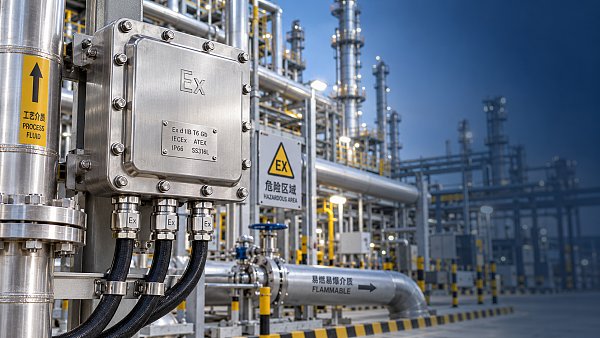
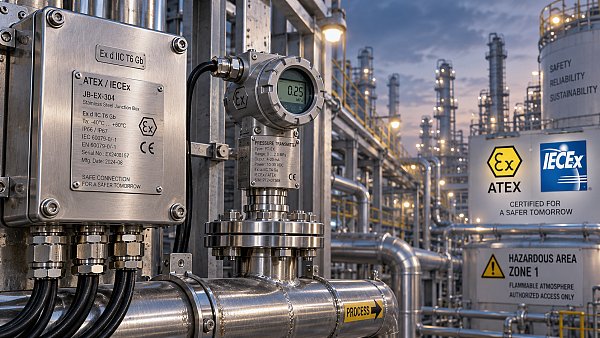
 How to verify whether explosion proof equipment meets site requirementsExplosion proof equipment verification made practical: match zones, gas or dust groups, temperature classes, certificates, and installation conditions for confident compliance.
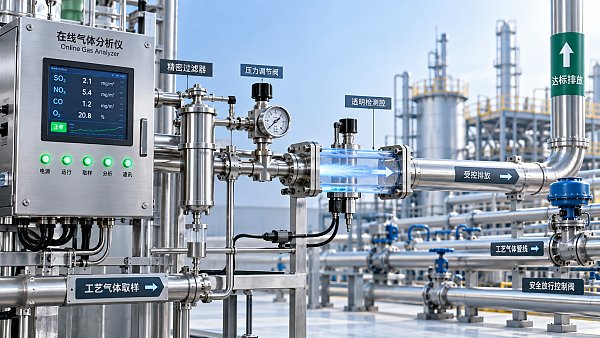
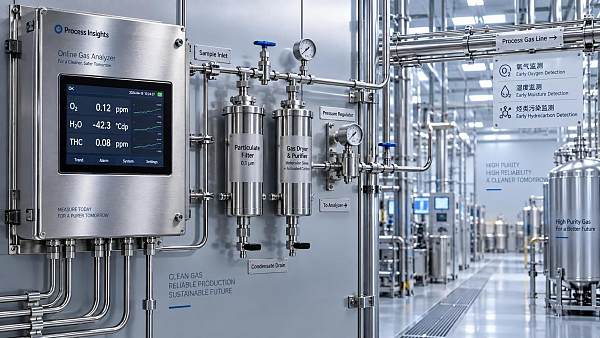
 How industrial gas analysis helps detect contamination before releaseIndustrial Gas Analysis helps detect moisture, oil, oxygen, and toxic contaminants before release—protecting processes, ensuring compliance, and reducing costly risks.
 When is electrochemistry detection the right choice for water analysis?Electrochemistry detection for water analysis: learn when fast, reliable monitoring of ions, chlorine, pH, and more delivers actionable results.
 How industrial standards reduce quality risks in supplier selectionIndustrial Standard guidance helps quality and safety managers reduce supplier risks, verify compliance, strengthen traceability, and build resilient instrumentation supply chains.
 When does a multi-component system reduce installation complexity?Multi component systems reduce installation complexity when they eliminate field interfaces, streamline commissioning, and provide proven compatibility. Learn how to assess total cost and supplier accountability.
 How to size an industrial control shelter for outdoor equipmentIndustrial control shelter sizing guide: optimize layout, HVAC, access, safety, and expansion space for reliable outdoor equipment operations.
 How flue analysis helps verify combustion efficiencyFlue analysis verifies combustion efficiency by assessing O2, CO, CO2, and stack temperature to identify excess air, incomplete combustion, and heat losses.
 How to select industrial gas detectors for confined spacesIndustrial gas detectors for confined spaces: learn how to match sensors, sampling methods, alarms, and certifications to real atmospheric hazards.
 When does a laser oxygen analyzer outperform zirconia sensors?Laser oxygen analyzer vs. zirconia sensors: compare speed, selectivity, maintenance, gas chemistry, and installation needs to choose the right oxygen measurement solution.
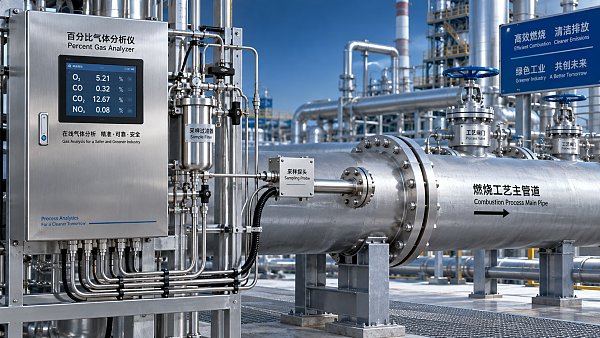
 How to select a percent range analyzer for process measurementsPercent range analyzer selection made practical: compare accuracy, sample systems, calibration, gas matrix, integration, and lifecycle cost for reliable process measurements.
 How explosion proof analysis verifies safe equipment for hazardous areasExplosion proof analysis verifies hazardous-area equipment by matching certifications, temperature ratings, installation details, and inspection controls for safer compliance.
 When does fixed gas detection need point sensors instead of open-path monitoring?Fixed gas detection: discover when point sensors outperform open-path monitoring for predictable leaks, enclosed zones, local alarms, and safer design decisions.
 How to choose industrial metrology systems for tight-tolerance partsIndustrial metrology guide for tight-tolerance parts: compare CMMs, optical scanners, gauges, uncertainty, workflow, and traceable inspection strategies.
 How process metrology reduces measurement variation in productionProcess metrology reduces production measurement variation by improving traceability, uncertainty control, calibration, and reliable quality decisions.
 How to select an industrial monitoring analyzer for harsh environmentsIndustrial monitoring analyzer selection for harsh environments: evaluate sampling, durability, hazardous-area compliance, accuracy, maintenance, and data reliability.
 How calibration intervals affect test and measurement equipment accuracyTest and measurement equipment calibration intervals directly affect accuracy, risk, compliance, and uptime. Learn how to set evidence-based schedules that protect critical decisions.
 When does process gas monitoring need continuous measurement?Process gas monitoring needs continuous measurement when rapid changes threaten safety, quality, compliance, or uptime. Learn how to specify reliable, actionable monitoring systems.
 How to prevent false alarms in power plant instrumentationPower plant instrumentation guide: prevent false alarms with reliable signal checks, smarter alarm settings, mode-based control, and actionable operator responses.
 How fixed gas detectors help prevent leaks in enclosed workspacesFixed gas detectors provide continuous leak monitoring in enclosed workspaces, enabling faster alarms, safer responses, and stronger protection for people and processes.
 How industrial gas analysis helps detect process contamination earlyIndustrial Gas Analysis helps detect oxygen, moisture, and hydrocarbon contamination early, enabling faster fault isolation, safer operations, and stronger process control.
 What drives environmental compliance continuous monitoring setup cost?Environmental compliance continuous monitoring setup cost: uncover hidden expenses, compare bids accurately, and build a reliable, audit-ready system.
 How to select gas analysis equipment for continuous emissions monitoringGas analysis equipment selection guide for reliable continuous emissions monitoring—compare technologies, sampling, calibration, compliance, and maintenance needs.
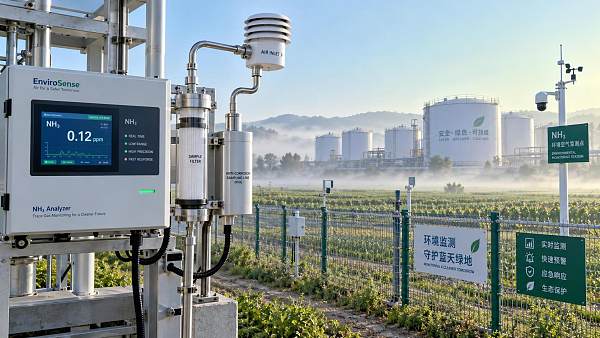
 What detection limit is needed for NH3 environmental monitoring?High accuracy NH3 analyzer for environmental monitoring: learn how to set the right detection limit, improve sampling reliability, and make defensible decisions.
 How to select a NOX analyzer for power plant emissions complianceNOX analyzer for power plant emissions: learn how to select a compliant, reliable CEMS solution with the right range, sample handling, calibration, and data integrity.








Search Categories
Search Categories
- Smart Meters & Power Quality
- Transformer Gas Analyzers
- BESS Thermal Runaway Detectors
- Energy, Power & Smart Grid Monitoring
- Optical Profilers & CMM
- Ultrasonic & X-Ray NDT
- Calibration Standards
- Precision Metrology & NDT
- Water Quality Analyzers
- CEMS & VOCs Monitors
- Price Trends
- Import & Export Updates
- Market Trends
- Industry News
- Industry Insights
Latest Article
- How to judge whether a competitive price reflects real valueCompetitive Price: learn how to compare scope, compliance, performance, and lifecycle costs to identify real value, reduce risk, and make smarter purchasing decisions.Posted by:
- When custom gas analysis is the right fit for complex process streamsCustom gas analysis for complex process streams: learn when tailored sampling, interference control, and reliable measurement design deliver confident decisions.Posted by:
- When does a laser gas analyzer meet stack emissions monitoring needs?Laser gas analyzer for stack emissions: learn when it delivers fast, reliable data, how to assess installation risks, and what to verify for CEMS compliance.Posted by:
Please give us a message
