
Digital Monitoring Instruments: Key Specs That Matter Most


Digital Monitoring Instruments: Key Specs That Matter Most
For technical evaluations, digital monitoring instruments are judged by confidence, not marketing language. The real question is simple: how reliably can the device capture, process, transmit, and retain useful data?
That matters across process plants, energy assets, laboratories, water systems, and smart facilities. A strong specification sheet should reduce uncertainty, support integration, and protect performance over the full operating life.
This is why digital monitoring instruments are now evaluated as part of a larger data chain. Sensor quality still matters, but software behavior, protocol support, diagnostics, and calibration stability matter just as much.
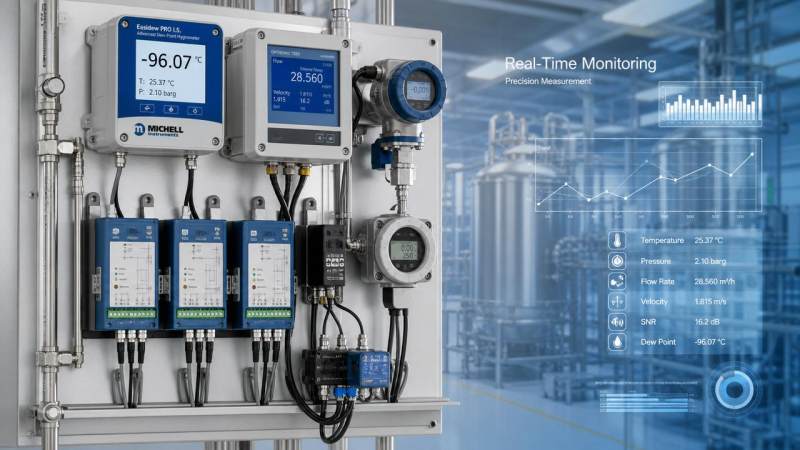
In practice, the best buying decisions come from comparing a short list of core specs. The sections below focus on the technical factors that most often affect safety, uptime, compliance, and decision accuracy.
Start With Measurement Performance
The first filter for digital monitoring instruments is measurement integrity. If the output is unstable or biased, every downstream control or analysis step becomes weaker.
Accuracy, repeatability, and resolution
Accuracy shows how close the reading is to the true value. Repeatability shows how consistently the instrument reproduces the same reading. Resolution shows the smallest visible change.
These three are often confused. In real applications, repeatability may be more valuable than headline accuracy if trend detection matters more than absolute value.
Range and turndown
A wide range is useful, but only if performance stays credible across that range. Turndown ratio is especially important when one instrument must handle varying loads or seasonal conditions.
In energy monitoring or flow applications, poor low-end behavior can distort efficiency calculations. That can affect reporting, optimization, and vendor comparisons.
Response time and sampling rate
Fast processes need fast instruments. Response time tells you how quickly the reading reacts. Sampling rate tells you how frequently data is captured.
For vibration, power quality, combustion, or leak detection, slow digital monitoring instruments can hide short but critical events. That is where “good enough” often turns into blind spots.
Check Signal Quality and Data Reliability
Once measurement basics are confirmed, the next issue is signal trust. Digital monitoring instruments must preserve useful information, not just generate numbers.
Noise, drift, and stability
Noise creates jitter. Drift shifts values over time. Long-term stability determines whether the instrument remains dependable between calibrations.
This becomes more important in environmental monitoring, batch production, and laboratory workflows. Small drift can still create large compliance or quality problems later.
Digital filtering and edge processing
Many digital monitoring instruments now include onboard filtering, averaging, alarm logic, or preprocessing. These functions can improve usability, but they also change the raw signal story.
Ask whether filters are configurable, documented, and traceable. Over-smoothed data may look clean while masking spikes, oscillations, or transient failures.
Timestamp integrity and data continuity
In distributed systems, time alignment matters. A precise value with an unreliable timestamp can still ruin root-cause analysis.
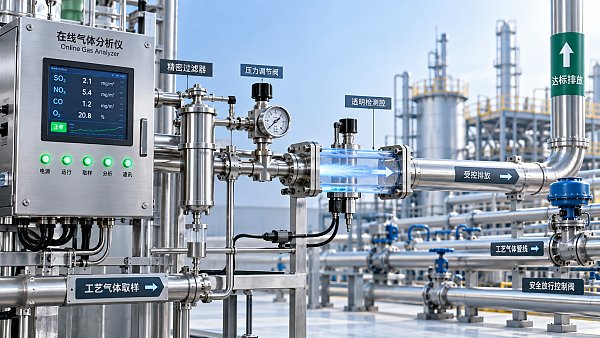
Review buffer behavior, clock synchronization, data loss recovery, and event logging. These points matter when digital monitoring instruments feed SCADA, historians, MES, or cloud analytics.
Integration Specs Often Decide the Shortlist
From recent market shifts, a clearer signal is this: integration quality now eliminates more options than sensor performance alone. Digital monitoring instruments must fit existing architectures without costly workarounds.
Protocols and interoperability
Check support for Modbus, HART, Profibus, Profinet, EtherNet/IP, OPC UA, MQTT, or other required standards. Native support is usually better than layered adaptation.
The key is not just protocol presence. It is object mapping, diagnostic visibility, firmware maturity, and how well the instrument behaves under network load.
Data format and system compatibility
Some digital monitoring instruments export rich metadata, alarm states, and health indicators. Others only send a primary value. That difference strongly affects analytics quality.
Compatibility also includes historian tags, API access, edge gateway support, and cybersecurity policy alignment. These details often determine deployment speed.
Power, wiring, and installation constraints
A technically strong device can still fail commercially if installation is complex. Review supply voltage, loop power needs, wiring topology, enclosure rating, and mounting flexibility.
In brownfield projects, these practical limits matter early. They influence labor time, retrofit risk, cabinet design, and maintenance access.
Environmental and Compliance Specs Are Not Secondary
Digital monitoring instruments often work in places where conditions are unstable, corrosive, hazardous, or regulated. That means environmental survivability is a core performance issue, not a checkbox.
Temperature, humidity, vibration, and ingress protection
Operating range should match real site conditions, not only nominal conditions. Review derating behavior, warm-up needs, condensation resistance, and vibration tolerance.
IP ratings, corrosion resistance, and housing materials also deserve attention. Outdoor energy systems and wastewater facilities expose weak designs quickly.
Certifications and regulated use
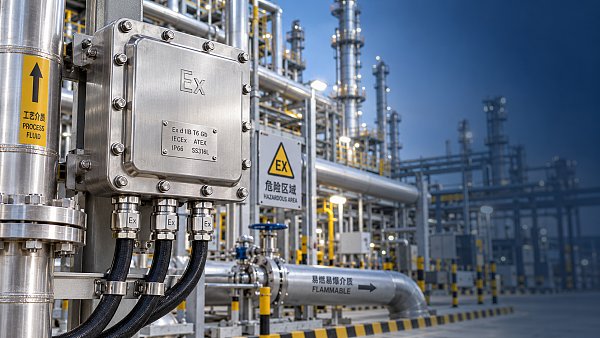
Depending on the application, relevant standards may include ATEX, IECEx, ISO/IEC 17025 traceability, EMC rules, FDA-related requirements, or sector-specific approvals.
Certification scope matters. Always confirm whether the exact model, firmware version, sensor assembly, and accessories are covered by the listed approvals.
Do Not Overlook Lifecycle Economics
In actual operations, total value depends on what happens after installation. Digital monitoring instruments should be easy to maintain, verify, update, and support across years of service.
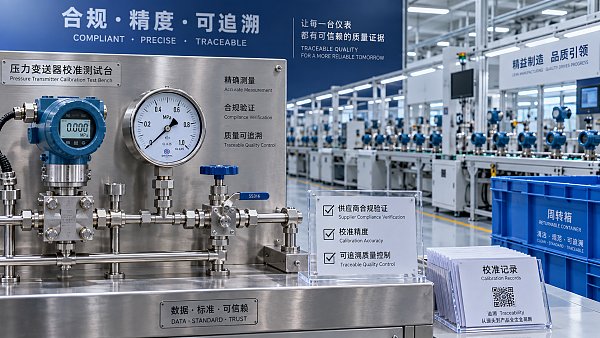
Calibration intervals and serviceability
Ask how often recalibration is needed under real conditions. Also ask whether the instrument supports field verification, modular replacement, and remote diagnostics.
Shorter calibration cycles may increase hidden cost. Difficult service access can also extend downtime and reduce trust in the data.
Firmware management and cybersecurity
Modern digital monitoring instruments are connected assets. Review secure update methods, user access controls, event logs, encryption options, and vulnerability response policies.
This also means vendor support maturity matters. A device with weak patch governance can become a long-term operational risk.
A Practical Comparison Framework
When comparing digital monitoring instruments, it helps to score devices using a weighted approach. That keeps decisions tied to application risk, not vendor presentation style.
A simple shortlist process can make evaluations sharper:
- Define the failure cost of bad data in the target application.
- Prioritize the five specs that most affect that risk.
- Check protocol and compliance fit before pricing discussions.
- Request evidence from field cases, not only brochures.
- Compare support model, calibration path, and firmware policy.
What Strong Decisions Usually Look Like
The most reliable choices rarely come from chasing the longest feature list. They come from matching digital monitoring instruments to the real measurement task, operating environment, and data architecture.
That also means evaluating trade-offs openly. A faster sensor may increase noise. A richer protocol stack may require stronger cybersecurity controls. A cheaper unit may raise calibration cost later.
For buyers working across industrial process control, laboratories, environmental systems, or smart energy assets, the priority is consistent: trust the data, verify interoperability, and plan for the full lifecycle.
That is where digital monitoring instruments create real value. They do more than measure. They improve operational visibility, reduce avoidable risk, and support better technical decisions at scale.
Before standardizing any model, build a side-by-side scorecard using the specs above. A disciplined review now usually prevents expensive blind spots later.
Recommended for You
 How to judge whether a competitive price reflects real valueCompetitive Price: learn how to compare scope, compliance, performance, and lifecycle costs to identify real value, reduce risk, and make smarter purchasing decisions.
 When custom gas analysis is the right fit for complex process streamsCustom gas analysis for complex process streams: learn when tailored sampling, interference control, and reliable measurement design deliver confident decisions.
 When does a laser gas analyzer meet stack emissions monitoring needs?Laser gas analyzer for stack emissions: learn when it delivers fast, reliable data, how to assess installation risks, and what to verify for CEMS compliance.
 How to select a hazardous gas analyzer for confined spacesHazardous gas analyzer selection for confined spaces: compare sensors, sampling, certifications, alarms, and maintenance to protect workers and choose with confidence.
 When is a single gas analyzer sufficient for workplace safety monitoring?Discover when a single gas analyzer delivers reliable workplace safety monitoring, and learn the key limits, calibration needs, and risks that require broader detection.
 How to choose an ambient gas analyzer for low-level leak detectionAmbient gas analyzer selection for low-level leak detection: compare sensitivity, cross-sensitivity, sampling design, alarms, and calibration for reliable site performance.
 How to tell when an oxygen sensor needs replacementOxygen sensor replacement signs explained: learn how live data, fault codes, wiring checks, and exhaust inspections pinpoint the real issue before you buy.
 How laser gas analyzers improve combustion control in steel furnacesLaser gas analyzer for steel industry applications delivers fast in-situ O₂ and CO data to optimize furnace combustion, cut fuel waste, and improve steel heating stability.
 How to verify whether explosion proof equipment meets site requirementsExplosion proof equipment verification made practical: match zones, gas or dust groups, temperature classes, certificates, and installation conditions for confident compliance.
 How industrial gas analysis helps detect contamination before releaseIndustrial Gas Analysis helps detect moisture, oil, oxygen, and toxic contaminants before release—protecting processes, ensuring compliance, and reducing costly risks.
 When is electrochemistry detection the right choice for water analysis?Electrochemistry detection for water analysis: learn when fast, reliable monitoring of ions, chlorine, pH, and more delivers actionable results.
 How industrial standards reduce quality risks in supplier selectionIndustrial Standard guidance helps quality and safety managers reduce supplier risks, verify compliance, strengthen traceability, and build resilient instrumentation supply chains.
 When does a multi-component system reduce installation complexity?Multi component systems reduce installation complexity when they eliminate field interfaces, streamline commissioning, and provide proven compatibility. Learn how to assess total cost and supplier accountability.
 How to size an industrial control shelter for outdoor equipmentIndustrial control shelter sizing guide: optimize layout, HVAC, access, safety, and expansion space for reliable outdoor equipment operations.
 How flue analysis helps verify combustion efficiencyFlue analysis verifies combustion efficiency by assessing O2, CO, CO2, and stack temperature to identify excess air, incomplete combustion, and heat losses.
 How to select industrial gas detectors for confined spacesIndustrial gas detectors for confined spaces: learn how to match sensors, sampling methods, alarms, and certifications to real atmospheric hazards.
 When does a laser oxygen analyzer outperform zirconia sensors?Laser oxygen analyzer vs. zirconia sensors: compare speed, selectivity, maintenance, gas chemistry, and installation needs to choose the right oxygen measurement solution.
 How to select a percent range analyzer for process measurementsPercent range analyzer selection made practical: compare accuracy, sample systems, calibration, gas matrix, integration, and lifecycle cost for reliable process measurements.
 How explosion proof analysis verifies safe equipment for hazardous areasExplosion proof analysis verifies hazardous-area equipment by matching certifications, temperature ratings, installation details, and inspection controls for safer compliance.
 When does fixed gas detection need point sensors instead of open-path monitoring?Fixed gas detection: discover when point sensors outperform open-path monitoring for predictable leaks, enclosed zones, local alarms, and safer design decisions.
 How to choose industrial metrology systems for tight-tolerance partsIndustrial metrology guide for tight-tolerance parts: compare CMMs, optical scanners, gauges, uncertainty, workflow, and traceable inspection strategies.
 How process metrology reduces measurement variation in productionProcess metrology reduces production measurement variation by improving traceability, uncertainty control, calibration, and reliable quality decisions.
 How to select an industrial monitoring analyzer for harsh environmentsIndustrial monitoring analyzer selection for harsh environments: evaluate sampling, durability, hazardous-area compliance, accuracy, maintenance, and data reliability.
 How calibration intervals affect test and measurement equipment accuracyTest and measurement equipment calibration intervals directly affect accuracy, risk, compliance, and uptime. Learn how to set evidence-based schedules that protect critical decisions.
 When does process gas monitoring need continuous measurement?Process gas monitoring needs continuous measurement when rapid changes threaten safety, quality, compliance, or uptime. Learn how to specify reliable, actionable monitoring systems.
 How to prevent false alarms in power plant instrumentationPower plant instrumentation guide: prevent false alarms with reliable signal checks, smarter alarm settings, mode-based control, and actionable operator responses.
 How fixed gas detectors help prevent leaks in enclosed workspacesFixed gas detectors provide continuous leak monitoring in enclosed workspaces, enabling faster alarms, safer responses, and stronger protection for people and processes.
 How industrial gas analysis helps detect process contamination earlyIndustrial Gas Analysis helps detect oxygen, moisture, and hydrocarbon contamination early, enabling faster fault isolation, safer operations, and stronger process control.
 What drives environmental compliance continuous monitoring setup cost?Environmental compliance continuous monitoring setup cost: uncover hidden expenses, compare bids accurately, and build a reliable, audit-ready system.
 How to select gas analysis equipment for continuous emissions monitoringGas analysis equipment selection guide for reliable continuous emissions monitoring—compare technologies, sampling, calibration, compliance, and maintenance needs.
 What detection limit is needed for NH3 environmental monitoring?High accuracy NH3 analyzer for environmental monitoring: learn how to set the right detection limit, improve sampling reliability, and make defensible decisions.
 How to select a NOX analyzer for power plant emissions complianceNOX analyzer for power plant emissions: learn how to select a compliant, reliable CEMS solution with the right range, sample handling, calibration, and data integrity.




Search Categories
Search Categories
- Smart Meters & Power Quality
- Transformer Gas Analyzers
- BESS Thermal Runaway Detectors
- Energy, Power & Smart Grid Monitoring
- Optical Profilers & CMM
- Ultrasonic & X-Ray NDT
- Calibration Standards
- Precision Metrology & NDT
- Water Quality Analyzers
- CEMS & VOCs Monitors
- Price Trends
- Import & Export Updates
- Market Trends
- Industry News
- Industry Insights
Latest Article
- How to judge whether a competitive price reflects real valueCompetitive Price: learn how to compare scope, compliance, performance, and lifecycle costs to identify real value, reduce risk, and make smarter purchasing decisions.Posted by:
- When custom gas analysis is the right fit for complex process streamsCustom gas analysis for complex process streams: learn when tailored sampling, interference control, and reliable measurement design deliver confident decisions.Posted by:
- When does a laser gas analyzer meet stack emissions monitoring needs?Laser gas analyzer for stack emissions: learn when it delivers fast, reliable data, how to assess installation risks, and what to verify for CEMS compliance.Posted by:
Please give us a message
