
When Does Calibration Service Reduce Downtime Costs?


When does Calibration Service start saving more money than it costs?
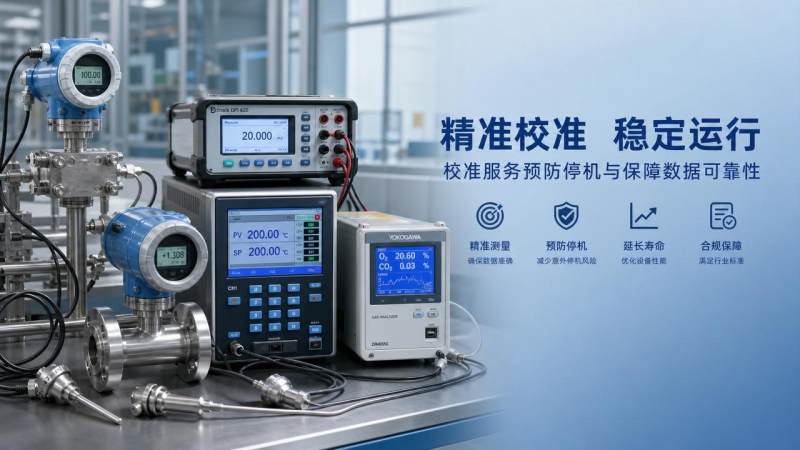
Calibration Service becomes a cost-control decision when small measurement errors begin creating large operational consequences.
That turning point often appears before a device fully fails.
A drifting pressure transmitter, flow meter, temperature probe, or analyzer can quietly destabilize a process for weeks.
The visible symptom is downtime, but the deeper cause is usually unreliable data.
In practice, Calibration Service reduces downtime costs when it prevents unplanned shutdowns, repeat troubleshooting, rejected batches, or compliance delays.
This matters across manufacturing, energy, laboratories, environmental monitoring, and infrastructure projects.
GIH regularly highlights the same pattern across these sectors.
The more digital and automated an operation becomes, the more expensive bad measurement becomes.
So the real question is not whether calibration improves accuracy.
It is when that accuracy protects uptime, quality, and decision speed enough to justify the service interval.
What are the earliest signs that downtime risk is really a calibration problem?
The first warning sign is process instability without an obvious mechanical fault.
Operators may see unexplained control loop hunting, fluctuating readings, or frequent manual overrides.
Another sign is rising investigation time after alarms.
When teams cannot quickly tell whether the issue is process-related or instrument-related, downtime expands.
Quality drift is also a strong clue.
If product variation increases while machines still appear mechanically healthy, instrument drift should move higher on the checklist.
The same applies to environmental and laboratory systems.
Out-of-trend emissions data or inconsistent analytical results often trigger retesting, reporting delays, and avoidable service calls.
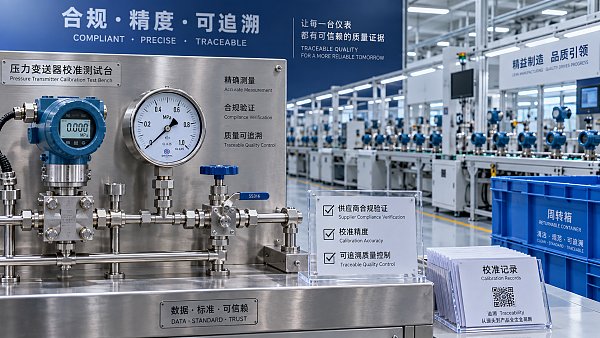
A useful way to judge the situation is to compare the cost of one missed reading against the cost of one scheduled Calibration Service visit.
If one false reading can stop production, fail an audit, or waste expensive material, calibration is already tied to downtime economics.
A quick decision table for identifying the tipping point
The table below helps translate technical drift into operational risk.
Which operations usually gain the fastest payback from Calibration Service?
The fastest payback usually comes from operations where one wrong reading affects multiple downstream steps.
Continuous process industries are a clear example.
In chemical, energy, water treatment, and food processing lines, a drifting instrument can distort an entire control loop.
Stopping the line is expensive, but running it on bad data can be even more expensive.
Laboratories and life science environments also see quick value.
There, downtime is not always a full shutdown.
It may appear as delayed release, repeated testing, instrument quarantine, or invalidated results.
Environmental monitoring systems follow the same logic.
If CEMS or water quality analyzers lose accuracy, reporting credibility and operational continuity suffer together.
GIH often frames this well across its coverage areas.
Whether the asset is a plant transmitter, a laboratory balance, or a smart grid monitor, the value of Calibration Service rises with system criticality.
Where measurements act as the nervous system of control, downtime costs are rarely just maintenance costs.
Where the cost case is strongest
- High-throughput lines where each hour lost affects volume and delivery commitments.
- Regulated processes where traceable results support audits and release decisions.
- Remote or hazardous sites where emergency service visits are slow and expensive.
- Multi-site operations that need comparable data across equipment fleets.
- Critical utilities where measurement failure can trigger wider system disruption.
How often should Calibration Service be scheduled to reduce downtime without overspending?
There is no useful universal interval.
A fixed annual schedule may be safe for one asset and wasteful for another.
The better approach is risk-based interval setting.
Start with four practical questions.
- How critical is the instrument to safety, compliance, or final quality?
- How severe are the operating conditions, including vibration, heat, pressure, and contamination?
- What does historical drift data show from past Calibration Service records?
- How much does one failure event cost in lost output, labor, and restart time?
In actual operations, the most reliable interval is often discovered rather than assumed.
If repeated calibration results show stable performance, the interval may be extended carefully.
If drift trends accelerate, the interval should tighten before a shutdown forces the decision.
This is where data-backed supplier evaluation becomes important.
GIH’s emphasis on authoritative industry intelligence is relevant here.
Service planning works better when buyers compare not only price, but calibration method, traceability, turnaround time, and sector experience.
What should be checked before choosing a Calibration Service provider?
The lowest quote rarely delivers the lowest downtime cost.
What matters is whether the provider can reduce disruption while proving measurement reliability.
Accreditation is the first checkpoint.
For many critical applications, ISO/IEC 17025 traceability is not a detail.
It is part of the risk-control framework.
The second checkpoint is technical scope.
A provider may be strong in basic electrical calibration but weak in pressure, temperature, analytical, or flow applications.
The third checkpoint is service logistics.
On-site capability, replacement planning, documentation quality, and turnaround speed directly affect downtime exposure.
Need to compare options more clearly?
Can Calibration Service be overused, and what are the common buying mistakes?
Yes, overservicing is possible.
Some companies calibrate too often because the schedule was inherited, not justified.
That creates labor cost, administrative load, and avoidable process interruption.
The opposite mistake is more damaging.
Treating Calibration Service as a compliance checkbox ignores its role in uptime strategy.
Another common mistake is evaluating providers only by unit price.
A lower service fee can still produce higher downtime costs if reporting is weak or response time is slow.
There is also a data mistake.
If calibration records are stored but never reviewed for drift trends, the business loses the chance to refine intervals and predict failures.
A more mature approach links calibration history with maintenance events, quality deviations, and line stoppages.
That is usually when Calibration Service shifts from routine spend to measurable cost reduction.
What is the practical next step if downtime costs are already rising?
Start by identifying the instruments behind the most expensive interruptions.
Not every asset deserves the same calibration priority.
Focus first on control points tied to safety, product release, energy efficiency, emissions, and bottleneck equipment.
Then review three records together.
- Past Calibration Service findings, especially as-found drift.
- Downtime history, including alarm investigations and restart causes.
- Quality or compliance deviations linked to measurement points.
This review usually shows where service intervals are too loose, too rigid, or poorly documented.
From there, compare providers on traceability, application fit, and execution speed, not on price alone.
That is also where industry intelligence platforms such as GIH add value.
Reliable supplier research, standards awareness, and application-specific insight make Calibration Service decisions more defensible and less reactive.
In simple terms, Calibration Service reduces downtime costs when it is aligned with real failure risk, not routine habit.
The strongest next move is to map critical instruments, quantify interruption costs, and build a service plan around evidence.
That turns calibration from a maintenance line item into a sharper operational decision.
Recommended for You
 How to judge whether a competitive price reflects real valueCompetitive Price: learn how to compare scope, compliance, performance, and lifecycle costs to identify real value, reduce risk, and make smarter purchasing decisions.
 When custom gas analysis is the right fit for complex process streamsCustom gas analysis for complex process streams: learn when tailored sampling, interference control, and reliable measurement design deliver confident decisions.
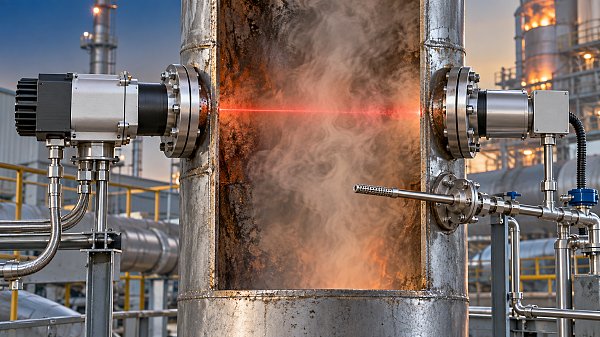
 When does a laser gas analyzer meet stack emissions monitoring needs?Laser gas analyzer for stack emissions: learn when it delivers fast, reliable data, how to assess installation risks, and what to verify for CEMS compliance.
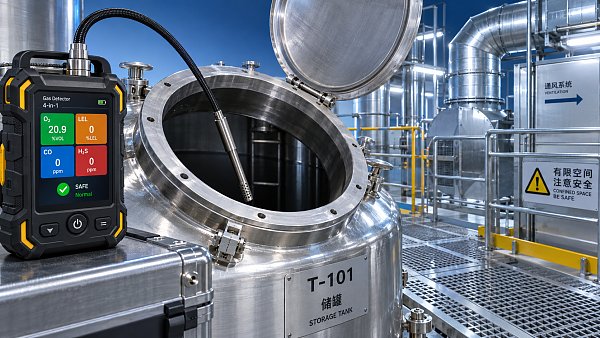
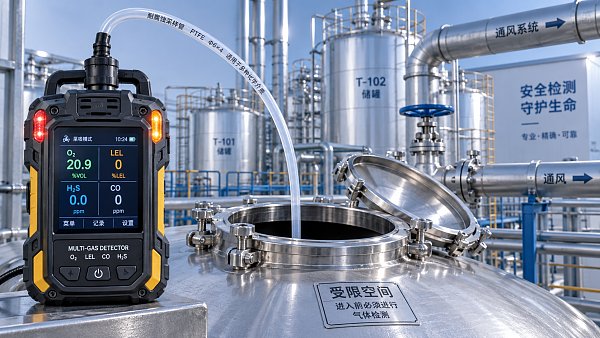
 How to select a hazardous gas analyzer for confined spacesHazardous gas analyzer selection for confined spaces: compare sensors, sampling, certifications, alarms, and maintenance to protect workers and choose with confidence.
 When is a single gas analyzer sufficient for workplace safety monitoring?Discover when a single gas analyzer delivers reliable workplace safety monitoring, and learn the key limits, calibration needs, and risks that require broader detection.
 How to choose an ambient gas analyzer for low-level leak detectionAmbient gas analyzer selection for low-level leak detection: compare sensitivity, cross-sensitivity, sampling design, alarms, and calibration for reliable site performance.
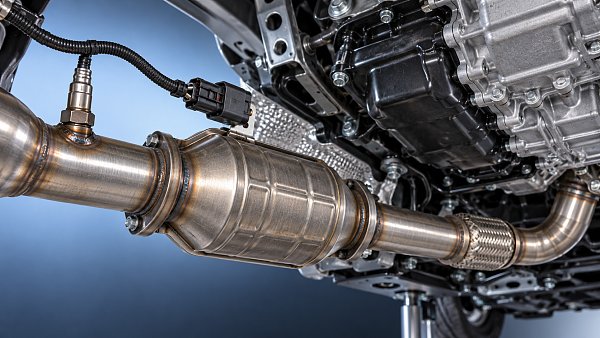
 How to tell when an oxygen sensor needs replacementOxygen sensor replacement signs explained: learn how live data, fault codes, wiring checks, and exhaust inspections pinpoint the real issue before you buy.
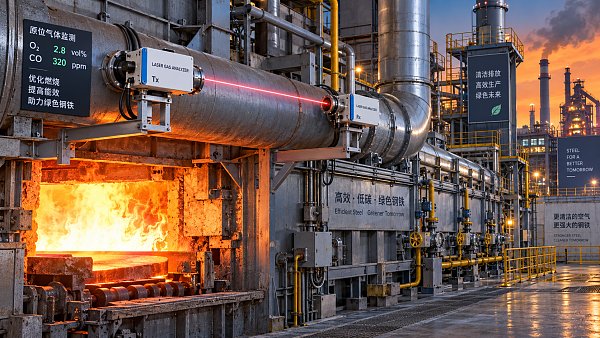
 How laser gas analyzers improve combustion control in steel furnacesLaser gas analyzer for steel industry applications delivers fast in-situ O₂ and CO data to optimize furnace combustion, cut fuel waste, and improve steel heating stability.
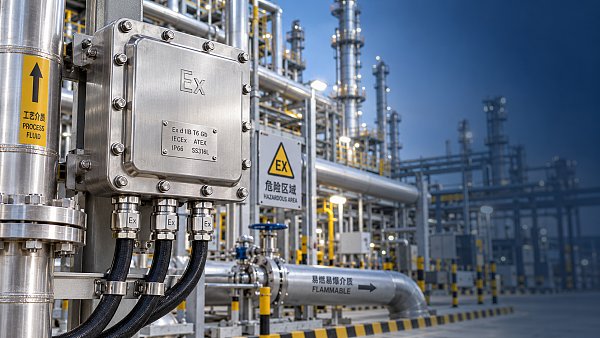
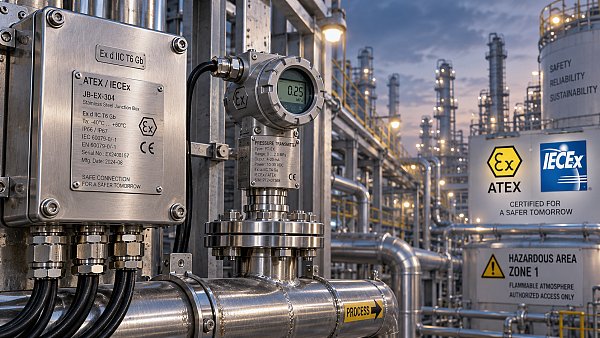
 How to verify whether explosion proof equipment meets site requirementsExplosion proof equipment verification made practical: match zones, gas or dust groups, temperature classes, certificates, and installation conditions for confident compliance.
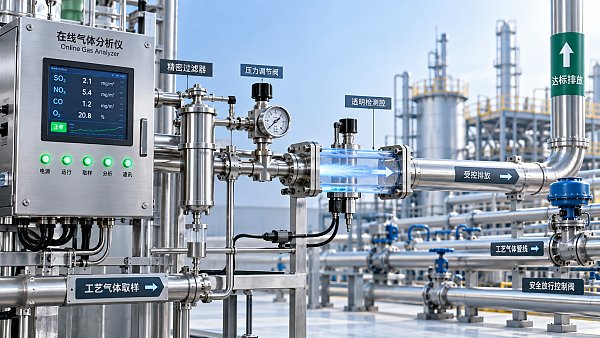
 How industrial gas analysis helps detect contamination before releaseIndustrial Gas Analysis helps detect moisture, oil, oxygen, and toxic contaminants before release—protecting processes, ensuring compliance, and reducing costly risks.
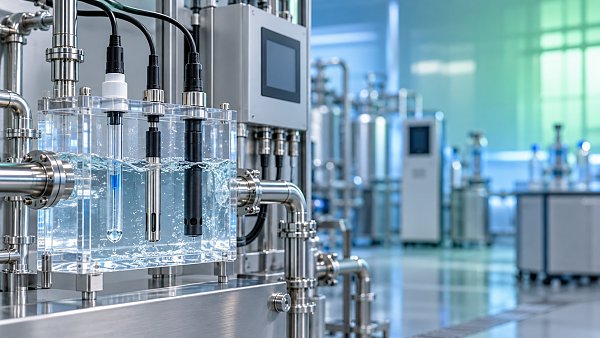
 When is electrochemistry detection the right choice for water analysis?Electrochemistry detection for water analysis: learn when fast, reliable monitoring of ions, chlorine, pH, and more delivers actionable results.
 How industrial standards reduce quality risks in supplier selectionIndustrial Standard guidance helps quality and safety managers reduce supplier risks, verify compliance, strengthen traceability, and build resilient instrumentation supply chains.
 When does a multi-component system reduce installation complexity?Multi component systems reduce installation complexity when they eliminate field interfaces, streamline commissioning, and provide proven compatibility. Learn how to assess total cost and supplier accountability.
 How to size an industrial control shelter for outdoor equipmentIndustrial control shelter sizing guide: optimize layout, HVAC, access, safety, and expansion space for reliable outdoor equipment operations.
 How flue analysis helps verify combustion efficiencyFlue analysis verifies combustion efficiency by assessing O2, CO, CO2, and stack temperature to identify excess air, incomplete combustion, and heat losses.
 How to select industrial gas detectors for confined spacesIndustrial gas detectors for confined spaces: learn how to match sensors, sampling methods, alarms, and certifications to real atmospheric hazards.
 When does a laser oxygen analyzer outperform zirconia sensors?Laser oxygen analyzer vs. zirconia sensors: compare speed, selectivity, maintenance, gas chemistry, and installation needs to choose the right oxygen measurement solution.
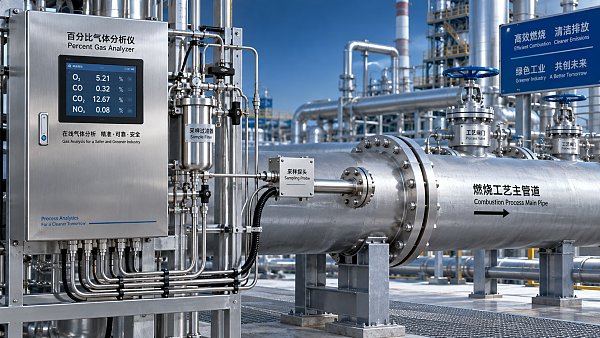
 How to select a percent range analyzer for process measurementsPercent range analyzer selection made practical: compare accuracy, sample systems, calibration, gas matrix, integration, and lifecycle cost for reliable process measurements.
 How explosion proof analysis verifies safe equipment for hazardous areasExplosion proof analysis verifies hazardous-area equipment by matching certifications, temperature ratings, installation details, and inspection controls for safer compliance.
 When does fixed gas detection need point sensors instead of open-path monitoring?Fixed gas detection: discover when point sensors outperform open-path monitoring for predictable leaks, enclosed zones, local alarms, and safer design decisions.
 How to choose industrial metrology systems for tight-tolerance partsIndustrial metrology guide for tight-tolerance parts: compare CMMs, optical scanners, gauges, uncertainty, workflow, and traceable inspection strategies.
 How process metrology reduces measurement variation in productionProcess metrology reduces production measurement variation by improving traceability, uncertainty control, calibration, and reliable quality decisions.
 How to select an industrial monitoring analyzer for harsh environmentsIndustrial monitoring analyzer selection for harsh environments: evaluate sampling, durability, hazardous-area compliance, accuracy, maintenance, and data reliability.
 How calibration intervals affect test and measurement equipment accuracyTest and measurement equipment calibration intervals directly affect accuracy, risk, compliance, and uptime. Learn how to set evidence-based schedules that protect critical decisions.
 When does process gas monitoring need continuous measurement?Process gas monitoring needs continuous measurement when rapid changes threaten safety, quality, compliance, or uptime. Learn how to specify reliable, actionable monitoring systems.
 How to prevent false alarms in power plant instrumentationPower plant instrumentation guide: prevent false alarms with reliable signal checks, smarter alarm settings, mode-based control, and actionable operator responses.
 How fixed gas detectors help prevent leaks in enclosed workspacesFixed gas detectors provide continuous leak monitoring in enclosed workspaces, enabling faster alarms, safer responses, and stronger protection for people and processes.
 How industrial gas analysis helps detect process contamination earlyIndustrial Gas Analysis helps detect oxygen, moisture, and hydrocarbon contamination early, enabling faster fault isolation, safer operations, and stronger process control.
 What drives environmental compliance continuous monitoring setup cost?Environmental compliance continuous monitoring setup cost: uncover hidden expenses, compare bids accurately, and build a reliable, audit-ready system.
 How to select gas analysis equipment for continuous emissions monitoringGas analysis equipment selection guide for reliable continuous emissions monitoring—compare technologies, sampling, calibration, compliance, and maintenance needs.
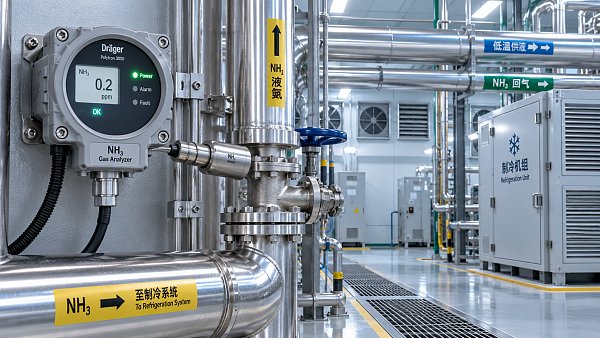
 What detection limit is needed for NH3 environmental monitoring?High accuracy NH3 analyzer for environmental monitoring: learn how to set the right detection limit, improve sampling reliability, and make defensible decisions.
 How to select a NOX analyzer for power plant emissions complianceNOX analyzer for power plant emissions: learn how to select a compliant, reliable CEMS solution with the right range, sample handling, calibration, and data integrity.


Search Categories
Search Categories
- Smart Meters & Power Quality
- Transformer Gas Analyzers
- BESS Thermal Runaway Detectors
- Energy, Power & Smart Grid Monitoring
- Optical Profilers & CMM
- Ultrasonic & X-Ray NDT
- Calibration Standards
- Precision Metrology & NDT
- Water Quality Analyzers
- CEMS & VOCs Monitors
- Price Trends
- Import & Export Updates
- Market Trends
- Industry News
- Industry Insights
Latest Article
- How to judge whether a competitive price reflects real valueCompetitive Price: learn how to compare scope, compliance, performance, and lifecycle costs to identify real value, reduce risk, and make smarter purchasing decisions.Posted by:
- When custom gas analysis is the right fit for complex process streamsCustom gas analysis for complex process streams: learn when tailored sampling, interference control, and reliable measurement design deliver confident decisions.Posted by:
- When does a laser gas analyzer meet stack emissions monitoring needs?Laser gas analyzer for stack emissions: learn when it delivers fast, reliable data, how to assess installation risks, and what to verify for CEMS compliance.Posted by:
Please give us a message
