
How to Choose an Industrial Analyzer Shelter for Harsh Sites


How to Choose an Industrial Analyzer Shelter for Harsh Sites
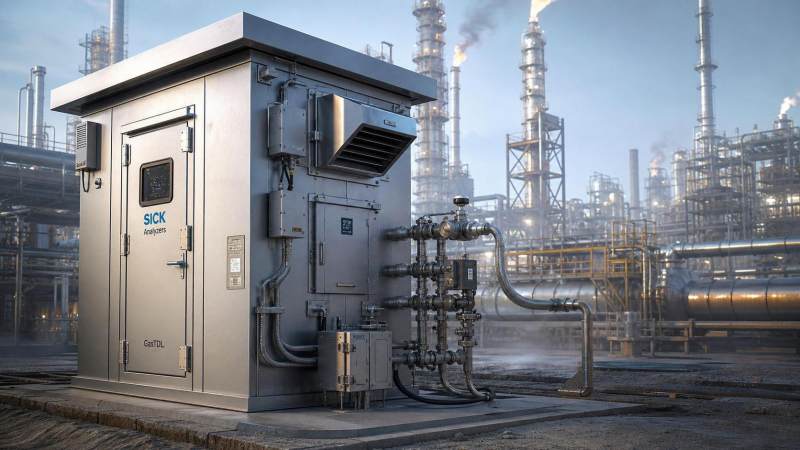
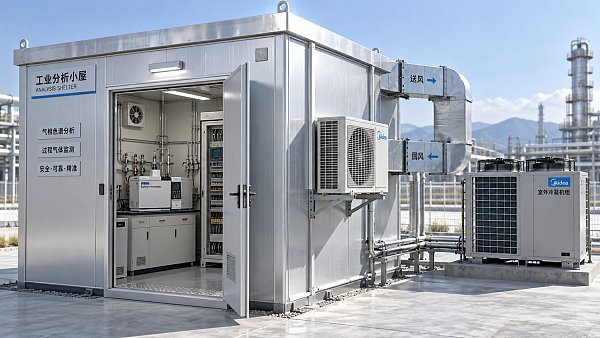
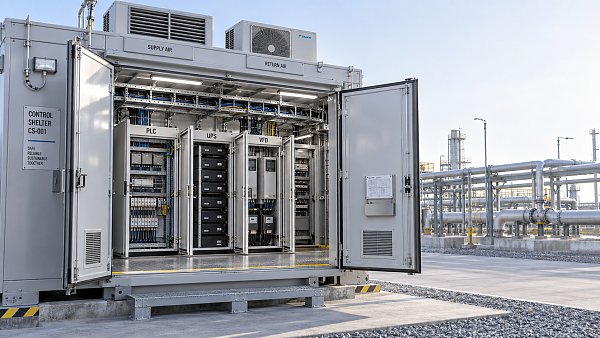
Choosing the right industrial analyzer shelter is critical when your project faces corrosive atmospheres, extreme temperatures, dust, vibration, or hazardous-area requirements.
The right enclosure does far more than house analyzers.
It supports uptime, protects measurement quality, reduces maintenance interruptions, and helps control long-term ownership cost.
In harsh sites, a poor shelter choice often causes sample issues, unstable readings, repeated calibration drift, and avoidable safety exposure.
That is why industrial analyzer shelter selection should begin with site risk, not only equipment dimensions.
A practical decision usually balances process requirements, local regulations, installation limits, and future service access.
This guide breaks down the key factors that matter most when evaluating an industrial analyzer shelter for severe operating environments.
Start with the Site, Not the Shelter
Every industrial analyzer shelter should be designed around actual site conditions.
That sounds obvious, yet many specifications stay too generic.
Before comparing vendors, define the real environmental profile.
- Ambient temperature range, including startup and shutdown extremes
- Humidity, washdown exposure, and condensation risk
- Dust loading, sand, salt spray, and corrosive gases
- Hazardous-area classification such as ATEX or IECEx zones
- Wind, vibration, seismic demand, and structural loading
- Altitude, solar radiation, and weather exposure
From a decision standpoint, these inputs shape insulation, ventilation, pressurization, materials, and control systems.
In practice, harsh sites often combine several risks at once.
A coastal refinery may face heat, chloride corrosion, and hazardous gases.
A mining project may face dust, vibration, and remote maintenance challenges.
The best industrial analyzer shelter is the one matched to the real operating envelope, not the most expensive standard unit.
Define the Analyzer Duty Clearly
Not every analyzer application needs the same shelter concept.
A CEMS installation differs from a process gas chromatograph setup.
Water quality systems, emissions monitoring packages, and sample conditioning skids all create different needs.
This matters because the industrial analyzer shelter must protect both the analyzer and the measurement process around it.
Questions worth locking down early
- How many analyzers will be installed now and later
- What utilities are required for operation and backup
- How much heat is generated inside the shelter
- What calibration gases, chemicals, or drains are involved
- How often service technicians need internal access
- Which components are sensitive to vibration or temperature swings
A good industrial analyzer shelter supports stable internal conditions for accurate analysis.
It also leaves enough room for tubing runs, maintenance clearances, calibration work, and safe movement inside.
If the shelter is undersized, service time grows and downtime usually follows.
Choose Materials for Corrosion and Lifecycle Value
Material selection is one of the most overlooked industrial analyzer shelter decisions.
It directly affects durability, maintenance burden, and appearance retention.
For mild environments, coated carbon steel may be acceptable.
For offshore, chemical, or high-humidity sites, stainless steel or reinforced composite solutions may make more sense.
Recent project trends show growing interest in lifecycle-based specification instead of lowest first cost.
That shift is important because repainting, corrosion repair, and unplanned replacement quickly erase initial savings.
Material checks that pay off
- Verify frame, panel, fastener, and hinge materials separately
- Review coating system performance for site chemicals and UV exposure
- Check insulation compatibility with moisture and fire requirements
- Confirm floor strength for analyzer cabinets and technician traffic
- Ask about corrosion resistance of cable glands and external fittings
A robust industrial analyzer shelter should age predictably, not become a maintenance hotspot within a few seasons.
Control Internal Conditions Precisely
Harsh external conditions do not automatically damage analyzers.
Uncontrolled internal conditions do.
Temperature instability, hot spots, and condensation are common causes of poor analyzer performance.
That is why HVAC design deserves the same attention as structural design.
Key control points
- Cooling and heating capacity for worst-case ambient conditions
- Airflow pattern around analyzers and sample systems
- Positive pressure or purge requirements for hazardous areas
- Humidity control and condensation prevention
- Redundancy for critical climate-control equipment
- Alarm integration for shelter temperature, smoke, and gas events
A well-designed industrial analyzer shelter keeps process measurements stable during seasonal swings and utility disturbances.
This also helps protect calibration intervals and analyzer electronics.
Where uptime is critical, backup HVAC or dual power feeds may be justified.
Do Not Treat Safety and Compliance as Add-Ons
For many projects, compliance defines the industrial analyzer shelter design from the start.
Hazardous-area certification, fire resistance, electrical classification, and emergency access all affect the final solution.
This is where specification gaps can become expensive later.
If the shelter package is not aligned with local code, site approval slows down fast.
Look for these compliance areas
- ATEX, IECEx, or local hazardous-area requirements
- Fire and smoke detection provisions
- Emergency exits, lighting, and safe access layout
- Earthing, bonding, and electrical segregation
- Ventilation, purge, and gas detection logic
- Documentation quality for inspection and handover
A compliant industrial analyzer shelter reduces approval friction and lowers operational risk.
It also gives clearer accountability between analyzer suppliers, EPC teams, and end users.
Evaluate Access, Maintainability, and Expansion Space
A shelter that looks compact on paper can become inefficient in daily operation.
Maintenance access has a direct impact on safety, labor time, and analyzer availability.
This is especially true when technicians work with calibration cylinders, heated lines, and sample conditioning hardware.
A smarter industrial analyzer shelter allows straightforward service without disturbing nearby instruments.
If expansion is even moderately likely, reserve room early.
Retrofitting a crowded industrial analyzer shelter later is usually expensive and disruptive.
Compare Vendors Beyond the Base Price
Price matters, but it should not dominate industrial analyzer shelter selection.
A lower quote may exclude critical engineering, testing, or documentation scope.
More visible procurement teams now compare total delivered value instead of shell cost alone.
That includes fabrication quality, factory acceptance support, installation readiness, and after-sales responsiveness.
Useful vendor comparison criteria
- Experience with similar harsh-site analyzer projects
- Ability to customize around site and analyzer needs
- Quality of drawings, calculations, and compliance records
- Factory testing procedures and issue resolution speed
- Delivery reliability and packaging for international shipment
- Regional service support and spare parts access
For global buyers, this is where trusted market intelligence becomes valuable.
GIH tracks supplier capability, technical maturity, and compliance depth across instrumentation supply chains.
That makes industrial analyzer shelter decisions less dependent on brochure claims and more grounded in verifiable execution strength.
A Practical Selection Checklist
If you need a fast internal review path, use a simple checklist before final bid alignment.
- Define environmental and hazardous-area conditions in measurable terms.
- Match the industrial analyzer shelter to analyzer type and service workflow.
- Confirm materials against corrosion, UV, and structural demands.
- Validate HVAC, purge, and internal control philosophy.
- Review maintenance access, safety layout, and future expansion room.
- Check compliance documents before award, not after fabrication.
- Compare vendors on lifecycle value, not only initial price.
A strong decision usually comes from disciplined clarification early in the project cycle.
When the industrial analyzer shelter is specified well, commissioning becomes smoother and operational surprises become rarer.
If your site is severe, remote, or compliance-heavy, it is worth reviewing supplier assumptions line by line.
That final discipline often protects schedule, reliability, and project confidence far better than a rushed purchase decision.
Recommended for You
 What tolerance does a custom gas mixture need for calibration?Choose the right custom gas tolerance for calibration. Learn how blending tolerance, certified uncertainty, and stability affect accuracy—and avoid paying for precision you don’t need.
 How condensation affects stack detector readings in wet flue gasStack detector readings can drift when wet flue gas condenses. Learn how to identify moisture interference, prevent sample losses, and improve emissions monitoring reliability.
 How to prevent condensation in a CO2 analyzer sampling systemPrevent condensation in your CO2 analyzer sampling system. Learn how to control dew point, eliminate cold spots, and manage moisture for reliable readings and fewer costly disruptions.
 How to verify accuracy claims for industrial quality analyzersVerify accuracy claims for industrial quality analyzers with calibration checks, independent testing, and clear acceptance criteria. Learn how to reduce risk and buy with confidence.
 How to calculate cooling loads for an industrial analyzer shelterSize industrial analyzer shelter cooling with confidence. Learn to calculate equipment heat, solar gains, and ventilation loads, then select HVAC capacity for reliable analyzer performance.
 Do Regulatory Monitoring Systems Need Third-Party Certification?Do regulatory monitoring systems need third-party certification? Learn when it is required, what certificates prove, and how to verify compliance before buying.
 How Do You Choose Wired or Wireless for Stack Monitoring?Learn how to choose between wired and wireless for stack monitoring. Compare reliability, lifecycle costs, and data recovery to find the right CEMS setup for your site.
 What Happens When Combustible Gas Sensor Calibration Is Overdue?What happens if combustible gas sensor is not recalibrated on time? Discover the risks of inaccurate readings and missed alarms, plus steps to restore reliable protection.
 Can One Multi-Gas Detector Replace Four Separate Analyzers?Find out: can a single multi-gas detector replace four separate analyzers? Compare accuracy, safety, compliance, and lifetime costs to make a confident buying decision.
 Industrial Safety vs. Emission Monitoring: What Are the Differences?What are the main differences between industrial safety and emission monitoring? Compare goals, sensors, response times, and compliance needs to choose the right systems for your facility.
 Is Remote Monitoring Worth the Cost for Small Emission Sources?Is it worth investing in remote monitoring for small emission sources? Compare costs, compliance needs, and potential savings to choose the right solution for your operation.
 How Do You Handle Analyzer Failure During an Environmental Audit?Learn how to handle analyzer failure during environmental compliance audit procedures. Protect evidence, verify data, and restore monitoring with this practical response guide.
 Do VOC Monitors Require Explosion-Proof Certification?Does VOC monitoring require explosion-proof certification? Learn when approval is needed, compare ATEX and IECEx, and choose the right monitor for your site.
 How sample conditioning affects accuracy in petrochemical analyzersImprove accuracy in petrochemical analyzers with smarter sample conditioning. Discover how phase control, filtration, and transport design prevent bias and deliver reliable process data.
 How to troubleshoot sensor drift in industrial gas detectorsIndustrial gas detectors showing sensor drift? Learn how to verify calibration gas, identify root causes, and determine when sensor replacement is needed for reliable monitoring.
 How to judge whether a competitive price reflects real valueCompetitive Price: learn how to compare scope, compliance, performance, and lifecycle costs to identify real value, reduce risk, and make smarter purchasing decisions.
 When custom gas analysis is the right fit for complex process streamsCustom gas analysis for complex process streams: learn when tailored sampling, interference control, and reliable measurement design deliver confident decisions.
 When does a laser gas analyzer meet stack emissions monitoring needs?Laser gas analyzer for stack emissions: learn when it delivers fast, reliable data, how to assess installation risks, and what to verify for CEMS compliance.
 How to select a hazardous gas analyzer for confined spacesHazardous gas analyzer selection for confined spaces: compare sensors, sampling, certifications, alarms, and maintenance to protect workers and choose with confidence.
 When is a single gas analyzer sufficient for workplace safety monitoring?Discover when a single gas analyzer delivers reliable workplace safety monitoring, and learn the key limits, calibration needs, and risks that require broader detection.
 How to choose an ambient gas analyzer for low-level leak detectionAmbient gas analyzer selection for low-level leak detection: compare sensitivity, cross-sensitivity, sampling design, alarms, and calibration for reliable site performance.
 How to tell when an oxygen sensor needs replacementOxygen sensor replacement signs explained: learn how live data, fault codes, wiring checks, and exhaust inspections pinpoint the real issue before you buy.
 How laser gas analyzers improve combustion control in steel furnacesLaser gas analyzer for steel industry applications delivers fast in-situ O₂ and CO data to optimize furnace combustion, cut fuel waste, and improve steel heating stability.
 How to verify whether explosion proof equipment meets site requirementsExplosion proof equipment verification made practical: match zones, gas or dust groups, temperature classes, certificates, and installation conditions for confident compliance.
 How industrial gas analysis helps detect contamination before releaseIndustrial Gas Analysis helps detect moisture, oil, oxygen, and toxic contaminants before release—protecting processes, ensuring compliance, and reducing costly risks.
 When is electrochemistry detection the right choice for water analysis?Electrochemistry detection for water analysis: learn when fast, reliable monitoring of ions, chlorine, pH, and more delivers actionable results.
 How industrial standards reduce quality risks in supplier selectionIndustrial Standard guidance helps quality and safety managers reduce supplier risks, verify compliance, strengthen traceability, and build resilient instrumentation supply chains.
 When does a multi-component system reduce installation complexity?Multi component systems reduce installation complexity when they eliminate field interfaces, streamline commissioning, and provide proven compatibility. Learn how to assess total cost and supplier accountability.
 How to size an industrial control shelter for outdoor equipmentIndustrial control shelter sizing guide: optimize layout, HVAC, access, safety, and expansion space for reliable outdoor equipment operations.
 How flue analysis helps verify combustion efficiencyFlue analysis verifies combustion efficiency by assessing O2, CO, CO2, and stack temperature to identify excess air, incomplete combustion, and heat losses.
 How to select industrial gas detectors for confined spacesIndustrial gas detectors for confined spaces: learn how to match sensors, sampling methods, alarms, and certifications to real atmospheric hazards.
 When does a laser oxygen analyzer outperform zirconia sensors?Laser oxygen analyzer vs. zirconia sensors: compare speed, selectivity, maintenance, gas chemistry, and installation needs to choose the right oxygen measurement solution.


Search Categories
Search Categories
- Smart Meters & Power Quality
- Transformer Gas Analyzers
- BESS Thermal Runaway Detectors
- Energy, Power & Smart Grid Monitoring
- Optical Profilers & CMM
- Ultrasonic & X-Ray NDT
- Calibration Standards
- Precision Metrology & NDT
- Water Quality Analyzers
- CEMS & VOCs Monitors
- Price Trends
- Import & Export Updates
- Market Trends
- Industry News
- Industry Insights
Latest Article
- What tolerance does a custom gas mixture need for calibration?Choose the right custom gas tolerance for calibration. Learn how blending tolerance, certified uncertainty, and stability affect accuracy—and avoid paying for precision you don’t need.Posted by:
- How condensation affects stack detector readings in wet flue gasStack detector readings can drift when wet flue gas condenses. Learn how to identify moisture interference, prevent sample losses, and improve emissions monitoring reliability.Posted by:
- How to prevent condensation in a CO2 analyzer sampling systemPrevent condensation in your CO2 analyzer sampling system. Learn how to control dew point, eliminate cold spots, and manage moisture for reliable readings and fewer costly disruptions.Posted by:
Please give us a message
