
Intrinsically Safe Analyzer Basics: Reducing Risk in Hazardous Areas


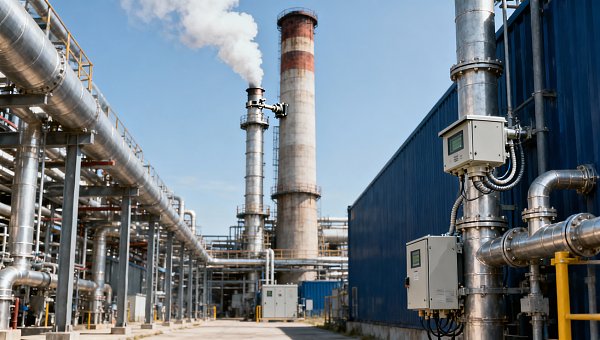
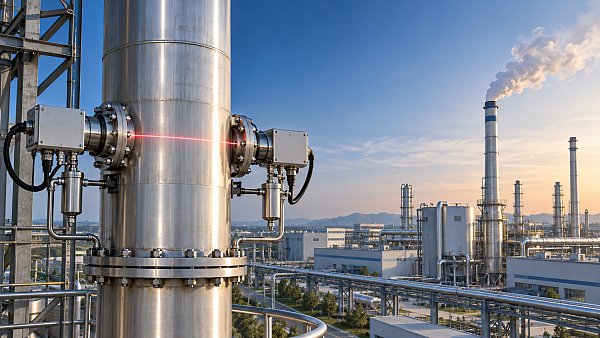
In hazardous production environments, analysis is never just about data quality. A single electrical fault, hot surface, or stored spark can turn routine measurement into an ignition source. That is why the intrinsically safe analyzer has become a practical priority across process industries, utilities, environmental monitoring, and specialized laboratory applications near classified zones.
For operations that depend on accurate composition, gas, or liquid analysis, safety design now sits alongside precision, uptime, and compliance. An intrinsically safe analyzer helps limit available electrical and thermal energy so that normal operation, and defined fault conditions, do not ignite a hazardous atmosphere. In real terms, it supports safer decisions, steadier production, and more confident risk control.
Why intrinsically safe analysis matters now
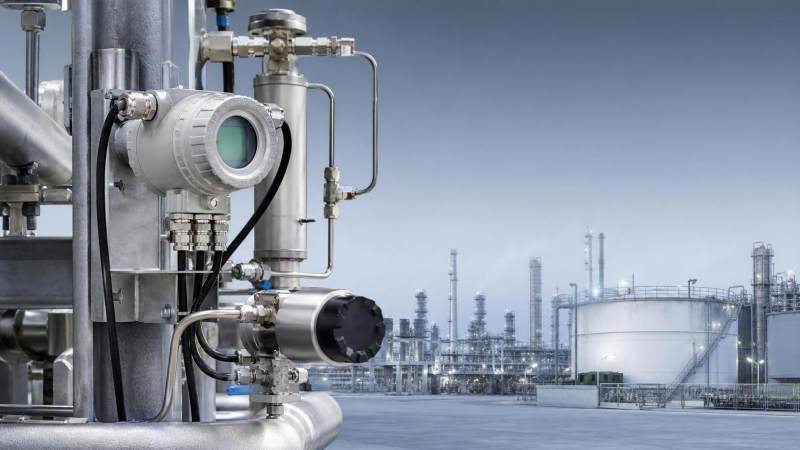
Industrial sites are becoming more connected, more automated, and more dependent on continuous measurement. At the same time, many plants still operate where flammable gas, vapor, mist, or dust can be present during normal work or upset conditions.
That creates a difficult balance. Teams need fast analytical feedback for quality, emissions, process control, and asset protection. They also need instrumentation that does not add ignition risk close to the point of measurement.
This is especially relevant in sectors tracked closely by Global Instrument Hub, where measurement is the backbone of automation. In chemical processing, oil and gas, power, pharmaceuticals, environmental systems, and advanced manufacturing, analysis often happens where hazardous zoning cannot be avoided.
An intrinsically safe analyzer is not simply a niche specification. It is part of a broader strategy for safe digitalization, field visibility, and compliance with ATEX, IECEx, and related site rules.
What an intrinsically safe analyzer really means
The core idea is straightforward. An intrinsically safe analyzer is designed so the energy available in its circuits remains below the level required to ignite a hazardous atmosphere.
That safety concept is different from explosion-proof or flameproof protection. Those methods contain an internal explosion. Intrinsic safety tries to prevent ignition from happening in the first place.
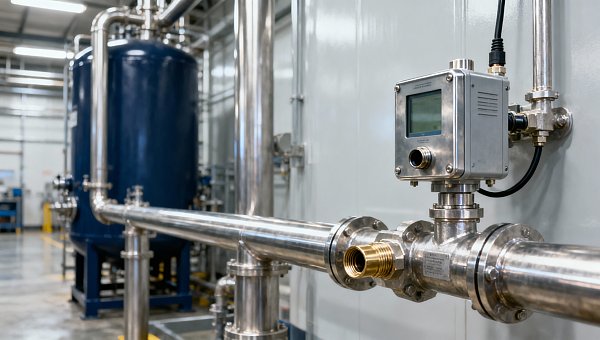
In practice, this involves careful control of voltage, current, capacitance, inductance, temperature rise, wiring interfaces, barriers, and grounding arrangements. The analyzer itself is only one part of the loop. Sensors, power supplies, signal isolators, cables, and associated apparatus all affect compliance.
For that reason, an intrinsically safe analyzer should be understood as a system decision, not just a device label. A certified enclosure alone does not guarantee intrinsic safety if the surrounding architecture is wrong.
How it differs from standard field analysis
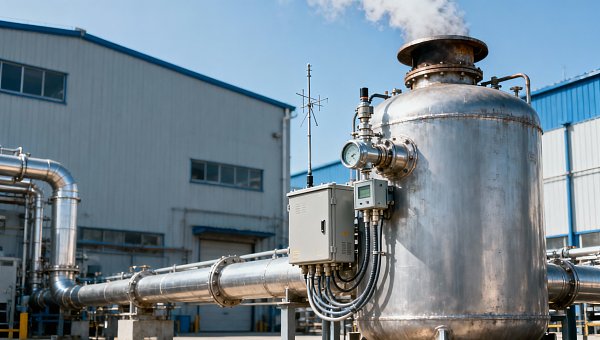
A conventional analyzer may perform well in a safe room or sheltered cabinet. The same unit can become unsuitable when installed in Zone 1, Zone 2, or dust-classified locations without the right protection concept.
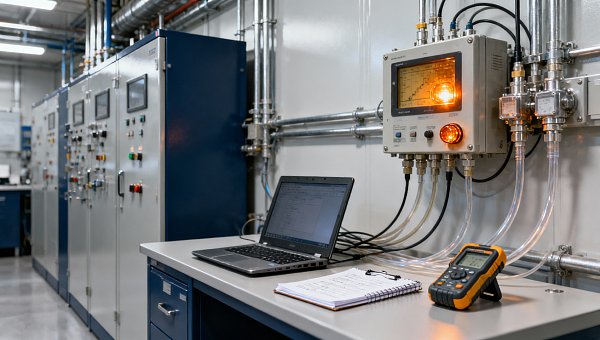
An intrinsically safe analyzer is selected and integrated with hazardous area constraints in mind. That affects maintenance procedures, calibration methods, loop design, and even how technicians connect handheld tools.
Where these analyzers fit in real operations
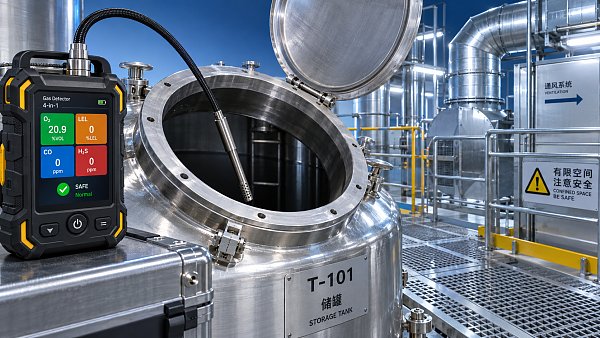
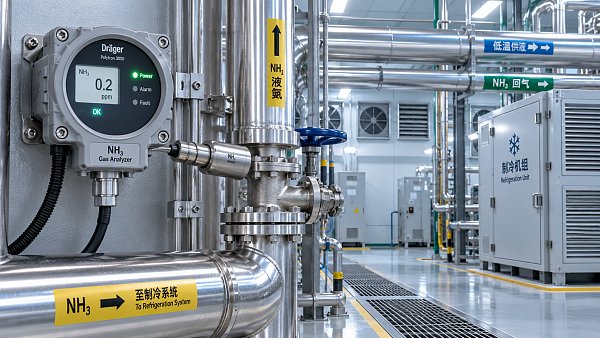
The use cases are broader than many teams expect. Gas detection is the most familiar example, but the same logic applies to many process and environmental measurements.
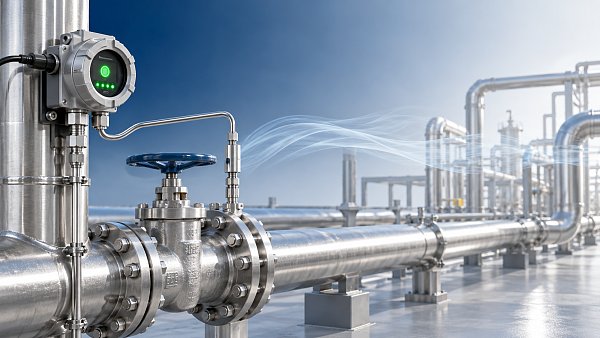
From an operations perspective, the appeal is clear. Placing the right analyzer closer to the process can shorten response times, reduce manual sampling exposure, and improve the quality of control decisions.
The risk reduction value goes beyond certification
Certification matters, but day-to-day value comes from how the analyzer supports safer workflows. An intrinsically safe analyzer can reduce the need for workaround practices that often introduce hidden risk.
For example, moving samples long distances to a safe area may delay decisions and expose personnel during collection. Using non-suitable instruments with temporary barriers may create documentation gaps or maintenance confusion. In contrast, a correctly specified intrinsically safe analyzer can simplify the operating model.
This matters for quality as much as safety. When measurements are timely and trustworthy, deviation handling becomes faster. Alarm response improves. Product consistency is easier to defend during audits or incident reviews.
That link between measurement integrity and risk control is central to the instrumentation view promoted by GIH. Data has value only when it is both accurate and obtained within a safe, reliable measurement architecture.
What to check before selecting an intrinsically safe analyzer
Selection should start with the hazard, not the catalog. A technically strong analyzer can still be the wrong choice if the site classification, gas group, temperature class, or loop configuration do not match.
- Confirm the hazardous area classification, including zone, gas or dust group, and ambient temperature conditions.
- Review the certification basis, such as ATEX or IECEx, and confirm the exact model and accessory scope.
- Check entity parameters and loop compatibility, not only the analyzer nameplate.
- Evaluate measurement performance under field conditions, including vibration, moisture, corrosive exposure, and sample variability.
- Look at calibration access, maintenance intervals, spare parts, and how shutdown-free service will be managed.
- Verify digital integration needs, especially if data will feed DCS, PLC, historian, or predictive maintenance platforms.
It is also worth checking documentation quality. Clear drawings, installation instructions, and traceable certificates often make the difference between a smooth approval process and a delayed project.
Questions that often uncover hidden issues
- Will the analyzer remain compliant after field modifications or accessory changes?
- How will sampling lines, probes, or conditioning components affect the protection concept?
- Can maintenance teams calibrate or diagnose the unit without creating temporary unsafe conditions?
- Does the supplier support long-term documentation, recertification needs, and replacement planning?
Common mistakes in deployment
Many problems arise after purchase, not before. The most common issue is assuming the intrinsically safe analyzer remains compliant regardless of installation details.
Another mistake is treating safety and analytical performance as separate conversations. A unit that meets hazardous area rules but struggles with sample conditioning, drift, or response time may still fail the business case.
Documentation gaps are also costly. Missing loop calculations, unclear cable specifications, and incomplete maintenance records can create audit findings and complicate incident investigation.
Finally, some projects focus only on initial certification and overlook lifecycle support. Hazardous area equipment needs disciplined change control, competent servicing, and reliable sourcing over time.
A practical way to move forward
A useful next step is to map each hazardous measurement point against five factors: area classification, analyte, response-time requirement, maintenance access, and digital integration. That simple review often shows where an intrinsically safe analyzer is justified, where another protection concept fits better, and where the real bottleneck is sample handling rather than the analyzer itself.
For organizations comparing suppliers or planning upgrades, it helps to build a short evaluation matrix that includes certification scope, analytical accuracy, lifecycle support, and documentation quality. This is where industry intelligence becomes valuable.
GIH’s perspective is especially relevant here because analyzer decisions rarely stand alone. They sit inside larger automation, compliance, and sourcing strategies. Better decisions come from connecting technical fit, regulatory confidence, and supply chain reliability.
When hazardous area analysis is reviewed through that broader lens, the intrinsically safe analyzer stops being a narrow specification item. It becomes part of a safer measurement architecture, one that protects people, supports stable production, and keeps critical data trustworthy where it matters most.
Recommended for You
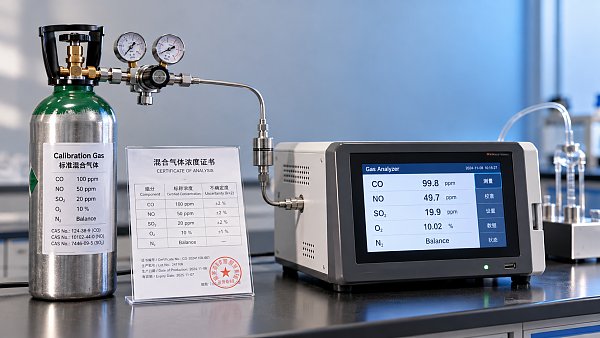
 What tolerance does a custom gas mixture need for calibration?Choose the right custom gas tolerance for calibration. Learn how blending tolerance, certified uncertainty, and stability affect accuracy—and avoid paying for precision you don’t need.
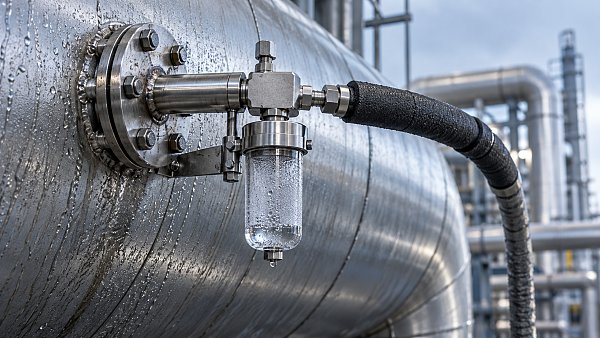
 How condensation affects stack detector readings in wet flue gasStack detector readings can drift when wet flue gas condenses. Learn how to identify moisture interference, prevent sample losses, and improve emissions monitoring reliability.
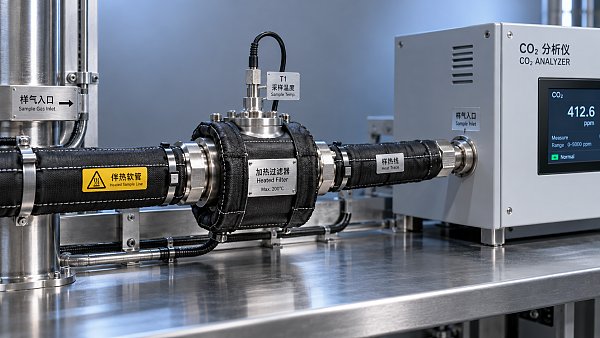
 How to prevent condensation in a CO2 analyzer sampling systemPrevent condensation in your CO2 analyzer sampling system. Learn how to control dew point, eliminate cold spots, and manage moisture for reliable readings and fewer costly disruptions.
 How to verify accuracy claims for industrial quality analyzersVerify accuracy claims for industrial quality analyzers with calibration checks, independent testing, and clear acceptance criteria. Learn how to reduce risk and buy with confidence.
 How to calculate cooling loads for an industrial analyzer shelterSize industrial analyzer shelter cooling with confidence. Learn to calculate equipment heat, solar gains, and ventilation loads, then select HVAC capacity for reliable analyzer performance.
 How Much Does a Complete CEMS Integration Project Typically Cost?How much does a complete CEMS integration project typically cost? Explore budget ranges, hidden installation costs, and compliance needs to compare quotes and plan confidently.
 What Is the Typical Response Time for Industrial Air Monitors?What is the typical response time for industrial air monitors? Explore T90, sampling delays, and alarm settings to compare performance and choose the right monitor with confidence.
 Do Regulatory Monitoring Systems Need Third-Party Certification?Do regulatory monitoring systems need third-party certification? Learn when it is required, what certificates prove, and how to verify compliance before buying.
 How Do You Choose Wired or Wireless for Stack Monitoring?Learn how to choose between wired and wireless for stack monitoring. Compare reliability, lifecycle costs, and data recovery to find the right CEMS setup for your site.
 What Happens When Combustible Gas Sensor Calibration Is Overdue?What happens if combustible gas sensor is not recalibrated on time? Discover the risks of inaccurate readings and missed alarms, plus steps to restore reliable protection.
 Can One Multi-Gas Detector Replace Four Separate Analyzers?Find out: can a single multi-gas detector replace four separate analyzers? Compare accuracy, safety, compliance, and lifetime costs to make a confident buying decision.
 Industrial Safety vs. Emission Monitoring: What Are the Differences?What are the main differences between industrial safety and emission monitoring? Compare goals, sensors, response times, and compliance needs to choose the right systems for your facility.
 Is Remote Monitoring Worth the Cost for Small Emission Sources?Is it worth investing in remote monitoring for small emission sources? Compare costs, compliance needs, and potential savings to choose the right solution for your operation.
 How Do You Handle Analyzer Failure During an Environmental Audit?Learn how to handle analyzer failure during environmental compliance audit procedures. Protect evidence, verify data, and restore monitoring with this practical response guide.
 Do VOC Monitors Require Explosion-Proof Certification?Does VOC monitoring require explosion-proof certification? Learn when approval is needed, compare ATEX and IECEx, and choose the right monitor for your site.
 How sample conditioning affects accuracy in petrochemical analyzersImprove accuracy in petrochemical analyzers with smarter sample conditioning. Discover how phase control, filtration, and transport design prevent bias and deliver reliable process data.
 How to troubleshoot sensor drift in industrial gas detectorsIndustrial gas detectors showing sensor drift? Learn how to verify calibration gas, identify root causes, and determine when sensor replacement is needed for reliable monitoring.
 How to judge whether a competitive price reflects real valueCompetitive Price: learn how to compare scope, compliance, performance, and lifecycle costs to identify real value, reduce risk, and make smarter purchasing decisions.
 When custom gas analysis is the right fit for complex process streamsCustom gas analysis for complex process streams: learn when tailored sampling, interference control, and reliable measurement design deliver confident decisions.
 When does a laser gas analyzer meet stack emissions monitoring needs?Laser gas analyzer for stack emissions: learn when it delivers fast, reliable data, how to assess installation risks, and what to verify for CEMS compliance.
 How to select a hazardous gas analyzer for confined spacesHazardous gas analyzer selection for confined spaces: compare sensors, sampling, certifications, alarms, and maintenance to protect workers and choose with confidence.
 When is a single gas analyzer sufficient for workplace safety monitoring?Discover when a single gas analyzer delivers reliable workplace safety monitoring, and learn the key limits, calibration needs, and risks that require broader detection.
 How to choose an ambient gas analyzer for low-level leak detectionAmbient gas analyzer selection for low-level leak detection: compare sensitivity, cross-sensitivity, sampling design, alarms, and calibration for reliable site performance.
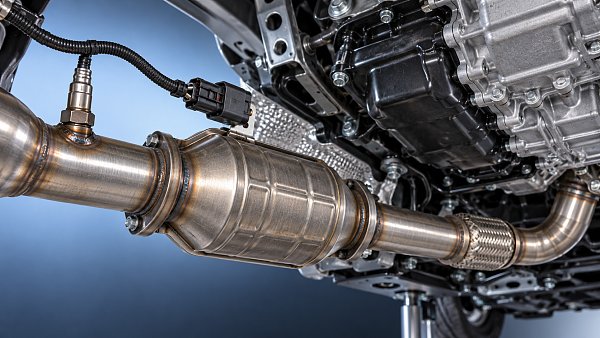
 How to tell when an oxygen sensor needs replacementOxygen sensor replacement signs explained: learn how live data, fault codes, wiring checks, and exhaust inspections pinpoint the real issue before you buy.
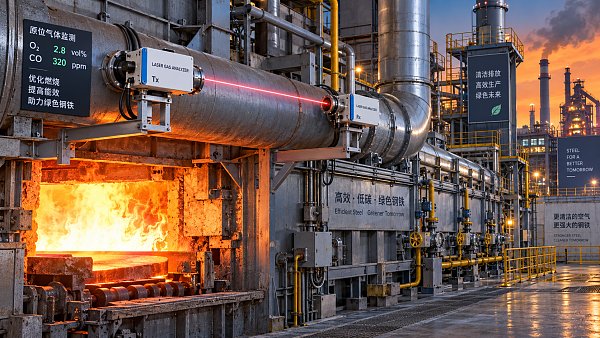
 How laser gas analyzers improve combustion control in steel furnacesLaser gas analyzer for steel industry applications delivers fast in-situ O₂ and CO data to optimize furnace combustion, cut fuel waste, and improve steel heating stability.
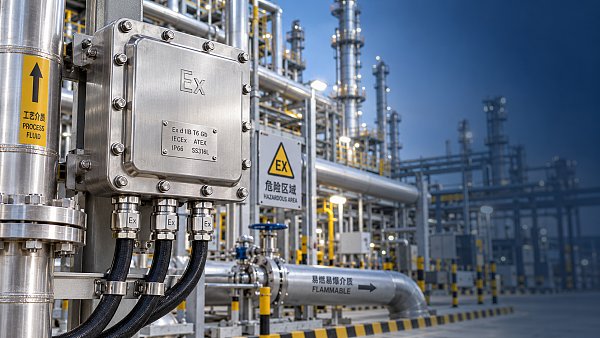
 How to verify whether explosion proof equipment meets site requirementsExplosion proof equipment verification made practical: match zones, gas or dust groups, temperature classes, certificates, and installation conditions for confident compliance.
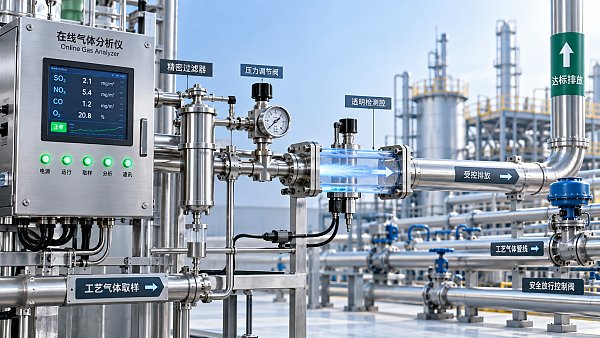
 How industrial gas analysis helps detect contamination before releaseIndustrial Gas Analysis helps detect moisture, oil, oxygen, and toxic contaminants before release—protecting processes, ensuring compliance, and reducing costly risks.
 When is electrochemistry detection the right choice for water analysis?Electrochemistry detection for water analysis: learn when fast, reliable monitoring of ions, chlorine, pH, and more delivers actionable results.
 How industrial standards reduce quality risks in supplier selectionIndustrial Standard guidance helps quality and safety managers reduce supplier risks, verify compliance, strengthen traceability, and build resilient instrumentation supply chains.
 When does a multi-component system reduce installation complexity?Multi component systems reduce installation complexity when they eliminate field interfaces, streamline commissioning, and provide proven compatibility. Learn how to assess total cost and supplier accountability.
 How to size an industrial control shelter for outdoor equipmentIndustrial control shelter sizing guide: optimize layout, HVAC, access, safety, and expansion space for reliable outdoor equipment operations.
 How flue analysis helps verify combustion efficiencyFlue analysis verifies combustion efficiency by assessing O2, CO, CO2, and stack temperature to identify excess air, incomplete combustion, and heat losses.
Search Categories
Search Categories
- Smart Meters & Power Quality
- Transformer Gas Analyzers
- BESS Thermal Runaway Detectors
- Energy, Power & Smart Grid Monitoring
- Optical Profilers & CMM
- Ultrasonic & X-Ray NDT
- Calibration Standards
- Precision Metrology & NDT
- Water Quality Analyzers
- CEMS & VOCs Monitors
- Price Trends
- Import & Export Updates
- Market Trends
- Industry News
- Industry Insights
Latest Article
- What tolerance does a custom gas mixture need for calibration?Choose the right custom gas tolerance for calibration. Learn how blending tolerance, certified uncertainty, and stability affect accuracy—and avoid paying for precision you don’t need.Posted by:
- How condensation affects stack detector readings in wet flue gasStack detector readings can drift when wet flue gas condenses. Learn how to identify moisture interference, prevent sample losses, and improve emissions monitoring reliability.Posted by:
- How to prevent condensation in a CO2 analyzer sampling systemPrevent condensation in your CO2 analyzer sampling system. Learn how to control dew point, eliminate cold spots, and manage moisture for reliable readings and fewer costly disruptions.Posted by:
Please give us a message
