
How to Compare Biogas Analyzers for Stable Digester Performance


How to Compare Biogas Analyzers for Stable Digester Performance
Choosing among biogas analyzers is not just about specifications. It affects digester stability, gas quality, process safety, and long-term operating cost.
A useful comparison starts with process reality. You need to know what the analyzer must protect, what it must control, and what errors the site can tolerate.
That is why experienced teams compare biogas analyzers as operating tools, not just instruments. The right choice supports stable methane production and more predictable plant decisions.
Start With the Digester Risk Profile
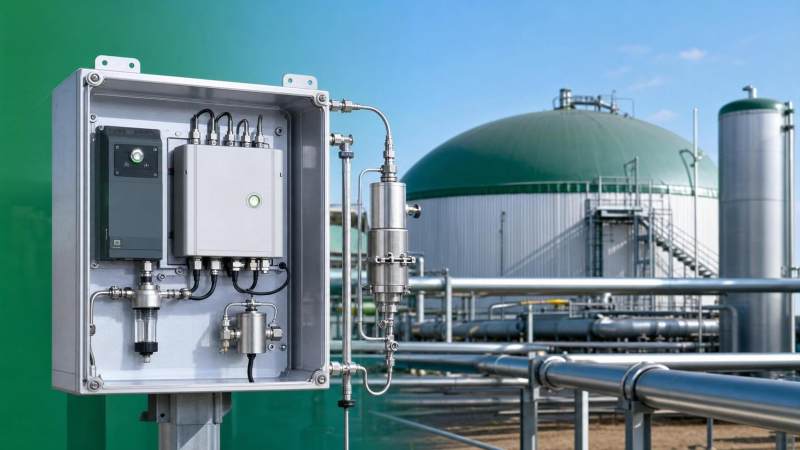
Before comparing models, define the plant conditions. A food waste digester behaves differently from a wastewater sludge system or an agricultural biogas unit.
Gas composition can shift quickly. Moisture, hydrogen sulfide, siloxanes, dust, and pressure fluctuations all influence analyzer performance.
This also means two biogas analyzers with similar brochures may perform very differently on site. The harsher the sample, the more important protection and sample conditioning become.
Build the comparison around five questions:
- Which gases matter for control and compliance?
- How fast do process changes need to be detected?
- How dirty or wet is the gas stream?
- Will the analyzer sit indoors, outdoors, or in hazardous zones?
- How much maintenance can the site actually support?
Without this frame, comparing biogas analyzers turns into a spec-sheet exercise. That usually leads to overbuying, under-protecting, or accepting hidden lifecycle cost.
Compare the Core Gas Measurement Set
Most biogas analyzers focus on methane and carbon dioxide first. That is logical, since these values drive energy yield and digester balance.
But stable operation usually requires more. Oxygen indicates air ingress. Hydrogen sulfide drives corrosion risk. Carbon monoxide may matter in some upgrading or safety cases.
When comparing biogas analyzers, check whether the gas list matches your decisions. A broader gas panel is only valuable if it changes action at the plant.
Key measurement points to review
- Methane range and accuracy across expected operating conditions
- Carbon dioxide stability during process swings
- Low-level oxygen detection sensitivity
- Hydrogen sulfide range, overload tolerance, and recovery time
- Optional channels for hydrogen, carbon monoxide, or balance gas
Pay attention to cross-sensitivity. Some sensor technologies drift when moisture or interfering gases rise. In biogas service, that is not a minor detail.
A practical rule helps here. Buy measurement capability that improves control decisions, not just instrument complexity.
Look Beyond Accuracy to Response and Stability
Accuracy matters, but it is not the full story. Biogas analyzers must also respond quickly enough to process change and stay stable between calibrations.
A slow analyzer can hide early instability. By the time methane drops or oxygen rises on screen, the digester may already be drifting.
Review these performance factors together:
- Response time from sampling to displayed result.
- Repeatability during normal daily operation.
- Zero and span drift over time.
- Warm-up time after shutdown or service.
- Recovery speed after high hydrogen sulfide exposure.
This is where many comparisons become more realistic. A slightly less precise analyzer with better stability may deliver better plant control than a delicate high-accuracy unit.
In actual operations, decision quality often depends on consistent trending. Stable data beats impressive laboratory numbers that collapse in field conditions.
Evaluate Sensor Technology and Sample Handling Together
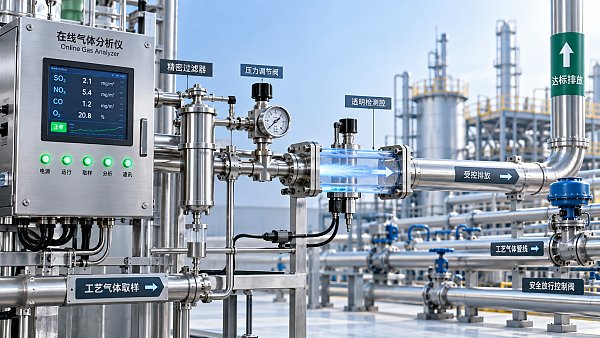
Biogas analyzers are not just sensors in a box. Their real performance comes from the interaction between sensing method and sample handling design.
Infrared measurement is common for methane and carbon dioxide. Electrochemical cells often handle oxygen and hydrogen sulfide. Each technology brings strengths and limits.
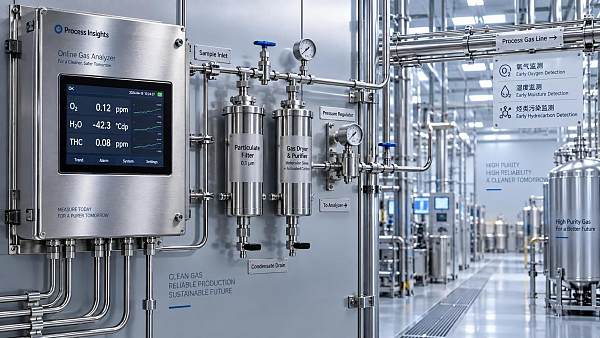
The important point is whether the sample reaches the sensor in usable condition. Wet gas, condensate, and particulate loading can undermine otherwise solid biogas analyzers.
Check the sample path carefully
- Condensate removal approach
- Filter type and replacement interval
- Pump durability and flow stability
- Heated line or enclosure options
- Resistance to corrosion from hydrogen sulfide
This part deserves more attention than buyers usually give it. A robust sample system often determines whether biogas analyzers stay reliable after six months of field use.
Compare Maintenance Burden and Total Cost
Purchase price rarely tells the full cost story. Biogas analyzers can become expensive when calibration gas, sensor replacement, downtime, and service visits are added.
That is why maintenance planning should be part of the initial comparison. An analyzer that needs constant attention may not fit a lean operations team.
Review these cost drivers:
A lower-maintenance analyzer often wins over five years, even if the initial price is higher. That is especially true where service access is limited.
Check Data Integration and Operational Fit
Modern biogas analyzers should support more than local display. Their data should flow into the control environment that operators already use.
This matters more as plants push for tighter automation, better reporting, and cleaner troubleshooting. A disconnected analyzer creates blind spots and manual work.
Compare communication and usability items such as:
- Analog and digital outputs
- Modbus or other industrial protocols
- Alarm handling and event logs
- Trend history and export functions
- Remote diagnostics and firmware support
Also check the human side. Can technicians navigate calibration menus quickly? Can operators recognize a fault state without digging through manuals?
Biogas analyzers should fit the plant workflow. Good integration reduces both response delay and avoidable operator error.
Use a Practical Comparison Framework
When several options look similar, scoring helps. The goal is not to make selection rigid. It is to keep tradeoffs visible and defensible.
A simple framework for comparing biogas analyzers can include these weighted areas:
- Measurement fit for required gases.
- Accuracy, drift, and response performance.
- Sample handling robustness in real biogas conditions.
- Maintenance effort and lifecycle cost.
- Data connectivity and control system fit.
- Vendor support, documentation, and parts availability.
From recent market shifts, one trend is clear. Buyers increasingly favor biogas analyzers that reduce intervention, simplify diagnostics, and tolerate unstable gas conditions.
That reflects a broader change in instrumentation purchasing. Decision teams now value uptime and data confidence as much as nominal measurement precision.
Final Selection Guidance
The best biogas analyzers are the ones that stay trustworthy under actual digester conditions. That usually means balanced performance, durable sampling, and manageable upkeep.
Avoid choosing on headline accuracy alone. Compare how each option handles moisture, sulfur load, calibration intervals, alarm visibility, and integration into plant control.
A strong evaluation ends with a short field-based shortlist. Test the leading biogas analyzers against your real gas profile, maintenance limits, and operational priorities.
That approach supports more stable digester performance, cleaner energy output, and a selection decision that still looks correct after installation.
Recommended for You
 How sample conditioning affects accuracy in petrochemical analyzersImprove accuracy in petrochemical analyzers with smarter sample conditioning. Discover how phase control, filtration, and transport design prevent bias and deliver reliable process data.
 How to troubleshoot sensor drift in industrial gas detectorsIndustrial gas detectors showing sensor drift? Learn how to verify calibration gas, identify root causes, and determine when sensor replacement is needed for reliable monitoring.
 How to judge whether a competitive price reflects real valueCompetitive Price: learn how to compare scope, compliance, performance, and lifecycle costs to identify real value, reduce risk, and make smarter purchasing decisions.
 When custom gas analysis is the right fit for complex process streamsCustom gas analysis for complex process streams: learn when tailored sampling, interference control, and reliable measurement design deliver confident decisions.
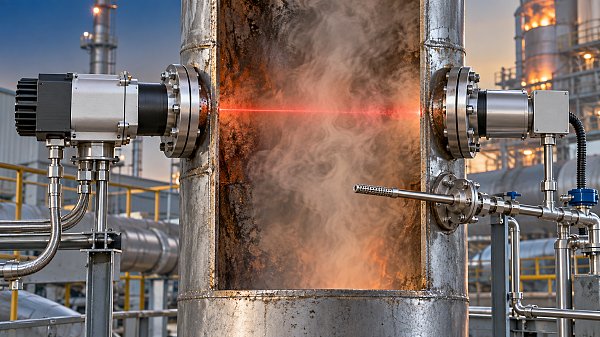
 When does a laser gas analyzer meet stack emissions monitoring needs?Laser gas analyzer for stack emissions: learn when it delivers fast, reliable data, how to assess installation risks, and what to verify for CEMS compliance.
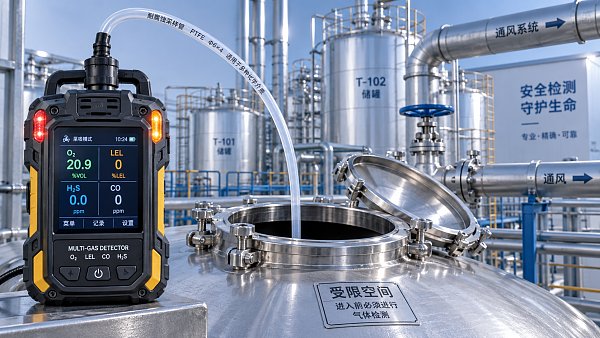
 How to select a hazardous gas analyzer for confined spacesHazardous gas analyzer selection for confined spaces: compare sensors, sampling, certifications, alarms, and maintenance to protect workers and choose with confidence.
 When is a single gas analyzer sufficient for workplace safety monitoring?Discover when a single gas analyzer delivers reliable workplace safety monitoring, and learn the key limits, calibration needs, and risks that require broader detection.
 How to choose an ambient gas analyzer for low-level leak detectionAmbient gas analyzer selection for low-level leak detection: compare sensitivity, cross-sensitivity, sampling design, alarms, and calibration for reliable site performance.
 How to tell when an oxygen sensor needs replacementOxygen sensor replacement signs explained: learn how live data, fault codes, wiring checks, and exhaust inspections pinpoint the real issue before you buy.
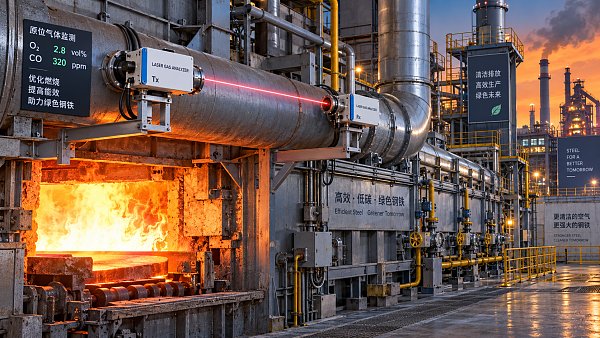
 How laser gas analyzers improve combustion control in steel furnacesLaser gas analyzer for steel industry applications delivers fast in-situ O₂ and CO data to optimize furnace combustion, cut fuel waste, and improve steel heating stability.
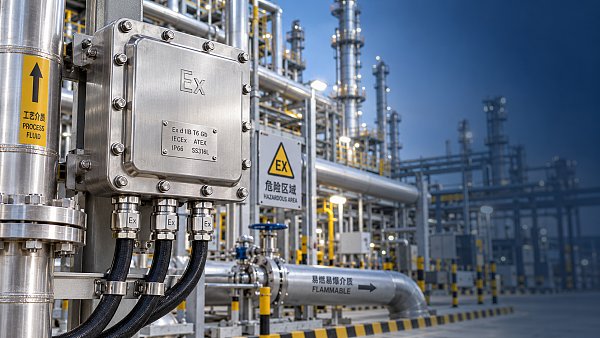
 How to verify whether explosion proof equipment meets site requirementsExplosion proof equipment verification made practical: match zones, gas or dust groups, temperature classes, certificates, and installation conditions for confident compliance.
 How industrial gas analysis helps detect contamination before releaseIndustrial Gas Analysis helps detect moisture, oil, oxygen, and toxic contaminants before release—protecting processes, ensuring compliance, and reducing costly risks.
 When is electrochemistry detection the right choice for water analysis?Electrochemistry detection for water analysis: learn when fast, reliable monitoring of ions, chlorine, pH, and more delivers actionable results.
 How industrial standards reduce quality risks in supplier selectionIndustrial Standard guidance helps quality and safety managers reduce supplier risks, verify compliance, strengthen traceability, and build resilient instrumentation supply chains.
 When does a multi-component system reduce installation complexity?Multi component systems reduce installation complexity when they eliminate field interfaces, streamline commissioning, and provide proven compatibility. Learn how to assess total cost and supplier accountability.
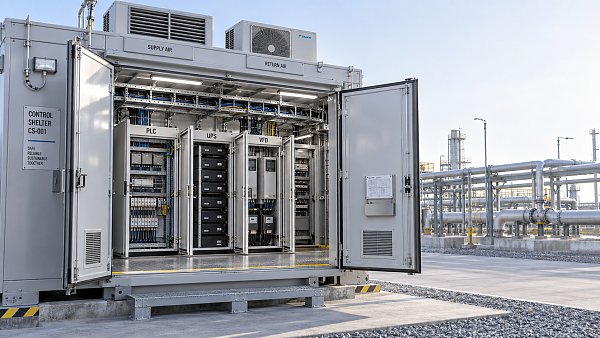
 How to size an industrial control shelter for outdoor equipmentIndustrial control shelter sizing guide: optimize layout, HVAC, access, safety, and expansion space for reliable outdoor equipment operations.
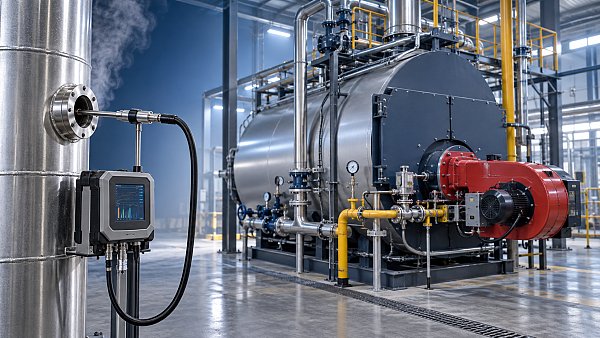
 How flue analysis helps verify combustion efficiencyFlue analysis verifies combustion efficiency by assessing O2, CO, CO2, and stack temperature to identify excess air, incomplete combustion, and heat losses.
 How to select industrial gas detectors for confined spacesIndustrial gas detectors for confined spaces: learn how to match sensors, sampling methods, alarms, and certifications to real atmospheric hazards.
 When does a laser oxygen analyzer outperform zirconia sensors?Laser oxygen analyzer vs. zirconia sensors: compare speed, selectivity, maintenance, gas chemistry, and installation needs to choose the right oxygen measurement solution.
 How to select a percent range analyzer for process measurementsPercent range analyzer selection made practical: compare accuracy, sample systems, calibration, gas matrix, integration, and lifecycle cost for reliable process measurements.
 How explosion proof analysis verifies safe equipment for hazardous areasExplosion proof analysis verifies hazardous-area equipment by matching certifications, temperature ratings, installation details, and inspection controls for safer compliance.
 When does fixed gas detection need point sensors instead of open-path monitoring?Fixed gas detection: discover when point sensors outperform open-path monitoring for predictable leaks, enclosed zones, local alarms, and safer design decisions.
 How to choose industrial metrology systems for tight-tolerance partsIndustrial metrology guide for tight-tolerance parts: compare CMMs, optical scanners, gauges, uncertainty, workflow, and traceable inspection strategies.
 How process metrology reduces measurement variation in productionProcess metrology reduces production measurement variation by improving traceability, uncertainty control, calibration, and reliable quality decisions.
 How to select an industrial monitoring analyzer for harsh environmentsIndustrial monitoring analyzer selection for harsh environments: evaluate sampling, durability, hazardous-area compliance, accuracy, maintenance, and data reliability.
 How calibration intervals affect test and measurement equipment accuracyTest and measurement equipment calibration intervals directly affect accuracy, risk, compliance, and uptime. Learn how to set evidence-based schedules that protect critical decisions.
 When does process gas monitoring need continuous measurement?Process gas monitoring needs continuous measurement when rapid changes threaten safety, quality, compliance, or uptime. Learn how to specify reliable, actionable monitoring systems.
 How to prevent false alarms in power plant instrumentationPower plant instrumentation guide: prevent false alarms with reliable signal checks, smarter alarm settings, mode-based control, and actionable operator responses.
 How fixed gas detectors help prevent leaks in enclosed workspacesFixed gas detectors provide continuous leak monitoring in enclosed workspaces, enabling faster alarms, safer responses, and stronger protection for people and processes.
 How industrial gas analysis helps detect process contamination earlyIndustrial Gas Analysis helps detect oxygen, moisture, and hydrocarbon contamination early, enabling faster fault isolation, safer operations, and stronger process control.
 What drives environmental compliance continuous monitoring setup cost?Environmental compliance continuous monitoring setup cost: uncover hidden expenses, compare bids accurately, and build a reliable, audit-ready system.
 How to select gas analysis equipment for continuous emissions monitoringGas analysis equipment selection guide for reliable continuous emissions monitoring—compare technologies, sampling, calibration, compliance, and maintenance needs.


Search Categories
Search Categories
- Smart Meters & Power Quality
- Transformer Gas Analyzers
- BESS Thermal Runaway Detectors
- Energy, Power & Smart Grid Monitoring
- Optical Profilers & CMM
- Ultrasonic & X-Ray NDT
- Calibration Standards
- Precision Metrology & NDT
- Water Quality Analyzers
- CEMS & VOCs Monitors
- Price Trends
- Import & Export Updates
- Market Trends
- Industry News
- Industry Insights
Latest Article
- How sample conditioning affects accuracy in petrochemical analyzersImprove accuracy in petrochemical analyzers with smarter sample conditioning. Discover how phase control, filtration, and transport design prevent bias and deliver reliable process data.Posted by:
- How to troubleshoot sensor drift in industrial gas detectorsIndustrial gas detectors showing sensor drift? Learn how to verify calibration gas, identify root causes, and determine when sensor replacement is needed for reliable monitoring.Posted by:
- How to judge whether a competitive price reflects real valueCompetitive Price: learn how to compare scope, compliance, performance, and lifecycle costs to identify real value, reduce risk, and make smarter purchasing decisions.Posted by:
Please give us a message
