
Clean Technology Trends Shaping Industrial Upgrades in 2026


Why Clean Technology Is Defining Industrial Upgrades in 2026
Industrial upgrades in 2026 are no longer centered only on output, speed, or asset replacement.
Clean Technology is now tied to energy discipline, emissions visibility, safer operations, and stronger control over production risk.
That shift matters because industrial plants face tighter compliance pressure, unstable energy costs, and rising expectations around traceability.
At the same time, digital transformation has made measurement quality more valuable than broad automation claims.
In practice, Clean Technology means combining efficient equipment, accurate instrumentation, connected monitoring, and actionable operating intelligence.
The real point is not image or messaging. It is whether a site can measure, control, verify, and improve its environmental and operational performance.
For sectors spanning manufacturing, energy, laboratories, construction, and environmental services, this is becoming a board-level modernization issue.
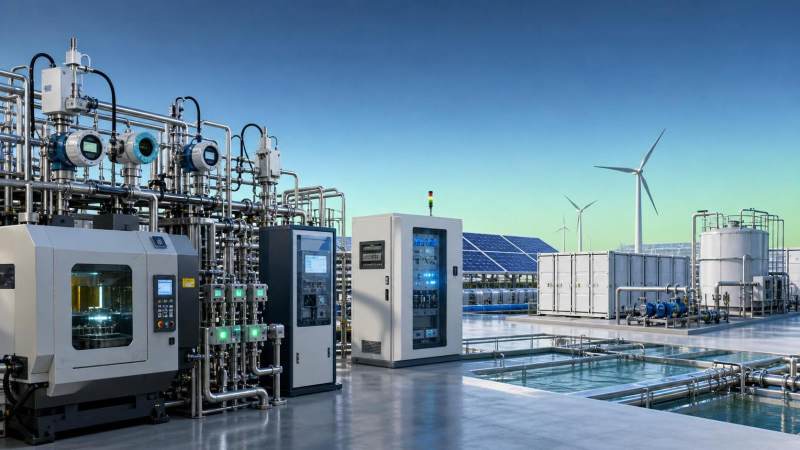
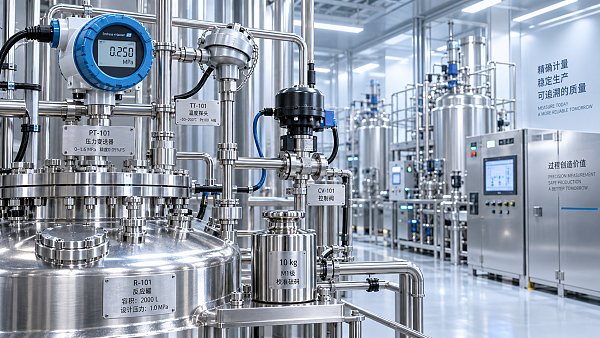
A useful way to read current Clean Technology trends is through the lens of instrumentation, since reliable upgrades depend on verified physical data.
Measurement Has Become the Core of Clean Performance
Many industrial strategies still describe sustainability at a high level, but execution happens at the sensor, analyzer, controller, and calibration level.
If flow is misread, energy balancing fails. If temperature drifts, process waste rises. If emissions data is weak, compliance confidence collapses.
This is where the instrumentation perspective becomes decisive.
Global Instrument Hub positions the instrumentation industry as the sensory and nervous system of modern industrial operations.
That framing is especially relevant to Clean Technology, because cleaner operations depend on what can be measured with precision and trusted over time.
Across high-pressure processing, power systems, water treatment, laboratories, and heavy manufacturing, the same rule keeps appearing.
What cannot be accurately measured cannot be efficiently controlled, audited, or improved.
That is why 2026 investment conversations are moving closer to transmitters, CEMS platforms, online analyzers, smart metering, and calibration integrity.
The Clean Technology Trends Getting the Most Attention
Several patterns are shaping upgrade decisions across industries, and they are more connected than they first appear.
From isolated efficiency projects to integrated control
Older improvement programs often targeted one machine, one boiler, or one utility line.
Current Clean Technology programs increasingly connect energy use, process control, maintenance, and emissions reporting in one architecture.
That favors plants using PLC and DCS environments with stronger data interoperability.
Real-time emissions and environmental monitoring
Continuous monitoring is replacing periodic estimation in more facilities.
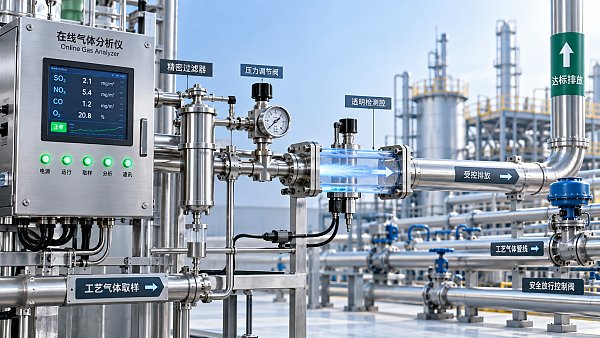
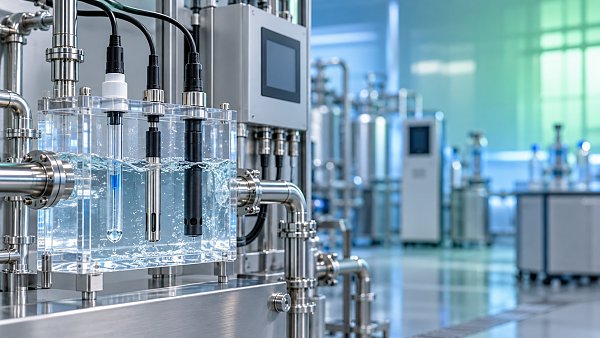
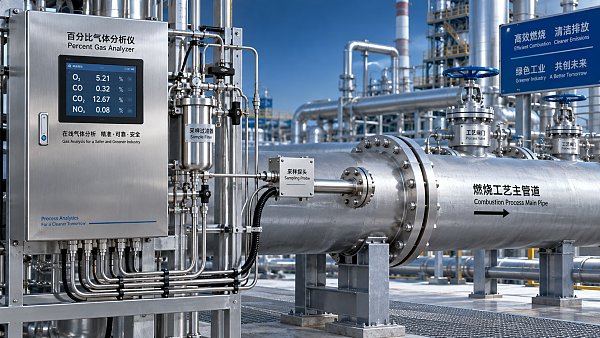
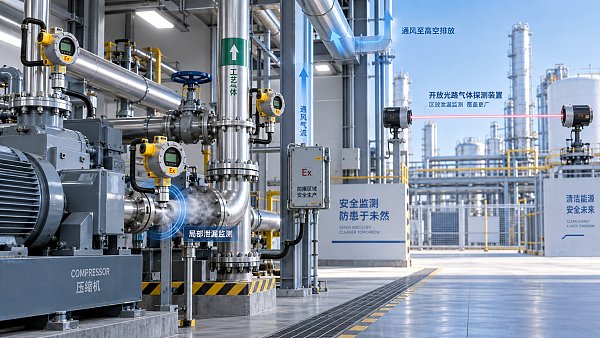
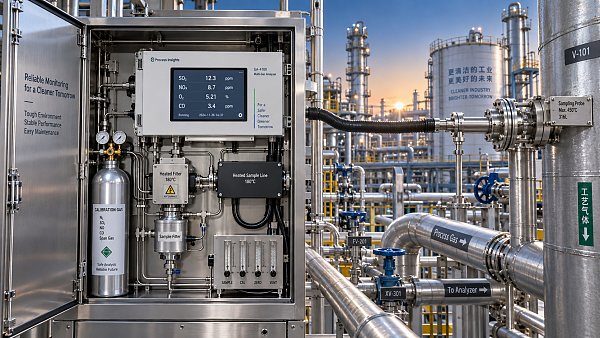
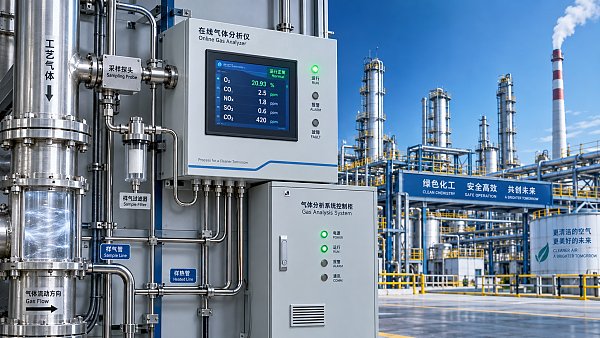
CEMS, online water quality analyzers, and air monitoring systems are becoming operational tools, not only reporting tools.
That change allows faster corrective action and reduces blind spots around environmental excursions.
Electrification with better power quality intelligence
Electrification can improve emissions performance, but it also introduces new monitoring needs.
Power quality analyzers, thermal monitoring, and storage diagnostics are becoming essential around smart grids, UHV systems, and battery assets.
Higher demand for compliance-grade data
Facilities are under pressure to prove data quality, not just provide numbers.
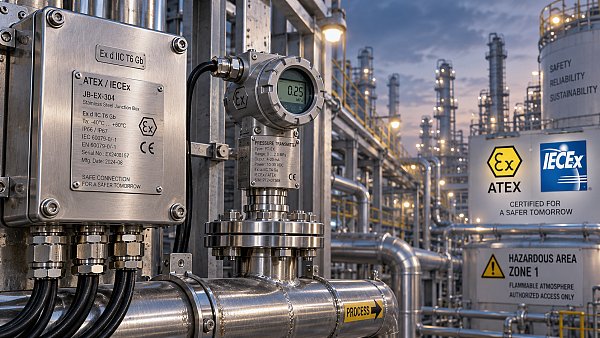
Standards such as ISO/IEC 17025, ATEX, IECEx, and sector-specific regulations increasingly affect technology selection and supplier trust.
Where Clean Technology Creates Business Value
Clean Technology is often discussed through climate language, but industrial value is usually captured through operating discipline.
The strongest cases tend to show measurable gains in cost, uptime, product consistency, and regulatory confidence.
The common thread is simple. Clean Technology delivers business value when it converts physical signals into dependable operating decisions.
How the Trend Looks Across Major Industrial Settings
The term is broad, so it helps to look at where Clean Technology is being applied differently.
Industrial process control
In process industries, upgrades focus on tighter control loops, leak reduction, heat recovery, and lower process variability.
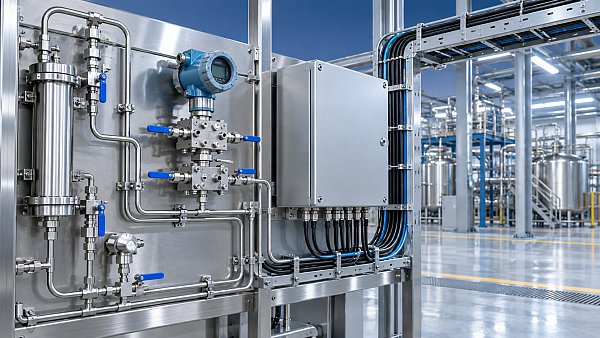
Smart transmitters and advanced control logic often produce more value than headline equipment replacement alone.
Environmental and ecological monitoring
Here, Clean Technology is tied to credible observation.
Online analyzers, remote telemetry, and data validation support faster response and stronger environmental accountability.
Precision metrology and calibration
This area is easy to underestimate.
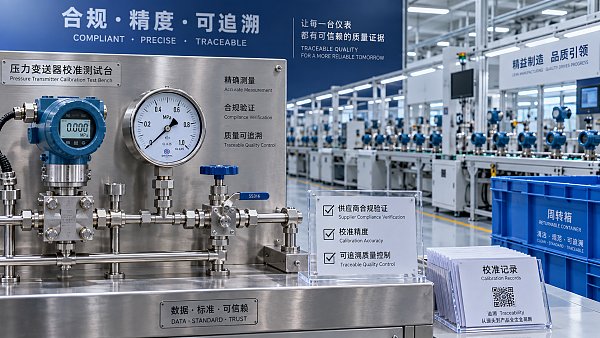
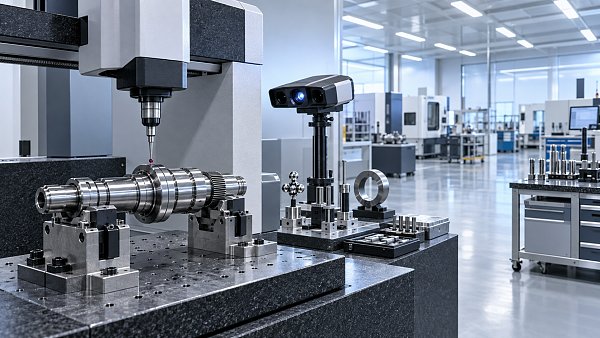
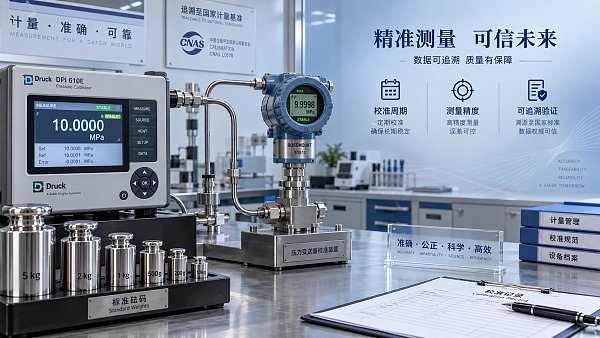
Yet many clean performance claims fail because measurement drift was ignored, tolerances were weak, or traceability was incomplete.
Energy and power systems
In grids, substations, and storage assets, cleaner infrastructure depends on thermal stability, fault prediction, and power quality insight.
Those are instrumentation-led problems before they become financial results.
What to Check Before Committing Capital
Not every Clean Technology proposal produces durable returns.
A useful evaluation framework should go beyond payback headlines and equipment brochures.
- Check whether the claimed benefit depends on accurate field data, then verify sensor quality and calibration pathways.
- Confirm integration with existing PLC, DCS, SCADA, or laboratory information systems.
- Review compliance exposure, especially where emissions, hazardous areas, or regulated testing environments are involved.
- Compare supplier depth, not only product availability, including documentation, certification support, and service response.
- Look for data that can support continuous optimization rather than one-time reporting.
- Assess whether the upgrade improves resilience during abnormal conditions, not only during ideal operating windows.
This is where curated intelligence becomes useful.
GIH’s supply chain and technical research model is relevant because many Clean Technology decisions fail at the supplier evaluation stage.
The issue is often not demand, but uncertainty around certification, performance reliability, and technical fit.
A Practical Reading of 2026 Priorities
The strongest industrial upgrades in 2026 will not treat Clean Technology as a separate sustainability layer.
They will treat it as an operating system for efficiency, compliance, and risk control.
That means starting with the physics of the site: what flows, what heats, what drifts, what emits, and what fails silently.
From there, the next step is to map which measurements are trusted, which are estimated, and which are missing entirely.
Once that picture is clear, technology choices become easier to rank.
Some sites will prioritize CEMS and water analytics. Others will focus on energy monitoring, smart control retrofits, or metrology upgrades.
The consistent advantage comes from building decisions on verified industrial intelligence rather than trend language alone.
A sensible next move is to review current measurement coverage, supplier credibility, and compliance sensitivity before setting the 2026 upgrade roadmap.
That approach turns Clean Technology from a broad ambition into a practical, high-confidence industrial program.
Recommended for You
 How sample conditioning affects accuracy in petrochemical analyzersImprove accuracy in petrochemical analyzers with smarter sample conditioning. Discover how phase control, filtration, and transport design prevent bias and deliver reliable process data.
 How to troubleshoot sensor drift in industrial gas detectorsIndustrial gas detectors showing sensor drift? Learn how to verify calibration gas, identify root causes, and determine when sensor replacement is needed for reliable monitoring.
 How to judge whether a competitive price reflects real valueCompetitive Price: learn how to compare scope, compliance, performance, and lifecycle costs to identify real value, reduce risk, and make smarter purchasing decisions.
 When custom gas analysis is the right fit for complex process streamsCustom gas analysis for complex process streams: learn when tailored sampling, interference control, and reliable measurement design deliver confident decisions.
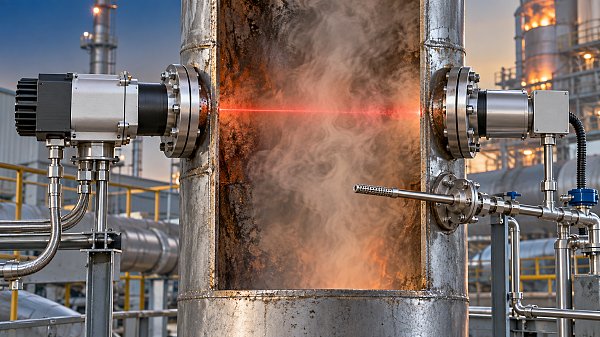
 When does a laser gas analyzer meet stack emissions monitoring needs?Laser gas analyzer for stack emissions: learn when it delivers fast, reliable data, how to assess installation risks, and what to verify for CEMS compliance.
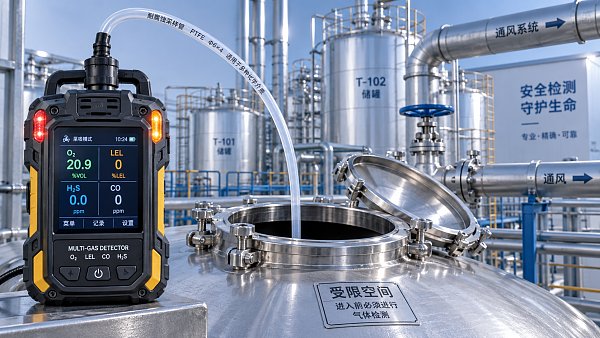
 How to select a hazardous gas analyzer for confined spacesHazardous gas analyzer selection for confined spaces: compare sensors, sampling, certifications, alarms, and maintenance to protect workers and choose with confidence.
 When is a single gas analyzer sufficient for workplace safety monitoring?Discover when a single gas analyzer delivers reliable workplace safety monitoring, and learn the key limits, calibration needs, and risks that require broader detection.
 How to choose an ambient gas analyzer for low-level leak detectionAmbient gas analyzer selection for low-level leak detection: compare sensitivity, cross-sensitivity, sampling design, alarms, and calibration for reliable site performance.
 How to tell when an oxygen sensor needs replacementOxygen sensor replacement signs explained: learn how live data, fault codes, wiring checks, and exhaust inspections pinpoint the real issue before you buy.
 How laser gas analyzers improve combustion control in steel furnacesLaser gas analyzer for steel industry applications delivers fast in-situ O₂ and CO data to optimize furnace combustion, cut fuel waste, and improve steel heating stability.
 How to verify whether explosion proof equipment meets site requirementsExplosion proof equipment verification made practical: match zones, gas or dust groups, temperature classes, certificates, and installation conditions for confident compliance.
 How industrial gas analysis helps detect contamination before releaseIndustrial Gas Analysis helps detect moisture, oil, oxygen, and toxic contaminants before release—protecting processes, ensuring compliance, and reducing costly risks.
 When is electrochemistry detection the right choice for water analysis?Electrochemistry detection for water analysis: learn when fast, reliable monitoring of ions, chlorine, pH, and more delivers actionable results.
 How industrial standards reduce quality risks in supplier selectionIndustrial Standard guidance helps quality and safety managers reduce supplier risks, verify compliance, strengthen traceability, and build resilient instrumentation supply chains.
 When does a multi-component system reduce installation complexity?Multi component systems reduce installation complexity when they eliminate field interfaces, streamline commissioning, and provide proven compatibility. Learn how to assess total cost and supplier accountability.
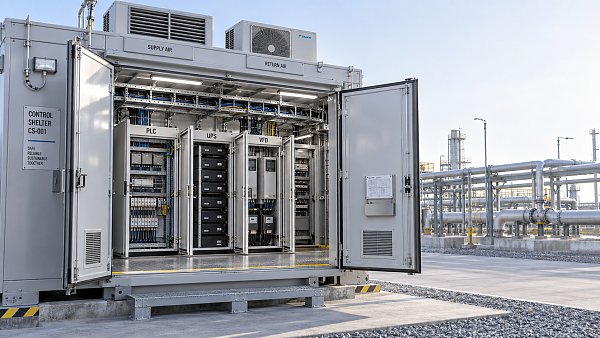
 How to size an industrial control shelter for outdoor equipmentIndustrial control shelter sizing guide: optimize layout, HVAC, access, safety, and expansion space for reliable outdoor equipment operations.
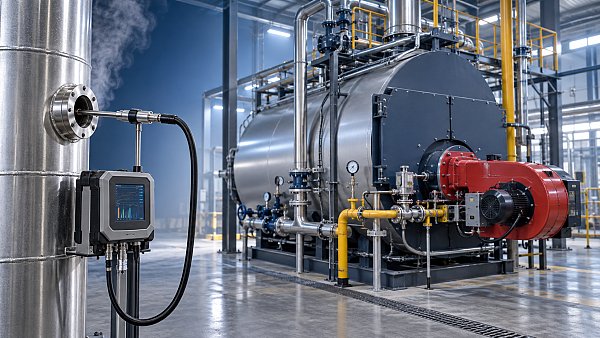
 How flue analysis helps verify combustion efficiencyFlue analysis verifies combustion efficiency by assessing O2, CO, CO2, and stack temperature to identify excess air, incomplete combustion, and heat losses.
 How to select industrial gas detectors for confined spacesIndustrial gas detectors for confined spaces: learn how to match sensors, sampling methods, alarms, and certifications to real atmospheric hazards.
 When does a laser oxygen analyzer outperform zirconia sensors?Laser oxygen analyzer vs. zirconia sensors: compare speed, selectivity, maintenance, gas chemistry, and installation needs to choose the right oxygen measurement solution.
 How to select a percent range analyzer for process measurementsPercent range analyzer selection made practical: compare accuracy, sample systems, calibration, gas matrix, integration, and lifecycle cost for reliable process measurements.
 How explosion proof analysis verifies safe equipment for hazardous areasExplosion proof analysis verifies hazardous-area equipment by matching certifications, temperature ratings, installation details, and inspection controls for safer compliance.
 When does fixed gas detection need point sensors instead of open-path monitoring?Fixed gas detection: discover when point sensors outperform open-path monitoring for predictable leaks, enclosed zones, local alarms, and safer design decisions.
 How to choose industrial metrology systems for tight-tolerance partsIndustrial metrology guide for tight-tolerance parts: compare CMMs, optical scanners, gauges, uncertainty, workflow, and traceable inspection strategies.
 How process metrology reduces measurement variation in productionProcess metrology reduces production measurement variation by improving traceability, uncertainty control, calibration, and reliable quality decisions.
 How to select an industrial monitoring analyzer for harsh environmentsIndustrial monitoring analyzer selection for harsh environments: evaluate sampling, durability, hazardous-area compliance, accuracy, maintenance, and data reliability.
 How calibration intervals affect test and measurement equipment accuracyTest and measurement equipment calibration intervals directly affect accuracy, risk, compliance, and uptime. Learn how to set evidence-based schedules that protect critical decisions.
 When does process gas monitoring need continuous measurement?Process gas monitoring needs continuous measurement when rapid changes threaten safety, quality, compliance, or uptime. Learn how to specify reliable, actionable monitoring systems.
 How to prevent false alarms in power plant instrumentationPower plant instrumentation guide: prevent false alarms with reliable signal checks, smarter alarm settings, mode-based control, and actionable operator responses.
 How fixed gas detectors help prevent leaks in enclosed workspacesFixed gas detectors provide continuous leak monitoring in enclosed workspaces, enabling faster alarms, safer responses, and stronger protection for people and processes.
 How industrial gas analysis helps detect process contamination earlyIndustrial Gas Analysis helps detect oxygen, moisture, and hydrocarbon contamination early, enabling faster fault isolation, safer operations, and stronger process control.
 What drives environmental compliance continuous monitoring setup cost?Environmental compliance continuous monitoring setup cost: uncover hidden expenses, compare bids accurately, and build a reliable, audit-ready system.
 How to select gas analysis equipment for continuous emissions monitoringGas analysis equipment selection guide for reliable continuous emissions monitoring—compare technologies, sampling, calibration, compliance, and maintenance needs.


Search Categories
Search Categories
- Smart Meters & Power Quality
- Transformer Gas Analyzers
- BESS Thermal Runaway Detectors
- Energy, Power & Smart Grid Monitoring
- Optical Profilers & CMM
- Ultrasonic & X-Ray NDT
- Calibration Standards
- Precision Metrology & NDT
- Water Quality Analyzers
- CEMS & VOCs Monitors
- Price Trends
- Import & Export Updates
- Market Trends
- Industry News
- Industry Insights
Latest Article
- How sample conditioning affects accuracy in petrochemical analyzersImprove accuracy in petrochemical analyzers with smarter sample conditioning. Discover how phase control, filtration, and transport design prevent bias and deliver reliable process data.Posted by:
- How to troubleshoot sensor drift in industrial gas detectorsIndustrial gas detectors showing sensor drift? Learn how to verify calibration gas, identify root causes, and determine when sensor replacement is needed for reliable monitoring.Posted by:
- How to judge whether a competitive price reflects real valueCompetitive Price: learn how to compare scope, compliance, performance, and lifecycle costs to identify real value, reduce risk, and make smarter purchasing decisions.Posted by:
Please give us a message
