
Percent Range Analyzer: How to Choose the Right Measurement Span


A percent range analyzer looks simple on paper, yet the chosen span shapes how trustworthy the final signal becomes. In process control, lab measurement, energy monitoring, and environmental analysis, range selection influences noise tolerance, alarm behavior, and long-term stability.
That is why the topic matters well beyond specification sheets. A measurement span that fits real operating conditions supports better control logic, cleaner data interpretation, and fewer field corrections after commissioning.
Across the instrumentation landscape followed by Global Instrument Hub, this issue appears repeatedly. Whether the task involves pressure, concentration, flow, thermal variation, or emissions tracking, the wrong span can hide useful resolution or create avoidable saturation.
Understanding what a percent range analyzer really evaluates
In practical terms, a percent range analyzer helps assess how much of a measurement system’s available span is being used by the real process. It connects instrument capacity with operating reality.
This matters because most instruments perform best within a meaningful portion of their calibrated range. If the active process signal occupies only a tiny fraction, sensitivity and confidence may decline.
If the signal frequently approaches the upper limit, another problem appears. Clipping, drift sensitivity, maintenance stress, and poor event discrimination can all become more likely.
A good percent range analyzer therefore is not just about maximum and minimum values. It is about usable span, process variability, expected disturbances, and the consequences of missing small but important changes.
Why measurement span has become a strategic issue
Digital transformation has raised expectations for measurement quality. Modern plants no longer collect data only for display. They use it for predictive maintenance, closed-loop control, compliance reporting, and cross-site benchmarking.
That shift makes span selection more visible. A poorly chosen percent range analyzer setting can distort trend quality, weaken analytics models, and trigger control actions based on low-value signal movement.
In high-risk sectors, the impact is even sharper. Chemical processing, power systems, life science validation, and emissions monitoring all depend on measurements that remain credible under changing loads and harsh conditions.
GIH often frames instrumentation as the sensory and nervous system of industrial operations. Seen from that perspective, the correct measurement span is not a detail. It is part of data truthfulness.
Where range mismatch usually causes trouble
Range mismatch often appears in familiar ways, although the root cause may stay hidden during early review. Looking at the pattern behind failures is usually more useful than focusing only on nominal specifications.
A percent range analyzer becomes valuable here because it reveals whether the installed measurement architecture reflects real operating envelopes rather than idealized design assumptions.
How to judge the right span in real operating conditions
The strongest evaluations start with operating data, not catalog limits. Normal load, transient behavior, shutdown patterns, and abnormal spikes should all be reviewed before fixing the measurement span.
Look beyond the normal average
Average values are rarely enough. A percent range analyzer should account for startup peaks, cleaning cycles, seasonal changes, and material variability. These conditions often decide whether the chosen span remains usable.
Match span to decision value
Not every fluctuation deserves equal attention. In some systems, tiny changes affect quality yield. In others, only larger deviations matter. The range should support the decision threshold that operations actually uses.
Consider environment and compliance
A span that works in a clean lab may fail in offshore platforms, hazardous areas, or high-temperature process loops. Environmental burden, calibration interval, and compliance requirements should shape range judgment early.
- Check real operating window versus design window.
- Review upset, maintenance, and cleaning conditions.
- Compare analyzer resolution with control objectives.
- Confirm alarm limits do not crowd the span edges.
- Verify calibration capability against required uncertainty.
Different sectors, different span priorities
The same percent range analyzer logic applies across industries, but the weighting changes. That is where context matters more than generic best practice.
Industrial process control
Process plants usually prioritize stable control and survivability during disturbances. A slightly broader span may be acceptable if it avoids saturation during pressure surges or flow swings.
Laboratory and life science systems
Here, small signal changes often matter more than large extremes. The percent range analyzer should emphasize fine discrimination, calibration traceability, and consistency with validated methods.
Environmental monitoring
Range selection must balance baseline sensitivity with episodic peaks. Emissions and water quality systems often need enough low-end clarity for compliance while still capturing transient excursions accurately.
Energy and smart grid applications
Load changes can be abrupt. Thermal events, power quality deviations, and battery behavior may require a percent range analyzer that captures both routine operating efficiency and fast anomalies.
What a stronger evaluation process looks like
A better range decision usually comes from combining technical review with supply-chain realism. Instrument capability, certification status, service support, and calibration infrastructure should be assessed together.
This is one reason industry intelligence matters. GIH’s coverage of metrology standards, hazardous certifications, and supplier capability can help separate nominal range claims from field-ready performance.
In practice, a percent range analyzer evaluation becomes more reliable when it includes three layers: measurement physics, process behavior, and lifecycle support. Ignoring any one of them creates blind spots.
- Measurement physics asks whether the span supports signal integrity.
- Process behavior checks whether real variability fits the selected window.
- Lifecycle support tests whether calibration and maintenance remain practical.
When those layers align, the chosen percent range analyzer is far more likely to deliver useful data instead of only acceptable documentation.
A practical next step for better range decisions
The next step is rarely to search for the widest possible range. It is to map actual operating boundaries, identify the most decision-critical signal zone, and test whether the selected span protects that zone.
It also helps to compare at least two span strategies: one based on nominal design data, and one based on observed field variation. The gap between them often exposes hidden risk.
For organizations reviewing instrumentation across multiple sites or suppliers, a repeatable percent range analyzer checklist can improve consistency. That creates cleaner data, more credible automation, and fewer surprises after deployment.
In the end, choosing the right measurement span is a way of protecting data truth. Once that principle is clear, better specification, better comparison, and better instrument decisions tend to follow.
Recommended for You
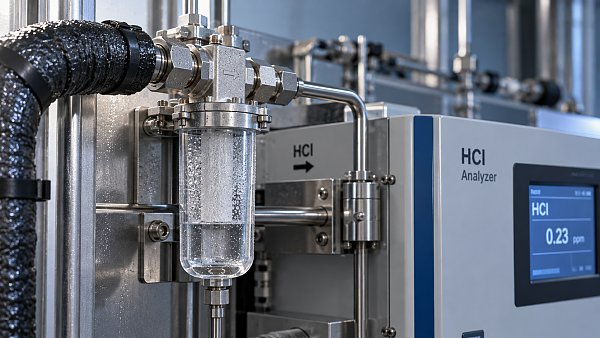
 How condensation affects HCl concentration analyzer accuracyHCl concentration analyzer accuracy can suffer when condensation traps HCl. Learn how to spot sampling losses, prevent low readings, and improve measurement reliability.
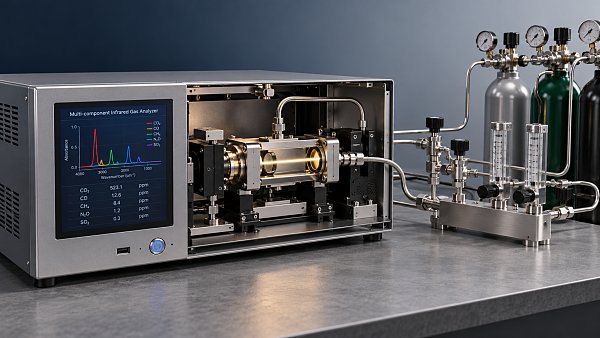
 How does cross-interference affect multi-component gas analyzers?How does cross-interference affect multi component gas analyzers? Explore measurement errors, compensation limits, and validation tips to choose the right system for your process.
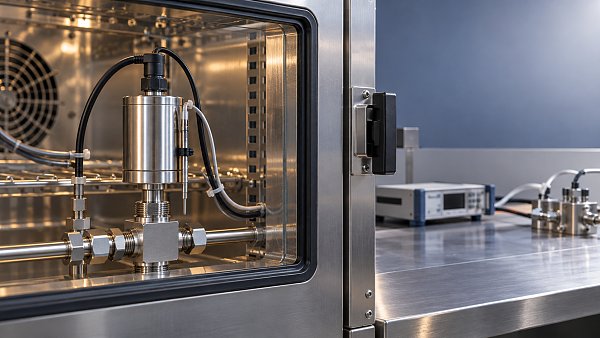
 How does temperature affect high-accuracy sensor performance?Explore how temperature affects high accuracy sensor performance. Learn to reduce thermal drift, evaluate compensation, and select the right sensor for reliable measurements.
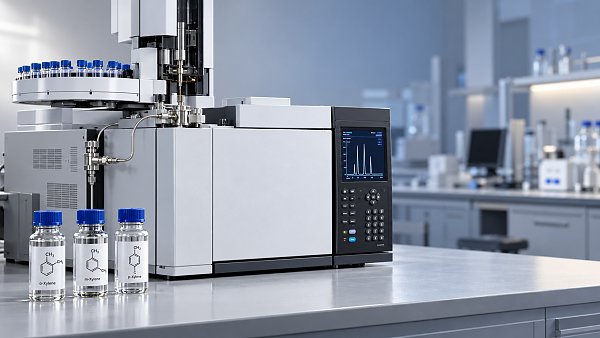
 Can a C4H8O concentration analyzer distinguish between isomers?Can a C4H8O concentration analyzer distinguish isomers? Compare GC, FTIR and MS methods, uncover selectivity limits, and learn what to validate before choosing your instrument.
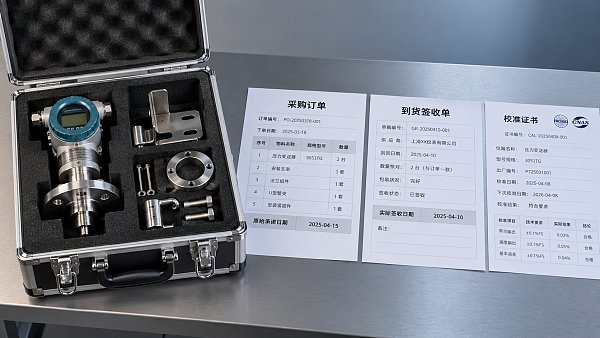
 How to identify a reliable supplier using on-time delivery recordsIdentify a Reliable Supplier by verifying on-time delivery records, original commitments, and complete shipments. Learn practical checks to reduce purchasing risk and protect your project schedule.
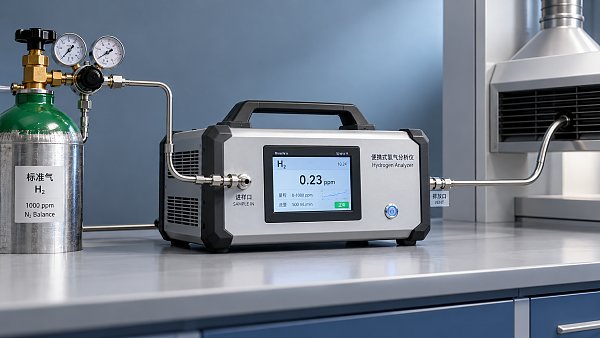
 How sensitive should a portable hydrogen analyzer be for lab use?Choose a portable hydrogen analyzer for laboratory use with the right quantification limit, accuracy, and range. Learn how to verify performance and avoid costly buying mistakes.
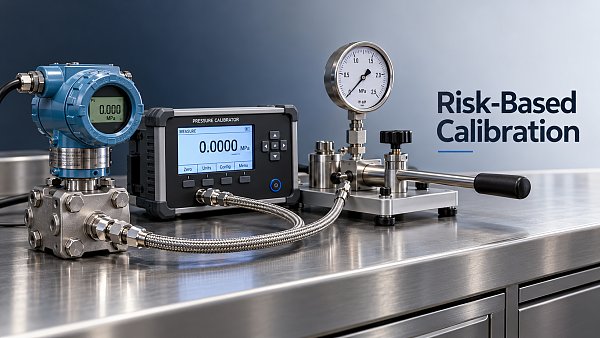
 How to set industrial calibration intervals based on equipment riskSet industrial calibration intervals based on equipment risk, drift, and as-found data. Learn when to shorten or extend schedules to improve reliability and avoid unnecessary costs.
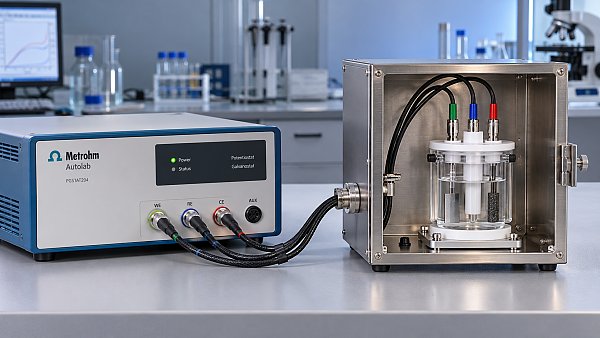
 How to choose electrochemical analyzers for low-current measurementsCompare electrochemical analyzers for precise low-current measurements. Learn how noise, leakage, bandwidth, and real-cell testing help you choose the right instrument.
 What tolerance does a custom gas mixture need for calibration?Choose the right custom gas tolerance for calibration. Learn how blending tolerance, certified uncertainty, and stability affect accuracy—and avoid paying for precision you don’t need.
 How condensation affects stack detector readings in wet flue gasStack detector readings can drift when wet flue gas condenses. Learn how to identify moisture interference, prevent sample losses, and improve emissions monitoring reliability.
 How to prevent condensation in a CO2 analyzer sampling systemPrevent condensation in your CO2 analyzer sampling system. Learn how to control dew point, eliminate cold spots, and manage moisture for reliable readings and fewer costly disruptions.
 How to verify accuracy claims for industrial quality analyzersVerify accuracy claims for industrial quality analyzers with calibration checks, independent testing, and clear acceptance criteria. Learn how to reduce risk and buy with confidence.
 How to calculate cooling loads for an industrial analyzer shelterSize industrial analyzer shelter cooling with confidence. Learn to calculate equipment heat, solar gains, and ventilation loads, then select HVAC capacity for reliable analyzer performance.
 Hydrogen Analyzers for Energy Storage: Purity Monitoring vs. Leak DetectionChoosing a hydrogen analyzer for energy storage systems? Compare purity monitoring and leak detection to select the right sensors, improve safety, and protect fuel cell performance.
 NH3 Monitoring in Fertilizer Plants: Where Should Leak Analyzers Be Installed?NH3 analyzer for fertilizer production: discover where to place leak detectors around storage, compressors, and loading areas to reduce blind spots and improve early warning.
 Diesel Engine NOx Analyzers: Response Time and NO2 Conversion ExplainedChoosing a NOX analyzer for diesel engines? Learn how response time, NO2 conversion, and sampling design affect accuracy—and make a smarter, evidence-based purchase.
 SO2 Analyzers for Smelter Emissions: Sampling Hot, Dust-Laden Flue GasSelect an SO2 analyzer for smelting industry applications. Discover how to handle hot, dust-laden flue gas, prevent sample losses, and achieve reliable emissions monitoring.
 Unstable CH4 Readings in Biogas Monitoring? Check Moisture and Sample FlowCH4 analyzer for biogas monitoring giving unstable readings? Discover how moisture, sample flow, and pressure checks help pinpoint faults and restore reliable methane measurements.
 Buying a CO2 Analyzer for Brewery Gas Recovery: Costs Beyond the Purchase PriceBuying a CO2 analyzer for brewery applications? Compare sampling, installation, calibration, and downtime costs to uncover hidden expenses and make a smarter gas recovery investment.
 Where to Place CO Analyzers for Effective Parking Garage VentilationOptimize your CO analyzer for parking garage ventilation with practical placement tips. Learn how sensor height, airflow, and zone coverage support timely detection and effective fan control.
 NDIR vs. FTIR Gas Analyzers: Which Fits Your Environmental Research?Find the right infrared gas analyzer for environmental research. Compare NDIR vs. FTIR on sensitivity, gas coverage, sampling needs, and cost to choose confidently for your study.
 Oxygen Analyzers for Diving: Calibration Checks Before Nitrox BlendingUsing an oxygen analyzer for diving applications? Discover essential calibration, sensor, and sampling checks before nitrox blending to support reliable readings.
 How Paramagnetic Oxygen Analyzers Work and Why Sample Pressure MattersLearn how a paramagnetic oxygen analyzer works, why sample pressure affects accuracy, and what to check in compensation and calibration before choosing your system.
 How Much Does a Complete CEMS Integration Project Typically Cost?How much does a complete CEMS integration project typically cost? Explore budget ranges, hidden installation costs, and compliance needs to compare quotes and plan confidently.
 What Is the Typical Response Time for Industrial Air Monitors?What is the typical response time for industrial air monitors? Explore T90, sampling delays, and alarm settings to compare performance and choose the right monitor with confidence.
 Do Regulatory Monitoring Systems Need Third-Party Certification?Do regulatory monitoring systems need third-party certification? Learn when it is required, what certificates prove, and how to verify compliance before buying.
 How Do You Choose Wired or Wireless for Stack Monitoring?Learn how to choose between wired and wireless for stack monitoring. Compare reliability, lifecycle costs, and data recovery to find the right CEMS setup for your site.
 What Happens When Combustible Gas Sensor Calibration Is Overdue?What happens if combustible gas sensor is not recalibrated on time? Discover the risks of inaccurate readings and missed alarms, plus steps to restore reliable protection.
 Can One Multi-Gas Detector Replace Four Separate Analyzers?Find out: can a single multi-gas detector replace four separate analyzers? Compare accuracy, safety, compliance, and lifetime costs to make a confident buying decision.
 Industrial Safety vs. Emission Monitoring: What Are the Differences?What are the main differences between industrial safety and emission monitoring? Compare goals, sensors, response times, and compliance needs to choose the right systems for your facility.
 Is Remote Monitoring Worth the Cost for Small Emission Sources?Is it worth investing in remote monitoring for small emission sources? Compare costs, compliance needs, and potential savings to choose the right solution for your operation.
 How Do You Handle Analyzer Failure During an Environmental Audit?Learn how to handle analyzer failure during environmental compliance audit procedures. Protect evidence, verify data, and restore monitoring with this practical response guide.
Search Categories
Search Categories
- Smart Meters & Power Quality
- Transformer Gas Analyzers
- BESS Thermal Runaway Detectors
- Energy, Power & Smart Grid Monitoring
- Optical Profilers & CMM
- Ultrasonic & X-Ray NDT
- Calibration Standards
- Precision Metrology & NDT
- Water Quality Analyzers
- CEMS & VOCs Monitors
- Price Trends
- Import & Export Updates
- Market Trends
- Industry News
- Industry Insights
Latest Article
- How condensation affects HCl concentration analyzer accuracyHCl concentration analyzer accuracy can suffer when condensation traps HCl. Learn how to spot sampling losses, prevent low readings, and improve measurement reliability.Posted by:
- How does cross-interference affect multi-component gas analyzers?How does cross-interference affect multi component gas analyzers? Explore measurement errors, compensation limits, and validation tips to choose the right system for your process.Posted by:
- How does temperature affect high-accuracy sensor performance?Explore how temperature affects high accuracy sensor performance. Learn to reduce thermal drift, evaluate compensation, and select the right sensor for reliable measurements.Posted by:
Please give us a message
