
Process Monitoring Instruments: Key Specs That Affect Uptime


Process monitoring instruments sit at the center of uptime strategy because they turn unstable process conditions into visible, actionable signals. In plants, utilities, laboratories, and infrastructure projects, a missed pressure spike or drifting temperature reading can escalate from a small deviation into downtime, rework, safety exposure, or regulatory trouble.
That is why specification review matters more than brand comparison alone. When process monitoring instruments are selected against actual operating risk, teams gain better control of maintenance windows, process consistency, and long-term operating cost. The most useful decisions usually come from understanding which specifications protect reliability under real field conditions.
Why specifications now carry more operational weight
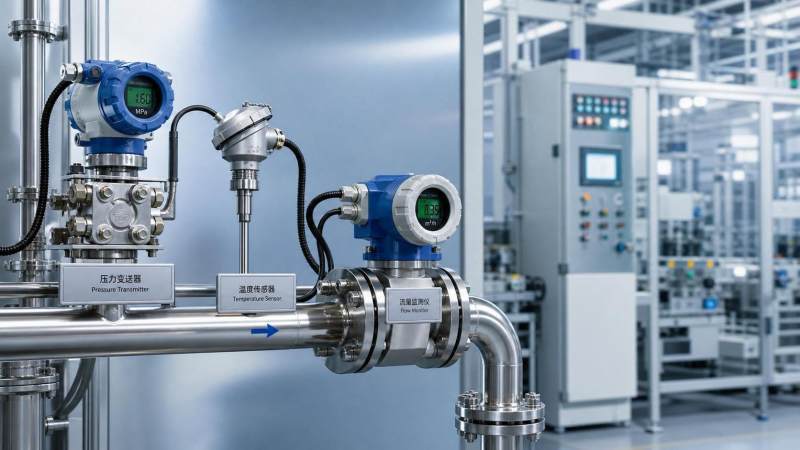
Industrial systems are becoming more connected, more automated, and less tolerant of uncertainty. A process loop that once relied on periodic manual checks may now feed a PLC, DCS, cloud dashboard, alarm logic, and predictive maintenance workflow at the same time.
In that environment, instrument weakness does not stay local. A sensor with poor response time can distort control logic. A transmitter with unstable calibration can create false confidence. A device with the wrong enclosure or hazardous-area rating can interrupt commissioning before production even starts.
Across manufacturing, energy, environmental monitoring, life sciences, and construction systems, the same pattern appears. Better process monitoring instruments help reduce blind spots, but only when the key specs match the process, the site, and the expected duty cycle.
This broader view aligns with how Global Instrument Hub approaches the instrumentation sector. The market is no longer just about components. It is about data trust, compliance confidence, and supply-chain decisions that support digital industrial performance.
What process monitoring instruments really cover
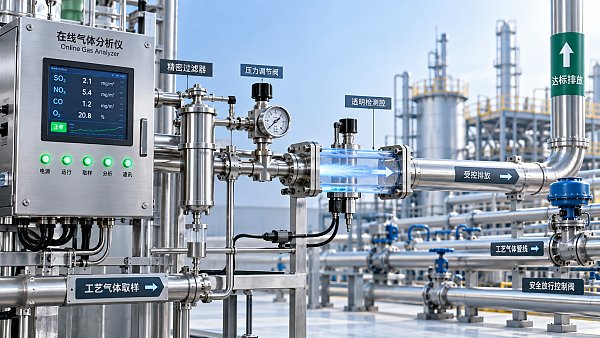
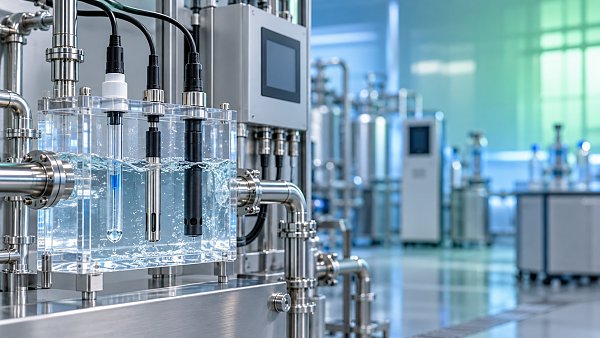
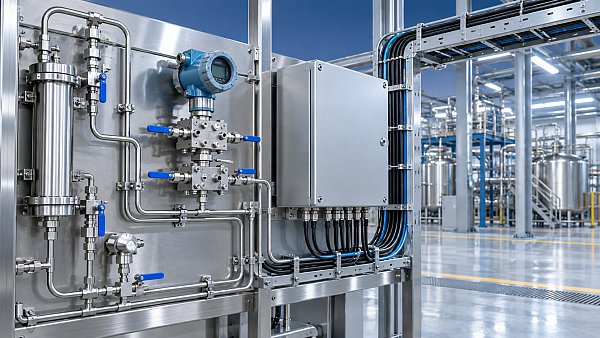
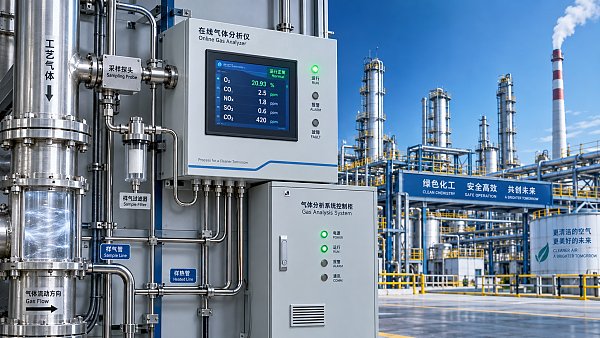
The term usually includes instruments that measure, transmit, track, or analyze process variables over time. Common examples include pressure transmitters, temperature sensors, flow meters, level instruments, gas analyzers, water quality monitors, vibration sensors, and multi-parameter monitoring systems.
What links them is not the hardware form. It is their role in maintaining stable operations. They provide the live data needed to confirm whether a process is within target range, drifting toward failure, or already outside acceptable limits.
In practical terms, process monitoring instruments support three layers of control:
- real-time visibility for operators and control systems
- historical records for quality, compliance, and diagnostics
- early warning for maintenance and asset protection
Once those functions are clear, specification choices become easier to evaluate. The best device is rarely the one with the longest datasheet. It is the one that produces dependable process truth under actual operating conditions.
The specifications that most directly affect uptime
Several specs appear on almost every shortlist, yet their effect on uptime is often misunderstood. The table below highlights where they matter most.
Accuracy is only useful in context
A highly accurate device can still be a poor fit if its range is wrong, its sensing element is incompatible, or its performance collapses at actual process temperature. Accuracy should be read together with operating span, media properties, and installation conditions.
For flow, level, and analytical measurement, published accuracy may depend on ideal fluid behavior. In the field, entrained gas, suspended solids, pulsation, and coating can change the result. Process monitoring instruments should be judged against expected process variation, not laboratory perfection.
Response time shapes control performance
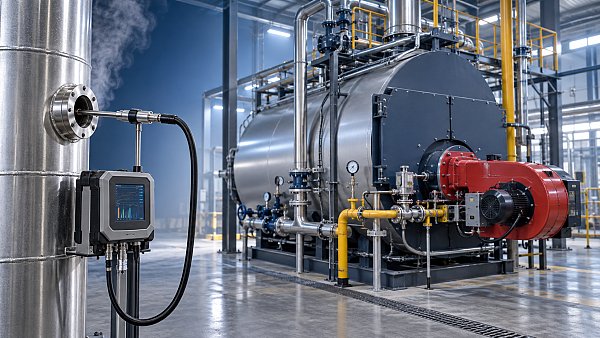
Fast loops need fast sensing. Boilers, compressors, reactors, utility skids, and emission systems can all suffer when the instrument reacts slower than the process disturbance. Delayed measurement creates delayed correction, and delayed correction often becomes avoidable downtime.
This is especially important where alarms trigger shutdown logic. A slow sensor may hide an upset until the excursion is already expensive.
Calibration drift is a hidden uptime cost
Drift rarely causes a dramatic failure on day one. It usually erodes confidence over weeks or months. Product quality starts to move. Energy use rises. Operators compensate manually. Then the process becomes harder to diagnose because the signal no longer reflects reality.
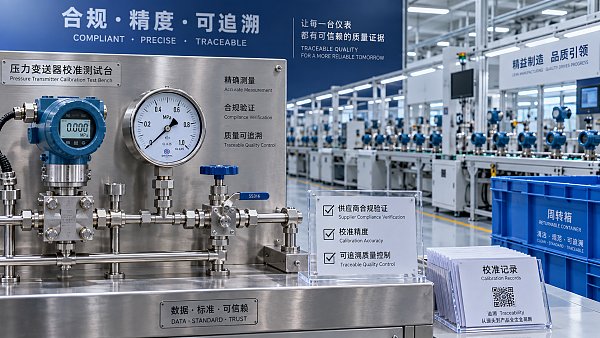
For that reason, calibration stability and traceability deserve more attention than they often receive. In regulated or high-risk environments, support for ISO-aligned calibration practices and verified test data can matter as much as instrument price.
Where field conditions override the datasheet
Many process monitoring instruments fail because the operating environment was simplified during selection. Harsh conditions change the real meaning of a specification.
- High vibration can weaken connectors, distort readings, and shorten electronics life.
- Corrosive media can attack wetted parts even when the sensing principle is correct.
- Outdoor installations may demand stronger ingress protection and UV-resistant housings.
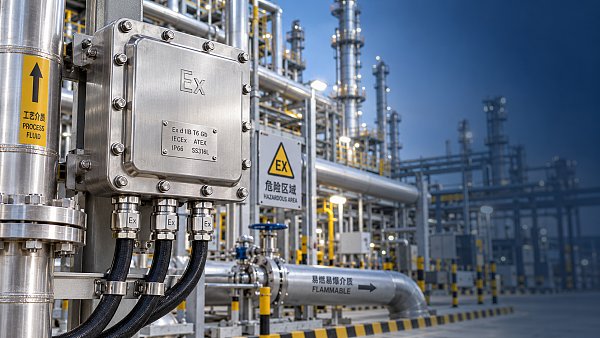
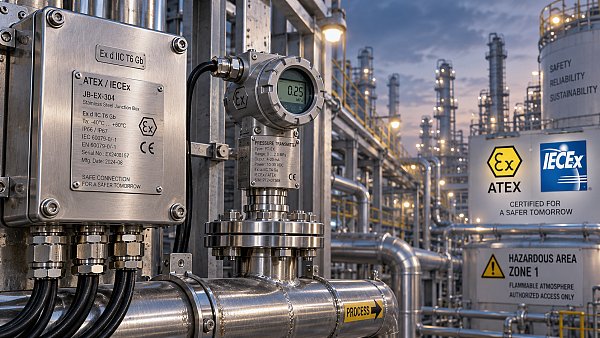
- Hazardous areas may require ATEX or IECEx certification before deployment.
- Power quality issues can affect signal stability in remote or energy-intensive sites.
This is where supplier intelligence becomes practical, not abstract. GIH’s focus on compliance, technical validation, and supply-chain research is relevant because uptime depends on more than nominal specifications. Documentation quality, certification credibility, and manufacturing consistency all influence field performance.
Different sectors, different priority specs
The same process monitoring instruments category can serve very different operational priorities. Selection logic should reflect the process, not a generic ranking.
That is why a useful evaluation starts with process consequence. What happens if the reading is late, wrong, noisy, missing, or impossible to verify? The answer usually reveals which specifications deserve top priority.
A practical way to evaluate process monitoring instruments
A disciplined review process reduces expensive surprises during commissioning and operation. The strongest evaluations usually include five checks.
- Map each instrument to a real failure consequence, not just a measurement point.
- Test published specifications against actual media, ambient conditions, and maintenance cycles.
- Confirm output signals, protocol support, and compatibility with existing PLC or DCS architecture.
- Review calibration intervals, spare parts access, and local service capability.
- Verify certifications, test records, and supplier quality consistency before scaling procurement.
In many cases, the decision is less about finding the highest specification and more about finding the cleanest fit. Process monitoring instruments that are well-matched to the operating envelope usually outperform over-specified devices that are poorly integrated or difficult to maintain.
The next step is to build a site-specific scorecard. Rank the variables that threaten uptime most, compare instruments against those conditions, and separate must-have specifications from optional features. That approach creates a more defensible shortlist and a more reliable operating baseline.
Recommended for You
 When custom gas analysis is the right fit for complex process streamsCustom gas analysis for complex process streams: learn when tailored sampling, interference control, and reliable measurement design deliver confident decisions.
 When does a laser gas analyzer meet stack emissions monitoring needs?Laser gas analyzer for stack emissions: learn when it delivers fast, reliable data, how to assess installation risks, and what to verify for CEMS compliance.
 How to select a hazardous gas analyzer for confined spacesHazardous gas analyzer selection for confined spaces: compare sensors, sampling, certifications, alarms, and maintenance to protect workers and choose with confidence.
 When is a single gas analyzer sufficient for workplace safety monitoring?Discover when a single gas analyzer delivers reliable workplace safety monitoring, and learn the key limits, calibration needs, and risks that require broader detection.
 How to choose an ambient gas analyzer for low-level leak detectionAmbient gas analyzer selection for low-level leak detection: compare sensitivity, cross-sensitivity, sampling design, alarms, and calibration for reliable site performance.
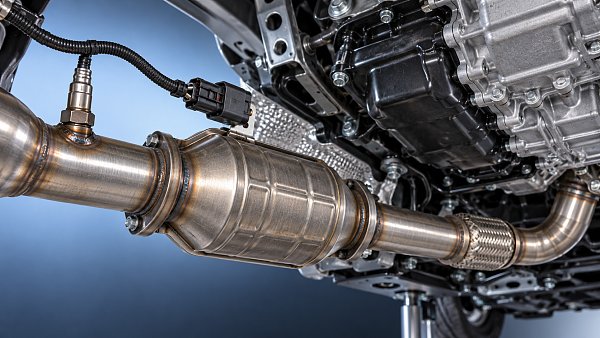
 How to tell when an oxygen sensor needs replacementOxygen sensor replacement signs explained: learn how live data, fault codes, wiring checks, and exhaust inspections pinpoint the real issue before you buy.
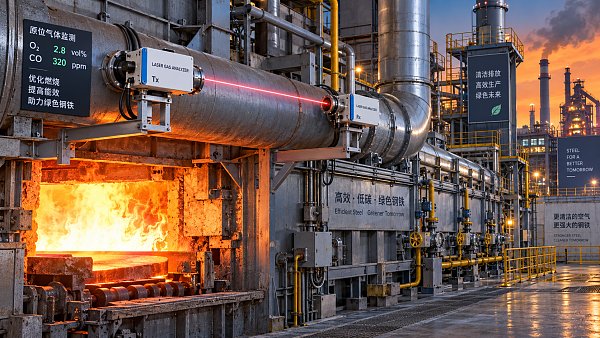
 How laser gas analyzers improve combustion control in steel furnacesLaser gas analyzer for steel industry applications delivers fast in-situ O₂ and CO data to optimize furnace combustion, cut fuel waste, and improve steel heating stability.
 How to verify whether explosion proof equipment meets site requirementsExplosion proof equipment verification made practical: match zones, gas or dust groups, temperature classes, certificates, and installation conditions for confident compliance.
 How industrial gas analysis helps detect contamination before releaseIndustrial Gas Analysis helps detect moisture, oil, oxygen, and toxic contaminants before release—protecting processes, ensuring compliance, and reducing costly risks.
 When is electrochemistry detection the right choice for water analysis?Electrochemistry detection for water analysis: learn when fast, reliable monitoring of ions, chlorine, pH, and more delivers actionable results.
 How industrial standards reduce quality risks in supplier selectionIndustrial Standard guidance helps quality and safety managers reduce supplier risks, verify compliance, strengthen traceability, and build resilient instrumentation supply chains.
 When does a multi-component system reduce installation complexity?Multi component systems reduce installation complexity when they eliminate field interfaces, streamline commissioning, and provide proven compatibility. Learn how to assess total cost and supplier accountability.
 How to size an industrial control shelter for outdoor equipmentIndustrial control shelter sizing guide: optimize layout, HVAC, access, safety, and expansion space for reliable outdoor equipment operations.
 How flue analysis helps verify combustion efficiencyFlue analysis verifies combustion efficiency by assessing O2, CO, CO2, and stack temperature to identify excess air, incomplete combustion, and heat losses.
 How to select industrial gas detectors for confined spacesIndustrial gas detectors for confined spaces: learn how to match sensors, sampling methods, alarms, and certifications to real atmospheric hazards.
 When does a laser oxygen analyzer outperform zirconia sensors?Laser oxygen analyzer vs. zirconia sensors: compare speed, selectivity, maintenance, gas chemistry, and installation needs to choose the right oxygen measurement solution.
 How to select a percent range analyzer for process measurementsPercent range analyzer selection made practical: compare accuracy, sample systems, calibration, gas matrix, integration, and lifecycle cost for reliable process measurements.
 How explosion proof analysis verifies safe equipment for hazardous areasExplosion proof analysis verifies hazardous-area equipment by matching certifications, temperature ratings, installation details, and inspection controls for safer compliance.
 When does fixed gas detection need point sensors instead of open-path monitoring?Fixed gas detection: discover when point sensors outperform open-path monitoring for predictable leaks, enclosed zones, local alarms, and safer design decisions.
 How to choose industrial metrology systems for tight-tolerance partsIndustrial metrology guide for tight-tolerance parts: compare CMMs, optical scanners, gauges, uncertainty, workflow, and traceable inspection strategies.
 How process metrology reduces measurement variation in productionProcess metrology reduces production measurement variation by improving traceability, uncertainty control, calibration, and reliable quality decisions.
 How to select an industrial monitoring analyzer for harsh environmentsIndustrial monitoring analyzer selection for harsh environments: evaluate sampling, durability, hazardous-area compliance, accuracy, maintenance, and data reliability.
 How calibration intervals affect test and measurement equipment accuracyTest and measurement equipment calibration intervals directly affect accuracy, risk, compliance, and uptime. Learn how to set evidence-based schedules that protect critical decisions.
 When does process gas monitoring need continuous measurement?Process gas monitoring needs continuous measurement when rapid changes threaten safety, quality, compliance, or uptime. Learn how to specify reliable, actionable monitoring systems.
 How to prevent false alarms in power plant instrumentationPower plant instrumentation guide: prevent false alarms with reliable signal checks, smarter alarm settings, mode-based control, and actionable operator responses.
 How fixed gas detectors help prevent leaks in enclosed workspacesFixed gas detectors provide continuous leak monitoring in enclosed workspaces, enabling faster alarms, safer responses, and stronger protection for people and processes.
 How industrial gas analysis helps detect process contamination earlyIndustrial Gas Analysis helps detect oxygen, moisture, and hydrocarbon contamination early, enabling faster fault isolation, safer operations, and stronger process control.
 What drives environmental compliance continuous monitoring setup cost?Environmental compliance continuous monitoring setup cost: uncover hidden expenses, compare bids accurately, and build a reliable, audit-ready system.
 How to select gas analysis equipment for continuous emissions monitoringGas analysis equipment selection guide for reliable continuous emissions monitoring—compare technologies, sampling, calibration, compliance, and maintenance needs.
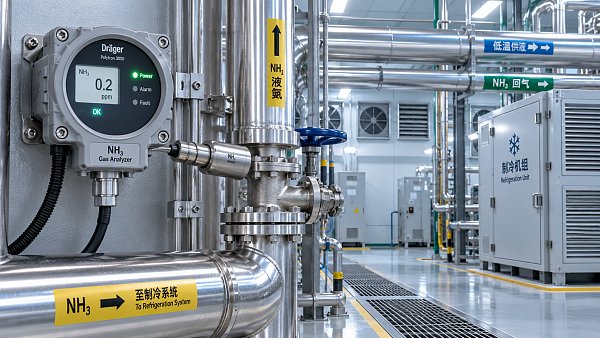
 What detection limit is needed for NH3 environmental monitoring?High accuracy NH3 analyzer for environmental monitoring: learn how to set the right detection limit, improve sampling reliability, and make defensible decisions.
 How to select a NOX analyzer for power plant emissions complianceNOX analyzer for power plant emissions: learn how to select a compliant, reliable CEMS solution with the right range, sample handling, calibration, and data integrity.
 How to evaluate a laser gas analyzer manufacturer in GermanyLaser gas analyzer manufacturer in Germany: compare accuracy, sample handling, interference control, calibration, and service to select a reliable solution.


Search Categories
Search Categories
- Smart Meters & Power Quality
- Transformer Gas Analyzers
- BESS Thermal Runaway Detectors
- Energy, Power & Smart Grid Monitoring
- Optical Profilers & CMM
- Ultrasonic & X-Ray NDT
- Calibration Standards
- Precision Metrology & NDT
- Water Quality Analyzers
- CEMS & VOCs Monitors
- Price Trends
- Import & Export Updates
- Market Trends
- Industry News
- Industry Insights
Latest Article
- When custom gas analysis is the right fit for complex process streamsCustom gas analysis for complex process streams: learn when tailored sampling, interference control, and reliable measurement design deliver confident decisions.Posted by:
- When does a laser gas analyzer meet stack emissions monitoring needs?Laser gas analyzer for stack emissions: learn when it delivers fast, reliable data, how to assess installation risks, and what to verify for CEMS compliance.Posted by:
- How to select a hazardous gas analyzer for confined spacesHazardous gas analyzer selection for confined spaces: compare sensors, sampling, certifications, alarms, and maintenance to protect workers and choose with confidence.Posted by:
Please give us a message
