
Thermal Conductivity Detection: When It Outperforms Other Gas Sensing Methods


Thermal Conductivity Detection: When It Outperforms Other Gas Sensing Methods

For technical evaluators, sensor selection rarely starts with sensitivity alone. It starts with process reality, maintenance limits, gas background, and the cost of being wrong.
That is where thermal conductivity detection often earns a serious look. It is not always the most selective method, but it can be the most dependable one.
In many industrial and laboratory settings, thermal conductivity detection outperforms other gas sensing methods when gases differ strongly in heat transfer behavior.
This matters in hydrogen monitoring, binary gas analysis, process purity checks, and carrier gas measurement where speed, durability, and stable operation beat trace-level specificity.
The core principle is simple. A heated element loses heat differently depending on the surrounding gas. That thermal behavior becomes the measurement signal.
Because the mechanism is physical rather than chemical, thermal conductivity detection can avoid several failure modes common in consumable or reaction-based sensors.
That also means spec decisions should focus less on headline ppm numbers and more on gas matrix fit, drift risk, contamination tolerance, and lifecycle confidence.
How Thermal Conductivity Detection Works in Practical Terms
A thermal conductivity detector usually contains heated filaments, thermistors, or microfabricated hot-film elements. Their temperature changes as gas composition changes around them.
The detector compares heat loss in a sample stream against a reference stream. The resulting difference is converted into a concentration-related output.
This approach works best when target and background gases have clearly different thermal conductivity values. Hydrogen, helium, carbon dioxide, argon, and nitrogen are common examples.
Unlike electrochemical cells, the sensing element does not depend on reagent depletion. Unlike many semiconductor sensors, response is usually more predictable across industrial duty cycles.
In gas chromatography, thermal conductivity detection is also valued as a universal detector. It responds to many compounds without requiring combustion or optical absorption.
Why the Method Remains Relevant
Recent automation trends favor sensors that stay stable under variable operation. Plants want fewer consumables, longer service intervals, and simpler fault diagnosis.
Thermal conductivity detection fits that direction well, especially where measurement goals are broad composition control rather than trace contaminant identification.
When Thermal Conductivity Detection Outperforms Other Gas Sensing Methods
The strongest use case appears in binary or near-binary mixtures. When one gas dominates and the other shifts process quality, thermal conductivity detection is often efficient and reliable.
Hydrogen monitoring is the clearest example. Hydrogen has exceptionally high thermal conductivity, so the signal contrast against air, nitrogen, argon, or carbon dioxide is strong.
That makes thermal conductivity detection attractive in electrolyzers, generator cooling systems, heat-treatment furnaces, and fuel-related blending processes.
It also performs well in gas purity analysis. If the main question is whether a bulk gas remains within specification, a thermal conductivity detector can provide fast, stable answers.
Another advantage appears in harsh or continuous environments. There is no optical path to foul like some infrared systems, and no electrolyte to dry out like electrochemical designs.
Where cross-sensitivity is manageable and gas composition is well understood, thermal conductivity detection often lowers lifecycle complexity.
- Best for hydrogen concentration and hydrogen purity measurement.
- Strong fit for carrier gas verification in analytical systems.
- Useful for inert gas blending, recovery, and leak indication.
- Practical for process loops needing robust, continuous monitoring.
- Valuable where maintenance access is difficult or costly.
A Quick Comparison with Common Alternatives
Where It Does Not Lead, and Why That Matters
A balanced evaluation matters. Thermal conductivity detection is not the right choice for every gas sensing problem.
If the application requires ultra-trace detection in a complex multi-component matrix, selectivity can become the limiting factor. Other technologies may perform better.
The method is also sensitive to flow stability, pressure variation, and background gas shifts. Poor sample conditioning can weaken a good sensor choice.
This is why thermal conductivity detection should be evaluated as a system solution, not just as a detector element.
In practical procurement, weak tubing design, unstable reference gas control, or contamination risk can create more trouble than the sensing principle itself.
Common Evaluation Mistakes
- Comparing only detection limit, while ignoring total cost of ownership.
- Assuming cross-sensitivity is always a defect, not a known design trade-off.
- Skipping pressure, flow, and thermal stabilization requirements.
- Overlooking calibration gas availability and traceability.
- Choosing a detector before defining the real gas matrix.
Standards, Validation, and Specification Criteria
For technical evaluation, performance claims need a standards-based frame. That usually includes calibration traceability, repeatability, response time, drift, and environmental tolerance.
In regulated or quality-critical settings, ISO/IEC 17025 traceability strengthens confidence in calibration data and acceptance testing.
For hazardous areas, ATEX or IECEx suitability can matter as much as measurement performance. A good thermal conductivity detector still fails the project if certification is mismatched.
Response specifications should be reviewed alongside installation conditions. A laboratory benchmark may not reflect field tubing length, pressure pulsing, or ambient temperature swings.
This is especially important in hydrogen and inert gas applications, where thermal conductivity detection can be excellent but still needs careful integration.
- Define the target gas and the background gas clearly.
- Check whether gas thermal contrast is sufficient for stable measurement.
- Confirm pressure, flow, and temperature operating ranges.
- Review calibration intervals and certified gas sourcing.
- Match enclosure, approvals, and safety certifications to site conditions.
- Ask for drift data from comparable field use, not only lab tests.
Application Scenarios Where the Decision Becomes Clearer
In electrolyzer systems, thermal conductivity detection is often favored for hydrogen stream verification because the gas contrast is strong and real-time durability matters.
In generator cooling, the method supports hydrogen purity control with a practical balance of response, reliability, and service simplicity.
In gas chromatography, thermal conductivity detection remains useful when broad analyte response is preferred over high selectivity for one compound family.
In industrial blending or blanketing systems, it can outperform alternatives that struggle with permanent gases or require more frequent replacement parts.
From a sourcing perspective, that means the best detector is not the most advanced one on paper. It is the one aligned with matrix physics and operating discipline.
Practical Selection Questions
- Is the target gas a permanent gas with poor infrared response?
- Does the application measure bulk concentration rather than trace contamination?
- Will the sensor face long operating cycles with limited maintenance windows?
- Can the sampling system keep pressure and flow reasonably stable?
- Is lifecycle robustness more valuable than extreme selectivity?
Final Takeaway for Better Specification Decisions
Thermal conductivity detection outperforms other gas sensing methods when the application rewards physical robustness, broad gas compatibility, and dependable composition monitoring.
It is especially effective in hydrogen analysis, binary mixtures, gas purity control, and continuous industrial duty where maintenance burden must stay low.
The better question is not whether thermal conductivity detection is universally superior. It is whether the gas matrix makes it the smartest and lowest-risk choice.
When specification teams evaluate sensor physics, system conditions, and certification needs together, this method often becomes easier to justify.
That is also the point where procurement quality improves. Better matching of detector principle to process reality usually reduces hidden service costs later.
If the goal is confident, standards-aware gas sensing selection, thermal conductivity detection deserves a place near the top of the shortlist.
Recommended for You
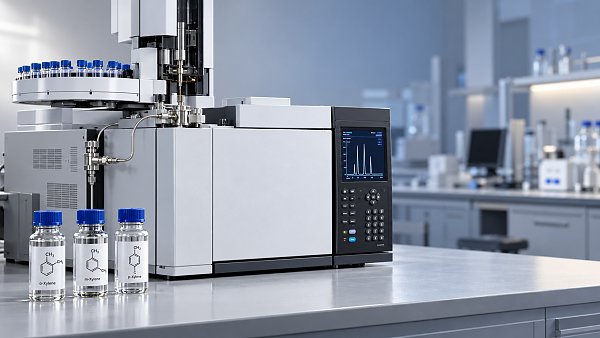
 Can a C4H8O concentration analyzer distinguish between isomers?Can a C4H8O concentration analyzer distinguish isomers? Compare GC, FTIR and MS methods, uncover selectivity limits, and learn what to validate before choosing your instrument.
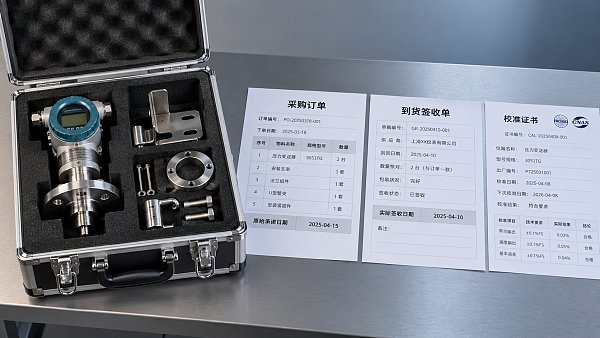
 How to identify a reliable supplier using on-time delivery recordsIdentify a Reliable Supplier by verifying on-time delivery records, original commitments, and complete shipments. Learn practical checks to reduce purchasing risk and protect your project schedule.
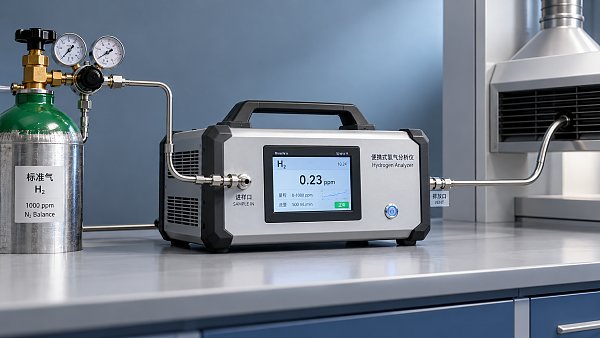
 How sensitive should a portable hydrogen analyzer be for lab use?Choose a portable hydrogen analyzer for laboratory use with the right quantification limit, accuracy, and range. Learn how to verify performance and avoid costly buying mistakes.
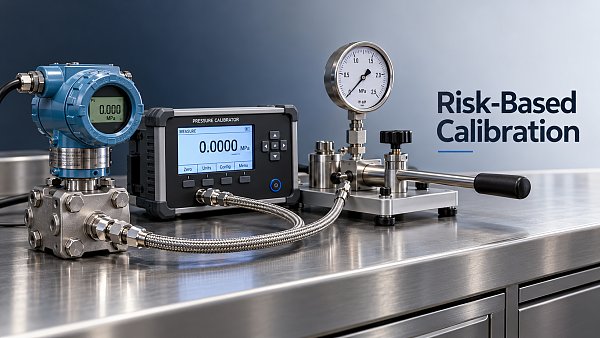
 How to set industrial calibration intervals based on equipment riskSet industrial calibration intervals based on equipment risk, drift, and as-found data. Learn when to shorten or extend schedules to improve reliability and avoid unnecessary costs.
 How to choose electrochemical analyzers for low-current measurementsCompare electrochemical analyzers for precise low-current measurements. Learn how noise, leakage, bandwidth, and real-cell testing help you choose the right instrument.
 What tolerance does a custom gas mixture need for calibration?Choose the right custom gas tolerance for calibration. Learn how blending tolerance, certified uncertainty, and stability affect accuracy—and avoid paying for precision you don’t need.
 How condensation affects stack detector readings in wet flue gasStack detector readings can drift when wet flue gas condenses. Learn how to identify moisture interference, prevent sample losses, and improve emissions monitoring reliability.
 How to prevent condensation in a CO2 analyzer sampling systemPrevent condensation in your CO2 analyzer sampling system. Learn how to control dew point, eliminate cold spots, and manage moisture for reliable readings and fewer costly disruptions.
 How to verify accuracy claims for industrial quality analyzersVerify accuracy claims for industrial quality analyzers with calibration checks, independent testing, and clear acceptance criteria. Learn how to reduce risk and buy with confidence.
 How to calculate cooling loads for an industrial analyzer shelterSize industrial analyzer shelter cooling with confidence. Learn to calculate equipment heat, solar gains, and ventilation loads, then select HVAC capacity for reliable analyzer performance.
 Hydrogen Analyzers for Energy Storage: Purity Monitoring vs. Leak DetectionChoosing a hydrogen analyzer for energy storage systems? Compare purity monitoring and leak detection to select the right sensors, improve safety, and protect fuel cell performance.
 NH3 Monitoring in Fertilizer Plants: Where Should Leak Analyzers Be Installed?NH3 analyzer for fertilizer production: discover where to place leak detectors around storage, compressors, and loading areas to reduce blind spots and improve early warning.
 Diesel Engine NOx Analyzers: Response Time and NO2 Conversion ExplainedChoosing a NOX analyzer for diesel engines? Learn how response time, NO2 conversion, and sampling design affect accuracy—and make a smarter, evidence-based purchase.
 SO2 Analyzers for Smelter Emissions: Sampling Hot, Dust-Laden Flue GasSelect an SO2 analyzer for smelting industry applications. Discover how to handle hot, dust-laden flue gas, prevent sample losses, and achieve reliable emissions monitoring.
 Unstable CH4 Readings in Biogas Monitoring? Check Moisture and Sample FlowCH4 analyzer for biogas monitoring giving unstable readings? Discover how moisture, sample flow, and pressure checks help pinpoint faults and restore reliable methane measurements.
 Buying a CO2 Analyzer for Brewery Gas Recovery: Costs Beyond the Purchase PriceBuying a CO2 analyzer for brewery applications? Compare sampling, installation, calibration, and downtime costs to uncover hidden expenses and make a smarter gas recovery investment.
 Where to Place CO Analyzers for Effective Parking Garage VentilationOptimize your CO analyzer for parking garage ventilation with practical placement tips. Learn how sensor height, airflow, and zone coverage support timely detection and effective fan control.
 NDIR vs. FTIR Gas Analyzers: Which Fits Your Environmental Research?Find the right infrared gas analyzer for environmental research. Compare NDIR vs. FTIR on sensitivity, gas coverage, sampling needs, and cost to choose confidently for your study.
 Oxygen Analyzers for Diving: Calibration Checks Before Nitrox BlendingUsing an oxygen analyzer for diving applications? Discover essential calibration, sensor, and sampling checks before nitrox blending to support reliable readings.
 How Paramagnetic Oxygen Analyzers Work and Why Sample Pressure MattersLearn how a paramagnetic oxygen analyzer works, why sample pressure affects accuracy, and what to check in compensation and calibration before choosing your system.
 How Much Does a Complete CEMS Integration Project Typically Cost?How much does a complete CEMS integration project typically cost? Explore budget ranges, hidden installation costs, and compliance needs to compare quotes and plan confidently.
 What Is the Typical Response Time for Industrial Air Monitors?What is the typical response time for industrial air monitors? Explore T90, sampling delays, and alarm settings to compare performance and choose the right monitor with confidence.
 Do Regulatory Monitoring Systems Need Third-Party Certification?Do regulatory monitoring systems need third-party certification? Learn when it is required, what certificates prove, and how to verify compliance before buying.
 How Do You Choose Wired or Wireless for Stack Monitoring?Learn how to choose between wired and wireless for stack monitoring. Compare reliability, lifecycle costs, and data recovery to find the right CEMS setup for your site.
 What Happens When Combustible Gas Sensor Calibration Is Overdue?What happens if combustible gas sensor is not recalibrated on time? Discover the risks of inaccurate readings and missed alarms, plus steps to restore reliable protection.
 Can One Multi-Gas Detector Replace Four Separate Analyzers?Find out: can a single multi-gas detector replace four separate analyzers? Compare accuracy, safety, compliance, and lifetime costs to make a confident buying decision.
 Industrial Safety vs. Emission Monitoring: What Are the Differences?What are the main differences between industrial safety and emission monitoring? Compare goals, sensors, response times, and compliance needs to choose the right systems for your facility.
 Is Remote Monitoring Worth the Cost for Small Emission Sources?Is it worth investing in remote monitoring for small emission sources? Compare costs, compliance needs, and potential savings to choose the right solution for your operation.
 How Do You Handle Analyzer Failure During an Environmental Audit?Learn how to handle analyzer failure during environmental compliance audit procedures. Protect evidence, verify data, and restore monitoring with this practical response guide.
 Do VOC Monitors Require Explosion-Proof Certification?Does VOC monitoring require explosion-proof certification? Learn when approval is needed, compare ATEX and IECEx, and choose the right monitor for your site.
 How sample conditioning affects accuracy in petrochemical analyzersImprove accuracy in petrochemical analyzers with smarter sample conditioning. Discover how phase control, filtration, and transport design prevent bias and deliver reliable process data.
 How to troubleshoot sensor drift in industrial gas detectorsIndustrial gas detectors showing sensor drift? Learn how to verify calibration gas, identify root causes, and determine when sensor replacement is needed for reliable monitoring.
Search Categories
Search Categories
- Smart Meters & Power Quality
- Transformer Gas Analyzers
- BESS Thermal Runaway Detectors
- Energy, Power & Smart Grid Monitoring
- Optical Profilers & CMM
- Ultrasonic & X-Ray NDT
- Calibration Standards
- Precision Metrology & NDT
- Water Quality Analyzers
- CEMS & VOCs Monitors
- Price Trends
- Import & Export Updates
- Market Trends
- Industry News
- Industry Insights
Latest Article
- Can a C4H8O concentration analyzer distinguish between isomers?Can a C4H8O concentration analyzer distinguish isomers? Compare GC, FTIR and MS methods, uncover selectivity limits, and learn what to validate before choosing your instrument.Posted by:
- How to identify a reliable supplier using on-time delivery recordsIdentify a Reliable Supplier by verifying on-time delivery records, original commitments, and complete shipments. Learn practical checks to reduce purchasing risk and protect your project schedule.Posted by:
- How sensitive should a portable hydrogen analyzer be for lab use?Choose a portable hydrogen analyzer for laboratory use with the right quantification limit, accuracy, and range. Learn how to verify performance and avoid costly buying mistakes.Posted by:
Please give us a message
