
Emission Control Technologies: Cost, Compliance, and Upgrade Priorities in 2026


Emission Control Technologies: Cost, Compliance, and Upgrade Priorities in 2026
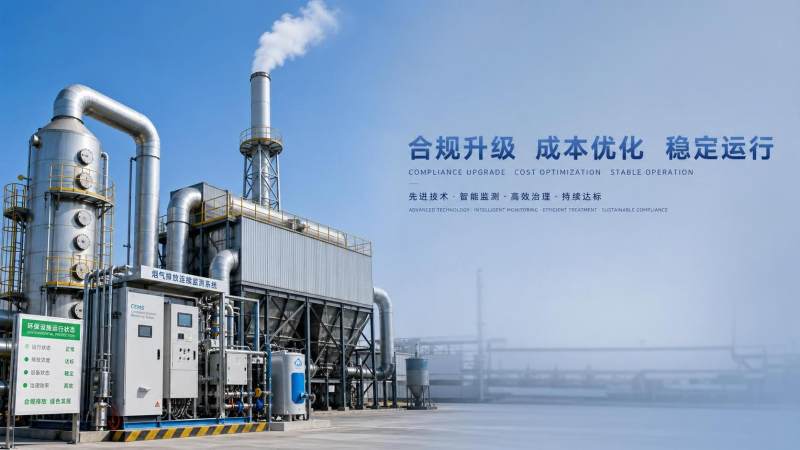
As 2026 compliance pressure intensifies, Emission Control decisions are no longer simple engineering projects. They now shape capital planning, operating risk, and long-term competitiveness across industrial sectors.
The harder question is not whether to invest. It is where to invest first, how much compliance risk to absorb, and which upgrades protect uptime while controlling total cost.
In practice, Emission Control spending now sits between environmental obligations and asset productivity. That is why procurement teams increasingly treat retrofit planning as a business case, not a maintenance task.
From recent market shifts, the clearer signal is this: tighter enforcement, rising energy costs, and stronger disclosure rules are pushing operators to prioritize measurable returns.
For buyers, the most effective Emission Control strategy in 2026 combines compliance readiness, realistic retrofit sequencing, and better instrumentation for visibility and proof.
Why Emission Control Is a Board-Level Cost Issue
Emission Control used to be discussed mostly in environmental or engineering departments. That is changing fast because the financial impact of delay is becoming easier to quantify.
A delayed upgrade can mean permit restrictions, insurance pressure, production curtailment, and more frequent unplanned shutdowns. In many facilities, those costs exceed the retrofit itself.
There is also a procurement reality. Older systems often consume more reagents, power, and service hours, making apparent low-cost assets expensive over their working life.
This matters especially in sectors with process heat, combustion, solvent use, or continuous emissions monitoring. Here, Emission Control performance directly affects operating flexibility.
- Higher non-compliance penalties and faster enforcement cycles
- Growing investor focus on verifiable emissions data
- Rising maintenance cost on aging abatement equipment
- More scrutiny on reporting accuracy and audit trails
That also explains why many organizations now pair Emission Control upgrades with instrumentation modernization, data integration, and alarm management improvements.
What Compliance Looks Like in 2026
Compliance is becoming more dynamic. Regulators are looking beyond installed equipment and asking whether actual emissions are measured, recorded, and traceable over time.
That shift changes buying criteria. A system that removes pollutants effectively but lacks stable monitoring can still create compliance exposure.
In practical terms, 2026 Emission Control decisions should be evaluated across three layers: abatement efficiency, data credibility, and operational resilience during audits or process excursions.
Key compliance shifts buyers should expect
- More continuous monitoring requirements instead of periodic checks
- Stricter calibration, validation, and data retention expectations
- Closer review of start-up, shutdown, and upset-condition emissions
- Greater linkage between permit limits and digital reporting systems
- More supplier scrutiny on service support and documented performance
This is where GIH sees a major procurement blind spot. Many buyers compare capital prices carefully, but underestimate the cost of weak reporting integrity.
A cheaper Emission Control package can become the expensive option if it triggers manual workarounds, repeated recalibration, or disputes over emissions evidence.
How to Break Down Emission Control Cost
The best purchasing decisions start with a full cost view. Upfront equipment price matters, but lifecycle cost usually decides whether an Emission Control investment succeeds.
A useful framework separates costs into five categories. This keeps procurement aligned with operations, EHS, maintenance, and finance.
This cost view often changes priorities. For example, a mid-priced Emission Control upgrade with better automation can outperform a low-priced system over three to five years.
It also helps teams compare retrofit scenarios honestly, especially when production disruption is the hidden budget driver.
Upgrade Priorities That Usually Deliver First
Not every facility should begin with the largest Emission Control project. In many cases, the best first move is the one that reduces compliance uncertainty quickly.
A practical upgrade sequence starts with the weakest point in the control chain. That may be measurement, process stability, or end-of-pipe treatment.
Priority 1: Fix monitoring gaps
If emissions cannot be measured consistently, every downstream decision becomes harder. Reliable analyzers, CEMS architecture, and calibration workflows should come early.
Priority 2: Stabilize process variation
Many Emission Control failures begin upstream. Poor combustion tuning, feed variability, or unstable temperature profiles can push abatement equipment beyond design conditions.
Priority 3: Upgrade bottleneck abatement units
Once data and process stability improve, bottleneck equipment becomes easier to identify. This is where scrubbers, catalytic systems, filters, or oxidation units justify investment.
Priority 4: Digitize records and alarms
Digital audit trails reduce labor and strengthen compliance confidence. They also shorten investigation time when excursions happen.
- Start with assets linked to permits or recurring alarms
- Target units with high maintenance intensity first
- Bundle instrumentation upgrades with retrofit shutdowns
- Use pilot data before standardizing across sites
This staged Emission Control path usually lowers risk better than a single large project pushed through under time pressure.
How to Compare Suppliers Without Missing Hidden Risk
Supplier evaluation should go beyond brochure efficiency. Emission Control outcomes depend on design fit, service capability, instrumentation quality, and performance under real operating conditions.
This is particularly important for global sourcing. A low quote can look attractive until spare parts lead time, local support gaps, or documentation weakness slow the project.
Use these supplier screening questions
- Can the supplier show performance data under conditions similar to ours?
- What are the guaranteed removal efficiency and operating limits?
- How are analyzers, controls, and reporting systems integrated?
- What is the maintenance burden per quarter or per year?
- Which critical parts must be stocked on site?
- How quickly can technical support respond during compliance events?
- What documentation supports calibration, audits, and operator training?
GIH’s sourcing perspective is simple. The best Emission Control supplier is rarely the cheapest vendor. It is the partner that reduces uncertainty across compliance, uptime, and support.
That also means procurement should score suppliers on technical evidence, lifecycle economics, and post-installation reliability, not only on capex.
A Practical 2026 Emission Control Decision Framework
For most organizations, the smartest next step is not a generic upgrade list. It is a structured decision process that links risk, cost, and timing.
A workable Emission Control framework can be built around four questions.
- Where is compliance exposure highest over the next 12 to 24 months?
- Which assets create the biggest uptime or maintenance penalty?
- What upgrade can be installed with the least operational disruption?
- Which option improves both emissions performance and data confidence?
When these questions are answered clearly, budget discussions become more objective. Teams can defend Emission Control investments using avoided risk and operating value, not abstract sustainability language.
That is especially useful in cross-functional reviews, where engineering, EHS, operations, and finance often see retrofit priorities differently.
In 2026, the strongest Emission Control decisions will come from organizations that combine technical depth, supplier diligence, and better measurement intelligence from the start.
The most effective move now is to audit high-risk assets, rank upgrades by business impact, and build a phased Emission Control roadmap that delivers compliance proof as well as operational return.
Recommended for You
 How does cross-interference affect multi-component gas analyzers?How does cross-interference affect multi component gas analyzers? Explore measurement errors, compensation limits, and validation tips to choose the right system for your process.
 How does temperature affect high-accuracy sensor performance?Explore how temperature affects high accuracy sensor performance. Learn to reduce thermal drift, evaluate compensation, and select the right sensor for reliable measurements.
 Can a C4H8O concentration analyzer distinguish between isomers?Can a C4H8O concentration analyzer distinguish isomers? Compare GC, FTIR and MS methods, uncover selectivity limits, and learn what to validate before choosing your instrument.
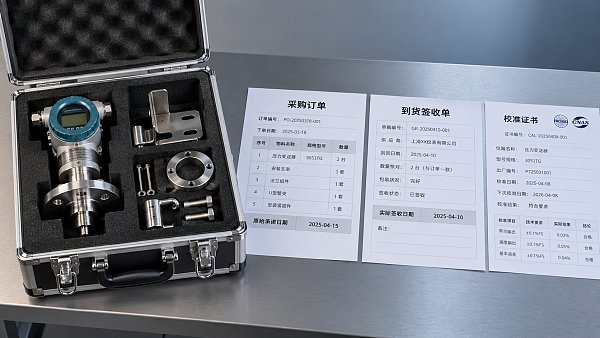
 How to identify a reliable supplier using on-time delivery recordsIdentify a Reliable Supplier by verifying on-time delivery records, original commitments, and complete shipments. Learn practical checks to reduce purchasing risk and protect your project schedule.
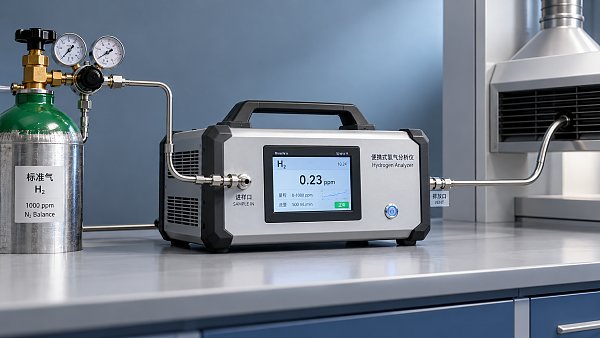
 How sensitive should a portable hydrogen analyzer be for lab use?Choose a portable hydrogen analyzer for laboratory use with the right quantification limit, accuracy, and range. Learn how to verify performance and avoid costly buying mistakes.
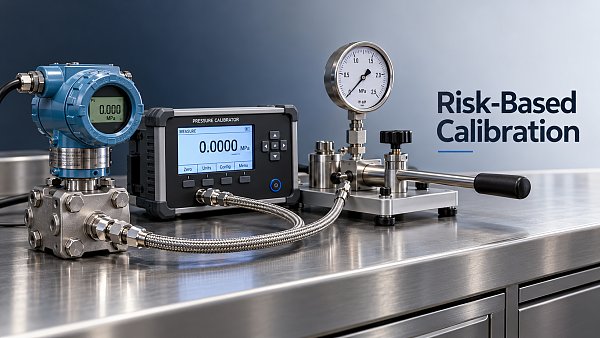
 How to set industrial calibration intervals based on equipment riskSet industrial calibration intervals based on equipment risk, drift, and as-found data. Learn when to shorten or extend schedules to improve reliability and avoid unnecessary costs.
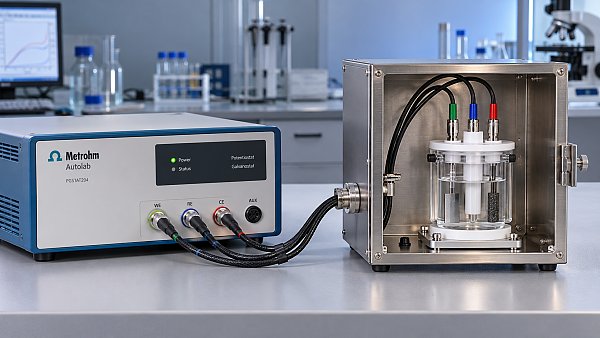
 How to choose electrochemical analyzers for low-current measurementsCompare electrochemical analyzers for precise low-current measurements. Learn how noise, leakage, bandwidth, and real-cell testing help you choose the right instrument.
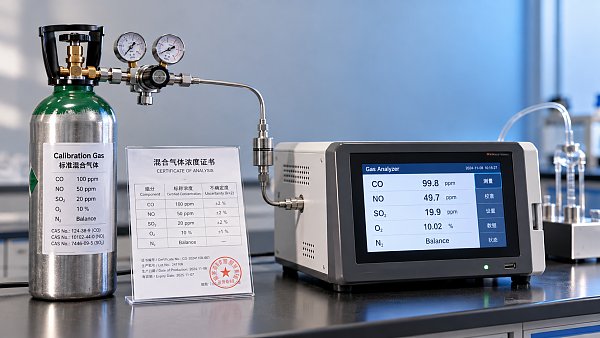
 What tolerance does a custom gas mixture need for calibration?Choose the right custom gas tolerance for calibration. Learn how blending tolerance, certified uncertainty, and stability affect accuracy—and avoid paying for precision you don’t need.
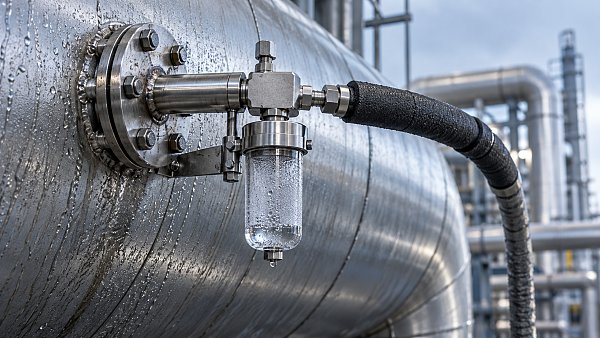
 How condensation affects stack detector readings in wet flue gasStack detector readings can drift when wet flue gas condenses. Learn how to identify moisture interference, prevent sample losses, and improve emissions monitoring reliability.
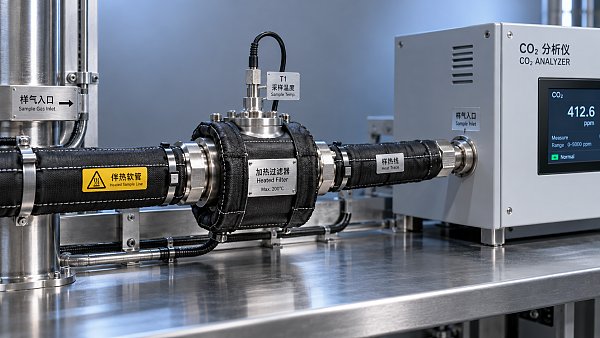
 How to prevent condensation in a CO2 analyzer sampling systemPrevent condensation in your CO2 analyzer sampling system. Learn how to control dew point, eliminate cold spots, and manage moisture for reliable readings and fewer costly disruptions.
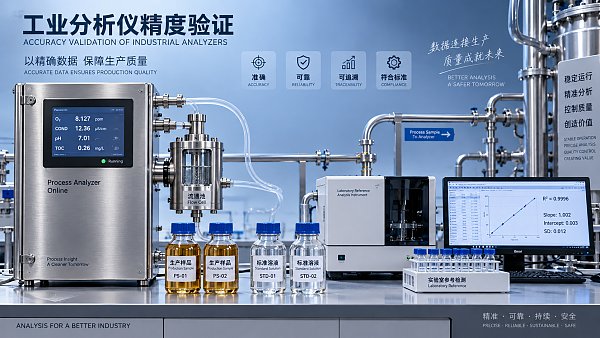
 How to verify accuracy claims for industrial quality analyzersVerify accuracy claims for industrial quality analyzers with calibration checks, independent testing, and clear acceptance criteria. Learn how to reduce risk and buy with confidence.
 How to calculate cooling loads for an industrial analyzer shelterSize industrial analyzer shelter cooling with confidence. Learn to calculate equipment heat, solar gains, and ventilation loads, then select HVAC capacity for reliable analyzer performance.
 Hydrogen Analyzers for Energy Storage: Purity Monitoring vs. Leak DetectionChoosing a hydrogen analyzer for energy storage systems? Compare purity monitoring and leak detection to select the right sensors, improve safety, and protect fuel cell performance.
 NH3 Monitoring in Fertilizer Plants: Where Should Leak Analyzers Be Installed?NH3 analyzer for fertilizer production: discover where to place leak detectors around storage, compressors, and loading areas to reduce blind spots and improve early warning.
 Diesel Engine NOx Analyzers: Response Time and NO2 Conversion ExplainedChoosing a NOX analyzer for diesel engines? Learn how response time, NO2 conversion, and sampling design affect accuracy—and make a smarter, evidence-based purchase.
 SO2 Analyzers for Smelter Emissions: Sampling Hot, Dust-Laden Flue GasSelect an SO2 analyzer for smelting industry applications. Discover how to handle hot, dust-laden flue gas, prevent sample losses, and achieve reliable emissions monitoring.
 Unstable CH4 Readings in Biogas Monitoring? Check Moisture and Sample FlowCH4 analyzer for biogas monitoring giving unstable readings? Discover how moisture, sample flow, and pressure checks help pinpoint faults and restore reliable methane measurements.
 Buying a CO2 Analyzer for Brewery Gas Recovery: Costs Beyond the Purchase PriceBuying a CO2 analyzer for brewery applications? Compare sampling, installation, calibration, and downtime costs to uncover hidden expenses and make a smarter gas recovery investment.
 Where to Place CO Analyzers for Effective Parking Garage VentilationOptimize your CO analyzer for parking garage ventilation with practical placement tips. Learn how sensor height, airflow, and zone coverage support timely detection and effective fan control.
 NDIR vs. FTIR Gas Analyzers: Which Fits Your Environmental Research?Find the right infrared gas analyzer for environmental research. Compare NDIR vs. FTIR on sensitivity, gas coverage, sampling needs, and cost to choose confidently for your study.
 Oxygen Analyzers for Diving: Calibration Checks Before Nitrox BlendingUsing an oxygen analyzer for diving applications? Discover essential calibration, sensor, and sampling checks before nitrox blending to support reliable readings.
 How Paramagnetic Oxygen Analyzers Work and Why Sample Pressure MattersLearn how a paramagnetic oxygen analyzer works, why sample pressure affects accuracy, and what to check in compensation and calibration before choosing your system.
 How Much Does a Complete CEMS Integration Project Typically Cost?How much does a complete CEMS integration project typically cost? Explore budget ranges, hidden installation costs, and compliance needs to compare quotes and plan confidently.
 What Is the Typical Response Time for Industrial Air Monitors?What is the typical response time for industrial air monitors? Explore T90, sampling delays, and alarm settings to compare performance and choose the right monitor with confidence.
 Do Regulatory Monitoring Systems Need Third-Party Certification?Do regulatory monitoring systems need third-party certification? Learn when it is required, what certificates prove, and how to verify compliance before buying.
 How Do You Choose Wired or Wireless for Stack Monitoring?Learn how to choose between wired and wireless for stack monitoring. Compare reliability, lifecycle costs, and data recovery to find the right CEMS setup for your site.
 What Happens When Combustible Gas Sensor Calibration Is Overdue?What happens if combustible gas sensor is not recalibrated on time? Discover the risks of inaccurate readings and missed alarms, plus steps to restore reliable protection.
 Can One Multi-Gas Detector Replace Four Separate Analyzers?Find out: can a single multi-gas detector replace four separate analyzers? Compare accuracy, safety, compliance, and lifetime costs to make a confident buying decision.
 Industrial Safety vs. Emission Monitoring: What Are the Differences?What are the main differences between industrial safety and emission monitoring? Compare goals, sensors, response times, and compliance needs to choose the right systems for your facility.
 Is Remote Monitoring Worth the Cost for Small Emission Sources?Is it worth investing in remote monitoring for small emission sources? Compare costs, compliance needs, and potential savings to choose the right solution for your operation.
 How Do You Handle Analyzer Failure During an Environmental Audit?Learn how to handle analyzer failure during environmental compliance audit procedures. Protect evidence, verify data, and restore monitoring with this practical response guide.
 Do VOC Monitors Require Explosion-Proof Certification?Does VOC monitoring require explosion-proof certification? Learn when approval is needed, compare ATEX and IECEx, and choose the right monitor for your site.
Search Categories
Search Categories
- Smart Meters & Power Quality
- Transformer Gas Analyzers
- BESS Thermal Runaway Detectors
- Energy, Power & Smart Grid Monitoring
- Optical Profilers & CMM
- Ultrasonic & X-Ray NDT
- Calibration Standards
- Precision Metrology & NDT
- Water Quality Analyzers
- CEMS & VOCs Monitors
- Price Trends
- Import & Export Updates
- Market Trends
- Industry News
- Industry Insights
Latest Article
- How does cross-interference affect multi-component gas analyzers?How does cross-interference affect multi component gas analyzers? Explore measurement errors, compensation limits, and validation tips to choose the right system for your process.Posted by:
- How does temperature affect high-accuracy sensor performance?Explore how temperature affects high accuracy sensor performance. Learn to reduce thermal drift, evaluate compensation, and select the right sensor for reliable measurements.Posted by:
- Can a C4H8O concentration analyzer distinguish between isomers?Can a C4H8O concentration analyzer distinguish isomers? Compare GC, FTIR and MS methods, uncover selectivity limits, and learn what to validate before choosing your instrument.Posted by:
Please give us a message
