
Process Measurement Equipment Costs: What Drives Price Beyond Specifications


Process Measurement Equipment Costs: What Drives Price Beyond Specifications
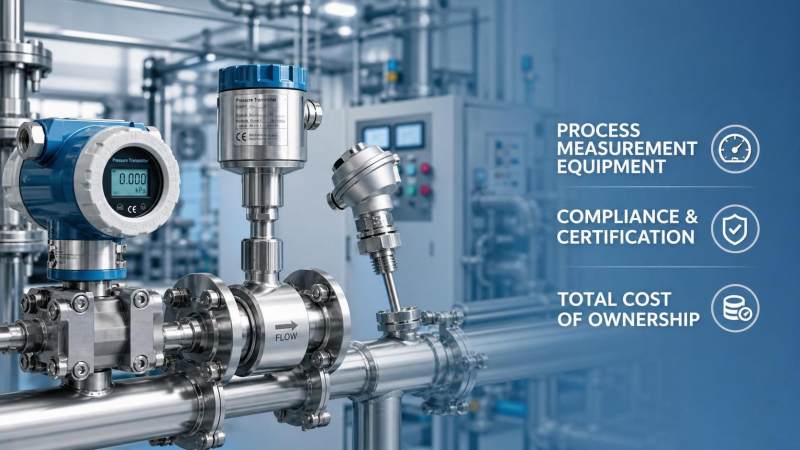
For procurement teams, process measurement equipment costs rarely come down to specifications alone.
Accuracy, range, and output matter, but they never tell the whole pricing story.
In real projects, process measurement equipment pricing often reflects risk, compliance, durability, and support expectations.
That is why two instruments with similar datasheets can land at very different price points.
A better buying decision starts with understanding what sits behind the quote.
This also helps reduce total cost of ownership, not just initial capital spend.
From recent sourcing shifts, the clearest signal is simple.
Buyers now evaluate process measurement equipment costs through operational value, audit readiness, and lifecycle reliability.
Why similar specifications still produce different prices
A datasheet captures performance under defined conditions.
A quotation captures the cost of delivering that performance in the field.
That gap is where many process measurement equipment cost differences appear.
For example, a pressure transmitter for a clean utility line differs from one for corrosive chemical duty.
The core measuring function may look similar.
The engineering, certification, sealing, and testing requirements may be completely different.
The main cost drivers behind the quote
- Hazardous area certifications such as ATEX or IECEx
- Wetted material upgrades for corrosion, abrasion, or purity control
- Higher process safety requirements and documented traceability
- Calibration tolerances, test records, and factory acceptance procedures
- Digital communication protocols and system integration work
- Supplier response speed, local inventory, and after-sales coverage
In short, process measurement equipment costs reflect application reality more than catalog promises.
Certification and compliance often reshape process measurement equipment costs
Compliance is one of the least visible yet most powerful price drivers.
It becomes even more important in regulated industries and multinational projects.
A device approved for general industry may not qualify for pharmaceutical, food, offshore, or hazardous locations.
This means the same measurement principle can carry very different documentation and validation costs.
Common compliance factors that increase price
- Explosion-proof or intrinsically safe design requirements
- Material certificates, inspection reports, and serial-level traceability
- Sanitary connections and surface finish validation
- ISO or plant-specific calibration and documentation packages
- Country-specific import, electrical, or environmental approvals
These items add cost because they add engineering work, testing steps, and legal exposure for the supplier.
When reviewing process measurement equipment quotes, compliance scope should be checked before comparing numbers line by line.
Material selection changes both price and risk
Material compatibility is another major factor in process measurement equipment costs.
It is easy to underestimate because many failures begin slowly.
A lower-priced instrument may work at startup, then drift or fail under real media conditions.
Corrosive fluids, slurries, steam, solvents, and ultra-pure process streams all demand different material choices.
Upgrades from standard stainless steel to Hastelloy, PTFE lining, ceramic, or specialty elastomers can quickly move the price.
Questions that help avoid hidden material costs
- What are the exact media composition and concentration ranges?
- Are temperature swings or pressure cycling severe?
- Will cleaning chemicals or CIP cycles affect seals and wetted parts?
- Is erosion, coating, crystallization, or fouling expected?
- What is the real maintenance consequence of premature corrosion?
In practical sourcing, the right material choice often lowers lifecycle spend even when upfront process measurement equipment costs rise.
Calibration, stability, and downtime shape total ownership cost
Price discussions often focus too much on purchase value.
Yet long-term cost usually comes from labor, shutdowns, recalibration, and replacement frequency.
This is where process measurement equipment costs should be viewed through stability, not just initial precision.
A device with tighter long-term drift performance may reduce service intervals and documentation burden.
That matters a lot in plants where instrument access requires permits, scaffolding, or production interruption.
Look beyond the accuracy number
- Long-term stability over one to five years
- Calibration interval recommendations
- Availability of field verification tools
- Ease of sensor replacement or modular repair
- Lead time for spares and service turnaround
A lower bid can become the expensive option when it forces more shutdown hours across the asset lifecycle.
Integration and digital features affect process measurement equipment pricing
More buyers now expect process measurement equipment to fit digital plant strategies.
That shift changes the cost structure in ways that basic specifications do not show.
Protocols such as HART, Modbus, Profibus, or Ethernet-based options add value, but also add engineering cost.
So do remote diagnostics, asset management compatibility, and cybersecurity-related design expectations.
In many cases, these features improve visibility and maintenance planning enough to justify the premium.
Where digital options pay back faster
- Large facilities with hundreds of measurement points
- Sites with predictive maintenance programs
- Remote or hazardous areas with limited manual access
- Plants needing stronger audit trails and configuration control
This means process measurement equipment costs should be tested against data value, not only hardware value.
Supplier capability can justify a higher quote
Not every price difference comes from the instrument itself.
Some of it comes from the supplier’s ability to reduce execution risk.
A supplier with strong documentation control, application support, and regional service may quote higher.
But that higher number can prevent much larger costs later.
Supplier factors worth evaluating
- Application engineering depth before order placement
- Clarity of datasheets, drawings, and compliance packages
- Lead-time stability and spare parts availability
- Field service reach and commissioning support
- Track record in similar industries and process conditions
When comparing process measurement equipment costs, the real question is not only “How much?” but also “How safely and smoothly?”
A practical framework for better cost comparison
A structured comparison model makes sourcing decisions far clearer.
Instead of reviewing price alone, compare process measurement equipment across six decision layers.
This framework makes process measurement equipment cost evaluation more objective.
It also creates better alignment between engineering, operations, quality, and sourcing teams.
Final takeaway for smarter sourcing
Process measurement equipment costs are shaped by far more than published specifications.
Certification, material compatibility, stability, integration needs, and supplier capability all influence the final number.
The most effective sourcing decisions connect price to risk, uptime, and long-term plant performance.
That is where real savings usually appear.
For organizations navigating global supplier options, GIH supports this process with market intelligence, technical trend analysis, and deeper supplier evaluation signals.
Before the next RFQ round, refine the comparison criteria first. Better questions usually lead to better process measurement equipment decisions.
Recommended for You
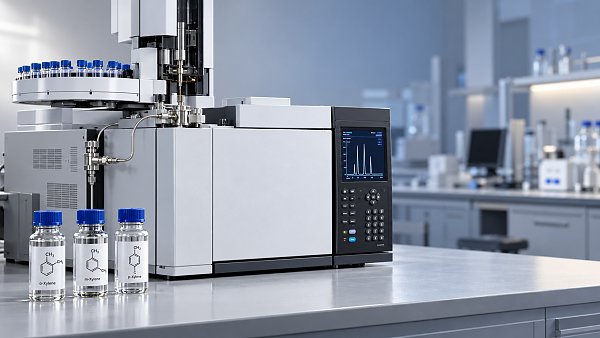
 Can a C4H8O concentration analyzer distinguish between isomers?Can a C4H8O concentration analyzer distinguish isomers? Compare GC, FTIR and MS methods, uncover selectivity limits, and learn what to validate before choosing your instrument.
 How to identify a reliable supplier using on-time delivery recordsIdentify a Reliable Supplier by verifying on-time delivery records, original commitments, and complete shipments. Learn practical checks to reduce purchasing risk and protect your project schedule.
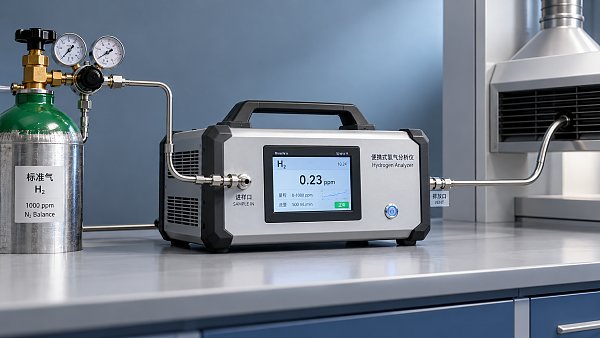
 How sensitive should a portable hydrogen analyzer be for lab use?Choose a portable hydrogen analyzer for laboratory use with the right quantification limit, accuracy, and range. Learn how to verify performance and avoid costly buying mistakes.
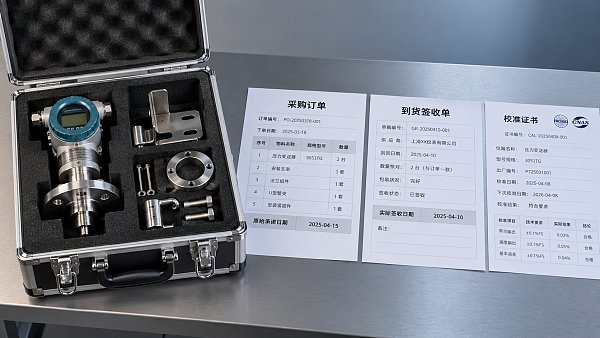
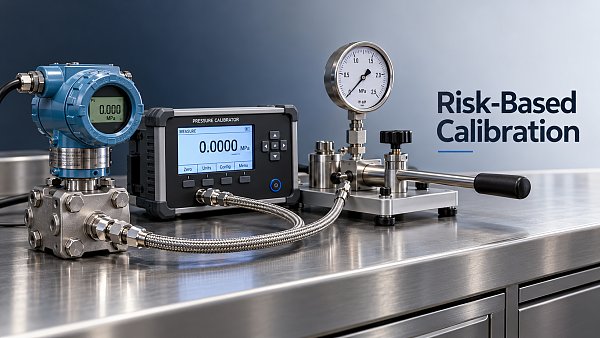
 How to set industrial calibration intervals based on equipment riskSet industrial calibration intervals based on equipment risk, drift, and as-found data. Learn when to shorten or extend schedules to improve reliability and avoid unnecessary costs.
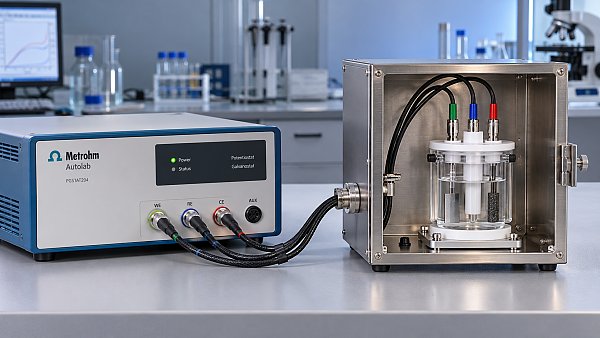
 How to choose electrochemical analyzers for low-current measurementsCompare electrochemical analyzers for precise low-current measurements. Learn how noise, leakage, bandwidth, and real-cell testing help you choose the right instrument.
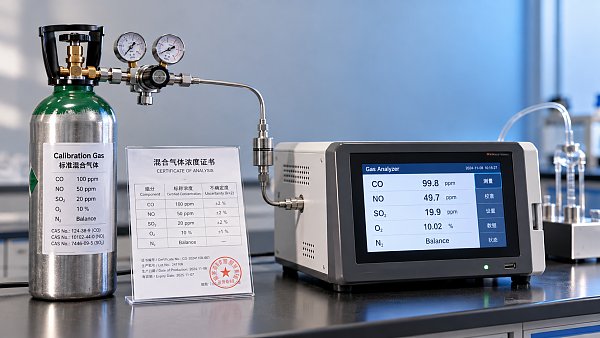
 What tolerance does a custom gas mixture need for calibration?Choose the right custom gas tolerance for calibration. Learn how blending tolerance, certified uncertainty, and stability affect accuracy—and avoid paying for precision you don’t need.
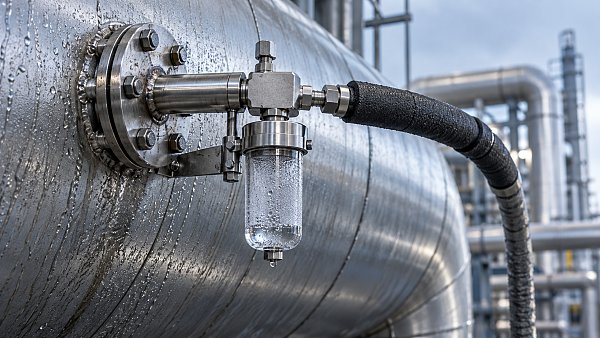
 How condensation affects stack detector readings in wet flue gasStack detector readings can drift when wet flue gas condenses. Learn how to identify moisture interference, prevent sample losses, and improve emissions monitoring reliability.
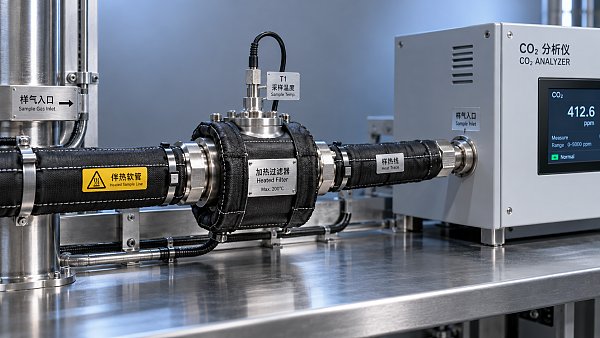
 How to prevent condensation in a CO2 analyzer sampling systemPrevent condensation in your CO2 analyzer sampling system. Learn how to control dew point, eliminate cold spots, and manage moisture for reliable readings and fewer costly disruptions.
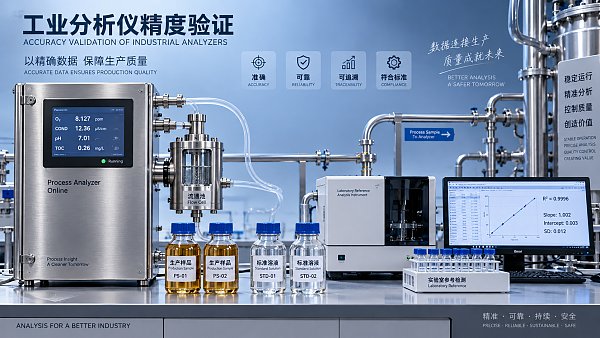
 How to verify accuracy claims for industrial quality analyzersVerify accuracy claims for industrial quality analyzers with calibration checks, independent testing, and clear acceptance criteria. Learn how to reduce risk and buy with confidence.
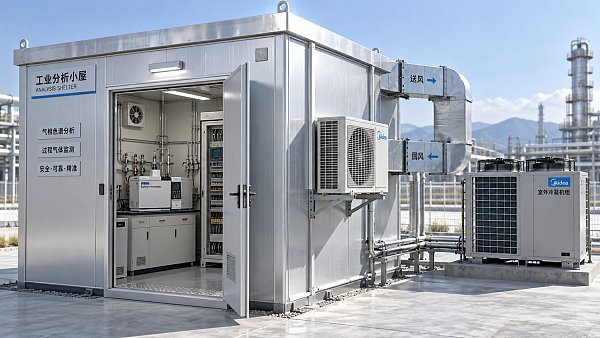
 How to calculate cooling loads for an industrial analyzer shelterSize industrial analyzer shelter cooling with confidence. Learn to calculate equipment heat, solar gains, and ventilation loads, then select HVAC capacity for reliable analyzer performance.
 Hydrogen Analyzers for Energy Storage: Purity Monitoring vs. Leak DetectionChoosing a hydrogen analyzer for energy storage systems? Compare purity monitoring and leak detection to select the right sensors, improve safety, and protect fuel cell performance.
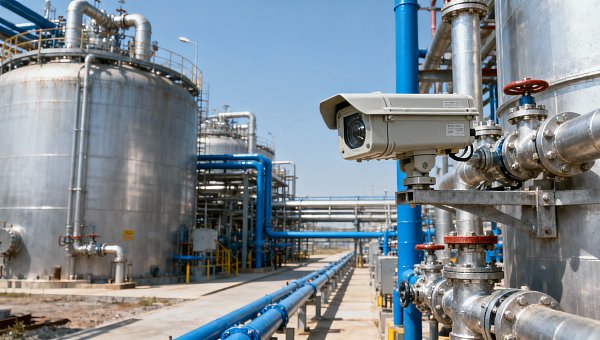
 NH3 Monitoring in Fertilizer Plants: Where Should Leak Analyzers Be Installed?NH3 analyzer for fertilizer production: discover where to place leak detectors around storage, compressors, and loading areas to reduce blind spots and improve early warning.
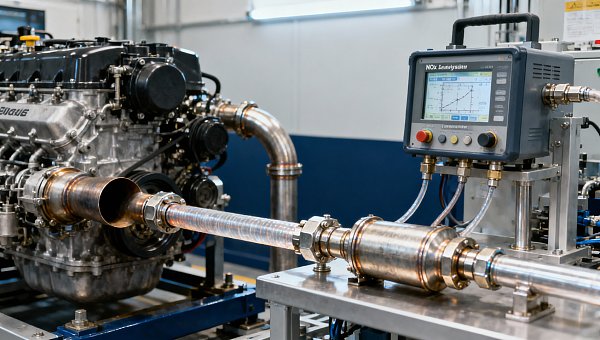
 Diesel Engine NOx Analyzers: Response Time and NO2 Conversion ExplainedChoosing a NOX analyzer for diesel engines? Learn how response time, NO2 conversion, and sampling design affect accuracy—and make a smarter, evidence-based purchase.
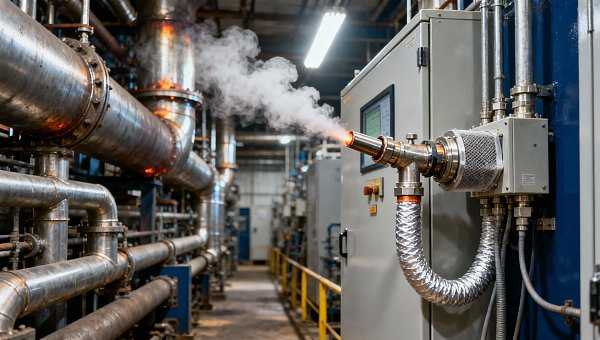
 SO2 Analyzers for Smelter Emissions: Sampling Hot, Dust-Laden Flue GasSelect an SO2 analyzer for smelting industry applications. Discover how to handle hot, dust-laden flue gas, prevent sample losses, and achieve reliable emissions monitoring.
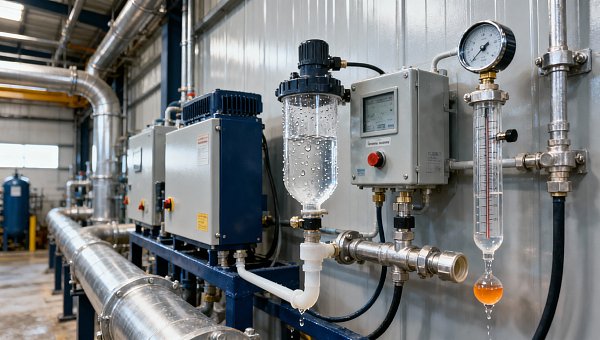
 Unstable CH4 Readings in Biogas Monitoring? Check Moisture and Sample FlowCH4 analyzer for biogas monitoring giving unstable readings? Discover how moisture, sample flow, and pressure checks help pinpoint faults and restore reliable methane measurements.
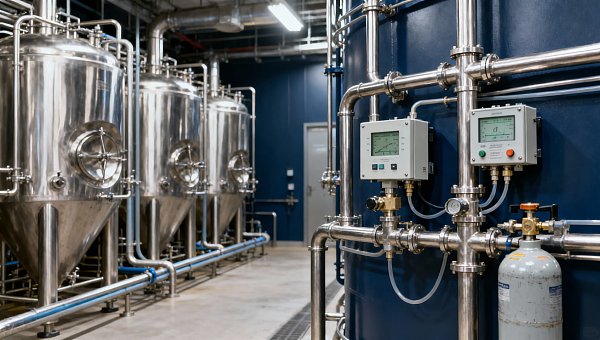
 Buying a CO2 Analyzer for Brewery Gas Recovery: Costs Beyond the Purchase PriceBuying a CO2 analyzer for brewery applications? Compare sampling, installation, calibration, and downtime costs to uncover hidden expenses and make a smarter gas recovery investment.
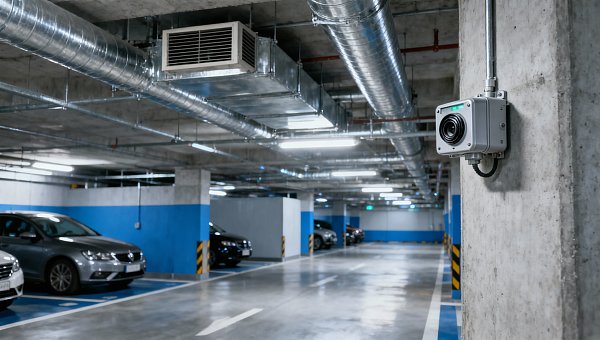
 Where to Place CO Analyzers for Effective Parking Garage VentilationOptimize your CO analyzer for parking garage ventilation with practical placement tips. Learn how sensor height, airflow, and zone coverage support timely detection and effective fan control.
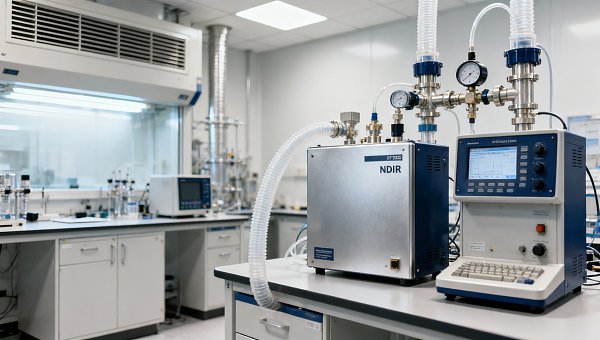
 NDIR vs. FTIR Gas Analyzers: Which Fits Your Environmental Research?Find the right infrared gas analyzer for environmental research. Compare NDIR vs. FTIR on sensitivity, gas coverage, sampling needs, and cost to choose confidently for your study.
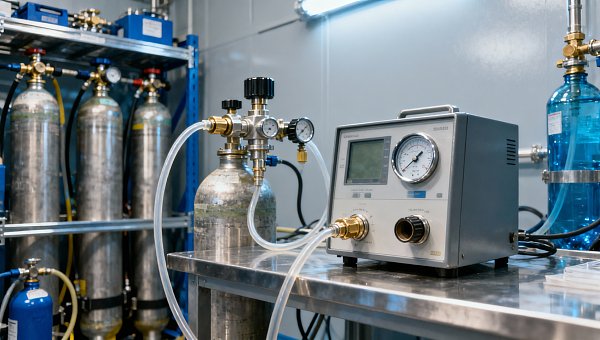
 Oxygen Analyzers for Diving: Calibration Checks Before Nitrox BlendingUsing an oxygen analyzer for diving applications? Discover essential calibration, sensor, and sampling checks before nitrox blending to support reliable readings.
 How Paramagnetic Oxygen Analyzers Work and Why Sample Pressure MattersLearn how a paramagnetic oxygen analyzer works, why sample pressure affects accuracy, and what to check in compensation and calibration before choosing your system.
 How Much Does a Complete CEMS Integration Project Typically Cost?How much does a complete CEMS integration project typically cost? Explore budget ranges, hidden installation costs, and compliance needs to compare quotes and plan confidently.
 What Is the Typical Response Time for Industrial Air Monitors?What is the typical response time for industrial air monitors? Explore T90, sampling delays, and alarm settings to compare performance and choose the right monitor with confidence.
 Do Regulatory Monitoring Systems Need Third-Party Certification?Do regulatory monitoring systems need third-party certification? Learn when it is required, what certificates prove, and how to verify compliance before buying.
 How Do You Choose Wired or Wireless for Stack Monitoring?Learn how to choose between wired and wireless for stack monitoring. Compare reliability, lifecycle costs, and data recovery to find the right CEMS setup for your site.
 What Happens When Combustible Gas Sensor Calibration Is Overdue?What happens if combustible gas sensor is not recalibrated on time? Discover the risks of inaccurate readings and missed alarms, plus steps to restore reliable protection.
 Can One Multi-Gas Detector Replace Four Separate Analyzers?Find out: can a single multi-gas detector replace four separate analyzers? Compare accuracy, safety, compliance, and lifetime costs to make a confident buying decision.
 Industrial Safety vs. Emission Monitoring: What Are the Differences?What are the main differences between industrial safety and emission monitoring? Compare goals, sensors, response times, and compliance needs to choose the right systems for your facility.
 Is Remote Monitoring Worth the Cost for Small Emission Sources?Is it worth investing in remote monitoring for small emission sources? Compare costs, compliance needs, and potential savings to choose the right solution for your operation.
 How Do You Handle Analyzer Failure During an Environmental Audit?Learn how to handle analyzer failure during environmental compliance audit procedures. Protect evidence, verify data, and restore monitoring with this practical response guide.
 Do VOC Monitors Require Explosion-Proof Certification?Does VOC monitoring require explosion-proof certification? Learn when approval is needed, compare ATEX and IECEx, and choose the right monitor for your site.
 How sample conditioning affects accuracy in petrochemical analyzersImprove accuracy in petrochemical analyzers with smarter sample conditioning. Discover how phase control, filtration, and transport design prevent bias and deliver reliable process data.
 How to troubleshoot sensor drift in industrial gas detectorsIndustrial gas detectors showing sensor drift? Learn how to verify calibration gas, identify root causes, and determine when sensor replacement is needed for reliable monitoring.
Search Categories
Search Categories
- Smart Meters & Power Quality
- Transformer Gas Analyzers
- BESS Thermal Runaway Detectors
- Energy, Power & Smart Grid Monitoring
- Optical Profilers & CMM
- Ultrasonic & X-Ray NDT
- Calibration Standards
- Precision Metrology & NDT
- Water Quality Analyzers
- CEMS & VOCs Monitors
- Price Trends
- Import & Export Updates
- Market Trends
- Industry News
- Industry Insights
Latest Article
- Can a C4H8O concentration analyzer distinguish between isomers?Can a C4H8O concentration analyzer distinguish isomers? Compare GC, FTIR and MS methods, uncover selectivity limits, and learn what to validate before choosing your instrument.Posted by:
- How to identify a reliable supplier using on-time delivery recordsIdentify a Reliable Supplier by verifying on-time delivery records, original commitments, and complete shipments. Learn practical checks to reduce purchasing risk and protect your project schedule.Posted by:
- How sensitive should a portable hydrogen analyzer be for lab use?Choose a portable hydrogen analyzer for laboratory use with the right quantification limit, accuracy, and range. Learn how to verify performance and avoid costly buying mistakes.Posted by:
Please give us a message
