
Explosive Proof Analyzer Selection: Key Safety Ratings and Common Mistakes


Choosing an Explosive Proof Analyzer is rarely a routine equipment decision. It shapes how safely a site operates, how smoothly audits proceed, and how confidently process data can be trusted.
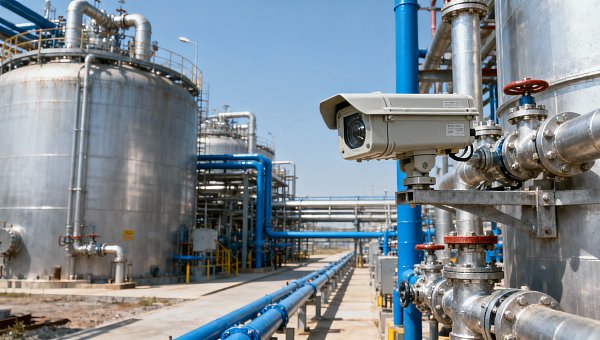
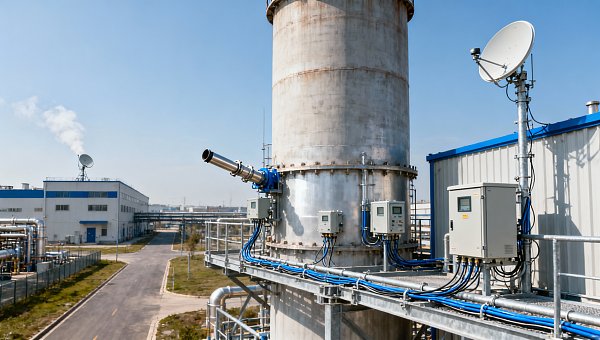
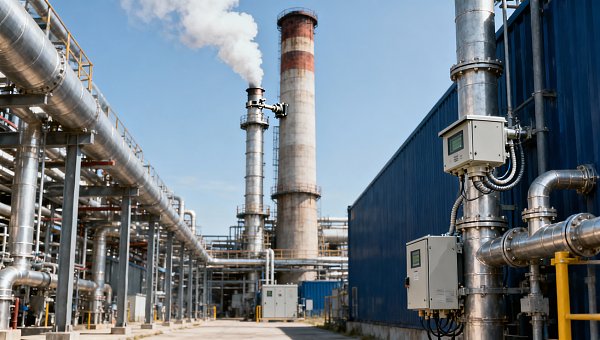
In refineries, chemical plants, tank farms, power facilities, and environmental monitoring stations, the analyzer often sits close to flammable gases, vapors, or dust. A mismatch between device protection and site conditions can turn a control point into a hidden vulnerability.
That is why Explosive Proof Analyzer selection now draws attention far beyond engineering drawings. It affects compliance, maintenance planning, shutdown risk, and the credibility of every measurement used in operational decisions.
Why explosive-proof analysis matters more now
Digital plants rely on denser networks of sensors and analyzers. More data points improve visibility, but they also multiply the number of devices installed in hazardous areas.
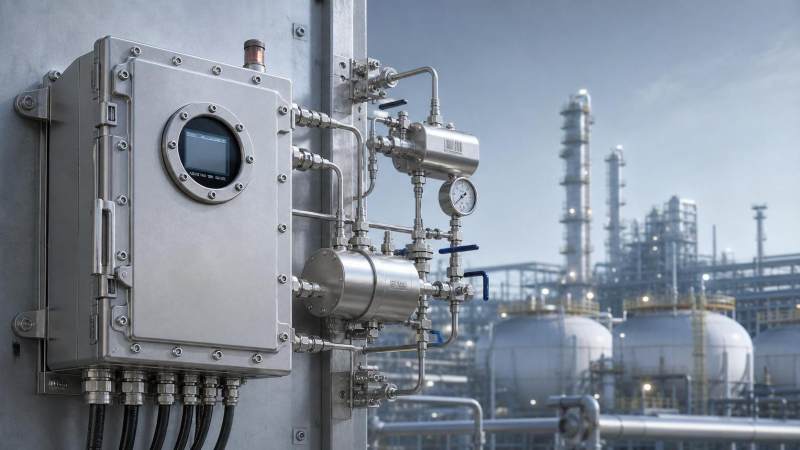
At the same time, facilities are under pressure to reduce incidents, prove regulatory conformity, and maintain uptime. An Explosive Proof Analyzer must therefore deliver two things together: reliable measurement and verified protection.
This is especially relevant across the sectors tracked by Global Instrument Hub. From industrial process control to environmental monitoring and energy systems, the analyzer is part of the plant’s sensing and decision layer.
If that layer is weak, digital transformation loses credibility. Accurate data without safe installation is incomplete. Safe installation without stable analysis is equally inadequate.
What an Explosive Proof Analyzer really includes
The term usually refers to an analyzer system designed for operation in hazardous locations where ignitable atmospheres may exist. The protection approach may involve flameproof enclosures, intrinsic safety, purging, pressurization, or increased safety concepts.
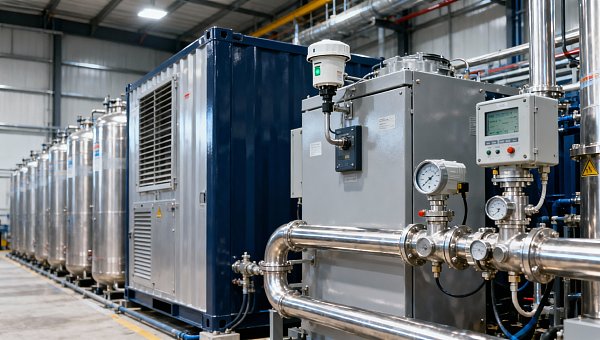
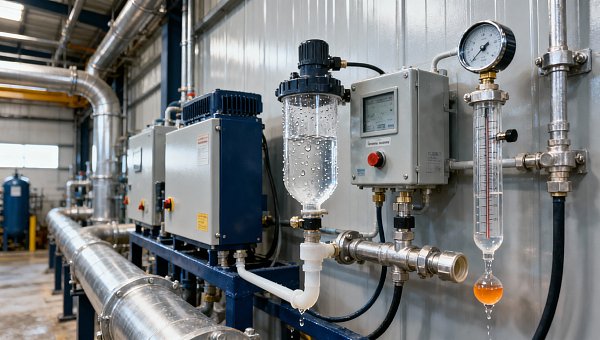
Simple descriptions can be misleading. In practice, the analyzer is not only the measuring core. It may include sampling panels, transmitters, cabinets, cable entries, displays, heaters, pumps, and communication interfaces.
A site may purchase a certified analyzer module, then unknowingly compromise compliance through an uncertified junction box or an unsuitable purge arrangement. Selection should therefore focus on the full installation chain, not the nameplate alone.
The difference between safe measurement and safe installation
Measurement performance answers whether the analyzer can detect the required component within the needed accuracy, range, response time, and drift limits.
Protection performance answers whether the device can operate without becoming an ignition source under the classified area conditions. Both must be validated together.
Safety ratings that deserve close attention
Many procurement mistakes begin with partial reading of certifications. A compliant Explosive Proof Analyzer should be checked against the site’s hazardous area classification, gas group, temperature class, ambient limits, and installation method.
The table below helps separate the most important rating elements.
A certificate should also be read with its conditions of use. Special markings often carry installation restrictions, cable gland requirements, or maintenance rules that are easy to miss during early sourcing.
ATEX, IECEx, and regional approval logic
ATEX is closely tied to the European regulatory framework. IECEx offers an international certification scheme. North America often uses a different hazardous location system based on Class, Division, and local approvals.
An Explosive Proof Analyzer acceptable in one market may still need additional review elsewhere. For global projects, documentation alignment matters as much as the hardware itself.
Selection criteria beyond the nameplate
The best Explosive Proof Analyzer is not always the one with the highest specification. It is the one that fits the process hazard, sample condition, maintenance reality, and control architecture without creating avoidable complexity.
Several practical checks are worth prioritizing.
- Confirm the exact analyte, concentration range, interference profile, and required response time.
- Review whether the sample is corrosive, wet, dusty, hot, pressurized, or condensation-prone.
- Check whether the analyzer will be field-mounted, shelter-mounted, or integrated into an analyzer house.
- Match the protection concept to maintenance access and shutdown constraints.
- Evaluate spare parts, calibration gas logistics, and service competence in the target region.
- Verify communication compatibility with PLC, DCS, SCADA, or asset management systems.
In many projects, lifecycle practicality decides long-term success. A highly capable analyzer that requires difficult calibration routines or rare parts can become a reliability burden after commissioning.
Where mistakes appear most often
Common errors are usually not dramatic at the time of purchase. They appear as small assumptions, copied specifications, or incomplete document reviews.
Mistake 1: treating explosion-proof as a generic label
Not every Explosive Proof Analyzer uses the same protection method. A flameproof design and an intrinsically safe loop solve risk in different ways and impose different installation conditions.
Mistake 2: focusing on the analyzer core, not the system
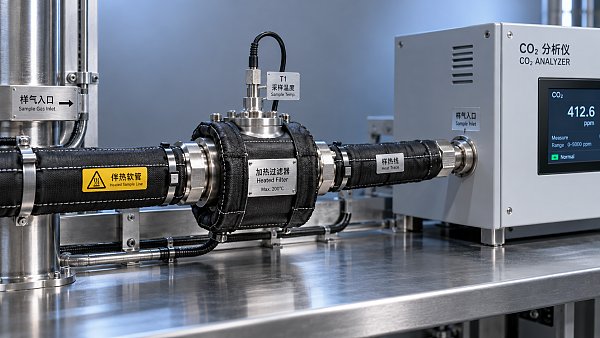
Sampling systems, regulators, valves, and heated lines may affect both safety and measurement integrity. A certified analyzer head cannot compensate for an unsafe sample handling design.
Mistake 3: overlooking environmental stress
High humidity, salt spray, vibration, washdown, or solar load can degrade an otherwise suitable device. Hazardous area approval does not automatically guarantee field durability.
Mistake 4: copying old area classifications
Plant modifications, process changes, and ventilation updates can alter hazardous zoning. Selection based on outdated drawings creates both compliance and safety gaps.
Mistake 5: underestimating documentation quality
Incomplete certificates, unclear bills of materials, and vague conditions of use slow audits and raise acceptance risk. This is where structured intelligence from platforms like GIH becomes useful.
Typical application contexts across industries
Explosive Proof Analyzer demand is not limited to one sector. The selection logic changes with the process objective and the hazard profile.
- In oil and gas, analyzers monitor hydrocarbon composition, oxygen content, moisture, sulfur compounds, and emissions under volatile process conditions.
- In chemical processing, they support reactor control, solvent recovery, and leak-sensitive monitoring where gas group and temperature class become decisive.
- In power and energy systems, they help track fuel quality, transformer environments, or storage-related risks where uptime pressure is high.
- In environmental applications, they support CEMS and hazardous gas analysis where data defensibility matters as much as hardware safety.
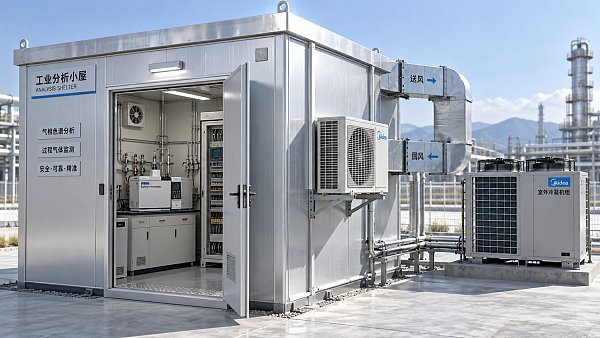
- In laboratory-adjacent industrial zones, analyzer shelters may combine precision measurement needs with classified-area restrictions.
Across these settings, the recurring question is the same: can the analyzer produce trustworthy data without adding ignition risk or maintenance friction?
A practical evaluation framework
A disciplined review process usually prevents the most expensive mistakes. It helps turn a broad vendor comparison into a realistic application decision.
Start with site truth
Validate zoning, gas group, ambient conditions, utilities, and mounting location before discussing preferred brands or analyzer technologies.
Then test measurement fit
Review sensitivity, selectivity, drift, calibration frequency, sample transport delay, and contamination risk. Safety certification should not overshadow analytical suitability.
Finally review lifecycle evidence
Ask for certificate packages, maintenance procedures, spare parts plans, and service coverage. Strong suppliers can explain not only compliance, but also operational consequences.
For organizations comparing global sources, this is where market intelligence becomes valuable. GIH’s role in tracking certifications, supplier depth, and technical credibility helps reduce information asymmetry before procurement moves forward.
What to do before final selection
A strong final decision usually comes from a short checklist rather than a long specification sheet. Confirm the hazardous area basis, the analyzer technology fit, the complete certification trail, and the expected maintenance model.
If two options appear similar, the better choice is often the one with clearer documentation, more transparent conditions of use, and lower field complexity.
An Explosive Proof Analyzer should ultimately strengthen both plant safety and measurement confidence. The next step is to map site conditions against certification details, then compare suppliers on lifecycle evidence rather than headline claims alone.
Recommended for You
 Can a C4H8O concentration analyzer distinguish between isomers?Can a C4H8O concentration analyzer distinguish isomers? Compare GC, FTIR and MS methods, uncover selectivity limits, and learn what to validate before choosing your instrument.
 How to identify a reliable supplier using on-time delivery recordsIdentify a Reliable Supplier by verifying on-time delivery records, original commitments, and complete shipments. Learn practical checks to reduce purchasing risk and protect your project schedule.
 How sensitive should a portable hydrogen analyzer be for lab use?Choose a portable hydrogen analyzer for laboratory use with the right quantification limit, accuracy, and range. Learn how to verify performance and avoid costly buying mistakes.
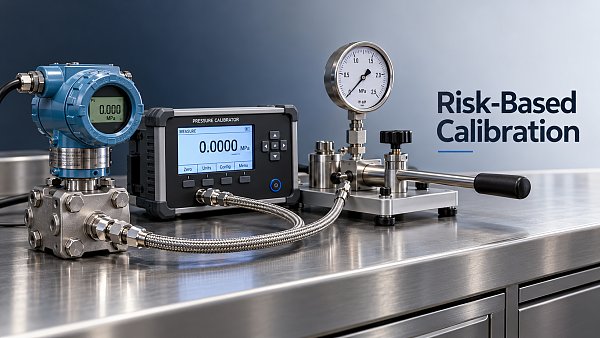
 How to set industrial calibration intervals based on equipment riskSet industrial calibration intervals based on equipment risk, drift, and as-found data. Learn when to shorten or extend schedules to improve reliability and avoid unnecessary costs.
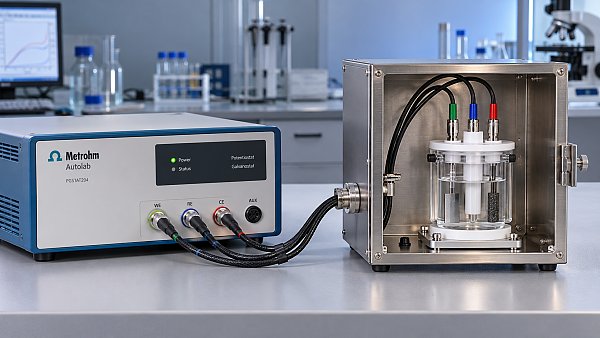
 How to choose electrochemical analyzers for low-current measurementsCompare electrochemical analyzers for precise low-current measurements. Learn how noise, leakage, bandwidth, and real-cell testing help you choose the right instrument.
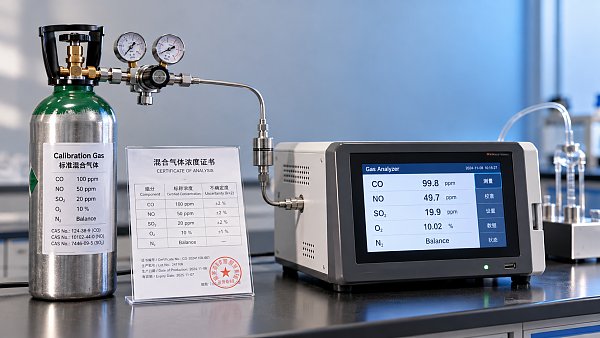
 What tolerance does a custom gas mixture need for calibration?Choose the right custom gas tolerance for calibration. Learn how blending tolerance, certified uncertainty, and stability affect accuracy—and avoid paying for precision you don’t need.
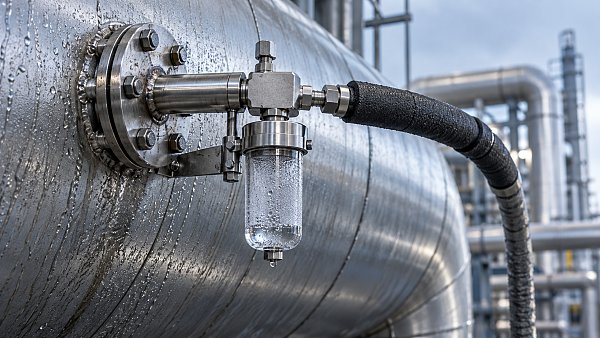
 How condensation affects stack detector readings in wet flue gasStack detector readings can drift when wet flue gas condenses. Learn how to identify moisture interference, prevent sample losses, and improve emissions monitoring reliability.
 How to prevent condensation in a CO2 analyzer sampling systemPrevent condensation in your CO2 analyzer sampling system. Learn how to control dew point, eliminate cold spots, and manage moisture for reliable readings and fewer costly disruptions.
 How to verify accuracy claims for industrial quality analyzersVerify accuracy claims for industrial quality analyzers with calibration checks, independent testing, and clear acceptance criteria. Learn how to reduce risk and buy with confidence.
 How to calculate cooling loads for an industrial analyzer shelterSize industrial analyzer shelter cooling with confidence. Learn to calculate equipment heat, solar gains, and ventilation loads, then select HVAC capacity for reliable analyzer performance.
 Hydrogen Analyzers for Energy Storage: Purity Monitoring vs. Leak DetectionChoosing a hydrogen analyzer for energy storage systems? Compare purity monitoring and leak detection to select the right sensors, improve safety, and protect fuel cell performance.
 NH3 Monitoring in Fertilizer Plants: Where Should Leak Analyzers Be Installed?NH3 analyzer for fertilizer production: discover where to place leak detectors around storage, compressors, and loading areas to reduce blind spots and improve early warning.
 Diesel Engine NOx Analyzers: Response Time and NO2 Conversion ExplainedChoosing a NOX analyzer for diesel engines? Learn how response time, NO2 conversion, and sampling design affect accuracy—and make a smarter, evidence-based purchase.
 SO2 Analyzers for Smelter Emissions: Sampling Hot, Dust-Laden Flue GasSelect an SO2 analyzer for smelting industry applications. Discover how to handle hot, dust-laden flue gas, prevent sample losses, and achieve reliable emissions monitoring.
 Unstable CH4 Readings in Biogas Monitoring? Check Moisture and Sample FlowCH4 analyzer for biogas monitoring giving unstable readings? Discover how moisture, sample flow, and pressure checks help pinpoint faults and restore reliable methane measurements.
 Buying a CO2 Analyzer for Brewery Gas Recovery: Costs Beyond the Purchase PriceBuying a CO2 analyzer for brewery applications? Compare sampling, installation, calibration, and downtime costs to uncover hidden expenses and make a smarter gas recovery investment.
 Where to Place CO Analyzers for Effective Parking Garage VentilationOptimize your CO analyzer for parking garage ventilation with practical placement tips. Learn how sensor height, airflow, and zone coverage support timely detection and effective fan control.
 NDIR vs. FTIR Gas Analyzers: Which Fits Your Environmental Research?Find the right infrared gas analyzer for environmental research. Compare NDIR vs. FTIR on sensitivity, gas coverage, sampling needs, and cost to choose confidently for your study.
 Oxygen Analyzers for Diving: Calibration Checks Before Nitrox BlendingUsing an oxygen analyzer for diving applications? Discover essential calibration, sensor, and sampling checks before nitrox blending to support reliable readings.
 How Paramagnetic Oxygen Analyzers Work and Why Sample Pressure MattersLearn how a paramagnetic oxygen analyzer works, why sample pressure affects accuracy, and what to check in compensation and calibration before choosing your system.
 How Much Does a Complete CEMS Integration Project Typically Cost?How much does a complete CEMS integration project typically cost? Explore budget ranges, hidden installation costs, and compliance needs to compare quotes and plan confidently.
 What Is the Typical Response Time for Industrial Air Monitors?What is the typical response time for industrial air monitors? Explore T90, sampling delays, and alarm settings to compare performance and choose the right monitor with confidence.
 Do Regulatory Monitoring Systems Need Third-Party Certification?Do regulatory monitoring systems need third-party certification? Learn when it is required, what certificates prove, and how to verify compliance before buying.
 How Do You Choose Wired or Wireless for Stack Monitoring?Learn how to choose between wired and wireless for stack monitoring. Compare reliability, lifecycle costs, and data recovery to find the right CEMS setup for your site.
 What Happens When Combustible Gas Sensor Calibration Is Overdue?What happens if combustible gas sensor is not recalibrated on time? Discover the risks of inaccurate readings and missed alarms, plus steps to restore reliable protection.
 Can One Multi-Gas Detector Replace Four Separate Analyzers?Find out: can a single multi-gas detector replace four separate analyzers? Compare accuracy, safety, compliance, and lifetime costs to make a confident buying decision.
 Industrial Safety vs. Emission Monitoring: What Are the Differences?What are the main differences between industrial safety and emission monitoring? Compare goals, sensors, response times, and compliance needs to choose the right systems for your facility.
 Is Remote Monitoring Worth the Cost for Small Emission Sources?Is it worth investing in remote monitoring for small emission sources? Compare costs, compliance needs, and potential savings to choose the right solution for your operation.
 How Do You Handle Analyzer Failure During an Environmental Audit?Learn how to handle analyzer failure during environmental compliance audit procedures. Protect evidence, verify data, and restore monitoring with this practical response guide.
 Do VOC Monitors Require Explosion-Proof Certification?Does VOC monitoring require explosion-proof certification? Learn when approval is needed, compare ATEX and IECEx, and choose the right monitor for your site.
 How sample conditioning affects accuracy in petrochemical analyzersImprove accuracy in petrochemical analyzers with smarter sample conditioning. Discover how phase control, filtration, and transport design prevent bias and deliver reliable process data.
 How to troubleshoot sensor drift in industrial gas detectorsIndustrial gas detectors showing sensor drift? Learn how to verify calibration gas, identify root causes, and determine when sensor replacement is needed for reliable monitoring.
Search Categories
Search Categories
- Smart Meters & Power Quality
- Transformer Gas Analyzers
- BESS Thermal Runaway Detectors
- Energy, Power & Smart Grid Monitoring
- Optical Profilers & CMM
- Ultrasonic & X-Ray NDT
- Calibration Standards
- Precision Metrology & NDT
- Water Quality Analyzers
- CEMS & VOCs Monitors
- Price Trends
- Import & Export Updates
- Market Trends
- Industry News
- Industry Insights
Latest Article
- Can a C4H8O concentration analyzer distinguish between isomers?Can a C4H8O concentration analyzer distinguish isomers? Compare GC, FTIR and MS methods, uncover selectivity limits, and learn what to validate before choosing your instrument.Posted by:
- How to identify a reliable supplier using on-time delivery recordsIdentify a Reliable Supplier by verifying on-time delivery records, original commitments, and complete shipments. Learn practical checks to reduce purchasing risk and protect your project schedule.Posted by:
- How sensitive should a portable hydrogen analyzer be for lab use?Choose a portable hydrogen analyzer for laboratory use with the right quantification limit, accuracy, and range. Learn how to verify performance and avoid costly buying mistakes.Posted by:
Please give us a message
