
Thermal Conductivity Monitor vs Continuous Analyzer: Which Cuts Operating Cost


Thermal Conductivity Monitor vs Continuous Analyzer: Which Cuts Operating Cost
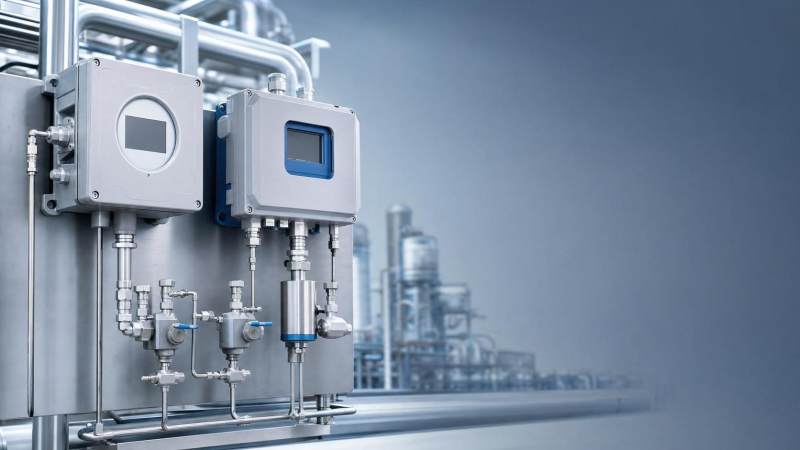
For cost-focused procurement, accuracy is only one part of the decision.
The bigger issue is what each instrument costs to run over years, not months.
A thermal conductivity monitor often looks simpler on paper.
A continuous analyzer may look more capable, but also more expensive.
In practice, operating cost depends on process stability, service demand, and failure exposure.
That is where the thermal conductivity monitor comparison becomes commercially useful.
In gas purity control, hydrogen systems, binary gas blending, and utility monitoring, the thermal conductivity monitor can reduce routine expenses.
But not every process fits that profile.
Where mixed components shift often, a continuous analyzer may avoid bigger losses from wrong readings.
The right purchase decision comes from matching measurement method to cost drivers.
What Actually Drives Operating Cost
Most buyers first compare purchase price.
That is understandable, but it rarely predicts total spend.
A better model separates cost into five buckets.
- Calibration materials and technician time
- Consumables, filters, sample conditioning parts, and sensors
- Utility consumption, including power and purge gas
- Repair, spare parts, and service call frequency
- Process loss from drift, false alarms, or unplanned downtime
This is where a thermal conductivity monitor often gains ground.
Its design is usually less complex than many continuous analyzer platforms.
Fewer moving parts often mean fewer maintenance interventions.
That can matter more than a lower or higher initial quote.
Still, low maintenance only helps when the measurement principle matches the gas stream.
Where a Thermal Conductivity Monitor Saves More
A thermal conductivity monitor works best when gas composition is relatively simple.
It is especially effective in binary or near-binary mixtures.
Typical examples include hydrogen purity, carbon dioxide blending, and inert gas verification.
In these cases, the thermal conductivity monitor can keep cost low in several ways.
- Shorter calibration routines because the matrix is stable
- Lower spare part demand than optical or multi-stage analyzer systems
- Less sample conditioning in clean, dry gas applications
- Faster fault isolation for plant maintenance teams
That combination usually lowers annual service labor.
It also reduces the hidden cost of instrument downtime.
For many utility and energy operations, that is the more meaningful financial win.
A thermal conductivity monitor also tends to fit retrofit projects well.
When installation is straightforward, commissioning cost stays under control too.
When a Continuous Analyzer Can Be Cheaper Overall
This is the part many procurement reviews miss.
A thermal conductivity monitor is not automatically the lower-cost option.
If the process stream contains multiple changing gases, the economics can reverse.
A continuous analyzer may cost more to buy and maintain.
Yet it may prevent production waste, off-spec batches, or compliance exposure.
That makes it cheaper at the operating level.
This is common in chemical processing, emissions control, and complex gas recovery lines.
In those environments, selective measurement matters more than hardware simplicity.
The wrong thermal conductivity monitor setup can create frequent manual checks.
It can also trigger unnecessary recalibration because the background gas changes.
Once operator hours rise, the apparent savings disappear.
Maintenance Burden: The Real Budget Multiplier
Maintenance is usually the largest controllable cost after downtime.
That makes service design a procurement issue, not just an engineering issue.
A thermal conductivity monitor generally benefits from simpler upkeep.
There are often fewer optics, reagents, or advanced detector assemblies to replace.
That helps plants with limited local technical support.
It also lowers dependence on expensive OEM field visits.
However, sample quality still matters.
Wet, dirty, or corrosive gas will drive maintenance cost up for any instrument.
That is why sample conditioning should be priced with the analyzer package.
A low-price monitor with an oversized conditioning train is rarely a bargain.
A Simple Cost Comparison Framework
For procurement reviews, a five-year model is usually enough.
It captures the main difference between a thermal conductivity monitor and a continuous analyzer.
This framework keeps the discussion tied to operating cost, not product marketing.
It also makes vendor comparison easier.
Questions to Ask Before Approving the Purchase
A better buying decision usually comes from better vendor questions.
- Is the gas mixture stable enough for a thermal conductivity monitor to stay reliable?
- How many calibration events are expected per year?
- What spare parts are mandatory in the first three years?
- Can in-house technicians maintain the unit without OEM attendance?
- What is the cost of downtime if the analyzer drifts or fails?
- Does the sample system add hidden capital and operating cost?
These questions often expose the true winner quickly.
More importantly, they turn a specification review into a cost-control review.
Which Option Usually Wins
In straightforward gas applications, the thermal conductivity monitor often cuts operating cost.
It tends to win through lower maintenance, simpler calibration, and fewer specialized service needs.
That makes it a strong option for buyers balancing reliability and budget discipline.
But in variable, multicomponent, or compliance-sensitive streams, a continuous analyzer can protect larger operating value.
The lower-cost decision is not the cheapest instrument.
It is the one that minimizes service burden and process risk together.
For a disciplined procurement process, ask vendors to quantify annual maintenance hours, calibration burden, and expected uptime.
Once those numbers are visible, the right thermal conductivity monitor decision becomes much clearer.
Recommended for You
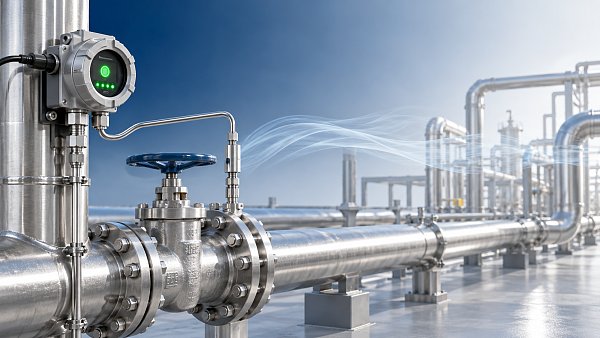
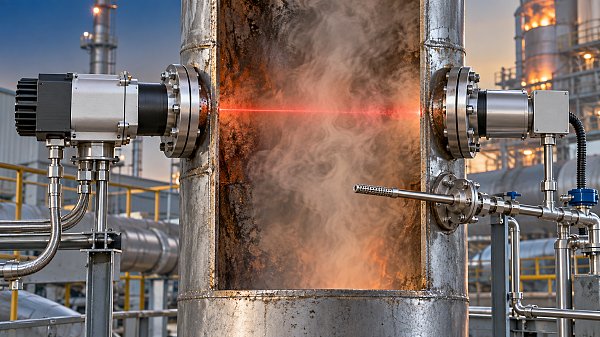
 When does a laser gas analyzer meet stack emissions monitoring needs?Laser gas analyzer for stack emissions: learn when it delivers fast, reliable data, how to assess installation risks, and what to verify for CEMS compliance.
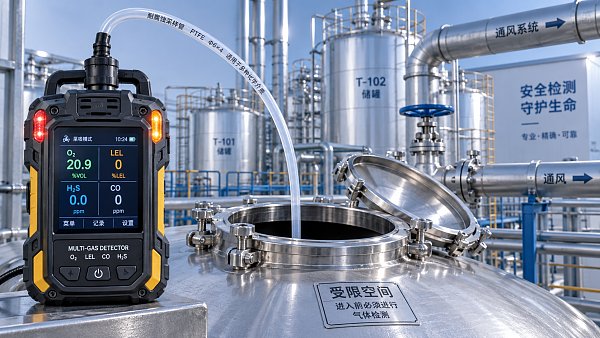
 How to select a hazardous gas analyzer for confined spacesHazardous gas analyzer selection for confined spaces: compare sensors, sampling, certifications, alarms, and maintenance to protect workers and choose with confidence.
 When is a single gas analyzer sufficient for workplace safety monitoring?Discover when a single gas analyzer delivers reliable workplace safety monitoring, and learn the key limits, calibration needs, and risks that require broader detection.
 How to choose an ambient gas analyzer for low-level leak detectionAmbient gas analyzer selection for low-level leak detection: compare sensitivity, cross-sensitivity, sampling design, alarms, and calibration for reliable site performance.
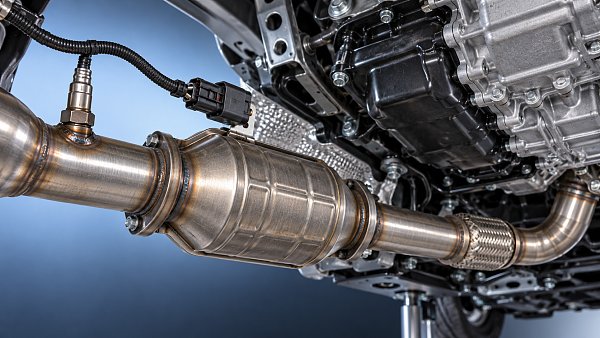
 How to tell when an oxygen sensor needs replacementOxygen sensor replacement signs explained: learn how live data, fault codes, wiring checks, and exhaust inspections pinpoint the real issue before you buy.
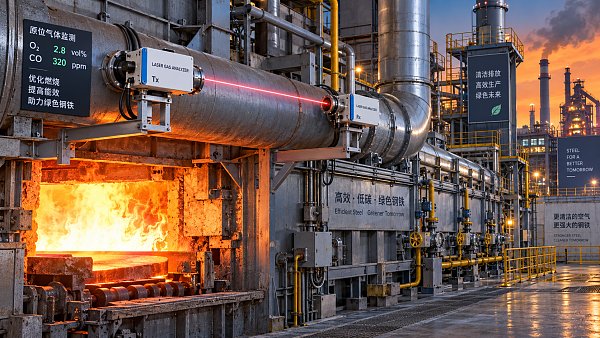
 How laser gas analyzers improve combustion control in steel furnacesLaser gas analyzer for steel industry applications delivers fast in-situ O₂ and CO data to optimize furnace combustion, cut fuel waste, and improve steel heating stability.
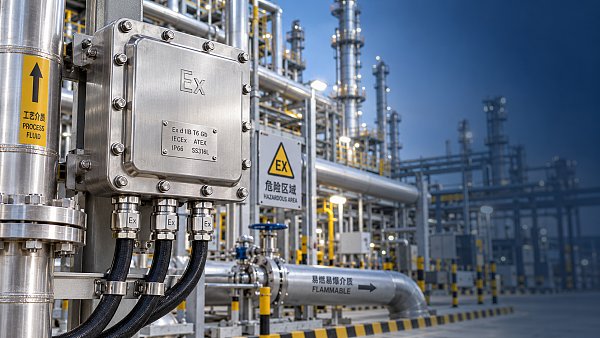
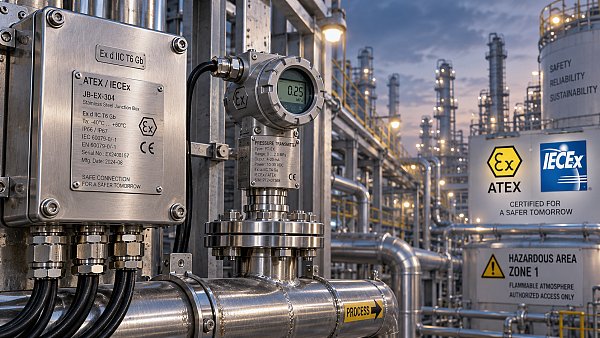
 How to verify whether explosion proof equipment meets site requirementsExplosion proof equipment verification made practical: match zones, gas or dust groups, temperature classes, certificates, and installation conditions for confident compliance.
 How industrial gas analysis helps detect contamination before releaseIndustrial Gas Analysis helps detect moisture, oil, oxygen, and toxic contaminants before release—protecting processes, ensuring compliance, and reducing costly risks.
 When is electrochemistry detection the right choice for water analysis?Electrochemistry detection for water analysis: learn when fast, reliable monitoring of ions, chlorine, pH, and more delivers actionable results.
 How industrial standards reduce quality risks in supplier selectionIndustrial Standard guidance helps quality and safety managers reduce supplier risks, verify compliance, strengthen traceability, and build resilient instrumentation supply chains.
 When does a multi-component system reduce installation complexity?Multi component systems reduce installation complexity when they eliminate field interfaces, streamline commissioning, and provide proven compatibility. Learn how to assess total cost and supplier accountability.
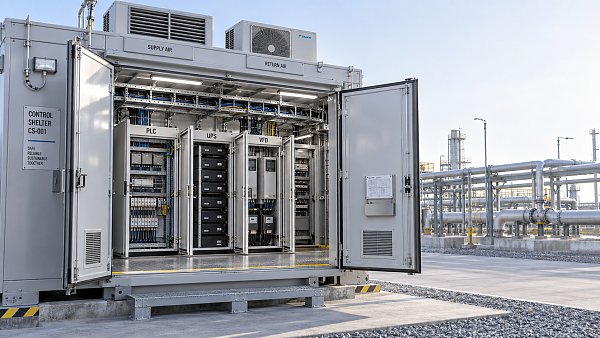
 How to size an industrial control shelter for outdoor equipmentIndustrial control shelter sizing guide: optimize layout, HVAC, access, safety, and expansion space for reliable outdoor equipment operations.
 How flue analysis helps verify combustion efficiencyFlue analysis verifies combustion efficiency by assessing O2, CO, CO2, and stack temperature to identify excess air, incomplete combustion, and heat losses.
 How to select industrial gas detectors for confined spacesIndustrial gas detectors for confined spaces: learn how to match sensors, sampling methods, alarms, and certifications to real atmospheric hazards.
 When does a laser oxygen analyzer outperform zirconia sensors?Laser oxygen analyzer vs. zirconia sensors: compare speed, selectivity, maintenance, gas chemistry, and installation needs to choose the right oxygen measurement solution.
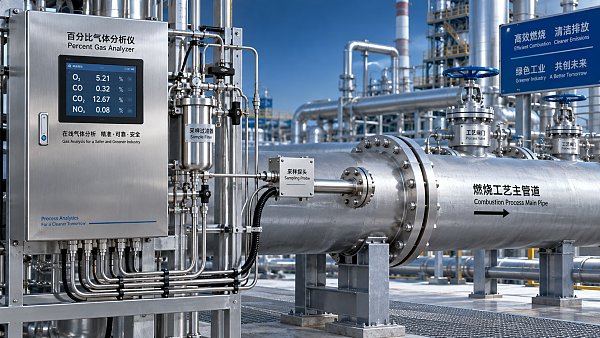
 How to select a percent range analyzer for process measurementsPercent range analyzer selection made practical: compare accuracy, sample systems, calibration, gas matrix, integration, and lifecycle cost for reliable process measurements.
 How explosion proof analysis verifies safe equipment for hazardous areasExplosion proof analysis verifies hazardous-area equipment by matching certifications, temperature ratings, installation details, and inspection controls for safer compliance.
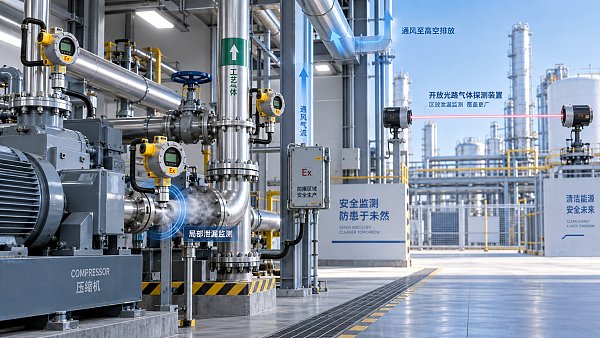
 When does fixed gas detection need point sensors instead of open-path monitoring?Fixed gas detection: discover when point sensors outperform open-path monitoring for predictable leaks, enclosed zones, local alarms, and safer design decisions.
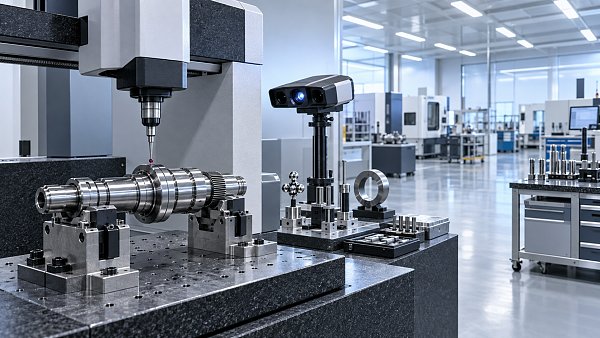
 How to choose industrial metrology systems for tight-tolerance partsIndustrial metrology guide for tight-tolerance parts: compare CMMs, optical scanners, gauges, uncertainty, workflow, and traceable inspection strategies.
 How process metrology reduces measurement variation in productionProcess metrology reduces production measurement variation by improving traceability, uncertainty control, calibration, and reliable quality decisions.
 How to select an industrial monitoring analyzer for harsh environmentsIndustrial monitoring analyzer selection for harsh environments: evaluate sampling, durability, hazardous-area compliance, accuracy, maintenance, and data reliability.
 How calibration intervals affect test and measurement equipment accuracyTest and measurement equipment calibration intervals directly affect accuracy, risk, compliance, and uptime. Learn how to set evidence-based schedules that protect critical decisions.
 When does process gas monitoring need continuous measurement?Process gas monitoring needs continuous measurement when rapid changes threaten safety, quality, compliance, or uptime. Learn how to specify reliable, actionable monitoring systems.
 How to prevent false alarms in power plant instrumentationPower plant instrumentation guide: prevent false alarms with reliable signal checks, smarter alarm settings, mode-based control, and actionable operator responses.
 How fixed gas detectors help prevent leaks in enclosed workspacesFixed gas detectors provide continuous leak monitoring in enclosed workspaces, enabling faster alarms, safer responses, and stronger protection for people and processes.
 How industrial gas analysis helps detect process contamination earlyIndustrial Gas Analysis helps detect oxygen, moisture, and hydrocarbon contamination early, enabling faster fault isolation, safer operations, and stronger process control.
 What drives environmental compliance continuous monitoring setup cost?Environmental compliance continuous monitoring setup cost: uncover hidden expenses, compare bids accurately, and build a reliable, audit-ready system.
 How to select gas analysis equipment for continuous emissions monitoringGas analysis equipment selection guide for reliable continuous emissions monitoring—compare technologies, sampling, calibration, compliance, and maintenance needs.
 What detection limit is needed for NH3 environmental monitoring?High accuracy NH3 analyzer for environmental monitoring: learn how to set the right detection limit, improve sampling reliability, and make defensible decisions.
 How to select a NOX analyzer for power plant emissions complianceNOX analyzer for power plant emissions: learn how to select a compliant, reliable CEMS solution with the right range, sample handling, calibration, and data integrity.
 How to evaluate a laser gas analyzer manufacturer in GermanyLaser gas analyzer manufacturer in Germany: compare accuracy, sample handling, interference control, calibration, and service to select a reliable solution.
 How does a flue gas analyzer maintain accuracy in wet stack gas?Flue gas analyzer accuracy in wet stack gas depends on heated sampling, moisture correction, reliable sensors, and calibration. Explore key selection tips.


Search Categories
Search Categories
- Smart Meters & Power Quality
- Transformer Gas Analyzers
- BESS Thermal Runaway Detectors
- Energy, Power & Smart Grid Monitoring
- Optical Profilers & CMM
- Ultrasonic & X-Ray NDT
- Calibration Standards
- Precision Metrology & NDT
- Water Quality Analyzers
- CEMS & VOCs Monitors
- Price Trends
- Import & Export Updates
- Market Trends
- Industry News
- Industry Insights
Latest Article
- When does a laser gas analyzer meet stack emissions monitoring needs?Laser gas analyzer for stack emissions: learn when it delivers fast, reliable data, how to assess installation risks, and what to verify for CEMS compliance.Posted by:
- How to select a hazardous gas analyzer for confined spacesHazardous gas analyzer selection for confined spaces: compare sensors, sampling, certifications, alarms, and maintenance to protect workers and choose with confidence.Posted by:
- When is a single gas analyzer sufficient for workplace safety monitoring?Discover when a single gas analyzer delivers reliable workplace safety monitoring, and learn the key limits, calibration needs, and risks that require broader detection.Posted by:
Please give us a message
