
Emission Equipment Cost Drivers in 2026: Parts, Service, and Upgrade Planning


Why are emission equipment costs rising even when the purchase price looks stable?
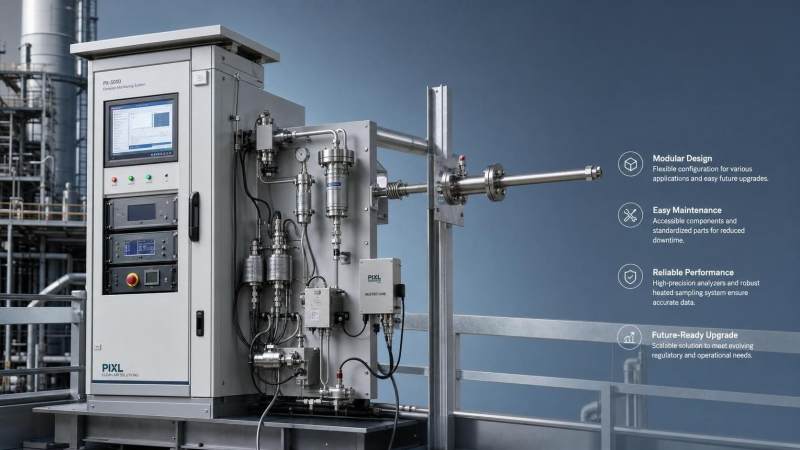
In 2026, emission equipment budgeting is no longer about the initial quote alone.
The larger cost pressure usually appears after installation, during operation, service, calibration, and compliance updates.
That shift matters across manufacturing, power generation, environmental monitoring, laboratory support, and heavy process industries.
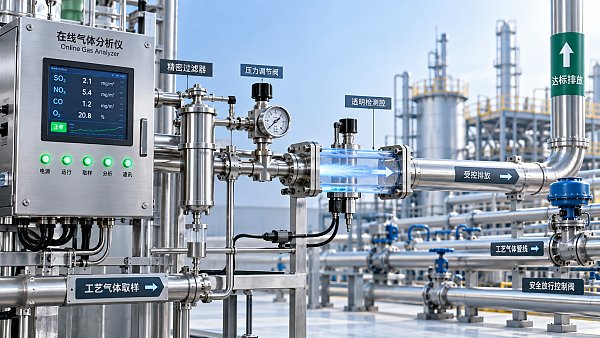
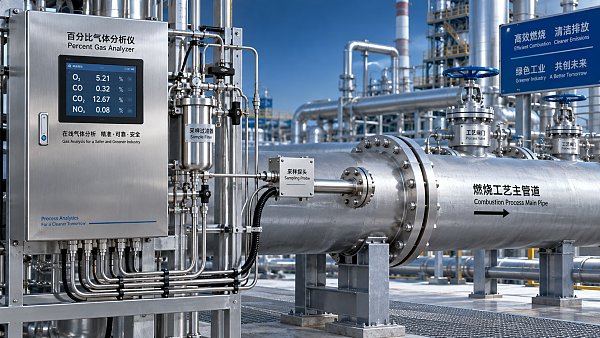
In practical terms, many organizations discover that analyzers, probes, sample conditioning units, and data interfaces age at different speeds.
So the true cost of emission equipment often comes from mismatch, not just wear.
A system may still run, yet spare parts become scarce, software support narrows, or reporting rules change.
That is why lifecycle planning now carries more weight than one-time procurement savings.
This is also where market intelligence becomes useful.
Global Instrument Hub tracks instrumentation supply chains, compliance signals, and technical shifts across environmental and process monitoring.
That broader view helps explain why one emission equipment platform remains economical while another becomes expensive to sustain.
Which parts usually drive the highest lifetime cost?
The expensive parts are rarely the obvious ones.
In many emission equipment systems, recurring cost comes from components with short maintenance intervals or strict accuracy requirements.
Common examples include filters, heated lines, pumps, valves, sample probes, NOx and SO2 sensors, flow modules, and moisture control assemblies.
Consumables can look minor on paper, but repeated replacement adds up quickly.
The more critical issue is downtime exposure.
If one low-cost part disables a full emissions monitoring chain, the operational and compliance cost may exceed the part value many times over.
A useful way to judge parts cost is to separate items into three groups:
- High-frequency consumables that require scheduled replacement.
- Critical functional parts with long lead times.
- Obsolescence-sensitive modules tied to firmware or legacy interfaces.
The third group is often underestimated.
Legacy boards, communication cards, and proprietary detectors can create sudden cost spikes when suppliers phase them out.
For that reason, emission equipment evaluation should always include a spare parts roadmap, not only a bill of materials.
A quick cost-check table helps clarify where to look first
How much does service complexity really change total emission equipment cost?
More than many teams expect.
Two emission equipment systems with similar measurement performance can carry very different service burdens.
The difference often comes from installation environment, sample quality, system accessibility, and technician skill requirements.
For example, stack monitoring in corrosive or high-moisture conditions usually requires more frequent intervention.
Remote sites add travel cost, delayed response, and spare inventory requirements.
Complex sample conditioning trains also increase failure points.
When service depends on proprietary tools or factory-only access, support becomes more expensive over time.
A practical question to ask is not, “Can this be serviced?”
The better question is, “How quickly can normal operation be restored without specialist escalation?”
That answer affects maintenance budgets, downtime planning, and site risk.
GIH often highlights this point in instrumentation supply chain research.
Service ecosystems matter almost as much as hardware quality, especially when compliance data must remain continuous.
When does an upgrade make more sense than another repair cycle?
This is usually the turning point in emission equipment planning.
Repeated repairs seem cheaper in the short term, yet they can hide a larger capital problem.
If a platform has unstable parts availability, outdated software, or recurring calibration drift, the economics start changing fast.
A repair-first strategy becomes weak when three signs appear together:
- Annual service cost approaches a meaningful share of replacement value.
- Compliance reporting requires functions the current system cannot support well.
- Downtime risk grows because lead times or technical support are unpredictable.
Upgrade planning should also look beyond the analyzer itself.
Many 2026 projects focus on digital outputs, remote diagnostics, data integrity, and easier integration with plant control or reporting systems.
That means an upgrade can reduce cost indirectly by shortening service visits and improving fault visibility.
In sectors where environmental evidence must stand up to audit, upgrade value is often tied to confidence, not only performance.
A simple upgrade-versus-repair judgment guide
What compliance changes are pushing emission equipment budgets higher?
Regulation is becoming more data-focused, not just threshold-focused.
That changes how emission equipment is specified, maintained, and documented.
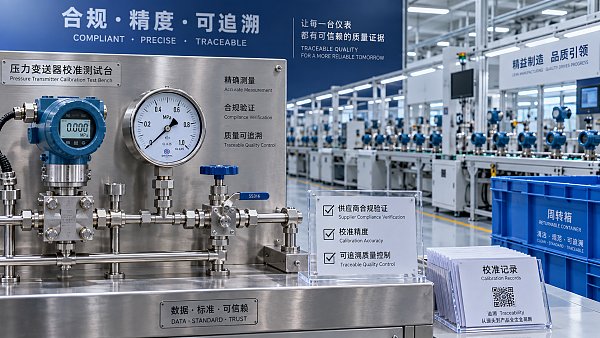
Sites increasingly need stronger traceability for calibration, clearer service history, and more reliable digital records.
Even when emission limits stay similar, the proof burden can rise.
This affects analyzers, sample systems, software gateways, and validation procedures.
In cross-border operations, the challenge is larger because local standards, accepted test methods, and certification expectations may differ.
That is one reason industry intelligence platforms remain relevant.
GIH’s coverage of instrumentation compliance, metrology discipline, and supplier capability helps reduce blind spots before sourcing decisions are finalized.
For emission equipment, a missing approval, weak traceability chain, or unsupported protocol can become a hidden budget issue later.
How should 2026 buyers compare emission equipment options without missing hidden costs?
The best comparisons are built around operating reality, not brochure performance.
A strong evaluation should combine technical fit, service model, supplier continuity, and upgrade path.
In actual projects, the following checks usually reveal the most useful differences:
- Map annual parts spend against expected runtime, not nameplate life.
- Ask for documented maintenance intervals under similar site conditions.
- Confirm whether calibration gases, probes, and filters are open-market or proprietary.
- Review software support policy, cybersecurity patch practice, and protocol compatibility.
- Check whether future analyzer upgrades require full cabinet replacement or modular changeout.
- Evaluate supplier depth, regional service reach, and technical documentation quality.
This approach works well across general industry because emission equipment rarely operates in isolation.
It connects to process control, environmental reporting, maintenance planning, and digital plant systems.
A lower quoted price can still be the higher-cost choice once those links are included.
What is the smartest next step before locking the budget?
Start by separating essential cost from avoidable cost.
Essential cost includes compliant measurement, dependable service access, and sustainable spare support.
Avoidable cost usually comes from poor standardization, late upgrades, weak parts forecasting, and underestimating service complexity.
Before final approval, build a short decision file for each emission equipment option.
Include five items: annual parts demand, service response model, compliance fit, upgrade path, and supplier continuity.
That structure turns a price discussion into a lifecycle decision.
In 2026, that is usually the difference between stable ownership cost and recurring budget surprises.
For organizations following instrumentation trends through GIH, the practical takeaway is clear.
Treat emission equipment as a managed measurement asset, not a one-time purchase.
Then compare suppliers, parts strategy, and upgrade timing with the same discipline used for performance specifications.
Recommended for You
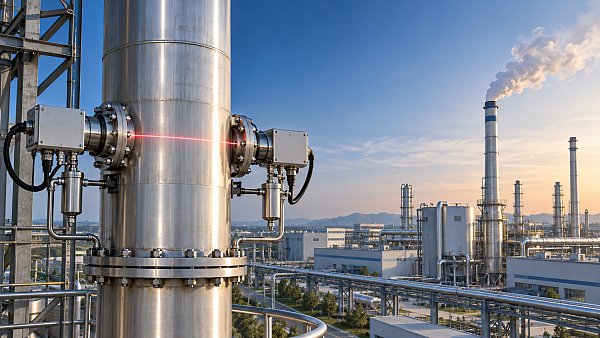
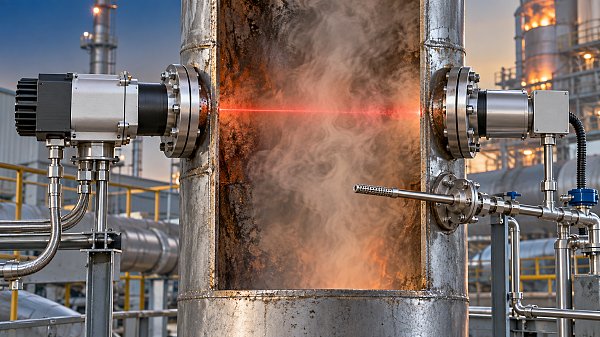
 When does a laser gas analyzer meet stack emissions monitoring needs?Laser gas analyzer for stack emissions: learn when it delivers fast, reliable data, how to assess installation risks, and what to verify for CEMS compliance.
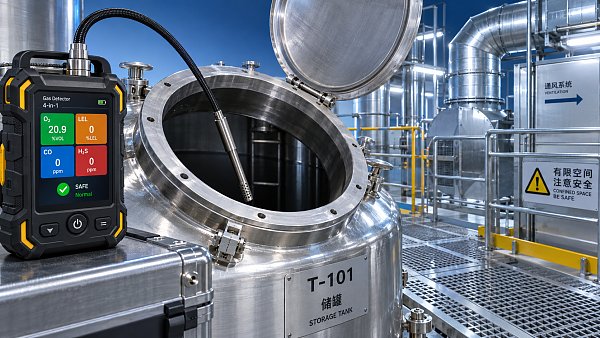
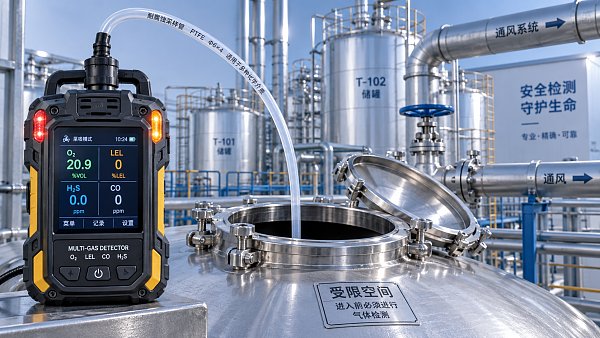
 How to select a hazardous gas analyzer for confined spacesHazardous gas analyzer selection for confined spaces: compare sensors, sampling, certifications, alarms, and maintenance to protect workers and choose with confidence.
 When is a single gas analyzer sufficient for workplace safety monitoring?Discover when a single gas analyzer delivers reliable workplace safety monitoring, and learn the key limits, calibration needs, and risks that require broader detection.
 How to choose an ambient gas analyzer for low-level leak detectionAmbient gas analyzer selection for low-level leak detection: compare sensitivity, cross-sensitivity, sampling design, alarms, and calibration for reliable site performance.
 How to tell when an oxygen sensor needs replacementOxygen sensor replacement signs explained: learn how live data, fault codes, wiring checks, and exhaust inspections pinpoint the real issue before you buy.
 How laser gas analyzers improve combustion control in steel furnacesLaser gas analyzer for steel industry applications delivers fast in-situ O₂ and CO data to optimize furnace combustion, cut fuel waste, and improve steel heating stability.
 How to verify whether explosion proof equipment meets site requirementsExplosion proof equipment verification made practical: match zones, gas or dust groups, temperature classes, certificates, and installation conditions for confident compliance.
 How industrial gas analysis helps detect contamination before releaseIndustrial Gas Analysis helps detect moisture, oil, oxygen, and toxic contaminants before release—protecting processes, ensuring compliance, and reducing costly risks.
 When is electrochemistry detection the right choice for water analysis?Electrochemistry detection for water analysis: learn when fast, reliable monitoring of ions, chlorine, pH, and more delivers actionable results.
 How industrial standards reduce quality risks in supplier selectionIndustrial Standard guidance helps quality and safety managers reduce supplier risks, verify compliance, strengthen traceability, and build resilient instrumentation supply chains.
 When does a multi-component system reduce installation complexity?Multi component systems reduce installation complexity when they eliminate field interfaces, streamline commissioning, and provide proven compatibility. Learn how to assess total cost and supplier accountability.
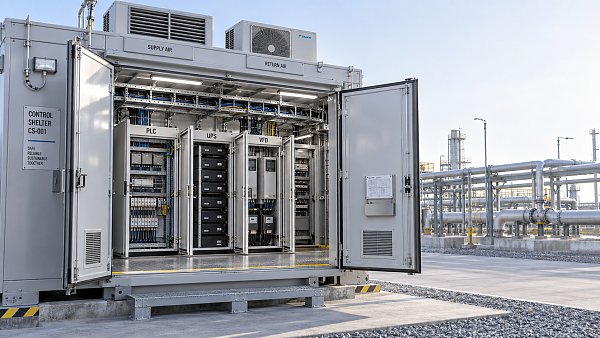
 How to size an industrial control shelter for outdoor equipmentIndustrial control shelter sizing guide: optimize layout, HVAC, access, safety, and expansion space for reliable outdoor equipment operations.
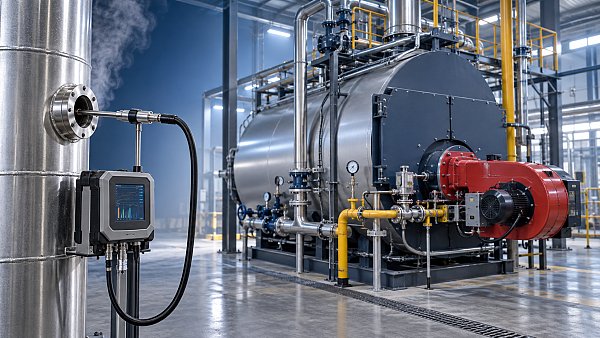
 How flue analysis helps verify combustion efficiencyFlue analysis verifies combustion efficiency by assessing O2, CO, CO2, and stack temperature to identify excess air, incomplete combustion, and heat losses.
 How to select industrial gas detectors for confined spacesIndustrial gas detectors for confined spaces: learn how to match sensors, sampling methods, alarms, and certifications to real atmospheric hazards.
 When does a laser oxygen analyzer outperform zirconia sensors?Laser oxygen analyzer vs. zirconia sensors: compare speed, selectivity, maintenance, gas chemistry, and installation needs to choose the right oxygen measurement solution.
 How to select a percent range analyzer for process measurementsPercent range analyzer selection made practical: compare accuracy, sample systems, calibration, gas matrix, integration, and lifecycle cost for reliable process measurements.
 How explosion proof analysis verifies safe equipment for hazardous areasExplosion proof analysis verifies hazardous-area equipment by matching certifications, temperature ratings, installation details, and inspection controls for safer compliance.
 When does fixed gas detection need point sensors instead of open-path monitoring?Fixed gas detection: discover when point sensors outperform open-path monitoring for predictable leaks, enclosed zones, local alarms, and safer design decisions.
 How to choose industrial metrology systems for tight-tolerance partsIndustrial metrology guide for tight-tolerance parts: compare CMMs, optical scanners, gauges, uncertainty, workflow, and traceable inspection strategies.
 How process metrology reduces measurement variation in productionProcess metrology reduces production measurement variation by improving traceability, uncertainty control, calibration, and reliable quality decisions.
 How to select an industrial monitoring analyzer for harsh environmentsIndustrial monitoring analyzer selection for harsh environments: evaluate sampling, durability, hazardous-area compliance, accuracy, maintenance, and data reliability.
 How calibration intervals affect test and measurement equipment accuracyTest and measurement equipment calibration intervals directly affect accuracy, risk, compliance, and uptime. Learn how to set evidence-based schedules that protect critical decisions.
 When does process gas monitoring need continuous measurement?Process gas monitoring needs continuous measurement when rapid changes threaten safety, quality, compliance, or uptime. Learn how to specify reliable, actionable monitoring systems.
 How to prevent false alarms in power plant instrumentationPower plant instrumentation guide: prevent false alarms with reliable signal checks, smarter alarm settings, mode-based control, and actionable operator responses.
 How fixed gas detectors help prevent leaks in enclosed workspacesFixed gas detectors provide continuous leak monitoring in enclosed workspaces, enabling faster alarms, safer responses, and stronger protection for people and processes.
 How industrial gas analysis helps detect process contamination earlyIndustrial Gas Analysis helps detect oxygen, moisture, and hydrocarbon contamination early, enabling faster fault isolation, safer operations, and stronger process control.
 What drives environmental compliance continuous monitoring setup cost?Environmental compliance continuous monitoring setup cost: uncover hidden expenses, compare bids accurately, and build a reliable, audit-ready system.
 How to select gas analysis equipment for continuous emissions monitoringGas analysis equipment selection guide for reliable continuous emissions monitoring—compare technologies, sampling, calibration, compliance, and maintenance needs.
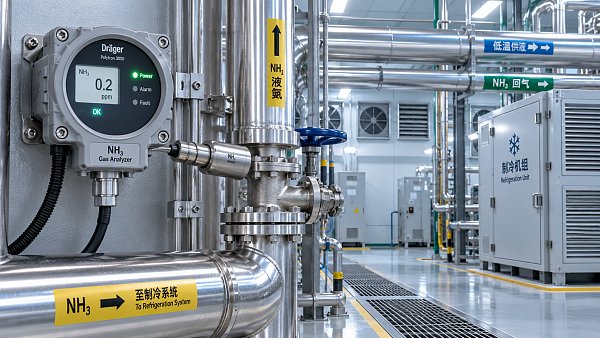
 What detection limit is needed for NH3 environmental monitoring?High accuracy NH3 analyzer for environmental monitoring: learn how to set the right detection limit, improve sampling reliability, and make defensible decisions.
 How to select a NOX analyzer for power plant emissions complianceNOX analyzer for power plant emissions: learn how to select a compliant, reliable CEMS solution with the right range, sample handling, calibration, and data integrity.
 How to evaluate a laser gas analyzer manufacturer in GermanyLaser gas analyzer manufacturer in Germany: compare accuracy, sample handling, interference control, calibration, and service to select a reliable solution.
 How does a flue gas analyzer maintain accuracy in wet stack gas?Flue gas analyzer accuracy in wet stack gas depends on heated sampling, moisture correction, reliable sensors, and calibration. Explore key selection tips.


Search Categories
Search Categories
- Smart Meters & Power Quality
- Transformer Gas Analyzers
- BESS Thermal Runaway Detectors
- Energy, Power & Smart Grid Monitoring
- Optical Profilers & CMM
- Ultrasonic & X-Ray NDT
- Calibration Standards
- Precision Metrology & NDT
- Water Quality Analyzers
- CEMS & VOCs Monitors
- Price Trends
- Import & Export Updates
- Market Trends
- Industry News
- Industry Insights
Latest Article
- When does a laser gas analyzer meet stack emissions monitoring needs?Laser gas analyzer for stack emissions: learn when it delivers fast, reliable data, how to assess installation risks, and what to verify for CEMS compliance.Posted by:
- How to select a hazardous gas analyzer for confined spacesHazardous gas analyzer selection for confined spaces: compare sensors, sampling, certifications, alarms, and maintenance to protect workers and choose with confidence.Posted by:
- When is a single gas analyzer sufficient for workplace safety monitoring?Discover when a single gas analyzer delivers reliable workplace safety monitoring, and learn the key limits, calibration needs, and risks that require broader detection.Posted by:
Please give us a message
