
Gas Quality Measurement Costs: What Affects Total Investment Most


Gas Quality Measurement Costs: where does the budget really go?
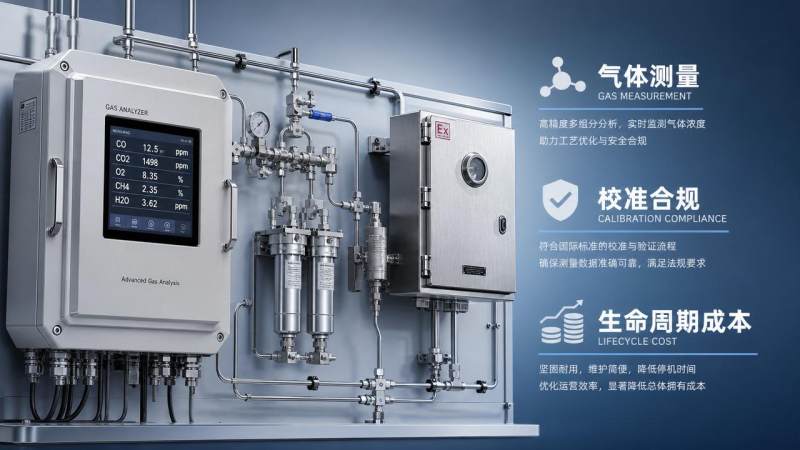
Gas quality measurement often looks simple on paper. A device, an installation point, and a quoted price. In practice, the total investment is rarely that neat.
The bigger question is not only how much the analyzer costs. It is what the full measurement system must do, prove, survive, and maintain over time.
That is why gas quality measurement becomes a financial control issue as much as an engineering one. Hidden scope usually appears in sampling, certification, calibration, integration, and service access.
Across energy, industrial processing, environmental monitoring, laboratories, and power systems, the same pattern appears. Accurate measurement protects production, compliance, and commercial settlement.
GIH follows these instrumentation decisions closely because they sit at the center of modern automation. When measurement quality is weak, control quality, reporting confidence, and procurement certainty all suffer.
So what affects gas quality measurement costs most? Usually, five cost drivers matter more than the headline equipment number.
Is analyzer price really the main cost driver?
Sometimes yes, but more often no. The analyzer is only the visible part of the gas quality measurement investment.
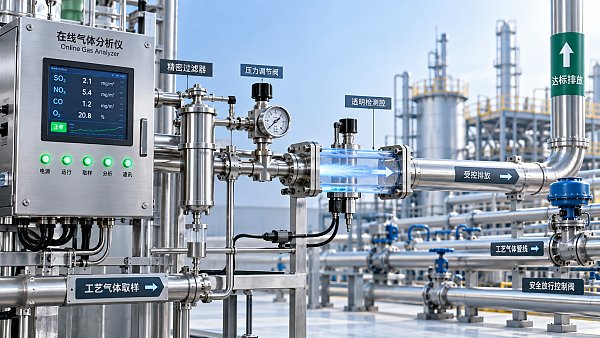
A low equipment quote can still lead to a high project cost if the application needs heated lines, sample conditioning, sheltering, hazardous-area certification, or advanced communications.
In many projects, the balance shifts like this: base instrument cost matters first, then installation engineering starts to dominate, and lifecycle service becomes the longer-term burden.
This is especially true when gas quality measurement supports custody transfer, emissions reporting, process optimization, or product release. Each use case raises the cost of being wrong.
A practical way to review budget exposure is to separate spending into four layers:
- Core analyzer and sensing technology
- Sampling, installation, and site preparation
- Compliance, calibration, and documentation
- Maintenance, spare parts, and downtime risk
If one of these layers is ignored during approval, the final number usually grows later through change orders or unplanned support contracts.
Which application details push gas quality measurement costs up fastest?
Application complexity is often the strongest cost multiplier. Two systems that both measure gas quality can have very different price structures.
The first driver is the gas itself. Clean, stable, dry gas is cheaper to measure than wet, corrosive, mixed, or fast-changing streams.
The second driver is measurement purpose. A trend-monitoring point needs less certainty than a billing point or a regulated emissions application.
The third driver is site environment. Offshore platforms, chemical plants, remote compressor stations, and high-temperature process areas all increase engineering demands.
More specifically, total gas quality measurement costs rise when the project includes:
- Multi-component analysis instead of one-parameter monitoring
- Low detection limits or tight repeatability requirements
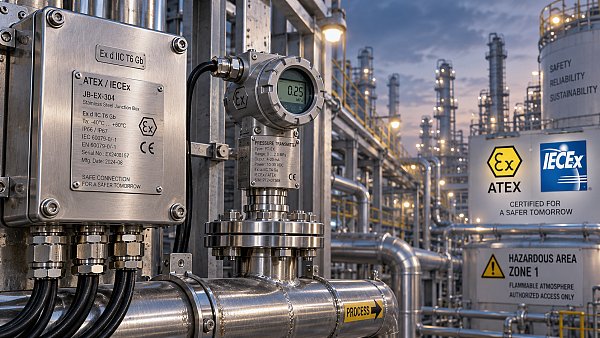
- ATEX or IECEx certification for hazardous locations
- Continuous operation with high availability expectations
- Integration into PLC, DCS, SCADA, or reporting platforms
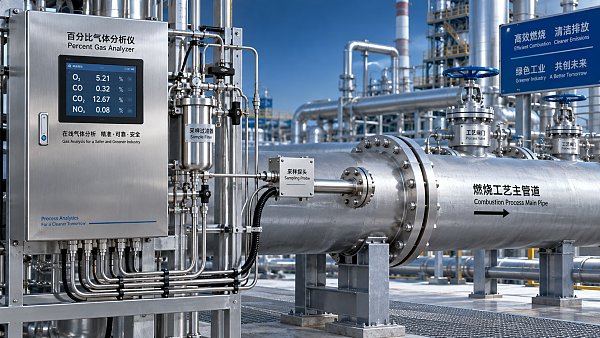
In actual projects, sample handling is a common surprise. If the gas must be filtered, pressure-controlled, dried, heated, or transported over distance, the accessory system can become a major budget item.
How much do compliance and calibration change the total investment?
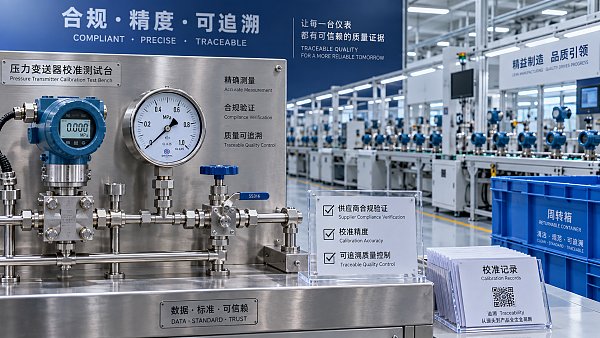
More than many approval reviews expect. Compliance and calibration often turn a technically acceptable setup into an audit-ready one.
For gas quality measurement, this matters when results affect trade, safety, emissions, product quality, or regulated reporting. Then traceability is not optional.
Calibration gas standards, documented procedures, verification intervals, and accredited service support all add cost. They also reduce the risk of disputes and failed inspections.
GIH often highlights this point in instrumentation research: a cheaper device without dependable metrology backing may create a much higher cost of ownership later.
The table below helps clarify where gas quality measurement budgets typically expand.
The lesson is simple. Compliance cost is not waste. It is the price of defensible data when the measurement has business consequences.
Where do hidden lifecycle costs usually appear?
Most hidden costs appear after commissioning, not before. That is why initial bids can be misleading.
Gas quality measurement systems need ongoing attention. Filters clog, sensors drift, calibration gases expire, valves age, and environmental conditions affect stability.
Downtime is another major issue. If the system supports process control, product certification, or emissions reporting, every hour without trusted data carries operational cost.
A useful review question is not “What does it cost to buy?” but “What does it cost to keep accurate for five years?”
Watch for these lifecycle items during approval:
- Consumables such as filters, columns, membranes, and reference gases
- Remote site travel, safety permits, and specialist labor
- Software updates, cybersecurity checks, and protocol changes
- Spare instrument strategy for critical operations
- Revenue loss or process instability during measurement failure
This is where stronger supplier intelligence helps. GIH’s supply-chain view is useful because service capability, parts continuity, and documentation discipline vary widely across vendors.
When does a higher upfront price actually save money?
A higher initial quote makes sense when it lowers risk in expensive operating conditions. That includes harsh environments, regulated applications, and installations where service access is difficult.
For example, a more stable gas quality measurement platform may reduce recalibration frequency, operator intervention, and false alarms. Those savings are not always visible in procurement comparisons.
The same applies when stronger diagnostics prevent bad data from reaching control systems or compliance reports. One avoided reporting failure may justify a premium system.
A better comparison is to judge options against these questions:
- How often will the system need intervention?
- How expensive is one day of bad or missing data?
- Can the supplier support local calibration and parts supply?
- Will the solution still fit future reporting or automation needs?
In other words, the best gas quality measurement choice is often the one with the lowest cost of confidence, not the lowest invoice total.
What should be checked before approving a gas quality measurement budget?
Before approval, it helps to slow the process down and test the scope. Most overspending comes from assumptions that were never written clearly.
Start with the measurement objective. Is this for process trending, safety monitoring, compliance, custody transfer, or product quality assurance? The answer changes everything.
Then review the site reality. Sample condition, ambient temperature, hazardous classification, utility access, communication protocols, and maintenance access all affect total investment.
It also helps to request a full-cost checklist rather than a device quote. That creates a more honest basis for gas quality measurement comparison.
- Define accuracy, response time, and uptime targets
- Confirm all compliance and calibration obligations
- Separate equipment, installation, and service pricing
- Estimate five-year operating and maintenance cost
- Check supplier documentation depth and support coverage
That approach supports cleaner approvals and fewer surprises. It also aligns with how instrumentation intelligence platforms such as GIH evaluate long-term procurement reliability, not just short-term price attractiveness.
In the end, gas quality measurement costs are shaped most by application demands, compliance burden, sample-system complexity, and lifecycle support. The next smart step is to map those four areas before comparing quotes.
Recommended for You
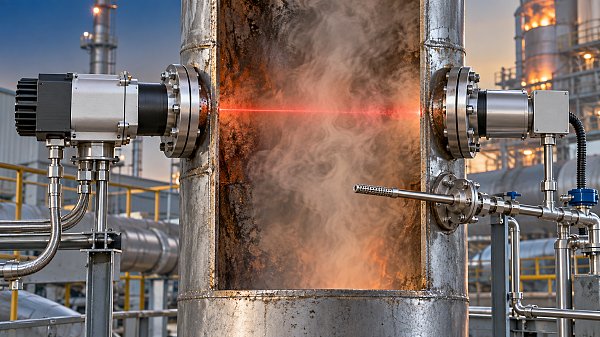
 When does a laser gas analyzer meet stack emissions monitoring needs?Laser gas analyzer for stack emissions: learn when it delivers fast, reliable data, how to assess installation risks, and what to verify for CEMS compliance.
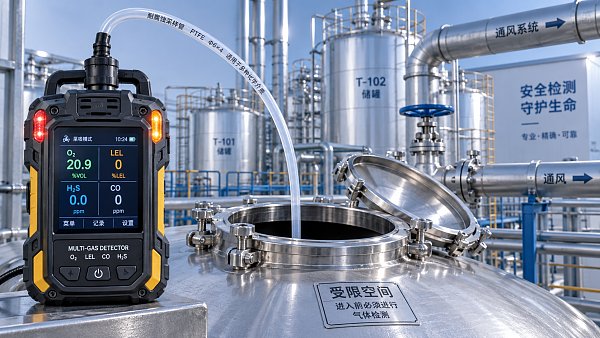
 How to select a hazardous gas analyzer for confined spacesHazardous gas analyzer selection for confined spaces: compare sensors, sampling, certifications, alarms, and maintenance to protect workers and choose with confidence.
 When is a single gas analyzer sufficient for workplace safety monitoring?Discover when a single gas analyzer delivers reliable workplace safety monitoring, and learn the key limits, calibration needs, and risks that require broader detection.
 How to choose an ambient gas analyzer for low-level leak detectionAmbient gas analyzer selection for low-level leak detection: compare sensitivity, cross-sensitivity, sampling design, alarms, and calibration for reliable site performance.
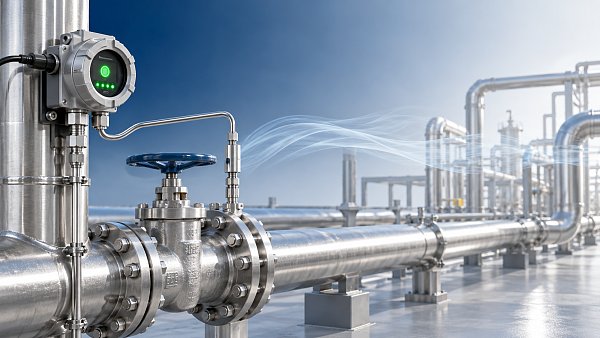
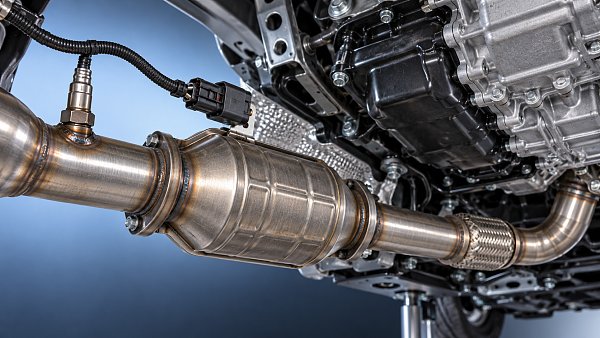
 How to tell when an oxygen sensor needs replacementOxygen sensor replacement signs explained: learn how live data, fault codes, wiring checks, and exhaust inspections pinpoint the real issue before you buy.
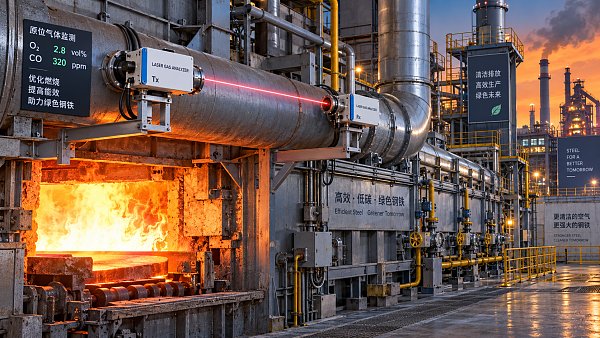
 How laser gas analyzers improve combustion control in steel furnacesLaser gas analyzer for steel industry applications delivers fast in-situ O₂ and CO data to optimize furnace combustion, cut fuel waste, and improve steel heating stability.
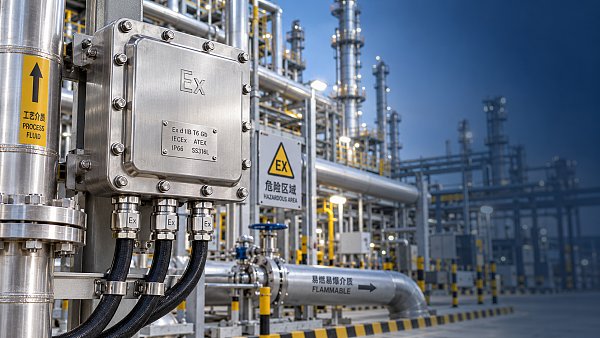
 How to verify whether explosion proof equipment meets site requirementsExplosion proof equipment verification made practical: match zones, gas or dust groups, temperature classes, certificates, and installation conditions for confident compliance.
 How industrial gas analysis helps detect contamination before releaseIndustrial Gas Analysis helps detect moisture, oil, oxygen, and toxic contaminants before release—protecting processes, ensuring compliance, and reducing costly risks.
 When is electrochemistry detection the right choice for water analysis?Electrochemistry detection for water analysis: learn when fast, reliable monitoring of ions, chlorine, pH, and more delivers actionable results.
 How industrial standards reduce quality risks in supplier selectionIndustrial Standard guidance helps quality and safety managers reduce supplier risks, verify compliance, strengthen traceability, and build resilient instrumentation supply chains.
 When does a multi-component system reduce installation complexity?Multi component systems reduce installation complexity when they eliminate field interfaces, streamline commissioning, and provide proven compatibility. Learn how to assess total cost and supplier accountability.
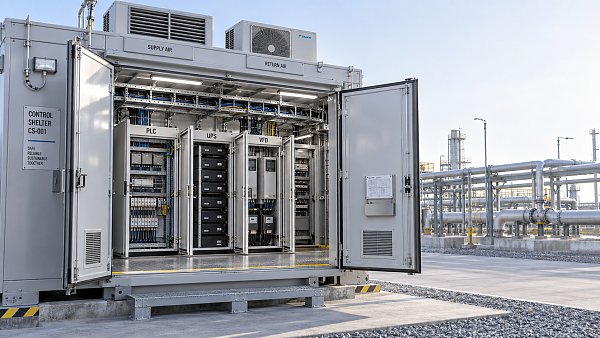
 How to size an industrial control shelter for outdoor equipmentIndustrial control shelter sizing guide: optimize layout, HVAC, access, safety, and expansion space for reliable outdoor equipment operations.
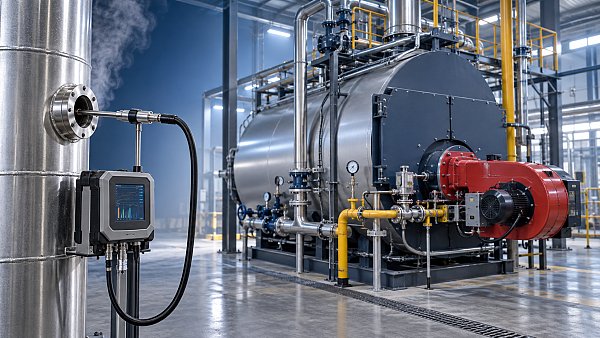
 How flue analysis helps verify combustion efficiencyFlue analysis verifies combustion efficiency by assessing O2, CO, CO2, and stack temperature to identify excess air, incomplete combustion, and heat losses.
 How to select industrial gas detectors for confined spacesIndustrial gas detectors for confined spaces: learn how to match sensors, sampling methods, alarms, and certifications to real atmospheric hazards.
 When does a laser oxygen analyzer outperform zirconia sensors?Laser oxygen analyzer vs. zirconia sensors: compare speed, selectivity, maintenance, gas chemistry, and installation needs to choose the right oxygen measurement solution.
 How to select a percent range analyzer for process measurementsPercent range analyzer selection made practical: compare accuracy, sample systems, calibration, gas matrix, integration, and lifecycle cost for reliable process measurements.
 How explosion proof analysis verifies safe equipment for hazardous areasExplosion proof analysis verifies hazardous-area equipment by matching certifications, temperature ratings, installation details, and inspection controls for safer compliance.
 When does fixed gas detection need point sensors instead of open-path monitoring?Fixed gas detection: discover when point sensors outperform open-path monitoring for predictable leaks, enclosed zones, local alarms, and safer design decisions.
 How to choose industrial metrology systems for tight-tolerance partsIndustrial metrology guide for tight-tolerance parts: compare CMMs, optical scanners, gauges, uncertainty, workflow, and traceable inspection strategies.
 How process metrology reduces measurement variation in productionProcess metrology reduces production measurement variation by improving traceability, uncertainty control, calibration, and reliable quality decisions.
 How to select an industrial monitoring analyzer for harsh environmentsIndustrial monitoring analyzer selection for harsh environments: evaluate sampling, durability, hazardous-area compliance, accuracy, maintenance, and data reliability.
 How calibration intervals affect test and measurement equipment accuracyTest and measurement equipment calibration intervals directly affect accuracy, risk, compliance, and uptime. Learn how to set evidence-based schedules that protect critical decisions.
 When does process gas monitoring need continuous measurement?Process gas monitoring needs continuous measurement when rapid changes threaten safety, quality, compliance, or uptime. Learn how to specify reliable, actionable monitoring systems.
 How to prevent false alarms in power plant instrumentationPower plant instrumentation guide: prevent false alarms with reliable signal checks, smarter alarm settings, mode-based control, and actionable operator responses.
 How fixed gas detectors help prevent leaks in enclosed workspacesFixed gas detectors provide continuous leak monitoring in enclosed workspaces, enabling faster alarms, safer responses, and stronger protection for people and processes.
 How industrial gas analysis helps detect process contamination earlyIndustrial Gas Analysis helps detect oxygen, moisture, and hydrocarbon contamination early, enabling faster fault isolation, safer operations, and stronger process control.
 What drives environmental compliance continuous monitoring setup cost?Environmental compliance continuous monitoring setup cost: uncover hidden expenses, compare bids accurately, and build a reliable, audit-ready system.
 How to select gas analysis equipment for continuous emissions monitoringGas analysis equipment selection guide for reliable continuous emissions monitoring—compare technologies, sampling, calibration, compliance, and maintenance needs.
 What detection limit is needed for NH3 environmental monitoring?High accuracy NH3 analyzer for environmental monitoring: learn how to set the right detection limit, improve sampling reliability, and make defensible decisions.
 How to select a NOX analyzer for power plant emissions complianceNOX analyzer for power plant emissions: learn how to select a compliant, reliable CEMS solution with the right range, sample handling, calibration, and data integrity.
 How to evaluate a laser gas analyzer manufacturer in GermanyLaser gas analyzer manufacturer in Germany: compare accuracy, sample handling, interference control, calibration, and service to select a reliable solution.
 How does a flue gas analyzer maintain accuracy in wet stack gas?Flue gas analyzer accuracy in wet stack gas depends on heated sampling, moisture correction, reliable sensors, and calibration. Explore key selection tips.


Search Categories
Search Categories
- Smart Meters & Power Quality
- Transformer Gas Analyzers
- BESS Thermal Runaway Detectors
- Energy, Power & Smart Grid Monitoring
- Optical Profilers & CMM
- Ultrasonic & X-Ray NDT
- Calibration Standards
- Precision Metrology & NDT
- Water Quality Analyzers
- CEMS & VOCs Monitors
- Price Trends
- Import & Export Updates
- Market Trends
- Industry News
- Industry Insights
Latest Article
- When does a laser gas analyzer meet stack emissions monitoring needs?Laser gas analyzer for stack emissions: learn when it delivers fast, reliable data, how to assess installation risks, and what to verify for CEMS compliance.Posted by:
- How to select a hazardous gas analyzer for confined spacesHazardous gas analyzer selection for confined spaces: compare sensors, sampling, certifications, alarms, and maintenance to protect workers and choose with confidence.Posted by:
- When is a single gas analyzer sufficient for workplace safety monitoring?Discover when a single gas analyzer delivers reliable workplace safety monitoring, and learn the key limits, calibration needs, and risks that require broader detection.Posted by:
Please give us a message
