
Gas Quality Monitoring Costs: What Impacts Budget Most?


Gas Quality Monitoring Costs: What Impacts Budget Most?
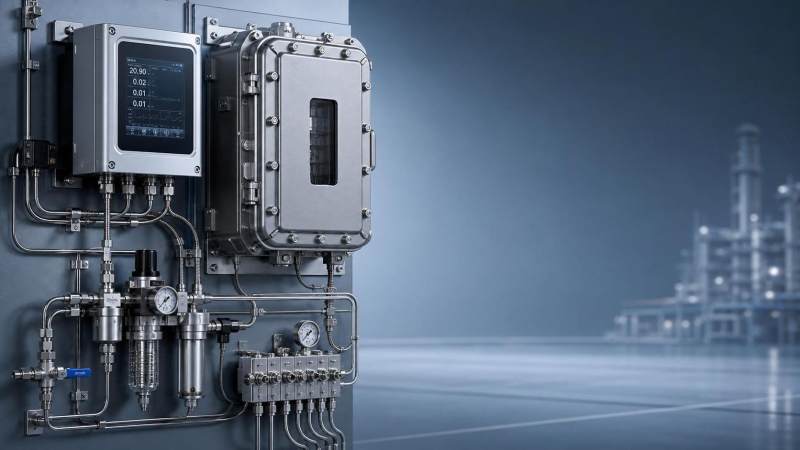
Gas quality monitoring often looks simple in early budgeting.
A device, a panel, some wiring, and a software license.
In practice, the real cost picture is wider.
For finance teams, gas quality monitoring is tied to compliance, downtime risk, maintenance planning, and asset life.
That is why two systems with similar purchase prices can produce very different lifecycle costs.
The biggest budgeting mistakes usually come from underestimating installation complexity, calibration frequency, data integration, and operating environment.
A good procurement decision starts with total cost, not unit price.
This guide breaks down what impacts gas quality monitoring costs most, and where careful specification protects budget later.
Why Gas Quality Monitoring Budgets Vary So Much
Gas quality monitoring is not one product category.
It can mean oxygen analysis in a biogas plant, moisture tracking in natural gas, impurity detection in semiconductor gases, or sulfur monitoring in refining.
Each use case changes the budget base.
Measurement range, response time, sampling design, and required accuracy all affect equipment choice.
Regulated industries also pay more for documentation, traceability, and validation support.
From a budget perspective, gas quality monitoring costs rise fastest when a project moves from basic detection to decision-grade analytics.
The Largest Cost Drivers in Gas Quality Monitoring
Several factors usually shape the final spend more than brand alone.
1. Sensor and Analyzer Technology
This is often the most visible line item.
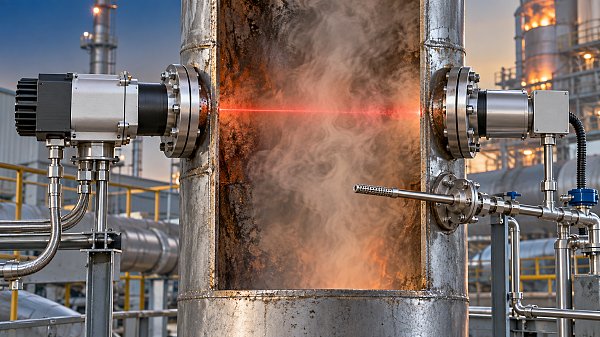
Electrochemical, infrared, paramagnetic, thermal conductivity, tunable diode laser, and gas chromatography platforms have very different cost curves.
Higher accuracy and lower detection limits usually mean higher upfront and service costs.
A finance review should ask one simple question.
Is the application paying for precision it truly needs?
2. Number of Measured Parameters
Single-parameter gas quality monitoring is usually cheaper to buy and maintain.
Multi-component analysis adds complexity in sampling, validation, alarms, and reporting.
That complexity often increases project engineering hours more than expected.
3. Hazardous Area Requirements
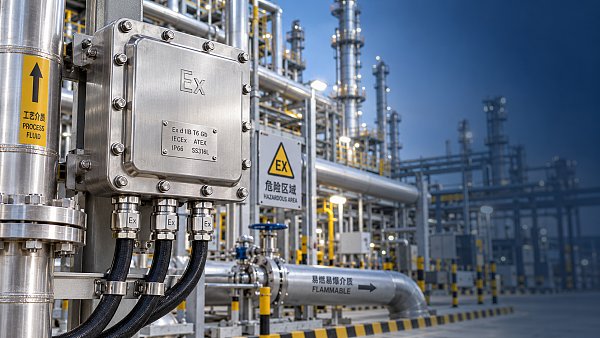
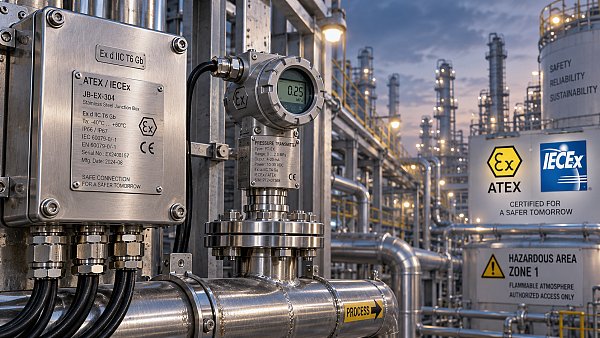
ATEX, IECEx, and related hazardous area compliance can materially change the budget.
Explosion-proof enclosures, purge systems, barriers, certified cabling, and inspection procedures all add cost.
In many projects, this layer matters more than the analyzer itself.
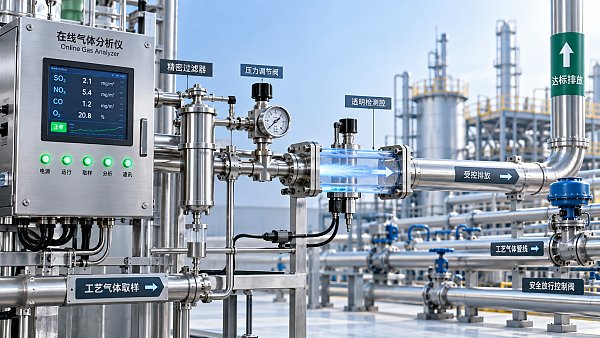
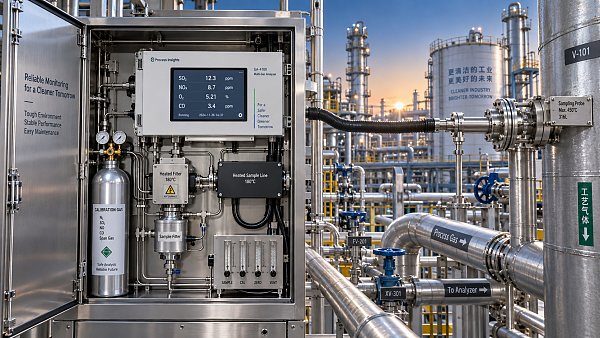
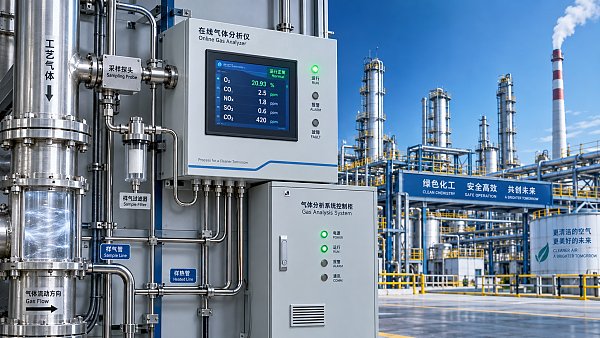
4. Sampling System Design
Poor sampling design is a common hidden cost source.
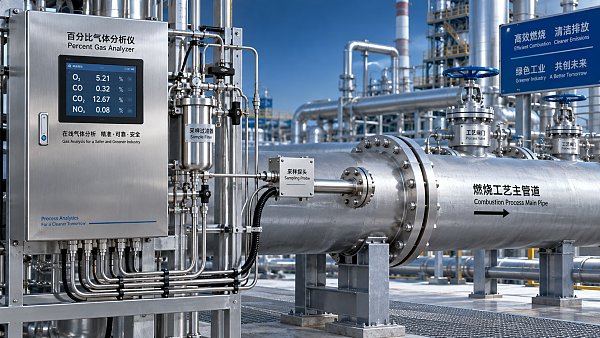
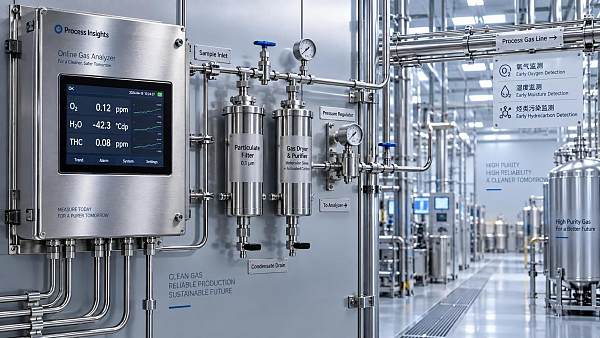
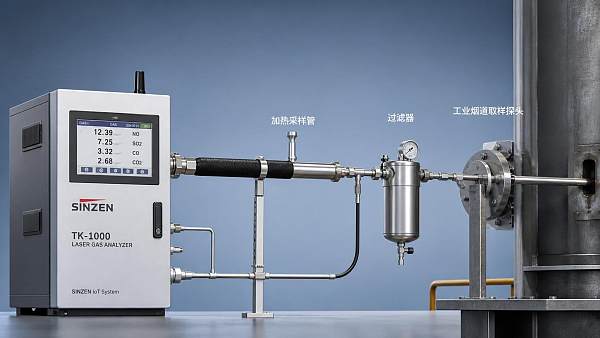
Heated lines, filtration, pressure reduction, flow control, moisture removal, and sample conditioning can rival core instrument cost.
When gas quality monitoring data is unstable, the issue often starts here.
5. Integration and Reporting
Modern gas quality monitoring rarely stays local.
Plants often want historian connectivity, SCADA links, ERP reporting, alarm management, and cybersecurity controls.
That shifts cost from hardware into engineering, software, validation, and long-term support.
Upfront Price vs Lifecycle Cost
The purchase order value does not show the full budget impact.
A cheaper analyzer may require more frequent calibration, slower spare parts delivery, or more technician time.
That changes annual operating cost quickly.
For gas quality monitoring, lifecycle cost usually includes:
- Initial analyzer, sensor, and enclosure purchase
- Sampling system components and fabrication
- Installation labor and commissioning
- Calibration gases, standards, and service visits
- Software, communications, and cybersecurity updates
- Training, SOP development, and audit support
- Downtime, false alarms, or product loss from poor data quality
This is where many budget approvals become too narrow, especially when only capex is compared.
Where Finance Teams Should Probe Vendor Quotes
Supplier proposals can look similar on the surface.
The cost gaps usually appear in the details.
A detailed quote review often saves more than a late-stage discount negotiation.
Common Budget Traps in Gas Quality Monitoring Projects
Several recurring issues inflate gas quality monitoring costs after approval.
- Specifying lab-level accuracy for a process control task.
- Ignoring sample conditioning in corrosive or wet gas streams.
- Choosing nonstandard components with long replacement lead times.
- Leaving commissioning, training, or validation outside base scope.
- Assuming existing plant networks can absorb new data loads securely.
- Budgeting for equipment only, while service and consumables remain unfunded.
From recent market shifts, service access has become a bigger signal than many buyers expected.
A lower-cost unit with weak regional support can create the highest total cost in gas quality monitoring.
A Practical Cost Framework for Better Procurement Decisions
A useful budgeting model keeps the discussion structured.
Break gas quality monitoring cost into four layers.
Layer 1: Core Equipment
Analyzer, sensors, controllers, enclosure, and local display.
Layer 2: Process Interface
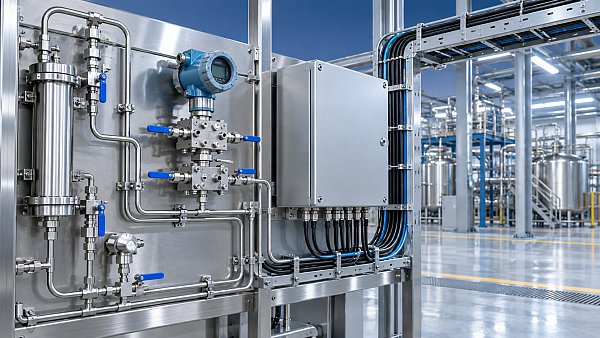
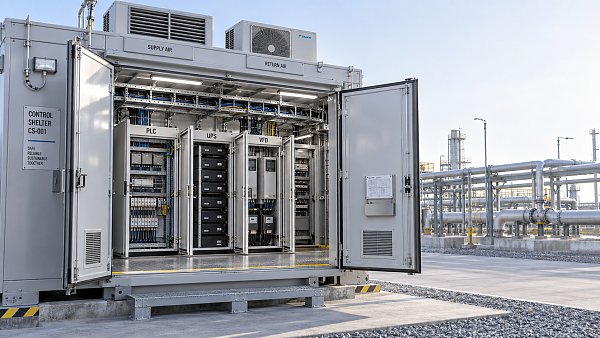
Probe, tubing, filters, regulators, heat tracing, shelters, and sample handling.
Layer 3: Digital and Compliance Scope
SCADA links, historian tags, reporting logic, validation files, and certification documents.
Layer 4: Ongoing Ownership
Calibration, spares, remote support, field service, training refresh, and downtime exposure.
This approach gives cleaner supplier comparisons.
It also helps separate necessary spend from avoidable overspecification in gas quality monitoring projects.
How to Control Gas Quality Monitoring Costs Without Raising Risk
Cost control works best before the final specification is frozen.
- Match accuracy to business consequence, not technical preference.
- Standardize analyzer families across sites where possible.
- Ask vendors for annual consumables and calibration assumptions in writing.
- Review local service coverage before comparing equipment discounts.
- Include integration, commissioning, and training in the base award.
- Use a total cost model across five years, not only initial capex.
These steps usually improve forecasting accuracy more than aggressive price pressure alone.
They also make vendor discussions more transparent and easier to defend internally.
Final Takeaway
The biggest drivers of gas quality monitoring costs are rarely limited to the analyzer price.
Technology choice, sampling design, hazardous area compliance, integration scope, and service needs usually shape the budget most.
That also means the strongest savings come from better scoping, not from choosing the lowest quote.
When gas quality monitoring is evaluated through lifecycle cost, procurement decisions become more accurate, more defensible, and less vulnerable to hidden expense.
Start with the risk, map the operating reality, and make every cost line prove its value.
Recommended for You
 When custom gas analysis is the right fit for complex process streamsCustom gas analysis for complex process streams: learn when tailored sampling, interference control, and reliable measurement design deliver confident decisions.
 When does a laser gas analyzer meet stack emissions monitoring needs?Laser gas analyzer for stack emissions: learn when it delivers fast, reliable data, how to assess installation risks, and what to verify for CEMS compliance.
 How to select a hazardous gas analyzer for confined spacesHazardous gas analyzer selection for confined spaces: compare sensors, sampling, certifications, alarms, and maintenance to protect workers and choose with confidence.
 When is a single gas analyzer sufficient for workplace safety monitoring?Discover when a single gas analyzer delivers reliable workplace safety monitoring, and learn the key limits, calibration needs, and risks that require broader detection.
 How to choose an ambient gas analyzer for low-level leak detectionAmbient gas analyzer selection for low-level leak detection: compare sensitivity, cross-sensitivity, sampling design, alarms, and calibration for reliable site performance.
 How to tell when an oxygen sensor needs replacementOxygen sensor replacement signs explained: learn how live data, fault codes, wiring checks, and exhaust inspections pinpoint the real issue before you buy.
 How laser gas analyzers improve combustion control in steel furnacesLaser gas analyzer for steel industry applications delivers fast in-situ O₂ and CO data to optimize furnace combustion, cut fuel waste, and improve steel heating stability.
 How to verify whether explosion proof equipment meets site requirementsExplosion proof equipment verification made practical: match zones, gas or dust groups, temperature classes, certificates, and installation conditions for confident compliance.
 How industrial gas analysis helps detect contamination before releaseIndustrial Gas Analysis helps detect moisture, oil, oxygen, and toxic contaminants before release—protecting processes, ensuring compliance, and reducing costly risks.
 When is electrochemistry detection the right choice for water analysis?Electrochemistry detection for water analysis: learn when fast, reliable monitoring of ions, chlorine, pH, and more delivers actionable results.
 How industrial standards reduce quality risks in supplier selectionIndustrial Standard guidance helps quality and safety managers reduce supplier risks, verify compliance, strengthen traceability, and build resilient instrumentation supply chains.
 When does a multi-component system reduce installation complexity?Multi component systems reduce installation complexity when they eliminate field interfaces, streamline commissioning, and provide proven compatibility. Learn how to assess total cost and supplier accountability.
 How to size an industrial control shelter for outdoor equipmentIndustrial control shelter sizing guide: optimize layout, HVAC, access, safety, and expansion space for reliable outdoor equipment operations.
 How flue analysis helps verify combustion efficiencyFlue analysis verifies combustion efficiency by assessing O2, CO, CO2, and stack temperature to identify excess air, incomplete combustion, and heat losses.
 How to select industrial gas detectors for confined spacesIndustrial gas detectors for confined spaces: learn how to match sensors, sampling methods, alarms, and certifications to real atmospheric hazards.
 When does a laser oxygen analyzer outperform zirconia sensors?Laser oxygen analyzer vs. zirconia sensors: compare speed, selectivity, maintenance, gas chemistry, and installation needs to choose the right oxygen measurement solution.
 How to select a percent range analyzer for process measurementsPercent range analyzer selection made practical: compare accuracy, sample systems, calibration, gas matrix, integration, and lifecycle cost for reliable process measurements.
 How explosion proof analysis verifies safe equipment for hazardous areasExplosion proof analysis verifies hazardous-area equipment by matching certifications, temperature ratings, installation details, and inspection controls for safer compliance.
 When does fixed gas detection need point sensors instead of open-path monitoring?Fixed gas detection: discover when point sensors outperform open-path monitoring for predictable leaks, enclosed zones, local alarms, and safer design decisions.
 How to choose industrial metrology systems for tight-tolerance partsIndustrial metrology guide for tight-tolerance parts: compare CMMs, optical scanners, gauges, uncertainty, workflow, and traceable inspection strategies.
 How process metrology reduces measurement variation in productionProcess metrology reduces production measurement variation by improving traceability, uncertainty control, calibration, and reliable quality decisions.
 How to select an industrial monitoring analyzer for harsh environmentsIndustrial monitoring analyzer selection for harsh environments: evaluate sampling, durability, hazardous-area compliance, accuracy, maintenance, and data reliability.
 How calibration intervals affect test and measurement equipment accuracyTest and measurement equipment calibration intervals directly affect accuracy, risk, compliance, and uptime. Learn how to set evidence-based schedules that protect critical decisions.
 When does process gas monitoring need continuous measurement?Process gas monitoring needs continuous measurement when rapid changes threaten safety, quality, compliance, or uptime. Learn how to specify reliable, actionable monitoring systems.
 How to prevent false alarms in power plant instrumentationPower plant instrumentation guide: prevent false alarms with reliable signal checks, smarter alarm settings, mode-based control, and actionable operator responses.
 How fixed gas detectors help prevent leaks in enclosed workspacesFixed gas detectors provide continuous leak monitoring in enclosed workspaces, enabling faster alarms, safer responses, and stronger protection for people and processes.
 How industrial gas analysis helps detect process contamination earlyIndustrial Gas Analysis helps detect oxygen, moisture, and hydrocarbon contamination early, enabling faster fault isolation, safer operations, and stronger process control.
 What drives environmental compliance continuous monitoring setup cost?Environmental compliance continuous monitoring setup cost: uncover hidden expenses, compare bids accurately, and build a reliable, audit-ready system.
 How to select gas analysis equipment for continuous emissions monitoringGas analysis equipment selection guide for reliable continuous emissions monitoring—compare technologies, sampling, calibration, compliance, and maintenance needs.
 What detection limit is needed for NH3 environmental monitoring?High accuracy NH3 analyzer for environmental monitoring: learn how to set the right detection limit, improve sampling reliability, and make defensible decisions.
 How to select a NOX analyzer for power plant emissions complianceNOX analyzer for power plant emissions: learn how to select a compliant, reliable CEMS solution with the right range, sample handling, calibration, and data integrity.
 How to evaluate a laser gas analyzer manufacturer in GermanyLaser gas analyzer manufacturer in Germany: compare accuracy, sample handling, interference control, calibration, and service to select a reliable solution.


Search Categories
Search Categories
- Smart Meters & Power Quality
- Transformer Gas Analyzers
- BESS Thermal Runaway Detectors
- Energy, Power & Smart Grid Monitoring
- Optical Profilers & CMM
- Ultrasonic & X-Ray NDT
- Calibration Standards
- Precision Metrology & NDT
- Water Quality Analyzers
- CEMS & VOCs Monitors
- Price Trends
- Import & Export Updates
- Market Trends
- Industry News
- Industry Insights
Latest Article
- When custom gas analysis is the right fit for complex process streamsCustom gas analysis for complex process streams: learn when tailored sampling, interference control, and reliable measurement design deliver confident decisions.Posted by:
- When does a laser gas analyzer meet stack emissions monitoring needs?Laser gas analyzer for stack emissions: learn when it delivers fast, reliable data, how to assess installation risks, and what to verify for CEMS compliance.Posted by:
- How to select a hazardous gas analyzer for confined spacesHazardous gas analyzer selection for confined spaces: compare sensors, sampling, certifications, alarms, and maintenance to protect workers and choose with confidence.Posted by:
Please give us a message
