
Online Measurement System Costs: What Impacts Total Spend


Online Measurement System Costs: What Impacts Total Spend
For finance approvers, evaluating online measurement investments means looking beyond the sticker price.
Total spend is shaped by sensor accuracy, integration complexity, compliance needs, maintenance cycles, data connectivity, and supplier support.
This guide explains what drives online measurement system costs.
The goal is simple: budget with fewer surprises and buy for lifecycle value, not just first-year price.
Why Online Measurement Costs Rarely Match the Initial Quote
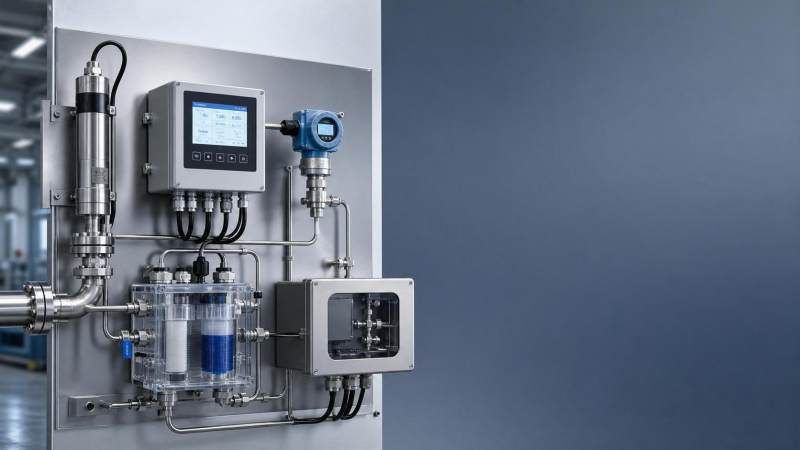
An online measurement system is not a single device.
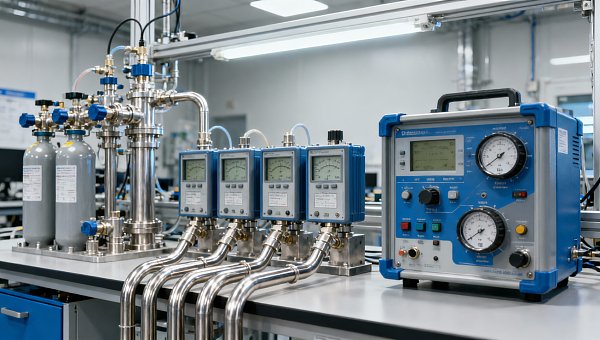
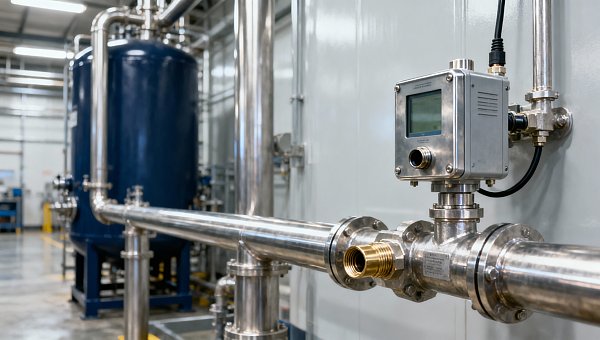
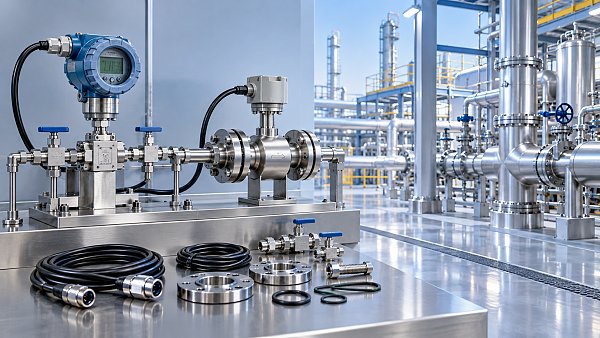
It usually combines sensors, analyzers, transmitters, sampling parts, enclosures, software, communication modules, and commissioning services.
That is why online measurement costs often expand after procurement starts.
In practice, the quote may cover core hardware but exclude cabling, calibration tools, field installation, or system integration.
A lower upfront number can also hide higher operating expense later.
This is especially true when uptime, regulatory reporting, or harsh environments are part of the application.
The Main Cost Drivers in an Online Measurement Project
The biggest cost drivers usually appear in six areas.
1. Measurement Accuracy and Detection Range
Higher precision almost always raises online measurement costs.
Tighter tolerances require better sensing elements, stronger signal processing, and more frequent calibration support.
For many operations, extreme precision is not the economic optimum.
The real question is whether the measurement quality matches production risk, product quality targets, and compliance thresholds.
2. Process Conditions and Installation Environment
Temperature, pressure, humidity, vibration, corrosion, and dust all affect system design.
A standard unit for a clean indoor line may be affordable.
That same online measurement setup becomes more expensive in offshore, chemical, or explosive zones.
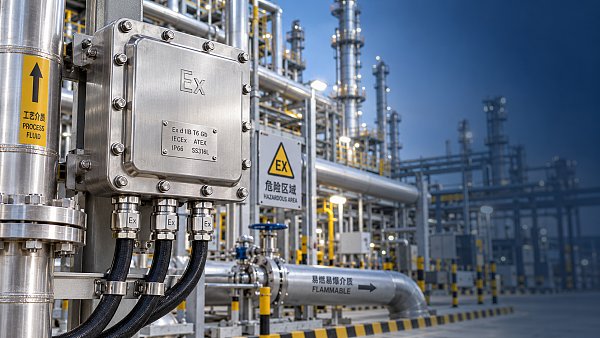
ATEX, IECEx, washdown protection, heated cabinets, or corrosion-resistant materials can materially change total spend.
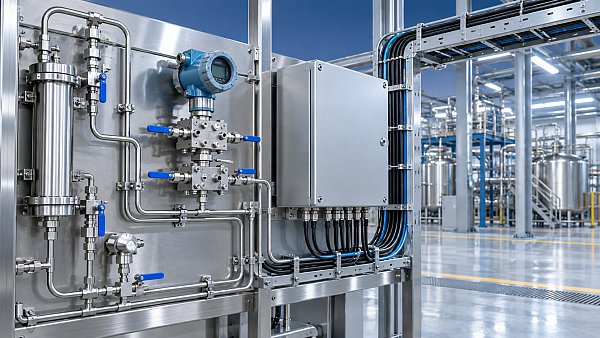
3. Sampling and Pretreatment Requirements
This area is often underestimated.
If the medium is dirty, unstable, or chemically aggressive, pretreatment becomes essential.
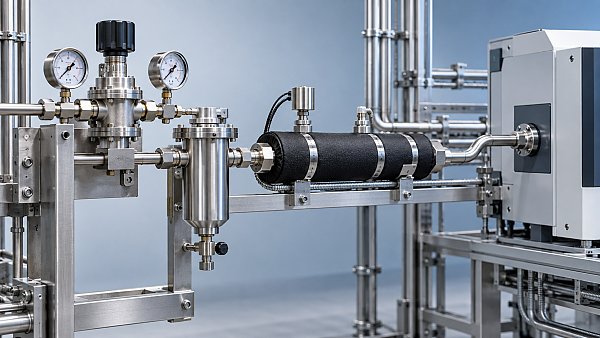
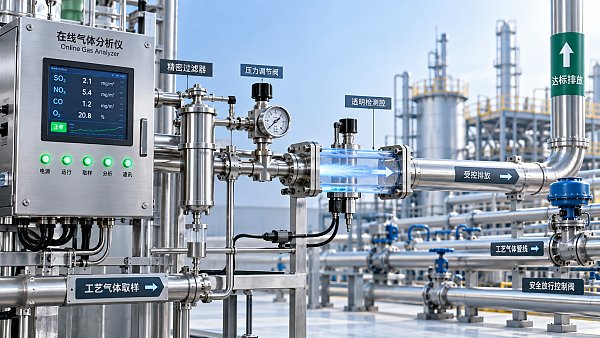
Filters, coolers, regulators, pumps, and sample conditioning panels can cost as much as the analyzer itself.
When buyers compare online measurement quotes, this line item deserves close attention.
4. Integration with Control and Data Systems
A stand-alone instrument costs less than a connected system.
But most online measurement investments need PLC, DCS, SCADA, MES, or cloud connectivity.
That introduces software mapping, communication protocols, cybersecurity controls, and user access design.
Integration work often becomes one of the most variable parts of the final budget.
5. Compliance, Validation, and Documentation
Regulated industries pay more for certainty.
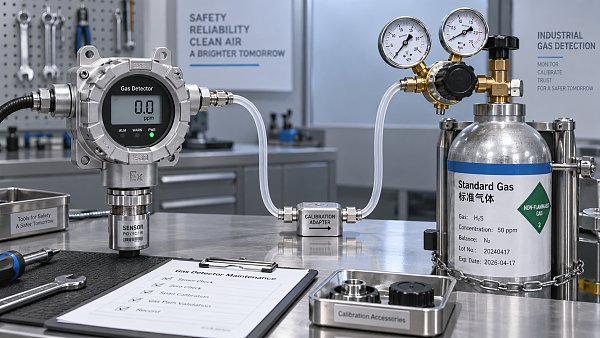
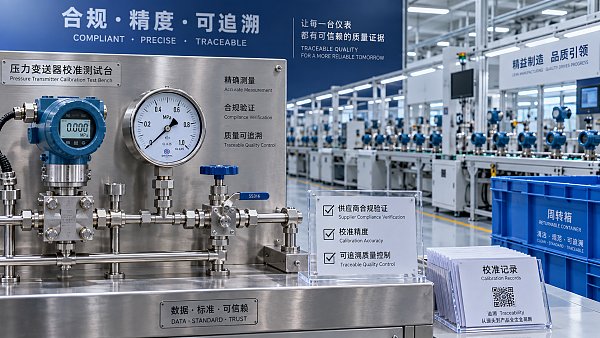
Calibration certificates, traceability records, IQ/OQ support, ISO-aligned procedures, and audit-ready documentation all add cost.
These items may look administrative, but they reduce expensive exposure later.
For many buyers, this is where low-cost suppliers become less competitive.
6. Service Model and Supplier Support
Online measurement cost is shaped by who supports the system after startup.
A strong supplier may charge more initially but lower long-term risk.
Fast spare parts, remote diagnostics, local field service, and training reduce downtime and emergency spend.
This matters most when measurement data feeds production control or compliance reporting.
Direct vs Hidden Costs in Online Measurement
A useful buying framework is to separate visible costs from hidden ones.
The lesson is straightforward.
Online measurement decisions should be reviewed as total cost of ownership, not as a purchase order comparison only.
That shift usually leads to better vendor selection and more accurate capital planning.
How to Budget Online Measurement More Accurately
Better budgets start with better scope definition.
- Define the measurement objective clearly: control, quality, compliance, safety, or energy optimization.
- Document the process media, expected range, upset conditions, and installation environment.
- Request line-by-line pricing for hardware, integration, commissioning, training, and recurring maintenance.
- Ask suppliers for calibration frequency, consumables list, and spare parts assumptions.
- Model downtime cost if the online measurement system fails or drifts out of specification.
- Compare at least one premium option against one mid-market option using five-year ownership cost.
This approach improves internal approval quality.
It also prevents the common mistake of underfunding implementation while over-focusing on equipment price.
Questions That Expose Real Online Measurement Value
Good procurement teams test value with targeted questions.
- What process risk is reduced by this online measurement system?
- How much labor, waste, or energy can continuous monitoring remove?
- What is the expected annual maintenance burden?
- Which components have the shortest life and highest replacement cost?
- Can the supplier prove performance in a similar industry environment?
- What reporting, traceability, or audit advantages justify the investment?
These questions make online measurement comparisons more objective.
They also help separate technically attractive proposals from commercially sustainable ones.
Where Market Intelligence Helps Control Spend
This is where industry intelligence becomes practical, not theoretical.
Global Instrument Hub tracks supplier capability, certification depth, technical maturity, and category shifts across the instrumentation sector.
For online measurement buyers, that matters because price alone rarely signals operational value.
A low quote without support infrastructure can create higher exposure later.
A slightly higher quote from a proven supplier may reduce validation effort, spare risk, and integration delays.
That difference is often where total spend is won or lost.
A Practical Buying View
Online measurement costs are shaped by technical requirements, operating context, and support strategy.
The smartest approvals look past the base quote and examine lifecycle economics.
That means checking precision needs, integration scope, compliance demands, service coverage, and replacement assumptions before approval.
When online measurement is aligned with actual process value, the investment becomes easier to defend internally.
Use supplier intelligence, detailed scope review, and five-year cost modeling to turn a complex technical purchase into a clearer financial decision.
Recommended for You
 How condensation affects stack detector readings in wet flue gasStack detector readings can drift when wet flue gas condenses. Learn how to identify moisture interference, prevent sample losses, and improve emissions monitoring reliability.
 How to prevent condensation in a CO2 analyzer sampling systemPrevent condensation in your CO2 analyzer sampling system. Learn how to control dew point, eliminate cold spots, and manage moisture for reliable readings and fewer costly disruptions.
 How to verify accuracy claims for industrial quality analyzersVerify accuracy claims for industrial quality analyzers with calibration checks, independent testing, and clear acceptance criteria. Learn how to reduce risk and buy with confidence.
 How to calculate cooling loads for an industrial analyzer shelterSize industrial analyzer shelter cooling with confidence. Learn to calculate equipment heat, solar gains, and ventilation loads, then select HVAC capacity for reliable analyzer performance.
 Do Regulatory Monitoring Systems Need Third-Party Certification?Do regulatory monitoring systems need third-party certification? Learn when it is required, what certificates prove, and how to verify compliance before buying.
 How Do You Choose Wired or Wireless for Stack Monitoring?Learn how to choose between wired and wireless for stack monitoring. Compare reliability, lifecycle costs, and data recovery to find the right CEMS setup for your site.
 What Happens When Combustible Gas Sensor Calibration Is Overdue?What happens if combustible gas sensor is not recalibrated on time? Discover the risks of inaccurate readings and missed alarms, plus steps to restore reliable protection.
 Can One Multi-Gas Detector Replace Four Separate Analyzers?Find out: can a single multi-gas detector replace four separate analyzers? Compare accuracy, safety, compliance, and lifetime costs to make a confident buying decision.
 Industrial Safety vs. Emission Monitoring: What Are the Differences?What are the main differences between industrial safety and emission monitoring? Compare goals, sensors, response times, and compliance needs to choose the right systems for your facility.
 Is Remote Monitoring Worth the Cost for Small Emission Sources?Is it worth investing in remote monitoring for small emission sources? Compare costs, compliance needs, and potential savings to choose the right solution for your operation.
 How Do You Handle Analyzer Failure During an Environmental Audit?Learn how to handle analyzer failure during environmental compliance audit procedures. Protect evidence, verify data, and restore monitoring with this practical response guide.
 Do VOC Monitors Require Explosion-Proof Certification?Does VOC monitoring require explosion-proof certification? Learn when approval is needed, compare ATEX and IECEx, and choose the right monitor for your site.
 How sample conditioning affects accuracy in petrochemical analyzersImprove accuracy in petrochemical analyzers with smarter sample conditioning. Discover how phase control, filtration, and transport design prevent bias and deliver reliable process data.
 How to troubleshoot sensor drift in industrial gas detectorsIndustrial gas detectors showing sensor drift? Learn how to verify calibration gas, identify root causes, and determine when sensor replacement is needed for reliable monitoring.
 How to judge whether a competitive price reflects real valueCompetitive Price: learn how to compare scope, compliance, performance, and lifecycle costs to identify real value, reduce risk, and make smarter purchasing decisions.
 When custom gas analysis is the right fit for complex process streamsCustom gas analysis for complex process streams: learn when tailored sampling, interference control, and reliable measurement design deliver confident decisions.
 When does a laser gas analyzer meet stack emissions monitoring needs?Laser gas analyzer for stack emissions: learn when it delivers fast, reliable data, how to assess installation risks, and what to verify for CEMS compliance.
 How to select a hazardous gas analyzer for confined spacesHazardous gas analyzer selection for confined spaces: compare sensors, sampling, certifications, alarms, and maintenance to protect workers and choose with confidence.
 When is a single gas analyzer sufficient for workplace safety monitoring?Discover when a single gas analyzer delivers reliable workplace safety monitoring, and learn the key limits, calibration needs, and risks that require broader detection.
 How to choose an ambient gas analyzer for low-level leak detectionAmbient gas analyzer selection for low-level leak detection: compare sensitivity, cross-sensitivity, sampling design, alarms, and calibration for reliable site performance.
 How to tell when an oxygen sensor needs replacementOxygen sensor replacement signs explained: learn how live data, fault codes, wiring checks, and exhaust inspections pinpoint the real issue before you buy.
 How laser gas analyzers improve combustion control in steel furnacesLaser gas analyzer for steel industry applications delivers fast in-situ O₂ and CO data to optimize furnace combustion, cut fuel waste, and improve steel heating stability.
 How to verify whether explosion proof equipment meets site requirementsExplosion proof equipment verification made practical: match zones, gas or dust groups, temperature classes, certificates, and installation conditions for confident compliance.
 How industrial gas analysis helps detect contamination before releaseIndustrial Gas Analysis helps detect moisture, oil, oxygen, and toxic contaminants before release—protecting processes, ensuring compliance, and reducing costly risks.
 When is electrochemistry detection the right choice for water analysis?Electrochemistry detection for water analysis: learn when fast, reliable monitoring of ions, chlorine, pH, and more delivers actionable results.
 How industrial standards reduce quality risks in supplier selectionIndustrial Standard guidance helps quality and safety managers reduce supplier risks, verify compliance, strengthen traceability, and build resilient instrumentation supply chains.
 When does a multi-component system reduce installation complexity?Multi component systems reduce installation complexity when they eliminate field interfaces, streamline commissioning, and provide proven compatibility. Learn how to assess total cost and supplier accountability.
 How to size an industrial control shelter for outdoor equipmentIndustrial control shelter sizing guide: optimize layout, HVAC, access, safety, and expansion space for reliable outdoor equipment operations.
 How flue analysis helps verify combustion efficiencyFlue analysis verifies combustion efficiency by assessing O2, CO, CO2, and stack temperature to identify excess air, incomplete combustion, and heat losses.
 How to select industrial gas detectors for confined spacesIndustrial gas detectors for confined spaces: learn how to match sensors, sampling methods, alarms, and certifications to real atmospheric hazards.
 When does a laser oxygen analyzer outperform zirconia sensors?Laser oxygen analyzer vs. zirconia sensors: compare speed, selectivity, maintenance, gas chemistry, and installation needs to choose the right oxygen measurement solution.
 How to select a percent range analyzer for process measurementsPercent range analyzer selection made practical: compare accuracy, sample systems, calibration, gas matrix, integration, and lifecycle cost for reliable process measurements.



Search Categories
Search Categories
- Smart Meters & Power Quality
- Transformer Gas Analyzers
- BESS Thermal Runaway Detectors
- Energy, Power & Smart Grid Monitoring
- Optical Profilers & CMM
- Ultrasonic & X-Ray NDT
- Calibration Standards
- Precision Metrology & NDT
- Water Quality Analyzers
- CEMS & VOCs Monitors
- Price Trends
- Import & Export Updates
- Market Trends
- Industry News
- Industry Insights
Latest Article
- How condensation affects stack detector readings in wet flue gasStack detector readings can drift when wet flue gas condenses. Learn how to identify moisture interference, prevent sample losses, and improve emissions monitoring reliability.Posted by:
- How to prevent condensation in a CO2 analyzer sampling systemPrevent condensation in your CO2 analyzer sampling system. Learn how to control dew point, eliminate cold spots, and manage moisture for reliable readings and fewer costly disruptions.Posted by:
- How to verify accuracy claims for industrial quality analyzersVerify accuracy claims for industrial quality analyzers with calibration checks, independent testing, and clear acceptance criteria. Learn how to reduce risk and buy with confidence.Posted by:
Please give us a message
