
Air Quality Monitoring Standards to Watch in 2026


Why 2026 Matters for Air Quality Monitoring
Air Quality Monitoring is moving from a compliance task to an operational control function.
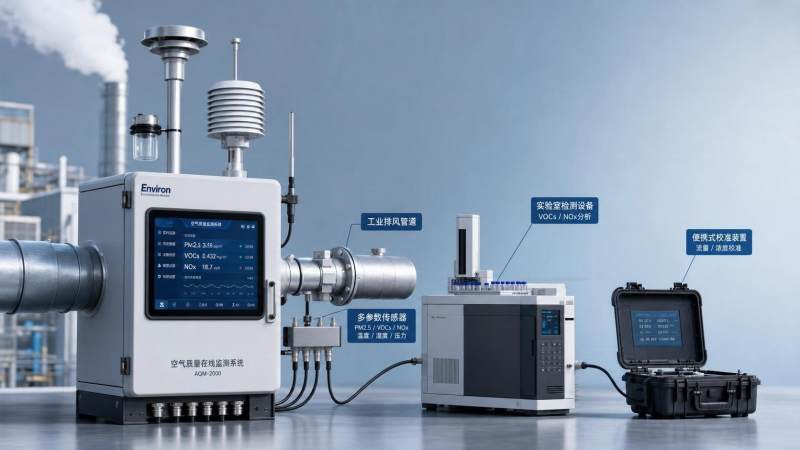
That shift is especially clear in 2026, when stricter reporting expectations, tighter workplace exposure oversight, and broader ESG scrutiny begin to converge.
For industrial sites, laboratories, energy facilities, healthcare environments, and construction projects, the question is no longer whether to monitor air.
The question is whether monitoring data can stand up to audits, incident reviews, procurement decisions, and real-time response needs.
This is where standards matter.
They shape how pollutants are defined, how instruments are validated, how calibration is documented, and how alarms are trusted in practice.
From the perspective of Global Instrument Hub, the standards story is not only regulatory.
It is also about instrumentation quality, supply chain confidence, and the ability to measure physical reality with enough precision to support decisions.
What These Standards Actually Cover
Air Quality Monitoring standards do not refer to one single rulebook.
They usually combine ambient air rules, workplace exposure limits, emissions monitoring protocols, instrument calibration requirements, and data quality procedures.
In practical terms, 2026 attention is likely to center on five connected layers.
- Pollutant definitions and threshold limits for PM2.5, PM10, VOCs, NOx, SO2, O3, CO, and hazardous gases.
- Reference methods versus indicative methods for fixed stations and portable devices.
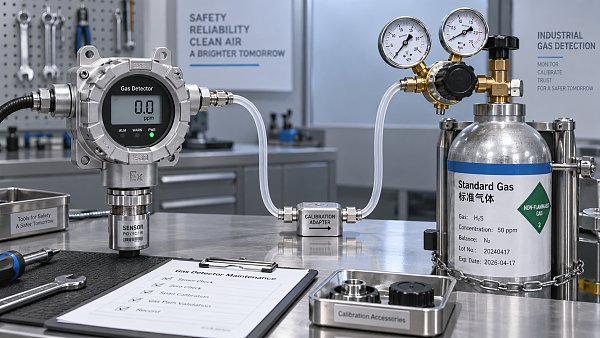
- Calibration traceability, including zero checks, span checks, drift control, and lab support under ISO/IEC 17025.
- Data integrity rules covering timestamping, audit trails, remote transmission, and exception handling.
- Operational response logic, including alarm thresholds, escalation workflows, and maintenance records.
Simple sensor deployment is no longer enough.
A monitor that reads a number without traceable performance evidence may have little value during inspection or after an exposure event.
The Standards Signals Worth Watching
No single jurisdiction will define 2026 globally, but several patterns are already visible across markets.
Higher expectations for measurement quality
Regulators increasingly distinguish between screening data and decision-grade data.
That affects where low-cost sensors can be used and where reference-grade or certified analyzers remain necessary.
More scrutiny on calibration and traceability
Calibration records are becoming as important as the measurement itself.
Sites using mixed fleets of fixed, portable, and networked devices will need cleaner traceability chains.
Digital reporting is becoming standard practice
Cloud dashboards and automated submissions are convenient, but they also expose weaknesses in data governance.
Version control, access permissions, and secure logs are becoming standard evaluation points.
Worker exposure and environmental reporting are starting to overlap
Facilities once treated indoor safety and outdoor compliance as separate systems.
In 2026, that split is less practical where ventilation, fugitive emissions, and process leaks create shared risk patterns.
Where Air Quality Monitoring Creates Business Value
Standards can feel defensive, but their real value is operational clarity.
Good Air Quality Monitoring reduces uncertainty around exposure events, complaint investigations, process instability, and maintenance timing.
It also helps explain why two similar sites can produce very different safety outcomes.
This matters across sectors.
A pharmaceutical clean space, a welding shop, a waste treatment plant, and a battery production line all face different contaminants.
Yet they share the same requirement: measurement must be trustworthy enough to guide action.
Typical Scenarios That Deserve Closer Review
Not every monitoring point carries equal risk or equal evidentiary value.
The strongest 2026 programs usually map standards to scenario, not just to equipment lists.
Fixed industrial monitoring
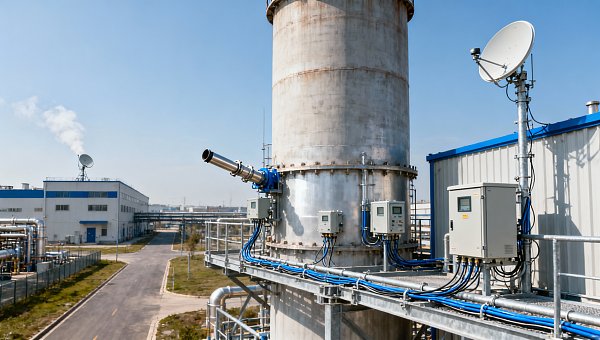
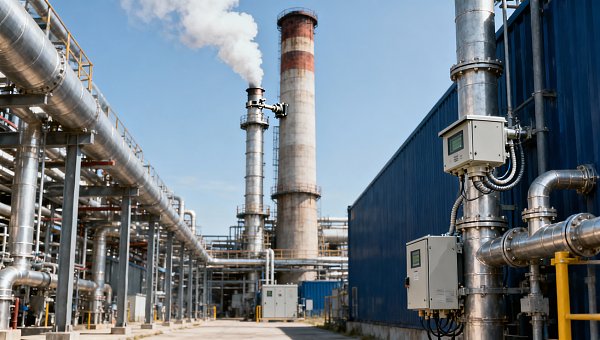
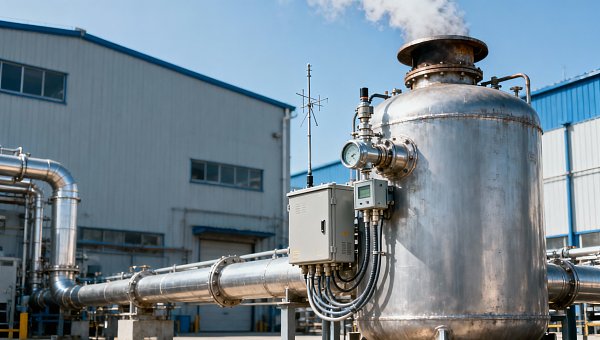
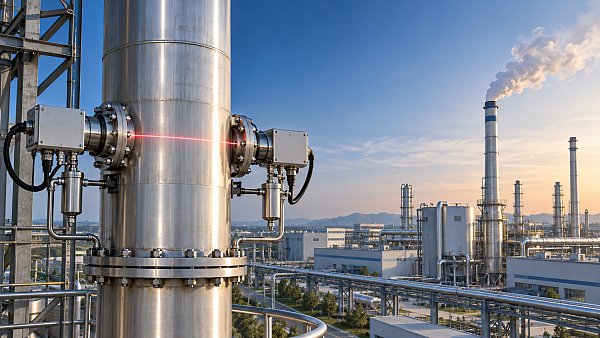
These systems support continuous observation near stacks, process lines, storage areas, and ventilation discharge points.
Standards pressure here often centers on uptime, analyzer drift, and defensible reporting.
Indoor and occupational monitoring
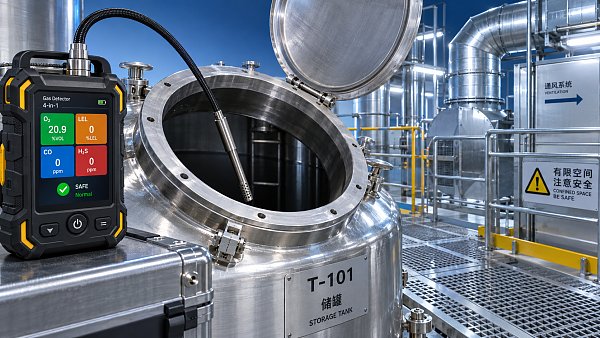
This includes dust, solvent vapor, combustion byproducts, and oxygen-related hazards.
Response speed matters, but sensor cross-sensitivity matters just as much.
Portable verification and investigations
Portable instruments help confirm complaints, inspect maintenance zones, and compare suspicious fixed readings.
Their value depends on clear use limits and disciplined calibration routines.
Networked sensor deployments
Distributed low-power nodes are attractive for broad coverage.
Still, 2026 standards discussions will keep asking the same question: what decisions can this dataset legitimately support?
How to Evaluate Instruments Against 2026 Requirements
Air Quality Monitoring performance should be judged as a system, not as a sensor headline.
That is a familiar principle in instrumentation, and it aligns with how GIH assesses technical risk across supply chains.
- Check the intended standard or method before comparing products.
- Review detection range, selectivity, drift behavior, and environmental compensation together.
- Confirm whether calibration gases, filters, and service tools are realistically available.
- Ask how the device stores edits, outages, alarms, and failed checks.
- Look for evidence of third-party validation, not only vendor performance claims.
- Examine whether the instrument fits hazardous areas or harsh process conditions when relevant.
A common mistake is overbuying precision where screening would suffice.
The opposite mistake is more costly: using indicative sensors for decisions that require certified evidence.
Data Integrity Will Be a Bigger Differentiator
In 2026, Air Quality Monitoring credibility will depend as much on data handling as on sensing hardware.
Missing timestamps, undocumented firmware changes, and unclear alarm overrides can weaken an otherwise strong monitoring program.
This is especially important where air data feeds multiple systems.
A reading may influence safety shutdowns, EHS reports, maintenance planning, and supplier performance reviews at the same time.
For that reason, stronger programs usually define:
- who can adjust thresholds,
- how exceptions are documented,
- when recalibration is mandatory,
- and how suspect data is quarantined from formal reporting.
Those details rarely appear in product brochures, but they often decide whether a system remains credible under pressure.
A Practical Way to Prepare
The most useful next step is not a rushed equipment refresh.
It is a structured review of where Air Quality Monitoring data is used, how it is defended, and which standards actually apply.
Start by separating screening, compliance, and incident-response use cases.
Then compare each use case against method requirements, calibration capability, and reporting expectations.
Where uncertainty remains, focus on traceability, validation evidence, and serviceability before adding more devices.
Air Quality Monitoring standards to watch in 2026 are ultimately about trust in measurement.
Teams that clarify that trust early will be in a stronger position to manage exposure, defend decisions, and invest in monitoring with far less guesswork.
Recommended for You
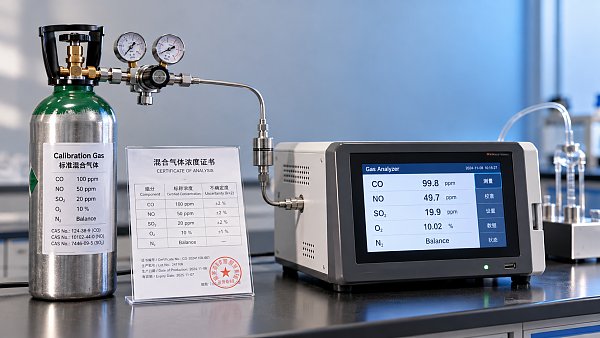
 What tolerance does a custom gas mixture need for calibration?Choose the right custom gas tolerance for calibration. Learn how blending tolerance, certified uncertainty, and stability affect accuracy—and avoid paying for precision you don’t need.
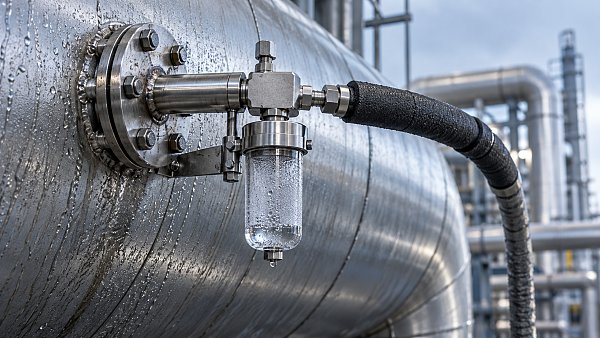
 How condensation affects stack detector readings in wet flue gasStack detector readings can drift when wet flue gas condenses. Learn how to identify moisture interference, prevent sample losses, and improve emissions monitoring reliability.
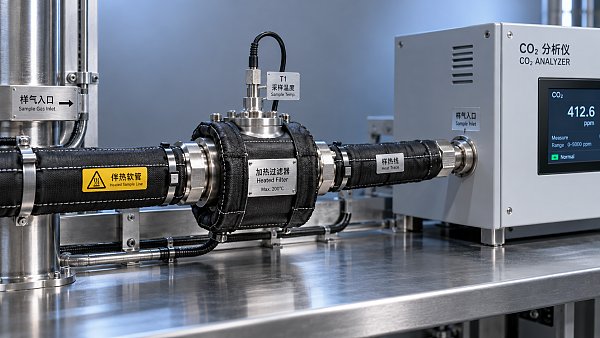
 How to prevent condensation in a CO2 analyzer sampling systemPrevent condensation in your CO2 analyzer sampling system. Learn how to control dew point, eliminate cold spots, and manage moisture for reliable readings and fewer costly disruptions.
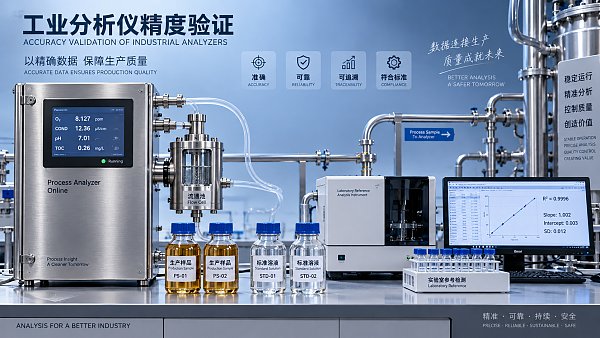
 How to verify accuracy claims for industrial quality analyzersVerify accuracy claims for industrial quality analyzers with calibration checks, independent testing, and clear acceptance criteria. Learn how to reduce risk and buy with confidence.
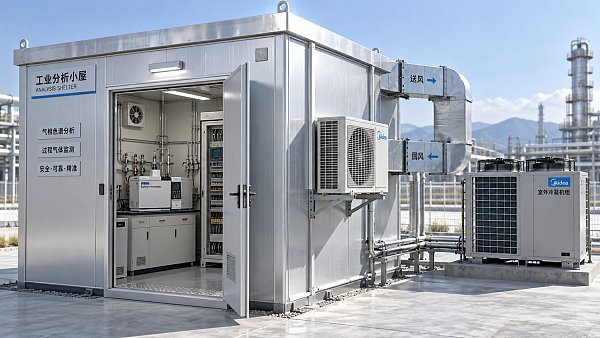
 How to calculate cooling loads for an industrial analyzer shelterSize industrial analyzer shelter cooling with confidence. Learn to calculate equipment heat, solar gains, and ventilation loads, then select HVAC capacity for reliable analyzer performance.
 How Much Does a Complete CEMS Integration Project Typically Cost?How much does a complete CEMS integration project typically cost? Explore budget ranges, hidden installation costs, and compliance needs to compare quotes and plan confidently.
 What Is the Typical Response Time for Industrial Air Monitors?What is the typical response time for industrial air monitors? Explore T90, sampling delays, and alarm settings to compare performance and choose the right monitor with confidence.
 Do Regulatory Monitoring Systems Need Third-Party Certification?Do regulatory monitoring systems need third-party certification? Learn when it is required, what certificates prove, and how to verify compliance before buying.
 How Do You Choose Wired or Wireless for Stack Monitoring?Learn how to choose between wired and wireless for stack monitoring. Compare reliability, lifecycle costs, and data recovery to find the right CEMS setup for your site.
 What Happens When Combustible Gas Sensor Calibration Is Overdue?What happens if combustible gas sensor is not recalibrated on time? Discover the risks of inaccurate readings and missed alarms, plus steps to restore reliable protection.
 Can One Multi-Gas Detector Replace Four Separate Analyzers?Find out: can a single multi-gas detector replace four separate analyzers? Compare accuracy, safety, compliance, and lifetime costs to make a confident buying decision.
 Industrial Safety vs. Emission Monitoring: What Are the Differences?What are the main differences between industrial safety and emission monitoring? Compare goals, sensors, response times, and compliance needs to choose the right systems for your facility.
 Is Remote Monitoring Worth the Cost for Small Emission Sources?Is it worth investing in remote monitoring for small emission sources? Compare costs, compliance needs, and potential savings to choose the right solution for your operation.
 How Do You Handle Analyzer Failure During an Environmental Audit?Learn how to handle analyzer failure during environmental compliance audit procedures. Protect evidence, verify data, and restore monitoring with this practical response guide.
 Do VOC Monitors Require Explosion-Proof Certification?Does VOC monitoring require explosion-proof certification? Learn when approval is needed, compare ATEX and IECEx, and choose the right monitor for your site.
 How sample conditioning affects accuracy in petrochemical analyzersImprove accuracy in petrochemical analyzers with smarter sample conditioning. Discover how phase control, filtration, and transport design prevent bias and deliver reliable process data.
 How to troubleshoot sensor drift in industrial gas detectorsIndustrial gas detectors showing sensor drift? Learn how to verify calibration gas, identify root causes, and determine when sensor replacement is needed for reliable monitoring.
 How to judge whether a competitive price reflects real valueCompetitive Price: learn how to compare scope, compliance, performance, and lifecycle costs to identify real value, reduce risk, and make smarter purchasing decisions.
 When custom gas analysis is the right fit for complex process streamsCustom gas analysis for complex process streams: learn when tailored sampling, interference control, and reliable measurement design deliver confident decisions.
 When does a laser gas analyzer meet stack emissions monitoring needs?Laser gas analyzer for stack emissions: learn when it delivers fast, reliable data, how to assess installation risks, and what to verify for CEMS compliance.
 How to select a hazardous gas analyzer for confined spacesHazardous gas analyzer selection for confined spaces: compare sensors, sampling, certifications, alarms, and maintenance to protect workers and choose with confidence.
 When is a single gas analyzer sufficient for workplace safety monitoring?Discover when a single gas analyzer delivers reliable workplace safety monitoring, and learn the key limits, calibration needs, and risks that require broader detection.
 How to choose an ambient gas analyzer for low-level leak detectionAmbient gas analyzer selection for low-level leak detection: compare sensitivity, cross-sensitivity, sampling design, alarms, and calibration for reliable site performance.
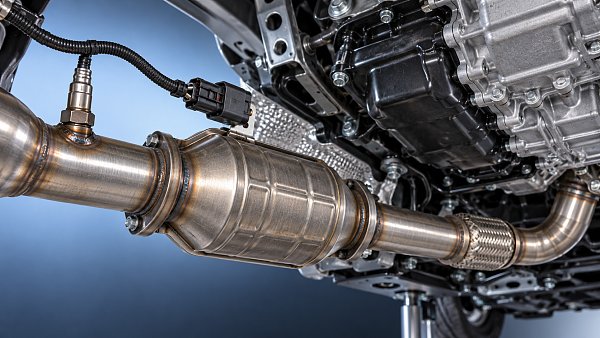
 How to tell when an oxygen sensor needs replacementOxygen sensor replacement signs explained: learn how live data, fault codes, wiring checks, and exhaust inspections pinpoint the real issue before you buy.
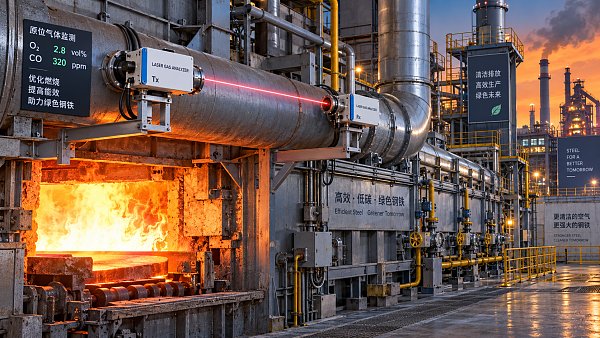
 How laser gas analyzers improve combustion control in steel furnacesLaser gas analyzer for steel industry applications delivers fast in-situ O₂ and CO data to optimize furnace combustion, cut fuel waste, and improve steel heating stability.
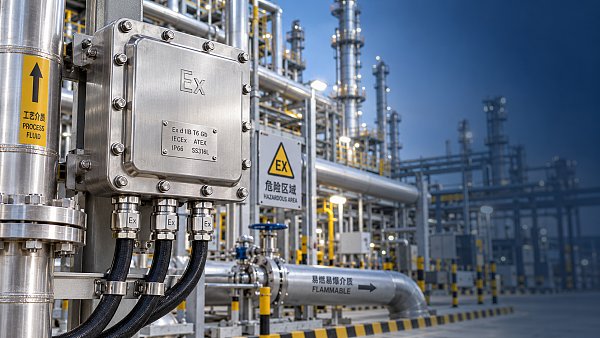
 How to verify whether explosion proof equipment meets site requirementsExplosion proof equipment verification made practical: match zones, gas or dust groups, temperature classes, certificates, and installation conditions for confident compliance.
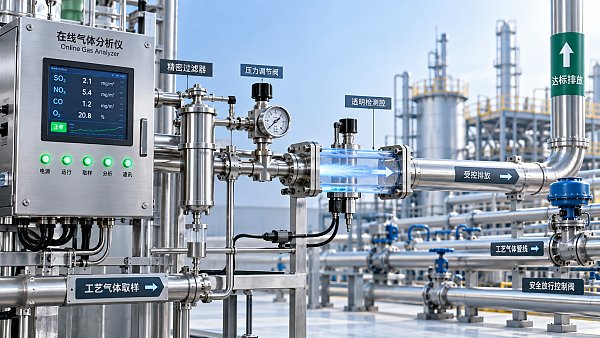
 How industrial gas analysis helps detect contamination before releaseIndustrial Gas Analysis helps detect moisture, oil, oxygen, and toxic contaminants before release—protecting processes, ensuring compliance, and reducing costly risks.
 When is electrochemistry detection the right choice for water analysis?Electrochemistry detection for water analysis: learn when fast, reliable monitoring of ions, chlorine, pH, and more delivers actionable results.
 How industrial standards reduce quality risks in supplier selectionIndustrial Standard guidance helps quality and safety managers reduce supplier risks, verify compliance, strengthen traceability, and build resilient instrumentation supply chains.
 When does a multi-component system reduce installation complexity?Multi component systems reduce installation complexity when they eliminate field interfaces, streamline commissioning, and provide proven compatibility. Learn how to assess total cost and supplier accountability.
 How to size an industrial control shelter for outdoor equipmentIndustrial control shelter sizing guide: optimize layout, HVAC, access, safety, and expansion space for reliable outdoor equipment operations.
 How flue analysis helps verify combustion efficiencyFlue analysis verifies combustion efficiency by assessing O2, CO, CO2, and stack temperature to identify excess air, incomplete combustion, and heat losses.
Search Categories
Search Categories
- Smart Meters & Power Quality
- Transformer Gas Analyzers
- BESS Thermal Runaway Detectors
- Energy, Power & Smart Grid Monitoring
- Optical Profilers & CMM
- Ultrasonic & X-Ray NDT
- Calibration Standards
- Precision Metrology & NDT
- Water Quality Analyzers
- CEMS & VOCs Monitors
- Price Trends
- Import & Export Updates
- Market Trends
- Industry News
- Industry Insights
Latest Article
- What tolerance does a custom gas mixture need for calibration?Choose the right custom gas tolerance for calibration. Learn how blending tolerance, certified uncertainty, and stability affect accuracy—and avoid paying for precision you don’t need.Posted by:
- How condensation affects stack detector readings in wet flue gasStack detector readings can drift when wet flue gas condenses. Learn how to identify moisture interference, prevent sample losses, and improve emissions monitoring reliability.Posted by:
- How to prevent condensation in a CO2 analyzer sampling systemPrevent condensation in your CO2 analyzer sampling system. Learn how to control dew point, eliminate cold spots, and manage moisture for reliable readings and fewer costly disruptions.Posted by:
Please give us a message
