
He Concentration Analyzer for Leak Detection Needs


Selecting the right He concentration analyzer is critical for accurate leak detection, process safety, and quality assurance. For engineers, buyers, and decision-makers comparing gas analysis solutions, understanding how a He concentration analyzer performs alongside options such as H2S concentration analyzer, HCl concentration analyzer, SF6 concentration analyzer, O2 concentration analyzer, and H2 concentration analyzer can help identify the most reliable instrument for demanding industrial applications.
Why is a He concentration analyzer preferred in many leak detection tasks?
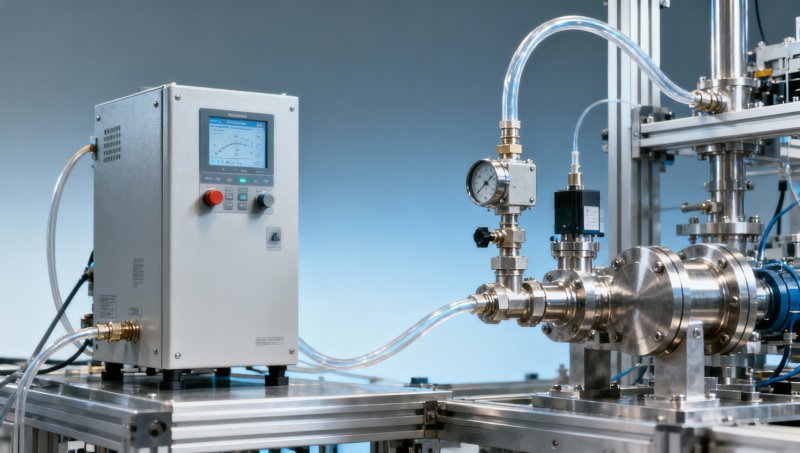
In the instrumentation industry, leak detection is not just a maintenance activity. It is closely linked to product quality, environmental control, worker safety, and production efficiency. A He concentration analyzer is often selected when teams need fast response, low background interference, and clear quantitative verification in industrial manufacturing, laboratory validation, power systems, precision assembly, and automated test lines.
Helium is widely used as a tracer gas because it is inert, non-corrosive, and naturally present in air at a very low concentration. That low ambient level helps a He concentration analyzer identify very small changes during leak detection. For users and technical evaluators, this means cleaner signal interpretation over 8-hour to 24-hour operating shifts and better repeatability during routine inspection or production sampling.
Compared with analyzers designed for hazardous or reactive gases, a He concentration analyzer is typically chosen for leak verification rather than toxicity monitoring. That distinction matters during procurement. A buyer looking at process safety may compare helium with H2 concentration analyzer or SF6 concentration analyzer options, but the test objective, acceptable response time, and system integration method can differ substantially from one application to another.
For project managers and financial approvers, the main question is practical: does the analyzer reduce false decisions and support stable production? In many facilities, the answer depends on 3 core factors: required detection threshold, sample path design, and calibration discipline. If those three are matched correctly, a He concentration analyzer can support both incoming quality control and final leak testing with a predictable operating routine.
What makes helium-based analysis operationally useful?
- Low natural background concentration allows small leak signals to stand out more clearly in controlled test environments.
- Helium is inert, which helps reduce compatibility concerns when testing sensitive components, sealed assemblies, and laboratory systems.
- It fits both manual stations and automated production cells, making it relevant for small-batch validation and medium- to high-throughput inspection.
- It supports quantitative leak detection workflows when combined with controlled injection, vacuum methods, or sampling systems.
For distributors and integrators, this flexibility is valuable because customer demand is rarely identical. Some projects require fixed installation with PLC communication, while others need portable or benchtop analysis for commissioning, service, or lab work. The instrumentation sector increasingly expects analyzers to fit digital workflows, so features such as data logging, alarm outputs, and stable operation across 10°C to 40°C ambient conditions often influence the final decision.
How does a He concentration analyzer compare with other gas analyzers used in evaluation?
When procurement teams compare a He concentration analyzer with an H2S concentration analyzer, HCl concentration analyzer, SF6 concentration analyzer, O2 concentration analyzer, or H2 concentration analyzer, they should avoid a simple “which is better” mindset. These instruments often solve different problems. The right comparison starts with the gas property, risk profile, application scenario, and measurement purpose: leak tracing, safety monitoring, process control, or environmental compliance.
The table below helps decision-makers separate these use cases. It is especially useful during early-stage specification, when engineering teams, QA personnel, and purchasing staff need a common framework before requesting quotations or sample testing. Instead of focusing only on price, the comparison highlights tracer suitability, safety implications, and common deployment conditions.
The comparison shows why a He concentration analyzer is often the preferred choice when the main objective is accurate leak localization or quantitative leakage confirmation. It is not interchangeable with every other gas analyzer. For example, an O2 concentration analyzer is essential for atmosphere control, but it is not a direct substitute for helium-based tracer verification. Likewise, an H2S concentration analyzer addresses toxicity risk rather than tightness validation.
For technical reviewers, the key lesson is to define the project in 4 dimensions before comparing quotes: gas purpose, required response speed, sample environment, and operator workflow. That approach reduces specification errors and helps procurement avoid buying an analyzer optimized for the wrong duty.
When is helium a better fit than hydrogen or SF6?
Helium is often favored when users need an inert tracer and want to avoid flammability concerns associated with hydrogen-based methods. It is also attractive in precision manufacturing and laboratory environments where material compatibility and background stability are priorities. In service environments, SF6 may be application-specific for electrical systems, while helium remains more broadly applicable across multiple industrial sectors.
That said, the final choice still depends on plant conditions, budget, gas availability, and testing method. A practical evaluation period of 1 to 2 weeks, using real samples or production conditions, is often more informative than a specification sheet alone. Buyers who request this step usually make better long-term decisions.
Which technical parameters matter most during selection and qualification?
A He concentration analyzer should not be selected on headline sensitivity alone. In real operation, performance depends on a group of technical parameters working together. Engineers and quality managers usually focus on detection range, response time, repeatability, drift behavior, sample flow requirements, and communication options. Procurement teams should translate those points into acceptance criteria rather than broad product descriptions.
For many industrial users, the first checkpoint is whether the analyzer fits the actual leak testing method. A compact assembly line may require rapid stabilization within a few seconds, while a laboratory validation bench may accept a longer cycle in exchange for higher analytical confidence. If the process includes pumps, valves, manifolds, or vacuum accessories, the gas path design must be reviewed as part of the instrument package rather than as a separate afterthought.
The next checkpoint is operational robustness. Many analyzers are deployed in environments with temperature variation, vibration, dust, and frequent start-stop cycles. Even when the analytical principle is sound, poor inlet filtration, unstable sample pressure, or inadequate maintenance access can undermine results over 3 to 6 months of daily use. This is where experienced instrumentation support becomes valuable.
The table below provides a practical parameter review structure for technical evaluation. It is not a universal specification, but it helps teams compare options consistently and prepare clearer inquiry documents for suppliers, distributors, or system integrators.
A useful qualification method is to set 5 key checks before purchase: analytical fit, cycle compatibility, installation requirements, calibration plan, and service access. This structure helps operators and engineering teams speak the same language during technical review. It also gives finance and management a clearer basis for approving a higher-cost model when it reduces downtime or retesting.
Common technical mistakes during analyzer evaluation
Mistake 1: Focusing only on the sensor principle
The analytical method matters, but installation conditions often decide real-world performance. Sample line length, dead volume, moisture, and contamination can change the response more than expected. A technically advanced He concentration analyzer will still underperform if the sampling path is poorly designed.
Mistake 2: Ignoring maintenance and calibration workload
Some teams buy based on instrument price without reviewing weekly, monthly, or quarterly maintenance tasks. Over a 12-month cycle, calibration gases, filters, operator time, and service interruption can become a major part of ownership cost. This is especially relevant for high-usage production lines.
Mistake 3: Treating all leak detection projects as identical
A sealed medical component, a laboratory manifold, and an industrial heat exchanger do not impose the same test conditions. Application detail should drive the configuration. The best choice for one site may be excessive or insufficient for another.
How should buyers evaluate cost, implementation, and alternatives?
For procurement and management teams, the most practical decision is not simply whether to buy a He concentration analyzer, but how to balance acquisition cost with implementation value. In B2B projects, the true budget usually includes instrument hardware, sampling accessories, integration effort, calibration support, operator training, and future service. Looking only at the initial quote can distort the investment decision.
A sensible review divides cost into 3 layers: upfront purchase, installation and commissioning, and ongoing operation. Upfront cost may vary according to analytical range, enclosure type, interface requirements, and whether the project needs bench, portable, or online configuration. Installation may take several days for a stand-alone unit or 2 to 4 weeks when a full sampling and automation package is involved.
Alternatives should also be assessed carefully. In some cases, a hydrogen-based solution may reduce tracer gas cost, while in other cases an O2 concentration analyzer or pressure-decay method may be used as a process checkpoint rather than a direct replacement. However, replacing a He concentration analyzer only to save on initial spend may lead to lower leak sensitivity, longer troubleshooting time, or higher reject uncertainty.
The right decision often depends on how expensive a missed leak is. If leakage leads to field failure, product recall, contaminated process conditions, or repeated rework, then a more capable analyzer can be justified. This logic is especially relevant in industries where product sealing integrity directly affects quality and compliance.
A practical 4-step purchasing process
- Define the leak detection objective: screening, confirmation, troubleshooting, or final quality release.
- List 5 operational conditions: gas path, ambient temperature, cycle time, operator skill level, and data integration need.
- Request a matched proposal covering instrument, accessories, calibration method, and expected delivery window.
- Validate the solution through trial testing, FAT-style review, or limited pilot use before full rollout.
For many projects, a realistic delivery expectation is several weeks rather than a few days, especially if custom fittings, communication outputs, or sampling cabinets are required. This should be discussed early, along with spare parts planning for the first 6 to 12 months. Buyers who address these details upfront usually avoid delayed commissioning.
What compliance, operating risks, and FAQ points should not be overlooked?
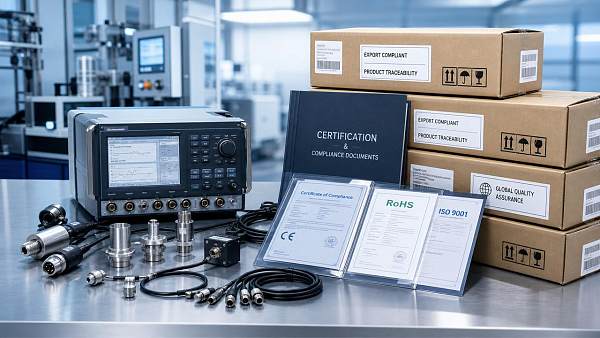
Although a He concentration analyzer is often used with an inert tracer gas, compliance and risk review still matter. The analyzer may be installed in production, laboratory, utility, or engineering environments where electrical safety, calibration traceability, documentation control, and operator procedures are subject to internal or external audit. The exact requirement varies by project, but documentation quality should never be treated as secondary.
From a safety and quality perspective, teams should verify at least 4 documentation areas: instrument specification, installation guidance, calibration procedure, and maintenance instructions. If the analyzer will be integrated into a larger automated system, signal definitions and alarm actions should also be documented. This helps project leaders manage handover and reduces confusion during shift changes or troubleshooting.
Another frequently missed point is application fit under changing ambient conditions. If the sampling area has dust, moisture, vibration, or intermittent pressure fluctuation, accessory selection becomes part of compliance with internal quality practice. A well-specified filter, pressure regulator, or condensate management step can make the difference between stable operation and repeated service calls.
Below are common questions raised by information researchers, operators, and buyers during specification and pre-purchase review.
How do I know whether a He concentration analyzer is suitable for my leak test?
Start with the part or system being tested, the acceptable leak threshold, and the test cycle target. If your process requires inert tracer verification, low ambient interference, and repeatable quantitative assessment, a He concentration analyzer is often a strong candidate. A short on-site or lab-based evaluation using real samples over 3 to 5 working days is typically the best validation method.
What should procurement ask for in a quotation?
Request more than unit price. Ask for measurement range, response characteristics, required sample conditions, calibration approach, output signals, installation accessories, delivery estimate, and recommended spare parts. If the project involves automation, include communication requirements and acceptance criteria. This creates a cleaner bid comparison and reduces hidden integration cost.
How often does calibration or maintenance need attention?
There is no single universal schedule because usage intensity, environment, and process cleanliness vary. In practice, users often review performance weekly, perform routine checks monthly, and plan deeper service or calibration verification at longer intervals according to operating conditions and internal quality procedures. The correct schedule should be defined during commissioning, not after problems appear.
Can it replace other analyzers such as H2 or O2 instruments?
Not automatically. A He concentration analyzer is highly effective for helium-based leak detection, but it does not replace the role of an O2 concentration analyzer in combustion or inerting control, nor the safety function of an H2S concentration analyzer. Replacement decisions should be based on process objective, not on the fact that all are gas analyzers.
Why choose us for He concentration analyzer selection and project support?
In the instrumentation industry, value comes from matching measurement technology to the real operating environment. We support customers across industrial manufacturing, laboratory analysis, automation control, energy-related applications, and engineering projects by helping them clarify test purpose, define technical requirements, and reduce selection risk before purchase. That approach is especially useful when a He concentration analyzer must be compared with H2 concentration analyzer, O2 concentration analyzer, SF6 concentration analyzer, H2S concentration analyzer, or HCl concentration analyzer options.
Our support focus is practical and decision-oriented. We can help you review 5 key areas: application scenario, gas path design, parameter matching, delivery scope, and maintenance planning. This makes it easier for engineers, purchasing teams, QA staff, project managers, distributors, and business decision-makers to move from general inquiry to an implementable specification.
If you are planning a new leak detection project or replacing an existing analyzer, you can contact us for parameter confirmation, product selection support, delivery cycle discussion, integration suggestions, sample testing coordination, and quotation communication. If your project includes special installation conditions, automation interfaces, or documentation expectations, we can also help define a more suitable configuration path before order placement.
To speed up evaluation, prepare 6 pieces of information before contacting us: target gas, application scenario, expected concentration range or leak sensitivity, installation type, required outputs, and project schedule. With these details, the He concentration analyzer recommendation can be narrowed faster, and the discussion can move directly toward feasible models, implementation steps, and total project planning.
Recommended for You
 FDA Updates IVD Import Guidance: CNAS Calibration Chain Required for China-Made DevicesFDA now requires CNAS calibration chain reports for China-made IVD analyzers—pH, ion & clinical chemistry devices entering via 510(k)/De Novo. Act now to avoid U.S. port rejections.
 EN 61000-6-4:2026 Enters Force: Stricter EMC Requirements for Industrial Field InstrumentsEN 61000-6-4:2026 enforces stricter EMC requirements for industrial field instruments—key for AI edge controllers, sensors & exporters. Act now to ensure CE-EMC compliance by Nov 2026.
 Global Methanol Electric Alliance Launches Cross-Border Energy Efficiency Recognition RoadmapGlobal Methanol Electric Alliance launches cross-border energy efficiency recognition roadmap—key for exporters, cal labs & methanol-instrument manufacturers.
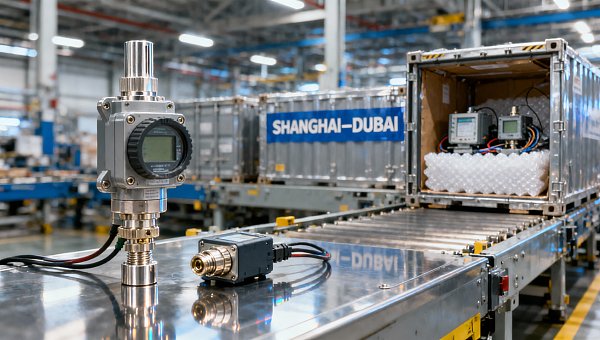
 Red Sea Crisis Escalates: Air Freight Premiums for China–Middle East Industrial Instruments Hit 390%Red Sea Crisis hits industrial instruments: China–Middle East air freight premiums surge 390%. Act now to secure Q3 capacity, avoid delays & optimize LCL alternatives.
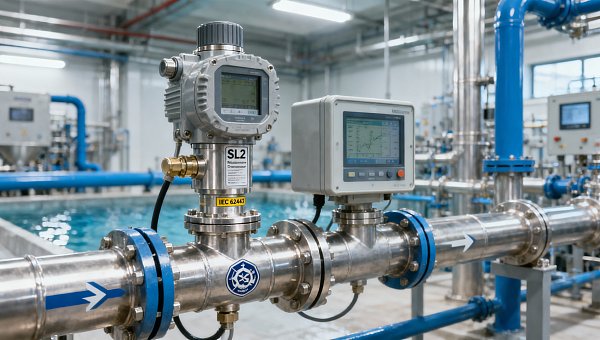
 IEC TC65 Mandates Cybersecurity Certification for Industrial Field Instruments from 2027IEC TC65 mandates cybersecurity certification for industrial field instruments by 2027 — pressure, flow & analytical devices must meet IEC 62443-4-2:2026 and display SL1–SL3 labels. Act now to ensure market access.
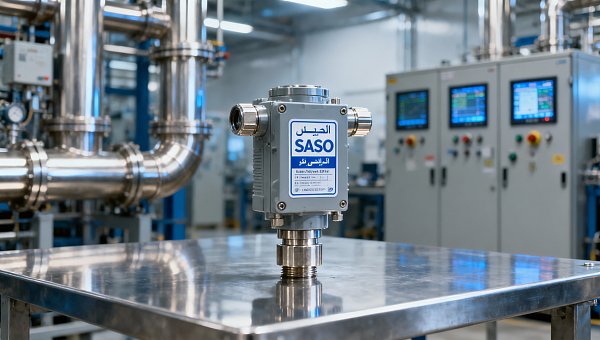
 SASO Cuts Energy Labeling Turnaround for Industrial Transmitters to 7 Working DaysSASO Energy Labeling now takes just 7 working days for industrial transmitters — faster market access, CNAS reports accepted. Act now!
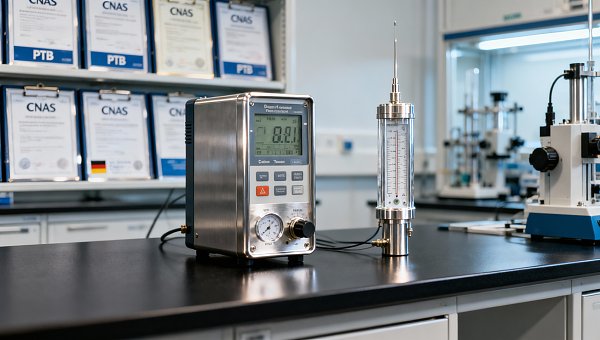
 PTB Launches CalCloud 2.0 with Direct CNAS Lab IntegrationCalCloud 2.0 now integrates directly with CNAS labs—enabling automated VDA 5 & ISO/IEC 17025 dual-compliant calibration reports for automotive and industrial exporters. Boost compliance efficiency today!
 ASEAN's Green Clearance Corridor for CNAS Calibration Reports LaunchesASEAN's Green Clearance Corridor now verifies CNAS calibration reports via blockchain—cut customs clearance to <48h for flow meters, analyzers & more. Act now!
 Vietnam Mandates CNAS Calibration Certificates & Vietnamese Manuals for Industrial Meters from June 1, 2026CNAS calibration certificates & Vietnamese manuals now mandatory for industrial meters entering Vietnam from June 1, 2026—avoid customs delays and ensure seamless market access.
 U.S. BIS Tightens Export Controls on High-Precision Laser InterferometersU.S. BIS tightens export controls on high-precision laser interferometers—critical for semiconductor metrology & ISO/IEC 17025 calibration. Act now to ensure compliance.
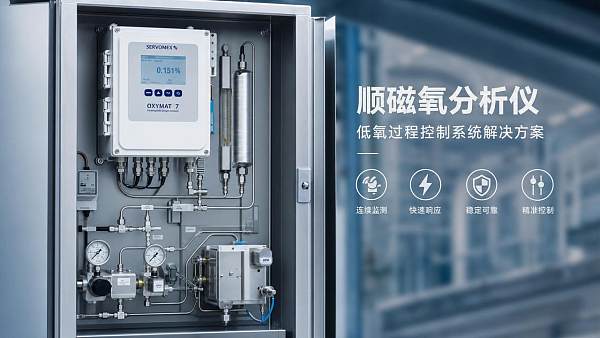
 Paramagnetic Monitor Calibration Tips for Stable OutputParamagnetic monitor calibration tips for stable output: learn how to reduce drift, improve accuracy, cut downtime, and keep oxygen measurement reliable in demanding industrial applications.
 Paramagnetic Measurement in Low-Oxygen Process ControlParamagnetic measurement enables accurate low-oxygen process control with fast response and stable oxygen analysis. Learn how it improves safety, consistency, and system performance.
 Laser Detector Import Risks and Certification DelaysLaser detector import risks can cause costly certification delays, customs issues, and testing setbacks. Learn how to avoid compliance failures before ordering.
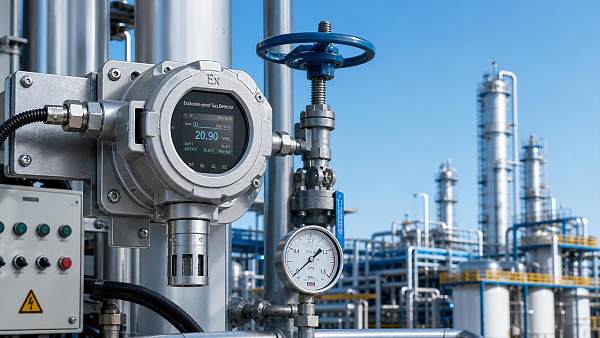
 Explosion Proof Detector Demand Under New Safety RulesExplosion proof detector demand is rising under new safety rules. Discover how to compare certified, reliable options that improve compliance, integration, and long-term site safety.
 Laboratory Detector Accuracy Standards You Should CheckLaboratory detector accuracy standards explained: check detection limits, repeatability, drift, and traceability to reduce risk, improve audit readiness, and choose with confidence.
 Custom Measurement Lead Times and Budget PlanningCustom measurement lead times and budgets explained for procurement teams. Learn key cost drivers, planning steps, and supplier tips to reduce delays and buy with confidence.
 Laser Measurement for Leak Detection: Common PitfallsLaser measurement for leak detection can fail due to setup, airflow, and data interpretation errors. Learn the common pitfalls and proven fixes for more accurate, reliable results.
 How to Evaluate a High Accuracy Detector in the FieldHigh accuracy detector evaluation starts with real field performance. Learn how to compare stability, response time, and reliability to choose the right detector with confidence.
 Electrochemical Monitor Lifespan and Replacement CostsElectrochemical monitor lifespan and replacement costs explained for buyers. Learn how sensor life, maintenance, and total ownership cost affect safer, smarter purchasing decisions.
 Thermal Analysis Market Direction in Process IndustriesThermal analysis market direction in process industries: discover trends, applications, and investment insights that improve quality control, reduce risk, and support smarter industrial decisions.
 Monitoring Shelter Design Priorities for Outdoor SitesMonitoring shelter design starts with protection, climate control, and power reliability. Discover how to choose the right outdoor solution for stable data, safer maintenance, and lower lifecycle risk.
 Fixed Measurement Planning for Multi-Point InstallationsFixed measurement planning is essential for multi-point installations. Learn how to improve accuracy, reliability, compliance, and maintenance efficiency across complex industrial systems.
 Fixed Analysis Systems for Stable Long-Term MonitoringFixed analysis systems enable stable long-term monitoring, reliable data, and better process control. Discover how they improve safety, compliance, and operational efficiency.
 Thermal Gas Applications Expanding in Clean IndustryThermal gas applications are reshaping clean industry with smarter flow measurement, emissions control, and energy optimization. Discover where they cut risk, boost efficiency, and support automation.
 Monitoring Detector Export Rules to Watch in 2026Monitoring detector export rules are changing fast in 2026. Learn the key compliance risks, supplier checks, and trade signals to protect margins and make smarter sourcing decisions.
 Control Detector Setup Mistakes That Affect ReliabilityControl detector setup mistakes can quietly reduce accuracy and uptime. Learn the most common installation, wiring, and calibration errors—and how to avoid them for reliable performance.
 What Defines a High Accuracy Monitor TodayHigh accuracy monitor selection starts with real-world performance. Learn the key accuracy factors, buyer checklist, and how to choose a reliable monitor for industrial control.
 Infrared Monitor Demand in Industrial Safety UpgradesInfrared monitor demand is rising as industrial safety upgrades accelerate. Discover where buyers need it most, how channel partners can sell smarter, and which applications drive long-term growth.
 Thermal Conductivity Monitor Limits in Mixed Gas StreamsThermal conductivity monitor limits in mixed gas streams explained—learn where accuracy drops, what buyers should compare, and how to choose the right analyzer with confidence.
 Laser Monitor vs Infrared Monitor for Fast DetectionLaser monitor vs infrared monitor for fast detection: discover which delivers better precision, response speed, and reliability for industrial monitoring and smarter sensor selection.
 Thermal Gas Analyzer Price Shifts Across Global MarketsThermal gas analyzer price shifts are reshaping global budgets. Learn what drives costs, regional differences, and how buyers can reduce risk and improve long-term value.
 Custom Analysis Options for Complex Gas ApplicationsCustom analysis helps solve complex gas applications with better accuracy, compliance, and reliability. Discover practical selection insights that reduce risk and improve system performance.
Search Categories
Search Categories
Latest Article
- FDA Updates IVD Import Guidance: CNAS Calibration Chain Required for China-Made DevicesFDA now requires CNAS calibration chain reports for China-made IVD analyzers—pH, ion & clinical chemistry devices entering via 510(k)/De Novo. Act now to avoid U.S. port rejections.Posted by:
- EN 61000-6-4:2026 Enters Force: Stricter EMC Requirements for Industrial Field InstrumentsEN 61000-6-4:2026 enforces stricter EMC requirements for industrial field instruments—key for AI edge controllers, sensors & exporters. Act now to ensure CE-EMC compliance by Nov 2026.Posted by:
- Global Methanol Electric Alliance Launches Cross-Border Energy Efficiency Recognition RoadmapGlobal Methanol Electric Alliance launches cross-border energy efficiency recognition roadmap—key for exporters, cal labs & methanol-instrument manufacturers.Posted by:
Please give us a message
