
What affects sampling stability in a C8H10 concentration analyzer?


Sampling stability in a C8H10 concentration analyzer directly affects data accuracy, process safety, and operating costs. For users comparing solutions across C6H6, C7H8, CH3OH, C2H5OH, C4H8O, C3H6O, and C2H4O concentration analyzer applications, understanding the factors behind unstable sampling is essential for reliable monitoring, technical evaluation, and smarter investment decisions.
In instrumentation-driven environments, unstable sampling is rarely caused by a single defect. It usually results from the interaction of process conditions, sample system design, environmental variables, maintenance practices, and analyzer configuration. For operators, this means drifting readings and more manual intervention. For technical evaluators and project managers, it means higher commissioning risk. For decision-makers and finance teams, it often translates into avoidable downtime, quality loss, and repeated service costs.
A C8H10 concentration analyzer may be used in petrochemical units, solvent recovery systems, laboratory process skids, environmental monitoring points, and industrial online analysis cabinets. Across these settings, the same question keeps appearing: why does one installation deliver stable values for 6 months while another struggles within 2 weeks? The answer lies in the full sampling chain, not only in the analyzer core.
This article explains the main factors that affect sampling stability, how to identify root causes, what parameters deserve close attention during selection, and which preventive measures support reliable long-term operation in broader concentration analyzer applications.
Process Conditions That Disturb Sampling Stability
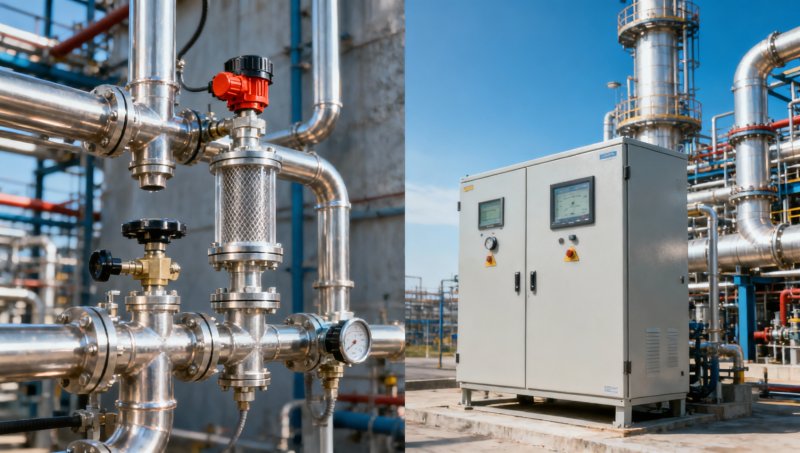
The first source of instability is the process itself. A C8H10 concentration analyzer may receive gas or vapor samples with changing pressure, temperature, humidity, and contaminant load. Even if the analyzer has a strong detection principle, unstable sample delivery can still cause delayed response, baseline shifts, or repeated alarms. In many industrial systems, a pressure swing of 10% to 20% is already enough to change sample flow behavior if the conditioning design is not robust.
Temperature variation is especially important. If the sample line temperature falls below the dew point, condensation can occur inside tubing, filters, or sample cells. In aromatic hydrocarbon monitoring, condensation does not just dilute the gas phase; it can also trap heavier components and release them later, creating cyclic signal distortion. A temperature difference of only 5°C to 8°C between process extraction and sample transport sections can be enough to create repeatability problems.
Another common issue is particulate or aerosol loading. In process exhaust, reactor vents, blending systems, or solvent handling lines, droplets and fine solids can gradually block filters and capillaries. When filter differential pressure rises, actual sample flow may fall outside the analyzer’s preferred range. Many systems target stable sampling flow within a narrow band, such as 0.5 L/min to 2.0 L/min, but clogged components can push real flow well below the intended point without immediate operator awareness.
Key process disturbances to assess
- Rapid concentration swings during batch charging, tank breathing, or line switching.
- Pressure pulsation from compressors, pumps, or intermittent vent release events.
- Moisture ingress in outdoor installations or poorly sealed sample interfaces.
- Mixed-component interference when C8H10 is monitored alongside C6H6, C7H8, alcohols, or ketones.
Process composition complexity also matters. Sites comparing solutions for C6H6, C7H8, CH3OH, C2H5OH, C4H8O, C3H6O, and C2H4O concentration analyzer duties should remember that different compounds behave differently in transport and conditioning. Polar compounds may interact with surfaces differently than aromatic compounds. This affects adsorption, desorption, and response stabilization time, especially when the sample path has dead volume or unsuitable tubing materials.
Sample System Design: The Most Overlooked Stability Factor
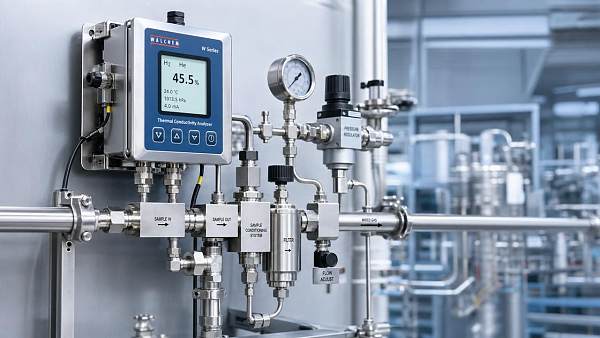
In many projects, the analyzer gets most of the attention, but the sample system determines whether the analyzer can perform as intended. A well-selected C8H10 concentration analyzer can still produce unstable results if the probe, tubing, filter set, pressure regulation section, flow control, and return or vent arrangement are not matched to the application. In practice, more than half of sampling problems originate upstream of the detector.
The extraction point is the starting point. If the probe is installed in a stagnant zone, too close to a wall, or downstream of poor mixing, the sample may not represent the true process concentration. For ducts and process lines, engineers often evaluate straight-run distance, flow profile, and local turbulence. A poorly chosen point can create apparent instability even when the process itself is steady.
Line length and internal volume also influence response. Long sample lines increase lag time and make the system more vulnerable to adsorption memory effects. For fast control or safety monitoring, keeping transport delay within 10 seconds to 30 seconds is often preferred. If the line is much longer, a purge arrangement or heated transfer may be necessary. Large dead legs, oversized filters, and unnecessary fittings further reduce stability.
Typical design points that influence stability
The table below summarizes common sample system elements and how each one affects stable operation in online concentration analysis.
The key takeaway is simple: if the sample system does not control phase, pressure, and flow, the analyzer cannot compensate for those weaknesses. This is why technical evaluations should always include the complete sampling train, not only analyzer sensitivity or display functions.
Selection guidance for B2B projects
- Confirm whether the process sample remains fully gaseous over the full operating window, such as 15°C to 40°C ambient variation.
- Review the full transport path from extraction point to measurement cell, including total line length, bends, filter stages, and drain points.
- Check whether calibration gas routing uses the same path as process gas, because bypass calibration can hide real-world instability.
- Request commissioning criteria that include response time, zero drift, span repeatability, and flow stability over at least 24 hours.
Environmental and Installation Variables in Real Industrial Use
Even when process conditions and sample design are acceptable, installation details can still undermine sampling stability. Instrument shelters, outdoor skids, laboratory corners, mobile monitoring cabinets, and plant utility rooms present different environmental stresses. Ambient temperatures may range from 0°C to 45°C, with solar exposure, vibration, dust, and humidity adding further variation. These factors can change sample viscosity, regulator performance, seal integrity, and sensor repeatability.
Vibration is a frequent but underestimated cause of unstable flow and connection looseness. On compressor skids, pump platforms, or steel structures with intermittent shock loads, fitting relaxation and micro-leaks may appear after several weeks rather than at startup. A leak of only a small percentage of total sample flow can introduce air ingress, pressure fluctuation, and concentration bias. For safety-related or quality-critical monitoring, leak checks should be part of routine maintenance at intervals such as every 30 to 90 days.
Power quality is another factor. Concentration analyzers often depend on stable power for pumps, heaters, controllers, or communication modules. Voltage instability can affect temperature control or pump speed, which then changes sample conditioning consistency. In integrated automation projects, grounding quality and cable routing should also be reviewed because electromagnetic noise may disturb low-level signals, especially in cabinets that house multiple instruments.
Installation checklist for stability-oriented projects
Before final handover, engineering teams can use the following checklist to reduce startup instability and later service calls.
For distributors, integrators, and project owners, this table highlights an important procurement principle: installation quality is part of analyzer performance. Comparing purchase price alone often overlooks 12-month ownership costs linked to field instability, repeat visits, and unscheduled maintenance.
Maintenance, Calibration, and Operator Practices
Sampling stability is not secured at commissioning and then forgotten. It depends on repeatable maintenance and disciplined operation. Filters load gradually, tubing ages, seals harden, and calibration routines drift from best practice. In many plants, the difference between stable and unstable analyzer performance after 6 to 12 months is maintenance quality rather than hardware quality alone.
Calibration must reflect the real measurement path. If zero and span gases are introduced through a shortcut line instead of the full sample path, the test checks detector response but not sample transport integrity. For concentration analyzer applications involving volatile organics, this distinction is critical. A valid functional check should confirm not only signal accuracy but also response speed and recovery. Typical maintenance programs include weekly visual inspection, monthly flow verification, and quarterly calibration review, although exact intervals depend on contamination level and duty severity.
Operator behavior also matters. Frequent manual valve changes, unrecorded setpoint adjustments, delayed drain handling, and use of non-approved spare parts can all destabilize the system. When multiple shifts share responsibility, standard operating procedures should define no fewer than 5 core checks: sample flow, pressure reading, filter condition, alarm history, and calibration status. Without this discipline, recurring instability is often treated as a hardware issue when the real problem is operating inconsistency.
Practical maintenance actions that improve stability
- Replace filters based on pressure drop trend or defined service hours instead of waiting for failure symptoms.
- Record flow, temperature, and pressure at the same time each inspection round to identify slow drift patterns.
- Verify heated line performance before cold seasons and after any cabinet power interruption.
- Use leak testing after every tubing intervention, regulator replacement, or calibration manifold change.
- Train operators to recognize the difference between concentration fluctuation and sample system instability.
Common maintenance-related mistakes
A frequent mistake is replacing the analyzer module before checking sample transport conditions. Another is setting maintenance intervals by calendar only, without considering dust, moisture, or solvent load. Plants handling mixed organics or high-humidity streams often need shorter intervals than clean utility gas systems. A third mistake is ignoring response time drift; even if absolute readings remain close to expected values, a slower response can indicate developing restriction or adsorption issues.
How to Evaluate and Select a More Stable C8H10 Concentration Analyzer Solution
For buyers, engineers, and financial approvers, the right question is not only which analyzer can detect C8H10, but which complete solution can maintain stable sampling under actual operating conditions. Selection should combine analyzer capability, sample system robustness, serviceability, and project support. This approach is especially useful when comparing concentration analyzer platforms across multiple compounds or future expansion plans.
A practical evaluation framework can be built around 4 dimensions: process compatibility, stability controls, maintainability, and lifecycle cost. Process compatibility includes pressure, temperature, moisture, and cross-component behavior. Stability controls include heated lines, filters, regulators, flow monitoring, and alarm logic. Maintainability covers access for service, consumable replacement frequency, and spare parts availability. Lifecycle cost should include downtime risk, field support demand, and recalibration burden over 1 to 3 years.
During vendor comparison, ask for a recommended operating envelope rather than only catalog values. A supplier that can explain sample flow range, acceptable dew point margin, expected maintenance interval, and commissioning criteria usually offers stronger technical fit than one that provides only detector specifications. This is important for project managers who need predictable startup schedules and for distributors who must support users after handover.
Evaluation points for procurement and technical review
- Check whether the proposed system controls condensation risk across the full ambient and process range.
- Confirm whether flow and pressure indicators are visible and easy to verify during operation.
- Review routine service time, such as whether standard maintenance takes 20 minutes or 2 hours.
- Ask what parameters are included in commissioning records: zero, span, repeatability, flow, temperature, and response time should all be considered.
- Determine whether the platform can be adapted later for related applications involving C6H6, C7H8, alcohols, or oxygenated solvents.
For many enterprises, stable sampling reduces more than measurement uncertainty. It can reduce wasted product, limit unnecessary shutdown investigation, improve compliance documentation, and support more confident process decisions. When these indirect costs are considered, investing in a better-engineered sample solution is often more economical than choosing the lowest initial equipment price.
FAQ: Common Questions About Unstable Sampling in Concentration Analyzers
How do I know whether instability comes from the sample system or the analyzer itself?
Start by checking flow, pressure, and temperature at the analyzer inlet during both normal operation and calibration. If readings fluctuate with process changes or if response time becomes longer over weeks, the sample system is a likely cause. If inlet conditions remain stable but the signal still drifts, detector or electronics issues become more likely. A 3-step check sequence—sample path, calibration path, and detector response—usually identifies the fault source faster than replacing parts one by one.
What sampling parameters should operators monitor every shift?
At minimum, operators should review 5 items: sample flow, inlet pressure, line or cabinet temperature, filter condition, and active alarms. In higher-risk duties, add condensate level and recent response time trend. Logging these values once per shift creates a useful baseline and helps identify drift before unstable data affects process quality or safety actions.
Does a heated line always solve sampling stability problems?
No. Heated lines help prevent condensation, but they do not correct poor probe location, bad filtration design, excessive dead volume, leaks, or improper calibration routing. In some installations, heating is essential; in others, it adds cost without addressing the main instability source. The decision should be based on dew point risk, ambient conditions, and compound behavior across the sample path.
What is a reasonable maintenance interval for stable operation?
There is no single universal interval, but many industrial users follow a layered plan: visual checks every shift, leak and flow verification monthly, and calibration plus deeper inspection every 3 months. Dirty or humid services may need shorter intervals, while clean and stable streams can sometimes extend them. The right approach is condition-based maintenance supported by trend records, not fixed calendar logic alone.
Sampling stability in a C8H10 concentration analyzer depends on the full measurement chain: process conditions, sample system engineering, installation quality, and maintenance discipline. Organizations that evaluate these factors early can reduce startup delays, improve data confidence, and control long-term operating cost more effectively. If you are selecting, upgrading, or integrating a concentration analyzer solution for aromatic compounds, solvents, or related industrial monitoring duties, now is the right time to review the sampling design in detail.
To discuss your application, compare configuration options, or request a tailored recommendation for stable online monitoring, contact us to get a customized solution and more detailed product guidance.
Recommended for You
 FDA Updates IVD Import Guidance: CNAS Calibration Chain Required for China-Made DevicesFDA now requires CNAS calibration chain reports for China-made IVD analyzers—pH, ion & clinical chemistry devices entering via 510(k)/De Novo. Act now to avoid U.S. port rejections.
 EN 61000-6-4:2026 Enters Force: Stricter EMC Requirements for Industrial Field InstrumentsEN 61000-6-4:2026 enforces stricter EMC requirements for industrial field instruments—key for AI edge controllers, sensors & exporters. Act now to ensure CE-EMC compliance by Nov 2026.
 Global Methanol Electric Alliance Launches Cross-Border Energy Efficiency Recognition RoadmapGlobal Methanol Electric Alliance launches cross-border energy efficiency recognition roadmap—key for exporters, cal labs & methanol-instrument manufacturers.
 Red Sea Crisis Escalates: Air Freight Premiums for China–Middle East Industrial Instruments Hit 390%Red Sea Crisis hits industrial instruments: China–Middle East air freight premiums surge 390%. Act now to secure Q3 capacity, avoid delays & optimize LCL alternatives.
 IEC TC65 Mandates Cybersecurity Certification for Industrial Field Instruments from 2027IEC TC65 mandates cybersecurity certification for industrial field instruments by 2027 — pressure, flow & analytical devices must meet IEC 62443-4-2:2026 and display SL1–SL3 labels. Act now to ensure market access.
 SASO Cuts Energy Labeling Turnaround for Industrial Transmitters to 7 Working DaysSASO Energy Labeling now takes just 7 working days for industrial transmitters — faster market access, CNAS reports accepted. Act now!
 PTB Launches CalCloud 2.0 with Direct CNAS Lab IntegrationCalCloud 2.0 now integrates directly with CNAS labs—enabling automated VDA 5 & ISO/IEC 17025 dual-compliant calibration reports for automotive and industrial exporters. Boost compliance efficiency today!
 ASEAN's Green Clearance Corridor for CNAS Calibration Reports LaunchesASEAN's Green Clearance Corridor now verifies CNAS calibration reports via blockchain—cut customs clearance to <48h for flow meters, analyzers & more. Act now!
 Vietnam Mandates CNAS Calibration Certificates & Vietnamese Manuals for Industrial Meters from June 1, 2026CNAS calibration certificates & Vietnamese manuals now mandatory for industrial meters entering Vietnam from June 1, 2026—avoid customs delays and ensure seamless market access.
 U.S. BIS Tightens Export Controls on High-Precision Laser InterferometersU.S. BIS tightens export controls on high-precision laser interferometers—critical for semiconductor metrology & ISO/IEC 17025 calibration. Act now to ensure compliance.
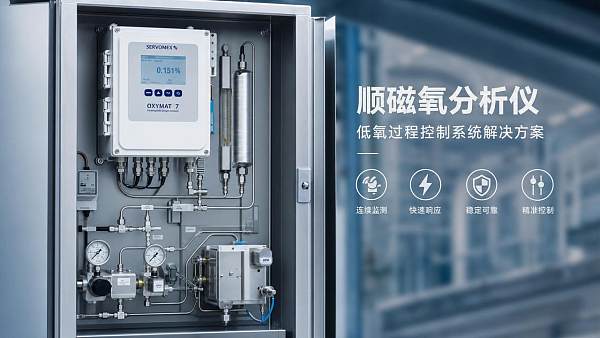
 Paramagnetic Monitor Calibration Tips for Stable OutputParamagnetic monitor calibration tips for stable output: learn how to reduce drift, improve accuracy, cut downtime, and keep oxygen measurement reliable in demanding industrial applications.
 Paramagnetic Measurement in Low-Oxygen Process ControlParamagnetic measurement enables accurate low-oxygen process control with fast response and stable oxygen analysis. Learn how it improves safety, consistency, and system performance.
 Laser Detector Import Risks and Certification DelaysLaser detector import risks can cause costly certification delays, customs issues, and testing setbacks. Learn how to avoid compliance failures before ordering.
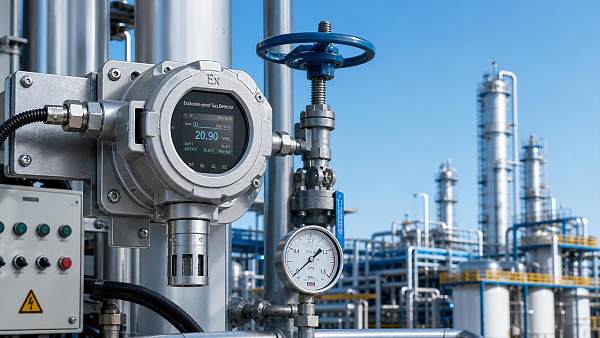
 Explosion Proof Detector Demand Under New Safety RulesExplosion proof detector demand is rising under new safety rules. Discover how to compare certified, reliable options that improve compliance, integration, and long-term site safety.
 Laboratory Detector Accuracy Standards You Should CheckLaboratory detector accuracy standards explained: check detection limits, repeatability, drift, and traceability to reduce risk, improve audit readiness, and choose with confidence.
 Custom Measurement Lead Times and Budget PlanningCustom measurement lead times and budgets explained for procurement teams. Learn key cost drivers, planning steps, and supplier tips to reduce delays and buy with confidence.
 Laser Measurement for Leak Detection: Common PitfallsLaser measurement for leak detection can fail due to setup, airflow, and data interpretation errors. Learn the common pitfalls and proven fixes for more accurate, reliable results.
 How to Evaluate a High Accuracy Detector in the FieldHigh accuracy detector evaluation starts with real field performance. Learn how to compare stability, response time, and reliability to choose the right detector with confidence.
 Electrochemical Monitor Lifespan and Replacement CostsElectrochemical monitor lifespan and replacement costs explained for buyers. Learn how sensor life, maintenance, and total ownership cost affect safer, smarter purchasing decisions.
 Thermal Analysis Market Direction in Process IndustriesThermal analysis market direction in process industries: discover trends, applications, and investment insights that improve quality control, reduce risk, and support smarter industrial decisions.
 Monitoring Shelter Design Priorities for Outdoor SitesMonitoring shelter design starts with protection, climate control, and power reliability. Discover how to choose the right outdoor solution for stable data, safer maintenance, and lower lifecycle risk.
 Fixed Measurement Planning for Multi-Point InstallationsFixed measurement planning is essential for multi-point installations. Learn how to improve accuracy, reliability, compliance, and maintenance efficiency across complex industrial systems.
 Fixed Analysis Systems for Stable Long-Term MonitoringFixed analysis systems enable stable long-term monitoring, reliable data, and better process control. Discover how they improve safety, compliance, and operational efficiency.
 Thermal Gas Applications Expanding in Clean IndustryThermal gas applications are reshaping clean industry with smarter flow measurement, emissions control, and energy optimization. Discover where they cut risk, boost efficiency, and support automation.
 Monitoring Detector Export Rules to Watch in 2026Monitoring detector export rules are changing fast in 2026. Learn the key compliance risks, supplier checks, and trade signals to protect margins and make smarter sourcing decisions.
 Control Detector Setup Mistakes That Affect ReliabilityControl detector setup mistakes can quietly reduce accuracy and uptime. Learn the most common installation, wiring, and calibration errors—and how to avoid them for reliable performance.
 What Defines a High Accuracy Monitor TodayHigh accuracy monitor selection starts with real-world performance. Learn the key accuracy factors, buyer checklist, and how to choose a reliable monitor for industrial control.
 Infrared Monitor Demand in Industrial Safety UpgradesInfrared monitor demand is rising as industrial safety upgrades accelerate. Discover where buyers need it most, how channel partners can sell smarter, and which applications drive long-term growth.
 Thermal Conductivity Monitor Limits in Mixed Gas StreamsThermal conductivity monitor limits in mixed gas streams explained—learn where accuracy drops, what buyers should compare, and how to choose the right analyzer with confidence.
 Laser Monitor vs Infrared Monitor for Fast DetectionLaser monitor vs infrared monitor for fast detection: discover which delivers better precision, response speed, and reliability for industrial monitoring and smarter sensor selection.
 Thermal Gas Analyzer Price Shifts Across Global MarketsThermal gas analyzer price shifts are reshaping global budgets. Learn what drives costs, regional differences, and how buyers can reduce risk and improve long-term value.
 Custom Analysis Options for Complex Gas ApplicationsCustom analysis helps solve complex gas applications with better accuracy, compliance, and reliability. Discover practical selection insights that reduce risk and improve system performance.
Search Categories
Search Categories
Latest Article
- FDA Updates IVD Import Guidance: CNAS Calibration Chain Required for China-Made DevicesFDA now requires CNAS calibration chain reports for China-made IVD analyzers—pH, ion & clinical chemistry devices entering via 510(k)/De Novo. Act now to avoid U.S. port rejections.Posted by:
- EN 61000-6-4:2026 Enters Force: Stricter EMC Requirements for Industrial Field InstrumentsEN 61000-6-4:2026 enforces stricter EMC requirements for industrial field instruments—key for AI edge controllers, sensors & exporters. Act now to ensure CE-EMC compliance by Nov 2026.Posted by:
- Global Methanol Electric Alliance Launches Cross-Border Energy Efficiency Recognition RoadmapGlobal Methanol Electric Alliance launches cross-border energy efficiency recognition roadmap—key for exporters, cal labs & methanol-instrument manufacturers.Posted by:
Please give us a message
