
Air Quality Analyzer Trends in 2026: What Buyers Want


In 2026, buyer expectations for the air quality analyzer market are shifting fast, driven by safety, compliance, and smarter operations. From low range analyzer solutions for precision monitoring to high temperature analyzer, toxic gas analyzer, and hazardous area analyzer systems for demanding environments, today’s buyers want accuracy, durability, data integration, and clear long-term value.
That shift matters across the broader instrumentation industry, where measurement reliability now affects production continuity, worker safety, emissions compliance, and capital planning at the same time. Whether the application is an industrial plant, a power station, a laboratory, a construction project, or an environmental monitoring network, buyers are no longer comparing analyzers on a single specification sheet.
Information researchers want clarity on technology trends. Operators care about ease of use, alarm logic, and maintenance time. Technical evaluators focus on sensor stability, response time, and integration. Decision-makers and finance approvers want lifecycle value over 3–7 years, not just the lowest purchase price. Safety and quality teams need evidence that an analyzer can perform consistently in real operating conditions.
In practice, the most successful air quality analyzer selections in 2026 will come from buyers who align performance, environment, serviceability, and digital readiness. The sections below explain what the market is prioritizing, how selection criteria are changing, and what procurement teams should check before approving a project.
What Is Driving Air Quality Analyzer Demand in 2026
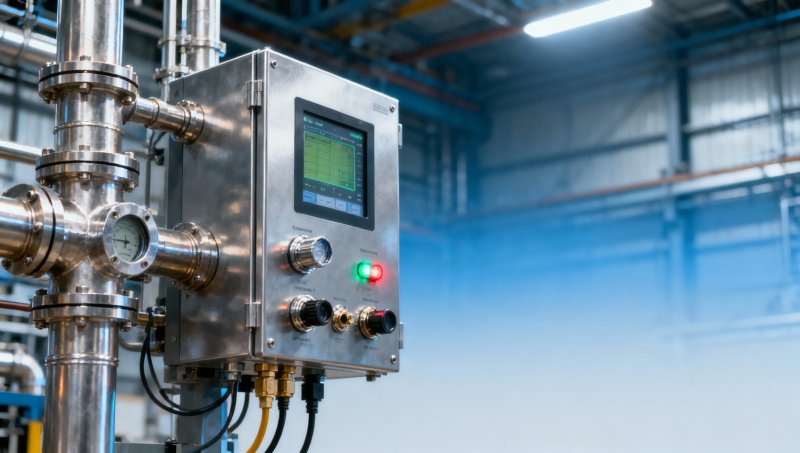
Demand is expanding because air quality data is no longer used only for periodic reporting. In many facilities, it now supports daily operational decisions, alarm response, energy optimization, and preventive maintenance. Buyers increasingly need analyzers that can run 24/7, transmit data in real time, and maintain stable performance under varying temperatures, dust loads, humidity, or corrosive conditions.
Another major driver is tighter monitoring at both low and high concentration ranges. A low range analyzer may be needed for cleanroom areas, laboratory exhaust, indoor air quality, or precision process control where even small deviations matter. At the same time, high temperature analyzer systems are in demand for combustion monitoring, thermal processing, flue gas analysis, and other harsh industrial applications where sample conditions can exceed 200°C.
Buyers are also placing more weight on application-specific risk. A toxic gas analyzer for chemical handling, wastewater treatment, battery production, or enclosed utility spaces must respond quickly, often within seconds rather than minutes. A hazardous area analyzer used in classified zones must support safe installation design, robust enclosure choices, and suitable maintenance access for field technicians.
These trends are making procurement more cross-functional. In many projects, at least 5 groups are involved: operations, EHS, engineering, procurement, and finance. That means vendors and buyers both need a clearer framework for comparing analyzer technologies beyond simple claims about sensitivity or durability.
Why expectations are rising across industries
In industrial manufacturing, an analyzer helps reduce process variation and supports product consistency. In energy and power, it can improve combustion efficiency and emissions control. In laboratories and medical testing environments, stable air quality monitoring helps protect sample integrity and staff safety. In construction and infrastructure projects, portable and fixed analyzers support commissioning, ventilation checks, and occupational health control.
As digital transformation expands, buyers increasingly expect analyzer outputs to connect with SCADA, PLC, DCS, BMS, or cloud dashboards. A device that cannot communicate using standard industrial protocols may create extra engineering cost during deployment, even if its base price looks attractive.
Common demand triggers
- New compliance requirements or tighter internal exposure thresholds.
- Process upgrades that require continuous measurement instead of manual spot checks.
- Plant expansion projects where 2–10 monitoring points must be added in one phase.
- Recurring maintenance issues with older analyzers that drift too quickly or require monthly recalibration.
What Buyers Now Evaluate Before They Shortlist a System
Shortlisting criteria in 2026 are becoming more structured. Buyers are asking not only whether an air quality analyzer can detect a target parameter, but also how it performs across a realistic operating cycle. For many projects, the evaluation window covers at least 4 dimensions: analytical performance, installation fit, digital integration, and total ownership cost.
Analytical performance still comes first. Technical teams typically review detection range, repeatability, drift, response time, and cross-sensitivity. A low range analyzer may need finer resolution at the lower end of the scale, while a toxic gas analyzer often needs faster T90 response and dependable alarms. In harsh duty applications, a high temperature analyzer must also tolerate thermal shock, particulate loading, or aggressive sample matrices.
Installation fit is the second filter. This includes ambient temperature range, enclosure suitability, sample conditioning requirements, available utilities, and maintenance access. An analyzer that performs well in a controlled lab may not be suitable for outdoor industrial use at -20°C to 50°C, especially where vibration, moisture, and corrosive gas are present.
The third factor is system integration. Buyers increasingly prefer outputs such as 4–20 mA, Modbus, relay alarms, and event logging as standard features. For multi-point installations, engineering teams may also request centralized diagnostics and a simple calibration workflow that reduces field intervention from 8 steps to 4 or less.
Core selection criteria by application type
The table below summarizes how buyer priorities often change by analyzer type. While exact specifications depend on the gas, process, and site design, the matrix helps procurement and engineering teams align expectations early in the project.
The key lesson is that “best” depends on the duty. A model optimized for trace detection may not survive a high-heat process area, and a rugged fixed monitor may not provide the low-end precision needed for a clean or controlled environment.
A practical 6-point shortlist checklist
- Define target gases, concentration range, and alarm thresholds.
- Confirm process temperature, humidity, dust level, and installation location.
- Check signal outputs and data integration requirements.
- Compare calibration interval, consumables, and expected maintenance hours per quarter.
- Review service response expectations, such as 24–72 hour technical support windows.
- Estimate 3-year to 5-year ownership cost, not just initial purchase price.
The Shift From Product Specs to Lifecycle Value
One of the strongest buying trends in 2026 is the move from “unit price comparison” to “lifecycle value comparison.” Finance approvers and plant managers are increasingly aware that a lower-cost analyzer can become more expensive if it requires frequent recalibration, unplanned downtime, additional sample conditioning, or repeated sensor replacement.
For example, an analyzer with a lower upfront cost may require monthly intervention, while a better-matched system can operate on a 90-day or 180-day service interval. If each maintenance event takes 2 technicians for 2 hours, service labor quickly becomes a hidden cost. In remote sites or hazardous zones, the total access cost can be even higher than the component cost.
Buyers are also calculating the business impact of data quality. Stable readings improve process control, support audit readiness, and reduce unnecessary shutdowns caused by false alarms. In some applications, even a 1–2% improvement in measurement confidence can help operations teams avoid overcorrection, wasted energy, or batch inconsistency.
This is why many procurement teams now ask vendors for service assumptions, spare parts planning, expected consumable cycles, and commissioning scope before issuing final approval. A complete air quality analyzer proposal needs to address operation, maintenance, and integration together.
Comparing purchase price with ownership impact
The table below shows how buyers can assess value more realistically. The goal is not to produce a universal formula, but to avoid a narrow selection process that ignores downtime, labor, and support requirements.
For enterprise buyers, this lifecycle approach is especially important when multiple analyzers are deployed in one program. A difference of just 3 hours of maintenance per unit per quarter can become a significant annual burden across a fleet of 20 or 50 devices.
Mistakes buyers still make
- Selecting by detection range alone without checking sample conditioning needs.
- Ignoring installation constraints such as purge requirements, enclosure heating, or access space.
- Assuming all toxic gas analyzer technologies behave the same under humidity, dust, or cross-interference.
- Approving a hazardous area analyzer without enough planning for maintenance logistics and shutdown windows.
Implementation, Service, and Data Integration Are Now Buying Criteria
In 2026, implementation capability is part of the buying decision, not an afterthought. Many air quality analyzer projects fail to deliver expected value because commissioning scope, signal mapping, calibration planning, and operator training were underestimated. Buyers increasingly prefer suppliers that can support the full sequence from application review to start-up optimization.
A typical deployment has 5 stages: site review, configuration confirmation, installation, calibration and validation, then operator handover. Depending on project complexity, this can take from 7–15 days for a simple point installation to 3–6 weeks for a multi-point industrial system with cabinet integration, data routing, and safety review.
Data integration is equally important. Buyers want analyzer outputs that are easy to trend, alarm, and archive. For operations teams, historical data over 30, 90, or 180 days helps identify recurring emissions peaks, ventilation issues, or process instability. For management teams, integrated reporting helps justify upgrades and demonstrate control effectiveness.
Service support has become another differentiator. Many buyers now ask practical questions: How fast can spare parts be shipped? Can calibration be completed on site? Is remote diagnostic support available? Is there a recommended preventive maintenance routine every quarter or every 6 months? These questions directly affect uptime and budget predictability.
Recommended implementation workflow
- Confirm monitoring objective: compliance, process control, worker protection, or indoor air quality.
- Define the analyzer type and measurement range based on gas type and environment.
- Review installation conditions including temperature, utilities, enclosure needs, and access safety.
- Validate communication and alarm requirements with automation or facility control systems.
- Complete commissioning, baseline calibration, and operator training with documented acceptance criteria.
What strong service support should include
A practical support package should define response windows, consumable recommendations, spare part lists, calibration guidance, and troubleshooting responsibility. For many industrial buyers, a clear service plan is more valuable than an aggressive price discount because it reduces uncertainty after installation.
When evaluating suppliers, project teams should ask for maintenance intervals, expected wear items, and a realistic training scope for operators and technicians. Even a 2-hour onboarding session can reduce routine handling errors, while a documented maintenance checklist helps standardize care across shifts and sites.
How Different Buyers Should Make the Final Decision
A final decision rarely belongs to one person. Each stakeholder group sees the air quality analyzer from a different angle, and strong projects account for all of them. Technical evaluators want proof of performance. Operators want a manageable interface and clear alarm behavior. Project managers care about schedule risk. Finance teams want a defendable investment case.
For information researchers and early-stage buyers, the first step is to separate application needs into three categories: gas target, environment, and data purpose. This prevents confusion between devices meant for trace monitoring, high-temperature process analysis, toxic gas safety protection, and hazardous area deployment.
For enterprise decision-makers, the best choice is usually the solution that balances measurement performance with manageable operating cost and practical service support. A technically advanced analyzer is not automatically the right choice if maintenance complexity, training demand, or integration burden exceeds site capability.
For end users and safety teams, reliability in real conditions should outweigh marketing language. A field-proven analyzer with stable response, straightforward calibration, and clear diagnostics often delivers better results than a feature-heavy system that is difficult to maintain under pressure.
FAQ for 2026 air quality analyzer buyers
How do I choose between a low range analyzer and a standard industrial analyzer?
Choose a low range analyzer when low-concentration resolution, baseline stability, and early deviation detection matter more than broad-range tolerance. Typical use cases include controlled indoor spaces, laboratory exhaust, and precision process monitoring. For rougher industrial environments, a broader-range analyzer may be more practical if the operating range is wider and contamination risk is higher.
When is a high temperature analyzer necessary?
A high temperature analyzer is appropriate when direct or near-process sampling occurs in hot conditions, often above 150°C or 200°C, or where cooling the sample introduces errors, condensation, or delay. Typical applications include combustion systems, kilns, furnaces, and hot gas process lines.
What should buyers check first for a toxic gas analyzer?
Check target gas, expected concentration range, response speed, humidity effects, and maintenance needs. Also review alarm strategy, placement height, ventilation conditions, and whether cross-interference is likely. A technically correct sensor can still underperform if it is installed in the wrong location or maintained too infrequently.
What makes a hazardous area analyzer project more complex?
Complexity usually comes from installation rules, enclosure decisions, cable routing, shutdown planning, and service access. Buyers should evaluate not just the analyzer but the total deployment concept. In many cases, maintenance planning and documentation take as much attention as the analyzer hardware itself.
Air quality analyzer buying trends in 2026 are clear: buyers want fit-for-purpose performance, dependable operation, easier integration, and measurable lifecycle value. The strongest solutions are those that match the actual duty, whether that means trace-level monitoring, hot-process analysis, toxic gas protection, or hazardous area deployment.
If you are comparing options for industrial, laboratory, environmental, building, or process applications, a structured review of range, environment, maintenance, and data needs will lead to a better result than a price-only comparison. To move your project forward with more confidence, contact us now to get a tailored solution, discuss product details, or explore more instrumentation options for your application.
Recommended for You
 FDA Updates IVD Import Guidance: CNAS Calibration Chain Required for China-Made DevicesFDA now requires CNAS calibration chain reports for China-made IVD analyzers—pH, ion & clinical chemistry devices entering via 510(k)/De Novo. Act now to avoid U.S. port rejections.
 EN 61000-6-4:2026 Enters Force: Stricter EMC Requirements for Industrial Field InstrumentsEN 61000-6-4:2026 enforces stricter EMC requirements for industrial field instruments—key for AI edge controllers, sensors & exporters. Act now to ensure CE-EMC compliance by Nov 2026.
 Global Methanol Electric Alliance Launches Cross-Border Energy Efficiency Recognition RoadmapGlobal Methanol Electric Alliance launches cross-border energy efficiency recognition roadmap—key for exporters, cal labs & methanol-instrument manufacturers.
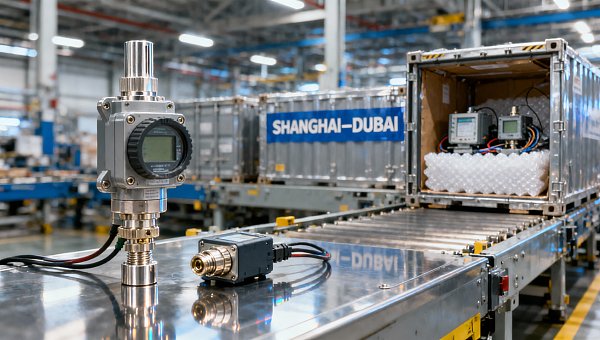
 Red Sea Crisis Escalates: Air Freight Premiums for China–Middle East Industrial Instruments Hit 390%Red Sea Crisis hits industrial instruments: China–Middle East air freight premiums surge 390%. Act now to secure Q3 capacity, avoid delays & optimize LCL alternatives.
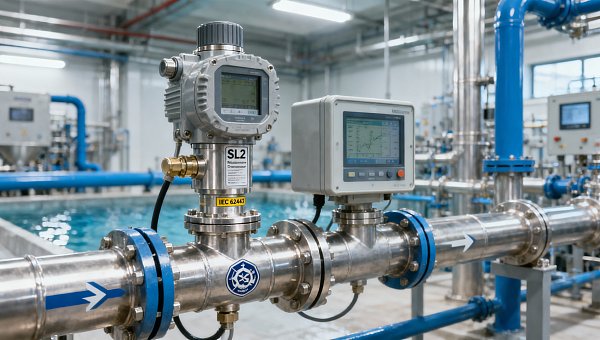
 IEC TC65 Mandates Cybersecurity Certification for Industrial Field Instruments from 2027IEC TC65 mandates cybersecurity certification for industrial field instruments by 2027 — pressure, flow & analytical devices must meet IEC 62443-4-2:2026 and display SL1–SL3 labels. Act now to ensure market access.
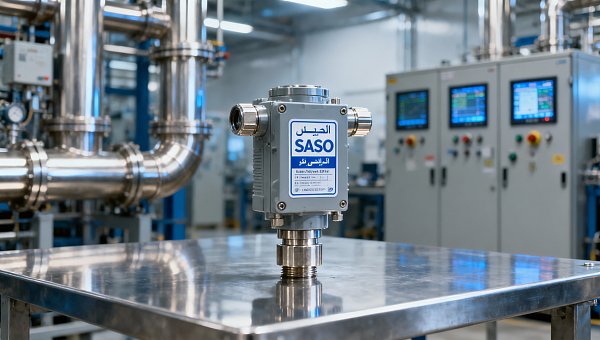
 SASO Cuts Energy Labeling Turnaround for Industrial Transmitters to 7 Working DaysSASO Energy Labeling now takes just 7 working days for industrial transmitters — faster market access, CNAS reports accepted. Act now!
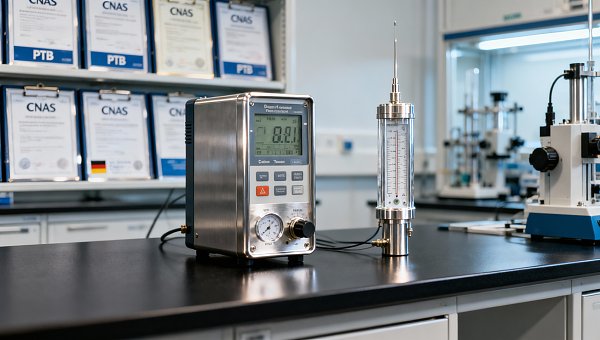
 PTB Launches CalCloud 2.0 with Direct CNAS Lab IntegrationCalCloud 2.0 now integrates directly with CNAS labs—enabling automated VDA 5 & ISO/IEC 17025 dual-compliant calibration reports for automotive and industrial exporters. Boost compliance efficiency today!
 ASEAN's Green Clearance Corridor for CNAS Calibration Reports LaunchesASEAN's Green Clearance Corridor now verifies CNAS calibration reports via blockchain—cut customs clearance to <48h for flow meters, analyzers & more. Act now!
 Vietnam Mandates CNAS Calibration Certificates & Vietnamese Manuals for Industrial Meters from June 1, 2026CNAS calibration certificates & Vietnamese manuals now mandatory for industrial meters entering Vietnam from June 1, 2026—avoid customs delays and ensure seamless market access.
 U.S. BIS Tightens Export Controls on High-Precision Laser InterferometersU.S. BIS tightens export controls on high-precision laser interferometers—critical for semiconductor metrology & ISO/IEC 17025 calibration. Act now to ensure compliance.
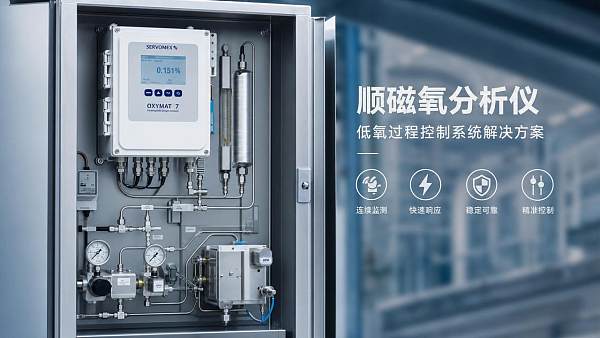
 Paramagnetic Monitor Calibration Tips for Stable OutputParamagnetic monitor calibration tips for stable output: learn how to reduce drift, improve accuracy, cut downtime, and keep oxygen measurement reliable in demanding industrial applications.
 Paramagnetic Measurement in Low-Oxygen Process ControlParamagnetic measurement enables accurate low-oxygen process control with fast response and stable oxygen analysis. Learn how it improves safety, consistency, and system performance.
 Laser Detector Import Risks and Certification DelaysLaser detector import risks can cause costly certification delays, customs issues, and testing setbacks. Learn how to avoid compliance failures before ordering.
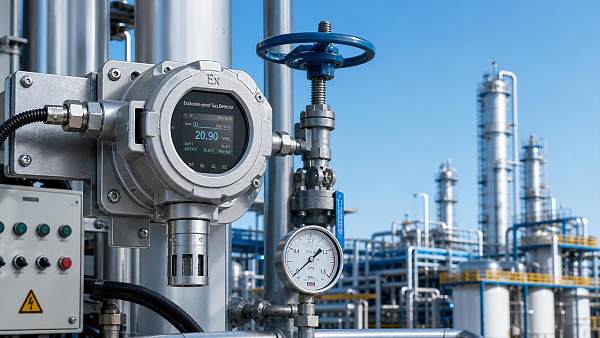
 Explosion Proof Detector Demand Under New Safety RulesExplosion proof detector demand is rising under new safety rules. Discover how to compare certified, reliable options that improve compliance, integration, and long-term site safety.
 Laboratory Detector Accuracy Standards You Should CheckLaboratory detector accuracy standards explained: check detection limits, repeatability, drift, and traceability to reduce risk, improve audit readiness, and choose with confidence.
 Custom Measurement Lead Times and Budget PlanningCustom measurement lead times and budgets explained for procurement teams. Learn key cost drivers, planning steps, and supplier tips to reduce delays and buy with confidence.
 Laser Measurement for Leak Detection: Common PitfallsLaser measurement for leak detection can fail due to setup, airflow, and data interpretation errors. Learn the common pitfalls and proven fixes for more accurate, reliable results.
 How to Evaluate a High Accuracy Detector in the FieldHigh accuracy detector evaluation starts with real field performance. Learn how to compare stability, response time, and reliability to choose the right detector with confidence.
 Electrochemical Monitor Lifespan and Replacement CostsElectrochemical monitor lifespan and replacement costs explained for buyers. Learn how sensor life, maintenance, and total ownership cost affect safer, smarter purchasing decisions.
 Thermal Analysis Market Direction in Process IndustriesThermal analysis market direction in process industries: discover trends, applications, and investment insights that improve quality control, reduce risk, and support smarter industrial decisions.
 Monitoring Shelter Design Priorities for Outdoor SitesMonitoring shelter design starts with protection, climate control, and power reliability. Discover how to choose the right outdoor solution for stable data, safer maintenance, and lower lifecycle risk.
 Fixed Measurement Planning for Multi-Point InstallationsFixed measurement planning is essential for multi-point installations. Learn how to improve accuracy, reliability, compliance, and maintenance efficiency across complex industrial systems.
 Fixed Analysis Systems for Stable Long-Term MonitoringFixed analysis systems enable stable long-term monitoring, reliable data, and better process control. Discover how they improve safety, compliance, and operational efficiency.
 Thermal Gas Applications Expanding in Clean IndustryThermal gas applications are reshaping clean industry with smarter flow measurement, emissions control, and energy optimization. Discover where they cut risk, boost efficiency, and support automation.
 Monitoring Detector Export Rules to Watch in 2026Monitoring detector export rules are changing fast in 2026. Learn the key compliance risks, supplier checks, and trade signals to protect margins and make smarter sourcing decisions.
 Control Detector Setup Mistakes That Affect ReliabilityControl detector setup mistakes can quietly reduce accuracy and uptime. Learn the most common installation, wiring, and calibration errors—and how to avoid them for reliable performance.
 What Defines a High Accuracy Monitor TodayHigh accuracy monitor selection starts with real-world performance. Learn the key accuracy factors, buyer checklist, and how to choose a reliable monitor for industrial control.
 Infrared Monitor Demand in Industrial Safety UpgradesInfrared monitor demand is rising as industrial safety upgrades accelerate. Discover where buyers need it most, how channel partners can sell smarter, and which applications drive long-term growth.
 Thermal Conductivity Monitor Limits in Mixed Gas StreamsThermal conductivity monitor limits in mixed gas streams explained—learn where accuracy drops, what buyers should compare, and how to choose the right analyzer with confidence.
 Laser Monitor vs Infrared Monitor for Fast DetectionLaser monitor vs infrared monitor for fast detection: discover which delivers better precision, response speed, and reliability for industrial monitoring and smarter sensor selection.
 Thermal Gas Analyzer Price Shifts Across Global MarketsThermal gas analyzer price shifts are reshaping global budgets. Learn what drives costs, regional differences, and how buyers can reduce risk and improve long-term value.
 Custom Analysis Options for Complex Gas ApplicationsCustom analysis helps solve complex gas applications with better accuracy, compliance, and reliability. Discover practical selection insights that reduce risk and improve system performance.
Search Categories
Search Categories
Latest Article
- FDA Updates IVD Import Guidance: CNAS Calibration Chain Required for China-Made DevicesFDA now requires CNAS calibration chain reports for China-made IVD analyzers—pH, ion & clinical chemistry devices entering via 510(k)/De Novo. Act now to avoid U.S. port rejections.Posted by:
- EN 61000-6-4:2026 Enters Force: Stricter EMC Requirements for Industrial Field InstrumentsEN 61000-6-4:2026 enforces stricter EMC requirements for industrial field instruments—key for AI edge controllers, sensors & exporters. Act now to ensure CE-EMC compliance by Nov 2026.Posted by:
- Global Methanol Electric Alliance Launches Cross-Border Energy Efficiency Recognition RoadmapGlobal Methanol Electric Alliance launches cross-border energy efficiency recognition roadmap—key for exporters, cal labs & methanol-instrument manufacturers.Posted by:
Please give us a message
