
How 2026 supply shifts may change C4H8O concentration analyzer pricing


As 2026 supply shifts reshape component costs, lead times, and compliance demands, buyers are rethinking how they source a C4H8O concentration analyzer and related solutions such as C3H6O concentration analyzer, C2H4O concentration analyzer, and CH3OH concentration analyzer systems. This article explores what these market changes could mean for pricing, performance expectations, budgeting, and procurement decisions across industrial, laboratory, and safety-critical applications.
For instrumentation buyers, pricing is no longer driven by the sensor alone. In 2026, analyzer costs may move because of detector availability, electronics sourcing, enclosure materials, certification workload, software integration, and after-sales support expectations. That matters to research teams comparing technologies, operators who need stable measurements, and finance managers trying to defend capital budgets.
A C4H8O concentration analyzer is often evaluated alongside related organic vapor monitoring solutions. In many projects, the decision is not just which analyzer to buy, but whether to standardize a multi-gas strategy across process monitoring, lab validation, emissions checks, solvent handling, and hazardous area safety programs. That broader context is where 2026 supply shifts will have the biggest pricing impact.
Why 2026 supply shifts matter for analyzer pricing
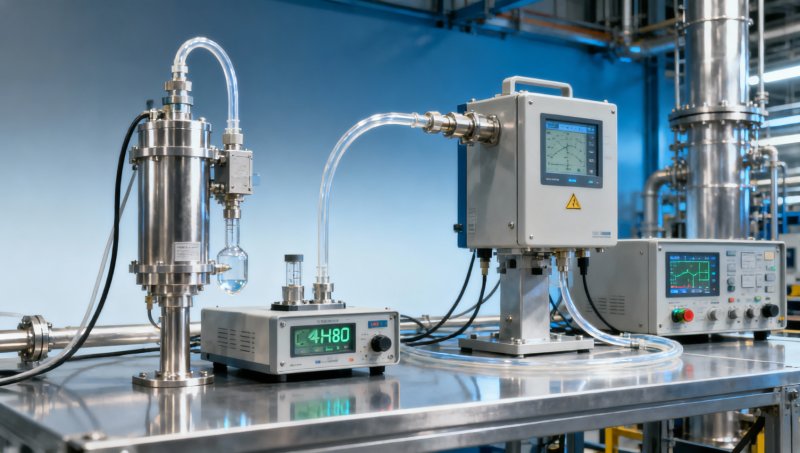
The pricing of a C4H8O concentration analyzer is shaped by a supply chain that reaches far beyond the final instrument assembly line. Core elements may include infrared components, electrochemical modules, optical filters, pumps, tubing, industrial IPC boards, displays, explosion-proof housings, and calibration accessories. When even 1 or 2 of these categories tighten, the final quote can rise by 8% to 20% depending on configuration.
Lead time volatility also changes price behavior. In a stable market, standard analyzer systems may ship in 2 to 6 weeks. Under constrained supply conditions, delivery can stretch to 8 to 16 weeks, especially for customized sampling systems or hazardous-area builds. Vendors may respond by pricing rush production, safety stock, or alternative component validation into the proposal.
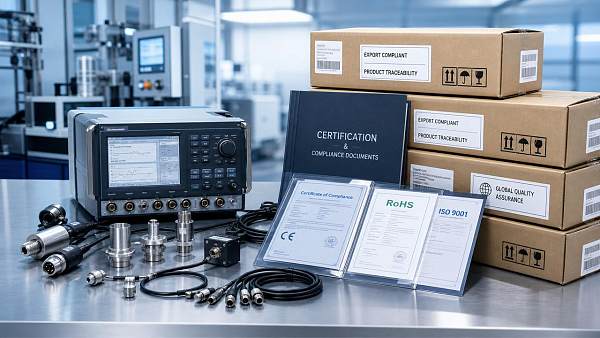
Compliance is another hidden cost driver. A basic laboratory analyzer and an industrial online analyzer may differ significantly in documentation workload, enclosure rating, and verification steps. If a buyer needs additional electrical conformity, material traceability, or plant documentation packages, the administrative and engineering hours can add meaningful cost even before shipping and commissioning are considered.
For related products such as a C3H6O concentration analyzer, C2H4O concentration analyzer, or CH3OH concentration analyzer, pricing pressure often follows a similar pattern. Instruments with overlapping optical paths, pumps, valves, or communication modules may all rise together. That is why procurement teams should evaluate product families rather than judging one analyzer in isolation.
Main supply-side cost triggers
The most common triggers in 2026 are not speculative headlines but practical manufacturing realities. Buyers should expect pricing swings to be linked to specific technical dependencies and project requirements.
- Sensor and optical component availability, especially when a design depends on narrow-source suppliers.
- PCB and industrial controller procurement, where redesign or substitution may require 4 to 12 extra validation weeks.
- Housing and panel material changes driven by corrosion resistance, IP rating, or hazardous-location requirements.
- Calibration gas and accessory kits, which affect not only the upfront quote but also first-year operating cost.
This means a lower initial unit price does not always represent lower total project cost. A shorter delivery window, broader spare parts availability, or lower annual recalibration burden can be more valuable than a 5% quote reduction.
Which product configurations are most exposed to price change
Not every analyzer configuration faces the same level of pricing pressure. Portable screening tools, fixed-point online analyzers, laboratory benchtop systems, and integrated sample conditioning packages each depend on different component sets. As a result, price change in 2026 is likely to vary by application architecture rather than by gas name alone.
For example, a basic C4H8O concentration analyzer for controlled indoor use may rely on fewer hardened materials and simpler communication options. A process-line analyzer intended for 24/7 industrial operation may require heated lines, filtration, pump redundancy, 4-20 mA outputs, Modbus or Ethernet communication, and larger protective enclosures. Those upgrades can widen the pricing gap by 15% to 40% across two systems that appear similar on a short quotation sheet.
The same pattern applies to a CH3OH concentration analyzer used in chemical storage, a C3H6O concentration analyzer used around solvent handling, or a C2H4O concentration analyzer used in controlled process environments. Environmental conditions such as dust load, humidity, corrosive vapors, and maintenance access intervals often have more pricing influence than buyers initially expect.
Typical exposure by configuration type
The table below shows how common analyzer setups may respond to 2026 supply and specification changes. It is not a fixed market price list, but a practical framework for comparing cost exposure.
The key takeaway is that highly engineered systems are usually more exposed than standard catalog units. If your project needs custom sample paths, harsh-environment materials, or integration into an existing DCS or PLC network, budget variability in the 10% to 25% range is easier to justify than in a simple portable purchase.
Questions technical teams should ask early
- Will the analyzer operate continuously, intermittently, or only during batch testing?
- Is the target concentration range low ppm, high ppm, or percentage-level?
- Does the system need local alarm output, remote communication, or historian integration?
- Will service intervals be monthly, quarterly, or every 6 to 12 months?
These four questions often reveal whether an apparently small price difference reflects real engineering value or simply a mismatch between specification and application.
How buyers should compare quotes in a changing market
When supply conditions shift, quote comparison becomes more complex. Finance teams may focus on purchase price, while users care more about analyzer stability, maintenance effort, and startup time. A strong buying process should compare at least 6 dimensions: instrument method, concentration range, response time, service interval, documentation package, and delivery commitment. Without that structure, a low quote can create expensive surprises after installation.
For a C4H8O concentration analyzer, one supplier may include calibration accessories, software, and FAT support in the base proposal, while another lists them as optional items. The second quote may look 12% lower at first review but become more expensive once commissioning requirements are added. The same risk appears with C3H6O concentration analyzer and CH3OH concentration analyzer procurements in multi-site projects.
Another common issue is range mismatch. An analyzer optimized for 0-100 ppm may not perform well if the real process swings to 1,000 ppm or higher. Under-specifying the range can create nuisance alarms, poor accuracy, or premature replacement. Over-specifying can also waste budget if the design introduces unnecessary components or advanced protection levels that the site does not need.
Practical quote comparison framework
Use a structured review matrix before approving any purchase. This helps engineering, operations, quality, and finance teams work from the same baseline rather than arguing from incomplete assumptions.
This type of matrix helps buyers move from “Which quote is cheaper?” to “Which analyzer best protects uptime, compliance, and operating cost?” In 2026, that distinction is likely to matter more than nominal list price.
Red flags during procurement
- Lead times described only as “to be confirmed” without a realistic range such as 6 to 10 weeks.
- No clear statement on calibration method, consumables, or service interval.
- Very low pricing paired with vague integration scope or missing commissioning support.
- Insufficient information on environmental limits such as temperature, humidity, or installation orientation.
For distributors and project managers, these red flags are especially important because the cost of correcting specification gaps after shipment is usually higher than the cost of clarifying them before PO release.
Budgeting, implementation, and lifecycle cost control
A smart budget for a C4H8O concentration analyzer should include more than the instrument itself. In practice, many projects need a 3-part budget structure: equipment cost, implementation cost, and operating cost. Equipment cost covers the analyzer and core accessories. Implementation cost includes mounting, electrical integration, validation, and startup. Operating cost includes calibration gases, consumables, service visits, and any planned spare parts for 12 to 24 months.
This is where finance and operations should align early. If a buyer approves only the lowest capital item but leaves no room for sampling hardware, training, or on-site commissioning, the project may be delayed by 2 to 8 weeks. In production and safety-related environments, those delays can cost more than the instrument price difference itself.
Lifecycle thinking also helps when comparing a C2H4O concentration analyzer or CH3OH concentration analyzer for similar facilities. A unit with fewer consumable replacements, simpler diagnostics, or longer recalibration intervals may reduce technician workload by several hours per month. On multi-point installations, those saved labor hours become meaningful operating savings.
A practical cost planning model
The table below gives a useful planning structure for decision-makers who need to justify analyzer investment under uncertain 2026 supply conditions.
The main conclusion is simple: projects that budget only for hardware are the most exposed to delay and cost escalation. A broader lifecycle budget gives procurement teams more room to respond when supply shifts affect delivery or configuration.
Implementation steps that reduce commercial risk
- Lock the measurement range and installation environment before RFQ release.
- Ask for a line-by-line scope list, not just a total instrument price.
- Clarify factory test, delivery date range, and startup responsibility in writing.
- Plan first-year consumables and critical spares at the time of purchase.
- Review service response expectations, especially for remote or safety-critical sites.
These five steps are practical for end users, EPC teams, and channel partners alike, because they reduce the chance of post-order scope creep and shorten the time from purchase approval to stable operation.
Common buyer questions for 2026 analyzer sourcing
Many search inquiries about analyzer pricing are really questions about risk, fit, and timing. Below are the issues most frequently raised by technical evaluators, operators, and decision-makers when comparing a C4H8O concentration analyzer with adjacent solutions.
How early should a buyer start procurement in 2026?
For standard units, starting 6 to 8 weeks before the desired delivery date may still be workable. For customized online systems, hazardous-area builds, or projects requiring integration with plant controls, 12 to 20 weeks is safer. This timeline allows for technical clarification, document review, production scheduling, and possible component substitution approval.
Is it better to buy a single analyzer now or standardize multiple analyzers together?
If your site expects to monitor multiple solvents or volatile organics over the next 12 months, a family-based sourcing strategy can be more efficient. Standardizing C4H8O concentration analyzer, C3H6O concentration analyzer, and CH3OH concentration analyzer platforms may improve spare parts planning, operator training, and service consistency. It can also reduce engineering duplication during integration.
What specification mistakes most often increase cost later?
The most common mistakes are unclear concentration range, incomplete environmental data, and ignoring maintenance access. Buyers also underestimate the cost impact of communication requirements and compliance documents. A quote that seems complete may still exclude sample conditioning, calibration accessories, or startup support, which then appear as late add-ons.
How should distributors and resellers protect margin in a volatile supply market?
Channel partners should request validity windows on quotations, confirm alternative component policies, and separate standard scope from optional scope. A 30-day quote validity period is often more useful than a vague open-ended offer. It also helps to forecast demand by application segment, such as laboratory, industrial online, and safety monitoring, because each segment responds differently to component shortages.
In a market shaped by supply shifts, the right C4H8O concentration analyzer decision depends on more than list price. Buyers should assess configuration risk, delivery certainty, integration scope, service burden, and first-year operating cost alongside the headline quote. The same discipline applies when evaluating C3H6O concentration analyzer, C2H4O concentration analyzer, and CH3OH concentration analyzer solutions for broader instrumentation programs.
If you are planning a new project, replacing an existing analyzer, or building a multi-site monitoring strategy for 2026, now is the time to compare specifications in detail and align engineering with procurement. Contact us to discuss your application, request a tailored recommendation, or get a more practical sourcing plan for your analyzer project.
Recommended for You
 FDA Updates IVD Import Guidance: CNAS Calibration Chain Required for China-Made DevicesFDA now requires CNAS calibration chain reports for China-made IVD analyzers—pH, ion & clinical chemistry devices entering via 510(k)/De Novo. Act now to avoid U.S. port rejections.
 EN 61000-6-4:2026 Enters Force: Stricter EMC Requirements for Industrial Field InstrumentsEN 61000-6-4:2026 enforces stricter EMC requirements for industrial field instruments—key for AI edge controllers, sensors & exporters. Act now to ensure CE-EMC compliance by Nov 2026.
 Global Methanol Electric Alliance Launches Cross-Border Energy Efficiency Recognition RoadmapGlobal Methanol Electric Alliance launches cross-border energy efficiency recognition roadmap—key for exporters, cal labs & methanol-instrument manufacturers.
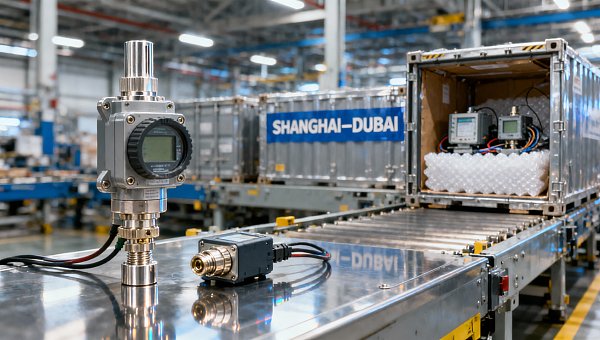
 Red Sea Crisis Escalates: Air Freight Premiums for China–Middle East Industrial Instruments Hit 390%Red Sea Crisis hits industrial instruments: China–Middle East air freight premiums surge 390%. Act now to secure Q3 capacity, avoid delays & optimize LCL alternatives.
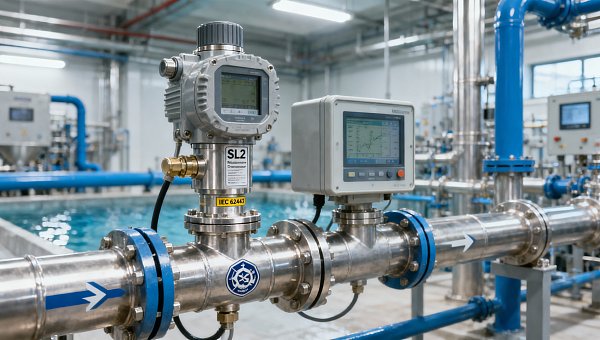
 IEC TC65 Mandates Cybersecurity Certification for Industrial Field Instruments from 2027IEC TC65 mandates cybersecurity certification for industrial field instruments by 2027 — pressure, flow & analytical devices must meet IEC 62443-4-2:2026 and display SL1–SL3 labels. Act now to ensure market access.
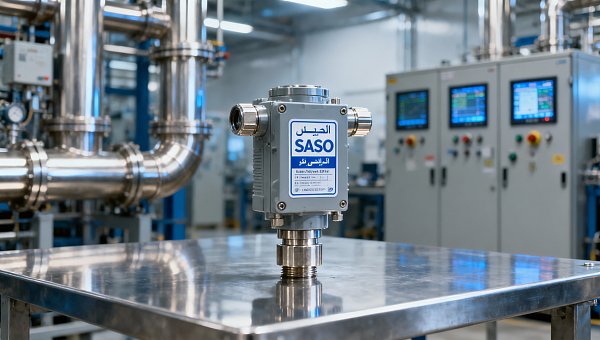
 SASO Cuts Energy Labeling Turnaround for Industrial Transmitters to 7 Working DaysSASO Energy Labeling now takes just 7 working days for industrial transmitters — faster market access, CNAS reports accepted. Act now!
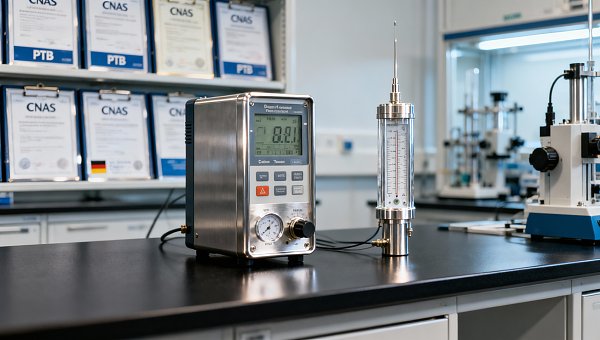
 PTB Launches CalCloud 2.0 with Direct CNAS Lab IntegrationCalCloud 2.0 now integrates directly with CNAS labs—enabling automated VDA 5 & ISO/IEC 17025 dual-compliant calibration reports for automotive and industrial exporters. Boost compliance efficiency today!
 ASEAN's Green Clearance Corridor for CNAS Calibration Reports LaunchesASEAN's Green Clearance Corridor now verifies CNAS calibration reports via blockchain—cut customs clearance to <48h for flow meters, analyzers & more. Act now!
 Vietnam Mandates CNAS Calibration Certificates & Vietnamese Manuals for Industrial Meters from June 1, 2026CNAS calibration certificates & Vietnamese manuals now mandatory for industrial meters entering Vietnam from June 1, 2026—avoid customs delays and ensure seamless market access.
 U.S. BIS Tightens Export Controls on High-Precision Laser InterferometersU.S. BIS tightens export controls on high-precision laser interferometers—critical for semiconductor metrology & ISO/IEC 17025 calibration. Act now to ensure compliance.
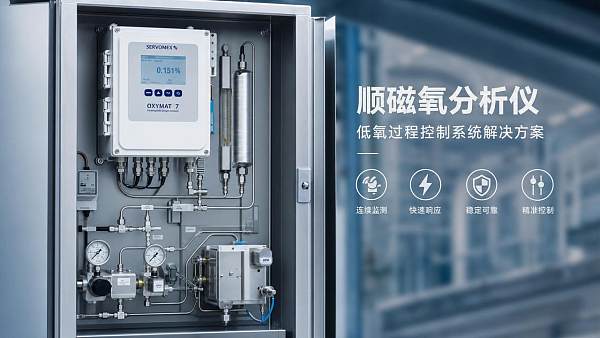
 Paramagnetic Monitor Calibration Tips for Stable OutputParamagnetic monitor calibration tips for stable output: learn how to reduce drift, improve accuracy, cut downtime, and keep oxygen measurement reliable in demanding industrial applications.
 Paramagnetic Measurement in Low-Oxygen Process ControlParamagnetic measurement enables accurate low-oxygen process control with fast response and stable oxygen analysis. Learn how it improves safety, consistency, and system performance.
 Laser Detector Import Risks and Certification DelaysLaser detector import risks can cause costly certification delays, customs issues, and testing setbacks. Learn how to avoid compliance failures before ordering.
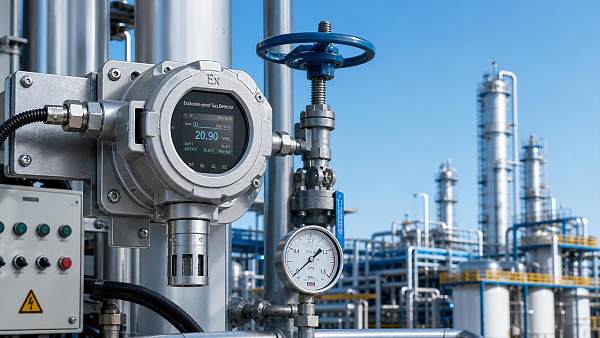
 Explosion Proof Detector Demand Under New Safety RulesExplosion proof detector demand is rising under new safety rules. Discover how to compare certified, reliable options that improve compliance, integration, and long-term site safety.
 Laboratory Detector Accuracy Standards You Should CheckLaboratory detector accuracy standards explained: check detection limits, repeatability, drift, and traceability to reduce risk, improve audit readiness, and choose with confidence.
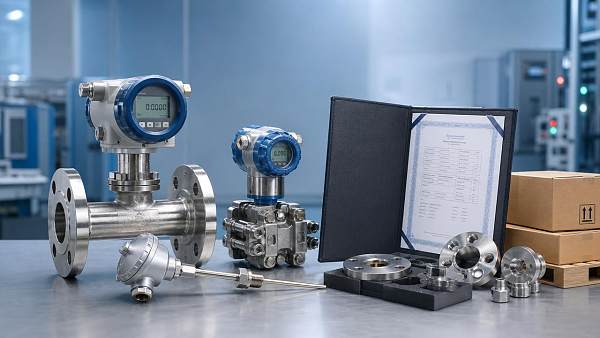
 Custom Measurement Lead Times and Budget PlanningCustom measurement lead times and budgets explained for procurement teams. Learn key cost drivers, planning steps, and supplier tips to reduce delays and buy with confidence.
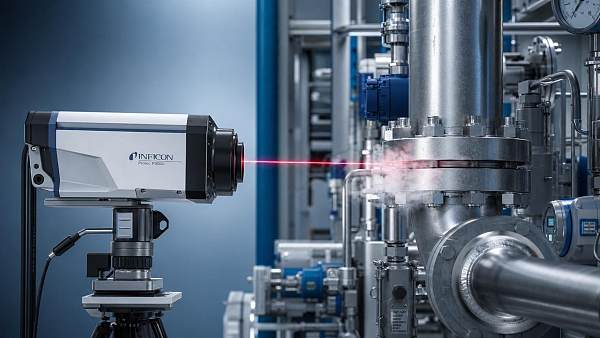
 Laser Measurement for Leak Detection: Common PitfallsLaser measurement for leak detection can fail due to setup, airflow, and data interpretation errors. Learn the common pitfalls and proven fixes for more accurate, reliable results.
 How to Evaluate a High Accuracy Detector in the FieldHigh accuracy detector evaluation starts with real field performance. Learn how to compare stability, response time, and reliability to choose the right detector with confidence.
 Electrochemical Monitor Lifespan and Replacement CostsElectrochemical monitor lifespan and replacement costs explained for buyers. Learn how sensor life, maintenance, and total ownership cost affect safer, smarter purchasing decisions.
 Thermal Analysis Market Direction in Process IndustriesThermal analysis market direction in process industries: discover trends, applications, and investment insights that improve quality control, reduce risk, and support smarter industrial decisions.
 Monitoring Shelter Design Priorities for Outdoor SitesMonitoring shelter design starts with protection, climate control, and power reliability. Discover how to choose the right outdoor solution for stable data, safer maintenance, and lower lifecycle risk.
 Fixed Measurement Planning for Multi-Point InstallationsFixed measurement planning is essential for multi-point installations. Learn how to improve accuracy, reliability, compliance, and maintenance efficiency across complex industrial systems.
 Fixed Analysis Systems for Stable Long-Term MonitoringFixed analysis systems enable stable long-term monitoring, reliable data, and better process control. Discover how they improve safety, compliance, and operational efficiency.
 Thermal Gas Applications Expanding in Clean IndustryThermal gas applications are reshaping clean industry with smarter flow measurement, emissions control, and energy optimization. Discover where they cut risk, boost efficiency, and support automation.
 Monitoring Detector Export Rules to Watch in 2026Monitoring detector export rules are changing fast in 2026. Learn the key compliance risks, supplier checks, and trade signals to protect margins and make smarter sourcing decisions.
 Control Detector Setup Mistakes That Affect ReliabilityControl detector setup mistakes can quietly reduce accuracy and uptime. Learn the most common installation, wiring, and calibration errors—and how to avoid them for reliable performance.
 What Defines a High Accuracy Monitor TodayHigh accuracy monitor selection starts with real-world performance. Learn the key accuracy factors, buyer checklist, and how to choose a reliable monitor for industrial control.
 Infrared Monitor Demand in Industrial Safety UpgradesInfrared monitor demand is rising as industrial safety upgrades accelerate. Discover where buyers need it most, how channel partners can sell smarter, and which applications drive long-term growth.
 Thermal Conductivity Monitor Limits in Mixed Gas StreamsThermal conductivity monitor limits in mixed gas streams explained—learn where accuracy drops, what buyers should compare, and how to choose the right analyzer with confidence.
 Laser Monitor vs Infrared Monitor for Fast DetectionLaser monitor vs infrared monitor for fast detection: discover which delivers better precision, response speed, and reliability for industrial monitoring and smarter sensor selection.
 Thermal Gas Analyzer Price Shifts Across Global MarketsThermal gas analyzer price shifts are reshaping global budgets. Learn what drives costs, regional differences, and how buyers can reduce risk and improve long-term value.
 Custom Analysis Options for Complex Gas ApplicationsCustom analysis helps solve complex gas applications with better accuracy, compliance, and reliability. Discover practical selection insights that reduce risk and improve system performance.






Search Categories
Search Categories
Latest Article
- FDA Updates IVD Import Guidance: CNAS Calibration Chain Required for China-Made DevicesFDA now requires CNAS calibration chain reports for China-made IVD analyzers—pH, ion & clinical chemistry devices entering via 510(k)/De Novo. Act now to avoid U.S. port rejections.Posted by:
- EN 61000-6-4:2026 Enters Force: Stricter EMC Requirements for Industrial Field InstrumentsEN 61000-6-4:2026 enforces stricter EMC requirements for industrial field instruments—key for AI edge controllers, sensors & exporters. Act now to ensure CE-EMC compliance by Nov 2026.Posted by:
- Global Methanol Electric Alliance Launches Cross-Border Energy Efficiency Recognition RoadmapGlobal Methanol Electric Alliance launches cross-border energy efficiency recognition roadmap—key for exporters, cal labs & methanol-instrument manufacturers.Posted by:
Please give us a message
