
How to Choose a B2H6 Concentration Analyzer for Safe Process Control


How to Choose a B2H6 Concentration Analyzer for Safe Process Control
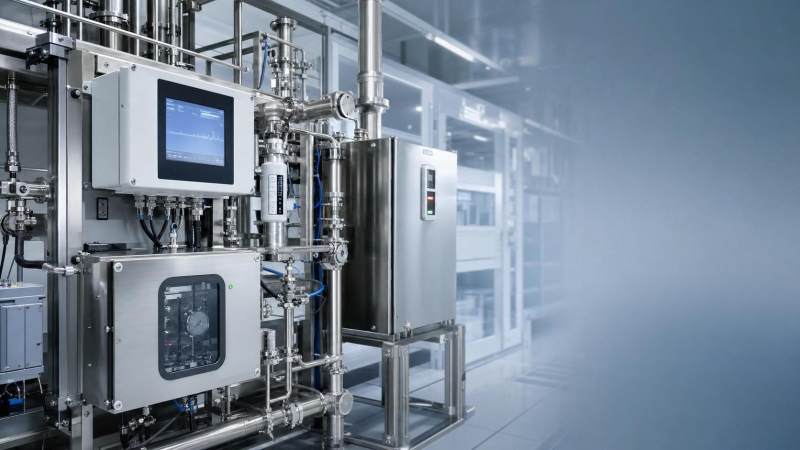
Selecting the right B2H6 concentration analyzer is critical for safe process control in semiconductor, chemical, and specialty gas applications.
The decision is rarely about range alone.
A strong fit must also support fast alarms, stable calibration, hazardous-area compliance, clean integration, and dependable lifecycle cost.
That matters even more with diborane.
B2H6 is highly toxic, pyrophoric, and widely used in tightly controlled processes.
If the analyzer underperforms, the problem is not just measurement error.
It can affect shutdown logic, gas cabinet protection, scrubber efficiency, maintenance planning, and incident response.
This guide breaks down how to compare a B2H6 concentration analyzer with fewer blind spots.
The aim is simple: improve decision quality while reducing process risk.
Start With the Actual Risk Scenario
Before comparing models, define where the B2H6 concentration analyzer will operate.
That sounds basic, but many weak selections start here.
Different use cases create different measurement priorities.
- Gas cabinets need fast leak detection and reliable alarm thresholds.
- Bulk delivery areas may prioritize wider area coverage and rugged sampling systems.
- Process tool exhaust monitoring often needs stability under variable moisture and mixed gases.
- Scrubber inlet and outlet checks may focus on performance verification and compliance evidence.
A B2H6 concentration analyzer chosen for ambient safety monitoring may not fit process stream analysis.
From a technical review standpoint, application context should drive every later specification.
Detection Range Is Important, but It Is Not Enough
The first filter is usually detection range, sensitivity, and resolution.
That is necessary, but it should not dominate the full decision.
For a B2H6 concentration analyzer, ask four direct questions.
- What is the minimum detectable concentration under real operating conditions?
- What is the full-scale range, and is it suitable for upset events?
- How linear is the signal across the required range?
- Does accuracy change with background gas composition?
In practice, ultra-low detection limits look attractive on paper.
The more useful signal is whether the analyzer stays accurate during purge cycles, drift periods, and process fluctuations.
A B2H6 concentration analyzer that performs well only in clean lab conditions can create false confidence on the plant floor.
Response Time Often Separates Acceptable From Safe
For hazardous gas monitoring, response time is a control variable, not a convenience feature.
A slow B2H6 concentration analyzer can delay alarms, interlocks, and emergency ventilation actions.
When vendors present T90 values, check what those numbers include.
- Sensor response only
- Sampling line transport delay
- Conditioning system delay
- Signal output update rate
This distinction matters more than it first appears.
A technically fast sensing element can still produce a slow safety response in a poorly designed sampling path.
During evaluation, ask for total system response under your expected tubing length, flow rate, and gas matrix.
Check Selectivity and Cross-Sensitivity Early
A B2H6 concentration analyzer is only as trustworthy as its selectivity.
In mixed gas environments, cross-sensitivity can distort readings and complicate root-cause analysis.
This is common where hydrides, carrier gases, moisture, solvents, or cleaning residues are present.
More importantly, interference does not always show up as a constant bias.
It may appear only during transients, maintenance, or specific batch conditions.
A practical review should request interference data for expected coexisting gases.
If that data is missing, confidence in the B2H6 concentration analyzer should drop accordingly.
Calibration Stability Drives Real Maintenance Burden
One of the clearest ownership signals is calibration stability.
A B2H6 concentration analyzer that needs frequent recalibration will add labor, downtime, and compliance workload.
That cost is often underestimated during sourcing.
Look beyond stated calibration intervals.
- Review zero and span drift behavior.
- Check whether auto-validation is available.
- Confirm calibration gas requirements and availability.
- Ask how performance changes after sensor exposure to high concentrations.
This is where lifecycle reliability becomes tangible.
A stable B2H6 concentration analyzer usually supports stronger uptime and cleaner audit records over time.
Hazardous-Area Compliance Should Match the Installation Reality
Compliance is not a box-ticking exercise here.
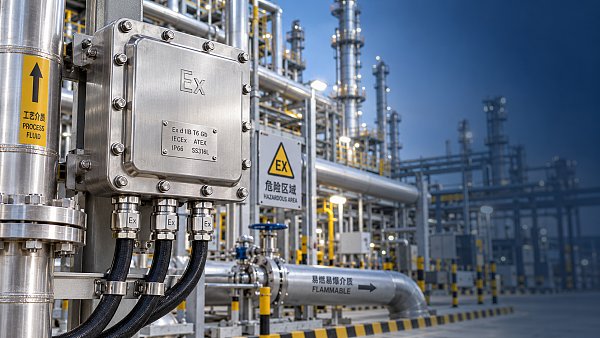
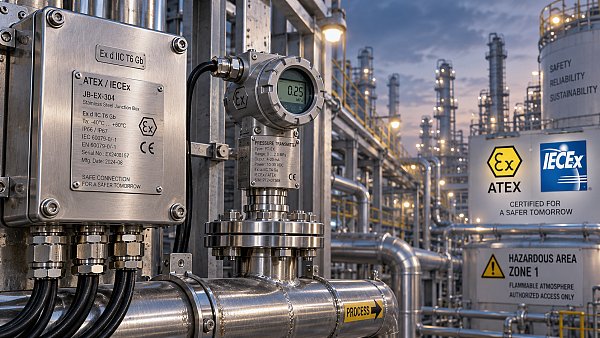
The B2H6 concentration analyzer must align with the actual electrical and environmental classification of the site.
That includes enclosure rating, temperature class, ingress protection, and regional certifications.
Typical checks may include ATEX, IECEx, UL, or local plant engineering standards.
Also review materials of construction.
Corrosive surroundings, cleanroom protocols, or high-purity gas handling may rule out otherwise capable options.
A technically sound B2H6 concentration analyzer still fails the selection if it creates installation exceptions or compliance gaps.
Integration With Control Systems Needs Close Review
A B2H6 concentration analyzer does not operate in isolation.
Its value depends on how well it communicates with the wider safety and automation architecture.
That usually means reviewing more than signal outputs.
In actual operations, poor integration creates hidden delays and avoidable troubleshooting hours.
A well-matched B2H6 concentration analyzer should support both immediate protection and long-term data visibility.
Evaluate the Sampling System, Not Just the Analyzer Core
This is one of the most overlooked decision points.
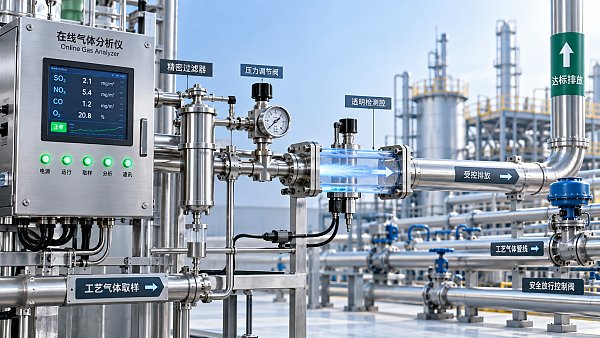
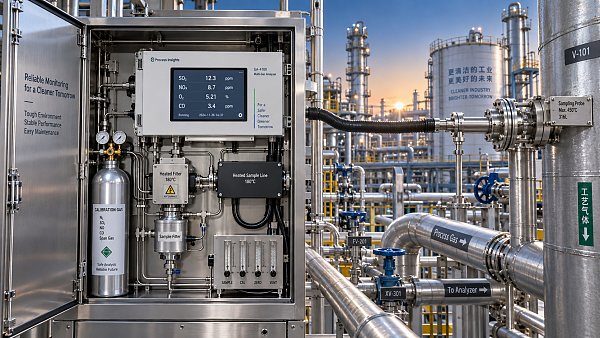
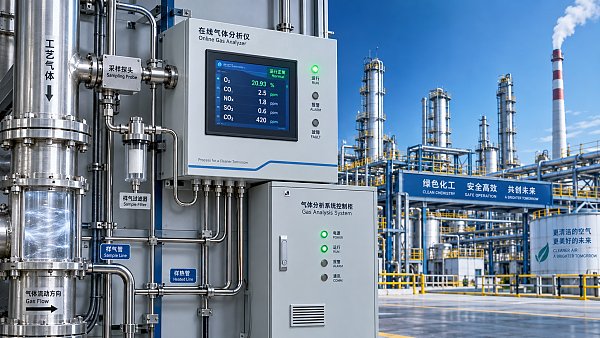
For many installations, the sampling path determines whether the B2H6 concentration analyzer performs as expected.
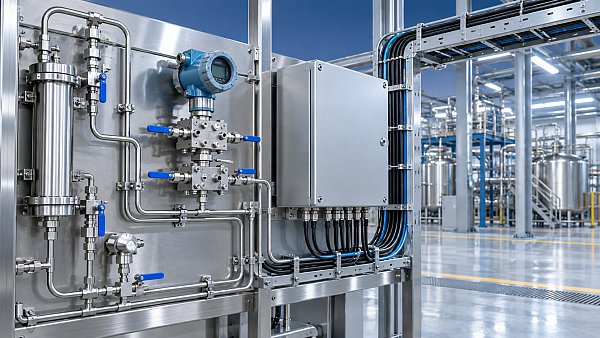
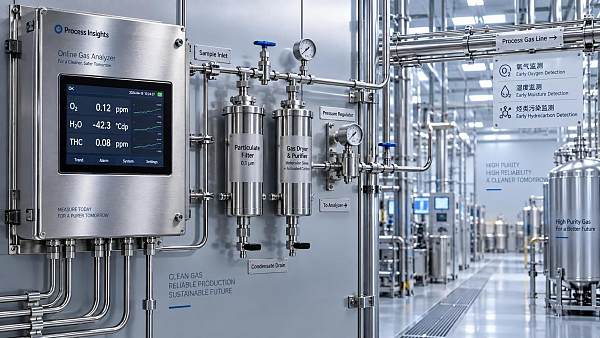
Tube material, dead volume, filtration, pressure control, and moisture management all matter.
A weak sampling design can cause adsorption losses, delayed readings, or unstable baselines.
That also means vendor evaluation should include system engineering depth.
Can the supplier design a complete sample handling package for your process conditions?
For a B2H6 concentration analyzer, hardware around the sensor is often where project success is won or lost.
Compare Suppliers on Support, Documentation, and Proof
Technical specifications matter, but supplier depth matters too.
The stronger signal is whether the supplier can prove field performance.
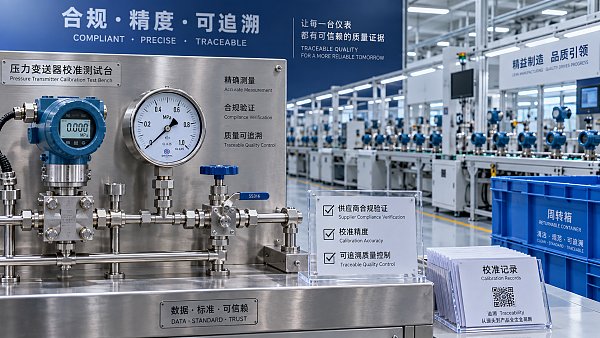
Ask for documented case references, calibration procedures, spare parts policy, and service response expectations.
This is especially relevant for projects with global rollout or strict audit requirements.
Organizations such as Global Instrument Hub track these vendor trust signals closely.
That includes certification literacy, engineering responsiveness, and consistency across regions.
When choosing a B2H6 concentration analyzer, evidence quality should weigh as heavily as brochure performance.
A Practical Selection Checklist
To keep evaluation grounded, use a short decision checklist.
- Define the monitoring objective and alarm philosophy first.
- Match the B2H6 concentration analyzer range to both routine and upset conditions.
- Verify total response time with the intended sampling layout.
- Review cross-sensitivity data for real background gases.
- Check drift, calibration burden, and recovery after exposure.
- Confirm hazardous-area approvals and material compatibility.
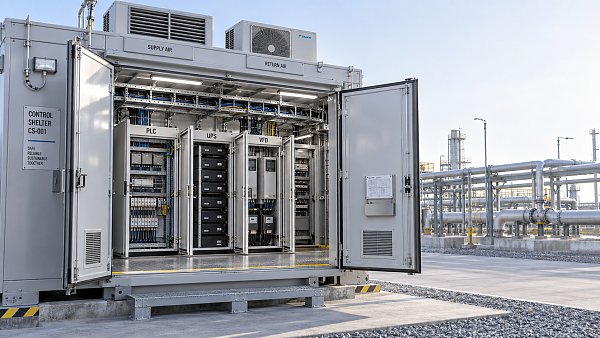
- Validate PLC, DCS, and alarm system integration details.
- Assess supplier documentation, support reach, and lifecycle service.
That sequence helps avoid decisions driven by one attractive specification.
It also makes vendor comparison much easier during formal technical review.
Final Decision Guidance
The best B2H6 concentration analyzer is not simply the most sensitive or the most advanced.
It is the one that fits the process risk, responds fast enough, stays stable, integrates cleanly, and holds up in daily use.
That is where safe process control becomes measurable rather than assumed.
From a sourcing perspective, disciplined evaluation reduces both technical uncertainty and future operating cost.
For teams comparing global options, structured intelligence from Global Instrument Hub can sharpen that decision further.
Use the B2H6 concentration analyzer selection process as a control decision, not just a purchasing step.
Recommended for You
 When custom gas analysis is the right fit for complex process streamsCustom gas analysis for complex process streams: learn when tailored sampling, interference control, and reliable measurement design deliver confident decisions.
 When does a laser gas analyzer meet stack emissions monitoring needs?Laser gas analyzer for stack emissions: learn when it delivers fast, reliable data, how to assess installation risks, and what to verify for CEMS compliance.
 How to select a hazardous gas analyzer for confined spacesHazardous gas analyzer selection for confined spaces: compare sensors, sampling, certifications, alarms, and maintenance to protect workers and choose with confidence.
 When is a single gas analyzer sufficient for workplace safety monitoring?Discover when a single gas analyzer delivers reliable workplace safety monitoring, and learn the key limits, calibration needs, and risks that require broader detection.
 How to choose an ambient gas analyzer for low-level leak detectionAmbient gas analyzer selection for low-level leak detection: compare sensitivity, cross-sensitivity, sampling design, alarms, and calibration for reliable site performance.
 How to tell when an oxygen sensor needs replacementOxygen sensor replacement signs explained: learn how live data, fault codes, wiring checks, and exhaust inspections pinpoint the real issue before you buy.
 How laser gas analyzers improve combustion control in steel furnacesLaser gas analyzer for steel industry applications delivers fast in-situ O₂ and CO data to optimize furnace combustion, cut fuel waste, and improve steel heating stability.
 How to verify whether explosion proof equipment meets site requirementsExplosion proof equipment verification made practical: match zones, gas or dust groups, temperature classes, certificates, and installation conditions for confident compliance.
 How industrial gas analysis helps detect contamination before releaseIndustrial Gas Analysis helps detect moisture, oil, oxygen, and toxic contaminants before release—protecting processes, ensuring compliance, and reducing costly risks.
 When is electrochemistry detection the right choice for water analysis?Electrochemistry detection for water analysis: learn when fast, reliable monitoring of ions, chlorine, pH, and more delivers actionable results.
 How industrial standards reduce quality risks in supplier selectionIndustrial Standard guidance helps quality and safety managers reduce supplier risks, verify compliance, strengthen traceability, and build resilient instrumentation supply chains.
 When does a multi-component system reduce installation complexity?Multi component systems reduce installation complexity when they eliminate field interfaces, streamline commissioning, and provide proven compatibility. Learn how to assess total cost and supplier accountability.
 How to size an industrial control shelter for outdoor equipmentIndustrial control shelter sizing guide: optimize layout, HVAC, access, safety, and expansion space for reliable outdoor equipment operations.
 How flue analysis helps verify combustion efficiencyFlue analysis verifies combustion efficiency by assessing O2, CO, CO2, and stack temperature to identify excess air, incomplete combustion, and heat losses.
 How to select industrial gas detectors for confined spacesIndustrial gas detectors for confined spaces: learn how to match sensors, sampling methods, alarms, and certifications to real atmospheric hazards.
 When does a laser oxygen analyzer outperform zirconia sensors?Laser oxygen analyzer vs. zirconia sensors: compare speed, selectivity, maintenance, gas chemistry, and installation needs to choose the right oxygen measurement solution.
 How to select a percent range analyzer for process measurementsPercent range analyzer selection made practical: compare accuracy, sample systems, calibration, gas matrix, integration, and lifecycle cost for reliable process measurements.
 How explosion proof analysis verifies safe equipment for hazardous areasExplosion proof analysis verifies hazardous-area equipment by matching certifications, temperature ratings, installation details, and inspection controls for safer compliance.
 When does fixed gas detection need point sensors instead of open-path monitoring?Fixed gas detection: discover when point sensors outperform open-path monitoring for predictable leaks, enclosed zones, local alarms, and safer design decisions.
 How to choose industrial metrology systems for tight-tolerance partsIndustrial metrology guide for tight-tolerance parts: compare CMMs, optical scanners, gauges, uncertainty, workflow, and traceable inspection strategies.
 How process metrology reduces measurement variation in productionProcess metrology reduces production measurement variation by improving traceability, uncertainty control, calibration, and reliable quality decisions.
 How to select an industrial monitoring analyzer for harsh environmentsIndustrial monitoring analyzer selection for harsh environments: evaluate sampling, durability, hazardous-area compliance, accuracy, maintenance, and data reliability.
 How calibration intervals affect test and measurement equipment accuracyTest and measurement equipment calibration intervals directly affect accuracy, risk, compliance, and uptime. Learn how to set evidence-based schedules that protect critical decisions.
 When does process gas monitoring need continuous measurement?Process gas monitoring needs continuous measurement when rapid changes threaten safety, quality, compliance, or uptime. Learn how to specify reliable, actionable monitoring systems.
 How to prevent false alarms in power plant instrumentationPower plant instrumentation guide: prevent false alarms with reliable signal checks, smarter alarm settings, mode-based control, and actionable operator responses.
 How fixed gas detectors help prevent leaks in enclosed workspacesFixed gas detectors provide continuous leak monitoring in enclosed workspaces, enabling faster alarms, safer responses, and stronger protection for people and processes.
 How industrial gas analysis helps detect process contamination earlyIndustrial Gas Analysis helps detect oxygen, moisture, and hydrocarbon contamination early, enabling faster fault isolation, safer operations, and stronger process control.
 What drives environmental compliance continuous monitoring setup cost?Environmental compliance continuous monitoring setup cost: uncover hidden expenses, compare bids accurately, and build a reliable, audit-ready system.
 How to select gas analysis equipment for continuous emissions monitoringGas analysis equipment selection guide for reliable continuous emissions monitoring—compare technologies, sampling, calibration, compliance, and maintenance needs.
 What detection limit is needed for NH3 environmental monitoring?High accuracy NH3 analyzer for environmental monitoring: learn how to set the right detection limit, improve sampling reliability, and make defensible decisions.
 How to select a NOX analyzer for power plant emissions complianceNOX analyzer for power plant emissions: learn how to select a compliant, reliable CEMS solution with the right range, sample handling, calibration, and data integrity.
 How to evaluate a laser gas analyzer manufacturer in GermanyLaser gas analyzer manufacturer in Germany: compare accuracy, sample handling, interference control, calibration, and service to select a reliable solution.


Search Categories
Search Categories
- Smart Meters & Power Quality
- Transformer Gas Analyzers
- BESS Thermal Runaway Detectors
- Energy, Power & Smart Grid Monitoring
- Optical Profilers & CMM
- Ultrasonic & X-Ray NDT
- Calibration Standards
- Precision Metrology & NDT
- Water Quality Analyzers
- CEMS & VOCs Monitors
- Price Trends
- Import & Export Updates
- Market Trends
- Industry News
- Industry Insights
Latest Article
- When custom gas analysis is the right fit for complex process streamsCustom gas analysis for complex process streams: learn when tailored sampling, interference control, and reliable measurement design deliver confident decisions.Posted by:
- When does a laser gas analyzer meet stack emissions monitoring needs?Laser gas analyzer for stack emissions: learn when it delivers fast, reliable data, how to assess installation risks, and what to verify for CEMS compliance.Posted by:
- How to select a hazardous gas analyzer for confined spacesHazardous gas analyzer selection for confined spaces: compare sensors, sampling, certifications, alarms, and maintenance to protect workers and choose with confidence.Posted by:
Please give us a message
