
How to Choose a Control Sensor for Harsh Industrial Environments


Choosing a control sensor for harsh industrial environments is rarely a simple catalog decision. Heat, vibration, chemical attack, washdown cycles, dust, pressure spikes, and electrical noise can all distort measurement or shorten service life. When the sensor sits inside a critical control loop, a small mismatch can escalate into unstable output, unplanned downtime, and avoidable safety exposure.
That is why the topic matters across process industries, power systems, environmental monitoring, laboratories, and heavy manufacturing. A control sensor is not just a measuring point. It becomes part of the plant’s decision chain, feeding PLC, DCS, safety logic, alarms, and maintenance routines with the data used to keep operations within safe and efficient limits.
What a control sensor must do in difficult conditions
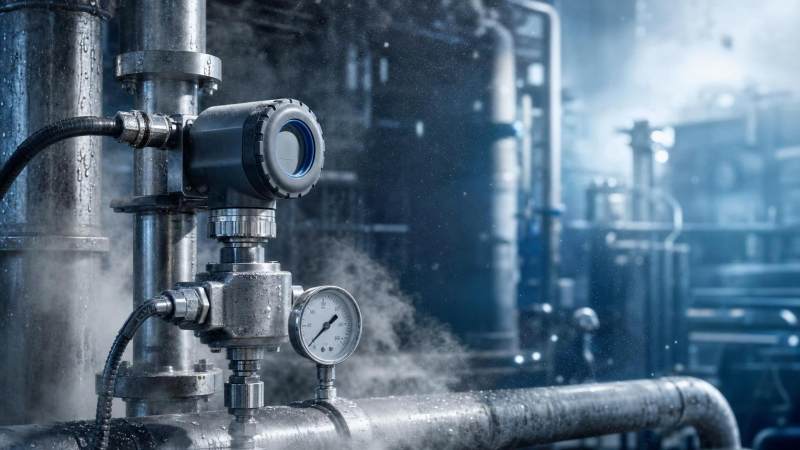
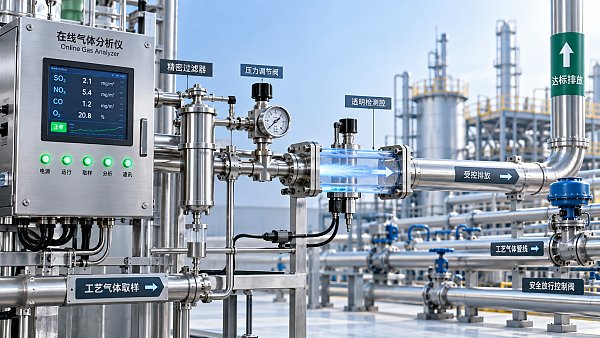
In basic terms, a control sensor detects a process variable and converts it into a usable signal. That variable may be pressure, temperature, level, flow, position, conductivity, vibration, or gas concentration. In controlled environments, many sensor types can perform well. In harsh settings, the requirement changes.
The sensor must remain accurate while resisting the local stress of the installation. It must also keep communication stable, survive cleaning and shutdown cycles, and fit the control architecture already in place. A rugged housing alone is not enough. Real suitability comes from the full match between sensing principle, materials, electronics, and process conditions.
This is one reason industry intelligence platforms such as Global Instrument Hub focus on both technical performance and supply chain trust signals. In instrumentation, a part can look equivalent on paper while behaving very differently in corrosive, explosive, or high-noise applications.
Why selection pressure is increasing
Plants are asking more from every control sensor than they did a decade ago. Control loops are tighter. Maintenance windows are shorter. More sites expect remote diagnostics, digital integration, and predictive maintenance support. At the same time, many operations are moving into more demanding process conditions.
A chemical reactor may combine pressure, temperature cycling, and corrosive media. A mining conveyor may add shock, dust, and water ingress. A wastewater skid may require continuous exposure to humidity, fouling, and cleaning chemicals. Renewable energy and smart grid assets introduce their own mix of thermal variation, electromagnetic interference, and outdoor exposure.
The broader shift toward Industry 4.0 also changes expectations. Data quality is now a business issue, not only a maintenance concern. If the control sensor is unstable, the historian is compromised, alarms become noisy, analytics lose value, and optimization efforts start from weak input data.
Start with the process, not the product sheet
The most reliable selection process begins with the actual duty point. Before comparing brands or outputs, map the process reality in detail. That includes normal conditions, upset conditions, startup, shutdown, cleaning, and maintenance interventions.
Several questions usually determine whether a control sensor will work well or fail early:
- What exactly is being measured, and why does the control loop need it?
- What are the real temperature, pressure, and vibration extremes?
- Is the medium clean, abrasive, sticky, corrosive, or fast changing?
- Will the device face washdown, steam cleaning, UV, salt spray, or dust ingress?
- What response time is required for stable control?
- What level of accuracy, repeatability, and drift tolerance is acceptable?
- How easy is access for calibration, replacement, or inspection?
These points matter because a control sensor can fail even when its nominal range looks correct. A pressure sensor may cover the required bar rating, yet still struggle with pressure pulsation, diaphragm compatibility, or thermal shock. A proximity sensor may detect reliably in clean tests, then misread when metal dust accumulates or mounting loosens under vibration.
The selection factors that usually decide performance
In practice, harsh-environment performance depends on a small set of factors that interact with each other. Looking at them together produces a better result than chasing one premium specification.
Sensing principle
Different technologies respond differently to contamination, media variation, and temperature swings. Ultrasonic, radar, capacitive, inductive, RTD, thermocouple, piezoresistive, photoelectric, and electrochemical designs each have strengths and limits. The best control sensor is often the one least sensitive to the dominant failure mode in that process.
Material compatibility
Wetted parts, seals, lens materials, cable jackets, and enclosures must all match the environment. Stainless steel may be adequate in one plant and insufficient in chloride-rich conditions. Seal material can be as critical as the sensor body. A chemically resistant housing does little if the gasket degrades first.
Ingress and mechanical protection
IP rating matters, but it should be interpreted carefully. A control sensor exposed to submerged conditions, abrasive dust, or high-pressure cleaning may need more than a common IP65 or IP67 level. Shock and vibration resistance also deserve attention, especially near motors, compressors, mobile equipment, and rotating machinery.
Signal integrity and integration
A strong sensing element can still produce poor control if the output signal is vulnerable to noise or difficult to integrate. Analog outputs, switching outputs, IO-Link, HART, Modbus, and other communication options should match the controller, cable run, and diagnostic expectations. In electrically noisy areas, shielding and grounding strategy are part of sensor selection.
Compliance and certification
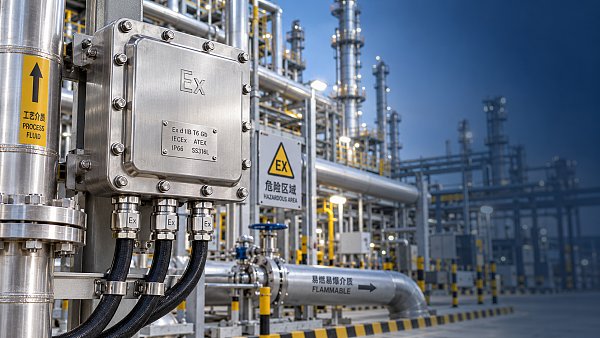
Hazardous areas, hygienic processes, and regulated measurement applications impose extra rules. ATEX, IECEx, FDA-related constraints, and calibration frameworks such as ISO/IEC 17025 are not paperwork details. They shape which control sensor can be deployed and how it must be maintained.
A practical comparison by environment
A useful way to narrow options is to connect the site condition with the most likely sensor risk.
This kind of matrix helps keep the decision grounded. It also reduces the common mistake of selecting a control sensor by general reputation instead of site-specific exposure.
Where application context changes the answer
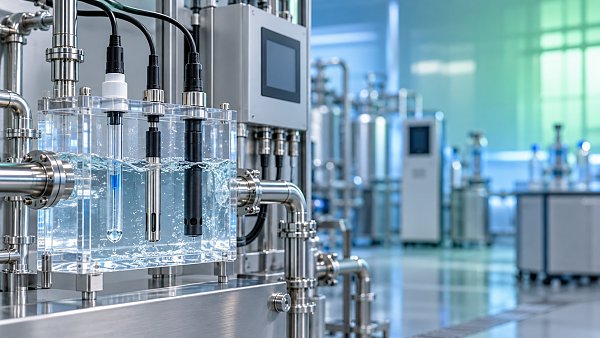
The same control sensor logic does not apply equally across sectors. In industrial process control, pressure and temperature stability may dominate. In environmental monitoring, drift, contamination resistance, and long unattended cycles can be more important. In laboratories or life sciences, cleanability, precision, and validation often outweigh raw ruggedness.
Energy and power systems add another layer. Outdoor deployment, electromagnetic noise, and asset remoteness can make diagnostics and enclosure integrity more valuable than marginal accuracy gains. In construction and mobile equipment, connector security and shock survival often decide lifecycle cost.
This cross-sector perspective is where GIH’s industry coverage becomes useful. Looking beyond a single product category helps reveal patterns between process control, metrology, environmental instrumentation, and smart energy monitoring. Those links often improve sensor decisions faster than reviewing isolated datasheets.
Common mistakes that create hidden cost
A control sensor usually becomes expensive long after purchase. The largest cost often comes from instability, false alarms, excess maintenance, poor calibration retention, or unsafe troubleshooting.
- Choosing by purchase price without estimating downtime risk.
- Ignoring cable, connector, and mounting conditions.
- Assuming lab accuracy will hold in field exposure.
- Overlooking response time in fast control loops.
- Treating compliance as a late-stage documentation task.
- Skipping verification under startup, washdown, or upset conditions.
A sound decision process tests the control sensor against real operating stress, not only nameplate ratings. Even a short pilot installation can reveal whether drift, fouling, or noise will become recurring problems.
A better way to move from shortlist to decision
When several models appear suitable, compare them using a structured checklist. Rate each control sensor on process fit, environmental resistance, control compatibility, certification status, serviceability, and supplier documentation quality.
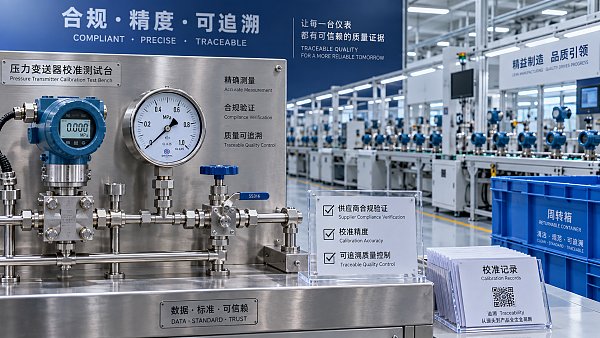
Also review evidence, not only claims. Calibration traceability, test reports, hazardous-area documentation, lifecycle support, and field references can reveal whether the sensor is truly ready for demanding use. In high-consequence applications, confidence in data quality and supplier consistency is part of the technical evaluation.
The next step is usually straightforward. Define the real process extremes, rank the dominant failure risks, and narrow the shortlist to the control sensor options that can handle both measurement and environment. From there, site trials, compliance review, and maintenance planning will produce a decision that supports stable control over time, not only a quick installation.
Recommended for You
 When custom gas analysis is the right fit for complex process streamsCustom gas analysis for complex process streams: learn when tailored sampling, interference control, and reliable measurement design deliver confident decisions.
 When does a laser gas analyzer meet stack emissions monitoring needs?Laser gas analyzer for stack emissions: learn when it delivers fast, reliable data, how to assess installation risks, and what to verify for CEMS compliance.
 How to select a hazardous gas analyzer for confined spacesHazardous gas analyzer selection for confined spaces: compare sensors, sampling, certifications, alarms, and maintenance to protect workers and choose with confidence.
 When is a single gas analyzer sufficient for workplace safety monitoring?Discover when a single gas analyzer delivers reliable workplace safety monitoring, and learn the key limits, calibration needs, and risks that require broader detection.
 How to choose an ambient gas analyzer for low-level leak detectionAmbient gas analyzer selection for low-level leak detection: compare sensitivity, cross-sensitivity, sampling design, alarms, and calibration for reliable site performance.
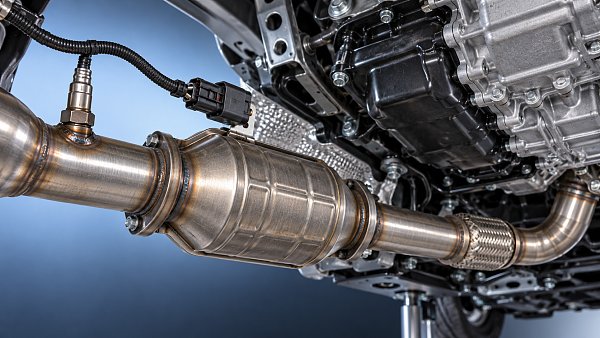
 How to tell when an oxygen sensor needs replacementOxygen sensor replacement signs explained: learn how live data, fault codes, wiring checks, and exhaust inspections pinpoint the real issue before you buy.
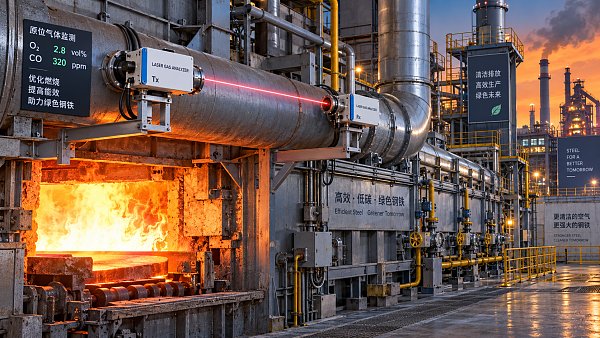
 How laser gas analyzers improve combustion control in steel furnacesLaser gas analyzer for steel industry applications delivers fast in-situ O₂ and CO data to optimize furnace combustion, cut fuel waste, and improve steel heating stability.
 How to verify whether explosion proof equipment meets site requirementsExplosion proof equipment verification made practical: match zones, gas or dust groups, temperature classes, certificates, and installation conditions for confident compliance.
 How industrial gas analysis helps detect contamination before releaseIndustrial Gas Analysis helps detect moisture, oil, oxygen, and toxic contaminants before release—protecting processes, ensuring compliance, and reducing costly risks.
 When is electrochemistry detection the right choice for water analysis?Electrochemistry detection for water analysis: learn when fast, reliable monitoring of ions, chlorine, pH, and more delivers actionable results.
 How industrial standards reduce quality risks in supplier selectionIndustrial Standard guidance helps quality and safety managers reduce supplier risks, verify compliance, strengthen traceability, and build resilient instrumentation supply chains.
 When does a multi-component system reduce installation complexity?Multi component systems reduce installation complexity when they eliminate field interfaces, streamline commissioning, and provide proven compatibility. Learn how to assess total cost and supplier accountability.
 How to size an industrial control shelter for outdoor equipmentIndustrial control shelter sizing guide: optimize layout, HVAC, access, safety, and expansion space for reliable outdoor equipment operations.
 How flue analysis helps verify combustion efficiencyFlue analysis verifies combustion efficiency by assessing O2, CO, CO2, and stack temperature to identify excess air, incomplete combustion, and heat losses.
 How to select industrial gas detectors for confined spacesIndustrial gas detectors for confined spaces: learn how to match sensors, sampling methods, alarms, and certifications to real atmospheric hazards.
 When does a laser oxygen analyzer outperform zirconia sensors?Laser oxygen analyzer vs. zirconia sensors: compare speed, selectivity, maintenance, gas chemistry, and installation needs to choose the right oxygen measurement solution.
 How to select a percent range analyzer for process measurementsPercent range analyzer selection made practical: compare accuracy, sample systems, calibration, gas matrix, integration, and lifecycle cost for reliable process measurements.
 How explosion proof analysis verifies safe equipment for hazardous areasExplosion proof analysis verifies hazardous-area equipment by matching certifications, temperature ratings, installation details, and inspection controls for safer compliance.
 When does fixed gas detection need point sensors instead of open-path monitoring?Fixed gas detection: discover when point sensors outperform open-path monitoring for predictable leaks, enclosed zones, local alarms, and safer design decisions.
 How to choose industrial metrology systems for tight-tolerance partsIndustrial metrology guide for tight-tolerance parts: compare CMMs, optical scanners, gauges, uncertainty, workflow, and traceable inspection strategies.
 How process metrology reduces measurement variation in productionProcess metrology reduces production measurement variation by improving traceability, uncertainty control, calibration, and reliable quality decisions.
 How to select an industrial monitoring analyzer for harsh environmentsIndustrial monitoring analyzer selection for harsh environments: evaluate sampling, durability, hazardous-area compliance, accuracy, maintenance, and data reliability.
 How calibration intervals affect test and measurement equipment accuracyTest and measurement equipment calibration intervals directly affect accuracy, risk, compliance, and uptime. Learn how to set evidence-based schedules that protect critical decisions.
 When does process gas monitoring need continuous measurement?Process gas monitoring needs continuous measurement when rapid changes threaten safety, quality, compliance, or uptime. Learn how to specify reliable, actionable monitoring systems.
 How to prevent false alarms in power plant instrumentationPower plant instrumentation guide: prevent false alarms with reliable signal checks, smarter alarm settings, mode-based control, and actionable operator responses.
 How fixed gas detectors help prevent leaks in enclosed workspacesFixed gas detectors provide continuous leak monitoring in enclosed workspaces, enabling faster alarms, safer responses, and stronger protection for people and processes.
 How industrial gas analysis helps detect process contamination earlyIndustrial Gas Analysis helps detect oxygen, moisture, and hydrocarbon contamination early, enabling faster fault isolation, safer operations, and stronger process control.
 What drives environmental compliance continuous monitoring setup cost?Environmental compliance continuous monitoring setup cost: uncover hidden expenses, compare bids accurately, and build a reliable, audit-ready system.
 How to select gas analysis equipment for continuous emissions monitoringGas analysis equipment selection guide for reliable continuous emissions monitoring—compare technologies, sampling, calibration, compliance, and maintenance needs.
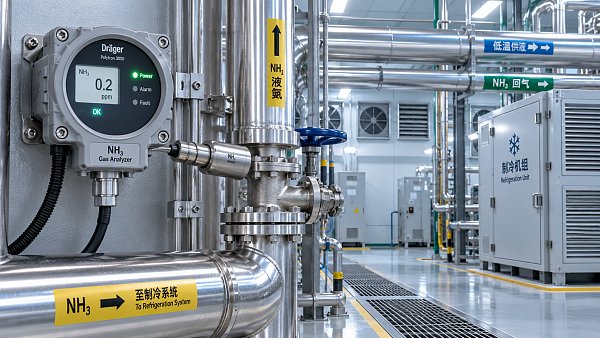
 What detection limit is needed for NH3 environmental monitoring?High accuracy NH3 analyzer for environmental monitoring: learn how to set the right detection limit, improve sampling reliability, and make defensible decisions.
 How to select a NOX analyzer for power plant emissions complianceNOX analyzer for power plant emissions: learn how to select a compliant, reliable CEMS solution with the right range, sample handling, calibration, and data integrity.
 How to evaluate a laser gas analyzer manufacturer in GermanyLaser gas analyzer manufacturer in Germany: compare accuracy, sample handling, interference control, calibration, and service to select a reliable solution.


Search Categories
Search Categories
- Smart Meters & Power Quality
- Transformer Gas Analyzers
- BESS Thermal Runaway Detectors
- Energy, Power & Smart Grid Monitoring
- Optical Profilers & CMM
- Ultrasonic & X-Ray NDT
- Calibration Standards
- Precision Metrology & NDT
- Water Quality Analyzers
- CEMS & VOCs Monitors
- Price Trends
- Import & Export Updates
- Market Trends
- Industry News
- Industry Insights
Latest Article
- When custom gas analysis is the right fit for complex process streamsCustom gas analysis for complex process streams: learn when tailored sampling, interference control, and reliable measurement design deliver confident decisions.Posted by:
- When does a laser gas analyzer meet stack emissions monitoring needs?Laser gas analyzer for stack emissions: learn when it delivers fast, reliable data, how to assess installation risks, and what to verify for CEMS compliance.Posted by:
- How to select a hazardous gas analyzer for confined spacesHazardous gas analyzer selection for confined spaces: compare sensors, sampling, certifications, alarms, and maintenance to protect workers and choose with confidence.Posted by:
Please give us a message
