
Industrial Safety Checklist for High-Risk Process Areas


Why Industrial Safety in High-Risk Areas Demands Closer Attention
Industrial Safety in high-risk process areas sits at the center of operational continuity, asset protection, and incident prevention.
In sectors such as chemicals, energy, life sciences, water treatment, and heavy manufacturing, one unstable condition can spread fast.
Pressure excursions, temperature drift, vapor release, or analyzer failure rarely remain isolated events.
They affect people, product quality, maintenance planning, insurance exposure, and project delivery at the same time.
That is why an Industrial Safety checklist is more than a site document.
It is a practical control framework for areas where process volatility and hazardous energy must be managed continuously.
For organizations following digital transformation paths, safety now depends heavily on instrumentation quality and data confidence.
This is where Global Instrument Hub (GIH) brings useful context.
Across industrial process control, metrology, environmental monitoring, and smart energy systems, reliable sensing remains the first safety barrier.
A checklist only works when the underlying measurements are credible, current, and action-ready.
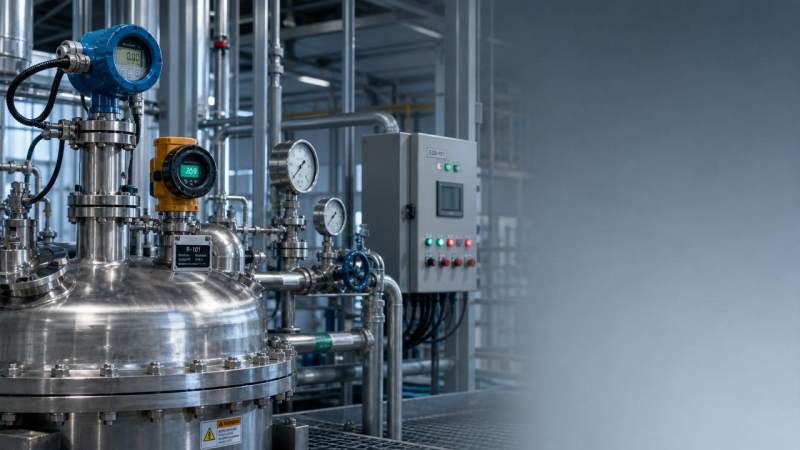
In other words, safe operations begin with knowing what is happening before conditions become critical.
What a High-Risk Process Area Really Includes
A high-risk process area is any operating zone where hazardous materials, unstable reactions, or stored energy can trigger severe consequences.
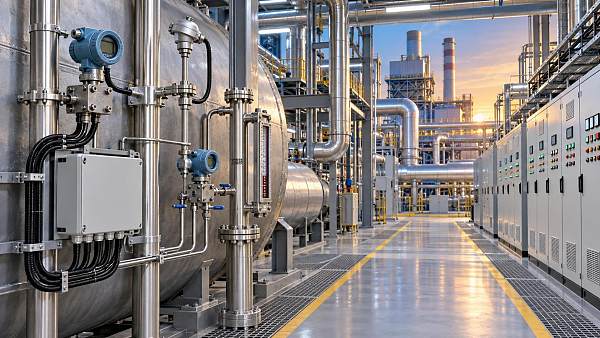
This includes reactor units, tank farms, boiler systems, solvent handling lines, compressed gas stations, clean utilities, and emission treatment sections.
The risk may come from flammability, toxicity, corrosiveness, pressure, contamination sensitivity, or electrical ignition sources.
Some areas look routine during normal production.
Yet startup, shutdown, maintenance bypass, calibration work, and changeovers often create the highest exposure.
Industrial Safety therefore must cover both steady-state operations and transitional states.
That broader view matters in mixed industrial environments where automation, utilities, laboratory support, and environmental systems intersect.
The Checklist Mindset Behind Effective Risk Control
A strong checklist does not merely ask whether a rule exists.
It checks whether the rule is visible in actual field conditions.
That means verifying equipment condition, instrumentation health, procedural discipline, and response readiness together.
The most useful Industrial Safety checklists share three traits.
- They focus on failure points that can escalate quickly.
- They connect technical data with field decisions.
- They support action before alarms become incidents.
This approach fits current industrial reality.
Complex plants now depend on DCS, PLC logic, transmitters, analyzers, interlocks, and remote diagnostics.
If one layer is weak, the whole protection chain loses resilience.
Core checklist dimensions
Where Industrial Safety Often Breaks Down
Most failures do not begin with one dramatic event.
They build through weak signals, missing verification, and assumptions that go unchallenged.
Several recurring issues deserve attention in any Industrial Safety review.
- Outdated hazard reviews that no longer match current process loads or materials.
- Instruments installed correctly but drifting outside reliable tolerance.
- Alarm settings that create noise instead of actionable warning.
- Temporary bypasses left active longer than planned.
- Contractor work proceeding without full line-of-fire visibility.
- Poor linkage between environmental monitoring and process upset detection.
In facilities using advanced automation, another risk appears.
Teams may trust dashboards while overlooking field validation.
GIH frequently highlights this gap across instrumentation supply chains and operating environments.
High-quality data does not come from software alone.
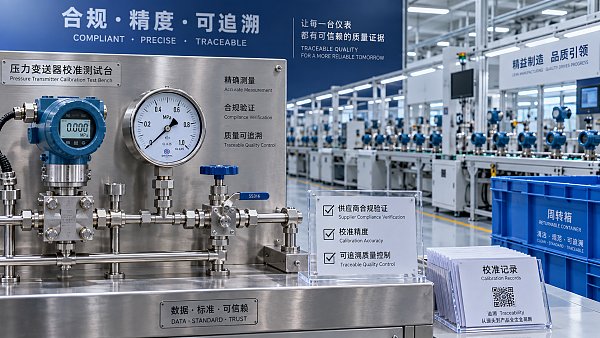
It depends on sensor selection, calibration discipline, certification fit, and maintenance traceability.
How Instrumentation Strengthens Industrial Safety Decisions
Industrial Safety becomes more effective when measurement systems are treated as strategic safeguards, not background utilities.
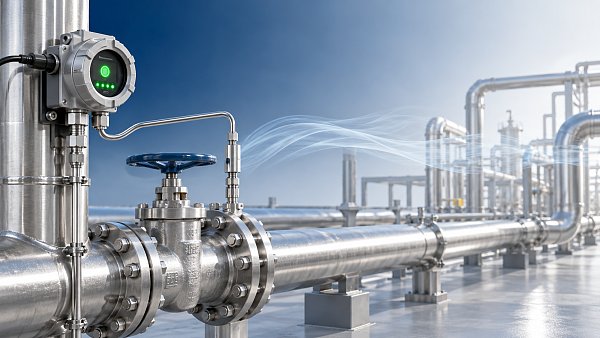
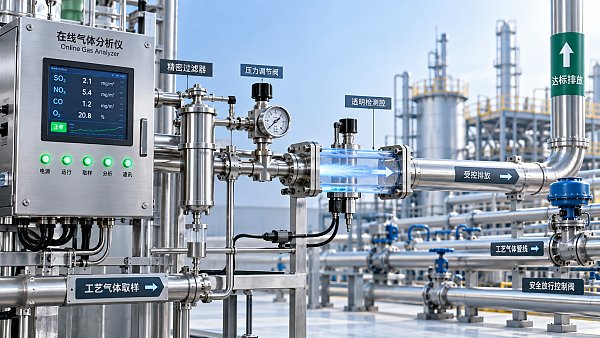
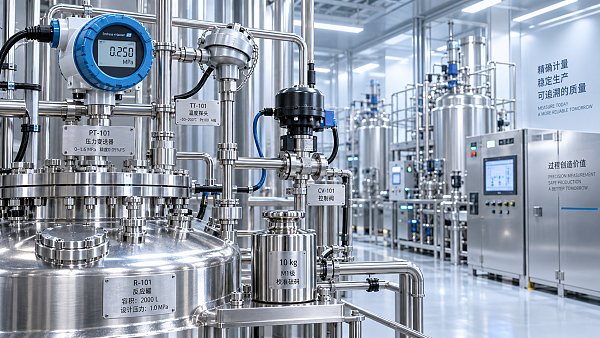
That is especially true in high-pressure reactors, hazardous storage, combustion systems, sterile utilities, and emissions control lines.
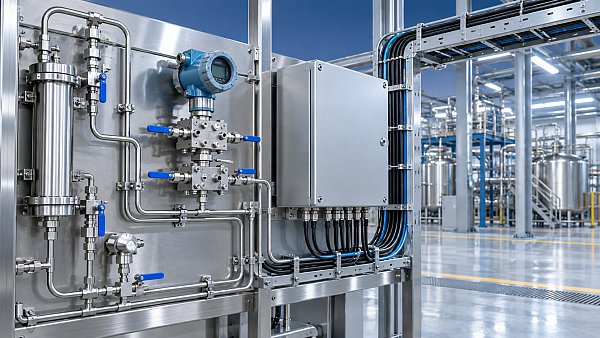
Pressure transmitters reveal unstable loading.
Temperature sensors expose runaway conditions.
Flow and level devices protect against dry running, overflow, and blocked transfer.
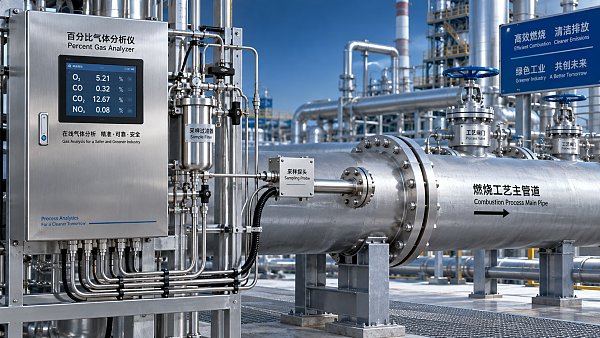
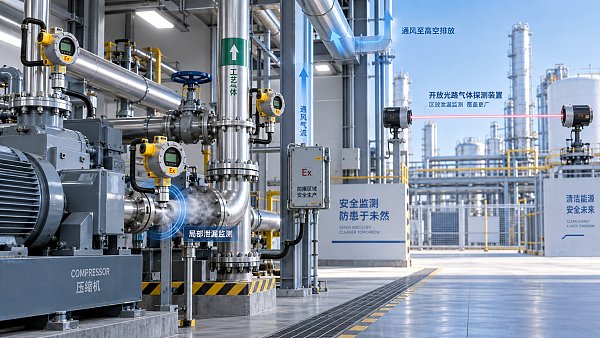
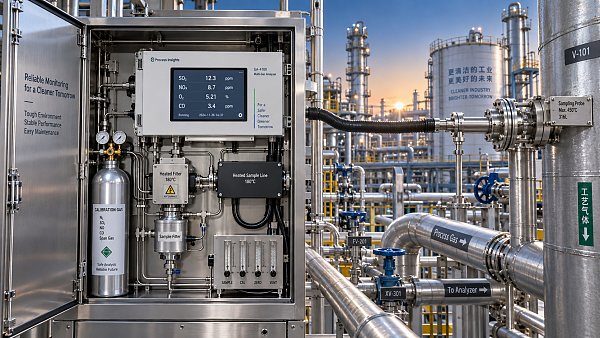
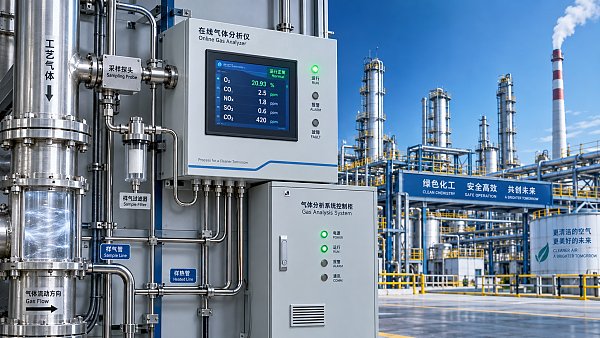
Gas detectors, analyzers, and CEMS support both life safety and compliance integrity.
When these elements are selected with the right standards in mind, the checklist becomes more than inspection paperwork.
It becomes a live decision tool.
Signals worth checking before each major review
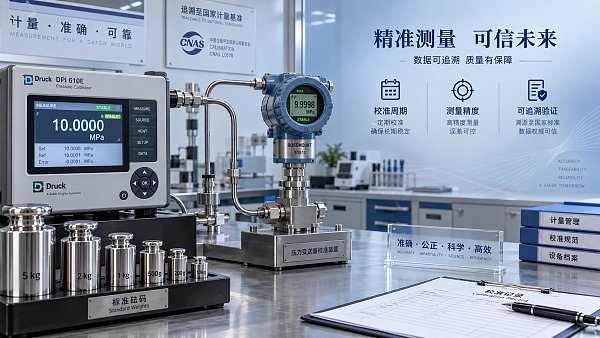
- Calibration intervals versus actual process severity.
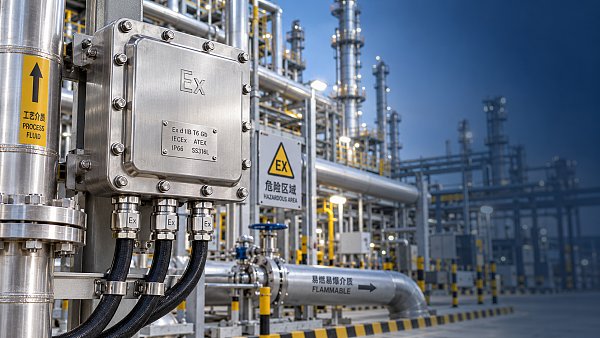
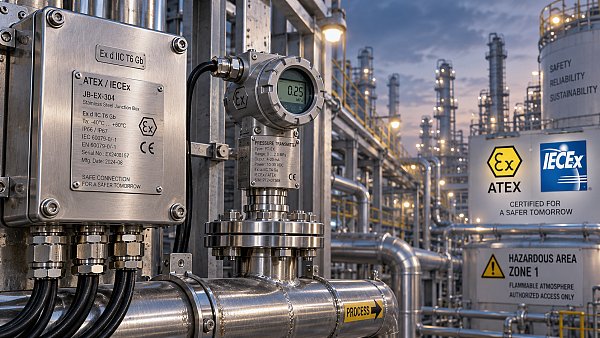
- ATEX or IECEx suitability in classified areas.
- Alarm rationalization and operator response clarity.
- Proof testing status for safety instrumented functions.
- Data historian trends that show recurring near-miss behavior.
- Supplier documentation quality and traceable certification records.
These checks align with GIH’s broader view that measurement credibility drives control credibility.
Checklist Priorities Across Common Process Scenarios
Different process areas create different Industrial Safety priorities.
A useful checklist reflects the process context rather than forcing one universal format.
The value of this approach is clarity.
It helps safety reviews stay focused on real process consequences instead of generic paperwork.
Turning the Checklist Into a Better Operating Standard
A checklist adds real value when it is updated by incident learning, maintenance findings, and process change records.
It should not sit apart from procurement, calibration planning, shutdown preparation, and supplier qualification.
That integrated view is increasingly important as facilities adopt smart sensors, remote monitoring, and distributed operations.
A practical next step is to review one critical area through five lenses.
- Process deviation speed.
- Measurement reliability.
- Protection layer independence.
- Human intervention exposure.
- Recovery readiness after upset.
That exercise usually shows whether Industrial Safety controls are robust or only assumed to be robust.
From there, it becomes easier to compare instrumentation gaps, verify standards fit, and refine action priorities.
In high-risk process areas, the best checklist is not the longest one.
It is the one that connects hazards, measurements, and decisions with enough precision to prevent the next avoidable event.
Recommended for You
 When does a laser gas analyzer meet stack emissions monitoring needs?Laser gas analyzer for stack emissions: learn when it delivers fast, reliable data, how to assess installation risks, and what to verify for CEMS compliance.
 How to select a hazardous gas analyzer for confined spacesHazardous gas analyzer selection for confined spaces: compare sensors, sampling, certifications, alarms, and maintenance to protect workers and choose with confidence.
 When is a single gas analyzer sufficient for workplace safety monitoring?Discover when a single gas analyzer delivers reliable workplace safety monitoring, and learn the key limits, calibration needs, and risks that require broader detection.
 How to choose an ambient gas analyzer for low-level leak detectionAmbient gas analyzer selection for low-level leak detection: compare sensitivity, cross-sensitivity, sampling design, alarms, and calibration for reliable site performance.
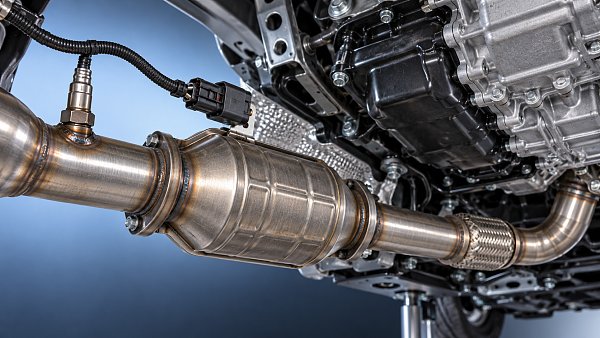
 How to tell when an oxygen sensor needs replacementOxygen sensor replacement signs explained: learn how live data, fault codes, wiring checks, and exhaust inspections pinpoint the real issue before you buy.
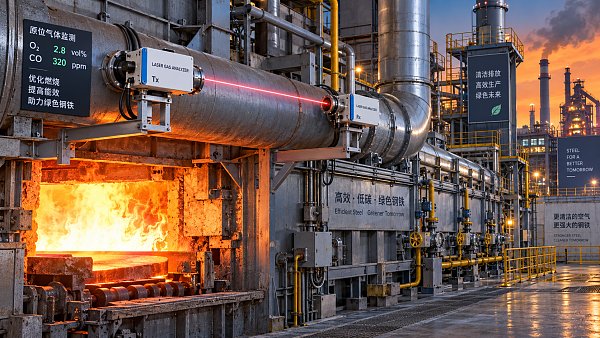
 How laser gas analyzers improve combustion control in steel furnacesLaser gas analyzer for steel industry applications delivers fast in-situ O₂ and CO data to optimize furnace combustion, cut fuel waste, and improve steel heating stability.
 How to verify whether explosion proof equipment meets site requirementsExplosion proof equipment verification made practical: match zones, gas or dust groups, temperature classes, certificates, and installation conditions for confident compliance.
 How industrial gas analysis helps detect contamination before releaseIndustrial Gas Analysis helps detect moisture, oil, oxygen, and toxic contaminants before release—protecting processes, ensuring compliance, and reducing costly risks.
 When is electrochemistry detection the right choice for water analysis?Electrochemistry detection for water analysis: learn when fast, reliable monitoring of ions, chlorine, pH, and more delivers actionable results.
 How industrial standards reduce quality risks in supplier selectionIndustrial Standard guidance helps quality and safety managers reduce supplier risks, verify compliance, strengthen traceability, and build resilient instrumentation supply chains.
 When does a multi-component system reduce installation complexity?Multi component systems reduce installation complexity when they eliminate field interfaces, streamline commissioning, and provide proven compatibility. Learn how to assess total cost and supplier accountability.
 How to size an industrial control shelter for outdoor equipmentIndustrial control shelter sizing guide: optimize layout, HVAC, access, safety, and expansion space for reliable outdoor equipment operations.
 How flue analysis helps verify combustion efficiencyFlue analysis verifies combustion efficiency by assessing O2, CO, CO2, and stack temperature to identify excess air, incomplete combustion, and heat losses.
 How to select industrial gas detectors for confined spacesIndustrial gas detectors for confined spaces: learn how to match sensors, sampling methods, alarms, and certifications to real atmospheric hazards.
 When does a laser oxygen analyzer outperform zirconia sensors?Laser oxygen analyzer vs. zirconia sensors: compare speed, selectivity, maintenance, gas chemistry, and installation needs to choose the right oxygen measurement solution.
 How to select a percent range analyzer for process measurementsPercent range analyzer selection made practical: compare accuracy, sample systems, calibration, gas matrix, integration, and lifecycle cost for reliable process measurements.
 How explosion proof analysis verifies safe equipment for hazardous areasExplosion proof analysis verifies hazardous-area equipment by matching certifications, temperature ratings, installation details, and inspection controls for safer compliance.
 When does fixed gas detection need point sensors instead of open-path monitoring?Fixed gas detection: discover when point sensors outperform open-path monitoring for predictable leaks, enclosed zones, local alarms, and safer design decisions.
 How to choose industrial metrology systems for tight-tolerance partsIndustrial metrology guide for tight-tolerance parts: compare CMMs, optical scanners, gauges, uncertainty, workflow, and traceable inspection strategies.
 How process metrology reduces measurement variation in productionProcess metrology reduces production measurement variation by improving traceability, uncertainty control, calibration, and reliable quality decisions.
 How to select an industrial monitoring analyzer for harsh environmentsIndustrial monitoring analyzer selection for harsh environments: evaluate sampling, durability, hazardous-area compliance, accuracy, maintenance, and data reliability.
 How calibration intervals affect test and measurement equipment accuracyTest and measurement equipment calibration intervals directly affect accuracy, risk, compliance, and uptime. Learn how to set evidence-based schedules that protect critical decisions.
 When does process gas monitoring need continuous measurement?Process gas monitoring needs continuous measurement when rapid changes threaten safety, quality, compliance, or uptime. Learn how to specify reliable, actionable monitoring systems.
 How to prevent false alarms in power plant instrumentationPower plant instrumentation guide: prevent false alarms with reliable signal checks, smarter alarm settings, mode-based control, and actionable operator responses.
 How fixed gas detectors help prevent leaks in enclosed workspacesFixed gas detectors provide continuous leak monitoring in enclosed workspaces, enabling faster alarms, safer responses, and stronger protection for people and processes.
 How industrial gas analysis helps detect process contamination earlyIndustrial Gas Analysis helps detect oxygen, moisture, and hydrocarbon contamination early, enabling faster fault isolation, safer operations, and stronger process control.
 What drives environmental compliance continuous monitoring setup cost?Environmental compliance continuous monitoring setup cost: uncover hidden expenses, compare bids accurately, and build a reliable, audit-ready system.
 How to select gas analysis equipment for continuous emissions monitoringGas analysis equipment selection guide for reliable continuous emissions monitoring—compare technologies, sampling, calibration, compliance, and maintenance needs.
 What detection limit is needed for NH3 environmental monitoring?High accuracy NH3 analyzer for environmental monitoring: learn how to set the right detection limit, improve sampling reliability, and make defensible decisions.
 How to select a NOX analyzer for power plant emissions complianceNOX analyzer for power plant emissions: learn how to select a compliant, reliable CEMS solution with the right range, sample handling, calibration, and data integrity.
 How to evaluate a laser gas analyzer manufacturer in GermanyLaser gas analyzer manufacturer in Germany: compare accuracy, sample handling, interference control, calibration, and service to select a reliable solution.
 How does a flue gas analyzer maintain accuracy in wet stack gas?Flue gas analyzer accuracy in wet stack gas depends on heated sampling, moisture correction, reliable sensors, and calibration. Explore key selection tips.


Search Categories
Search Categories
- Smart Meters & Power Quality
- Transformer Gas Analyzers
- BESS Thermal Runaway Detectors
- Energy, Power & Smart Grid Monitoring
- Optical Profilers & CMM
- Ultrasonic & X-Ray NDT
- Calibration Standards
- Precision Metrology & NDT
- Water Quality Analyzers
- CEMS & VOCs Monitors
- Price Trends
- Import & Export Updates
- Market Trends
- Industry News
- Industry Insights
Latest Article
- When does a laser gas analyzer meet stack emissions monitoring needs?Laser gas analyzer for stack emissions: learn when it delivers fast, reliable data, how to assess installation risks, and what to verify for CEMS compliance.Posted by:
- How to select a hazardous gas analyzer for confined spacesHazardous gas analyzer selection for confined spaces: compare sensors, sampling, certifications, alarms, and maintenance to protect workers and choose with confidence.Posted by:
- When is a single gas analyzer sufficient for workplace safety monitoring?Discover when a single gas analyzer delivers reliable workplace safety monitoring, and learn the key limits, calibration needs, and risks that require broader detection.Posted by:
Please give us a message
