
Industrial Control Trends Shaping Smarter Plant Upgrades


Industrial Control is moving from retrofit projects to strategic plant redesign
Industrial Control is no longer treated as a narrow automation upgrade.
It now shapes how plants rethink reliability, energy use, safety, and data quality at the same time.
That shift is especially visible in facilities carrying legacy assets, fragmented instrumentation, and uneven digital maturity.
What changed is not only the available technology.
The economic logic behind plant upgrades changed as well.
Downtime costs more, compliance is stricter, and energy volatility exposes weak control layers much faster.
In this environment, Industrial Control becomes the operating backbone of smarter modernization.
The broader instrumentation landscape explains why this matters.
Across manufacturing, energy, life sciences, environmental monitoring, and construction, measurement quality increasingly defines business performance.
That is also why platforms such as Global Instrument Hub frame instrumentation as the sensory and nervous system of industry.
When signals are cleaner and control decisions are faster, plant upgrades stop being cosmetic and start becoming structural.
The strongest market signal is the convergence of control and instrumentation
A few years ago, many upgrades focused on isolated controllers, HMIs, or network additions.
Today, Industrial Control projects are more likely to begin with instrument accuracy, signal availability, and data context.
This is a notable change.
Plants are learning that advanced PLC or DCS logic cannot compensate for poor sensing foundations.
If pressure drifts, level readings lag, or analyzers lose calibration, digital dashboards only scale uncertainty.
That is why recent upgrade programs increasingly pair control architecture reviews with instrumentation audits.
The priority moves upstream, toward measurement integrity.
This trend is reinforced by stricter operating environments.
Hazardous zones require better explosion-proof compliance.
Regulated sectors require stronger traceability.
Energy-intensive processes require tighter control loops to cut losses without creating instability.
Industrial Control therefore expands beyond automation logic into sensing strategy, calibration discipline, and signal trust.
Why this shift is becoming more visible now
Taken together, these drivers explain why Industrial Control decisions now carry board-level implications.
They affect capital timing, risk exposure, and the credibility of digital transformation plans.
Smarter upgrades are being shaped by fewer, more consequential technology choices
The market is not moving toward maximum complexity.
It is moving toward better architecture discipline.
More plants now prefer selective modernization over full rip-and-replace programs.
That usually means keeping usable field assets while upgrading connectivity, diagnostics, and control intelligence around them.
From recent demand patterns, four choices appear repeatedly.
- Open and interoperable control layers that reduce vendor lock-in across old and new assets.
- Connected instrumentation with better self-diagnostics and condition signals.
- Edge processing for faster local decisions when network latency or cloud dependency is a risk.
- Cyber-aware segmentation because Industrial Control is now inseparable from operational resilience.
These are not abstract preferences.
They reflect daily operating constraints in chemicals, power, water, pharmaceuticals, food processing, and advanced manufacturing.
A remote analyzer in a corrosive environment and a lab-connected validation instrument now belong to the same upgrade conversation.
That wider view is one reason intelligence platforms with cross-sector instrumentation coverage have gained relevance.
They help connect field realities with technical standards, supplier reliability, and long-horizon upgrade logic.
The impact does not stop at the control room
Industrial Control upgrades now influence decisions far beyond operations teams.
The first effect is financial clarity.
Better instrumentation and control visibility make hidden losses easier to quantify.
Steam imbalance, compressed air leakage, unstable batch quality, and unnecessary shutdowns become measurable rather than anecdotal.
The second effect is supply chain confidence.
When a plant standardizes around qualified sensors, certified devices, and supportable control platforms, spare strategy improves.
So does exposure management in multi-region sourcing.
This is where the trust dimension becomes practical, not rhetorical.
GIH’s emphasis on supplier research, metrology standards, and certification context reflects a real market need.
Plants cannot modernize Industrial Control on uncertain component credibility.
The third effect is organizational.
Control engineers, reliability teams, IT security, quality functions, and project leadership increasingly share the same data backbone.
That makes governance more important than technology novelty.
If data ownership, alarm philosophy, and calibration workflows remain fragmented, even modern Industrial Control systems underperform.
Where the operational gains are most visible
- Process industries gain tighter loop stability and fewer off-spec excursions.
- Energy and utilities gain earlier warning on load variation, thermal drift, and power quality anomalies.
- Life sciences gain cleaner traceability between measurement, validation, and controlled execution.
- Environmental operations gain stronger evidence chains for emissions and water quality reporting.
The next phase of Industrial Control will reward disciplined judgment
The strongest opportunities are not always where marketing attention is loudest.
In many cases, value comes from getting the basics right at a higher standard.
That means identifying which measurements truly govern throughput, safety, energy, and compliance.
It also means testing whether current Industrial Control architecture can absorb future analytics, remote operations, and stricter certification demands.
More careful organizations are now asking different questions.
- Which process variables still rely on low-confidence measurements?
- Where do protocol conversion and manual workarounds create hidden control risk?
- Which certified devices or standards will become non-negotiable in the next audit cycle?
- How resilient is the current supplier base for critical Industrial Control components?
These questions matter because plant upgrades are becoming cumulative systems decisions.
A weak choice in field instrumentation can compromise a strong software layer.
A modern dashboard can still depend on outdated calibration practice.
A connected control stack can still fail if certification, interoperability, or supplier continuity is ignored.
That is why better market intelligence matters.
Not as promotion, but as a decision filter.
The instrumentation sector is too technical and too global for assumptions to remain untested.
A practical way to read the market from here
Industrial Control is shaping smarter plant upgrades because it links physical measurement with business judgment.
That link is becoming tighter, not looser.
The most credible upgrade paths will likely combine selective retrofit, stronger instrumentation discipline, better standards alignment, and clearer supplier visibility.
In practical terms, the next step is to map critical variables, review control bottlenecks, and compare upgrade options against actual operating risk.
It also helps to monitor how certification, metrology, and connected device expectations are evolving across sectors.
That broader perspective is increasingly important in a market where Industrial Control performance depends on both technology and trust.
The plants that move well from here will not chase every new tool.
They will build upgrades around better signals, better architecture, and better-informed decisions.
Recommended for You
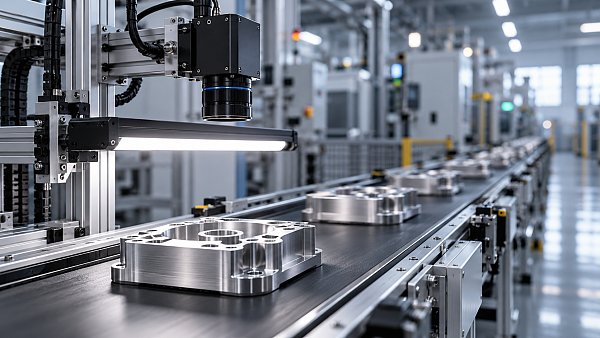
 How does production line speed affect in-line measurement accuracy?Discover how production line speed affects in-line measurement accuracy. Explore sensor response, sampling, and timing to boost throughput without compromising quality.
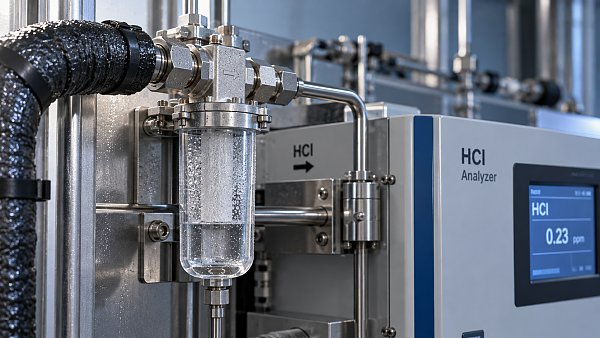
 How condensation affects HCl concentration analyzer accuracyHCl concentration analyzer accuracy can suffer when condensation traps HCl. Learn how to spot sampling losses, prevent low readings, and improve measurement reliability.
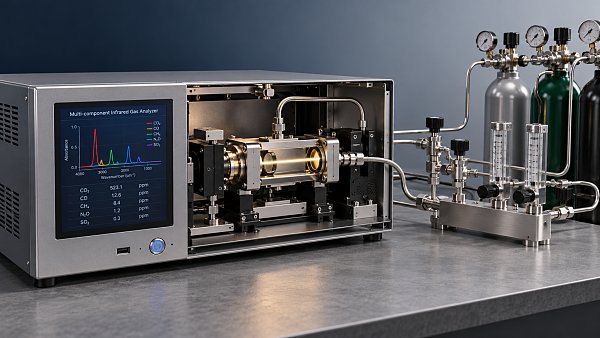
 How does cross-interference affect multi-component gas analyzers?How does cross-interference affect multi component gas analyzers? Explore measurement errors, compensation limits, and validation tips to choose the right system for your process.
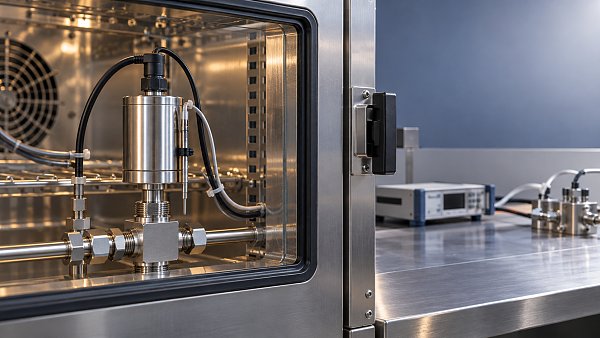
 How does temperature affect high-accuracy sensor performance?Explore how temperature affects high accuracy sensor performance. Learn to reduce thermal drift, evaluate compensation, and select the right sensor for reliable measurements.
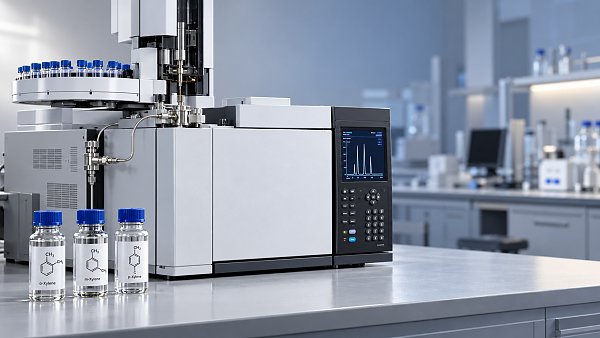
 Can a C4H8O concentration analyzer distinguish between isomers?Can a C4H8O concentration analyzer distinguish isomers? Compare GC, FTIR and MS methods, uncover selectivity limits, and learn what to validate before choosing your instrument.
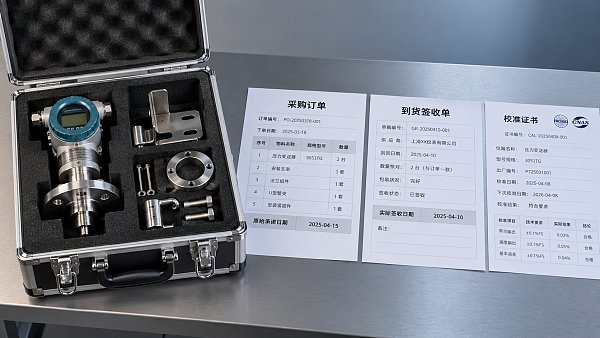
 How to identify a reliable supplier using on-time delivery recordsIdentify a Reliable Supplier by verifying on-time delivery records, original commitments, and complete shipments. Learn practical checks to reduce purchasing risk and protect your project schedule.
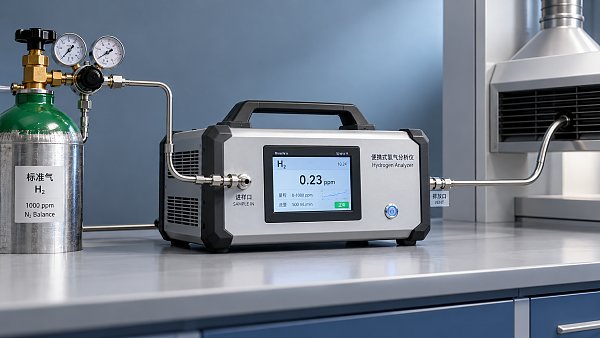
 How sensitive should a portable hydrogen analyzer be for lab use?Choose a portable hydrogen analyzer for laboratory use with the right quantification limit, accuracy, and range. Learn how to verify performance and avoid costly buying mistakes.
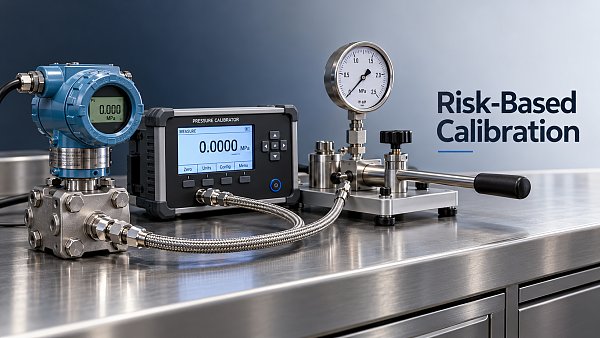
 How to set industrial calibration intervals based on equipment riskSet industrial calibration intervals based on equipment risk, drift, and as-found data. Learn when to shorten or extend schedules to improve reliability and avoid unnecessary costs.
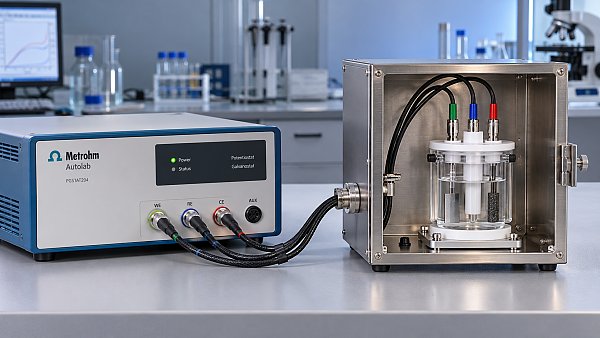
 How to choose electrochemical analyzers for low-current measurementsCompare electrochemical analyzers for precise low-current measurements. Learn how noise, leakage, bandwidth, and real-cell testing help you choose the right instrument.
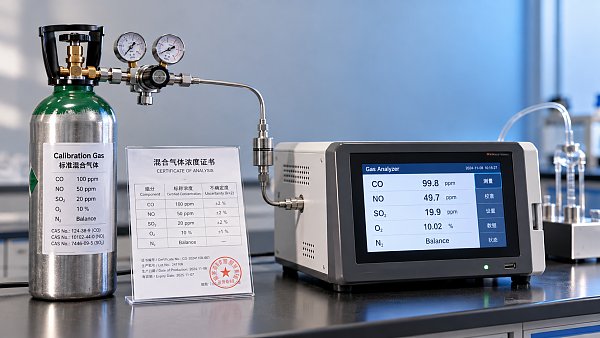
 What tolerance does a custom gas mixture need for calibration?Choose the right custom gas tolerance for calibration. Learn how blending tolerance, certified uncertainty, and stability affect accuracy—and avoid paying for precision you don’t need.
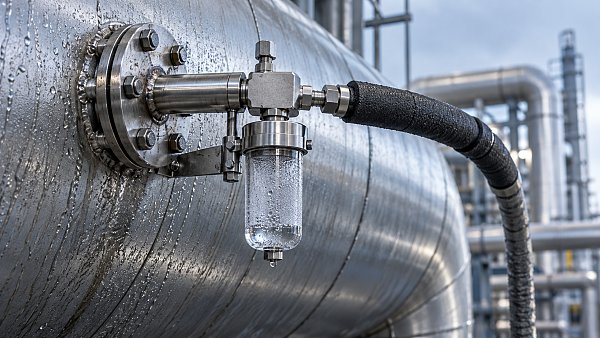
 How condensation affects stack detector readings in wet flue gasStack detector readings can drift when wet flue gas condenses. Learn how to identify moisture interference, prevent sample losses, and improve emissions monitoring reliability.
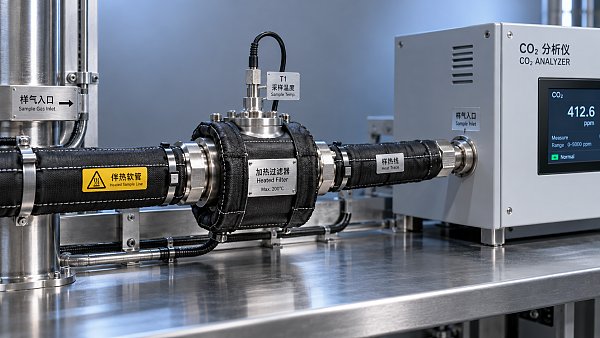
 How to prevent condensation in a CO2 analyzer sampling systemPrevent condensation in your CO2 analyzer sampling system. Learn how to control dew point, eliminate cold spots, and manage moisture for reliable readings and fewer costly disruptions.
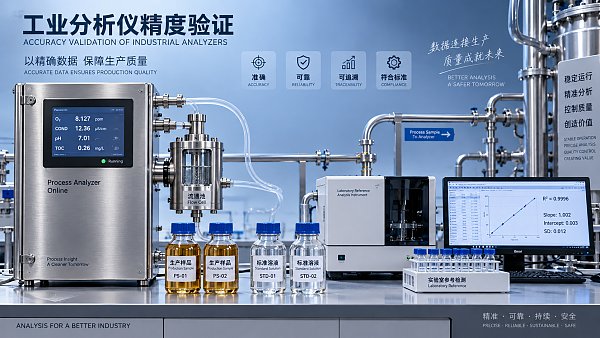
 How to verify accuracy claims for industrial quality analyzersVerify accuracy claims for industrial quality analyzers with calibration checks, independent testing, and clear acceptance criteria. Learn how to reduce risk and buy with confidence.
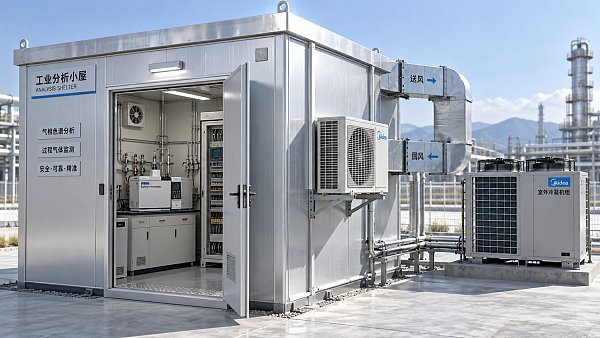
 How to calculate cooling loads for an industrial analyzer shelterSize industrial analyzer shelter cooling with confidence. Learn to calculate equipment heat, solar gains, and ventilation loads, then select HVAC capacity for reliable analyzer performance.
 Hydrogen Analyzers for Energy Storage: Purity Monitoring vs. Leak DetectionChoosing a hydrogen analyzer for energy storage systems? Compare purity monitoring and leak detection to select the right sensors, improve safety, and protect fuel cell performance.
 NH3 Monitoring in Fertilizer Plants: Where Should Leak Analyzers Be Installed?NH3 analyzer for fertilizer production: discover where to place leak detectors around storage, compressors, and loading areas to reduce blind spots and improve early warning.
 Diesel Engine NOx Analyzers: Response Time and NO2 Conversion ExplainedChoosing a NOX analyzer for diesel engines? Learn how response time, NO2 conversion, and sampling design affect accuracy—and make a smarter, evidence-based purchase.
 SO2 Analyzers for Smelter Emissions: Sampling Hot, Dust-Laden Flue GasSelect an SO2 analyzer for smelting industry applications. Discover how to handle hot, dust-laden flue gas, prevent sample losses, and achieve reliable emissions monitoring.
 Unstable CH4 Readings in Biogas Monitoring? Check Moisture and Sample FlowCH4 analyzer for biogas monitoring giving unstable readings? Discover how moisture, sample flow, and pressure checks help pinpoint faults and restore reliable methane measurements.
 Buying a CO2 Analyzer for Brewery Gas Recovery: Costs Beyond the Purchase PriceBuying a CO2 analyzer for brewery applications? Compare sampling, installation, calibration, and downtime costs to uncover hidden expenses and make a smarter gas recovery investment.
 Where to Place CO Analyzers for Effective Parking Garage VentilationOptimize your CO analyzer for parking garage ventilation with practical placement tips. Learn how sensor height, airflow, and zone coverage support timely detection and effective fan control.
 NDIR vs. FTIR Gas Analyzers: Which Fits Your Environmental Research?Find the right infrared gas analyzer for environmental research. Compare NDIR vs. FTIR on sensitivity, gas coverage, sampling needs, and cost to choose confidently for your study.
 Oxygen Analyzers for Diving: Calibration Checks Before Nitrox BlendingUsing an oxygen analyzer for diving applications? Discover essential calibration, sensor, and sampling checks before nitrox blending to support reliable readings.
 How Paramagnetic Oxygen Analyzers Work and Why Sample Pressure MattersLearn how a paramagnetic oxygen analyzer works, why sample pressure affects accuracy, and what to check in compensation and calibration before choosing your system.
 How Much Does a Complete CEMS Integration Project Typically Cost?How much does a complete CEMS integration project typically cost? Explore budget ranges, hidden installation costs, and compliance needs to compare quotes and plan confidently.
 What Is the Typical Response Time for Industrial Air Monitors?What is the typical response time for industrial air monitors? Explore T90, sampling delays, and alarm settings to compare performance and choose the right monitor with confidence.
 Do Regulatory Monitoring Systems Need Third-Party Certification?Do regulatory monitoring systems need third-party certification? Learn when it is required, what certificates prove, and how to verify compliance before buying.
 How Do You Choose Wired or Wireless for Stack Monitoring?Learn how to choose between wired and wireless for stack monitoring. Compare reliability, lifecycle costs, and data recovery to find the right CEMS setup for your site.
 What Happens When Combustible Gas Sensor Calibration Is Overdue?What happens if combustible gas sensor is not recalibrated on time? Discover the risks of inaccurate readings and missed alarms, plus steps to restore reliable protection.
 Can One Multi-Gas Detector Replace Four Separate Analyzers?Find out: can a single multi-gas detector replace four separate analyzers? Compare accuracy, safety, compliance, and lifetime costs to make a confident buying decision.
 Industrial Safety vs. Emission Monitoring: What Are the Differences?What are the main differences between industrial safety and emission monitoring? Compare goals, sensors, response times, and compliance needs to choose the right systems for your facility.
 Is Remote Monitoring Worth the Cost for Small Emission Sources?Is it worth investing in remote monitoring for small emission sources? Compare costs, compliance needs, and potential savings to choose the right solution for your operation.


Search Categories
Search Categories
- Smart Meters & Power Quality
- Transformer Gas Analyzers
- BESS Thermal Runaway Detectors
- Energy, Power & Smart Grid Monitoring
- Optical Profilers & CMM
- Ultrasonic & X-Ray NDT
- Calibration Standards
- Precision Metrology & NDT
- Water Quality Analyzers
- CEMS & VOCs Monitors
- Price Trends
- Import & Export Updates
- Market Trends
- Industry News
- Industry Insights
Latest Article
- How does production line speed affect in-line measurement accuracy?Discover how production line speed affects in-line measurement accuracy. Explore sensor response, sampling, and timing to boost throughput without compromising quality.Posted by:
- How condensation affects HCl concentration analyzer accuracyHCl concentration analyzer accuracy can suffer when condensation traps HCl. Learn how to spot sampling losses, prevent low readings, and improve measurement reliability.Posted by:
- How does cross-interference affect multi-component gas analyzers?How does cross-interference affect multi component gas analyzers? Explore measurement errors, compensation limits, and validation tips to choose the right system for your process.Posted by:
Please give us a message
