
Oxygen Analyzer for Pharmaceutical Industry: Key GMP Checks


Why Oxygen Control Matters Under GMP
In pharmaceutical production, oxygen is rarely a background variable. It can change product stability, trigger oxidation, shift microbial risk, and alter the safety profile of solvent handling.
That is why an oxygen analyzer for pharmaceutical industry operations sits at the intersection of quality assurance, process control, and plant safety.
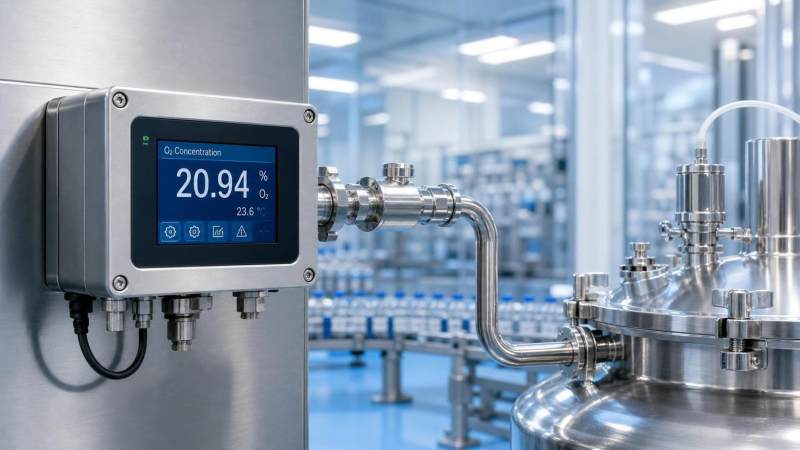
A small deviation in headspace oxygen may affect a sterile fill line. A higher-than-expected reading in an inerted vessel may also raise ignition concerns.
Under GMP, the issue is not only measurement. It is documented control, justified limits, calibration evidence, and data that can stand up during audits.
From the wider instrumentation perspective, this reflects a larger industry trend. Measurements once treated as support data are now critical control signals in digital, validated manufacturing environments.
That is also where Global Instrument Hub focuses its analysis: translating technical measurement requirements into practical intelligence for regulated production and supply chain decisions.
What an Oxygen Analyzer Checks in Pharmaceutical Settings
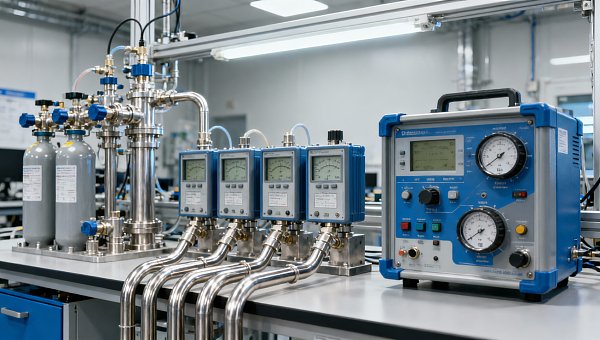
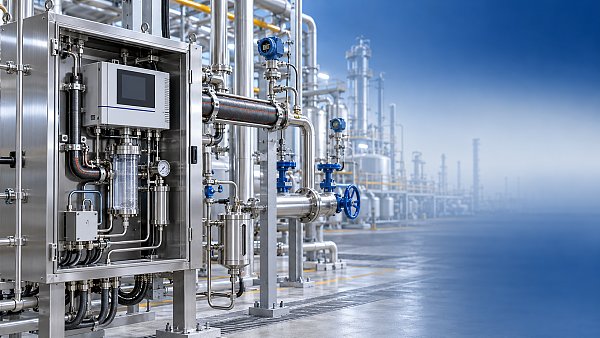
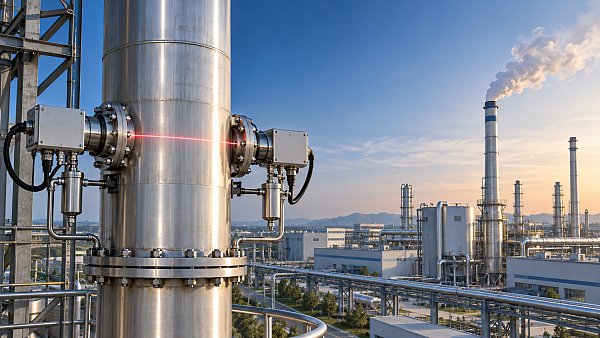
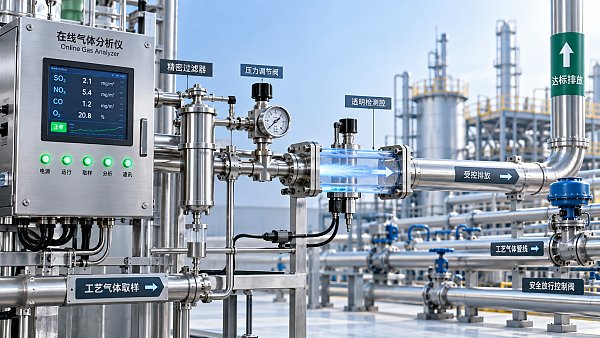
An oxygen analyzer for pharmaceutical industry use measures oxygen concentration in gases, enclosed spaces, process lines, packaging zones, or vessel headspaces.
The exact purpose depends on the process. In some lines, oxygen must be minimized. In others, it must stay within a validated operating window.
Common analyzer technologies include electrochemical, paramagnetic, zirconia, and optical sensing. Each has different strengths in response time, trace sensitivity, maintenance burden, and moisture tolerance.
For pharmaceutical work, the choice is usually driven less by headline specifications and more by whether the instrument fits the process environment and validation model.
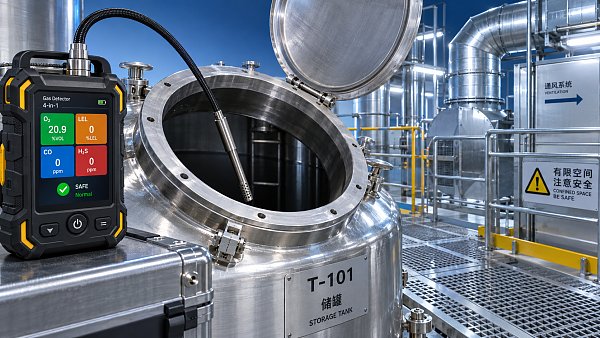
A trace oxygen application in nitrogen blanketing is different from ambient oxygen monitoring in a clean utility area. A portable checker for investigation work is also different from a fixed online monitor tied to alarms.
The GMP Checks That Deserve Close Attention
The most useful way to assess an oxygen analyzer for pharmaceutical industry compliance is to look at the GMP checks around it, not only the sensor itself.
1. Defined critical control points
Oxygen monitoring should be linked to clearly identified process steps. Typical points include reactors, fermenters, lyophilization systems, isolators, glove boxes, and packaging lines.
If the location is poorly chosen, the reading may be technically accurate but operationally misleading.
2. Validated operating ranges
GMP expects limits to be justified. A target such as “low oxygen” is not enough.
There should be documented acceptance criteria for normal operation, alert thresholds, and action limits, based on product, solvent, packaging, or process risk.
3. Calibration and traceability
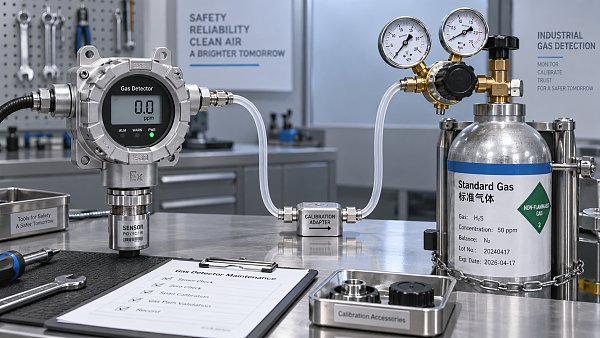
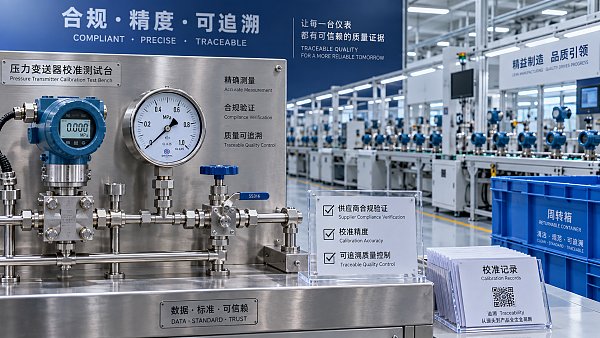
An oxygen analyzer for pharmaceutical industry use must support routine calibration with traceable standards. Frequency should follow risk, stability, and manufacturer guidance.
Drift that goes unnoticed can quietly weaken batch records and investigations.
4. Data integrity
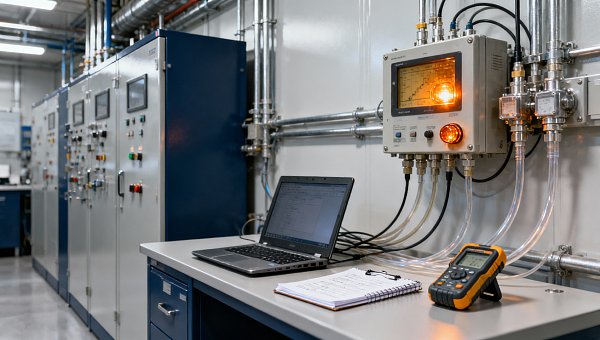
Electronic records matter as much as measured values. Time stamps, audit trails, user access control, and secure data transfer are increasingly relevant in networked facilities.
If the analyzer feeds a SCADA, PLC, or MES environment, integration rules should be reviewed during qualification.
5. Cleaning, materials, and installation suitability
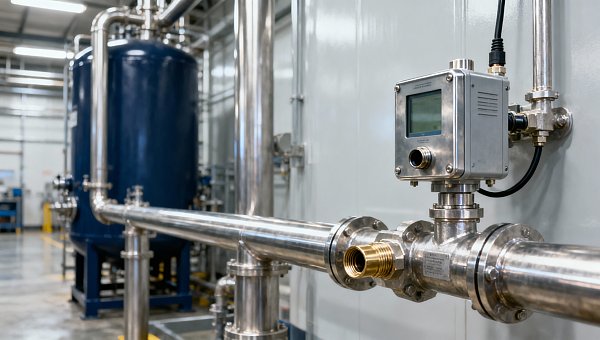
Materials exposed to process gases should be compatible with cleaning agents, humidity, sterilization practices, and pharmaceutical-grade utilities.
Dead legs, sample lag, and poor tubing design often cause more trouble than the analyzer core.
Where Oxygen Monitoring Creates Practical Value
The value of an oxygen analyzer for pharmaceutical industry workflows becomes clearer when viewed by use case rather than by instrument category.
In each case, the instrument is supporting a different business objective: product quality, operator safety, batch consistency, or compliance evidence.
That distinction matters because it affects sensor range, alarm logic, maintenance strategy, and qualification depth.
Selection Points That Matter More Than Brochure Claims
When comparing options, it helps to ask how the oxygen analyzer for pharmaceutical industry service will behave in the real process, not under ideal laboratory conditions.
- Measurement range: trace ppm, percent oxygen, or both.
- Response time: fast enough for purge verification or alarm action.
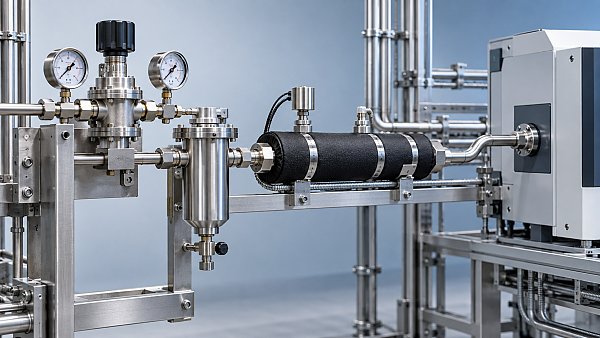
- Sample handling: pressure, moisture, particulates, condensate, and line length.
- Calibration practicality: gas availability, intervals, and operator burden.
- Validation support: IQ/OQ documentation, certificates, and software records.
- Maintenance model: sensor replacement, spare parts, and downtime risk.
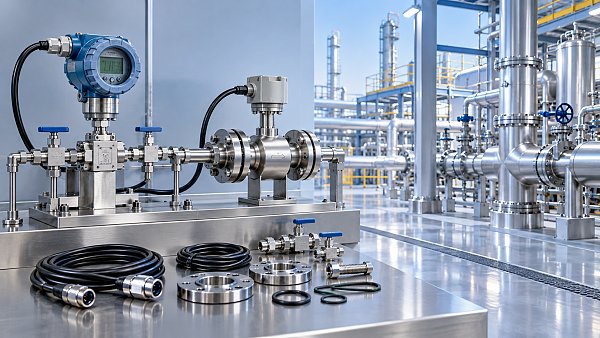
- Integration: analog output, digital protocols, alarm contacts, and historian compatibility.
A well-chosen analyzer reduces deviation investigations. A poorly matched one creates nuisance alarms, repeat testing, and weak confidence in release data.
This is why procurement decisions increasingly draw on broader instrumentation intelligence, including lifecycle support and supply chain reliability, not just initial purchase price.
Common Failure Points in Daily Operation
Many oxygen issues are not caused by sensor failure alone. They often start with system design gaps or weak operating discipline.
Sampling errors
Leaks, trapped moisture, long tubing runs, and delayed sample transport can distort readings before the gas reaches the analyzer.
Calibration that looks complete but is not
Using the wrong span gas, skipping stabilization time, or failing to document as-found results weakens the GMP value of calibration work.
Alarm settings copied from other lines
Limits should reflect the actual process hazard and product sensitivity. Generic alarm values may be too loose for one line and too strict for another.
Data left outside the quality system
A standalone display can be useful, but it adds less value if trend data, deviations, and interventions are not connected to formal review procedures.
A Practical Review Framework
For facilities reassessing oxygen control, a short review framework helps separate true needs from vendor language.
- Map where oxygen directly affects batch quality, sterile assurance, or combustible risk.
- List current monitoring points, analyzer types, and documented acceptance limits.
- Check calibration records for drift patterns, overdue tasks, and repeat adjustments.
- Review whether data flows into validated systems with audit-ready traceability.
- Compare analyzer capability with process reality, especially moisture and sample handling.
- Assess supplier support for documentation, parts continuity, and regulated change control.
That final point is easy to underestimate. In regulated environments, supplier competence affects uptime, requalification effort, and long-term compliance confidence.
For that reason, the oxygen analyzer for pharmaceutical industry market is no longer evaluated only by hardware performance. It is judged by data trust, service depth, and fit within a validated manufacturing architecture.
Where to Look Next
A strong oxygen monitoring strategy starts with process risk, then moves to instrument fit, GMP evidence, and operational discipline.
For any oxygen analyzer for pharmaceutical industry evaluation, the useful next step is to review critical points, limit logic, calibration traceability, and data handling as one connected system.
That approach gives clearer grounds for comparing technologies, refining SOPs, and deciding whether an existing setup still supports current quality and safety expectations.
In a sector where measurable conditions define both compliance and product confidence, oxygen control is not a minor utility check. It is part of how reliable pharmaceutical manufacturing proves itself.
Recommended for You
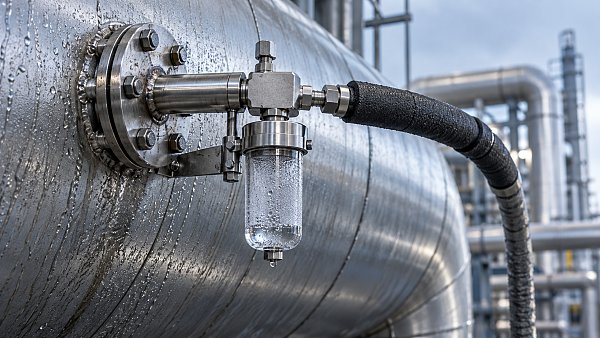
 How condensation affects stack detector readings in wet flue gasStack detector readings can drift when wet flue gas condenses. Learn how to identify moisture interference, prevent sample losses, and improve emissions monitoring reliability.
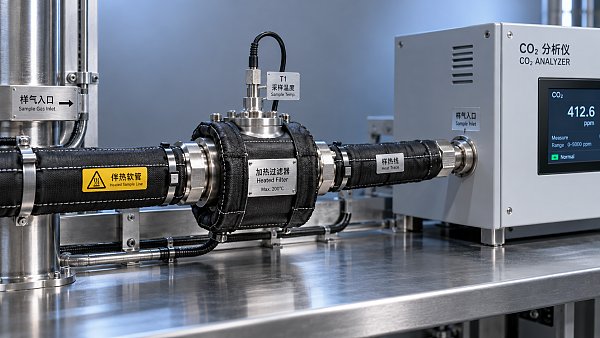
 How to prevent condensation in a CO2 analyzer sampling systemPrevent condensation in your CO2 analyzer sampling system. Learn how to control dew point, eliminate cold spots, and manage moisture for reliable readings and fewer costly disruptions.
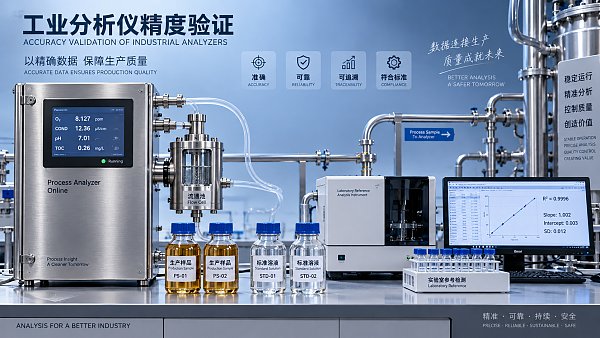
 How to verify accuracy claims for industrial quality analyzersVerify accuracy claims for industrial quality analyzers with calibration checks, independent testing, and clear acceptance criteria. Learn how to reduce risk and buy with confidence.
 How to calculate cooling loads for an industrial analyzer shelterSize industrial analyzer shelter cooling with confidence. Learn to calculate equipment heat, solar gains, and ventilation loads, then select HVAC capacity for reliable analyzer performance.
 Do Regulatory Monitoring Systems Need Third-Party Certification?Do regulatory monitoring systems need third-party certification? Learn when it is required, what certificates prove, and how to verify compliance before buying.
 How Do You Choose Wired or Wireless for Stack Monitoring?Learn how to choose between wired and wireless for stack monitoring. Compare reliability, lifecycle costs, and data recovery to find the right CEMS setup for your site.
 What Happens When Combustible Gas Sensor Calibration Is Overdue?What happens if combustible gas sensor is not recalibrated on time? Discover the risks of inaccurate readings and missed alarms, plus steps to restore reliable protection.
 Can One Multi-Gas Detector Replace Four Separate Analyzers?Find out: can a single multi-gas detector replace four separate analyzers? Compare accuracy, safety, compliance, and lifetime costs to make a confident buying decision.
 Industrial Safety vs. Emission Monitoring: What Are the Differences?What are the main differences between industrial safety and emission monitoring? Compare goals, sensors, response times, and compliance needs to choose the right systems for your facility.
 Is Remote Monitoring Worth the Cost for Small Emission Sources?Is it worth investing in remote monitoring for small emission sources? Compare costs, compliance needs, and potential savings to choose the right solution for your operation.
 How Do You Handle Analyzer Failure During an Environmental Audit?Learn how to handle analyzer failure during environmental compliance audit procedures. Protect evidence, verify data, and restore monitoring with this practical response guide.
 Do VOC Monitors Require Explosion-Proof Certification?Does VOC monitoring require explosion-proof certification? Learn when approval is needed, compare ATEX and IECEx, and choose the right monitor for your site.
 How sample conditioning affects accuracy in petrochemical analyzersImprove accuracy in petrochemical analyzers with smarter sample conditioning. Discover how phase control, filtration, and transport design prevent bias and deliver reliable process data.
 How to troubleshoot sensor drift in industrial gas detectorsIndustrial gas detectors showing sensor drift? Learn how to verify calibration gas, identify root causes, and determine when sensor replacement is needed for reliable monitoring.
 How to judge whether a competitive price reflects real valueCompetitive Price: learn how to compare scope, compliance, performance, and lifecycle costs to identify real value, reduce risk, and make smarter purchasing decisions.
 When custom gas analysis is the right fit for complex process streamsCustom gas analysis for complex process streams: learn when tailored sampling, interference control, and reliable measurement design deliver confident decisions.
 When does a laser gas analyzer meet stack emissions monitoring needs?Laser gas analyzer for stack emissions: learn when it delivers fast, reliable data, how to assess installation risks, and what to verify for CEMS compliance.
 How to select a hazardous gas analyzer for confined spacesHazardous gas analyzer selection for confined spaces: compare sensors, sampling, certifications, alarms, and maintenance to protect workers and choose with confidence.
 When is a single gas analyzer sufficient for workplace safety monitoring?Discover when a single gas analyzer delivers reliable workplace safety monitoring, and learn the key limits, calibration needs, and risks that require broader detection.
 How to choose an ambient gas analyzer for low-level leak detectionAmbient gas analyzer selection for low-level leak detection: compare sensitivity, cross-sensitivity, sampling design, alarms, and calibration for reliable site performance.
 How to tell when an oxygen sensor needs replacementOxygen sensor replacement signs explained: learn how live data, fault codes, wiring checks, and exhaust inspections pinpoint the real issue before you buy.
 How laser gas analyzers improve combustion control in steel furnacesLaser gas analyzer for steel industry applications delivers fast in-situ O₂ and CO data to optimize furnace combustion, cut fuel waste, and improve steel heating stability.
 How to verify whether explosion proof equipment meets site requirementsExplosion proof equipment verification made practical: match zones, gas or dust groups, temperature classes, certificates, and installation conditions for confident compliance.
 How industrial gas analysis helps detect contamination before releaseIndustrial Gas Analysis helps detect moisture, oil, oxygen, and toxic contaminants before release—protecting processes, ensuring compliance, and reducing costly risks.
 When is electrochemistry detection the right choice for water analysis?Electrochemistry detection for water analysis: learn when fast, reliable monitoring of ions, chlorine, pH, and more delivers actionable results.
 How industrial standards reduce quality risks in supplier selectionIndustrial Standard guidance helps quality and safety managers reduce supplier risks, verify compliance, strengthen traceability, and build resilient instrumentation supply chains.
 When does a multi-component system reduce installation complexity?Multi component systems reduce installation complexity when they eliminate field interfaces, streamline commissioning, and provide proven compatibility. Learn how to assess total cost and supplier accountability.
 How to size an industrial control shelter for outdoor equipmentIndustrial control shelter sizing guide: optimize layout, HVAC, access, safety, and expansion space for reliable outdoor equipment operations.
 How flue analysis helps verify combustion efficiencyFlue analysis verifies combustion efficiency by assessing O2, CO, CO2, and stack temperature to identify excess air, incomplete combustion, and heat losses.
 How to select industrial gas detectors for confined spacesIndustrial gas detectors for confined spaces: learn how to match sensors, sampling methods, alarms, and certifications to real atmospheric hazards.
 When does a laser oxygen analyzer outperform zirconia sensors?Laser oxygen analyzer vs. zirconia sensors: compare speed, selectivity, maintenance, gas chemistry, and installation needs to choose the right oxygen measurement solution.
 How to select a percent range analyzer for process measurementsPercent range analyzer selection made practical: compare accuracy, sample systems, calibration, gas matrix, integration, and lifecycle cost for reliable process measurements.
Search Categories
Search Categories
- Smart Meters & Power Quality
- Transformer Gas Analyzers
- BESS Thermal Runaway Detectors
- Energy, Power & Smart Grid Monitoring
- Optical Profilers & CMM
- Ultrasonic & X-Ray NDT
- Calibration Standards
- Precision Metrology & NDT
- Water Quality Analyzers
- CEMS & VOCs Monitors
- Price Trends
- Import & Export Updates
- Market Trends
- Industry News
- Industry Insights
Latest Article
- How condensation affects stack detector readings in wet flue gasStack detector readings can drift when wet flue gas condenses. Learn how to identify moisture interference, prevent sample losses, and improve emissions monitoring reliability.Posted by:
- How to prevent condensation in a CO2 analyzer sampling systemPrevent condensation in your CO2 analyzer sampling system. Learn how to control dew point, eliminate cold spots, and manage moisture for reliable readings and fewer costly disruptions.Posted by:
- How to verify accuracy claims for industrial quality analyzersVerify accuracy claims for industrial quality analyzers with calibration checks, independent testing, and clear acceptance criteria. Learn how to reduce risk and buy with confidence.Posted by:
Please give us a message
