
Air Detector Maintenance Issues That Cause False Alarms


False alarms can quickly undermine confidence in any air detector and disrupt critical operations. In the instrumentation industry, where monitoring accuracy supports industrial manufacturing, environmental compliance, laboratory safety, energy systems, and automated control, repeated nuisance alarms are more than an inconvenience. They can trigger unnecessary shutdowns, increase maintenance cost, distort safety records, and reduce trust in the detection system itself. Understanding which maintenance issues cause an air detector to alarm without a real hazard is essential for keeping measurement performance stable and service outcomes reliable.
Across industrial sites, the role of the air detector is changing. Facilities now expect continuous monitoring, tighter data integrity, faster response, and better integration with control platforms. As a result, false alarm events are being examined more closely than before. What once might have been treated as a minor sensor quirk is now recognized as a sign of maintenance weakness, poor calibration discipline, environmental mismatch, or aging components. This shift makes after-sales service quality a direct factor in safety performance and operational continuity.
Why false alarm patterns around air detector systems are getting more attention

Several trend signals explain why false alarms in an air detector network are now a higher-priority issue. First, facilities are operating with narrower safety margins and less tolerance for unscheduled downtime. Second, many sites are extending detector use into harsher environments, including dust-heavy workshops, high-humidity utility rooms, wastewater treatment zones, and mixed-gas process areas. Third, digital reporting has made alarm frequency easier to compare across devices, revealing maintenance gaps that were previously hidden.
This growing attention does not mean the technology is becoming less dependable. In many cases, the opposite is true: the modern air detector is more sensitive, more connected, and more capable than older systems. But higher sensitivity also means maintenance errors show up faster. A detector with clogged sampling paths, contaminated sensing surfaces, or overdue calibration can react to environmental noise as if it were a real gas event. That is why maintenance practice has become a decisive factor in false alarm prevention.
The most common maintenance issues behind false alarms are becoming easier to identify
When a false alarm occurs, the root cause is often not a single failure but a chain of small service defects. The table below summarizes the most common maintenance-related triggers affecting air detector accuracy.
Among these issues, calibration drift remains one of the most significant. Every air detector depends on a stable relationship between the sensing element and the reference standard used during setup. If calibration intervals are extended too far, or if zero and span adjustments are performed in unsuitable conditions, the instrument may start treating harmless background variation as a threshold event. In mixed-use industrial environments, this can happen gradually and go unnoticed until alarm logs become frequent.
Environmental exposure is pushing air detector maintenance from routine service to risk control
A major trend in the instrumentation field is that detectors are increasingly exposed to complex operating conditions. This has changed the way maintenance should be planned. An air detector installed near solvents, corrosive vapors, steam, washdown zones, exhaust fans, or powder handling systems will age differently from the same unit installed in a clean utility corridor. If maintenance schedules do not reflect those differences, false alarms become much more likely.
Cleaning practices also deserve closer attention. Overcleaning with aggressive chemicals can damage membranes, optics, housings, or sensor caps. Undercleaning allows contamination to accumulate until the sensing path is compromised. In both cases, the air detector may produce unstable values or exaggerated responses. The maintenance objective is not simply to make the device look clean, but to preserve the sensing pathway, airflow conditions, and electrical integrity that support accurate measurement.
- High humidity can create condensation effects, especially during temperature swings.
- Dust and oil aerosols can block diffusion ports and alter response time.
- Vibration can loosen terminals, connectors, and mounting hardware.
- Cross-sensitivity from nearby chemicals can be amplified when sensors are already degraded.
- Improper placement near vents or doors can create false exposure peaks that resemble detector faults.
The impact of false air detector alarms now extends beyond maintenance records
The consequences of repeated false alarms affect multiple business functions. In industrial manufacturing, they can trigger unnecessary line interruptions and cause operators to question whether a real event deserves immediate response. In environmental monitoring, false alarm history can complicate reporting confidence. In laboratories and medical testing support areas, unnecessary alerts disturb controlled conditions and waste technician time. In building engineering and automation control, an unreliable air detector can cause avoidable ventilation changes, fan cycling, or system overrides.
There is also a human-factor effect. Once personnel begin to assume that an air detector alarm is probably false, response discipline weakens. This is one of the most serious long-term risks because it turns a maintenance problem into a safety culture problem. For this reason, reducing false alarms is not only about technical correction; it is about restoring trust in the monitoring system and preserving the value of automated warning signals.
What deserves closer attention as air detector service expectations continue to rise
As service quality expectations increase, maintenance teams should focus on several practical control points that have the greatest effect on air detector stability.
- Calibration discipline: Use verified gas standards, controlled procedures, and documented intervals based on actual site exposure rather than fixed assumptions.
- Routine bump testing: Confirm real response behavior between full calibrations so hidden sensitivity loss does not turn into false alarm instability.
- Condition-based cleaning: Match cleaning methods to sensor technology, contamination type, and enclosure rating.
- Component lifecycle control: Track sensor age, filter replacement, battery condition, and accessory compatibility.
- Installation review: Check whether airflow, vibration, humidity, or chemical background changed after process modifications.
- Alarm data analysis: Review timestamps, frequency, and environmental context to distinguish random spikes from recurring maintenance patterns.
A practical response plan can reduce air detector false alarms before they become systemic
The most effective response is to treat each false alarm as a trend signal rather than an isolated inconvenience. A structured improvement plan helps identify whether the issue is related to service frequency, technician method, detector placement, or component quality.
A reliable air detector is not defined only by sensor design. It depends on disciplined maintenance, environment-aware inspection, correct calibration, and timely component replacement. As monitoring expectations continue to rise across industry, the ability to prevent false alarms becomes a clear indicator of technical service maturity. The next practical step is to review current detector maintenance records, compare alarm patterns by location and device age, and update service routines where drift, contamination, or part mismatch is likely. That approach helps keep every air detector credible, responsive, and fit for long-term operational use.
Recommended for You
 FDA Updates IVD Import Guidance: CNAS Calibration Chain Required for China-Made DevicesFDA now requires CNAS calibration chain reports for China-made IVD analyzers—pH, ion & clinical chemistry devices entering via 510(k)/De Novo. Act now to avoid U.S. port rejections.
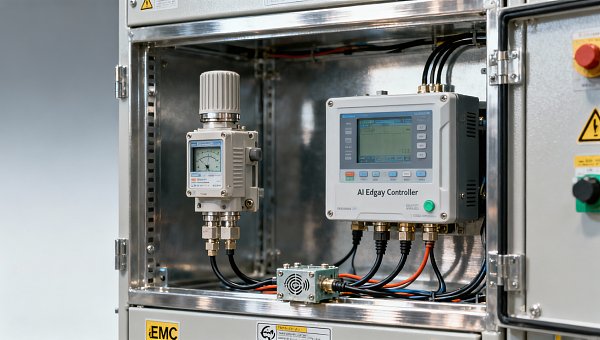
 EN 61000-6-4:2026 Enters Force: Stricter EMC Requirements for Industrial Field InstrumentsEN 61000-6-4:2026 enforces stricter EMC requirements for industrial field instruments—key for AI edge controllers, sensors & exporters. Act now to ensure CE-EMC compliance by Nov 2026.
 Global Methanol Electric Alliance Launches Cross-Border Energy Efficiency Recognition RoadmapGlobal Methanol Electric Alliance launches cross-border energy efficiency recognition roadmap—key for exporters, cal labs & methanol-instrument manufacturers.
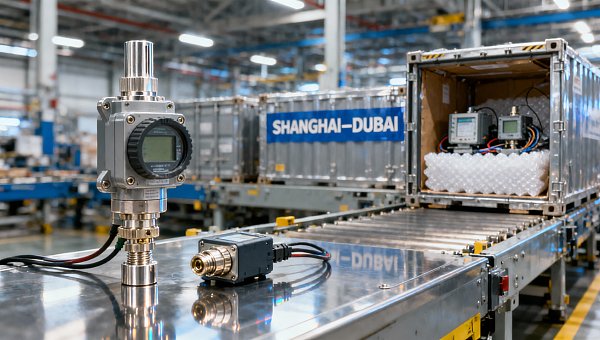
 Red Sea Crisis Escalates: Air Freight Premiums for China–Middle East Industrial Instruments Hit 390%Red Sea Crisis hits industrial instruments: China–Middle East air freight premiums surge 390%. Act now to secure Q3 capacity, avoid delays & optimize LCL alternatives.
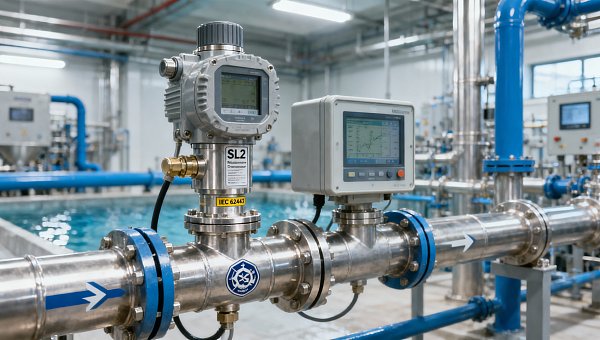
 IEC TC65 Mandates Cybersecurity Certification for Industrial Field Instruments from 2027IEC TC65 mandates cybersecurity certification for industrial field instruments by 2027 — pressure, flow & analytical devices must meet IEC 62443-4-2:2026 and display SL1–SL3 labels. Act now to ensure market access.
 SASO Cuts Energy Labeling Turnaround for Industrial Transmitters to 7 Working DaysSASO Energy Labeling now takes just 7 working days for industrial transmitters — faster market access, CNAS reports accepted. Act now!
 PTB Launches CalCloud 2.0 with Direct CNAS Lab IntegrationCalCloud 2.0 now integrates directly with CNAS labs—enabling automated VDA 5 & ISO/IEC 17025 dual-compliant calibration reports for automotive and industrial exporters. Boost compliance efficiency today!
 ASEAN's Green Clearance Corridor for CNAS Calibration Reports LaunchesASEAN's Green Clearance Corridor now verifies CNAS calibration reports via blockchain—cut customs clearance to <48h for flow meters, analyzers & more. Act now!
 Vietnam Mandates CNAS Calibration Certificates & Vietnamese Manuals for Industrial Meters from June 1, 2026CNAS calibration certificates & Vietnamese manuals now mandatory for industrial meters entering Vietnam from June 1, 2026—avoid customs delays and ensure seamless market access.
 U.S. BIS Tightens Export Controls on High-Precision Laser InterferometersU.S. BIS tightens export controls on high-precision laser interferometers—critical for semiconductor metrology & ISO/IEC 17025 calibration. Act now to ensure compliance.
 Paramagnetic Monitor Calibration Tips for Stable OutputParamagnetic monitor calibration tips for stable output: learn how to reduce drift, improve accuracy, cut downtime, and keep oxygen measurement reliable in demanding industrial applications.
 Paramagnetic Measurement in Low-Oxygen Process ControlParamagnetic measurement enables accurate low-oxygen process control with fast response and stable oxygen analysis. Learn how it improves safety, consistency, and system performance.
 Laser Detector Import Risks and Certification DelaysLaser detector import risks can cause costly certification delays, customs issues, and testing setbacks. Learn how to avoid compliance failures before ordering.
 Explosion Proof Detector Demand Under New Safety RulesExplosion proof detector demand is rising under new safety rules. Discover how to compare certified, reliable options that improve compliance, integration, and long-term site safety.
 Laboratory Detector Accuracy Standards You Should CheckLaboratory detector accuracy standards explained: check detection limits, repeatability, drift, and traceability to reduce risk, improve audit readiness, and choose with confidence.
 Custom Measurement Lead Times and Budget PlanningCustom measurement lead times and budgets explained for procurement teams. Learn key cost drivers, planning steps, and supplier tips to reduce delays and buy with confidence.
 Laser Measurement for Leak Detection: Common PitfallsLaser measurement for leak detection can fail due to setup, airflow, and data interpretation errors. Learn the common pitfalls and proven fixes for more accurate, reliable results.
 How to Evaluate a High Accuracy Detector in the FieldHigh accuracy detector evaluation starts with real field performance. Learn how to compare stability, response time, and reliability to choose the right detector with confidence.
 Electrochemical Monitor Lifespan and Replacement CostsElectrochemical monitor lifespan and replacement costs explained for buyers. Learn how sensor life, maintenance, and total ownership cost affect safer, smarter purchasing decisions.
 Thermal Analysis Market Direction in Process IndustriesThermal analysis market direction in process industries: discover trends, applications, and investment insights that improve quality control, reduce risk, and support smarter industrial decisions.
 Monitoring Shelter Design Priorities for Outdoor SitesMonitoring shelter design starts with protection, climate control, and power reliability. Discover how to choose the right outdoor solution for stable data, safer maintenance, and lower lifecycle risk.
 Fixed Measurement Planning for Multi-Point InstallationsFixed measurement planning is essential for multi-point installations. Learn how to improve accuracy, reliability, compliance, and maintenance efficiency across complex industrial systems.
 Fixed Analysis Systems for Stable Long-Term MonitoringFixed analysis systems enable stable long-term monitoring, reliable data, and better process control. Discover how they improve safety, compliance, and operational efficiency.
 Thermal Gas Applications Expanding in Clean IndustryThermal gas applications are reshaping clean industry with smarter flow measurement, emissions control, and energy optimization. Discover where they cut risk, boost efficiency, and support automation.
 Monitoring Detector Export Rules to Watch in 2026Monitoring detector export rules are changing fast in 2026. Learn the key compliance risks, supplier checks, and trade signals to protect margins and make smarter sourcing decisions.
 Control Detector Setup Mistakes That Affect ReliabilityControl detector setup mistakes can quietly reduce accuracy and uptime. Learn the most common installation, wiring, and calibration errors—and how to avoid them for reliable performance.
 What Defines a High Accuracy Monitor TodayHigh accuracy monitor selection starts with real-world performance. Learn the key accuracy factors, buyer checklist, and how to choose a reliable monitor for industrial control.
 Infrared Monitor Demand in Industrial Safety UpgradesInfrared monitor demand is rising as industrial safety upgrades accelerate. Discover where buyers need it most, how channel partners can sell smarter, and which applications drive long-term growth.
 Thermal Conductivity Monitor Limits in Mixed Gas StreamsThermal conductivity monitor limits in mixed gas streams explained—learn where accuracy drops, what buyers should compare, and how to choose the right analyzer with confidence.
 Laser Monitor vs Infrared Monitor for Fast DetectionLaser monitor vs infrared monitor for fast detection: discover which delivers better precision, response speed, and reliability for industrial monitoring and smarter sensor selection.
 Thermal Gas Analyzer Price Shifts Across Global MarketsThermal gas analyzer price shifts are reshaping global budgets. Learn what drives costs, regional differences, and how buyers can reduce risk and improve long-term value.
 Custom Analysis Options for Complex Gas ApplicationsCustom analysis helps solve complex gas applications with better accuracy, compliance, and reliability. Discover practical selection insights that reduce risk and improve system performance.












Search Categories
Search Categories
Latest Article
- FDA Updates IVD Import Guidance: CNAS Calibration Chain Required for China-Made DevicesFDA now requires CNAS calibration chain reports for China-made IVD analyzers—pH, ion & clinical chemistry devices entering via 510(k)/De Novo. Act now to avoid U.S. port rejections.Posted by:
- EN 61000-6-4:2026 Enters Force: Stricter EMC Requirements for Industrial Field InstrumentsEN 61000-6-4:2026 enforces stricter EMC requirements for industrial field instruments—key for AI edge controllers, sensors & exporters. Act now to ensure CE-EMC compliance by Nov 2026.Posted by:
- Global Methanol Electric Alliance Launches Cross-Border Energy Efficiency Recognition RoadmapGlobal Methanol Electric Alliance launches cross-border energy efficiency recognition roadmap—key for exporters, cal labs & methanol-instrument manufacturers.Posted by:
Please give us a message
