
When Paramagnetic Analysis Beats Other O2 Methods


When oxygen measurement accuracy, response speed, and long-term stability directly affect process performance, choosing the right method becomes critical. In many cross-industry settings, paramagnetic analysis offers a practical advantage because it measures O2 selectively, continuously, and without reagent consumption. For instrumentation decisions involving combustion efficiency, gas purity, emissions control, laboratory validation, or process safety, the real question is not whether oxygen can be measured, but in which scenarios paramagnetic analysis clearly outperforms zirconia, electrochemical, optical, or chemical methods.
When the measurement scene demands selective and stable O2 data
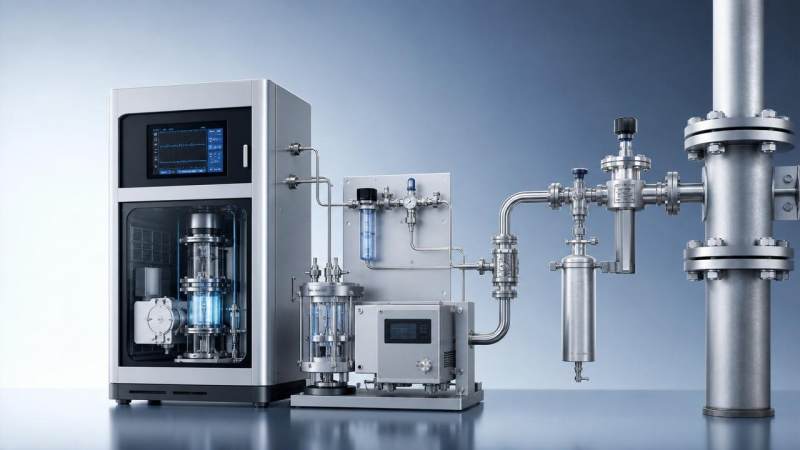
The value of oxygen analysis changes significantly by application. In some processes, a rough trend is enough; in others, a small O2 deviation can alter product quality, energy efficiency, or compliance results. This is why method selection should start from scene-based judgment rather than from analyzer price or familiarity alone. Paramagnetic analysis becomes especially relevant where oxygen is a primary control variable and where interference, maintenance burden, and long operating cycles matter.
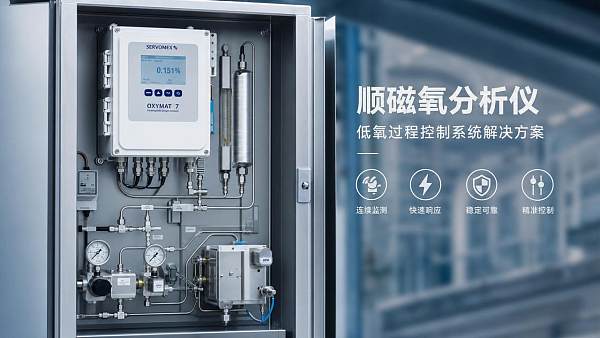
Unlike broad-response sensors, paramagnetic analyzers use oxygen’s strong magnetic susceptibility as the measurement principle. That creates a key benefit in mixed-gas environments: high specificity to O2. In practical instrumentation projects across energy, industrial manufacturing, environmental monitoring, and laboratory systems, this helps reduce false confidence caused by cross-sensitivity. It also supports more reliable control logic when process optimization depends on true oxygen concentration rather than an inferred or chemically consumed signal.
In combustion control, paramagnetic analysis often beats lower-selectivity methods
Boilers, furnaces, kilns, incinerators, and thermal oxidizers rely on precise oxygen feedback to balance fuel efficiency, flame stability, emissions, and equipment protection. In these combustion systems, paramagnetic analysis is often preferred when operators need fast response and dependable readings across long operating campaigns. Oxygen data that drifts slowly or reacts too late can lead to excess air, wasted fuel, elevated NOx, or incomplete combustion.
Compared with electrochemical approaches, paramagnetic analysis avoids consumable cell depletion and the resulting maintenance cycle. Compared with zirconia-based methods, it can be a stronger choice when process conditions or gas composition make sensor aging, contamination, or installation constraints more difficult to manage. It is particularly effective in extracted gas analysis systems where sample conditioning is already part of the design and where stable O2 measurement supports tighter combustion tuning.
Core judgment points in combustion applications
If the process requires continuous optimization, values high analyzer uptime, and needs confidence in O2 selectivity under changing fuel or flue gas composition, paramagnetic analysis usually deserves priority. The advantage is stronger when oxygen is not only being monitored, but also used as a direct input for control loops, burner adjustment, or energy performance reporting.
For gas purity verification and industrial gases, paramagnetic analysis gains an edge
In air separation, specialty gas filling, inerting verification, and gas blending systems, oxygen is often a critical quality or safety parameter. Here, the strength of paramagnetic analysis lies in its ability to deliver selective O2 measurement without introducing reagents or relying on rapidly aging consumables. That makes it useful in quality assurance workflows where repeatability, low operating cost, and traceable performance matter.
Applications involving nitrogen blanketing, glove boxes, packaging atmospheres, or process vessels also benefit when oxygen levels must be confirmed repeatedly over time. If the target range stays within the effective operating envelope of the analyzer and the sample is properly conditioned, paramagnetic analysis can provide a more stable long-term solution than methods that are more vulnerable to drift, depletion, or chemistry-related replacement cycles.
In emissions systems and laboratory validation, method stability matters more than convenience
Environmental monitoring and laboratory analysis often require confidence not only in a single reading, but in calibration behavior, repeatability, and data defensibility. In continuous emissions monitoring systems and reference-grade lab setups, paramagnetic analysis is attractive because it supports stable O2 measurement over time and aligns well with analytical environments that already use controlled sample handling.
This is also where the difference between “works” and “holds up” becomes important. An analyzer method may be easy to deploy initially, yet create recurring uncertainty due to sensor replacement, slower drift detection, or cross-interference risk. In contrast, paramagnetic analysis is often selected when long-term analytical confidence outweighs the appeal of simpler low-cost sensor formats.
Different scenes create different oxygen measurement priorities
Not every application should default to the same analyzer technology. The best decision comes from matching process demands with method behavior. The table below highlights how common cross-industry scenes differ and when paramagnetic analysis is most likely to outperform alternatives.
How to judge whether paramagnetic analysis fits the scene
A practical selection process should consider more than the oxygen range alone. The following checks help determine whether paramagnetic analysis is the right fit:
- Confirm whether oxygen is a key control or compliance variable rather than a secondary indicator.
- Assess whether long-term stability is more valuable than the lowest initial instrument cost.
- Review sample gas cleanliness, moisture load, pressure variation, and conditioning requirements.
- Check whether cross-sensitivity from other methods could distort process decisions.
- Estimate lifecycle impact, including calibration frequency, consumables, downtime, and replacement intervals.
If the answer to most of these points is “high importance,” then paramagnetic analysis is often the stronger technical choice. This is especially true in instrumentation environments where reliable data supports automation, digital monitoring, quality records, and energy optimization across multiple operating units.
Common misjudgments that lead to the wrong O2 method
One frequent mistake is treating all oxygen measurement tasks as equivalent. A portable spot-check need is not the same as a continuous process control requirement. Another error is evaluating analyzers only by capital cost while overlooking service intervals, replacement parts, calibration stability, and lost production from unreliable signals. In such cases, a seemingly cheaper method may become more expensive over the operating lifecycle.
A second misjudgment is ignoring sample system design. Even the best paramagnetic analysis setup will underperform if the gas reaching the analyzer is wet, contaminated, delayed, or unrepresentative. The method should be judged together with filtration, cooling, pressure control, flow stability, and installation location. Good analyzer selection without good sample handling rarely delivers good oxygen data.
A third overlooked point is response expectation. Some applications truly need rapid feedback to support burner control or process adjustments. Others mainly need stable audit-quality readings. Knowing which performance dimension matters most helps clarify when paramagnetic analysis should be prioritized and when another method may be acceptable.
Next-step guidance for choosing paramagnetic analysis with confidence
The best next step is to define the scene in operational terms: target O2 range, gas composition, required response time, maintenance window, calibration expectations, and the consequence of a bad reading. With those conditions documented, it becomes much easier to compare paramagnetic analysis against zirconia, electrochemical, or optical alternatives using measurable criteria instead of assumptions.
For cross-industry instrumentation projects, a well-structured evaluation should include sample system requirements, lifecycle cost, data quality targets, and integration with control or reporting systems. When oxygen data must remain selective, stable, and useful over time, paramagnetic analysis often proves to be the more durable decision. A scene-based review will show clearly where it beats other O2 methods—and where its strengths create the most value in real operation.
Recommended for You
 FDA Updates IVD Import Guidance: CNAS Calibration Chain Required for China-Made DevicesFDA now requires CNAS calibration chain reports for China-made IVD analyzers—pH, ion & clinical chemistry devices entering via 510(k)/De Novo. Act now to avoid U.S. port rejections.
 EN 61000-6-4:2026 Enters Force: Stricter EMC Requirements for Industrial Field InstrumentsEN 61000-6-4:2026 enforces stricter EMC requirements for industrial field instruments—key for AI edge controllers, sensors & exporters. Act now to ensure CE-EMC compliance by Nov 2026.
 Global Methanol Electric Alliance Launches Cross-Border Energy Efficiency Recognition RoadmapGlobal Methanol Electric Alliance launches cross-border energy efficiency recognition roadmap—key for exporters, cal labs & methanol-instrument manufacturers.
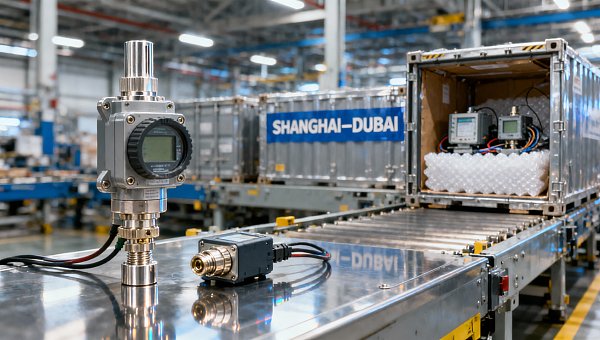
 Red Sea Crisis Escalates: Air Freight Premiums for China–Middle East Industrial Instruments Hit 390%Red Sea Crisis hits industrial instruments: China–Middle East air freight premiums surge 390%. Act now to secure Q3 capacity, avoid delays & optimize LCL alternatives.
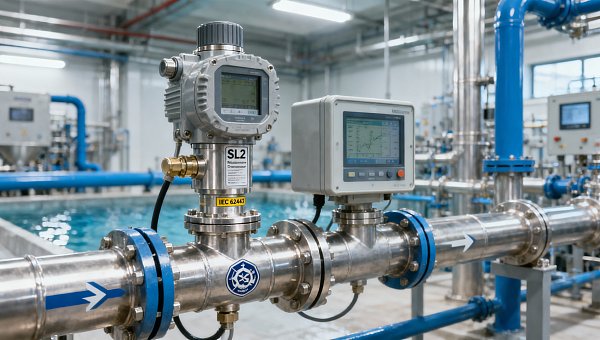
 IEC TC65 Mandates Cybersecurity Certification for Industrial Field Instruments from 2027IEC TC65 mandates cybersecurity certification for industrial field instruments by 2027 — pressure, flow & analytical devices must meet IEC 62443-4-2:2026 and display SL1–SL3 labels. Act now to ensure market access.
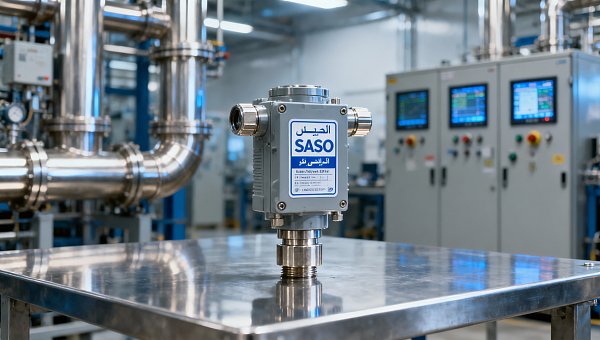
 SASO Cuts Energy Labeling Turnaround for Industrial Transmitters to 7 Working DaysSASO Energy Labeling now takes just 7 working days for industrial transmitters — faster market access, CNAS reports accepted. Act now!
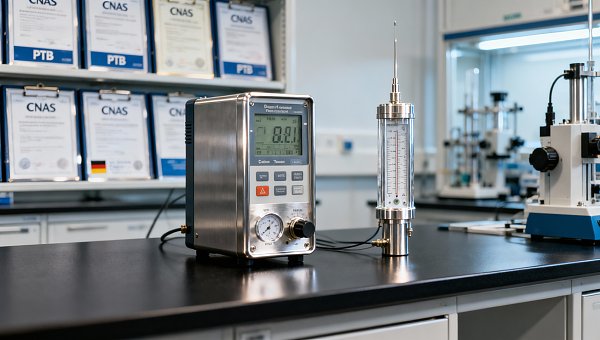
 PTB Launches CalCloud 2.0 with Direct CNAS Lab IntegrationCalCloud 2.0 now integrates directly with CNAS labs—enabling automated VDA 5 & ISO/IEC 17025 dual-compliant calibration reports for automotive and industrial exporters. Boost compliance efficiency today!
 ASEAN's Green Clearance Corridor for CNAS Calibration Reports LaunchesASEAN's Green Clearance Corridor now verifies CNAS calibration reports via blockchain—cut customs clearance to <48h for flow meters, analyzers & more. Act now!
 Vietnam Mandates CNAS Calibration Certificates & Vietnamese Manuals for Industrial Meters from June 1, 2026CNAS calibration certificates & Vietnamese manuals now mandatory for industrial meters entering Vietnam from June 1, 2026—avoid customs delays and ensure seamless market access.
 U.S. BIS Tightens Export Controls on High-Precision Laser InterferometersU.S. BIS tightens export controls on high-precision laser interferometers—critical for semiconductor metrology & ISO/IEC 17025 calibration. Act now to ensure compliance.
 Paramagnetic Monitor Calibration Tips for Stable OutputParamagnetic monitor calibration tips for stable output: learn how to reduce drift, improve accuracy, cut downtime, and keep oxygen measurement reliable in demanding industrial applications.
 Paramagnetic Measurement in Low-Oxygen Process ControlParamagnetic measurement enables accurate low-oxygen process control with fast response and stable oxygen analysis. Learn how it improves safety, consistency, and system performance.
 Laser Detector Import Risks and Certification DelaysLaser detector import risks can cause costly certification delays, customs issues, and testing setbacks. Learn how to avoid compliance failures before ordering.
 Explosion Proof Detector Demand Under New Safety RulesExplosion proof detector demand is rising under new safety rules. Discover how to compare certified, reliable options that improve compliance, integration, and long-term site safety.
 Laboratory Detector Accuracy Standards You Should CheckLaboratory detector accuracy standards explained: check detection limits, repeatability, drift, and traceability to reduce risk, improve audit readiness, and choose with confidence.
 Custom Measurement Lead Times and Budget PlanningCustom measurement lead times and budgets explained for procurement teams. Learn key cost drivers, planning steps, and supplier tips to reduce delays and buy with confidence.
 Laser Measurement for Leak Detection: Common PitfallsLaser measurement for leak detection can fail due to setup, airflow, and data interpretation errors. Learn the common pitfalls and proven fixes for more accurate, reliable results.
 How to Evaluate a High Accuracy Detector in the FieldHigh accuracy detector evaluation starts with real field performance. Learn how to compare stability, response time, and reliability to choose the right detector with confidence.
 Electrochemical Monitor Lifespan and Replacement CostsElectrochemical monitor lifespan and replacement costs explained for buyers. Learn how sensor life, maintenance, and total ownership cost affect safer, smarter purchasing decisions.
 Thermal Analysis Market Direction in Process IndustriesThermal analysis market direction in process industries: discover trends, applications, and investment insights that improve quality control, reduce risk, and support smarter industrial decisions.
 Monitoring Shelter Design Priorities for Outdoor SitesMonitoring shelter design starts with protection, climate control, and power reliability. Discover how to choose the right outdoor solution for stable data, safer maintenance, and lower lifecycle risk.
 Fixed Measurement Planning for Multi-Point InstallationsFixed measurement planning is essential for multi-point installations. Learn how to improve accuracy, reliability, compliance, and maintenance efficiency across complex industrial systems.
 Fixed Analysis Systems for Stable Long-Term MonitoringFixed analysis systems enable stable long-term monitoring, reliable data, and better process control. Discover how they improve safety, compliance, and operational efficiency.
 Thermal Gas Applications Expanding in Clean IndustryThermal gas applications are reshaping clean industry with smarter flow measurement, emissions control, and energy optimization. Discover where they cut risk, boost efficiency, and support automation.
 Monitoring Detector Export Rules to Watch in 2026Monitoring detector export rules are changing fast in 2026. Learn the key compliance risks, supplier checks, and trade signals to protect margins and make smarter sourcing decisions.
 Control Detector Setup Mistakes That Affect ReliabilityControl detector setup mistakes can quietly reduce accuracy and uptime. Learn the most common installation, wiring, and calibration errors—and how to avoid them for reliable performance.
 What Defines a High Accuracy Monitor TodayHigh accuracy monitor selection starts with real-world performance. Learn the key accuracy factors, buyer checklist, and how to choose a reliable monitor for industrial control.
 Infrared Monitor Demand in Industrial Safety UpgradesInfrared monitor demand is rising as industrial safety upgrades accelerate. Discover where buyers need it most, how channel partners can sell smarter, and which applications drive long-term growth.
 Thermal Conductivity Monitor Limits in Mixed Gas StreamsThermal conductivity monitor limits in mixed gas streams explained—learn where accuracy drops, what buyers should compare, and how to choose the right analyzer with confidence.
 Laser Monitor vs Infrared Monitor for Fast DetectionLaser monitor vs infrared monitor for fast detection: discover which delivers better precision, response speed, and reliability for industrial monitoring and smarter sensor selection.
 Thermal Gas Analyzer Price Shifts Across Global MarketsThermal gas analyzer price shifts are reshaping global budgets. Learn what drives costs, regional differences, and how buyers can reduce risk and improve long-term value.
 Custom Analysis Options for Complex Gas ApplicationsCustom analysis helps solve complex gas applications with better accuracy, compliance, and reliability. Discover practical selection insights that reduce risk and improve system performance.

Search Categories
Search Categories
Latest Article
- FDA Updates IVD Import Guidance: CNAS Calibration Chain Required for China-Made DevicesFDA now requires CNAS calibration chain reports for China-made IVD analyzers—pH, ion & clinical chemistry devices entering via 510(k)/De Novo. Act now to avoid U.S. port rejections.Posted by:
- EN 61000-6-4:2026 Enters Force: Stricter EMC Requirements for Industrial Field InstrumentsEN 61000-6-4:2026 enforces stricter EMC requirements for industrial field instruments—key for AI edge controllers, sensors & exporters. Act now to ensure CE-EMC compliance by Nov 2026.Posted by:
- Global Methanol Electric Alliance Launches Cross-Border Energy Efficiency Recognition RoadmapGlobal Methanol Electric Alliance launches cross-border energy efficiency recognition roadmap—key for exporters, cal labs & methanol-instrument manufacturers.Posted by:
Please give us a message
