
C3H6O concentration analyzer selection gets harder at low ppm


Selecting a C3H6O concentration analyzer becomes far more challenging at low ppm levels, where cross-sensitivity, stability, and calibration precision directly affect results. For buyers comparing a C4H8O concentration analyzer, C2H4O concentration analyzer, CH3OH concentration analyzer, or C2H5OH concentration analyzer, understanding detection limits and application fit is essential before making a reliable investment.
Why low ppm C3H6O measurement is much harder than standard gas analysis
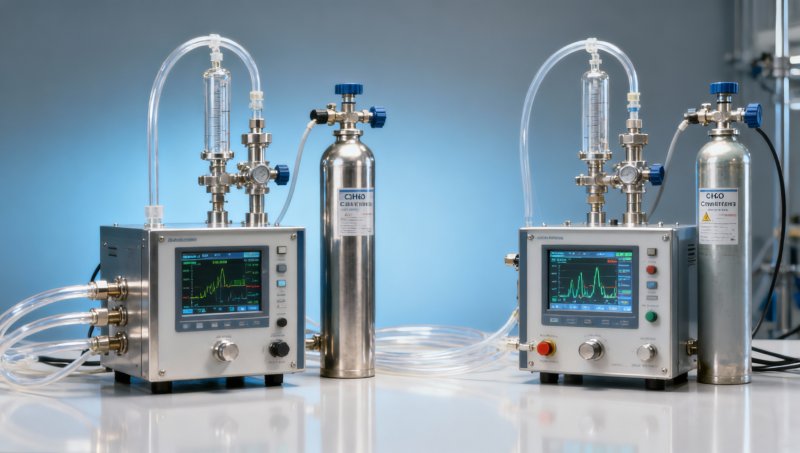
In the instrumentation industry, low concentration gas analysis is not simply a smaller-number version of high-range measurement. Once acetone or other C3H6O compounds move into the low ppm range, the analyzer must separate weak target signals from background drift, humidity influence, temperature fluctuation, and interference from chemically similar volatile organic compounds. This is why many projects that look simple on paper become difficult during commissioning.
For operators and technical evaluators, the problem usually appears in 3 areas: unstable zero points, poor repeatability after several days of continuous operation, and false response caused by mixed solvents. In industrial manufacturing, laboratory analysis, environmental monitoring, and automation control, these issues can lead to process deviation, failed quality checks, or safety concerns when alarm thresholds are set near the measured range.
At low ppm, buyers should look beyond the headline detection limit. A concentration analyzer that claims single-digit ppm sensitivity may still perform poorly if the response time is too slow, the baseline drift is high over 8–24 hours, or the calibration interval is too short for practical field use. For project managers and procurement teams, this directly affects operating cost, maintenance planning, and acceptance risk.
The broader instrumentation sector matters here because successful analyzer deployment depends on more than one device. Sampling systems, pressure control, temperature management, calibration workflow, and data integration with industrial online monitoring platforms all influence result quality. A strong supplier should understand the full measurement chain rather than only the sensor element.
What usually causes failure in low ppm selection projects
- The target gas is defined only as “C3H6O” without clarifying whether the process contains mixed ketones, alcohols, aldehydes, or cleaning solvents that create cross-interference.
- The purchasing team compares only initial price, while missing 4 critical factors: sampling integrity, calibration gas availability, maintenance interval, and long-term drift behavior.
- The specification uses a single concentration point, but real operation may vary from sub-ppm background to tens or hundreds of ppm during process fluctuation.
- No one checks installation environment such as 10°C–35°C room variation, condensation risk, vibration, or ventilation, all of which can affect low-level readings.
How to compare C3H6O, C4H8O, C2H4O, CH3OH, and C2H5OH concentration analyzers
Many buyers begin with a chemical formula search, but a concentration analyzer should be selected by application chemistry, not formula similarity alone. A C3H6O concentration analyzer may be suitable for acetone-focused monitoring, while a C4H8O concentration analyzer may be relevant in ketone or solvent process lines with different vapor behavior. C2H4O, CH3OH, and C2H5OH analyzers also differ because aldehydes and alcohols interact with sensing technologies in different ways.
For information researchers and distributors, the most useful comparison starts with 5 dimensions: target gas specificity, cross-sensitivity profile, practical low-end range, response and recovery speed, and calibration frequency. These points are more decision-relevant than general marketing claims because they influence whether the analyzer can support production control, emissions monitoring, or laboratory verification.
The table below summarizes how buyers should interpret common analyzer choices in industrial and laboratory environments. It is not a ranking table, because the right answer depends on gas matrix, sample conditioning, and the acceptance criterion defined by the project team.
This comparison shows why direct substitution is risky. Even if two analyzers share a similar range on paper, the practical result can differ because gas matrix, humidity, and process dynamics are not the same. A technical review should include at least 3 sample conditions: normal operation, peak fluctuation, and shutdown or cleaning state.
Questions procurement teams should ask before shortlisting
Chemical and process questions
Is the target compound the only volatile component, or one of several organics present between 1 ppm and 500 ppm? Are there cleaning cycles, solvent switches, or batch changes every shift? A low ppm analyzer selected without this information often fails site acceptance because it was tested under cleaner laboratory conditions than the real process.
Maintenance and ownership questions
Can the analyzer maintain calibration over weekly or monthly intervals, or does it need frequent attention from trained staff? For distributed projects or reseller networks, service burden is a major cost driver. A slightly higher purchase price may be justified if it reduces recalibration visits, spare parts use, or downtime over 12–24 months.
Which technical parameters matter most when low ppm accuracy is the real goal
When selecting a C3H6O concentration analyzer, buyers should focus on performance parameters that affect real operating confidence. Detection limit is only the starting point. More meaningful indicators include repeatability over multiple cycles, zero drift over 8–24 hours, span drift across normal ambient changes, T90 response time, sample flow stability, and the analyzer’s behavior after exposure to higher concentrations.
For quality control teams and safety managers, accuracy should be understood as a system result, not only an instrument claim. Tubing material, dead volume, filter loading, condensate risk, and pressure fluctuation can distort low ppm readings. In many facilities, sample system design contributes as much to error as the analytical core. This is especially true in continuous industrial online monitoring.
The next table helps technical assessors review specification sheets more critically. It highlights the difference between a lab-style parameter and a field-ready purchasing criterion. Using this framework can reduce the risk of buying an analyzer that performs well in brochures but poorly in actual plant conditions.
A disciplined parameter review usually cuts selection mistakes. For example, if the process requires actionable readings within 30–90 seconds and stable operation over a full 8-hour shift, those conditions should appear clearly in the purchase specification. Otherwise, suppliers may quote technically valid but operationally mismatched solutions.
A practical 4-step technical screening process
- Define the real gas matrix, including target compound, likely interferents, humidity range, and temperature range.
- Match the analyzer principle to the application, especially when low ppm and selectivity are both important.
- Review calibration and maintenance needs over 3 time windows: commissioning, routine operation, and annual verification.
- Confirm data outputs, alarm logic, and integration requirements with DCS, PLC, or laboratory information systems.
How buyers should balance budget, compliance, and implementation risk
A low ppm concentration analyzer is often evaluated by technical teams, approved by management, and challenged
Recommended for You
 FDA Updates IVD Import Guidance: CNAS Calibration Chain Required for China-Made DevicesFDA now requires CNAS calibration chain reports for China-made IVD analyzers—pH, ion & clinical chemistry devices entering via 510(k)/De Novo. Act now to avoid U.S. port rejections.
 EN 61000-6-4:2026 Enters Force: Stricter EMC Requirements for Industrial Field InstrumentsEN 61000-6-4:2026 enforces stricter EMC requirements for industrial field instruments—key for AI edge controllers, sensors & exporters. Act now to ensure CE-EMC compliance by Nov 2026.
 Global Methanol Electric Alliance Launches Cross-Border Energy Efficiency Recognition RoadmapGlobal Methanol Electric Alliance launches cross-border energy efficiency recognition roadmap—key for exporters, cal labs & methanol-instrument manufacturers.
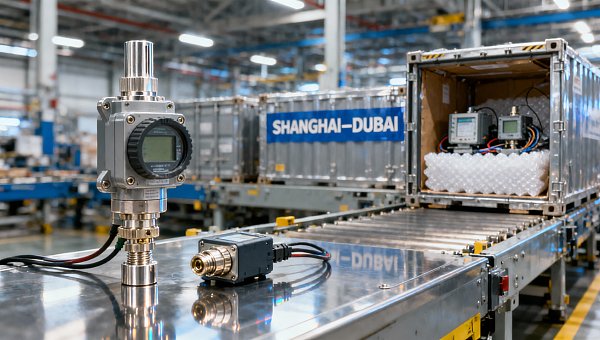
 Red Sea Crisis Escalates: Air Freight Premiums for China–Middle East Industrial Instruments Hit 390%Red Sea Crisis hits industrial instruments: China–Middle East air freight premiums surge 390%. Act now to secure Q3 capacity, avoid delays & optimize LCL alternatives.
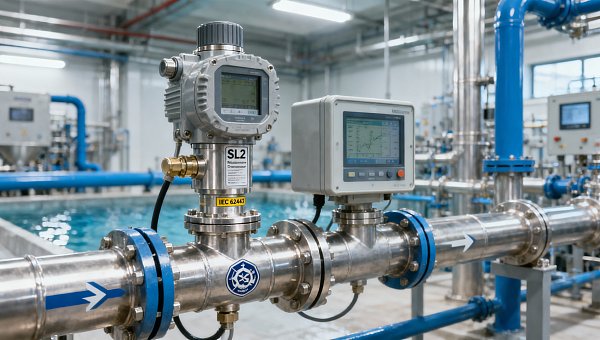
 IEC TC65 Mandates Cybersecurity Certification for Industrial Field Instruments from 2027IEC TC65 mandates cybersecurity certification for industrial field instruments by 2027 — pressure, flow & analytical devices must meet IEC 62443-4-2:2026 and display SL1–SL3 labels. Act now to ensure market access.
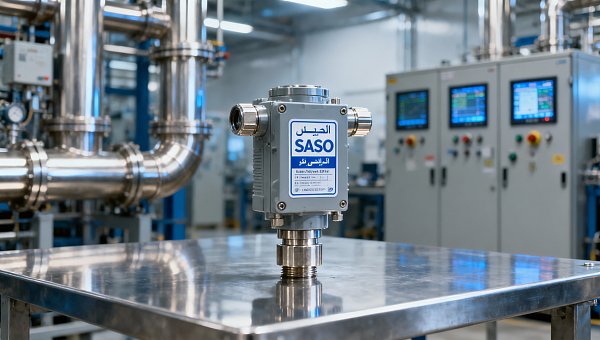
 SASO Cuts Energy Labeling Turnaround for Industrial Transmitters to 7 Working DaysSASO Energy Labeling now takes just 7 working days for industrial transmitters — faster market access, CNAS reports accepted. Act now!
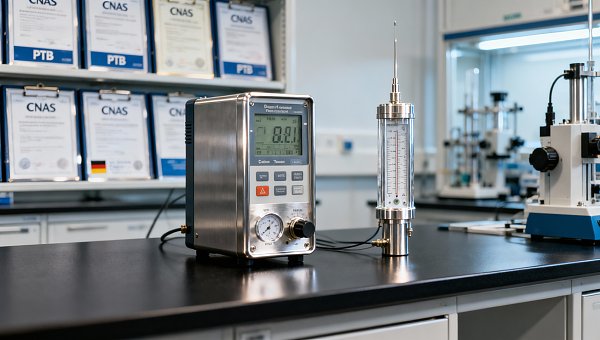
 PTB Launches CalCloud 2.0 with Direct CNAS Lab IntegrationCalCloud 2.0 now integrates directly with CNAS labs—enabling automated VDA 5 & ISO/IEC 17025 dual-compliant calibration reports for automotive and industrial exporters. Boost compliance efficiency today!
 ASEAN's Green Clearance Corridor for CNAS Calibration Reports LaunchesASEAN's Green Clearance Corridor now verifies CNAS calibration reports via blockchain—cut customs clearance to <48h for flow meters, analyzers & more. Act now!
 Vietnam Mandates CNAS Calibration Certificates & Vietnamese Manuals for Industrial Meters from June 1, 2026CNAS calibration certificates & Vietnamese manuals now mandatory for industrial meters entering Vietnam from June 1, 2026—avoid customs delays and ensure seamless market access.
 U.S. BIS Tightens Export Controls on High-Precision Laser InterferometersU.S. BIS tightens export controls on high-precision laser interferometers—critical for semiconductor metrology & ISO/IEC 17025 calibration. Act now to ensure compliance.
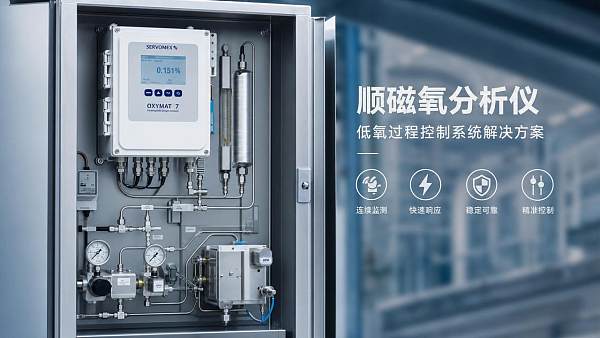
 Paramagnetic Monitor Calibration Tips for Stable OutputParamagnetic monitor calibration tips for stable output: learn how to reduce drift, improve accuracy, cut downtime, and keep oxygen measurement reliable in demanding industrial applications.
 Paramagnetic Measurement in Low-Oxygen Process ControlParamagnetic measurement enables accurate low-oxygen process control with fast response and stable oxygen analysis. Learn how it improves safety, consistency, and system performance.
 Laser Detector Import Risks and Certification DelaysLaser detector import risks can cause costly certification delays, customs issues, and testing setbacks. Learn how to avoid compliance failures before ordering.
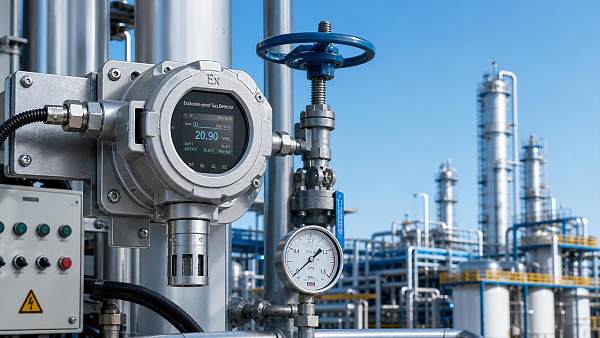
 Explosion Proof Detector Demand Under New Safety RulesExplosion proof detector demand is rising under new safety rules. Discover how to compare certified, reliable options that improve compliance, integration, and long-term site safety.
 Laboratory Detector Accuracy Standards You Should CheckLaboratory detector accuracy standards explained: check detection limits, repeatability, drift, and traceability to reduce risk, improve audit readiness, and choose with confidence.
 Custom Measurement Lead Times and Budget PlanningCustom measurement lead times and budgets explained for procurement teams. Learn key cost drivers, planning steps, and supplier tips to reduce delays and buy with confidence.
 Laser Measurement for Leak Detection: Common PitfallsLaser measurement for leak detection can fail due to setup, airflow, and data interpretation errors. Learn the common pitfalls and proven fixes for more accurate, reliable results.
 How to Evaluate a High Accuracy Detector in the FieldHigh accuracy detector evaluation starts with real field performance. Learn how to compare stability, response time, and reliability to choose the right detector with confidence.
 Electrochemical Monitor Lifespan and Replacement CostsElectrochemical monitor lifespan and replacement costs explained for buyers. Learn how sensor life, maintenance, and total ownership cost affect safer, smarter purchasing decisions.
 Thermal Analysis Market Direction in Process IndustriesThermal analysis market direction in process industries: discover trends, applications, and investment insights that improve quality control, reduce risk, and support smarter industrial decisions.
 Monitoring Shelter Design Priorities for Outdoor SitesMonitoring shelter design starts with protection, climate control, and power reliability. Discover how to choose the right outdoor solution for stable data, safer maintenance, and lower lifecycle risk.
 Fixed Measurement Planning for Multi-Point InstallationsFixed measurement planning is essential for multi-point installations. Learn how to improve accuracy, reliability, compliance, and maintenance efficiency across complex industrial systems.
 Fixed Analysis Systems for Stable Long-Term MonitoringFixed analysis systems enable stable long-term monitoring, reliable data, and better process control. Discover how they improve safety, compliance, and operational efficiency.
 Thermal Gas Applications Expanding in Clean IndustryThermal gas applications are reshaping clean industry with smarter flow measurement, emissions control, and energy optimization. Discover where they cut risk, boost efficiency, and support automation.
 Monitoring Detector Export Rules to Watch in 2026Monitoring detector export rules are changing fast in 2026. Learn the key compliance risks, supplier checks, and trade signals to protect margins and make smarter sourcing decisions.
 Control Detector Setup Mistakes That Affect ReliabilityControl detector setup mistakes can quietly reduce accuracy and uptime. Learn the most common installation, wiring, and calibration errors—and how to avoid them for reliable performance.
 What Defines a High Accuracy Monitor TodayHigh accuracy monitor selection starts with real-world performance. Learn the key accuracy factors, buyer checklist, and how to choose a reliable monitor for industrial control.
 Infrared Monitor Demand in Industrial Safety UpgradesInfrared monitor demand is rising as industrial safety upgrades accelerate. Discover where buyers need it most, how channel partners can sell smarter, and which applications drive long-term growth.
 Thermal Conductivity Monitor Limits in Mixed Gas StreamsThermal conductivity monitor limits in mixed gas streams explained—learn where accuracy drops, what buyers should compare, and how to choose the right analyzer with confidence.
 Laser Monitor vs Infrared Monitor for Fast DetectionLaser monitor vs infrared monitor for fast detection: discover which delivers better precision, response speed, and reliability for industrial monitoring and smarter sensor selection.
 Thermal Gas Analyzer Price Shifts Across Global MarketsThermal gas analyzer price shifts are reshaping global budgets. Learn what drives costs, regional differences, and how buyers can reduce risk and improve long-term value.
 Custom Analysis Options for Complex Gas ApplicationsCustom analysis helps solve complex gas applications with better accuracy, compliance, and reliability. Discover practical selection insights that reduce risk and improve system performance.

Search Categories
Search Categories
Latest Article
- FDA Updates IVD Import Guidance: CNAS Calibration Chain Required for China-Made DevicesFDA now requires CNAS calibration chain reports for China-made IVD analyzers—pH, ion & clinical chemistry devices entering via 510(k)/De Novo. Act now to avoid U.S. port rejections.Posted by:
- EN 61000-6-4:2026 Enters Force: Stricter EMC Requirements for Industrial Field InstrumentsEN 61000-6-4:2026 enforces stricter EMC requirements for industrial field instruments—key for AI edge controllers, sensors & exporters. Act now to ensure CE-EMC compliance by Nov 2026.Posted by:
- Global Methanol Electric Alliance Launches Cross-Border Energy Efficiency Recognition RoadmapGlobal Methanol Electric Alliance launches cross-border energy efficiency recognition roadmap—key for exporters, cal labs & methanol-instrument manufacturers.Posted by:
Please give us a message
