
When a C2H4O concentration analyzer needs faster response time


When a C2H4O concentration analyzer needs faster response time, every second can affect process stability, product quality, and safety compliance. For users comparing a C2H4O concentration analyzer with solutions such as a C3H6O concentration analyzer or CH3OH concentration analyzer, understanding what drives speed, accuracy, and system reliability is essential before selecting or upgrading equipment.
Why faster response time matters in real industrial measurement
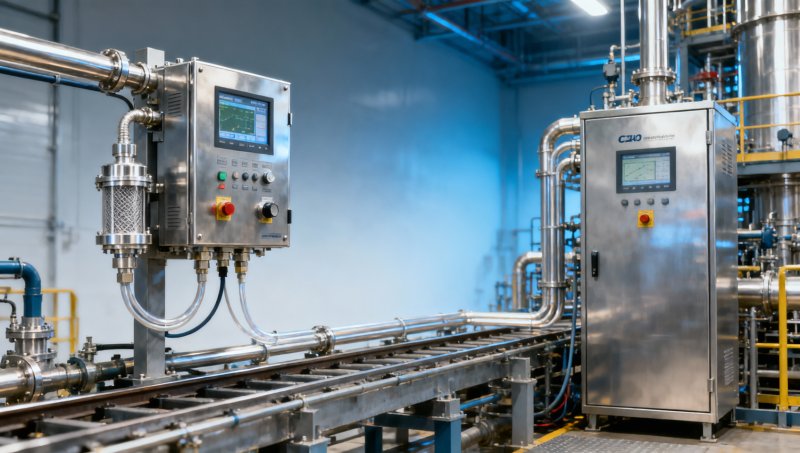
In the instrumentation industry, analyzer speed is not just a specification on a datasheet. It directly affects how quickly an operator, quality team, or automation system can react to concentration changes in a process stream. In applications involving volatile compounds such as C2H4O, a delayed reading can mean off-spec output, unstable control loops, or increased safety exposure within seconds to minutes.
A faster C2H4O concentration analyzer is usually required in 3 common situations: rapid process fluctuations, batch transitions, and safety-critical monitoring. In a continuous production line, even a 10–30 second lag may be acceptable for trend observation but inadequate for closed-loop control. In contrast, purge validation, leak monitoring, and startup stabilization often require a response profile that is meaningfully shorter and more repeatable.
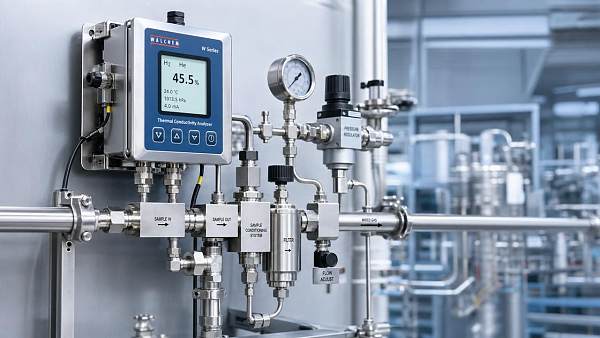
For technical evaluators, the key issue is that response time is influenced by more than the sensing element. Sampling line length, dead volume, filter loading, pump performance, temperature management, and signal processing all contribute. That is why two analyzers using similar detection principles may show very different field behavior after installation.
For business decision-makers and finance approvers, faster response should also be evaluated as a cost-control factor. A system that reduces lag during changeovers can lower raw material waste, shorten stabilization windows by several minutes per cycle, and reduce manual intervention. Over a quarter or a year, that can matter more than the initial equipment price difference.
Who typically needs a fast-response analyzer first?
- Operators who must make immediate process adjustments during feed variation, temperature drift, or solvent switching.
- Quality and safety teams that require rapid alarm confirmation rather than delayed trend data.
- Project managers selecting instrumentation for automated control systems with short feedback cycles.
- Distributors and integrators who need to match analyzer speed with different customer processes instead of selling a one-size-fits-all package.
What actually determines response time in a C2H4O concentration analyzer?
Many buyers ask for a fast C2H4O concentration analyzer but do not define whether they mean T90 response, first indication time, complete recovery time, or control-ready signal stability. In practical engineering, these are different things. A system may show an initial reading in a few seconds while still needing 20–60 seconds to reach a stable value suitable for process decisions.
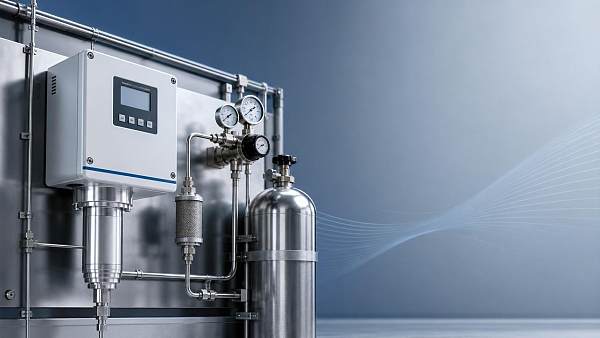
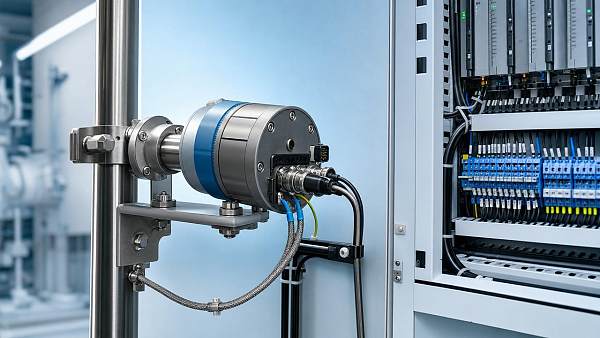
The first driver is the sampling path. A longer line, larger internal volume, or unnecessary conditioning stage can slow the arrival of the gas sample. In many plants, reducing tubing length, minimizing bends, and selecting proper internal diameter can improve response more effectively than changing the sensor itself. Heated lines may also be necessary if condensation or adsorption affects sample transport.
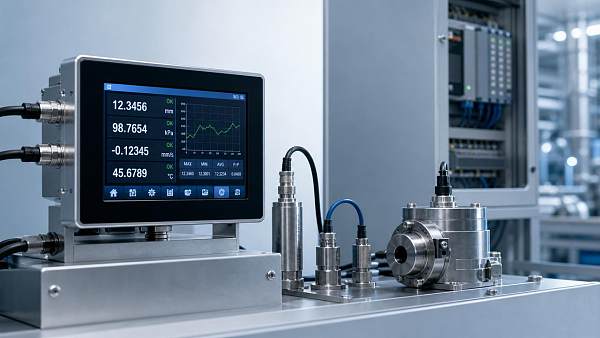
The second driver is the detection and signal treatment architecture. Optical, electrochemical, catalytic, or spectroscopic methods behave differently under concentration swings. Some methods prioritize sensitivity and selectivity, while others prioritize speed. Digital filtering, averaging windows, and noise suppression settings can also improve readability while adding delay. This trade-off should be reviewed during technical evaluation rather than after commissioning.
The third driver is process compatibility. Dust, moisture, corrosive compounds, and pressure variation can extend analyzer stabilization time. A system that performs well in a controlled laboratory may react more slowly in an industrial skid if the sample conditioning package is not designed correctly. In general, response optimization should be treated as a system-level engineering task involving at least 4 elements: probe, transport, conditioning, and analyzer core.
Key factors to review during specification
The table below helps procurement teams and engineers separate “fast sensor” claims from “fast system” performance. This is especially useful when comparing a C2H4O concentration analyzer with a C3H6O concentration analyzer or CH3OH concentration analyzer in similar process environments.
This comparison shows why procurement should ask for field response definition, not only laboratory response claims. A technically sound proposal usually includes the measurement range, target T90 or equivalent response indicator, sampling conditions, and expected maintenance interval under realistic plant conditions.
A practical specification checklist
- Define whether the analyzer is used for trending, alarm, or closed-loop control.
- Confirm the required response stage: first signal, T90, or stable control output.
- Review process pressure, temperature, moisture, and contamination level before choosing the sampling package.
- Match maintenance workload to plant capability, especially if site staff can only service the analyzer every 1–3 months.
How does a C2H4O concentration analyzer compare with C3H6O and CH3OH analyzer options?
Users comparing a C2H4O concentration analyzer with a C3H6O concentration analyzer or CH3OH concentration analyzer are often not choosing between interchangeable devices. They are evaluating how different compounds, process conditions, and selectivity requirements affect the analyzer design. Similar-looking projects can require different response strategies because gas properties, interference risks, and concentration ranges are different.
In some applications, a C2H4O concentration analyzer is used where rapid concentration excursions must be detected early. In others, a CH3OH concentration analyzer may need stronger moisture management, while a C3H6O concentration analyzer may face different cross-sensitivity or material compatibility concerns. The right decision depends on target compound behavior, process architecture, and whether the analyzer is supporting quality assurance, safety monitoring, or automated control.
This is why technical teams should compare analyzers by engineering fit, not by label. A lower-cost option can become expensive if it introduces false alarms, frequent calibration, or delayed control action. For distributors and project contractors, this comparison is also important because end users increasingly expect a proposal that explains lifecycle value over 12–36 months, not only purchase price.
The table below provides a neutral comparison framework. It does not assume one compound is always harder to measure than another. Instead, it shows what should be reviewed before selecting a fast-response concentration analyzer for real industrial deployment.
For most B2B buyers, the strongest approach is to request a process-based comparison. Ask suppliers to explain how each analyzer behaves under your actual flow rate, pressure variation, ambient temperature range, and expected maintenance frequency. That avoids costly assumptions during FAT, SAT, or commissioning.
When comparison usually changes the final choice
- When the process includes multiple organic compounds and selectivity becomes as important as speed.
- When plant layout forces a sampling distance that could compromise a 15–30 second response target.
- When safety compliance requires a clear alarm philosophy and reliable recovery after a concentration spike.
- When the finance team wants proof that lifecycle cost is lower despite a higher initial configuration price.
What should buyers check before selecting or upgrading the analyzer?
A successful procurement decision usually balances 5 dimensions: process fit, response speed, accuracy stability, serviceability, and integration effort. Buyers often overemphasize nominal accuracy while underestimating installation losses. In real projects, a well-configured analyzer with suitable sampling and maintenance planning often outperforms a theoretically better instrument installed without system discipline.
For project managers, the upgrade path also matters. If an existing C2H4O concentration analyzer is too slow, the root cause may be solved in 2 ways: optimize the sample system or replace the analyzer package. The first option may reduce downtime and capital expenditure. The second may be necessary if the measurement principle cannot meet the target response under current process conditions.
For quality and safety teams, calibration and verification planning should be included from the start. A faster response is only useful if the signal remains credible over time. Depending on process criticality, verification may be scheduled weekly, monthly, or per batch campaign. Plants with heavy contamination risk should also check spare parts availability and routine service access.
For distributors and channel partners, specification clarity improves quotation quality and reduces post-sale disputes. It is wise to define the gas matrix, measurement range, expected alarm threshold, environmental conditions, communication protocol, and site utility conditions before issuing a final commercial proposal.
Procurement evaluation table
The table below can be used by technical and commercial teams as a shortlisting tool during RFQ or internal approval. It links performance priorities with practical buying decisions.
This type of structured review helps technical teams avoid a common mistake: approving a fast analyzer but an oversized, slow sample handling assembly. It also gives finance reviewers clearer grounds for comparing total cost over the expected service period.
A 4-step upgrade decision path
- Measure current field response and identify where delay occurs: probe, transport, conditioning, or detector.
- Compare optimization cost versus replacement cost over a 12–24 month operating horizon.
- Confirm compliance, integration, and maintenance capability before final selection.
- Plan commissioning with acceptance criteria tied to actual process conditions, not only workshop simulation.
Common misconceptions, implementation risks, and FAQ
Even experienced teams can misjudge analyzer speed requirements. One common misconception is that faster always means better. In reality, the best choice is the fastest response that remains stable, maintainable, and suitable for the process. An over-optimized system can become noisy, fragile, or expensive to maintain if protection and operating discipline are ignored.
Another risk is assuming that a laboratory demonstration will match plant performance. Industrial environments introduce vibration, contamination, moisture, ambient changes, and utility variation. That is why implementation planning should include factory acceptance review, site acceptance criteria, and a stabilization period after startup, often ranging from several hours to a few operating shifts depending on the process.
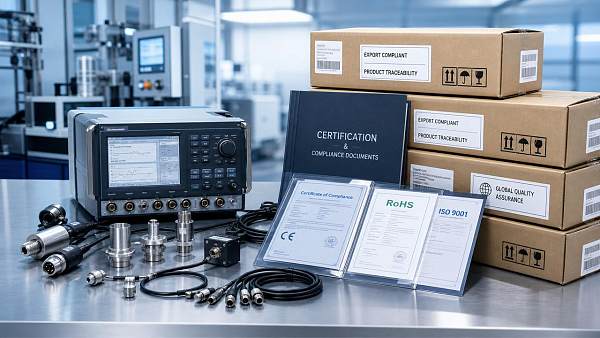
For broader instrumentation projects, compliance and documentation should also be part of the discussion. Depending on site requirements, buyers may need material compatibility review, electrical documentation, calibration records, installation instructions, and communication mapping for automation systems. These details are especially important in regulated or safety-sensitive operations.
The following FAQ section is designed for information researchers, operators, technical evaluators, and commercial teams who need concise decision support before requesting quotation or engineering discussion.
How fast should a C2H4O concentration analyzer be?
It depends on the application. For simple trending, a slower stable response may be acceptable. For alarm confirmation or control action, users often target a shorter response window such as tens of seconds rather than minutes. The right requirement should be linked to process risk, operator action time, and control loop dynamics.
Can a slow analyzer be improved without full replacement?
Yes, in many cases. Reducing sample line volume, improving pump or flow design, replacing loaded filters, adjusting software averaging, or redesigning the conditioning path can improve effective response. A site review should be the first step before approving a full capital replacement.
What is the biggest mistake during procurement?
The biggest mistake is buying by headline specification only. A fast stated sensor response does not guarantee a fast installed system. Buyers should request a complete proposal covering sample handling, environmental suitability, calibration approach, maintenance needs, and communication integration.
How long does implementation usually take?
The timeline depends on scope. A minor retrofit may require only a short shutdown window and a limited commissioning period. A full analyzer package with redesigned conditioning and control integration may take several stages, including engineering review, fabrication, installation, and on-site tuning over 2–4 weeks or longer depending on project complexity.
Why work with us when response time, selection accuracy, and project execution all matter?
In instrumentation projects, selecting a C2H4O concentration analyzer is rarely just about buying a device. It is about aligning measurement performance with process control, safety expectations, maintenance resources, and investment logic. Our approach supports that full decision chain, from parameter confirmation to proposal clarification and implementation planning.
We help customers across industrial manufacturing, energy and power, environmental monitoring, laboratory analysis, construction engineering, and automation control evaluate the analyzer as part of a working measurement system. That includes response-time assessment, sampling path review, integration advice, and comparison with alternatives such as a C3H6O concentration analyzer or CH3OH concentration analyzer when application conditions demand it.
If you are preparing a new project or upgrading an existing analyzer, you can contact us to discuss 6 practical topics: measurement range, target response time, sample conditions, installation constraints, compliance documentation, and expected delivery schedule. We can also support quotation comparison, configuration review, and custom solution discussion based on your operating scenario.
For faster communication, send your current process description, gas composition, temperature and pressure range, preferred outputs, and any required certification or documentation. That allows a more accurate recommendation on product selection, retrofit feasibility, lead time planning, spare strategy, and budget alignment before final approval.
Recommended for You
 FDA Updates IVD Import Guidance: CNAS Calibration Chain Required for China-Made DevicesFDA now requires CNAS calibration chain reports for China-made IVD analyzers—pH, ion & clinical chemistry devices entering via 510(k)/De Novo. Act now to avoid U.S. port rejections.
 EN 61000-6-4:2026 Enters Force: Stricter EMC Requirements for Industrial Field InstrumentsEN 61000-6-4:2026 enforces stricter EMC requirements for industrial field instruments—key for AI edge controllers, sensors & exporters. Act now to ensure CE-EMC compliance by Nov 2026.
 Global Methanol Electric Alliance Launches Cross-Border Energy Efficiency Recognition RoadmapGlobal Methanol Electric Alliance launches cross-border energy efficiency recognition roadmap—key for exporters, cal labs & methanol-instrument manufacturers.
 Red Sea Crisis Escalates: Air Freight Premiums for China–Middle East Industrial Instruments Hit 390%Red Sea Crisis hits industrial instruments: China–Middle East air freight premiums surge 390%. Act now to secure Q3 capacity, avoid delays & optimize LCL alternatives.
 IEC TC65 Mandates Cybersecurity Certification for Industrial Field Instruments from 2027IEC TC65 mandates cybersecurity certification for industrial field instruments by 2027 — pressure, flow & analytical devices must meet IEC 62443-4-2:2026 and display SL1–SL3 labels. Act now to ensure market access.
 SASO Cuts Energy Labeling Turnaround for Industrial Transmitters to 7 Working DaysSASO Energy Labeling now takes just 7 working days for industrial transmitters — faster market access, CNAS reports accepted. Act now!
 PTB Launches CalCloud 2.0 with Direct CNAS Lab IntegrationCalCloud 2.0 now integrates directly with CNAS labs—enabling automated VDA 5 & ISO/IEC 17025 dual-compliant calibration reports for automotive and industrial exporters. Boost compliance efficiency today!
 ASEAN's Green Clearance Corridor for CNAS Calibration Reports LaunchesASEAN's Green Clearance Corridor now verifies CNAS calibration reports via blockchain—cut customs clearance to <48h for flow meters, analyzers & more. Act now!
 Vietnam Mandates CNAS Calibration Certificates & Vietnamese Manuals for Industrial Meters from June 1, 2026CNAS calibration certificates & Vietnamese manuals now mandatory for industrial meters entering Vietnam from June 1, 2026—avoid customs delays and ensure seamless market access.
 U.S. BIS Tightens Export Controls on High-Precision Laser InterferometersU.S. BIS tightens export controls on high-precision laser interferometers—critical for semiconductor metrology & ISO/IEC 17025 calibration. Act now to ensure compliance.
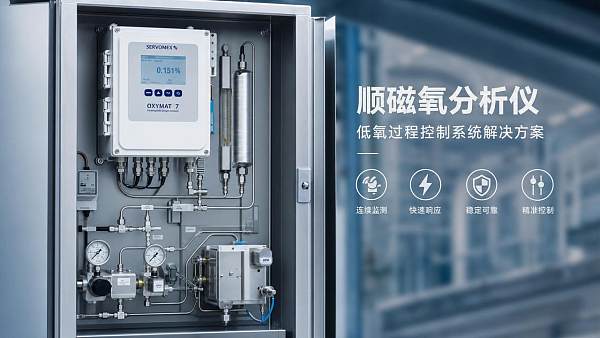
 Paramagnetic Monitor Calibration Tips for Stable OutputParamagnetic monitor calibration tips for stable output: learn how to reduce drift, improve accuracy, cut downtime, and keep oxygen measurement reliable in demanding industrial applications.
 Paramagnetic Measurement in Low-Oxygen Process ControlParamagnetic measurement enables accurate low-oxygen process control with fast response and stable oxygen analysis. Learn how it improves safety, consistency, and system performance.
 Laser Detector Import Risks and Certification DelaysLaser detector import risks can cause costly certification delays, customs issues, and testing setbacks. Learn how to avoid compliance failures before ordering.
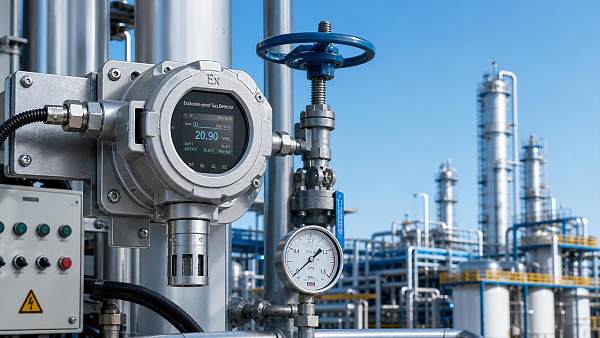
 Explosion Proof Detector Demand Under New Safety RulesExplosion proof detector demand is rising under new safety rules. Discover how to compare certified, reliable options that improve compliance, integration, and long-term site safety.
 Laboratory Detector Accuracy Standards You Should CheckLaboratory detector accuracy standards explained: check detection limits, repeatability, drift, and traceability to reduce risk, improve audit readiness, and choose with confidence.
 Custom Measurement Lead Times and Budget PlanningCustom measurement lead times and budgets explained for procurement teams. Learn key cost drivers, planning steps, and supplier tips to reduce delays and buy with confidence.
 Laser Measurement for Leak Detection: Common PitfallsLaser measurement for leak detection can fail due to setup, airflow, and data interpretation errors. Learn the common pitfalls and proven fixes for more accurate, reliable results.
 How to Evaluate a High Accuracy Detector in the FieldHigh accuracy detector evaluation starts with real field performance. Learn how to compare stability, response time, and reliability to choose the right detector with confidence.
 Electrochemical Monitor Lifespan and Replacement CostsElectrochemical monitor lifespan and replacement costs explained for buyers. Learn how sensor life, maintenance, and total ownership cost affect safer, smarter purchasing decisions.
 Thermal Analysis Market Direction in Process IndustriesThermal analysis market direction in process industries: discover trends, applications, and investment insights that improve quality control, reduce risk, and support smarter industrial decisions.
 Monitoring Shelter Design Priorities for Outdoor SitesMonitoring shelter design starts with protection, climate control, and power reliability. Discover how to choose the right outdoor solution for stable data, safer maintenance, and lower lifecycle risk.
 Fixed Measurement Planning for Multi-Point InstallationsFixed measurement planning is essential for multi-point installations. Learn how to improve accuracy, reliability, compliance, and maintenance efficiency across complex industrial systems.
 Fixed Analysis Systems for Stable Long-Term MonitoringFixed analysis systems enable stable long-term monitoring, reliable data, and better process control. Discover how they improve safety, compliance, and operational efficiency.
 Thermal Gas Applications Expanding in Clean IndustryThermal gas applications are reshaping clean industry with smarter flow measurement, emissions control, and energy optimization. Discover where they cut risk, boost efficiency, and support automation.
 Monitoring Detector Export Rules to Watch in 2026Monitoring detector export rules are changing fast in 2026. Learn the key compliance risks, supplier checks, and trade signals to protect margins and make smarter sourcing decisions.
 Control Detector Setup Mistakes That Affect ReliabilityControl detector setup mistakes can quietly reduce accuracy and uptime. Learn the most common installation, wiring, and calibration errors—and how to avoid them for reliable performance.
 What Defines a High Accuracy Monitor TodayHigh accuracy monitor selection starts with real-world performance. Learn the key accuracy factors, buyer checklist, and how to choose a reliable monitor for industrial control.
 Infrared Monitor Demand in Industrial Safety UpgradesInfrared monitor demand is rising as industrial safety upgrades accelerate. Discover where buyers need it most, how channel partners can sell smarter, and which applications drive long-term growth.
 Thermal Conductivity Monitor Limits in Mixed Gas StreamsThermal conductivity monitor limits in mixed gas streams explained—learn where accuracy drops, what buyers should compare, and how to choose the right analyzer with confidence.
 Laser Monitor vs Infrared Monitor for Fast DetectionLaser monitor vs infrared monitor for fast detection: discover which delivers better precision, response speed, and reliability for industrial monitoring and smarter sensor selection.
 Thermal Gas Analyzer Price Shifts Across Global MarketsThermal gas analyzer price shifts are reshaping global budgets. Learn what drives costs, regional differences, and how buyers can reduce risk and improve long-term value.
 Custom Analysis Options for Complex Gas ApplicationsCustom analysis helps solve complex gas applications with better accuracy, compliance, and reliability. Discover practical selection insights that reduce risk and improve system performance.

Search Categories
Search Categories
Latest Article
- FDA Updates IVD Import Guidance: CNAS Calibration Chain Required for China-Made DevicesFDA now requires CNAS calibration chain reports for China-made IVD analyzers—pH, ion & clinical chemistry devices entering via 510(k)/De Novo. Act now to avoid U.S. port rejections.Posted by:
- EN 61000-6-4:2026 Enters Force: Stricter EMC Requirements for Industrial Field InstrumentsEN 61000-6-4:2026 enforces stricter EMC requirements for industrial field instruments—key for AI edge controllers, sensors & exporters. Act now to ensure CE-EMC compliance by Nov 2026.Posted by:
- Global Methanol Electric Alliance Launches Cross-Border Energy Efficiency Recognition RoadmapGlobal Methanol Electric Alliance launches cross-border energy efficiency recognition roadmap—key for exporters, cal labs & methanol-instrument manufacturers.Posted by:
Please give us a message
