
Corrosive Gas Analyzer Materials: Which Last Longer


In corrosive gas analyzer applications, material choice directly affects service life, accuracy, and maintenance cost. Whether you are comparing a low range analyzer, high temperature analyzer, toxic gas analyzer, air quality analyzer, or industrial process analyzer, understanding which metals, coatings, and sensor housings resist harsh media best is essential. This guide helps buyers, engineers, and safety teams evaluate longer-lasting options with confidence.
For most buyers and technical evaluators, the short answer is this: no single material lasts longest in every corrosive gas analyzer. The best choice depends on the gas chemistry, moisture level, temperature, pressure, cleaning routine, and whether the analyzer runs continuously or intermittently. In many harsh applications, high-grade stainless steel, Hastelloy, PTFE-lined flow paths, ceramic components, and sapphire or quartz optical parts tend to outlast lower-cost metals, elastomers, and general-purpose plastics. But durability is not just about the “strongest” material. It is about matching the material to the exact corrosive environment so the analyzer stays accurate, safe, and economical over time.
This is why engineers, operators, purchasing teams, and decision-makers should evaluate material life in terms of total operating value: resistance to corrosion, stability of readings, maintenance frequency, spare parts cost, downtime risk, and safety compliance. A cheaper analyzer body can become the most expensive option if corrosion causes sensor drift, leaks, false alarms, or repeated shutdowns.
Which analyzer materials usually last longer in corrosive gas service?
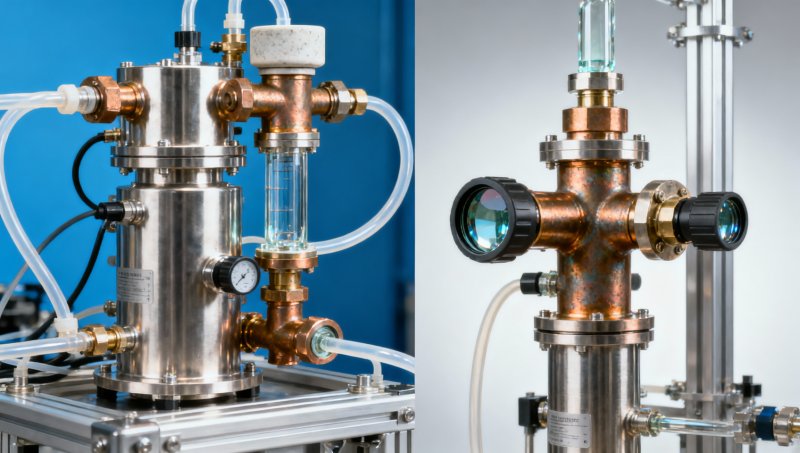
The longest-lasting materials are usually those that resist both the target gas and the real process conditions around it. In practice, that often means looking beyond the sensor element alone and reviewing the full wetted path: sampling probe, tubing, valves, seals, cell body, filters, and internal chambers.
Here is a practical durability ranking by common material category:
- Hastelloy and other high-performance nickel alloys: Often excellent for highly corrosive industrial gas streams, especially where chlorides, acids, or aggressive mixed gases are involved.
- 316L stainless steel: A strong all-around option for many industrial process analyzer applications, though not ideal for every acidic or chloride-rich condition.
- PTFE, PFA, and other fluoropolymers: Highly resistant to many corrosive gases and condensates, especially useful in tubing, liners, seals, and sample handling components.
- Ceramics: Very durable in high temperature analyzer designs and aggressive environments where metal corrosion or thermal stress is a concern.
- Quartz and sapphire: Frequently preferred in optical gas analyzer systems because they maintain clarity and chemical resistance better than ordinary glass.
- Titanium: Useful in some corrosive environments, but application-specific. It performs very well in certain media and poorly in others.
- Standard aluminum, brass, carbon steel, and low-grade elastomers: Usually the first to fail in corrosive gas service unless isolated from exposure.
For long service life, the most reliable designs often combine multiple materials. For example, an industrial process analyzer may use a corrosion-resistant alloy body, PTFE-lined sample path, ceramic insulation, and optical windows made from sapphire. This layered approach is usually more durable than relying on one base metal for everything.
What matters more than the material name: the actual gas conditions
Many premature failures happen because buyers compare material labels without evaluating the operating environment. Corrosive gas analyzer life depends on factors such as:
- Gas composition: H2S, SO2, HCl, Cl2, NH3, NOx, and mixed acid gases attack materials differently.
- Moisture and condensation: Dry gas may be manageable, while wet gas forms acids that rapidly corrode metal surfaces.
- Temperature: High temperature accelerates many corrosion mechanisms and can degrade seals and plastics.
- Pressure and flow velocity: Erosion-corrosion can shorten life in fast-moving or particulate-laden streams.
- Cleaning agents and calibration gases: Maintenance chemicals may damage materials that otherwise tolerate the process gas.
- Continuous vs. intermittent exposure: Cycling, purging, and thermal changes can stress joints, coatings, and housings.
For example, a toxic gas analyzer used in a dry laboratory environment may perform well with 316L stainless steel and fluoropolymer seals for years. The same materials in a wet, hot flue gas line with chloride contamination may fail much faster. Likewise, an air quality analyzer used outdoors faces UV exposure, temperature swings, and particulate contamination, which can age housings and seals even if corrosion is less severe than in a process plant.
How different analyzer types affect material life
Different analyzer categories place different stress on materials, so the “best” material varies by use case.
Low range analyzer: In low-level measurement, material stability is critical because adsorption, outgassing, or micro-corrosion can distort trace readings. In these systems, inert sample-contact materials such as electropolished stainless steel, PTFE, PFA, quartz, or glass-lined parts may be preferred.
High temperature analyzer: Thermal resistance becomes just as important as chemical resistance. Ceramics, high-nickel alloys, and specialized high-temperature seals often last longer than standard metals and elastomers.
Toxic gas analyzer: Safety and leak integrity are major concerns. Materials must not only resist corrosion but also maintain sealing performance and structural reliability over time.
Air quality analyzer: Outdoor exposure, humidity, UV, and pollution deposition all matter. Corrosion-resistant external housings and stable internal sample paths help reduce drift and service calls.
Industrial process analyzer: This is often the harshest environment, especially in chemical processing, power generation, wastewater treatment, and emissions monitoring. The material choice here should be driven by process-specific corrosion data, not generic catalog descriptions.
Which parts fail first in corrosive gas analyzers?
When analyzers fail early, the problem is often not the main enclosure. It is usually one of the smaller wetted components. Teams evaluating service life should inspect these parts closely:
- Seals and O-rings: Low-cost elastomers often harden, swell, crack, or lose sealing ability.
- Tubing and fittings: Poor material compatibility leads to pitting, leakage, contamination, or permeation.
- Filters and sample conditioning components: These may trap corrosive condensate and fail before the analyzer core.
- Sensor housings and membranes: Corrosion or chemical attack can shorten sensor life and increase drift.
- Valves and regulators: Moving parts are especially vulnerable if corrosive gas combines with moisture or particulates.
- Optical windows and cells: Surface clouding, etching, or deposits reduce measurement performance.
For procurement and project teams, this means vendor evaluation should include a full bill of wetted materials, not just the analyzer body material. A premium corrosion-resistant shell does not guarantee long life if the internal seals or fittings are ordinary-grade components.
How to compare longer-lasting options without overpaying
Longer-lasting materials usually cost more upfront, but the better question is whether they reduce total lifecycle cost. This matters to both technical users and financial approvers.
Use this decision framework:
- Define the true gas environment: Include contaminants, humidity, upset conditions, startup/shutdown cycles, and cleaning chemicals.
- Request complete wetted material details: Ask suppliers for materials of tubing, fittings, valve seats, seals, sensor chamber, and sample cell.
- Check corrosion compatibility by condition, not by material alone: Temperature and condensate often change the answer.
- Estimate maintenance burden: Compare calibration drift, expected replacement intervals, and labor hours.
- Calculate downtime risk: In critical processes, one failure may cost far more than the material upgrade.
- Review field references: Look for use cases in similar gas streams, not just general industrial claims.
In many plants, paying more for Hastelloy, fluoropolymer-lined sampling components, or ceramic high-temperature parts is justified if it prevents shutdowns, quality failures, environmental noncompliance, or frequent service intervention. For less aggressive conditions, however, 316L stainless steel with properly selected seals may provide the best balance of cost and durability.
Questions buyers should ask vendors before selecting a corrosive gas analyzer
To avoid expensive mistakes, buyers should ask precise, application-based questions:
- What are all wetted materials from probe to sensor?
- Which parts are most likely to wear in my gas stream?
- How does moisture or condensate affect material life?
- What is the expected service interval in similar applications?
- Are there optional upgrades for corrosive or high temperature conditions?
- Can the supplier provide compatibility data for my target gases and contaminants?
- What spare parts are typically replaced in the first 12 to 24 months?
- How does material selection affect analyzer accuracy and drift over time?
These questions help all stakeholders. Operators get more reliable equipment, technical evaluators get clearer comparison criteria, project managers reduce commissioning risk, safety teams improve containment confidence, and financial approvers gain a stronger basis for ROI decisions.
Final verdict: which materials last longer?
If the application is genuinely corrosive, longer-lasting analyzer materials are usually high-performance alloys, fluoropolymers, ceramics, and chemically stable optical materials such as quartz or sapphire. But the real winner is not a single material class. It is the design that best matches the gas chemistry, temperature, moisture, and maintenance reality of the site.
For many corrosive gas analyzer projects, the smartest decision is to avoid choosing by purchase price alone. A well-matched material set can extend analyzer life, preserve accuracy, reduce unplanned maintenance, and lower total ownership cost. If you are comparing a low range analyzer, high temperature analyzer, toxic gas analyzer, air quality analyzer, or industrial process analyzer, focus on the full wetted path, the real operating conditions, and the cost of failure. That is how you identify which materials will actually last longer in practice.
Recommended for You
 FDA Updates IVD Import Guidance: CNAS Calibration Chain Required for China-Made DevicesFDA now requires CNAS calibration chain reports for China-made IVD analyzers—pH, ion & clinical chemistry devices entering via 510(k)/De Novo. Act now to avoid U.S. port rejections.
 EN 61000-6-4:2026 Enters Force: Stricter EMC Requirements for Industrial Field InstrumentsEN 61000-6-4:2026 enforces stricter EMC requirements for industrial field instruments—key for AI edge controllers, sensors & exporters. Act now to ensure CE-EMC compliance by Nov 2026.
 Global Methanol Electric Alliance Launches Cross-Border Energy Efficiency Recognition RoadmapGlobal Methanol Electric Alliance launches cross-border energy efficiency recognition roadmap—key for exporters, cal labs & methanol-instrument manufacturers.
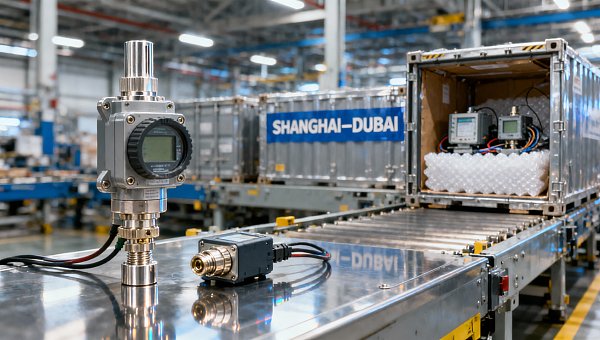
 Red Sea Crisis Escalates: Air Freight Premiums for China–Middle East Industrial Instruments Hit 390%Red Sea Crisis hits industrial instruments: China–Middle East air freight premiums surge 390%. Act now to secure Q3 capacity, avoid delays & optimize LCL alternatives.
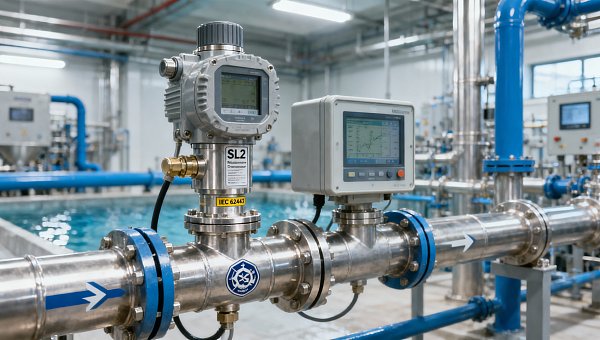
 IEC TC65 Mandates Cybersecurity Certification for Industrial Field Instruments from 2027IEC TC65 mandates cybersecurity certification for industrial field instruments by 2027 — pressure, flow & analytical devices must meet IEC 62443-4-2:2026 and display SL1–SL3 labels. Act now to ensure market access.
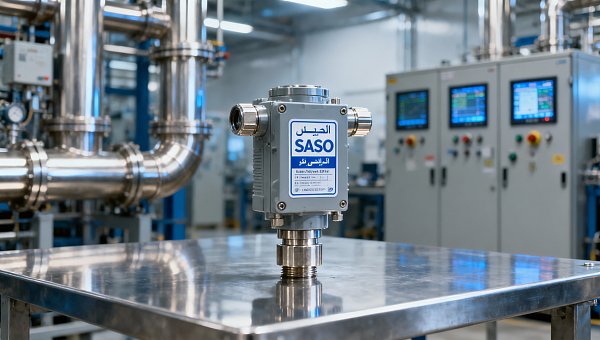
 SASO Cuts Energy Labeling Turnaround for Industrial Transmitters to 7 Working DaysSASO Energy Labeling now takes just 7 working days for industrial transmitters — faster market access, CNAS reports accepted. Act now!
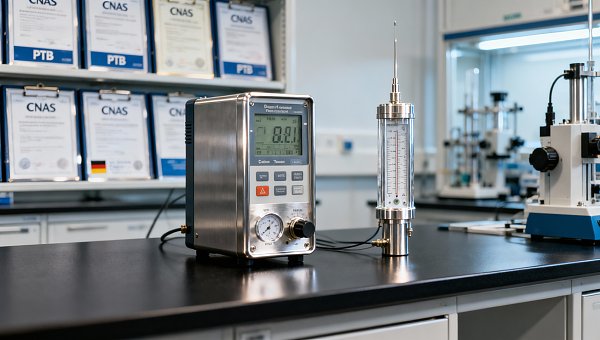
 PTB Launches CalCloud 2.0 with Direct CNAS Lab IntegrationCalCloud 2.0 now integrates directly with CNAS labs—enabling automated VDA 5 & ISO/IEC 17025 dual-compliant calibration reports for automotive and industrial exporters. Boost compliance efficiency today!
 ASEAN's Green Clearance Corridor for CNAS Calibration Reports LaunchesASEAN's Green Clearance Corridor now verifies CNAS calibration reports via blockchain—cut customs clearance to <48h for flow meters, analyzers & more. Act now!
 Vietnam Mandates CNAS Calibration Certificates & Vietnamese Manuals for Industrial Meters from June 1, 2026CNAS calibration certificates & Vietnamese manuals now mandatory for industrial meters entering Vietnam from June 1, 2026—avoid customs delays and ensure seamless market access.
 U.S. BIS Tightens Export Controls on High-Precision Laser InterferometersU.S. BIS tightens export controls on high-precision laser interferometers—critical for semiconductor metrology & ISO/IEC 17025 calibration. Act now to ensure compliance.
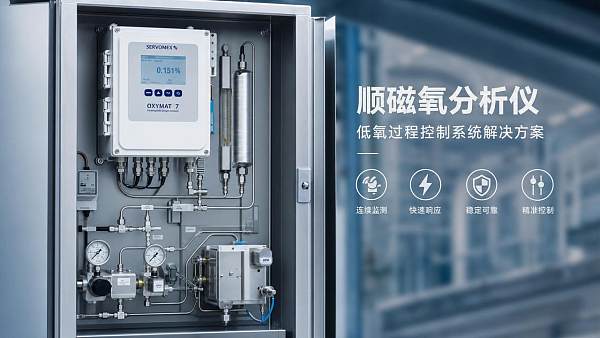
 Paramagnetic Monitor Calibration Tips for Stable OutputParamagnetic monitor calibration tips for stable output: learn how to reduce drift, improve accuracy, cut downtime, and keep oxygen measurement reliable in demanding industrial applications.
 Paramagnetic Measurement in Low-Oxygen Process ControlParamagnetic measurement enables accurate low-oxygen process control with fast response and stable oxygen analysis. Learn how it improves safety, consistency, and system performance.
 Laser Detector Import Risks and Certification DelaysLaser detector import risks can cause costly certification delays, customs issues, and testing setbacks. Learn how to avoid compliance failures before ordering.
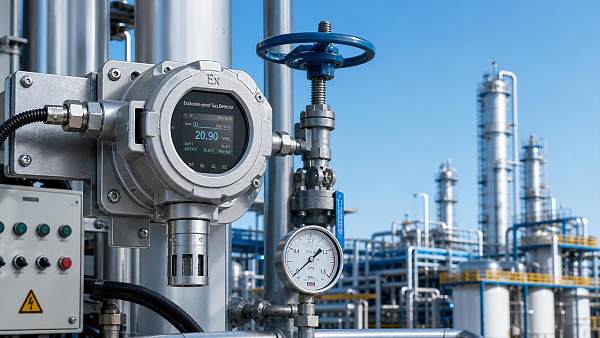
 Explosion Proof Detector Demand Under New Safety RulesExplosion proof detector demand is rising under new safety rules. Discover how to compare certified, reliable options that improve compliance, integration, and long-term site safety.
 Laboratory Detector Accuracy Standards You Should CheckLaboratory detector accuracy standards explained: check detection limits, repeatability, drift, and traceability to reduce risk, improve audit readiness, and choose with confidence.
 Custom Measurement Lead Times and Budget PlanningCustom measurement lead times and budgets explained for procurement teams. Learn key cost drivers, planning steps, and supplier tips to reduce delays and buy with confidence.
 Laser Measurement for Leak Detection: Common PitfallsLaser measurement for leak detection can fail due to setup, airflow, and data interpretation errors. Learn the common pitfalls and proven fixes for more accurate, reliable results.
 How to Evaluate a High Accuracy Detector in the FieldHigh accuracy detector evaluation starts with real field performance. Learn how to compare stability, response time, and reliability to choose the right detector with confidence.
 Electrochemical Monitor Lifespan and Replacement CostsElectrochemical monitor lifespan and replacement costs explained for buyers. Learn how sensor life, maintenance, and total ownership cost affect safer, smarter purchasing decisions.
 Thermal Analysis Market Direction in Process IndustriesThermal analysis market direction in process industries: discover trends, applications, and investment insights that improve quality control, reduce risk, and support smarter industrial decisions.
 Monitoring Shelter Design Priorities for Outdoor SitesMonitoring shelter design starts with protection, climate control, and power reliability. Discover how to choose the right outdoor solution for stable data, safer maintenance, and lower lifecycle risk.
 Fixed Measurement Planning for Multi-Point InstallationsFixed measurement planning is essential for multi-point installations. Learn how to improve accuracy, reliability, compliance, and maintenance efficiency across complex industrial systems.
 Fixed Analysis Systems for Stable Long-Term MonitoringFixed analysis systems enable stable long-term monitoring, reliable data, and better process control. Discover how they improve safety, compliance, and operational efficiency.
 Thermal Gas Applications Expanding in Clean IndustryThermal gas applications are reshaping clean industry with smarter flow measurement, emissions control, and energy optimization. Discover where they cut risk, boost efficiency, and support automation.
 Monitoring Detector Export Rules to Watch in 2026Monitoring detector export rules are changing fast in 2026. Learn the key compliance risks, supplier checks, and trade signals to protect margins and make smarter sourcing decisions.
 Control Detector Setup Mistakes That Affect ReliabilityControl detector setup mistakes can quietly reduce accuracy and uptime. Learn the most common installation, wiring, and calibration errors—and how to avoid them for reliable performance.
 What Defines a High Accuracy Monitor TodayHigh accuracy monitor selection starts with real-world performance. Learn the key accuracy factors, buyer checklist, and how to choose a reliable monitor for industrial control.
 Infrared Monitor Demand in Industrial Safety UpgradesInfrared monitor demand is rising as industrial safety upgrades accelerate. Discover where buyers need it most, how channel partners can sell smarter, and which applications drive long-term growth.
 Thermal Conductivity Monitor Limits in Mixed Gas StreamsThermal conductivity monitor limits in mixed gas streams explained—learn where accuracy drops, what buyers should compare, and how to choose the right analyzer with confidence.
 Laser Monitor vs Infrared Monitor for Fast DetectionLaser monitor vs infrared monitor for fast detection: discover which delivers better precision, response speed, and reliability for industrial monitoring and smarter sensor selection.
 Thermal Gas Analyzer Price Shifts Across Global MarketsThermal gas analyzer price shifts are reshaping global budgets. Learn what drives costs, regional differences, and how buyers can reduce risk and improve long-term value.
 Custom Analysis Options for Complex Gas ApplicationsCustom analysis helps solve complex gas applications with better accuracy, compliance, and reliability. Discover practical selection insights that reduce risk and improve system performance.
Search Categories
Search Categories
Latest Article
- FDA Updates IVD Import Guidance: CNAS Calibration Chain Required for China-Made DevicesFDA now requires CNAS calibration chain reports for China-made IVD analyzers—pH, ion & clinical chemistry devices entering via 510(k)/De Novo. Act now to avoid U.S. port rejections.Posted by:
- EN 61000-6-4:2026 Enters Force: Stricter EMC Requirements for Industrial Field InstrumentsEN 61000-6-4:2026 enforces stricter EMC requirements for industrial field instruments—key for AI edge controllers, sensors & exporters. Act now to ensure CE-EMC compliance by Nov 2026.Posted by:
- Global Methanol Electric Alliance Launches Cross-Border Energy Efficiency Recognition RoadmapGlobal Methanol Electric Alliance launches cross-border energy efficiency recognition roadmap—key for exporters, cal labs & methanol-instrument manufacturers.Posted by:
Please give us a message
