
How to Avoid Downtime When Using a High Temperature Analyzer


Avoiding downtime with a high temperature analyzer starts with the right maintenance strategy, installation design, and operating discipline. Whether you manage a combustion gas analyzer, stack gas analyzer, corrosive gas analyzer, or other industrial process analyzer systems, preventing unexpected failures is critical for safety, compliance, and productivity. This guide explains practical ways to reduce risk, extend analyzer life, and keep your process running reliably.
Why do high temperature analyzers fail in real industrial environments?
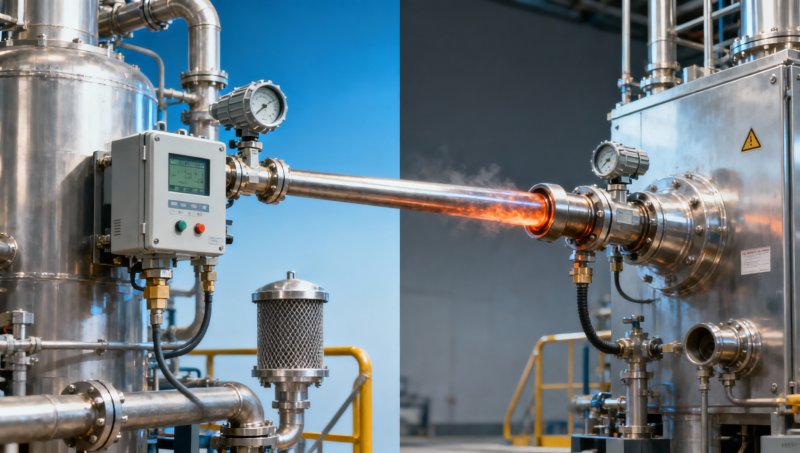
A high temperature analyzer often works in harsher conditions than a standard laboratory instrument. In industrial manufacturing, energy and power, environmental monitoring, and continuous process control, the analyzer may face hot gas streams, dust loading, vibration, corrosive compounds, pressure fluctuation, and unstable utility supply. Downtime rarely comes from one dramatic event. In many plants, it begins with small installation mistakes, delayed maintenance, or poor operating habits that accumulate over 3–6 months.
For operators and maintenance teams, the most common pain point is unplanned shutdown during continuous operation. For technical evaluators and project managers, the problem is usually broader: unstable readings, excessive calibration drift, spare parts delays, and difficult root-cause diagnosis. For decision-makers and finance approvers, analyzer downtime means more than repair cost. It can trigger production interruption, permit risk, quality deviation, or repeated site service visits that raise total ownership cost over 12–24 months.
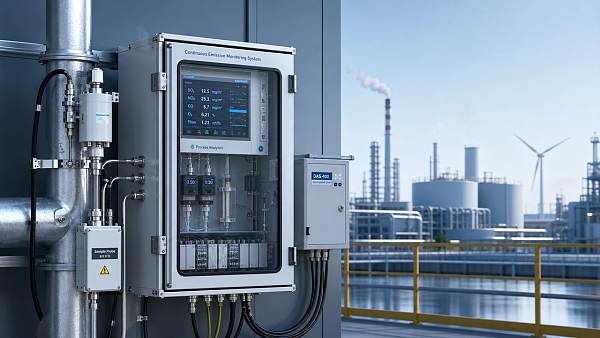
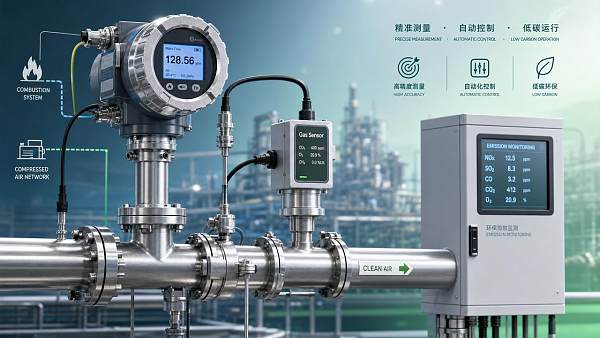
In the instrumentation industry, analyzer reliability depends on the full system, not only the sensor or measuring cell. Probe design, sample conditioning, thermal protection, enclosure rating, purge arrangement, control logic, and maintenance access all influence uptime. A technically advanced analyzer can still fail early if the sample path is too long, if condensate is not managed, or if the installation point creates thermal shock during process upset.
If your goal is to avoid downtime when using a high temperature analyzer, start by separating failure modes into 4 categories: thermal stress, contamination, utility instability, and maintenance gaps. This framework helps information researchers compare solutions more clearly and gives procurement teams a practical basis for supplier evaluation rather than choosing on price alone.
The 4 failure categories that usually cause avoidable downtime
- Thermal stress: rapid temperature swings, local overheating, insufficient insulation, and repeated startup-stop cycles can damage probes, seals, electronics, and sampling interfaces.
- Contamination: dust, tar, ash, condensable vapor, and corrosive gas can block filters, foul optical paths, poison sensors, or create drift long before an alarm appears.
- Utility instability: irregular power quality, purge air interruption, low instrument air pressure, and grounding issues can create false faults or abrupt analyzer trips.
- Maintenance gaps: skipped inspections, wrong cleaning intervals, poor spare parts planning, and lack of trend review often turn minor wear into emergency downtime.
This classification is useful because each category requires a different prevention strategy. A clogged sample filter cannot be solved by buying a higher-grade analyzer alone, and a robust probe cannot compensate for poor purge discipline. Plants that reduce downtime most effectively usually align engineering, operations, and procurement around these specific risks.
What should you check in installation and system design before startup?
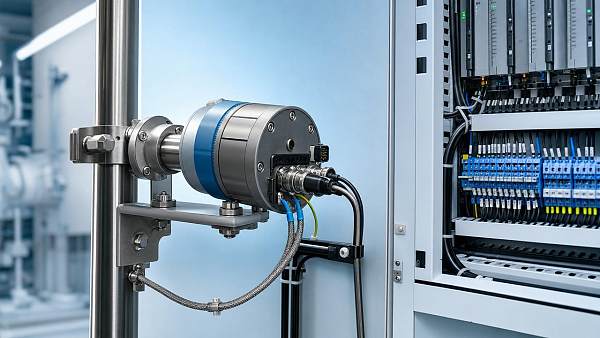
Many failures attributed to product quality are actually installation and commissioning issues. Before the first startup, the project team should verify the sampling point, thermal exposure, cable routing, purge arrangement, and service accessibility. A high temperature analyzer installed in a location with direct radiant heat, difficult access, or insufficient maintenance clearance may operate, but reliability usually declines within the first 30–90 days.
For process analyzers handling combustion gas, stack gas, or corrosive streams, sample extraction design is often the decisive factor. The wrong probe insertion depth can expose the sensor to excessive particulate impact. A poorly selected nozzle angle may collect ash instead of representative gas. In applications with cycling load, short periods of condensation followed by reheating can accelerate corrosion and fouling. These are classic downtime triggers in industrial online monitoring systems.
Commissioning should also include a realistic upset review. Ask what happens during low load, high load, emergency trip, purge loss, fan reversal, or stack temperature excursion. If the analyzer cannot tolerate the expected process window, protection logic must be added. In many projects, 4 implementation steps are enough to reduce early failure risk: site survey, process condition confirmation, installation verification, and hot commissioning review.
The table below summarizes practical checkpoints for preventing downtime before the analyzer enters routine operation. It is especially useful for technical evaluators, quality teams, and engineering managers who need a structured acceptance checklist rather than a generic installation note.
These checkpoints show why downtime prevention should begin at design review, not after commissioning. A plant may spend extra time during the initial 1–2 week installation phase, but that usually saves repeated troubleshooting later. For procurement and finance teams, this is where lifecycle cost becomes more meaningful than purchase price.
Startup checklist for operators and project teams
- Confirm process temperature range, pressure range, and expected contaminant profile before energizing the analyzer.
- Verify purge, power, grounding, and signal communication for at least one complete startup sequence.
- Check alarm logic during simulated abnormal conditions such as utility loss or rapid load change.
- Record baseline readings, calibration response, and maintenance references for the first 7 days of operation.
A documented startup checklist supports both daily users and future auditors. It also shortens troubleshooting time because the team can compare current performance against a verified baseline instead of relying on memory or informal handover notes.
How can maintenance planning reduce analyzer downtime over the long term?
Preventive maintenance is the strongest practical tool for reducing high temperature analyzer downtime. Yet many sites still maintain analyzers reactively. They wait for a drift alarm, an unstable reading, or a blocked sample path before taking action. That approach increases emergency callouts and often turns a 20-minute cleaning task into a 4-hour troubleshooting event. In high duty applications, maintenance intervals should be based on process condition, not only on generic calendar schedules.
A useful planning method is to divide tasks into daily, weekly, monthly, and quarterly routines. Operators can observe purge condition, diagnostic alarms, and signal stability every shift or every day. Maintenance staff can inspect filters, lines, and enclosure condition weekly. More detailed checks such as calibration verification, seal inspection, and sample path cleaning may be monthly or quarterly depending on dust load, corrosivity, and operating temperature. This layered method fits continuous monitoring environments better than occasional major service only.
Spare parts strategy matters just as much as task frequency. For many analyzer systems, the most downtime-sensitive items are filters, seals, fittings, purge components, and consumables related to the sampling interface. Keeping 3 categories of spares on site is a practical standard: fast-wear consumables, critical functional parts, and long-lead specialty components. This does not mean excessive inventory. It means planning around actual failure consequences and realistic supplier lead times, which may range from 7–15 days for standard parts to several weeks for special assemblies.
The maintenance matrix below can help users, quality managers, and operations leaders assign ownership clearly. When responsibilities are vague, tasks are usually delayed. When duties are tied to interval, symptom, and recordkeeping, reliability improves and root-cause analysis becomes easier after any event.
This maintenance structure is effective because it matches task complexity with staff capability. Operators handle fast visibility checks. Technicians handle routine condition work. Engineers handle analysis and optimization. That division reduces both skill mismatch and maintenance backlog, two common causes of avoidable analyzer downtime.
Warning signs that maintenance is overdue
Signal and diagnostic symptoms
Watch for slower response time, repeated short-duration alarms, unstable zero point, or rising calibration correction values. These symptoms often appear 2–8 weeks before complete failure. If trend data is available, small changes are usually more valuable than one-time readings because they reveal deterioration direction, not only the current state.
Physical and environmental symptoms
Discoloration near hot surfaces, unusual deposits at sampling points, frequent filter loading, and purge line contamination are clear warning signs. In corrosive gas analyzer service, even minor seal hardening or surface attack can precede leakage and forced shutdown. Treat visible change as an inspection trigger rather than waiting for performance collapse.
Which selection and procurement choices have the biggest impact on uptime?
Choosing a high temperature analyzer is not only a measurement decision. It is a reliability and serviceability decision. Information researchers may focus on sensing principle, while buyers compare price and lead time. However, for long-term uptime, the more important question is whether the analyzer matches the real process burden. That includes gas composition, temperature cycling, dust level, corrosive load, response requirement, calibration access, and maintenance skill available on site.
A lower initial price may be reasonable for light-duty service, but in harsh industrial applications the cheapest option can become the most expensive over 1–3 years. If the analyzer requires frequent manual cleaning, difficult disassembly, or imported specialty parts with long replacement cycles, downtime cost can quickly exceed the original savings. This is why technical evaluation should include service architecture and operating burden, not only core measurement specification.
Procurement teams often ask for a short list of decision factors. In practice, there are 5 key dimensions that influence uptime most: process fit, material compatibility, maintenance accessibility, diagnostics and control integration, and spare parts support. These dimensions apply across manufacturing, power generation, emissions monitoring, and process automation projects where instrumentation must support digital transformation and stable plant operation.
The comparison table below helps align technical and commercial stakeholders. It is especially useful when the team must justify why one analyzer solution has a higher purchase cost but lower operational risk.
This type of comparison helps finance approvers see the difference between purchase cost and downtime exposure. It also supports project leaders during internal review because the discussion moves from generic quality claims to measurable risk factors such as maintenance time, stock strategy, and process suitability.
Procurement questions that prevent future service disputes
- What are the recommended service intervals under high dust, corrosive, or cyclic temperature conditions?
- Which consumables should be stocked on site for the first 6–12 months?
- What site conditions will void performance expectations, such as purge loss, incorrect insulation, or unstable power?
- Can the supplier support commissioning, training, troubleshooting, and spare planning as part of the delivery scope?
These questions reduce ambiguity before the purchase order is issued. They also create a stronger technical-commercial record, which is useful when multiple departments share responsibility for analyzer uptime.
What are common mistakes, compliance concerns, and practical FAQs?
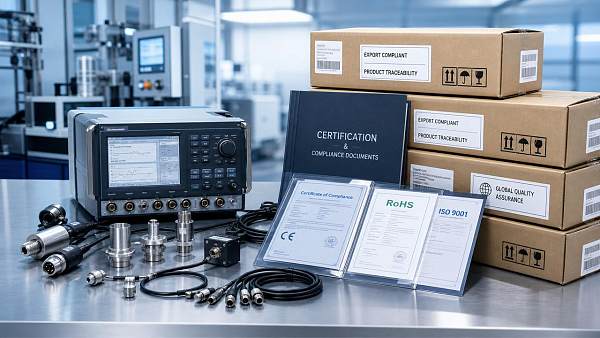
In instrumentation projects, downtime prevention is closely linked to compliance, traceability, and operating discipline. Depending on the application, sites may need to follow internal quality procedures, environmental monitoring requirements, calibration traceability rules, electrical safety practices, or plant-specific permit conditions. Even where no single standard defines every maintenance detail, documented inspection and calibration routines remain essential because they support auditability and safe operation.
A common mistake is assuming that once a high temperature analyzer is commissioned, it will remain accurate and stable without structured review. Another mistake is over-relying on manual operator judgment while ignoring diagnostics, alarm history, and trend analysis. In digital transformation environments, analyzer data should be treated as part of the plant’s operational intelligence. If the device is unhealthy, the process decisions based on that data may also become unreliable.
For safety managers and quality personnel, one practical rule is to review 3 things together whenever analyzer issues appear: process condition changes, maintenance history, and calibration behavior. Looking at only one of these may lead to the wrong conclusion. For example, repeated drift may result from process contamination, not from a defective analyzer core.
The FAQ below addresses recurring questions from operators, evaluators, and buyers who want to avoid downtime without over-specifying the system or increasing maintenance burden unnecessarily.
How often should a high temperature analyzer be inspected?
There is no single interval for every application. In relatively clean and stable service, daily status review plus weekly physical checks may be sufficient. In dusty, corrosive, or rapidly cycling processes, visual checks may be needed every shift, with weekly cleaning assessment and monthly calibration review. The right interval depends on contaminant load, process variability, and the consequence of failure.
Is a more expensive analyzer always the better choice for uptime?
Not always. The best choice is the one that matches the actual process and service model. A premium analyzer that is difficult to maintain on site may not outperform a simpler but well-matched system. Evaluate 4 practical factors together: process suitability, service access, spare availability, and diagnostic capability. This gives a more reliable uptime picture than price or measurement principle alone.
What is the biggest hidden cause of downtime?
In many facilities, the biggest hidden cause is not catastrophic hardware failure. It is delayed response to early warning signs such as drift, rising filter load, purge instability, or abnormal response time. These issues often develop gradually over several weeks. If they are not recorded and reviewed, the analyzer appears to fail “suddenly,” even though the warning pattern was visible.
Can compliance requirements affect analyzer uptime planning?
Yes. Environmental, quality, and safety procedures often determine how calibration, maintenance records, and fault response must be documented. If an analyzer supports emissions, process quality, or regulated monitoring, downtime planning must include backup procedure, calibration traceability, and documented maintenance steps. This is important not only for operational continuity but also for audit readiness and risk control.
Why work with a supplier that supports selection, maintenance planning, and lifecycle decisions?
A reliable high temperature analyzer solution is usually the result of coordinated engineering, not isolated product supply. In the broader instrumentation industry, the strongest value comes from combining measurement technology with application review, calibration logic, maintenance planning, and system integration experience. That matters in manufacturing, power, environmental monitoring, laboratory-linked process validation, and automation projects where uptime directly affects quality, compliance, and production continuity.
If you are comparing analyzer options, a useful supplier should help you confirm at least 6 decision areas: process temperature range, gas composition, dust and corrosion burden, installation conditions, maintenance interval expectations, and spare parts strategy. This makes selection faster for research-stage buyers and reduces hidden risk for project owners, safety teams, and finance approvers.
We can support discussions around analyzer parameter confirmation, application-based product selection, expected delivery cycle, spare and consumable planning, installation considerations, and practical maintenance recommendations for continuous service conditions. If your project involves difficult sampling points, corrosive streams, emissions-related monitoring, or frequent process fluctuations, those details should be reviewed before ordering rather than after a failure occurs.
Contact us if you need help with solution comparison, specification matching, customization scope, service planning, certification-related questions, sample or configuration discussion, or quotation alignment. A clear technical review at the beginning often prevents repeated downtime, overspending on the wrong configuration, and avoidable delays during commissioning and operation.
Recommended for You
 FDA Updates IVD Import Guidance: CNAS Calibration Chain Required for China-Made DevicesFDA now requires CNAS calibration chain reports for China-made IVD analyzers—pH, ion & clinical chemistry devices entering via 510(k)/De Novo. Act now to avoid U.S. port rejections.
 EN 61000-6-4:2026 Enters Force: Stricter EMC Requirements for Industrial Field InstrumentsEN 61000-6-4:2026 enforces stricter EMC requirements for industrial field instruments—key for AI edge controllers, sensors & exporters. Act now to ensure CE-EMC compliance by Nov 2026.
 Global Methanol Electric Alliance Launches Cross-Border Energy Efficiency Recognition RoadmapGlobal Methanol Electric Alliance launches cross-border energy efficiency recognition roadmap—key for exporters, cal labs & methanol-instrument manufacturers.
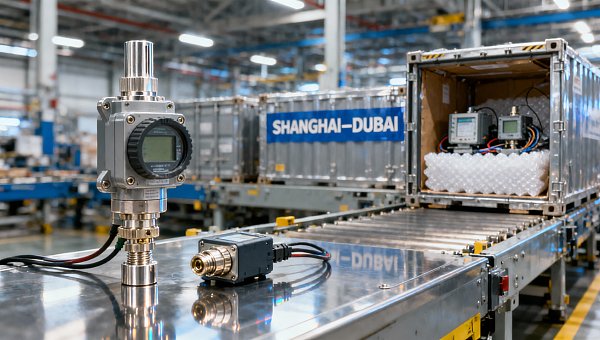
 Red Sea Crisis Escalates: Air Freight Premiums for China–Middle East Industrial Instruments Hit 390%Red Sea Crisis hits industrial instruments: China–Middle East air freight premiums surge 390%. Act now to secure Q3 capacity, avoid delays & optimize LCL alternatives.
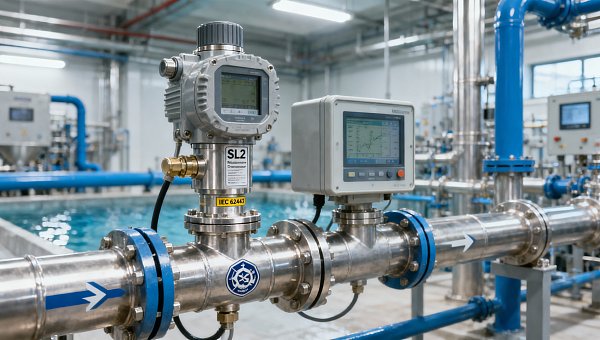
 IEC TC65 Mandates Cybersecurity Certification for Industrial Field Instruments from 2027IEC TC65 mandates cybersecurity certification for industrial field instruments by 2027 — pressure, flow & analytical devices must meet IEC 62443-4-2:2026 and display SL1–SL3 labels. Act now to ensure market access.
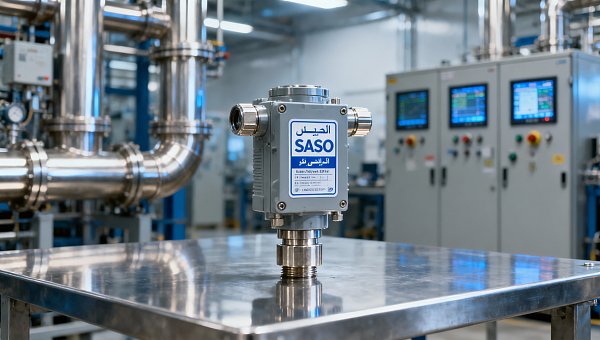
 SASO Cuts Energy Labeling Turnaround for Industrial Transmitters to 7 Working DaysSASO Energy Labeling now takes just 7 working days for industrial transmitters — faster market access, CNAS reports accepted. Act now!
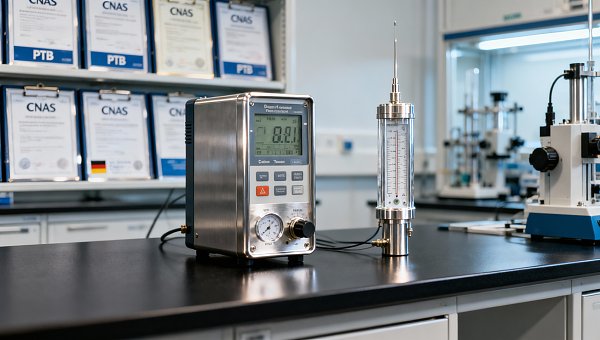
 PTB Launches CalCloud 2.0 with Direct CNAS Lab IntegrationCalCloud 2.0 now integrates directly with CNAS labs—enabling automated VDA 5 & ISO/IEC 17025 dual-compliant calibration reports for automotive and industrial exporters. Boost compliance efficiency today!
 ASEAN's Green Clearance Corridor for CNAS Calibration Reports LaunchesASEAN's Green Clearance Corridor now verifies CNAS calibration reports via blockchain—cut customs clearance to <48h for flow meters, analyzers & more. Act now!
 Vietnam Mandates CNAS Calibration Certificates & Vietnamese Manuals for Industrial Meters from June 1, 2026CNAS calibration certificates & Vietnamese manuals now mandatory for industrial meters entering Vietnam from June 1, 2026—avoid customs delays and ensure seamless market access.
 U.S. BIS Tightens Export Controls on High-Precision Laser InterferometersU.S. BIS tightens export controls on high-precision laser interferometers—critical for semiconductor metrology & ISO/IEC 17025 calibration. Act now to ensure compliance.
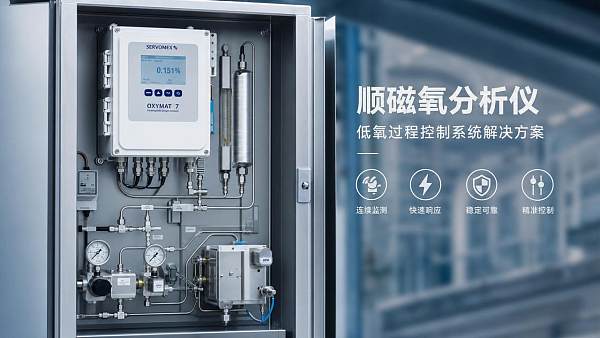
 Paramagnetic Monitor Calibration Tips for Stable OutputParamagnetic monitor calibration tips for stable output: learn how to reduce drift, improve accuracy, cut downtime, and keep oxygen measurement reliable in demanding industrial applications.
 Paramagnetic Measurement in Low-Oxygen Process ControlParamagnetic measurement enables accurate low-oxygen process control with fast response and stable oxygen analysis. Learn how it improves safety, consistency, and system performance.
 Laser Detector Import Risks and Certification DelaysLaser detector import risks can cause costly certification delays, customs issues, and testing setbacks. Learn how to avoid compliance failures before ordering.
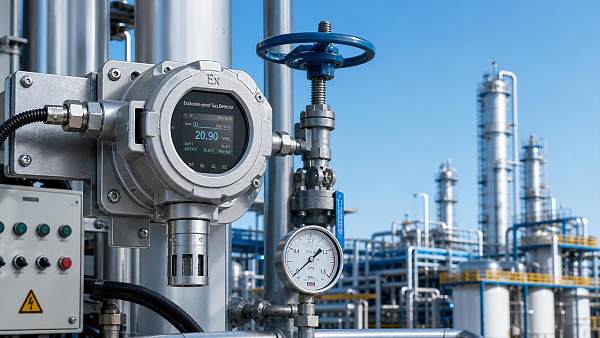
 Explosion Proof Detector Demand Under New Safety RulesExplosion proof detector demand is rising under new safety rules. Discover how to compare certified, reliable options that improve compliance, integration, and long-term site safety.
 Laboratory Detector Accuracy Standards You Should CheckLaboratory detector accuracy standards explained: check detection limits, repeatability, drift, and traceability to reduce risk, improve audit readiness, and choose with confidence.
 Custom Measurement Lead Times and Budget PlanningCustom measurement lead times and budgets explained for procurement teams. Learn key cost drivers, planning steps, and supplier tips to reduce delays and buy with confidence.
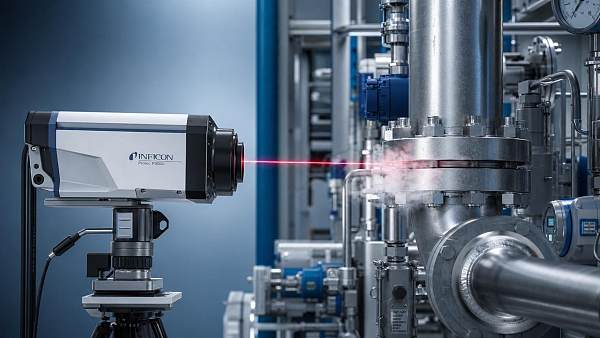
 Laser Measurement for Leak Detection: Common PitfallsLaser measurement for leak detection can fail due to setup, airflow, and data interpretation errors. Learn the common pitfalls and proven fixes for more accurate, reliable results.
 How to Evaluate a High Accuracy Detector in the FieldHigh accuracy detector evaluation starts with real field performance. Learn how to compare stability, response time, and reliability to choose the right detector with confidence.
 Electrochemical Monitor Lifespan and Replacement CostsElectrochemical monitor lifespan and replacement costs explained for buyers. Learn how sensor life, maintenance, and total ownership cost affect safer, smarter purchasing decisions.
 Thermal Analysis Market Direction in Process IndustriesThermal analysis market direction in process industries: discover trends, applications, and investment insights that improve quality control, reduce risk, and support smarter industrial decisions.
 Monitoring Shelter Design Priorities for Outdoor SitesMonitoring shelter design starts with protection, climate control, and power reliability. Discover how to choose the right outdoor solution for stable data, safer maintenance, and lower lifecycle risk.
 Fixed Measurement Planning for Multi-Point InstallationsFixed measurement planning is essential for multi-point installations. Learn how to improve accuracy, reliability, compliance, and maintenance efficiency across complex industrial systems.
 Fixed Analysis Systems for Stable Long-Term MonitoringFixed analysis systems enable stable long-term monitoring, reliable data, and better process control. Discover how they improve safety, compliance, and operational efficiency.
 Thermal Gas Applications Expanding in Clean IndustryThermal gas applications are reshaping clean industry with smarter flow measurement, emissions control, and energy optimization. Discover where they cut risk, boost efficiency, and support automation.
 Monitoring Detector Export Rules to Watch in 2026Monitoring detector export rules are changing fast in 2026. Learn the key compliance risks, supplier checks, and trade signals to protect margins and make smarter sourcing decisions.
 Control Detector Setup Mistakes That Affect ReliabilityControl detector setup mistakes can quietly reduce accuracy and uptime. Learn the most common installation, wiring, and calibration errors—and how to avoid them for reliable performance.
 What Defines a High Accuracy Monitor TodayHigh accuracy monitor selection starts with real-world performance. Learn the key accuracy factors, buyer checklist, and how to choose a reliable monitor for industrial control.
 Infrared Monitor Demand in Industrial Safety UpgradesInfrared monitor demand is rising as industrial safety upgrades accelerate. Discover where buyers need it most, how channel partners can sell smarter, and which applications drive long-term growth.
 Thermal Conductivity Monitor Limits in Mixed Gas StreamsThermal conductivity monitor limits in mixed gas streams explained—learn where accuracy drops, what buyers should compare, and how to choose the right analyzer with confidence.
 Laser Monitor vs Infrared Monitor for Fast DetectionLaser monitor vs infrared monitor for fast detection: discover which delivers better precision, response speed, and reliability for industrial monitoring and smarter sensor selection.
 Thermal Gas Analyzer Price Shifts Across Global MarketsThermal gas analyzer price shifts are reshaping global budgets. Learn what drives costs, regional differences, and how buyers can reduce risk and improve long-term value.
 Custom Analysis Options for Complex Gas ApplicationsCustom analysis helps solve complex gas applications with better accuracy, compliance, and reliability. Discover practical selection insights that reduce risk and improve system performance.



Search Categories
Search Categories
Latest Article
- FDA Updates IVD Import Guidance: CNAS Calibration Chain Required for China-Made DevicesFDA now requires CNAS calibration chain reports for China-made IVD analyzers—pH, ion & clinical chemistry devices entering via 510(k)/De Novo. Act now to avoid U.S. port rejections.Posted by:
- EN 61000-6-4:2026 Enters Force: Stricter EMC Requirements for Industrial Field InstrumentsEN 61000-6-4:2026 enforces stricter EMC requirements for industrial field instruments—key for AI edge controllers, sensors & exporters. Act now to ensure CE-EMC compliance by Nov 2026.Posted by:
- Global Methanol Electric Alliance Launches Cross-Border Energy Efficiency Recognition RoadmapGlobal Methanol Electric Alliance launches cross-border energy efficiency recognition roadmap—key for exporters, cal labs & methanol-instrument manufacturers.Posted by:
Please give us a message
