
Explosion Proof Analysis for Hazardous Area Compliance


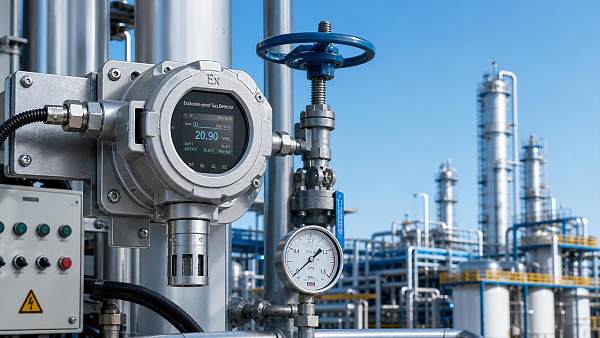
In hazardous industrial environments, explosion proof analysis is essential for ensuring equipment compliance, reducing ignition risks, and protecting both personnel and assets. For instrumentation used in manufacturing, power generation, environmental monitoring, laboratories, construction engineering, and automated control systems, hazardous area performance cannot be treated as a paperwork exercise. A practical explosion proof analysis helps verify whether enclosures, circuits, sensors, transmitters, analyzers, and control devices can operate safely in areas where flammable gas, vapor, or dust may be present. It also supports more reliable maintenance planning, smoother inspections, and better long-term system integrity.
What does explosion proof analysis actually mean in hazardous area compliance?
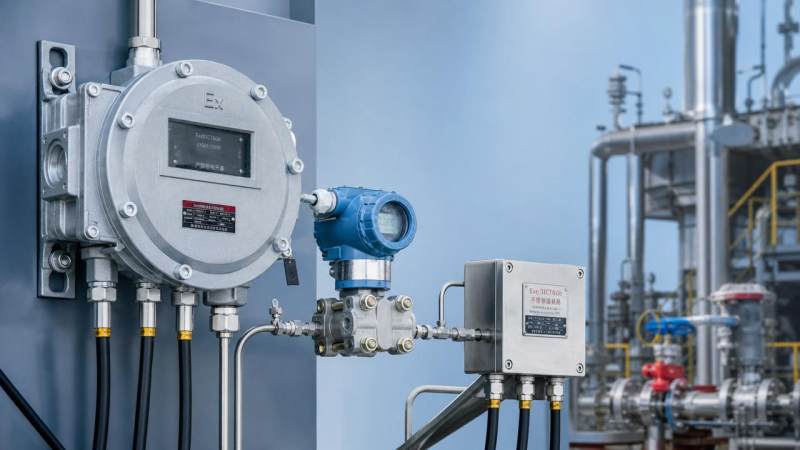
At its core, explosion proof analysis is the process of evaluating whether equipment design, installation, and operation can prevent an internal ignition from causing an external explosion in a hazardous location. In practical terms, the analysis reviews enclosure strength, flame path design, sealing methods, cable entries, temperature rise, electrical energy levels, and the interaction between the instrument and the surrounding classified area.
In the instrumentation industry, this is especially important because devices often combine sensing, signal conversion, communication, and power management in compact assemblies. A pressure transmitter, gas analyzer, flow meter, junction box, or control panel may be safe in a general industrial setting, yet unsuitable in a Zone 1, Zone 2, Class I, or dust-hazard area without a proper explosion proof analysis. Compliance depends not only on the product label, but also on how the complete installation behaves under fault and operating conditions.
This analysis typically references standards and schemes such as IECEx, ATEX, NEC, or other local certification frameworks. While terminology varies, the objective remains the same: limit ignition risk and confirm that the selected equipment matches the hazardous atmosphere, temperature class, gas group, and site conditions.
Which applications most urgently require explosion proof analysis?
Not every industrial area requires the same level of hazardous area review, but several application categories make explosion proof analysis a high priority. The first is process manufacturing where volatile chemicals, solvents, fuels, or combustible dust are present. In these environments, an instrument failure can escalate quickly if enclosure integrity, surface temperature, or wiring methods are not fully assessed.
The second category is energy and power infrastructure, including fuel handling, gas regulation, storage terminals, and turbine-related systems. Here, instruments must operate continuously under demanding conditions, so hazardous area compliance must align with both safety and uptime requirements.
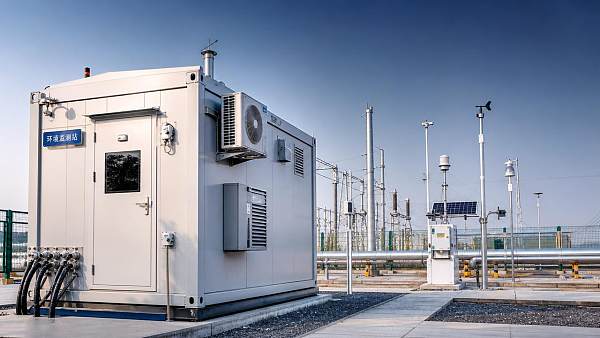
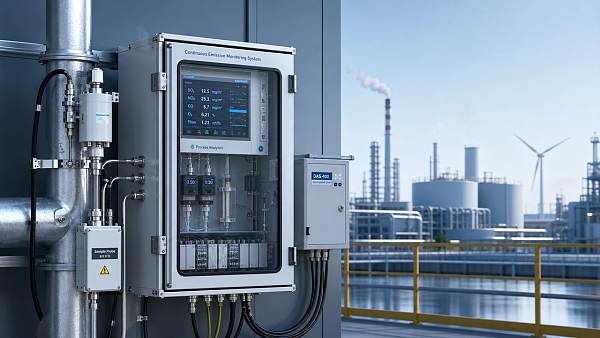
Environmental monitoring and industrial online analysis also deserve close attention. Sampling systems, gas detection points, analyzer shelters, and remote telemetry units may be installed near emissions sources, tanks, pipelines, or treatment facilities where hazardous atmospheres can develop intermittently. A detailed explosion proof analysis helps verify whether the selected analyzer package, conduit system, and electrical accessories remain compliant across the full operating cycle.
Construction engineering and automation retrofits are another common risk area. When legacy equipment is upgraded with smart transmitters, remote I/O, or communication gateways, the original protection concept may no longer be sufficient. Even a small change in cable gland type, power supply, or mounting location can affect hazardous area suitability.
How can you judge whether an instrument passes a reliable explosion proof analysis?
A reliable explosion proof analysis is never based on a single certificate alone. It should combine document review, application matching, and field verification. The most useful starting point is a structured checklist that connects the product data with the actual service environment.
- Hazardous area classification: gas, vapor, or dust; zone or division; frequency of presence.
- Protection method: explosion proof, flameproof, intrinsic safety, purging, increased safety, or dust protection.
- Temperature class and maximum surface temperature under worst-case conditions.
- Gas group or dust group compatibility.
- Ingress protection, corrosion resistance, vibration tolerance, and ambient temperature limits.
- Cable entries, seals, conduit practices, grounding, and installation orientation.
- Maintenance access, spare part control, and whether modifications affect certification status.
In many cases, the most overlooked issue is mismatch between certified product scope and real operating conditions. For example, an enclosure may be approved for a certain ambient range, but the combined heat generated by nearby drives, sunlight exposure, and process piping may push the internal temperature beyond the certified limit. Effective explosion proof analysis therefore considers the system context, not just catalog specifications.
What is the difference between explosion proof analysis and other hazardous area protection reviews?
A frequent source of confusion is the assumption that all hazardous area evaluations are the same. In reality, explosion proof analysis is one protection-focused method within a broader hazardous area compliance process. It mainly addresses equipment designed to contain an internal explosion and prevent flame propagation to the outside atmosphere.
By contrast, intrinsic safety analysis limits electrical and thermal energy so ignition cannot occur even under fault conditions. Increased safety focuses on preventing arcs, sparks, and excessive temperature in normal service. Purged or pressurized systems use clean protective gas to keep hazardous atmospheres out of the enclosure. Dust ignition protection introduces another layer of evaluation involving sealing, surface temperature, and dust accumulation behavior.
This distinction matters because instrument selection should follow the actual application. A compact field transmitter in a remote area may be better suited to intrinsic safety, while a heavy-duty analyzer cabinet in a process unit may depend on explosion proof or pressurized design. Good explosion proof analysis therefore includes comparison, ensuring the chosen protection concept is technically appropriate and economically sustainable.
What common mistakes weaken explosion proof analysis results?
One common mistake is treating certification marks as the end of the review. A label is important, but explosion proof analysis also depends on mounting practice, gland selection, thread engagement, torque control, environmental exposure, and maintenance discipline. Improper installation can invalidate an otherwise compliant device.
Another mistake is ignoring lifecycle changes. Hazardous area compliance is not fixed forever. Process media may change, ventilation patterns may shift, temporary equipment may be added, and digital upgrades may alter heat dissipation or power characteristics. Instruments used for metrology, calibration, online monitoring, and automatic control should be rechecked whenever key operating conditions change.
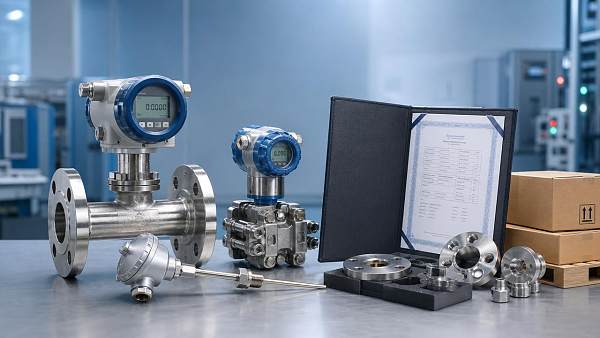
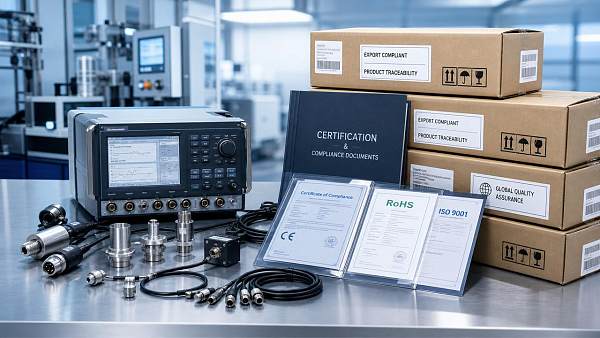
Documentation gaps also create risk. Missing drawings, outdated area classification data, incomplete spare part records, and unclear repair history make it difficult to defend compliance during audits or incident reviews. A strong explosion proof analysis should produce traceable evidence, including certificates, installation references, inspection findings, and any assumptions used in the evaluation.
Finally, some sites overfocus on purchase price and underweight total compliance cost. Choosing cheaper equipment without considering sealing accessories, inspection burden, downtime impact, or recertification complexity can increase long-term cost and operational exposure.
How should implementation, cost, and timing be planned?
A practical explosion proof analysis program works best when it is integrated into project design, equipment selection, installation, and maintenance rather than added at the end. Early planning reduces rework, especially for cable routing, panel layout, analyzer shelters, and field device architecture.
From a timing perspective, the process usually includes area classification review, equipment data collection, standards matching, installation verification, and inspection closure. For new projects, this should happen before procurement is frozen. For retrofit projects, allow extra time for field confirmation because legacy drawings and actual site conditions often differ.
Cost is influenced by more than the instrument itself. It includes certified accessories, engineering hours, third-party review when required, shutdown coordination, training, and future maintenance constraints. In many instrumentation applications, a balanced decision is not the lowest initial cost but the option that achieves stable compliance with manageable inspection and service effort.
FAQ quick-reference: what should be checked first?
Effective explosion proof analysis is not only a regulatory step; it is a practical method for improving safety, reliability, and asset performance across modern instrumentation systems. Whether the application involves process sensors, analytical equipment, automatic control devices, laboratory support systems, or industrial online monitoring, the best results come from connecting certification data with real operating conditions. The next step is to review each hazardous location by area classification, protection concept, installation details, and lifecycle change history so compliance decisions are technically sound and easier to maintain over time.
Recommended for You
 FDA Updates IVD Import Guidance: CNAS Calibration Chain Required for China-Made DevicesFDA now requires CNAS calibration chain reports for China-made IVD analyzers—pH, ion & clinical chemistry devices entering via 510(k)/De Novo. Act now to avoid U.S. port rejections.
 EN 61000-6-4:2026 Enters Force: Stricter EMC Requirements for Industrial Field InstrumentsEN 61000-6-4:2026 enforces stricter EMC requirements for industrial field instruments—key for AI edge controllers, sensors & exporters. Act now to ensure CE-EMC compliance by Nov 2026.
 Global Methanol Electric Alliance Launches Cross-Border Energy Efficiency Recognition RoadmapGlobal Methanol Electric Alliance launches cross-border energy efficiency recognition roadmap—key for exporters, cal labs & methanol-instrument manufacturers.
 Red Sea Crisis Escalates: Air Freight Premiums for China–Middle East Industrial Instruments Hit 390%Red Sea Crisis hits industrial instruments: China–Middle East air freight premiums surge 390%. Act now to secure Q3 capacity, avoid delays & optimize LCL alternatives.
 IEC TC65 Mandates Cybersecurity Certification for Industrial Field Instruments from 2027IEC TC65 mandates cybersecurity certification for industrial field instruments by 2027 — pressure, flow & analytical devices must meet IEC 62443-4-2:2026 and display SL1–SL3 labels. Act now to ensure market access.
 SASO Cuts Energy Labeling Turnaround for Industrial Transmitters to 7 Working DaysSASO Energy Labeling now takes just 7 working days for industrial transmitters — faster market access, CNAS reports accepted. Act now!
 PTB Launches CalCloud 2.0 with Direct CNAS Lab IntegrationCalCloud 2.0 now integrates directly with CNAS labs—enabling automated VDA 5 & ISO/IEC 17025 dual-compliant calibration reports for automotive and industrial exporters. Boost compliance efficiency today!
 ASEAN's Green Clearance Corridor for CNAS Calibration Reports LaunchesASEAN's Green Clearance Corridor now verifies CNAS calibration reports via blockchain—cut customs clearance to <48h for flow meters, analyzers & more. Act now!
 Vietnam Mandates CNAS Calibration Certificates & Vietnamese Manuals for Industrial Meters from June 1, 2026CNAS calibration certificates & Vietnamese manuals now mandatory for industrial meters entering Vietnam from June 1, 2026—avoid customs delays and ensure seamless market access.
 U.S. BIS Tightens Export Controls on High-Precision Laser InterferometersU.S. BIS tightens export controls on high-precision laser interferometers—critical for semiconductor metrology & ISO/IEC 17025 calibration. Act now to ensure compliance.
 Paramagnetic Monitor Calibration Tips for Stable OutputParamagnetic monitor calibration tips for stable output: learn how to reduce drift, improve accuracy, cut downtime, and keep oxygen measurement reliable in demanding industrial applications.
 Paramagnetic Measurement in Low-Oxygen Process ControlParamagnetic measurement enables accurate low-oxygen process control with fast response and stable oxygen analysis. Learn how it improves safety, consistency, and system performance.
 Laser Detector Import Risks and Certification DelaysLaser detector import risks can cause costly certification delays, customs issues, and testing setbacks. Learn how to avoid compliance failures before ordering.
 Explosion Proof Detector Demand Under New Safety RulesExplosion proof detector demand is rising under new safety rules. Discover how to compare certified, reliable options that improve compliance, integration, and long-term site safety.
 Laboratory Detector Accuracy Standards You Should CheckLaboratory detector accuracy standards explained: check detection limits, repeatability, drift, and traceability to reduce risk, improve audit readiness, and choose with confidence.
 Custom Measurement Lead Times and Budget PlanningCustom measurement lead times and budgets explained for procurement teams. Learn key cost drivers, planning steps, and supplier tips to reduce delays and buy with confidence.
 Laser Measurement for Leak Detection: Common PitfallsLaser measurement for leak detection can fail due to setup, airflow, and data interpretation errors. Learn the common pitfalls and proven fixes for more accurate, reliable results.
 How to Evaluate a High Accuracy Detector in the FieldHigh accuracy detector evaluation starts with real field performance. Learn how to compare stability, response time, and reliability to choose the right detector with confidence.
 Electrochemical Monitor Lifespan and Replacement CostsElectrochemical monitor lifespan and replacement costs explained for buyers. Learn how sensor life, maintenance, and total ownership cost affect safer, smarter purchasing decisions.
 Thermal Analysis Market Direction in Process IndustriesThermal analysis market direction in process industries: discover trends, applications, and investment insights that improve quality control, reduce risk, and support smarter industrial decisions.
 Monitoring Shelter Design Priorities for Outdoor SitesMonitoring shelter design starts with protection, climate control, and power reliability. Discover how to choose the right outdoor solution for stable data, safer maintenance, and lower lifecycle risk.
 Fixed Measurement Planning for Multi-Point InstallationsFixed measurement planning is essential for multi-point installations. Learn how to improve accuracy, reliability, compliance, and maintenance efficiency across complex industrial systems.
 Fixed Analysis Systems for Stable Long-Term MonitoringFixed analysis systems enable stable long-term monitoring, reliable data, and better process control. Discover how they improve safety, compliance, and operational efficiency.
 Thermal Gas Applications Expanding in Clean IndustryThermal gas applications are reshaping clean industry with smarter flow measurement, emissions control, and energy optimization. Discover where they cut risk, boost efficiency, and support automation.
 Monitoring Detector Export Rules to Watch in 2026Monitoring detector export rules are changing fast in 2026. Learn the key compliance risks, supplier checks, and trade signals to protect margins and make smarter sourcing decisions.
 Control Detector Setup Mistakes That Affect ReliabilityControl detector setup mistakes can quietly reduce accuracy and uptime. Learn the most common installation, wiring, and calibration errors—and how to avoid them for reliable performance.
 What Defines a High Accuracy Monitor TodayHigh accuracy monitor selection starts with real-world performance. Learn the key accuracy factors, buyer checklist, and how to choose a reliable monitor for industrial control.
 Infrared Monitor Demand in Industrial Safety UpgradesInfrared monitor demand is rising as industrial safety upgrades accelerate. Discover where buyers need it most, how channel partners can sell smarter, and which applications drive long-term growth.
 Thermal Conductivity Monitor Limits in Mixed Gas StreamsThermal conductivity monitor limits in mixed gas streams explained—learn where accuracy drops, what buyers should compare, and how to choose the right analyzer with confidence.
 Laser Monitor vs Infrared Monitor for Fast DetectionLaser monitor vs infrared monitor for fast detection: discover which delivers better precision, response speed, and reliability for industrial monitoring and smarter sensor selection.
 Thermal Gas Analyzer Price Shifts Across Global MarketsThermal gas analyzer price shifts are reshaping global budgets. Learn what drives costs, regional differences, and how buyers can reduce risk and improve long-term value.
 Custom Analysis Options for Complex Gas ApplicationsCustom analysis helps solve complex gas applications with better accuracy, compliance, and reliability. Discover practical selection insights that reduce risk and improve system performance.








Search Categories
Search Categories
Latest Article
- FDA Updates IVD Import Guidance: CNAS Calibration Chain Required for China-Made DevicesFDA now requires CNAS calibration chain reports for China-made IVD analyzers—pH, ion & clinical chemistry devices entering via 510(k)/De Novo. Act now to avoid U.S. port rejections.Posted by:
- EN 61000-6-4:2026 Enters Force: Stricter EMC Requirements for Industrial Field InstrumentsEN 61000-6-4:2026 enforces stricter EMC requirements for industrial field instruments—key for AI edge controllers, sensors & exporters. Act now to ensure CE-EMC compliance by Nov 2026.Posted by:
- Global Methanol Electric Alliance Launches Cross-Border Energy Efficiency Recognition RoadmapGlobal Methanol Electric Alliance launches cross-border energy efficiency recognition roadmap—key for exporters, cal labs & methanol-instrument manufacturers.Posted by:
Please give us a message
