
Laser Monitoring in Emissions Control: Key Use Cases


In emissions control projects, laser monitoring is moving from a specialized option to a practical measurement strategy across multiple industrial settings. As emission limits tighten and operating conditions become more dynamic, conventional sampling methods often struggle with lag, maintenance burden, or limited visibility into process changes. In contrast, laser monitoring supports faster detection, more stable data quality, and stronger compliance records. For the instrumentation industry, this shift matters because accurate sensing and online analysis increasingly shape how plants design control loops, document environmental performance, and reduce operational risk.
The broader industrial landscape is also changing. Energy systems are diversifying, combustion processes are being optimized for efficiency, and environmental reporting is becoming more data-driven. In that context, laser monitoring is no longer viewed only as a high-end analytical tool. It is becoming part of a wider instrumentation architecture that connects field sensing, automation control, process diagnostics, and compliance management. Understanding the key use cases helps clarify where the technology creates measurable value and where implementation discipline is needed.
Why laser monitoring is gaining ground in emissions control
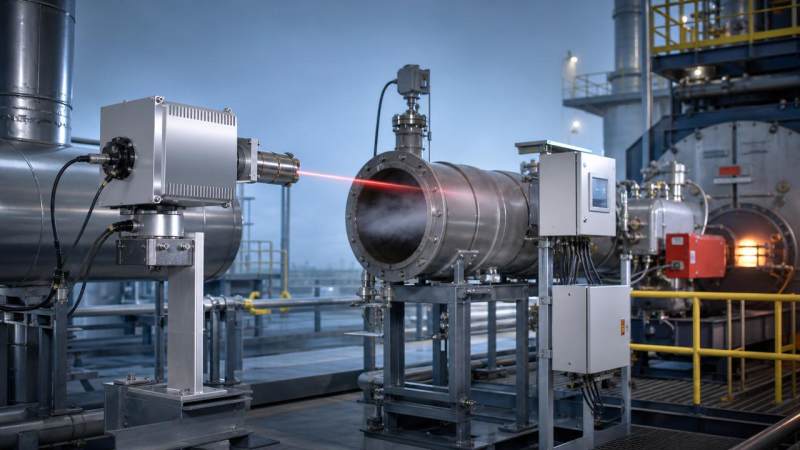
A clear trend in emissions control is the move toward real-time, in-situ, and lower-maintenance measurement. Facilities want to detect concentration changes quickly, verify the effectiveness of abatement systems, and avoid blind spots between manual tests or delayed laboratory results. Laser monitoring aligns with this trend because it can measure target gases with high selectivity, fast response, and reduced dependence on extractive sampling systems in many applications.
Another signal is the convergence of environmental monitoring and operational optimization. Emission data is no longer used only for end-of-pipe reporting. It is increasingly tied to burner tuning, combustion balance, leak detection, energy efficiency, and asset health. In this environment, laser-based gas analysis supports both environmental goals and process improvement, making it more attractive than systems that only serve a narrow reporting function.
The main forces driving wider adoption
Several technical and regulatory drivers explain why laser monitoring is expanding across comprehensive industry applications, from power generation to chemical processing and waste treatment.
Key use cases are shifting from simple measurement to operational insight
The most important development is that laser monitoring is being used not just to observe emissions, but to improve how emission-producing processes behave. This shift is especially visible in industries where combustion, thermal treatment, or reactive gas management directly affect both productivity and environmental performance.
1. Combustion optimization in boilers, furnaces, and kilns
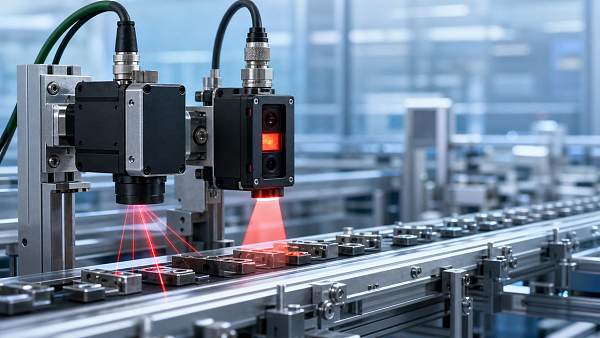
One of the strongest use cases for laser monitoring is measuring gases such as oxygen, carbon monoxide, ammonia, hydrogen chloride, or moisture directly in high-temperature process zones or ducts. In boilers and furnaces, this supports tighter combustion control, helping reduce excess air, fuel waste, and pollutant formation. Faster gas feedback allows control systems to respond before deviations become prolonged emission events.
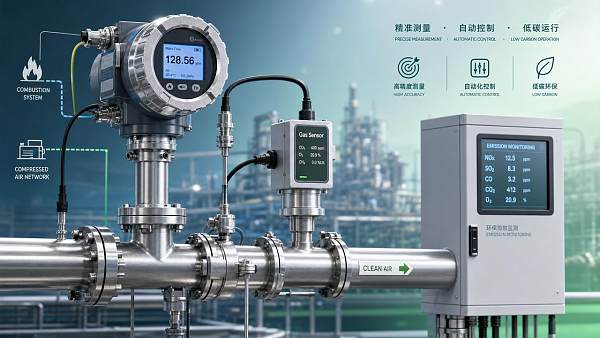
In practical terms, this means fewer periods of unstable firing, better thermal efficiency, and improved confidence in emission trends. For instrumentation strategy, the value lies in connecting gas analysis to automatic control rather than treating emissions data as a separate reporting stream.
2. Monitoring selective catalytic reduction and ammonia slip
NOx reduction systems require careful balance. Too little reagent reduces removal efficiency; too much increases ammonia slip, fouling risk, and downstream issues. Laser monitoring is well suited for this use case because it can provide rapid ammonia concentration readings in demanding process conditions. That allows better reagent injection control and earlier correction of catalyst or flow distribution problems.
As emission limits become stricter, this application is becoming more important. It reduces the gap between theoretical abatement performance and actual operating behavior, especially during load changes or fuel variation.
3. Continuous measurement in waste incineration and thermal treatment
Waste-to-energy plants and hazardous waste treatment systems often face variable feed composition, which can create unstable gas profiles. Laser monitoring helps track key components continuously, enabling earlier detection of abnormal combustion conditions or shifts in pollutant generation. Compared with slower methods, laser-based analysis offers a clearer picture of transient events that may otherwise be missed in compliance reviews.
4. Leak detection and fugitive emissions observation
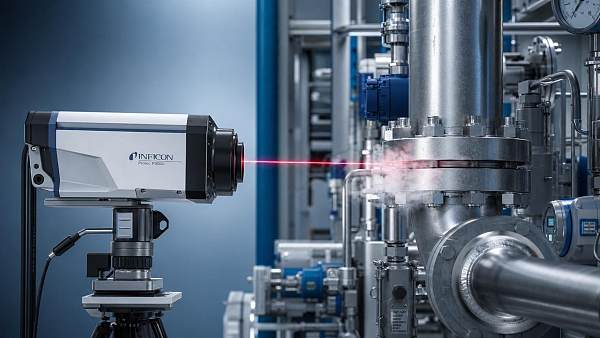
Beyond stacks and ducts, laser monitoring is increasingly relevant for open-path or targeted leak detection in process areas. Facilities handling combustible or harmful gases can use laser techniques to identify concentration increases along defined paths, improving response to fugitive emissions. This use case supports both environmental protection and safety management, especially in complex installations where point sensors alone may not provide enough coverage.
5. Process verification for carbon management pathways
As decarbonization projects expand, laser monitoring is also gaining relevance in CO2-related process verification, flue gas characterization, and fuel-switching initiatives. When plants move between coal, gas, biomass, waste-derived fuels, or mixed feedstocks, gas composition can change rapidly. Laser monitoring helps validate how these transitions affect emission patterns and control performance.
What these changes mean for instrumentation, operations, and compliance
The rise of laser monitoring has implications beyond analyzer selection. It affects how projects are engineered, how maintenance is planned, and how environmental data is interpreted. For the instrumentation industry, this creates a stronger need for integrated system design, where sensor placement, optical path stability, purge arrangements, calibration strategy, and control system interfaces are considered together.
Operationally, the biggest impact is faster visibility into process deviation. Instead of learning about a problem after a compliance excursion or an inefficient operating period, teams can identify trends earlier and correct them with less disruption. From a compliance standpoint, continuous and traceable measurement strengthens recordkeeping and supports root-cause analysis when events occur. This becomes especially valuable in facilities with variable load, fuel quality fluctuations, or demanding permit conditions.
- Better alignment between environmental monitoring and process control
- Improved detection of transient emission events
- Reduced dependence on maintenance-heavy sampling configurations in some applications
- Stronger data support for audits, reporting, and performance reviews
The priority is no longer adoption alone, but fit-for-purpose implementation
Even with clear advantages, laser monitoring does not deliver value automatically. Performance depends on correct application design. Optical contamination, path misalignment, unsuitable measurement location, temperature extremes, and inadequate purge or protection arrangements can weaken results. The trend therefore is shifting from “Should this technology be used?” to “Where and how should it be deployed to produce dependable decisions?”
Key points that deserve attention include:
- Measurement objective: compliance evidence, control feedback, diagnostics, or all three
- Target gas behavior: expected concentration range, interference risk, and response time requirements
- Installation environment: dust load, vibration, corrosive conditions, and access for maintenance
- Data integration: compatibility with control systems, historians, alarms, and compliance reporting tools
- Lifecycle plan: verification routines, spare strategy, diagnostics, and technician capability
A practical framework for judging the next step
The most effective approach is usually phased deployment. Start with a high-impact application such as combustion tuning or ammonia slip control, validate measurement stability under real conditions, then expand laser monitoring into adjacent emission or process verification points. This reduces implementation risk while building an evidence base for broader instrumentation upgrades.
In summary, laser monitoring is becoming a strategic layer in modern emissions control because it improves speed, selectivity, and actionable insight. Its strongest value appears where plants need continuous awareness of changing gas conditions, not just periodic compliance confirmation. With careful application engineering and clear performance objectives, laser monitoring can help strengthen emission tracking, improve process efficiency, and support long-term environmental compliance in an increasingly demanding industrial landscape.
A practical next step is to map current emission measurement points against process instability, maintenance burden, and reporting risk. Where those three issues overlap, laser monitoring is often worth evaluating first. That creates a focused path toward better instrumentation decisions and more resilient emissions control performance.
Recommended for You
 FDA Updates IVD Import Guidance: CNAS Calibration Chain Required for China-Made DevicesFDA now requires CNAS calibration chain reports for China-made IVD analyzers—pH, ion & clinical chemistry devices entering via 510(k)/De Novo. Act now to avoid U.S. port rejections.
 EN 61000-6-4:2026 Enters Force: Stricter EMC Requirements for Industrial Field InstrumentsEN 61000-6-4:2026 enforces stricter EMC requirements for industrial field instruments—key for AI edge controllers, sensors & exporters. Act now to ensure CE-EMC compliance by Nov 2026.
 Global Methanol Electric Alliance Launches Cross-Border Energy Efficiency Recognition RoadmapGlobal Methanol Electric Alliance launches cross-border energy efficiency recognition roadmap—key for exporters, cal labs & methanol-instrument manufacturers.
 Red Sea Crisis Escalates: Air Freight Premiums for China–Middle East Industrial Instruments Hit 390%Red Sea Crisis hits industrial instruments: China–Middle East air freight premiums surge 390%. Act now to secure Q3 capacity, avoid delays & optimize LCL alternatives.
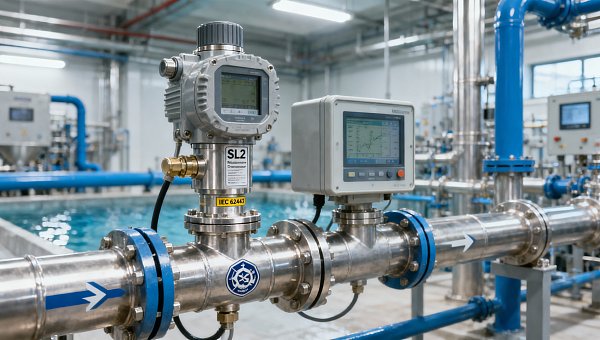
 IEC TC65 Mandates Cybersecurity Certification for Industrial Field Instruments from 2027IEC TC65 mandates cybersecurity certification for industrial field instruments by 2027 — pressure, flow & analytical devices must meet IEC 62443-4-2:2026 and display SL1–SL3 labels. Act now to ensure market access.
 SASO Cuts Energy Labeling Turnaround for Industrial Transmitters to 7 Working DaysSASO Energy Labeling now takes just 7 working days for industrial transmitters — faster market access, CNAS reports accepted. Act now!
 PTB Launches CalCloud 2.0 with Direct CNAS Lab IntegrationCalCloud 2.0 now integrates directly with CNAS labs—enabling automated VDA 5 & ISO/IEC 17025 dual-compliant calibration reports for automotive and industrial exporters. Boost compliance efficiency today!
 ASEAN's Green Clearance Corridor for CNAS Calibration Reports LaunchesASEAN's Green Clearance Corridor now verifies CNAS calibration reports via blockchain—cut customs clearance to <48h for flow meters, analyzers & more. Act now!
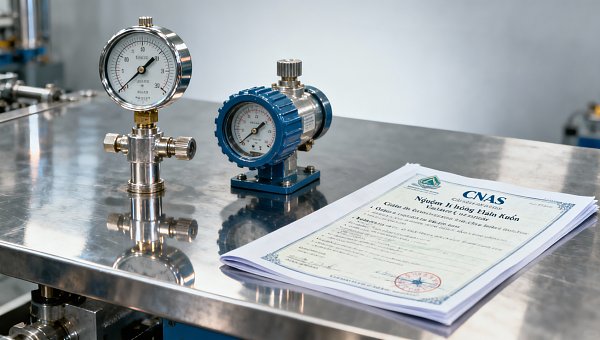
 Vietnam Mandates CNAS Calibration Certificates & Vietnamese Manuals for Industrial Meters from June 1, 2026CNAS calibration certificates & Vietnamese manuals now mandatory for industrial meters entering Vietnam from June 1, 2026—avoid customs delays and ensure seamless market access.
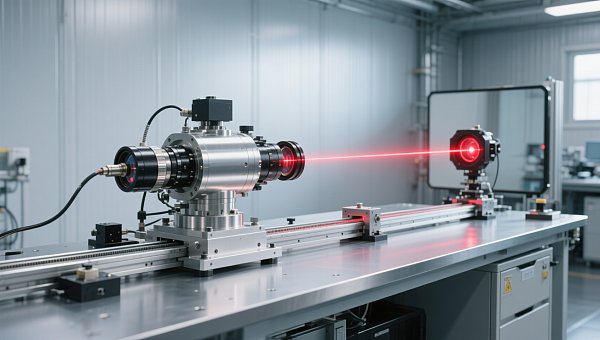
 U.S. BIS Tightens Export Controls on High-Precision Laser InterferometersU.S. BIS tightens export controls on high-precision laser interferometers—critical for semiconductor metrology & ISO/IEC 17025 calibration. Act now to ensure compliance.
 Paramagnetic Monitor Calibration Tips for Stable OutputParamagnetic monitor calibration tips for stable output: learn how to reduce drift, improve accuracy, cut downtime, and keep oxygen measurement reliable in demanding industrial applications.
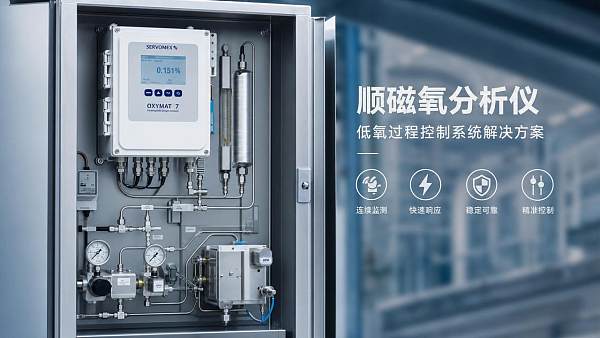
 Paramagnetic Measurement in Low-Oxygen Process ControlParamagnetic measurement enables accurate low-oxygen process control with fast response and stable oxygen analysis. Learn how it improves safety, consistency, and system performance.
 Laser Detector Import Risks and Certification DelaysLaser detector import risks can cause costly certification delays, customs issues, and testing setbacks. Learn how to avoid compliance failures before ordering.
 Explosion Proof Detector Demand Under New Safety RulesExplosion proof detector demand is rising under new safety rules. Discover how to compare certified, reliable options that improve compliance, integration, and long-term site safety.
 Laboratory Detector Accuracy Standards You Should CheckLaboratory detector accuracy standards explained: check detection limits, repeatability, drift, and traceability to reduce risk, improve audit readiness, and choose with confidence.
 Custom Measurement Lead Times and Budget PlanningCustom measurement lead times and budgets explained for procurement teams. Learn key cost drivers, planning steps, and supplier tips to reduce delays and buy with confidence.
 Laser Measurement for Leak Detection: Common PitfallsLaser measurement for leak detection can fail due to setup, airflow, and data interpretation errors. Learn the common pitfalls and proven fixes for more accurate, reliable results.
 How to Evaluate a High Accuracy Detector in the FieldHigh accuracy detector evaluation starts with real field performance. Learn how to compare stability, response time, and reliability to choose the right detector with confidence.
 Electrochemical Monitor Lifespan and Replacement CostsElectrochemical monitor lifespan and replacement costs explained for buyers. Learn how sensor life, maintenance, and total ownership cost affect safer, smarter purchasing decisions.
 Thermal Analysis Market Direction in Process IndustriesThermal analysis market direction in process industries: discover trends, applications, and investment insights that improve quality control, reduce risk, and support smarter industrial decisions.
 Monitoring Shelter Design Priorities for Outdoor SitesMonitoring shelter design starts with protection, climate control, and power reliability. Discover how to choose the right outdoor solution for stable data, safer maintenance, and lower lifecycle risk.
 Fixed Measurement Planning for Multi-Point InstallationsFixed measurement planning is essential for multi-point installations. Learn how to improve accuracy, reliability, compliance, and maintenance efficiency across complex industrial systems.
 Fixed Analysis Systems for Stable Long-Term MonitoringFixed analysis systems enable stable long-term monitoring, reliable data, and better process control. Discover how they improve safety, compliance, and operational efficiency.
 Thermal Gas Applications Expanding in Clean IndustryThermal gas applications are reshaping clean industry with smarter flow measurement, emissions control, and energy optimization. Discover where they cut risk, boost efficiency, and support automation.
 Monitoring Detector Export Rules to Watch in 2026Monitoring detector export rules are changing fast in 2026. Learn the key compliance risks, supplier checks, and trade signals to protect margins and make smarter sourcing decisions.
 Control Detector Setup Mistakes That Affect ReliabilityControl detector setup mistakes can quietly reduce accuracy and uptime. Learn the most common installation, wiring, and calibration errors—and how to avoid them for reliable performance.
 What Defines a High Accuracy Monitor TodayHigh accuracy monitor selection starts with real-world performance. Learn the key accuracy factors, buyer checklist, and how to choose a reliable monitor for industrial control.
 Infrared Monitor Demand in Industrial Safety UpgradesInfrared monitor demand is rising as industrial safety upgrades accelerate. Discover where buyers need it most, how channel partners can sell smarter, and which applications drive long-term growth.
 Thermal Conductivity Monitor Limits in Mixed Gas StreamsThermal conductivity monitor limits in mixed gas streams explained—learn where accuracy drops, what buyers should compare, and how to choose the right analyzer with confidence.
 Laser Monitor vs Infrared Monitor for Fast DetectionLaser monitor vs infrared monitor for fast detection: discover which delivers better precision, response speed, and reliability for industrial monitoring and smarter sensor selection.
 Thermal Gas Analyzer Price Shifts Across Global MarketsThermal gas analyzer price shifts are reshaping global budgets. Learn what drives costs, regional differences, and how buyers can reduce risk and improve long-term value.
 Custom Analysis Options for Complex Gas ApplicationsCustom analysis helps solve complex gas applications with better accuracy, compliance, and reliability. Discover practical selection insights that reduce risk and improve system performance.


Search Categories
Search Categories
Latest Article
- FDA Updates IVD Import Guidance: CNAS Calibration Chain Required for China-Made DevicesFDA now requires CNAS calibration chain reports for China-made IVD analyzers—pH, ion & clinical chemistry devices entering via 510(k)/De Novo. Act now to avoid U.S. port rejections.Posted by:
- EN 61000-6-4:2026 Enters Force: Stricter EMC Requirements for Industrial Field InstrumentsEN 61000-6-4:2026 enforces stricter EMC requirements for industrial field instruments—key for AI edge controllers, sensors & exporters. Act now to ensure CE-EMC compliance by Nov 2026.Posted by:
- Global Methanol Electric Alliance Launches Cross-Border Energy Efficiency Recognition RoadmapGlobal Methanol Electric Alliance launches cross-border energy efficiency recognition roadmap—key for exporters, cal labs & methanol-instrument manufacturers.Posted by:
Please give us a message
